Your search Villa of Domitian at the Castel Gandolfo gave 3663 results.
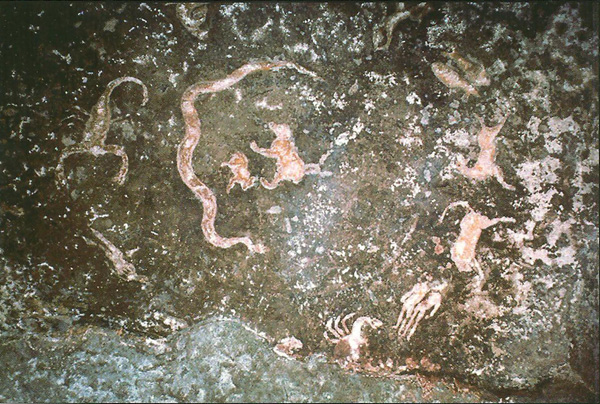
Solis invicti Mithrae studiosus astrologiae who was at the same time ’caelo devotus et astris’.

This altar was dedicated by a certain Marcus Aurelius Decimus to Sol Mithras and other gods in Diana, Numibia, present Argelia.

Slab found at Tazoult-Lambèse dedicated to the Unconquered god Sol Mithras by the governor of Numidia Marcus Aurelius Decimus.
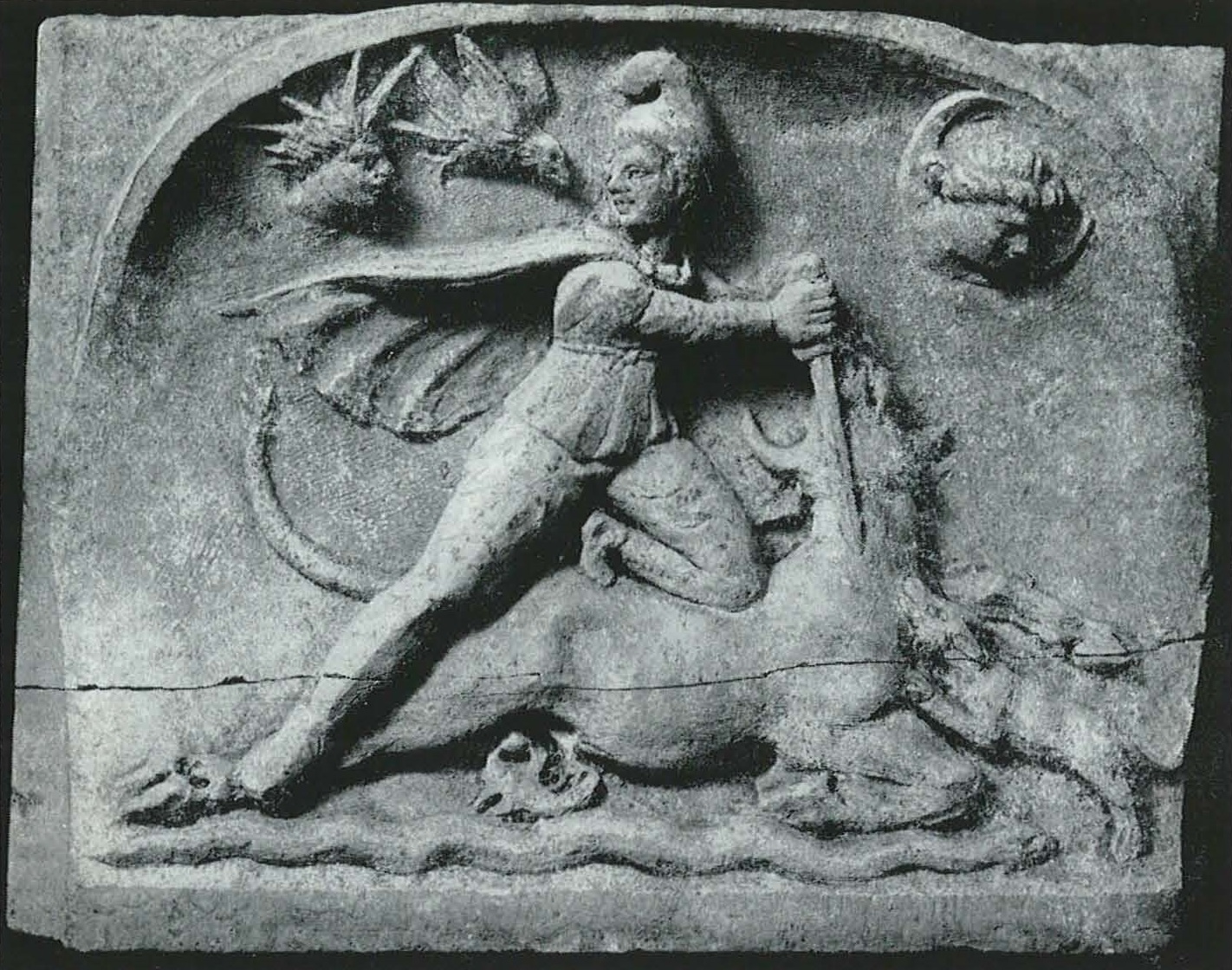
This simple relief of Mithras killing the bull without his companions Cautes and Cautopates was found in the so-called Mithraeum of the Esquilino, Rome.

White marble statue of Mithras killing the sacred bull preserved in the Museo Nacional Romano.

This lamp, depicting a man slicing his victim into pieces with a sword, was believed to be associated with the Cult of Mithras.
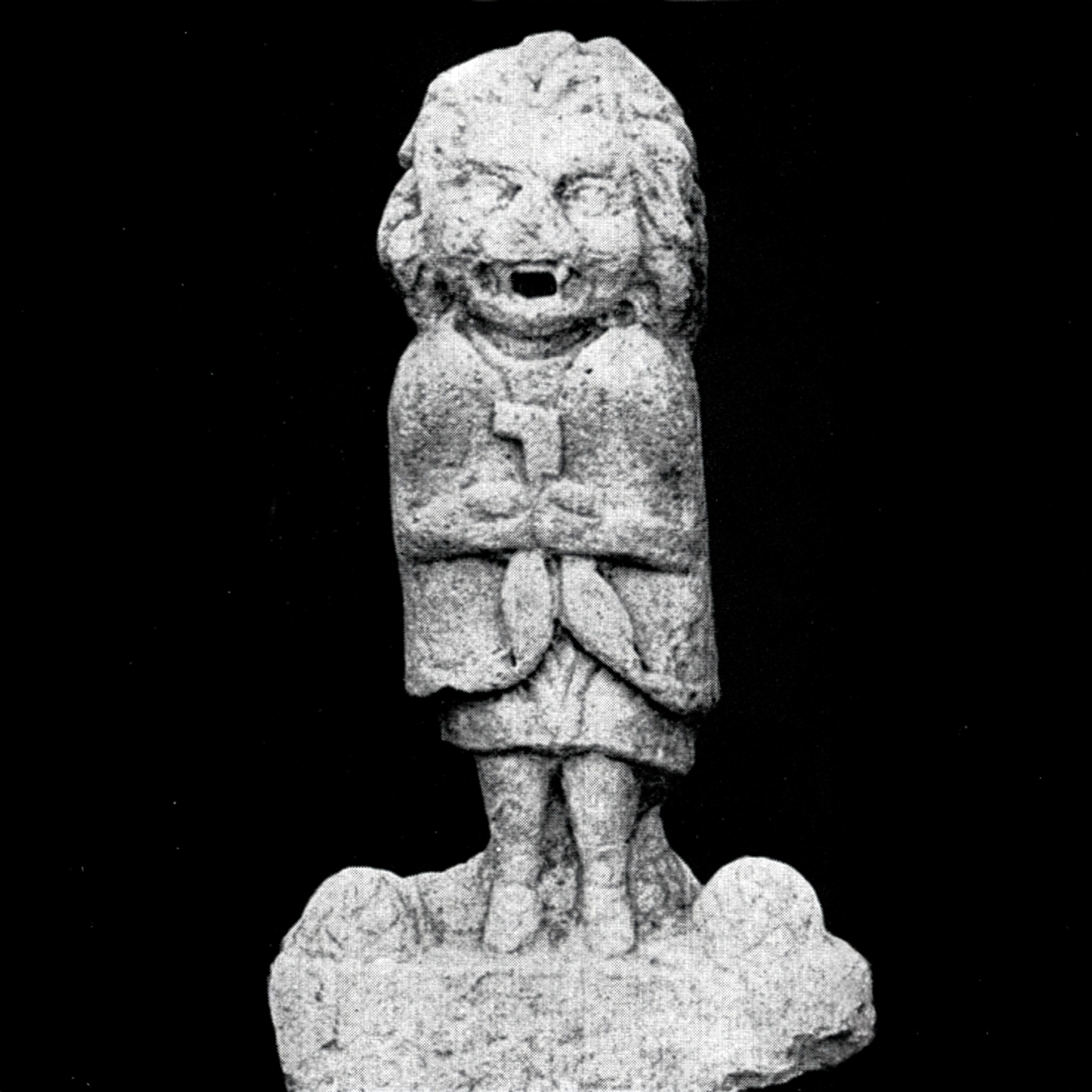
The lion-headed figure from Rusicade, now Skikda, holds a key in both hands and features a pine cone beside his feet.
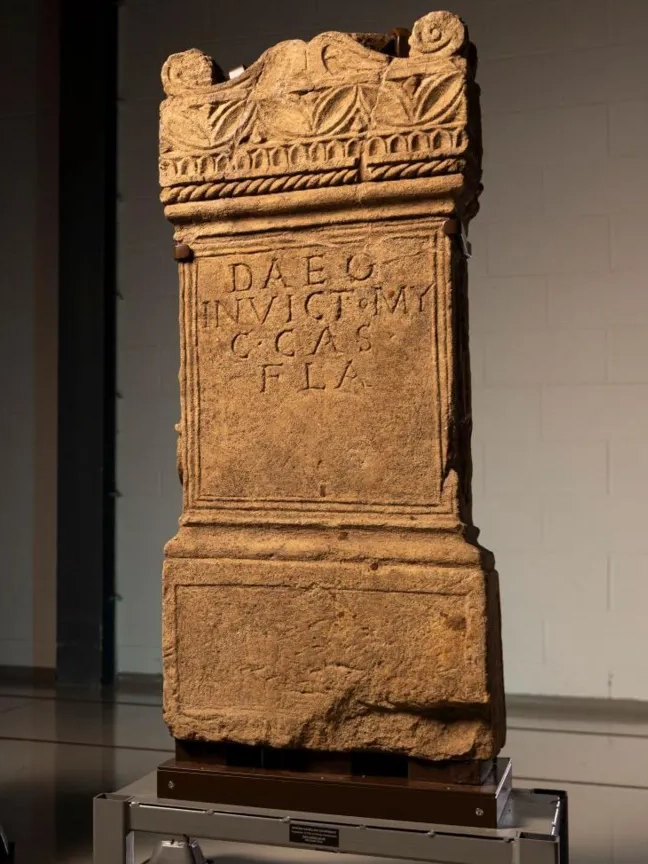
This second altar discovered to date near Inveresk includes several elements unusual in Mithraic worship.
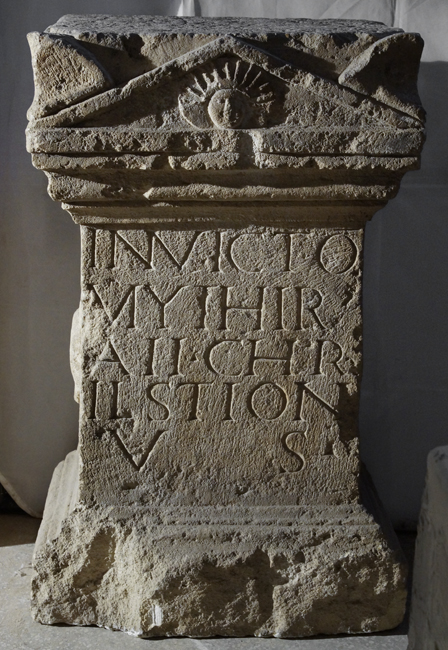
In 1852, Károly Pap, a naval captain, unearthed several Mithraic monuments in his garden at Marospartos, including this altar.

The importance of the Mithraeum of Marino lies in its frescoes, the most significant of which is that of Mithras slaying the bull, surrounded by mythological scenes.
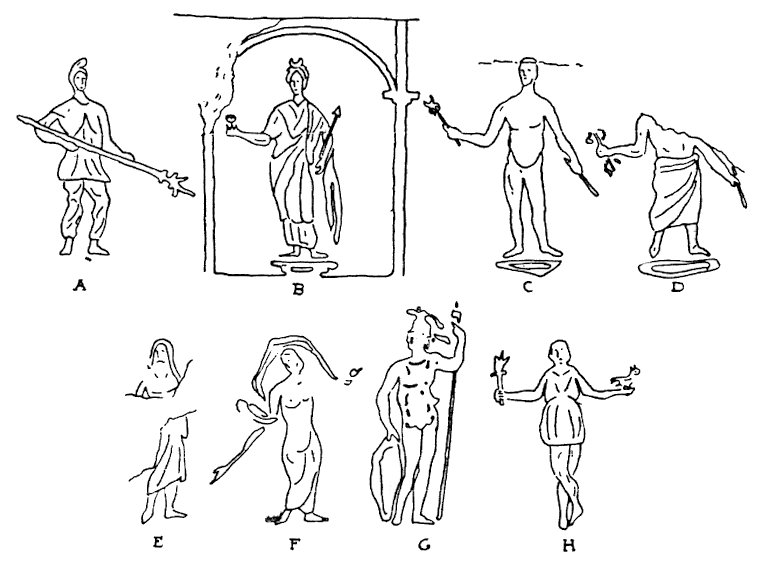
Diana-Luna, Mercurius, Jupiter, Saturn, Venus and Mars are depicted in the mosaics on the benches of this mithraeuma.
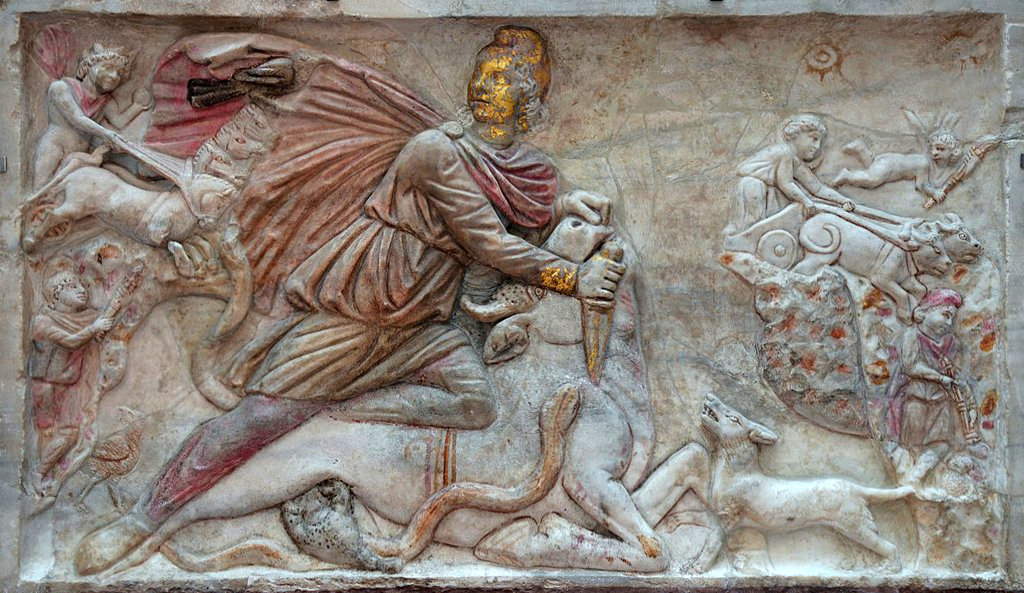
The relief of Mithras killing the bull of Stefano Rotodon preserves part of his polycromy and depicts two unusual figures: Hesperus and an owl.
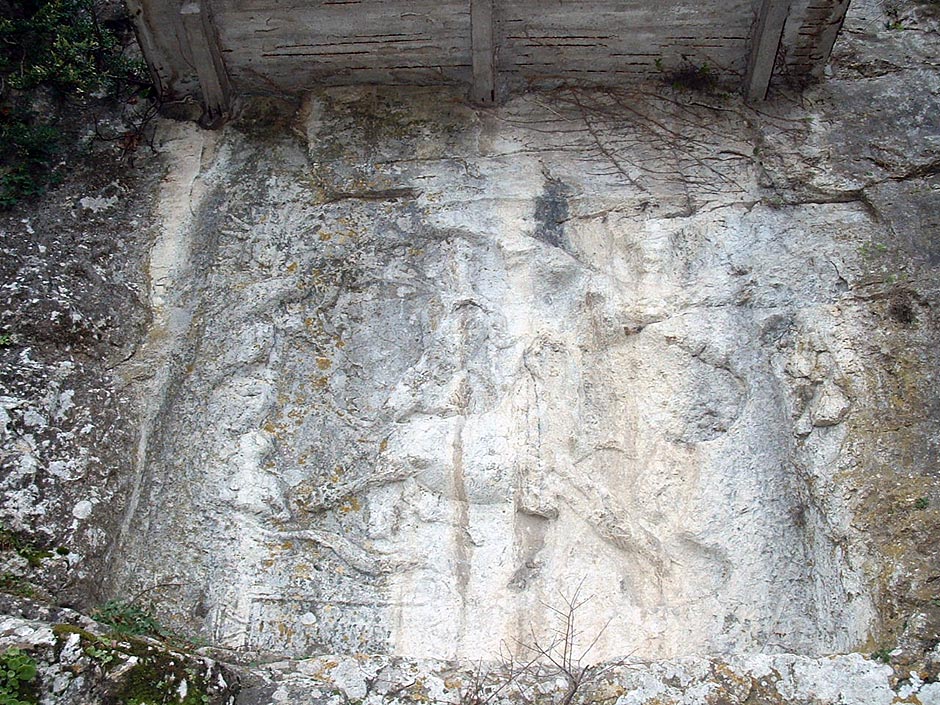
The low relief of Bourg-Saint-Andéol depicting Mithras killing the bull has been chiseled on the rock.
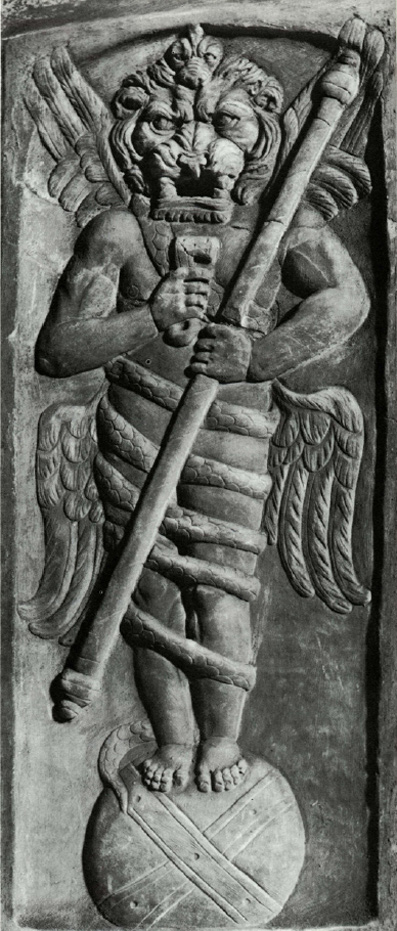
The lion-headed god is standing on a globe encicled by two crossed bands on which five pearls.
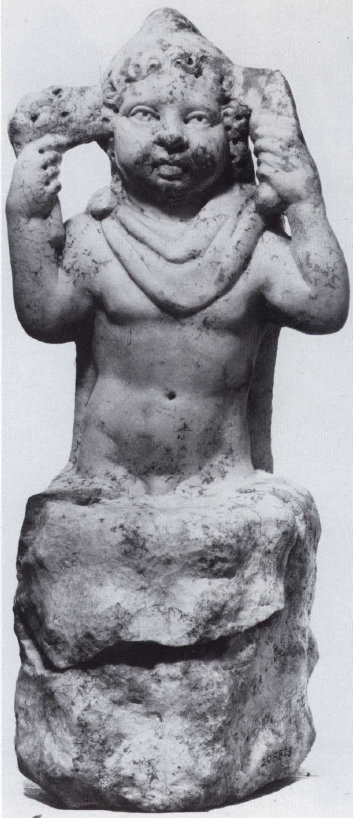
The second statue of Mithras rock-birth was found in the Mitreo di Santo Stefano Rotondo shows a childish Mitras emerging from the rock.
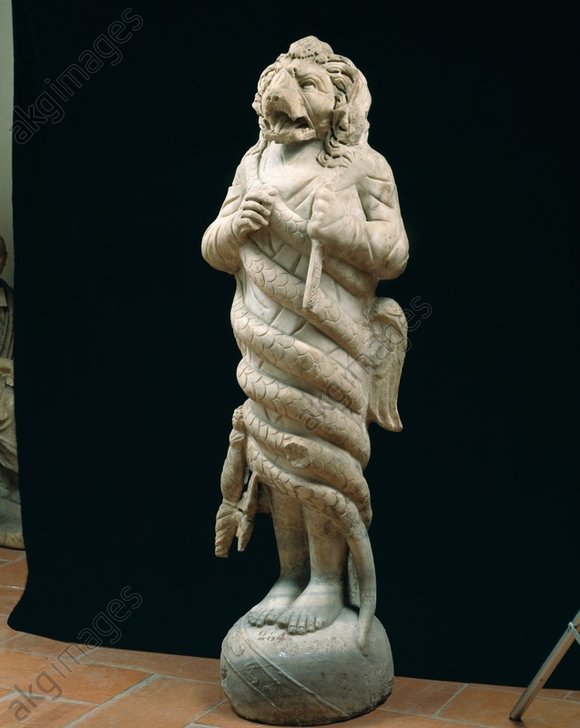
The sculpture of Aion from Florence, Italy, has the usual serpent, coiled six times on its body, whose head rests on that of the god of eternal time.
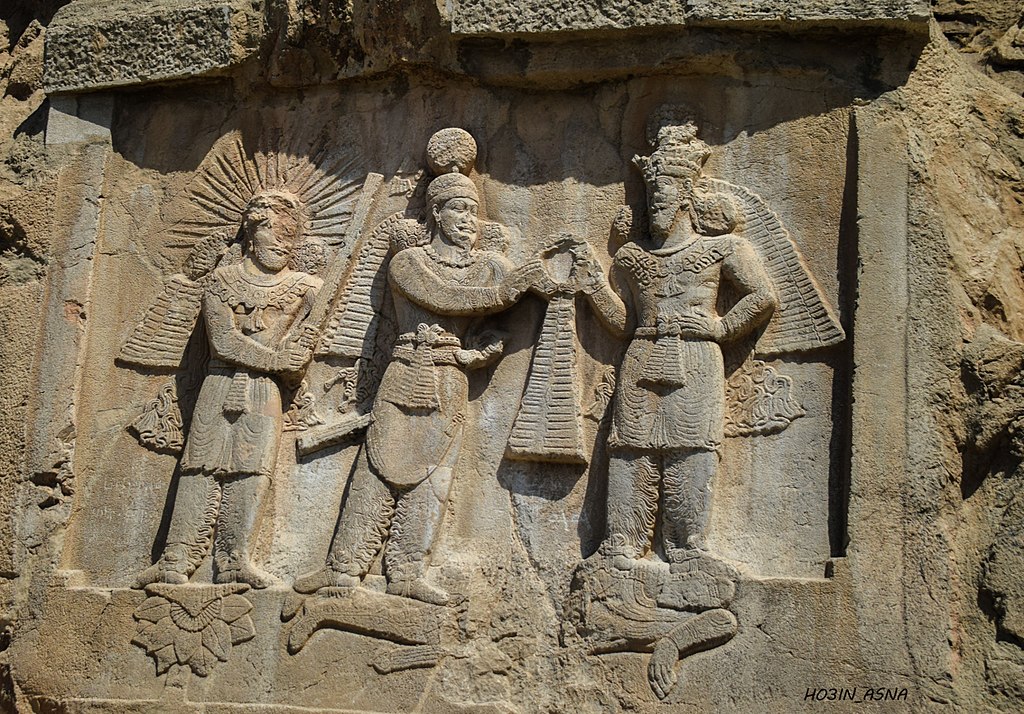
This monument depicts Mihr/Mithras watching over the transition of power from Shapur II to Ardashir II, which took place in 379.
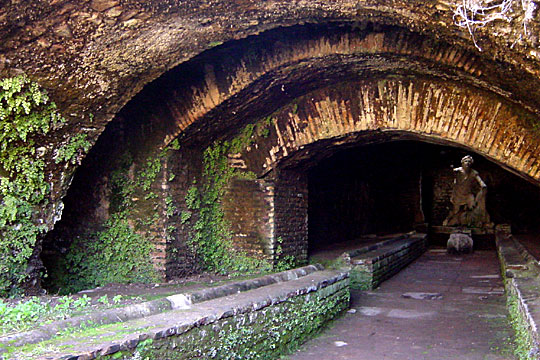
The Mithraeum of the terms of Mithras takes its name from being installed in the service area of the Baths of Mithras.
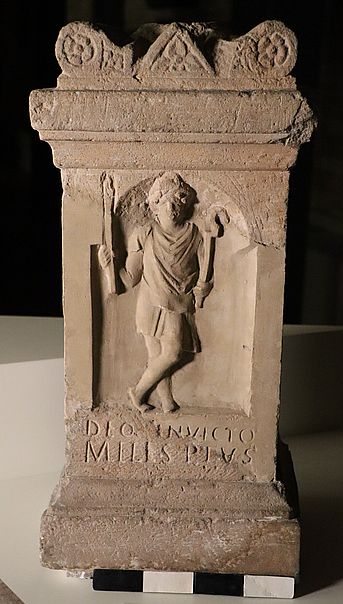
Small votive altar in white limestone from Aquae Mattiacae, dedicated to Deo Invicto by a miles pius. The top preserves the head of Cautes with his raised torch.