Your search farid ud din attar gave 1818 results.
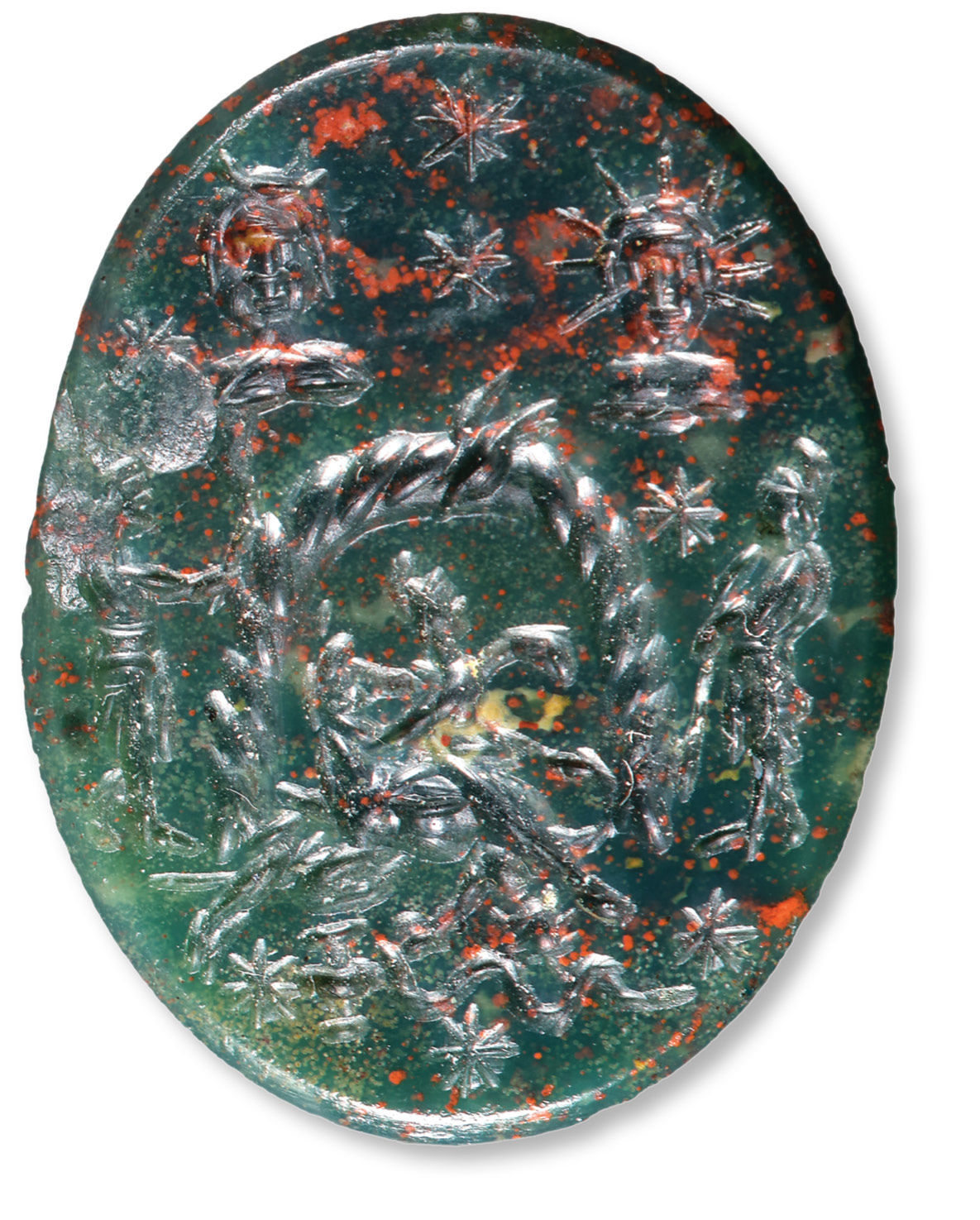
This heliotrope gem, depicting Mithras slaying the bull, dates from the 2nd-3rd century, but was reused as an amulet in the 13th century.

Ernest Renan suggested that without the rise of Christianity, we might all have embraced the cult of Mithras. Nevertheless, it has had a lasting influence on secret societies, religious movements and popular culture.

Translation and Introductory Essay by Robert Lamberton. Station Hill Press Barrytown, New York 1983.

Preamble and notes published by G. R. S. Mead in his series Echoes from the Gnosis 1907, London and Benares. Translation of the manuscript by Dieterich Eine Mithrasliturgie 1903, Leipzig.

Excerpted from Mushroom, Myth and Mithras, this passage elaborates on the Mithraic ritual and the degree of Nymphus.
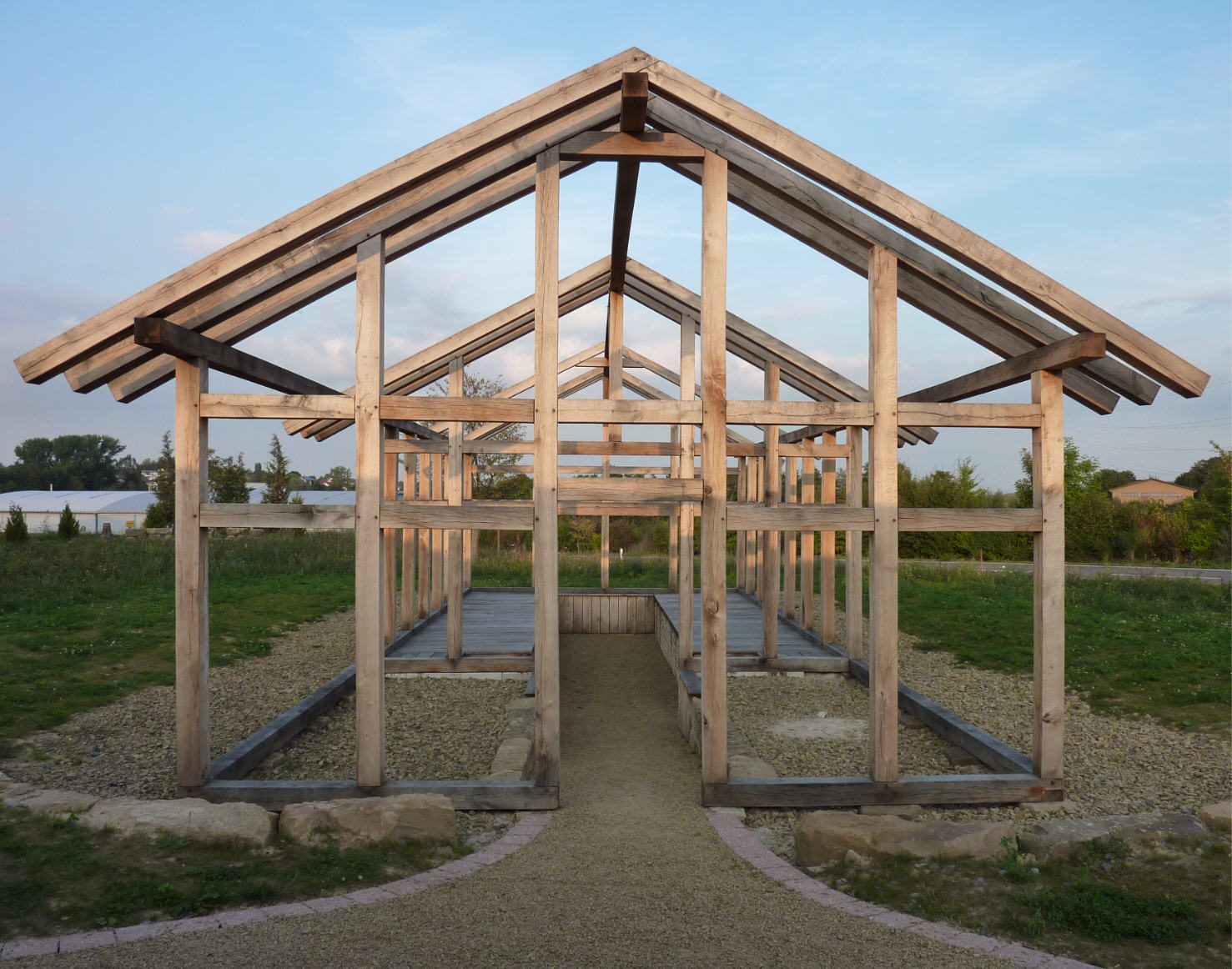
Two Mithras sanctuaries, which were located on the edge of the settlement, were excavated in Güglingen.

During the first semester of his sophomore year at Crozer, King composed a paper for Enslin’s course on Greek religion, focusing on Mithraism.

The Mithraea in the territory of Arupium were first mentioned by Š. Ljubić in 1882.

For the launch of our YouTube channel, we chat with the author, poet, essayist and friend Peter Mark Adams about the Sola-Busca tarot, a Renaissance masterpiece, uncovering ties to the Mithras cult.
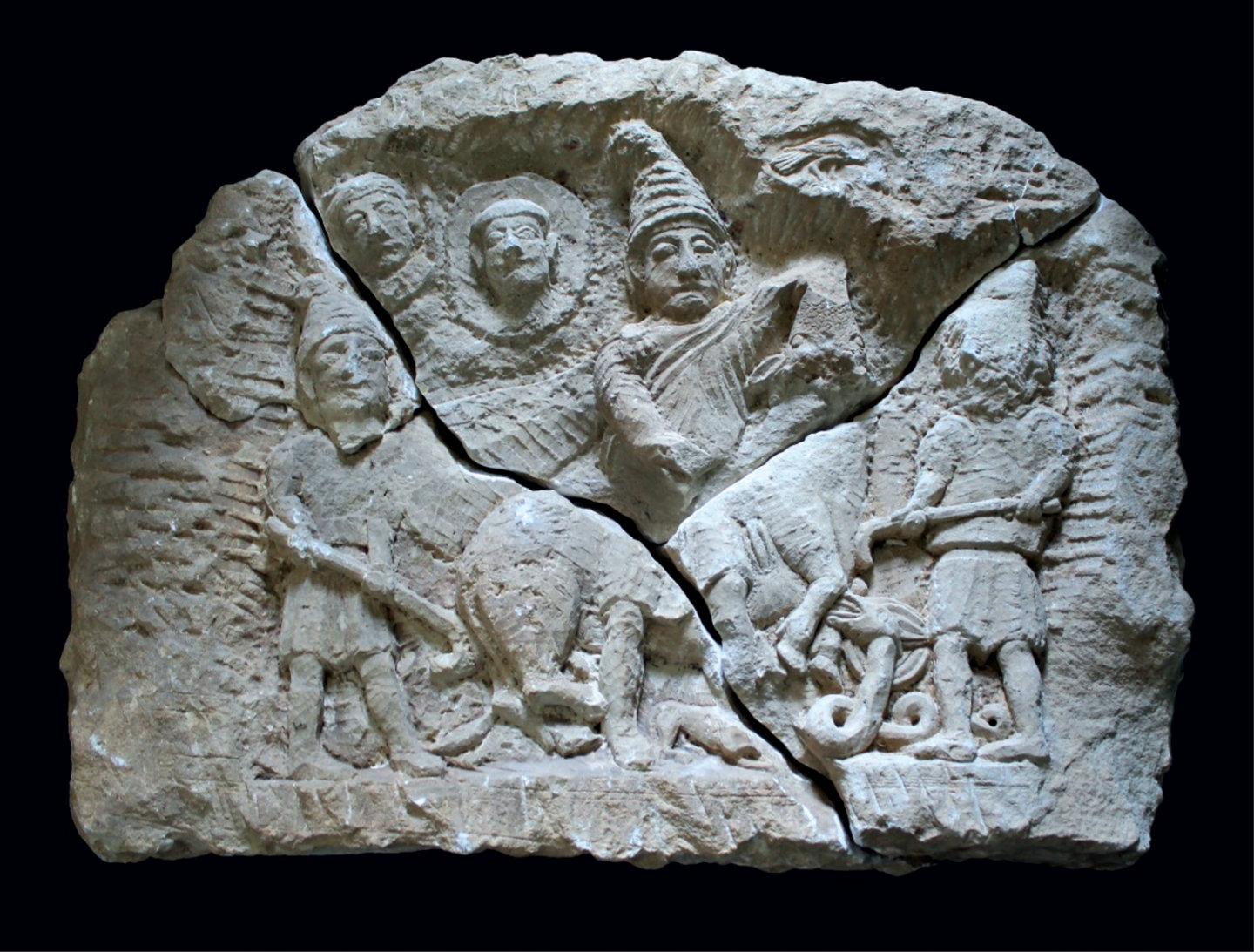
The relief of Mithras killing the bull, found near Zvornik in Bosnia and Herzegovina, features some variations on the usual scene.
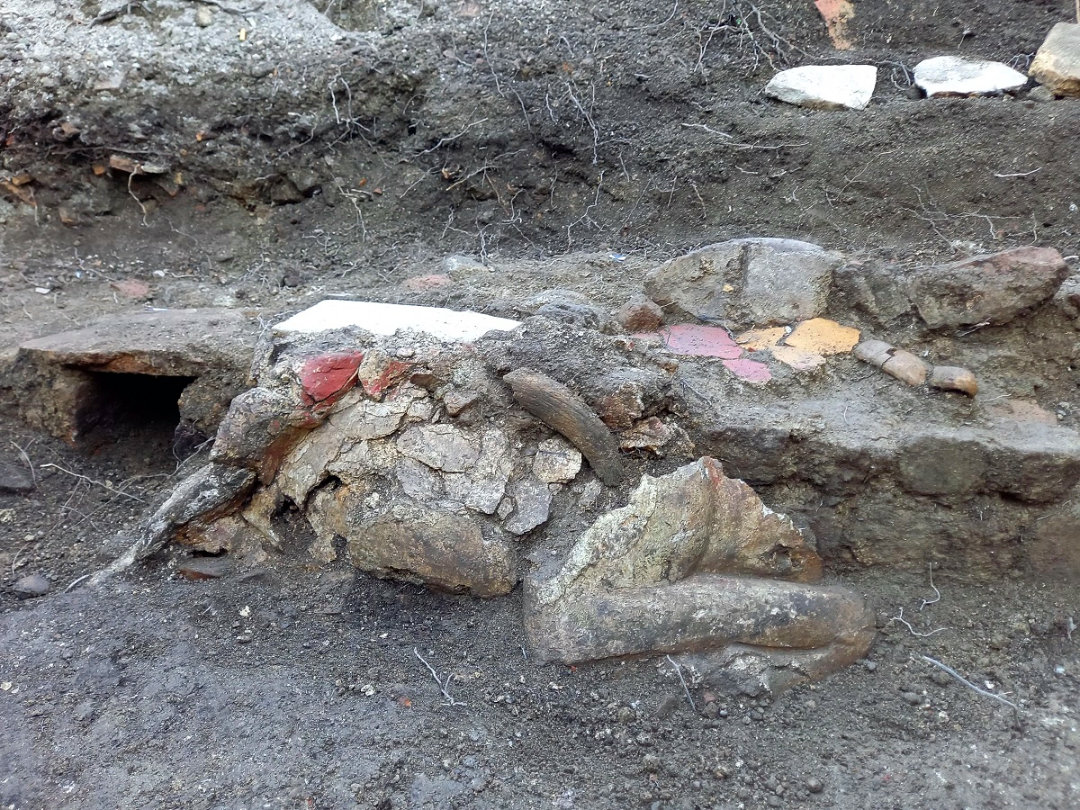
Archaeologists discovered the 20th temple dedicated to Mithras in Ostia during the restoration of the domus del capitello di stucco in 2022.

Mithraeum I in Güglingen, Landkreis Heilbronn (Baden-Württemberg).
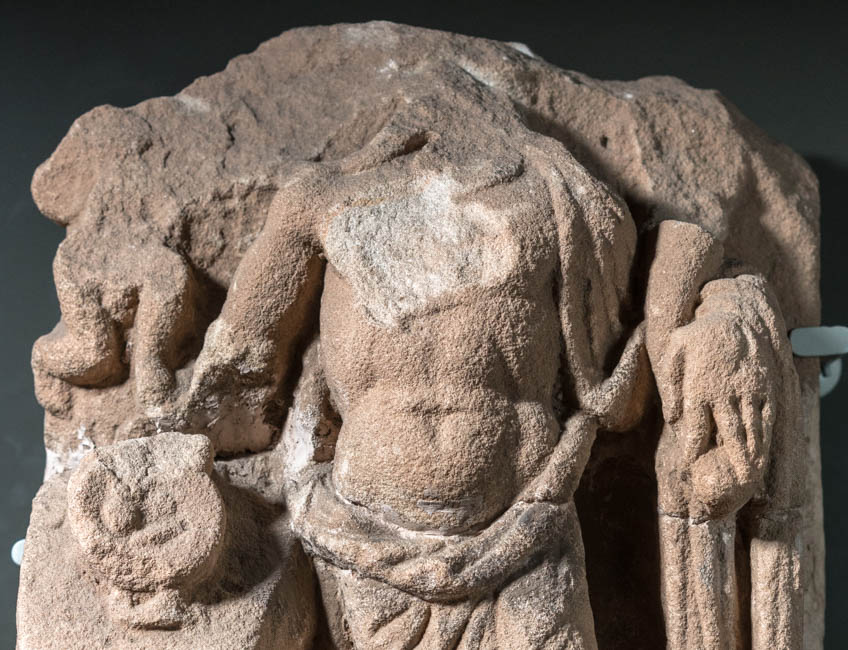
A standing half naked man makes offerings to an altar while holding a cornucopia in his other hand.
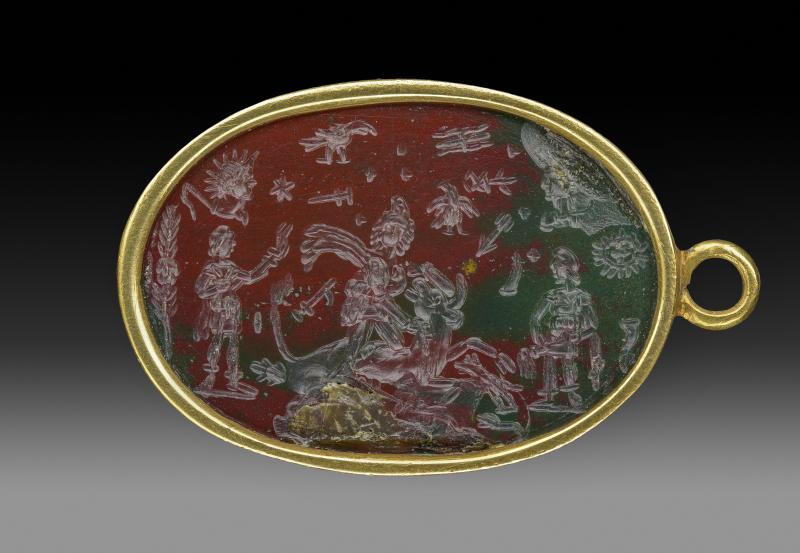
This intaglio portrays Mithra slaying the bull on one side, and a lion with a bee, around seven stars, and inscription, on the other.
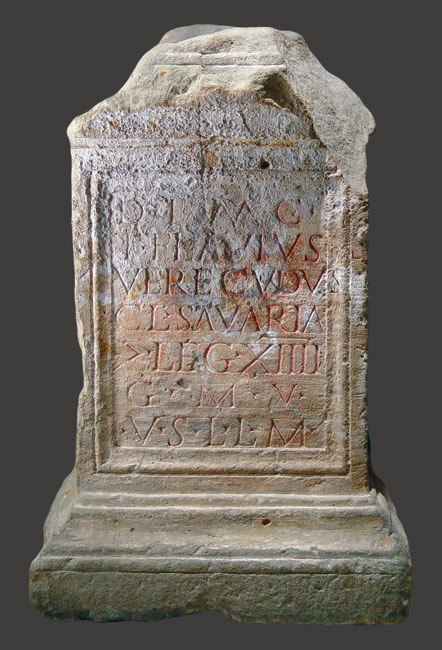
This monument to Mithras and Cautes (or Cautopates) was erected in Carnuntum by the centurion Flavius Verecundus of Savaria.
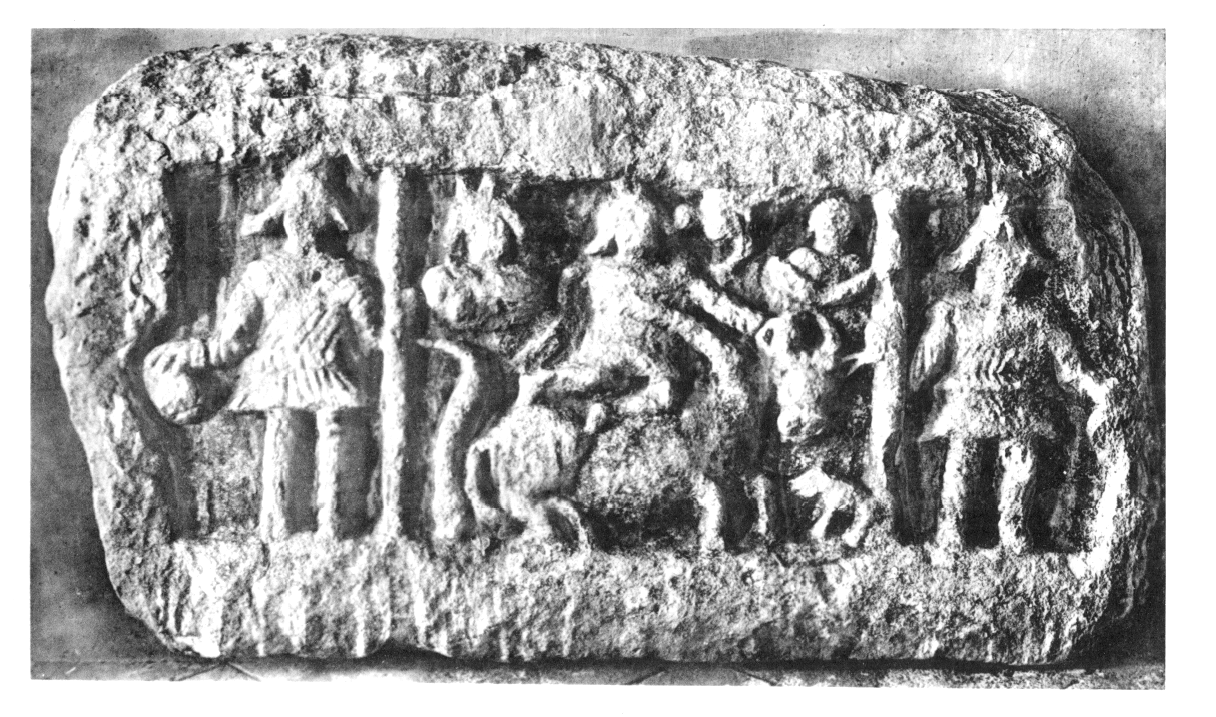
This relief of Mithras as bull slayer is surrounded by Cautes and Cautopates with their usual torch plus an oval object.
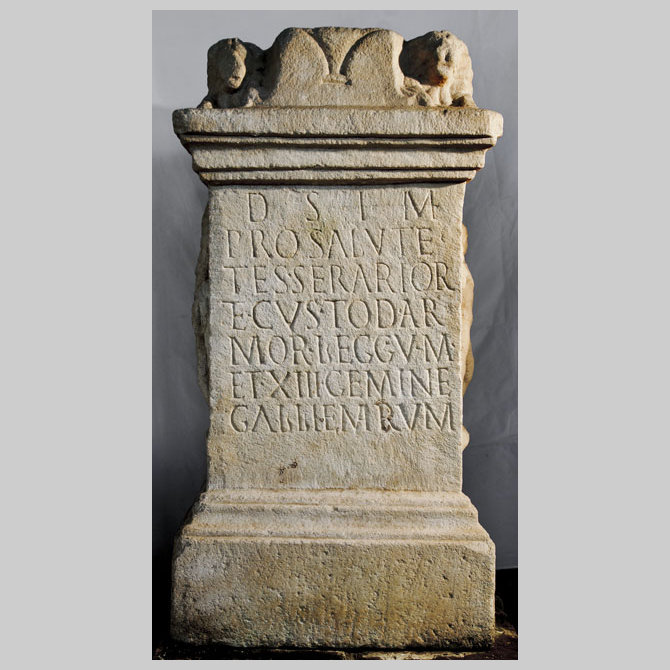
This altar, found in the 3rd mithraeum of Ptuj, bears an inscription and a relief of Sol and a person with a cornucopia.
Three larger altars and other finds from the Mithraeum of Jajce, Bosnia and Herzegovina.
This statuette was bought by A. Wiedemann in Luxor in 1882 from a man from Kus.
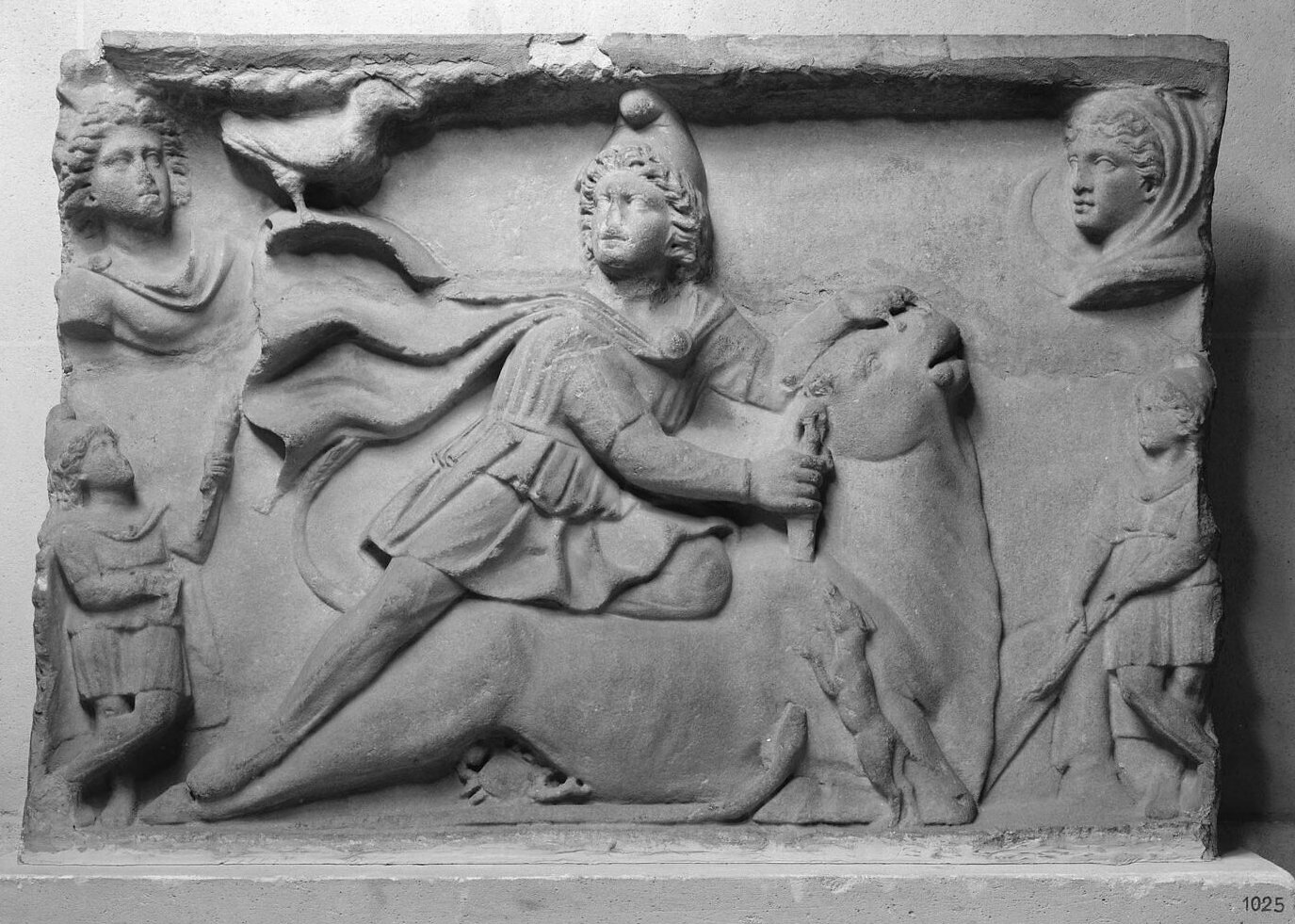
This is one of the three reliefs of Mithras as a bullkiller from the Villa Borghese collection that belong to the Louvre museum, now in the Louvre Abu Dhabi.
