Your search farid ud din attar gave 1818 results.
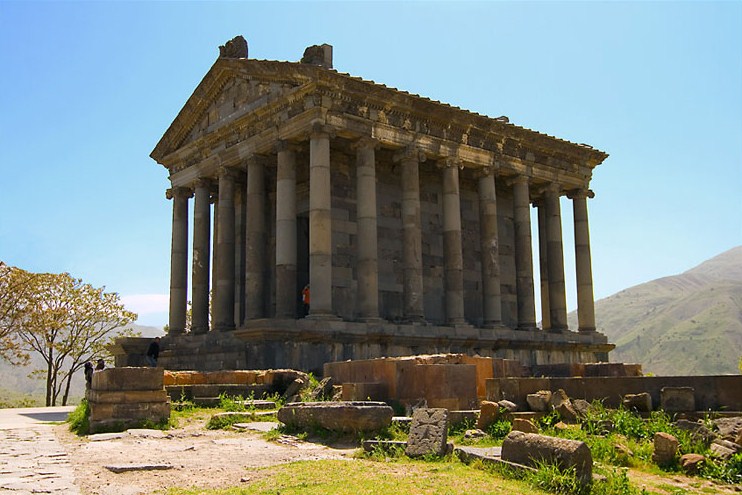
After Christianity was adopted, most pagan monuments were destroyed or abandoned. Garni, however, was preserved at the request of the sister of King Tiridates II and used as a summer residence for Armenian royalty.
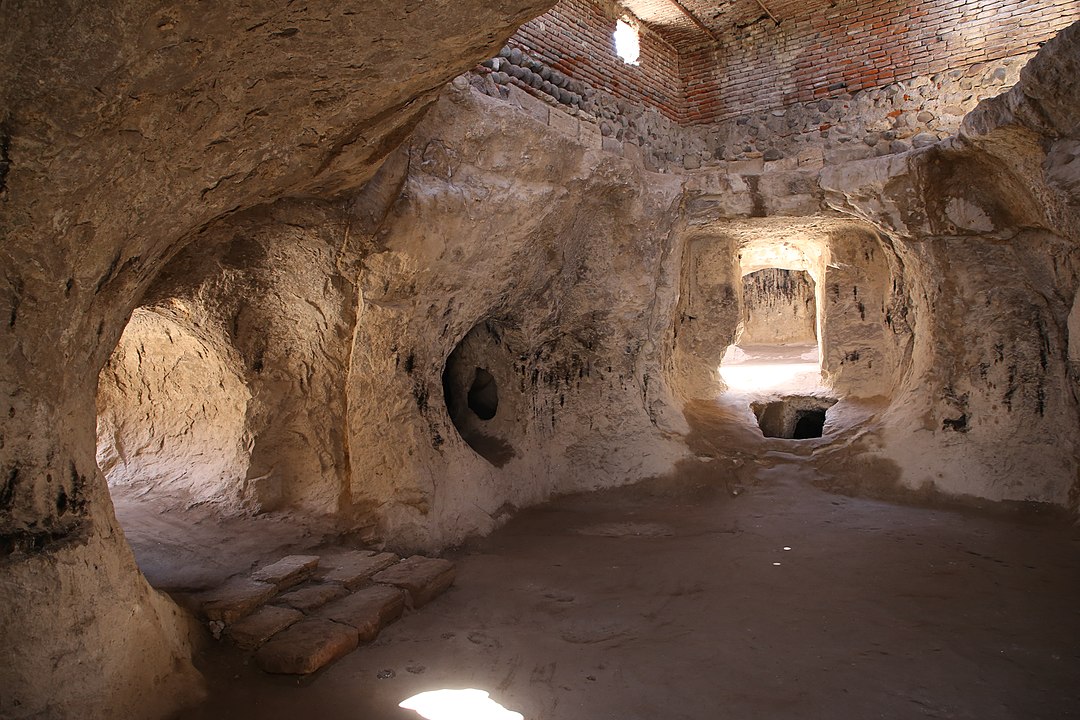
The Mithra Temple of Maragheh, also referred to as the Mithra Temple of Verjuy or simply Mehr Temple, is the oldest surviving Mithraic temple in Iran known to date.
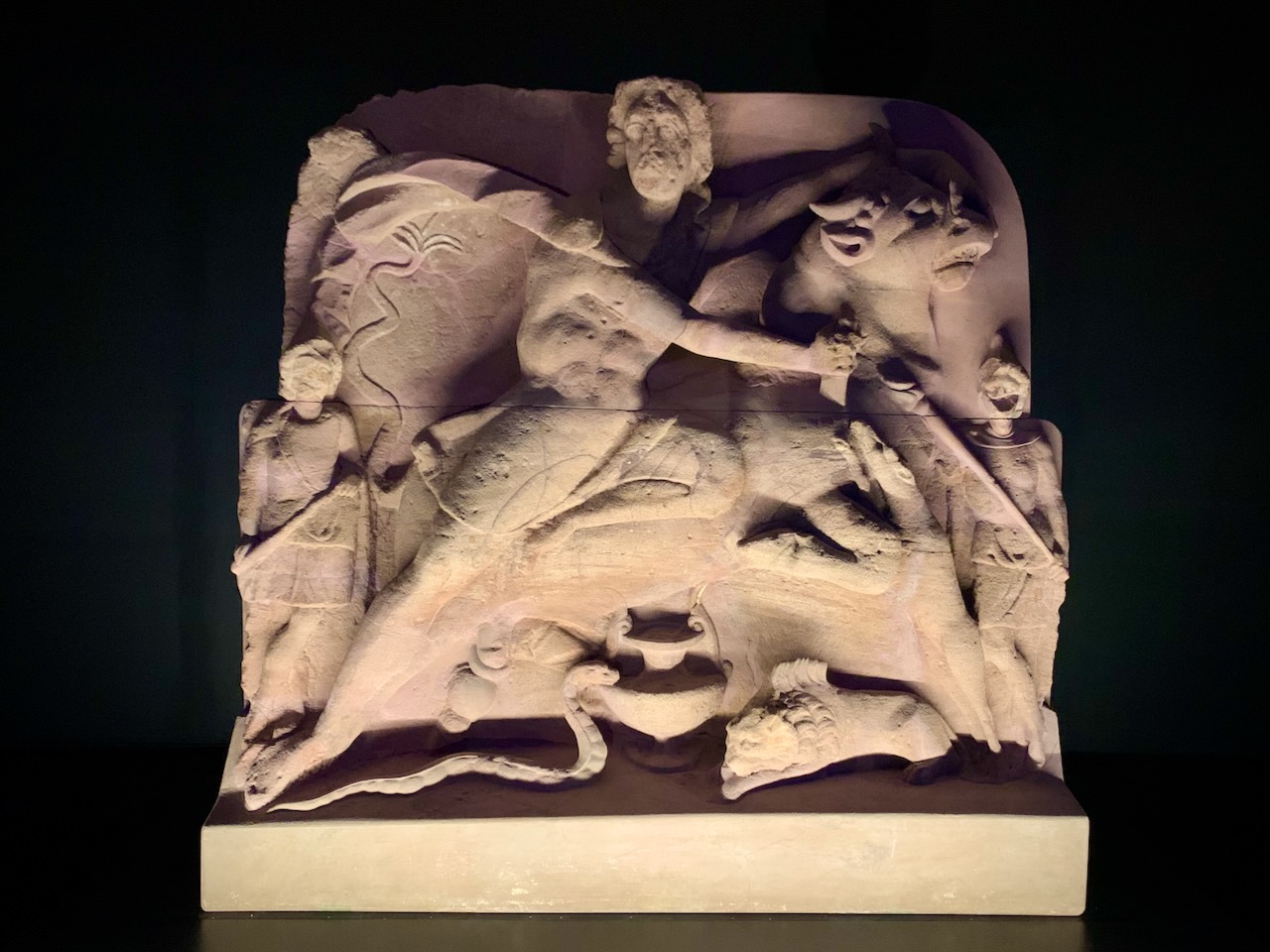
The relief of Mithras slaying the bull from Nida's Mithraeum III was found in two pieces in 1887, destroyed during an air raid on Frankfurt in 1944, and restored in 1986.
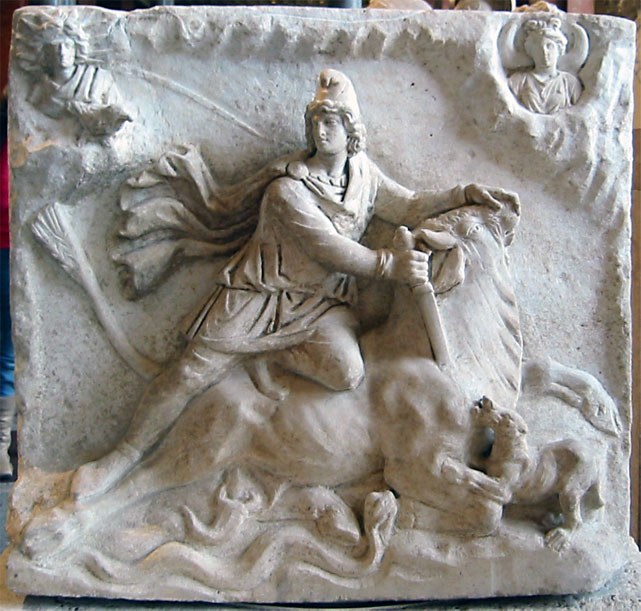
The marble shows Mithras slaying the bull, on one side, and Sol and Mithras feasting on a bull skin, on the other.
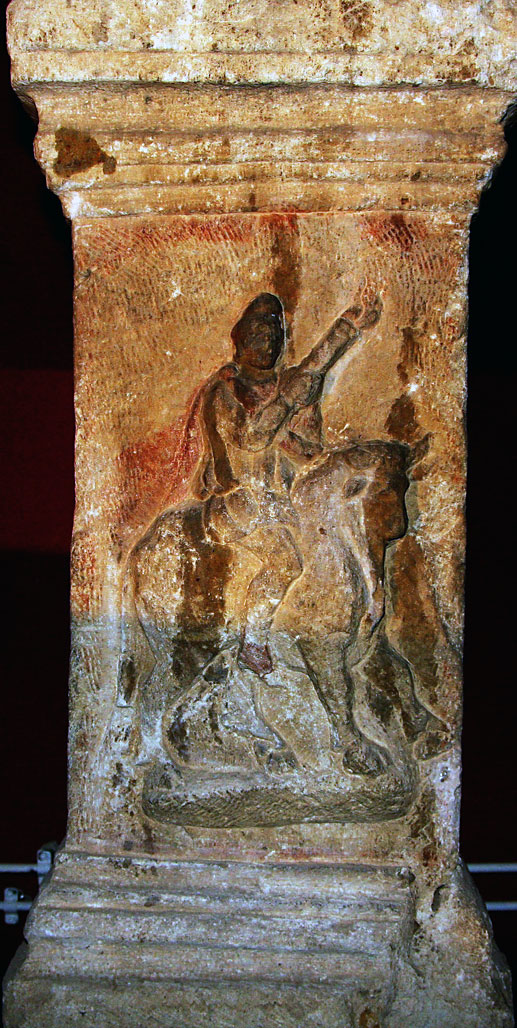
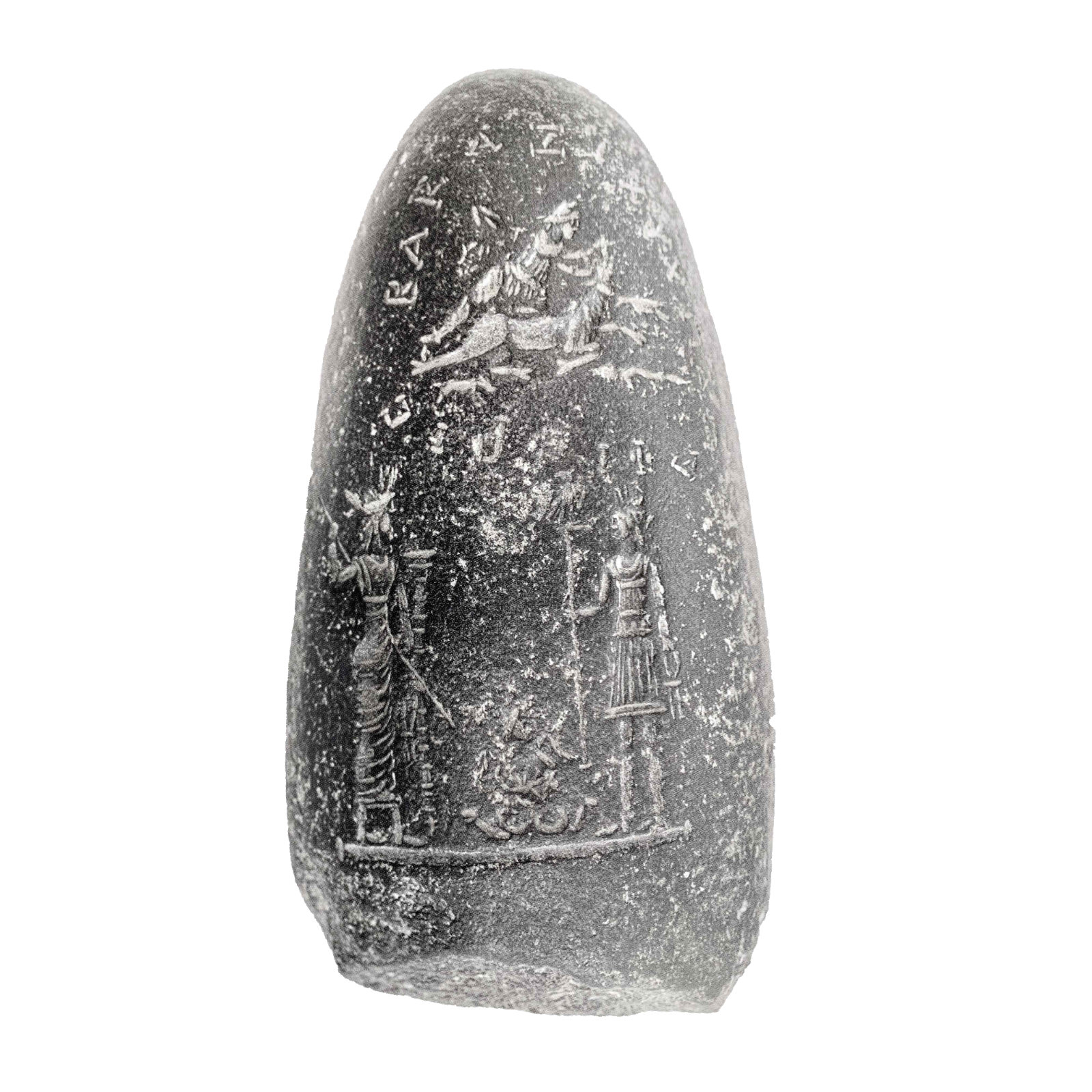
According to Christopher A. Faraone, the axe-head from Argos belong to a category of thunderstones reused as amulets.
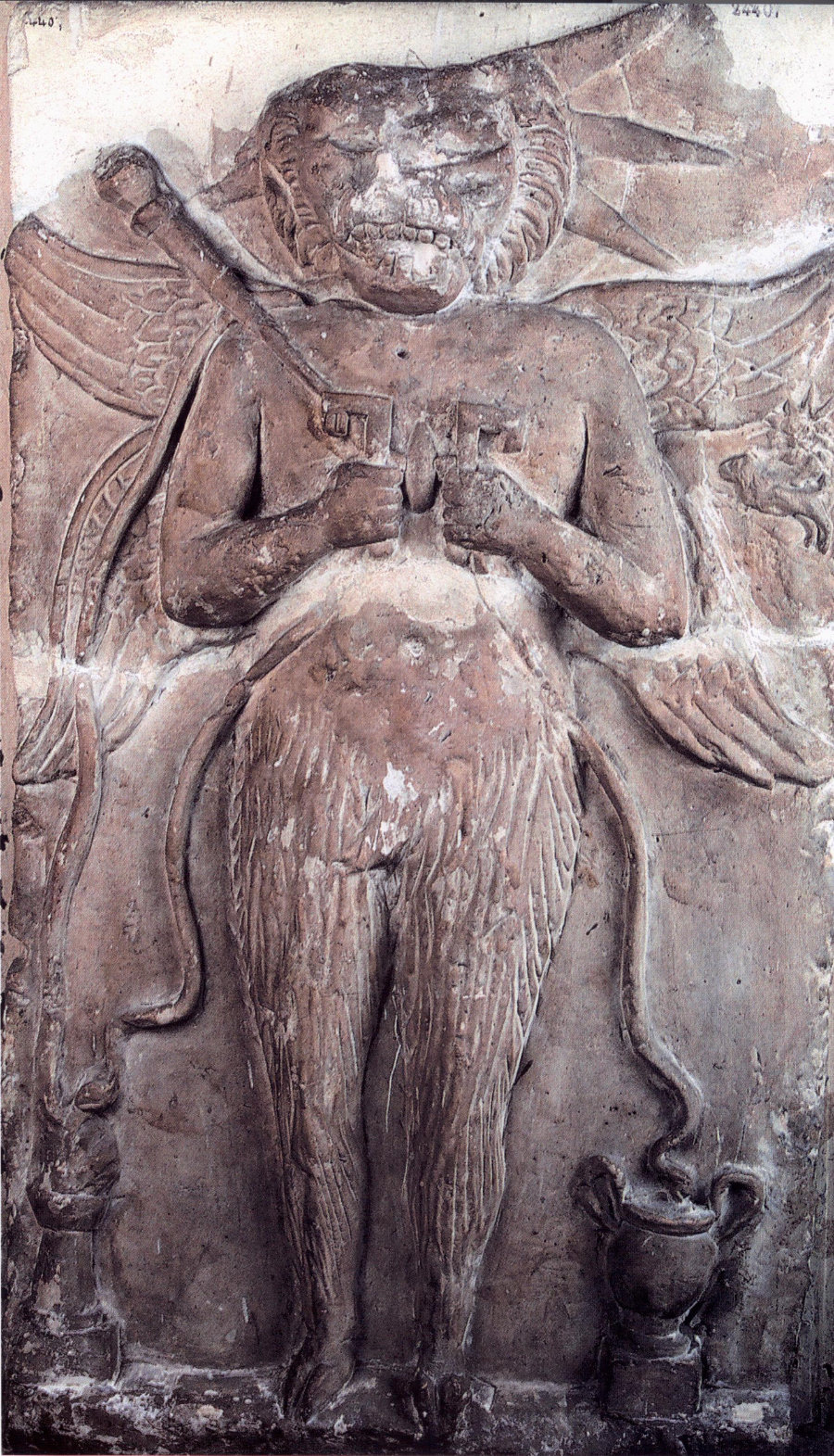
According to Pettazzoni Aion in general finds its iconographical origin in Egypt. Mithras must have been worshipped in Egypt in the third century B.C.
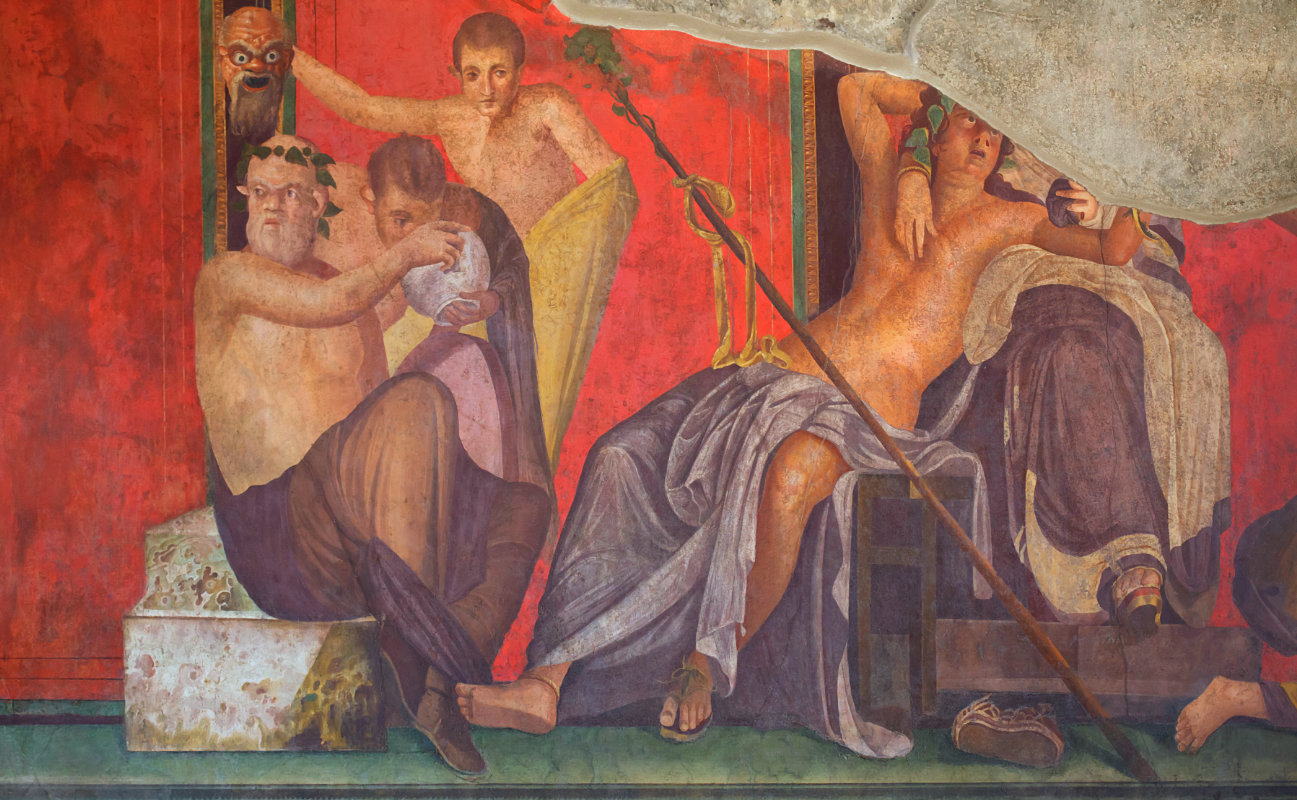
Peter Mark Adams: ‘The initiation was a frightening experience that caused some people to panic as a flood of otherworldly entities swept through the ritual space.’.
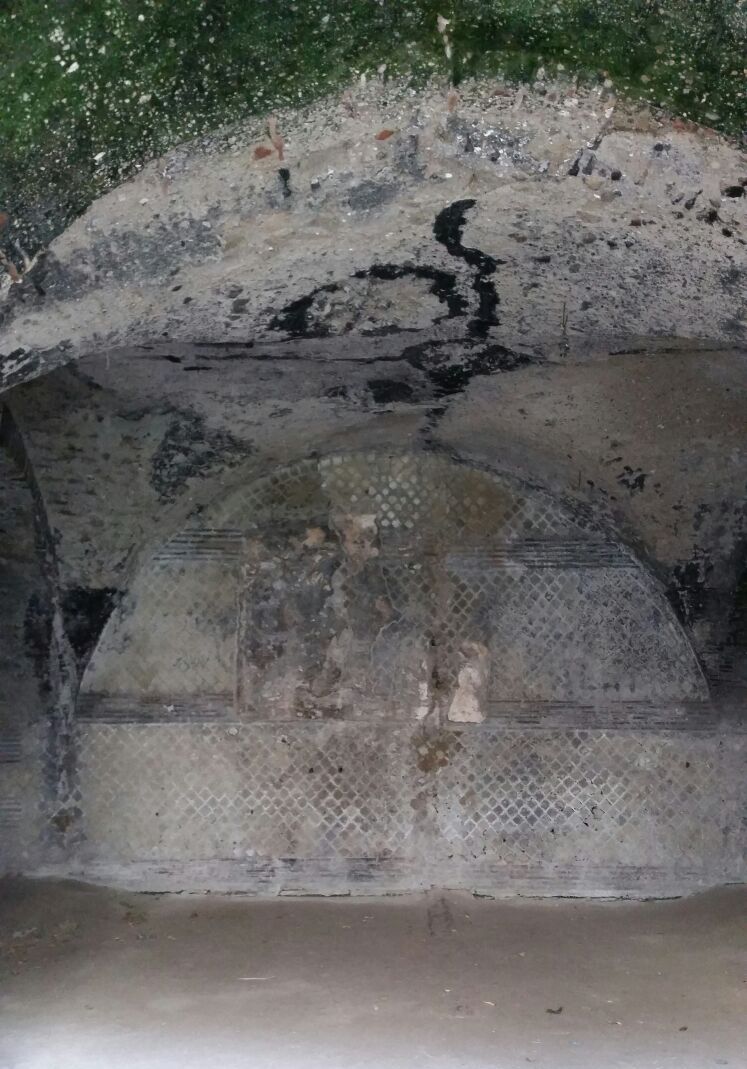
The Mithraeum of Carminiello ai Mannesi was installed in two rooms of a 1st century BC domus.
Between the 1st and 4th centuries, Mithraism developed throughout the Roman world. Much material exists, but textual evidence is scarce. The only ancient work that fills this gap is Porphyry’s intense and complex essay.
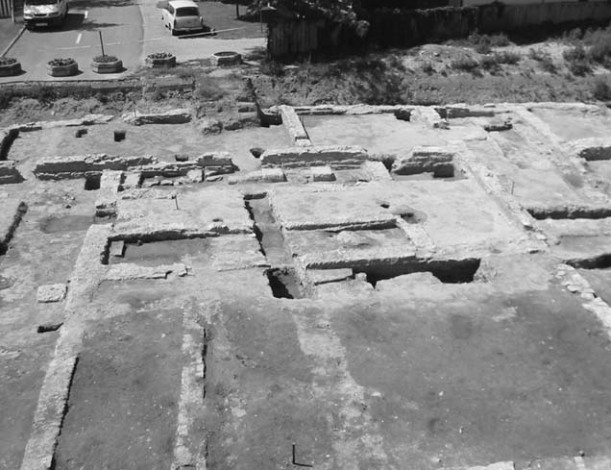
The Mithraeum has found in a Roman building at the end of Attila Road, in Hévíz, Egregy
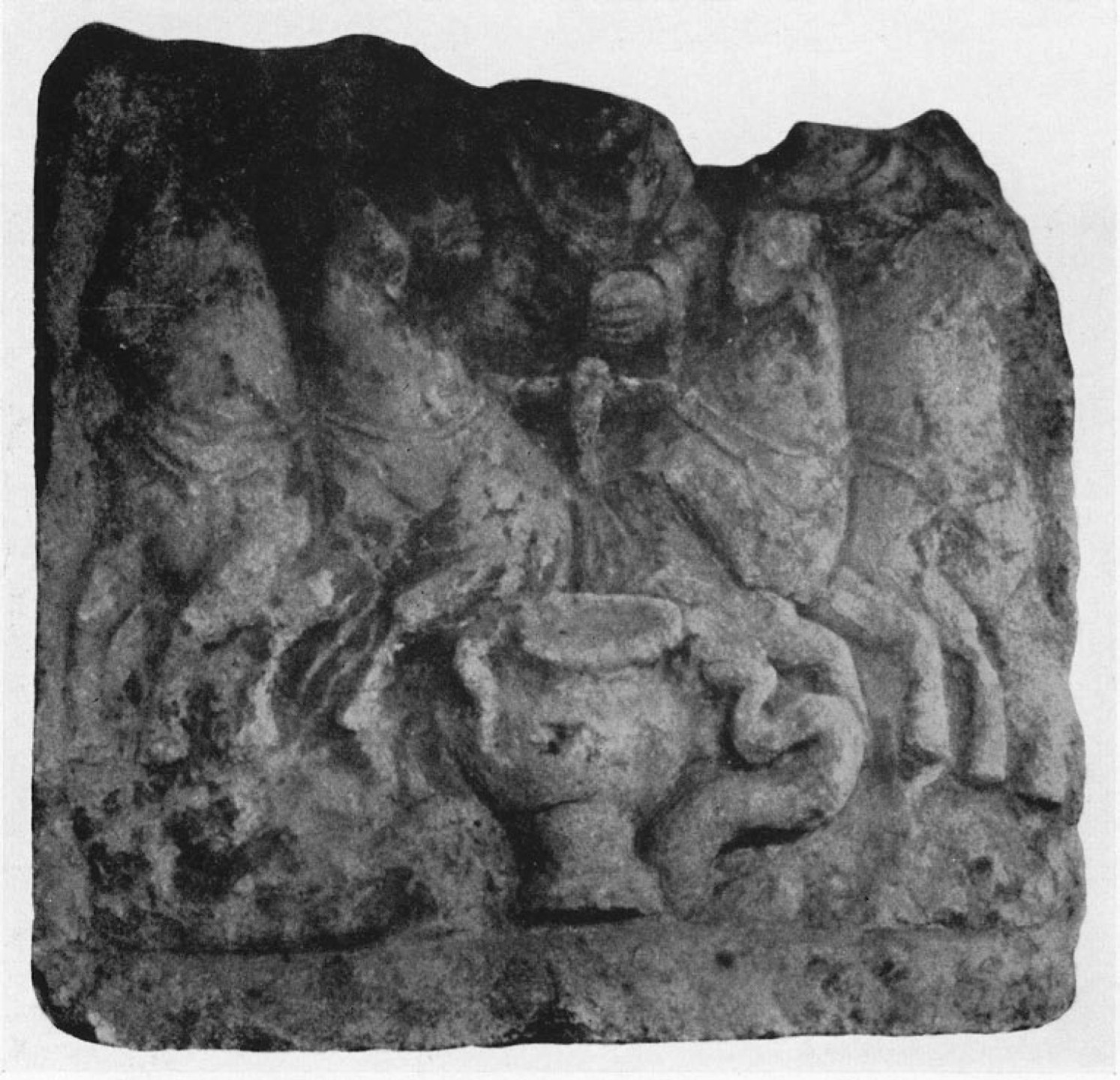
In the mithraic relief of Entrains, the god Sol is depicted riding his chariot together with Luna and a krater surrounded by a serpent.
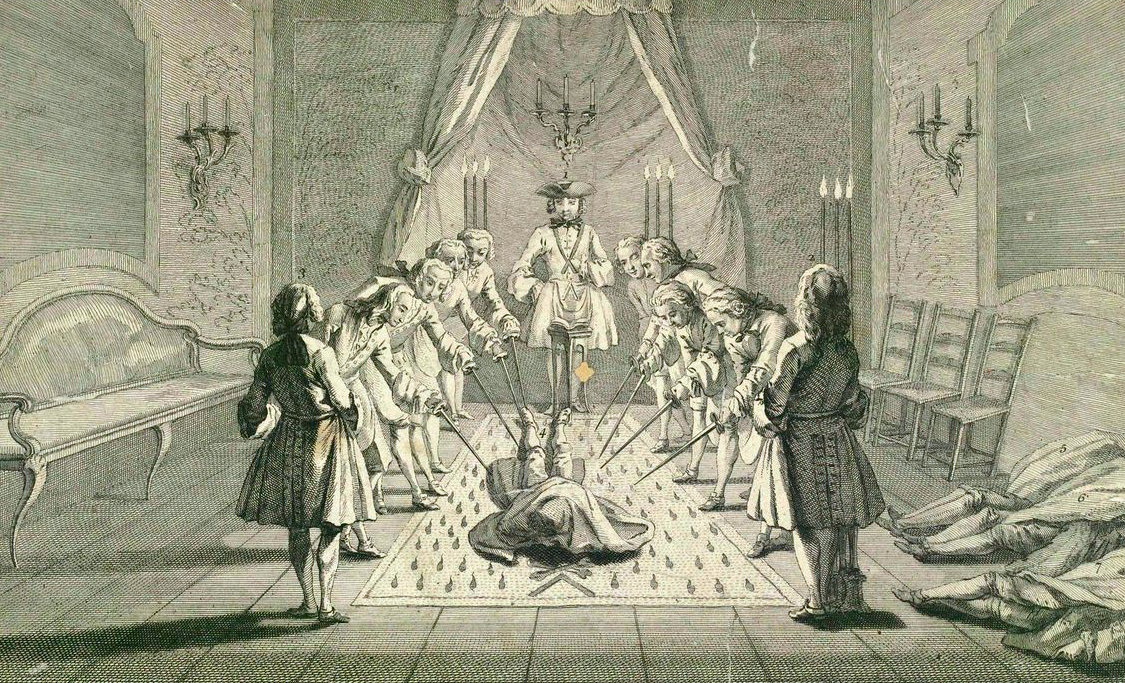
Twelve centuries separate the decline of Roman Mithraism from the dawn of Freemasonry. Twelve centuries during which the mysteries of Mithras have remained more secret than ever.
The Temple of Mithras, inside an ancient military settlement, is situated on the eastern border of the Roman Empire.
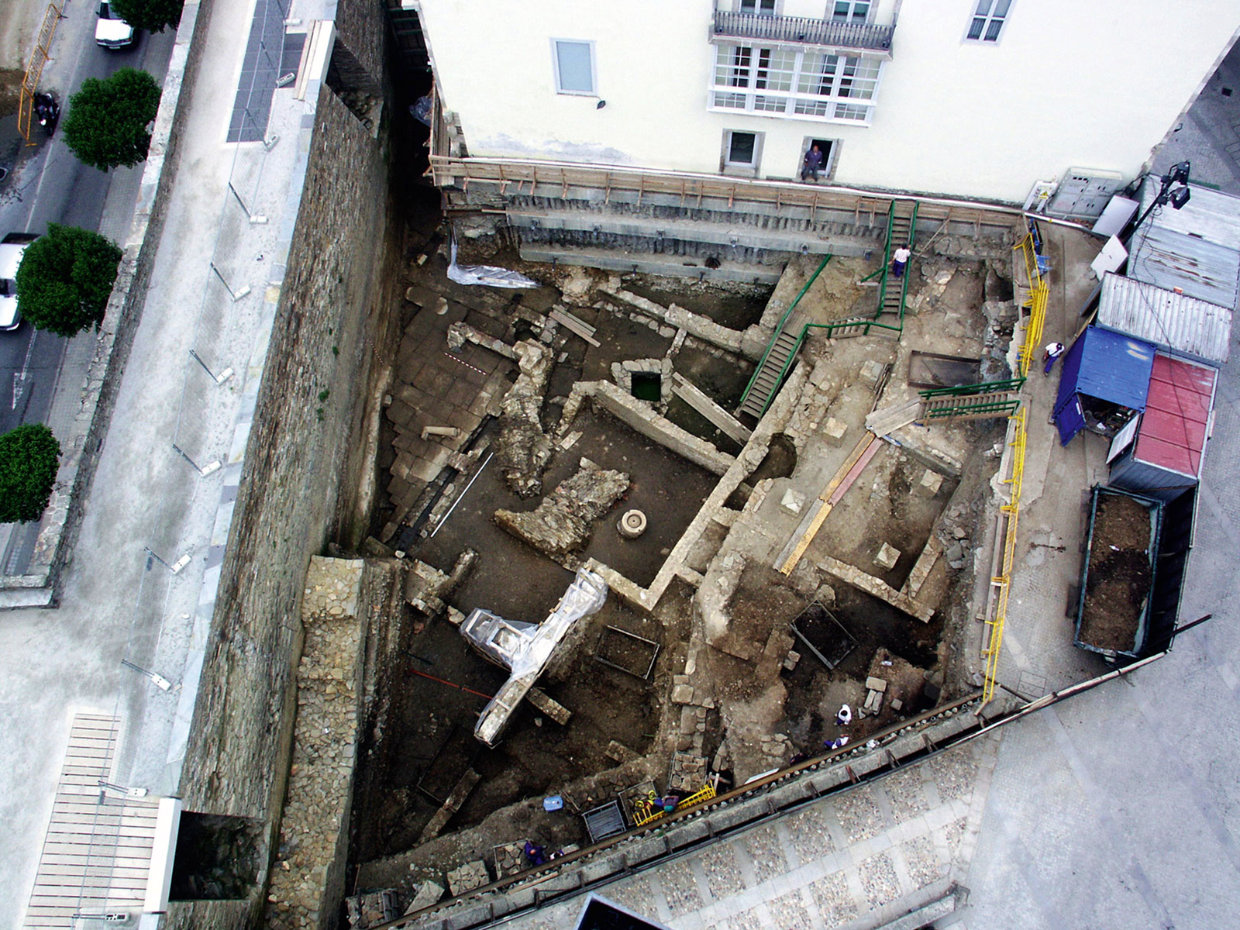
The museum that houses the temple of Mithras has become the most visited Roman space in the city since it opened.
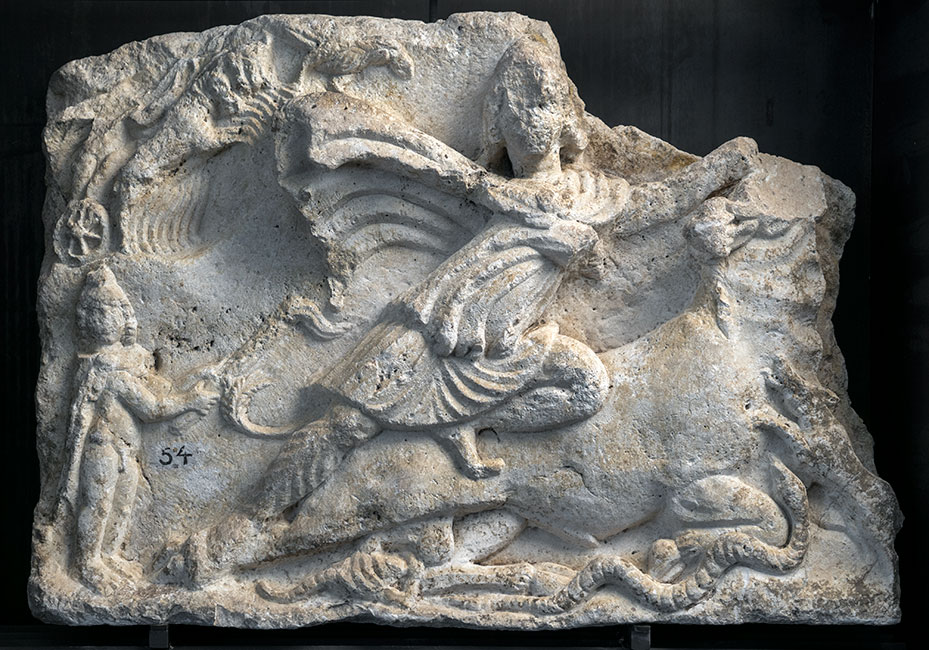
The relief of Mithras killing the bull of Zadar includes a naked Sol in a quadriga.
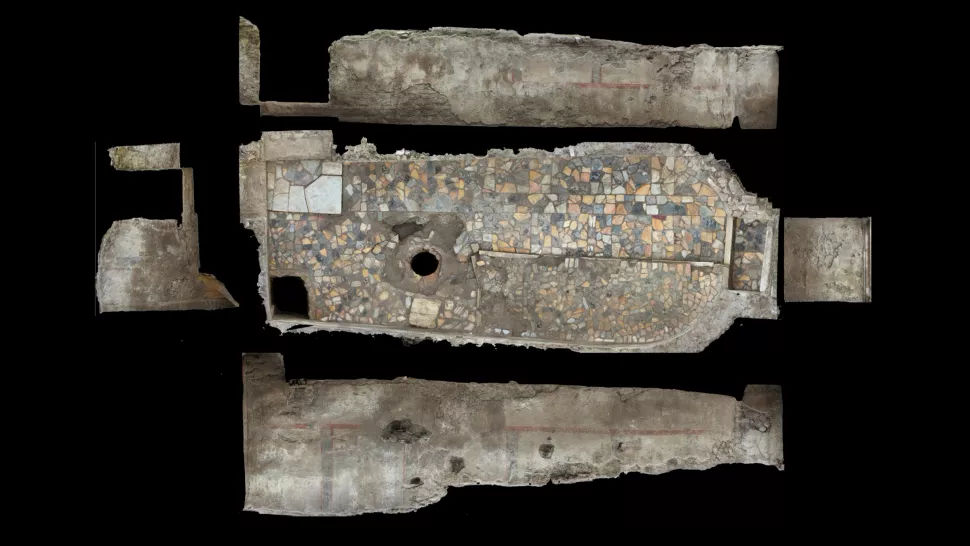
The ancient Roman worshippers were likely in altered states of consciousness.
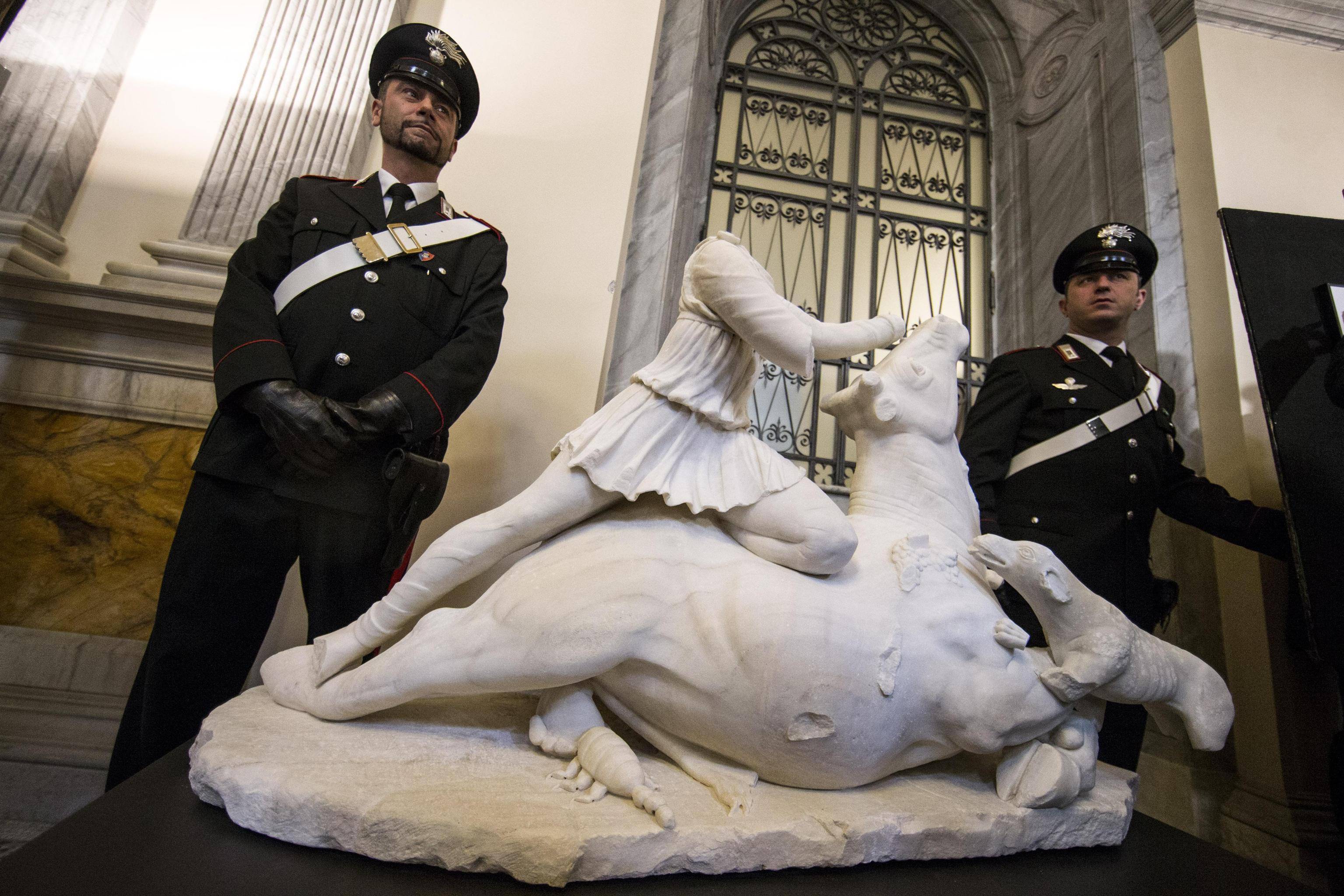
The Mithriac votive sculpture comes from a clandestine excavation in the Tarquinia area. The criminal chain is active in archaeological areas of Rome and southern Etruria.
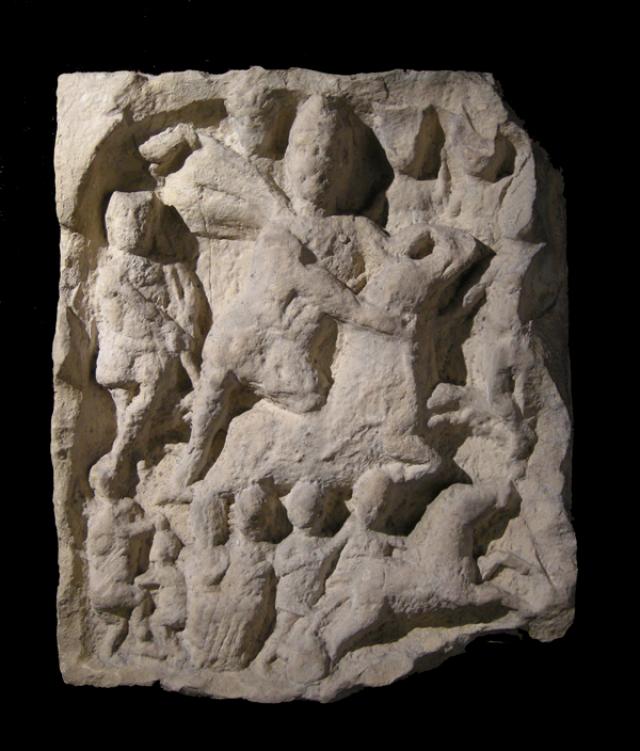
This stone in basso relief of Mithras killing the bull was found 10 foot underground in Micklegate York in 1747.
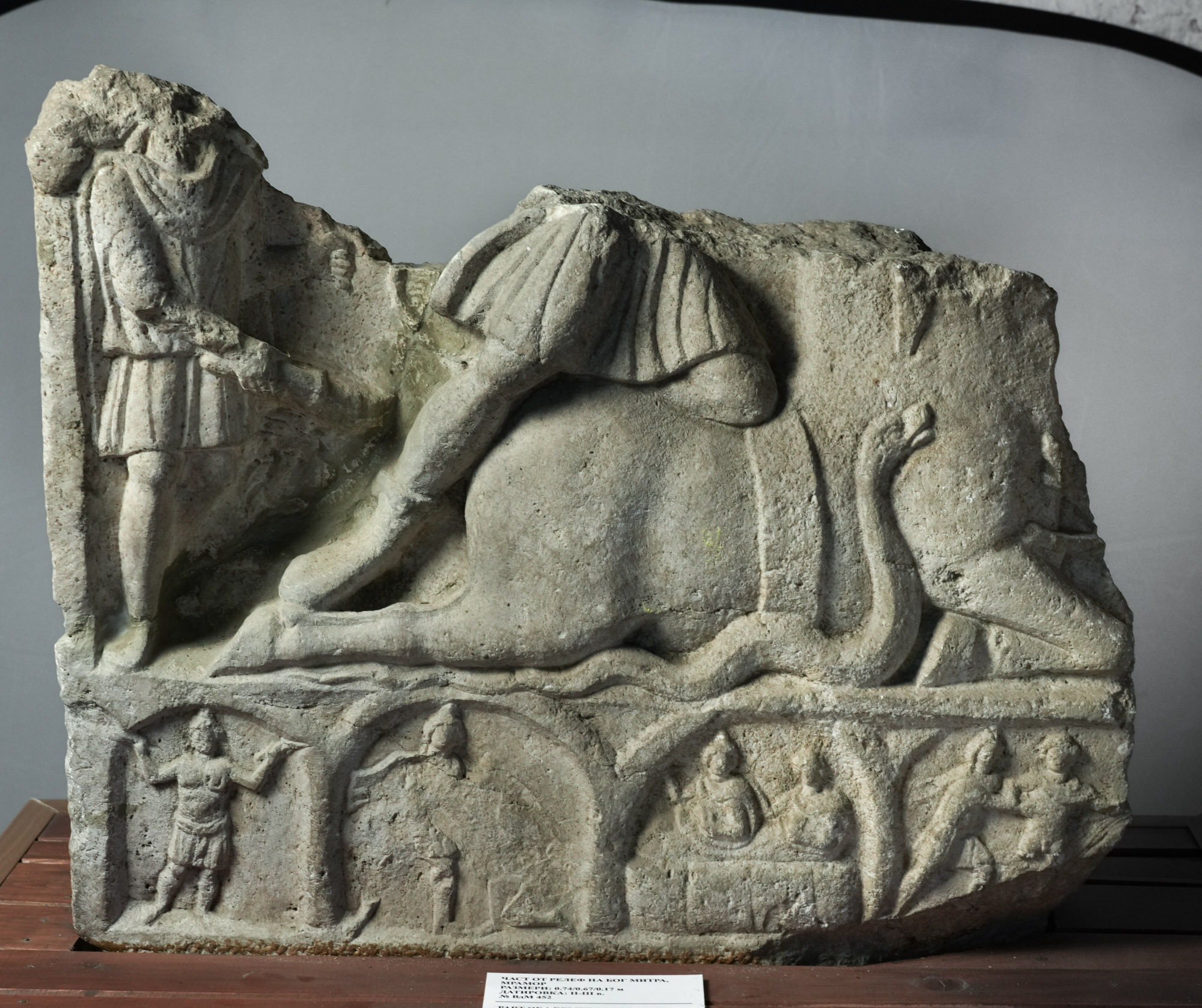
Fragmentary Mithraic relief from Ratiaria depicting the tauroctony above a series of narrative scenes from the myth of Mithras and Sol.
