Your search francesco massa gave 14 results.

Francesco Massa examines how the concept of mysteria was transformed in the Roman Empire, as Christian authors from the mid-second century CE adopted the language of mysteries to articulate their own rituals and beliefs, reshaping understandings of both Christian and traditional cults…
Late Roman senator, public augur and Mithraic pater active in the second half of the fourth century CE.

Laurent Bricault has revolutionised Mithraic studies with the exhibition The Mystery of Mithras. Meet this professor in Toulouse for a fascinating look at the latest discoveries and what lies ahead.
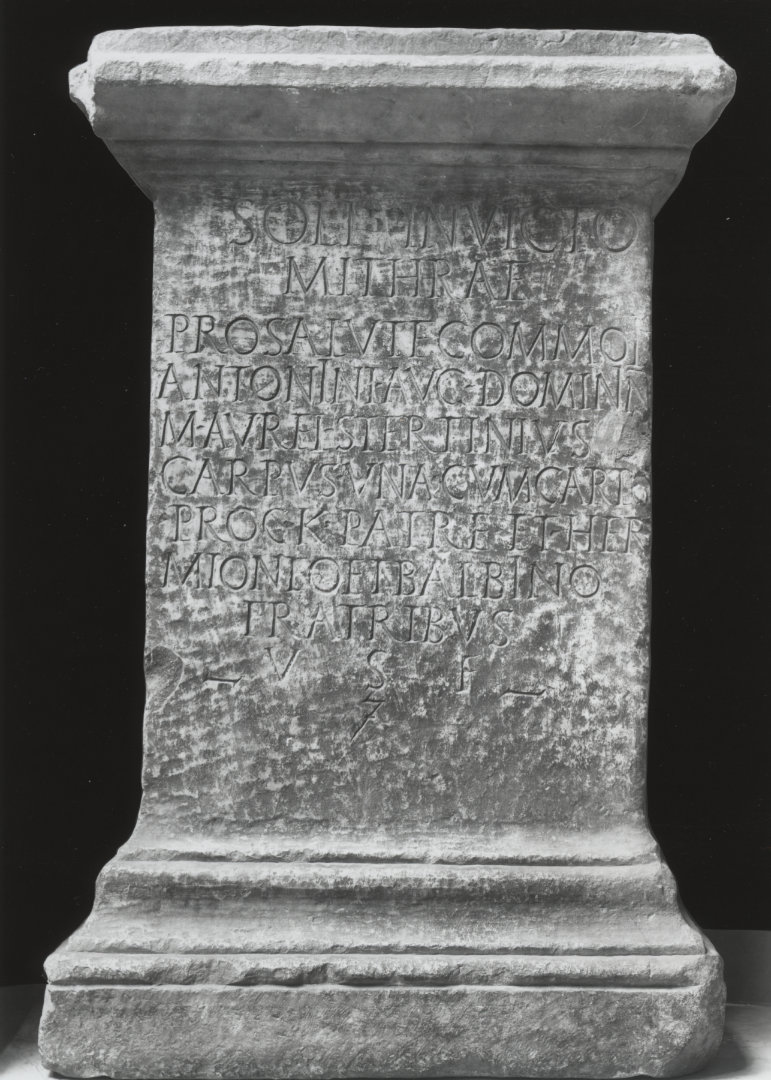
This altar bears an inscription to the health of the emperor Commodus by a certain Marcus Aurelius, his father and two other fellows.

Early Mithraic Leo from Novae whose name has been associated with the honey symbolism of the leonine grade.

Carrara is a town and comune in Tuscany, in northern Italy, of the province of Massa and Carrara, and notable for the white or blue-grey marble quarried there.

This marble altar was found ’in the street called di Branco’, behind the palace of the Cardinal of Bologna, in Rome.
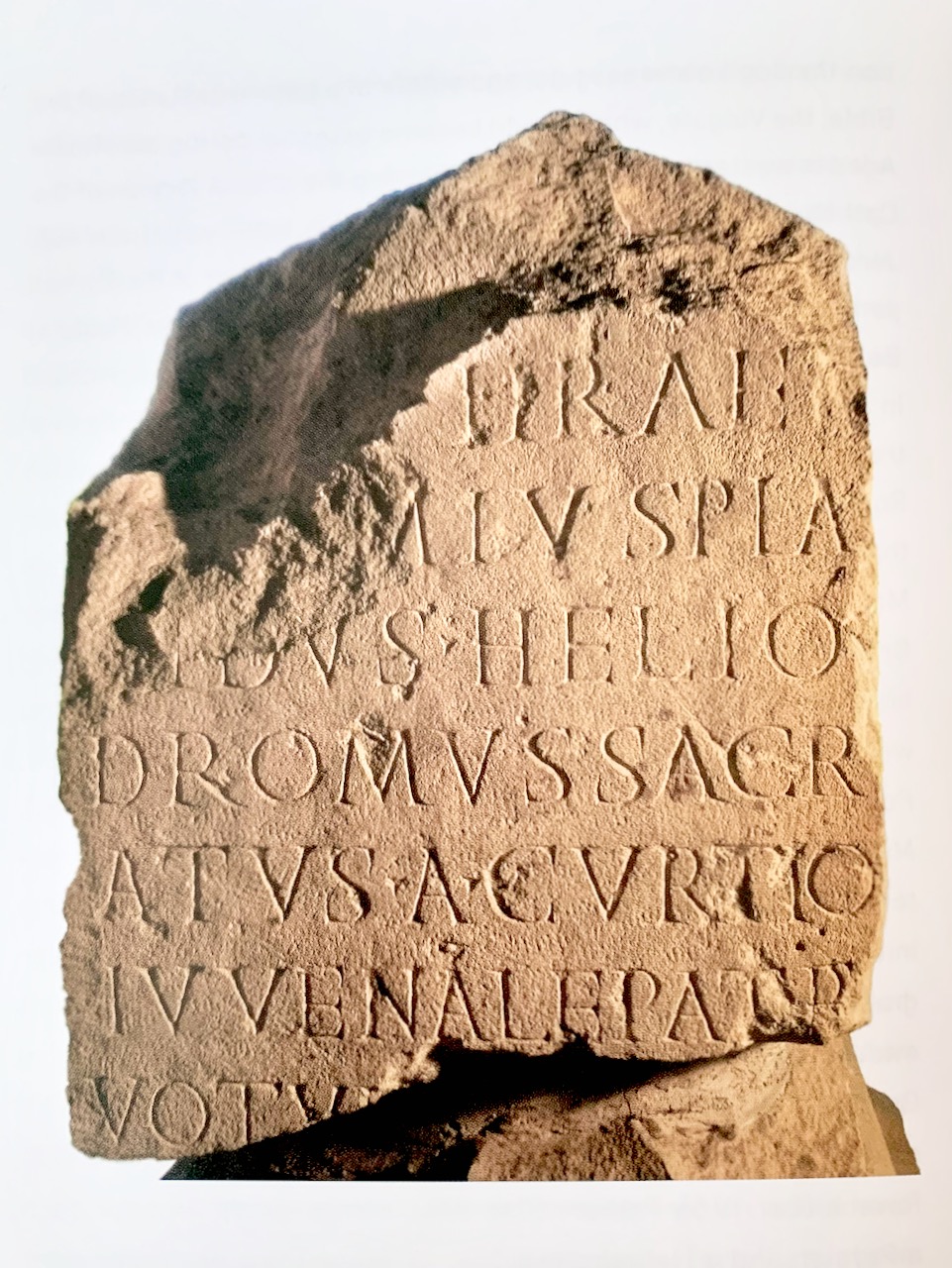
This inscription by a certain Memmius Placidus is the first ever found signed by a Heliodromus.
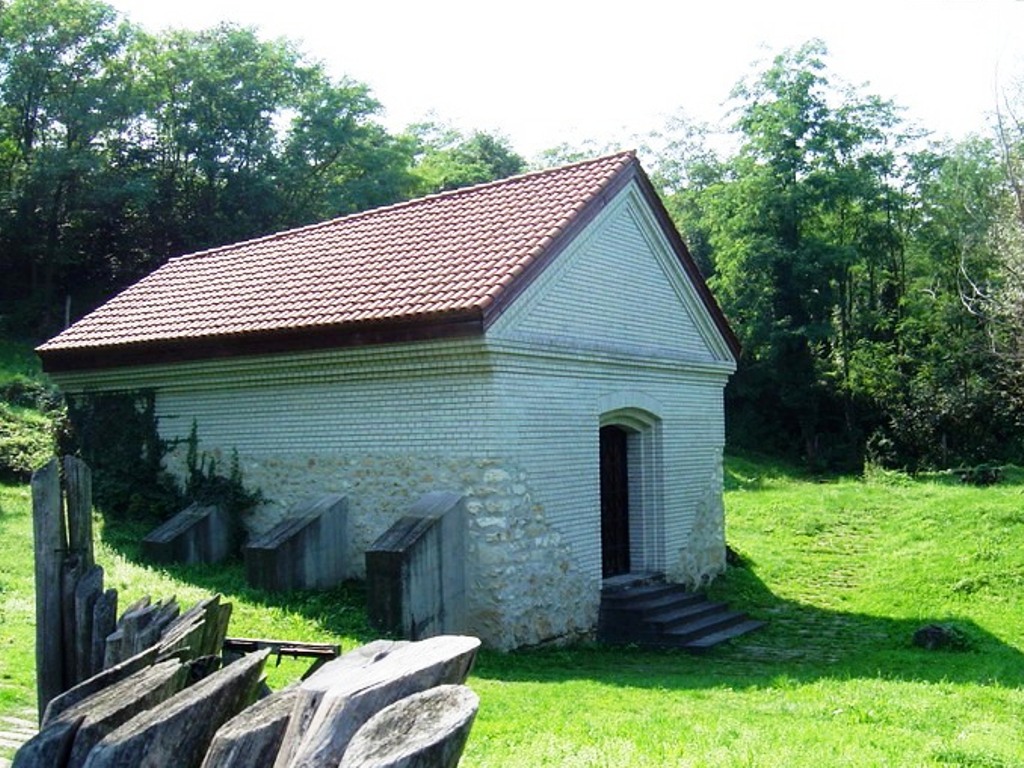
The temple of Mithras in Fertorakos was constructed by soldiers from the Carnuntum legion at the beginning of the 3rd century AD.
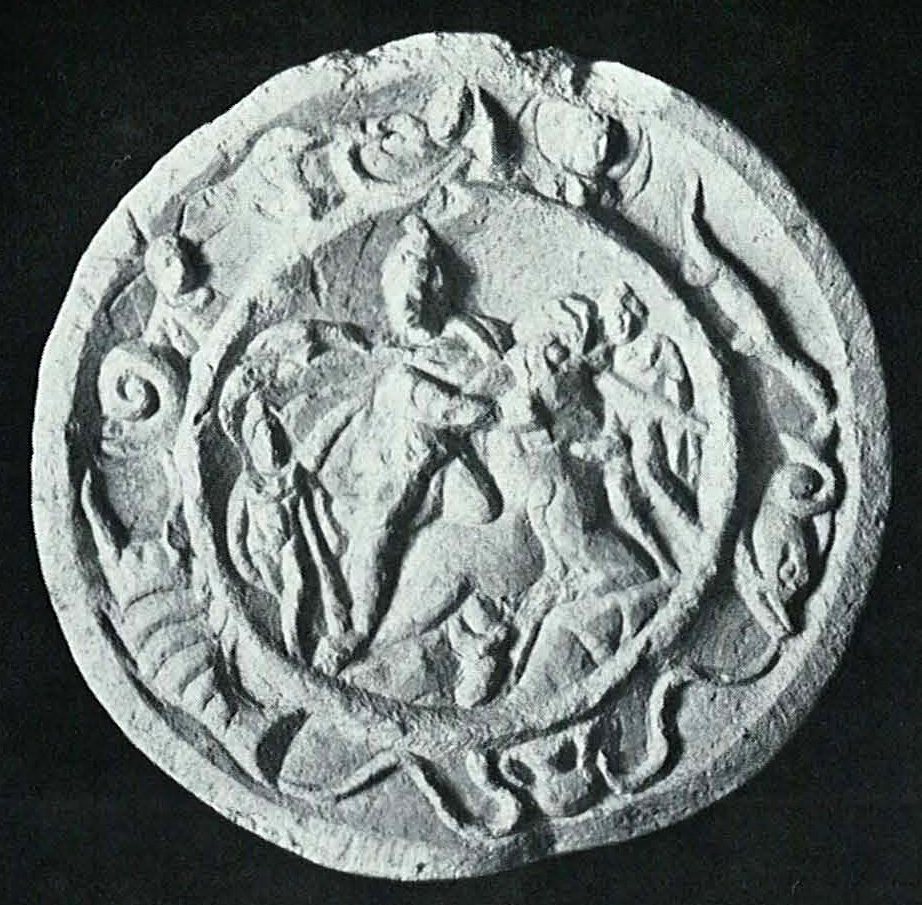
The round relief of Mithras killing the bull of Split is surrounded by a circle with Sun, Moon, Saturn and some unusual animals.

Emperor Julian is supposed to have presided over a human sacrifice in the Mithraeum of Scarbantia, according to N. Massalsky.

