Your search jean baptiste felix lajard gave 42 results.

Donor of a small altar from the Mithraeum of the Seven Gates, Sextus Fusinius Felix may belong to a family attested among Ostia’s augustales.

Marble tablet with a dedication to Sol Invictus Mithras by Felix Messala together with the initiates Catellus and Dianus, decorated with a branch on each side.
Limestone altar found in Partoș, Dacia, dedicated to Deo Soli by Lucius Valerius Felix.
Inscription from Mithraeum I at Ptuj, ancient Poetovio, dedicated to Petrae genetrici ex viso by Felix, vicarius of Prudens, slave of Antonius Rufus, vilicus of the publicum portorium Illyricum — one of several Mithraic dedications by this household.
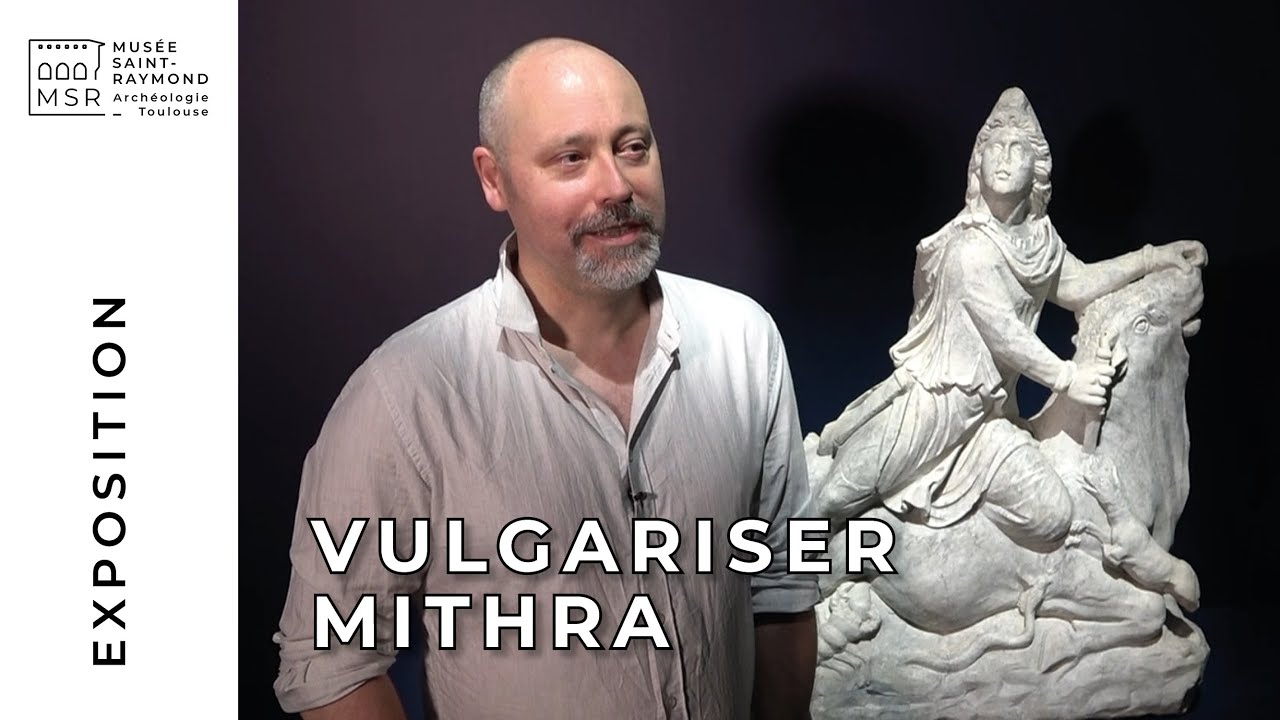
Jean-Christophe Piot a participé à la réalisation de l'exposition 'Le mystère Mithra' en réalisant des pastilles sonores sur certaines œuvres de l'exposition.
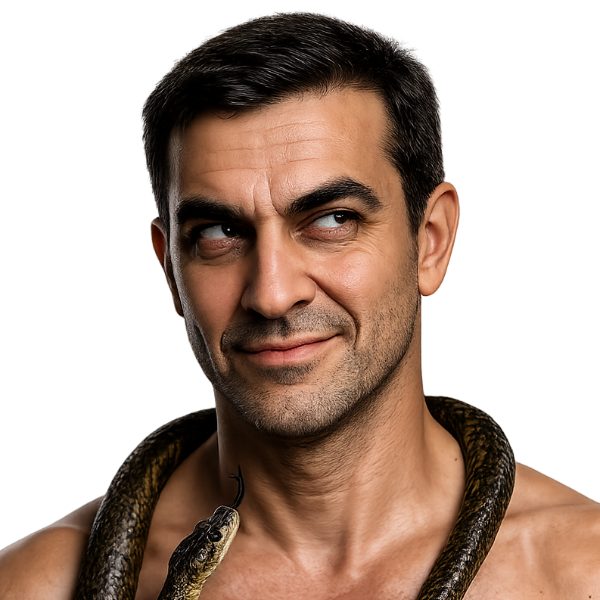
Syndexios in Ostia, his name Marsus suggests that he was a snake-charmer.


Small marble base dedicated by C. Atilius Bassus, freedman and apparator of a priest of the Great Mother, to Silvanus dendrophoris, from the Mitreo degli Animali at Ostia.
Fragmentary inscription from Sarmizegetusa, Dacia, recording a dedication by a freedman for the welfare of Marcus Lucceius Felix, procurator Augusti.
Altar from Apulum, Dacia, found in 1715, dedicated to Soli by Quintus Marcius Victor Felix Maximillianus, legatus Augusti of Legio XIII Gemina, together with his wife Pullaiena Caeliana and his son.
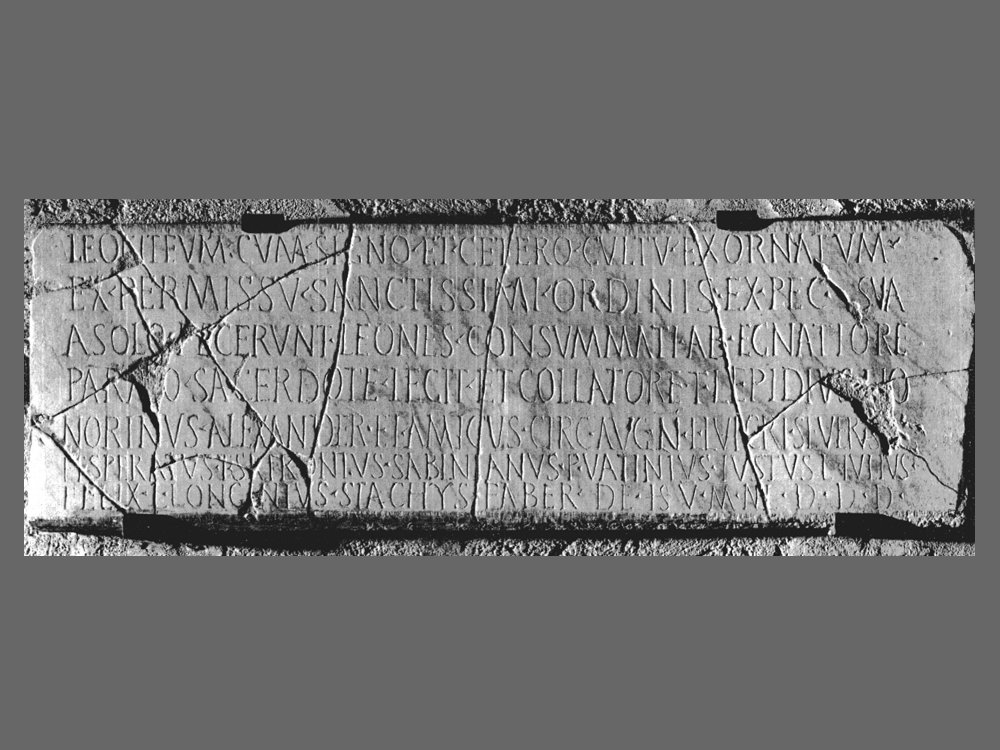
This plaque from Carsulae, in Umbria, refers to the creation of a leonteum erected by the lions at their own expense.
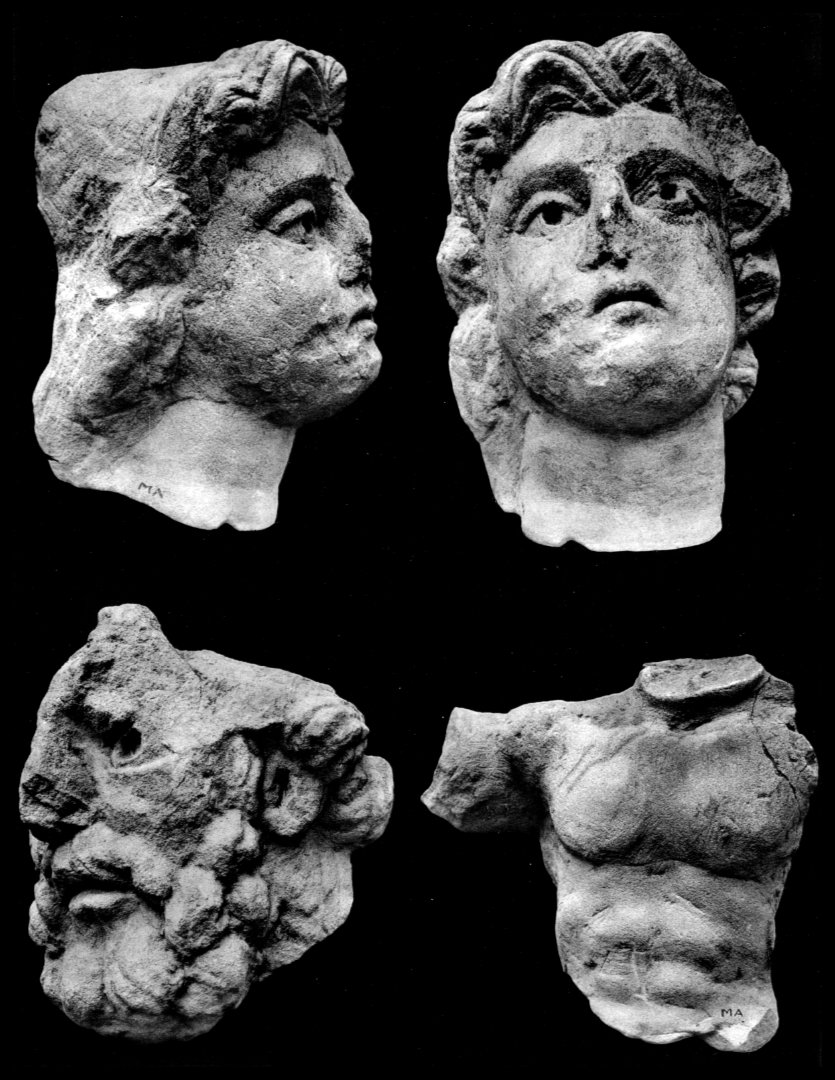
This fragment of the head of a young Mithras is one of the finds made during the excavations carried out by Jean-Jacques Hatt at Mackwiller, France, in 1955.
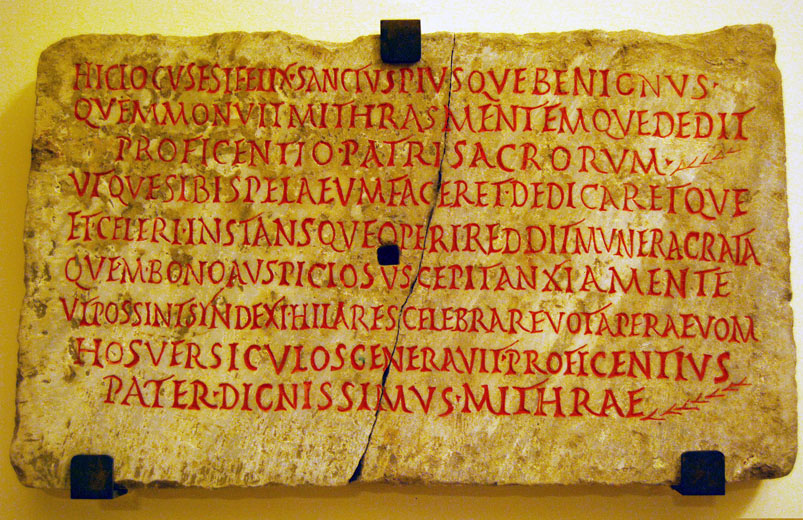
This marble slab bears an inception be the Pater Proficentius to whom Mithras has suggested to build and devote a temple.

Jean Suttman’s study trip in Rome turns nightmarish when she discovers a murdered student in the Temple of Mithra and realizes someone is out to harm her.

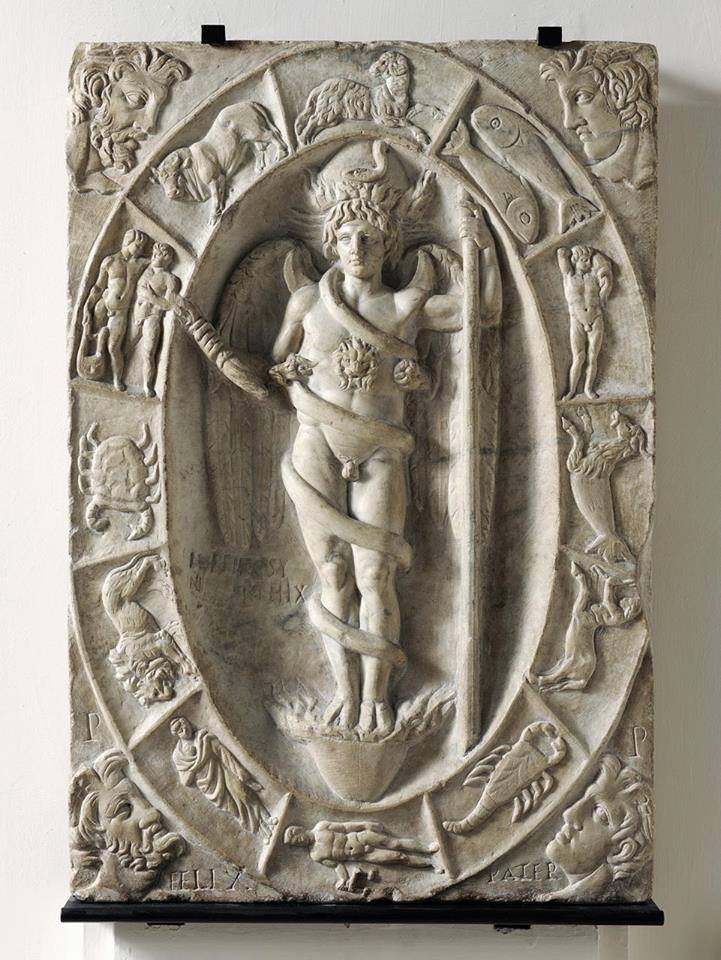
The Aion / Phanes relief, currently on display in the Gallerie Estensi, Moneda, is associated with two Eastern mysteric religions: Mithraism and Orphism.
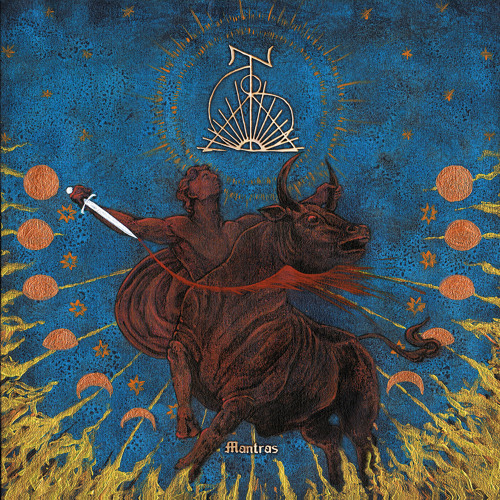
In this 4th-century Roman altar, the senator Rufius Caeionius Sabinus defines himself as Pater of the sacred rites of the unconquered Mithras, having undergone the taurobolium.
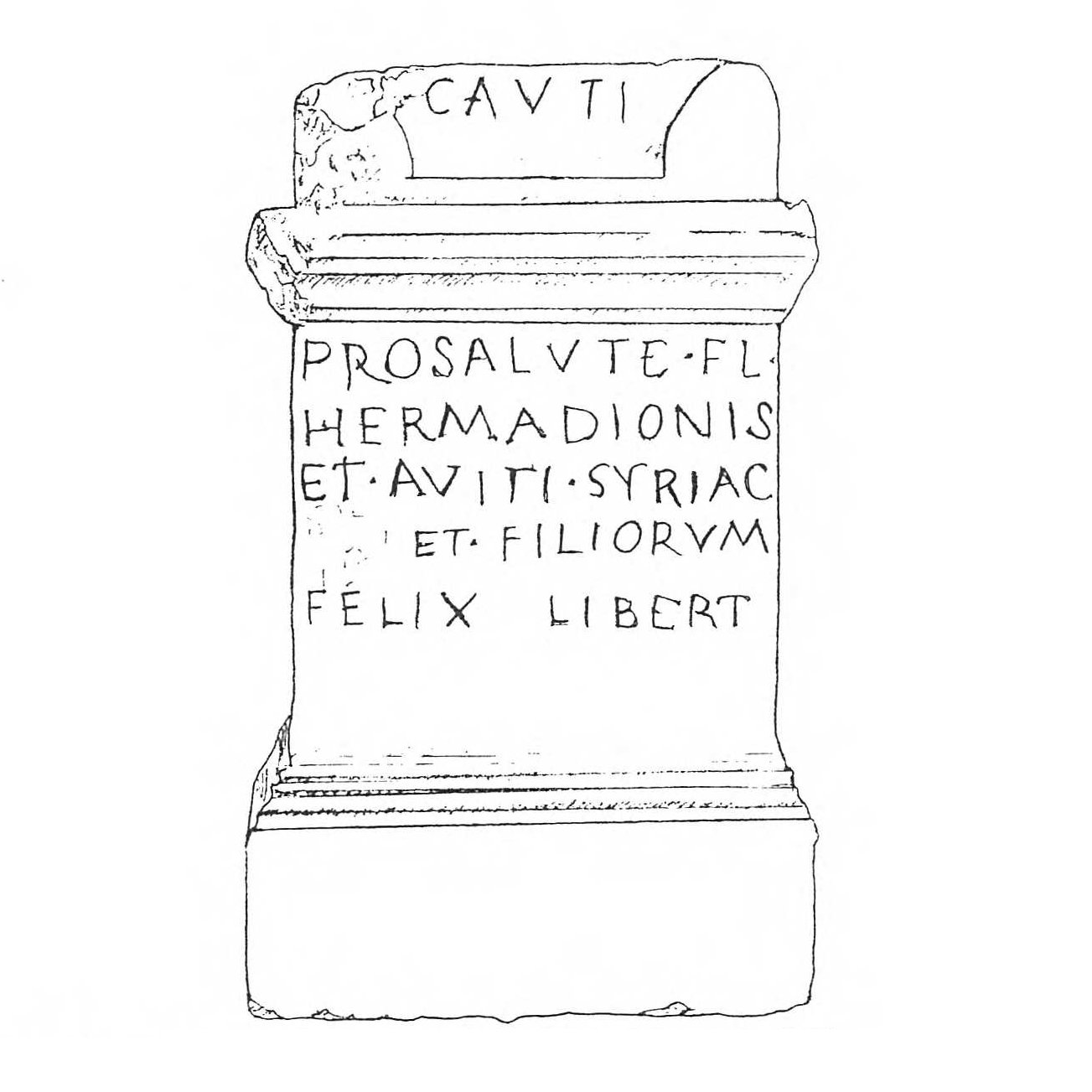
A certain Hermanio has been identified in the dedication of several monuments in different cities in Dacia and even in Rome.
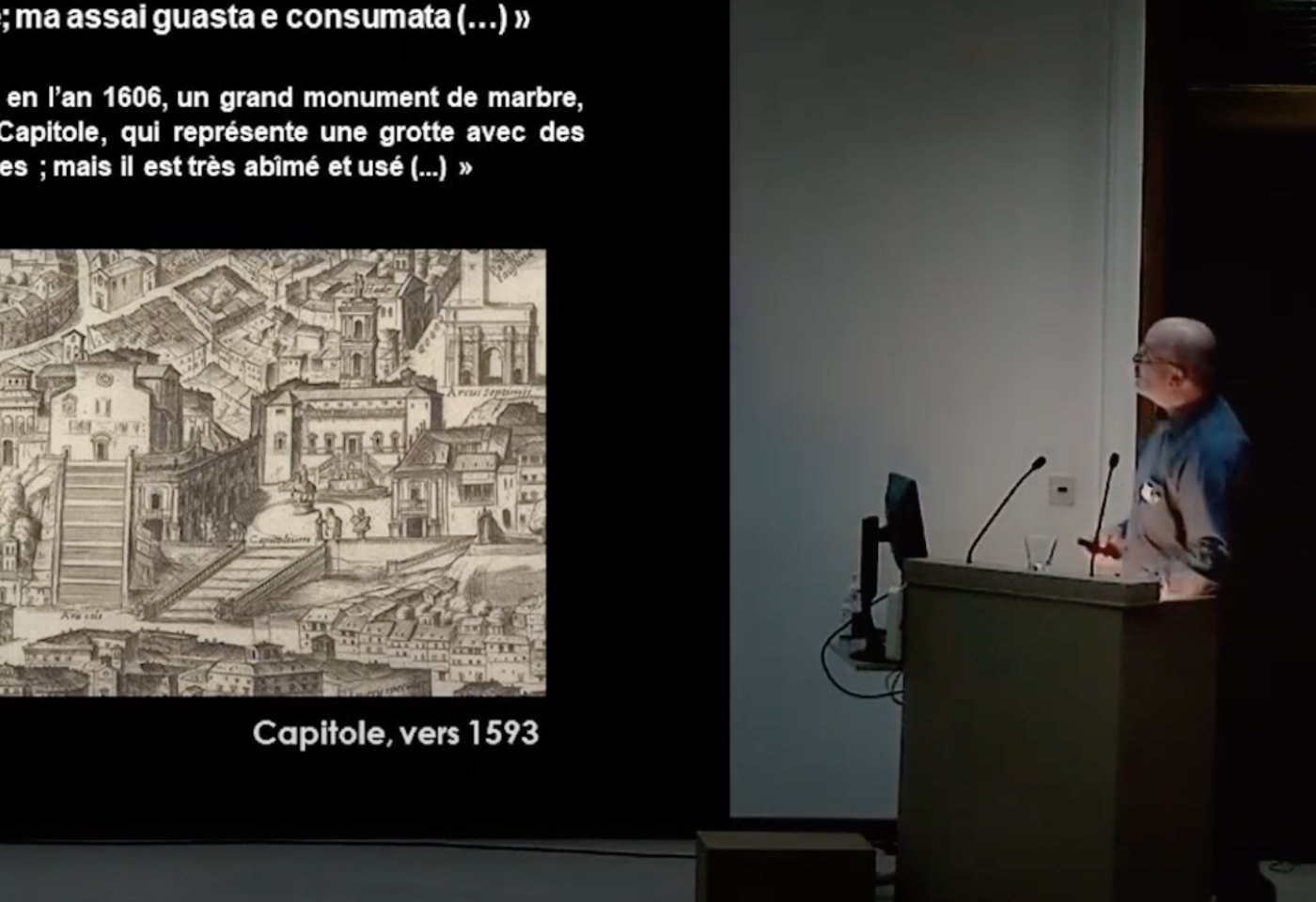
Intervention de Richard Veymiers, directeur du Musée royal de Mariemont et Laurent Bricault, de l'Université Toulouse Jean-Jaurès.
