Your selection in monuments gave 288 results.
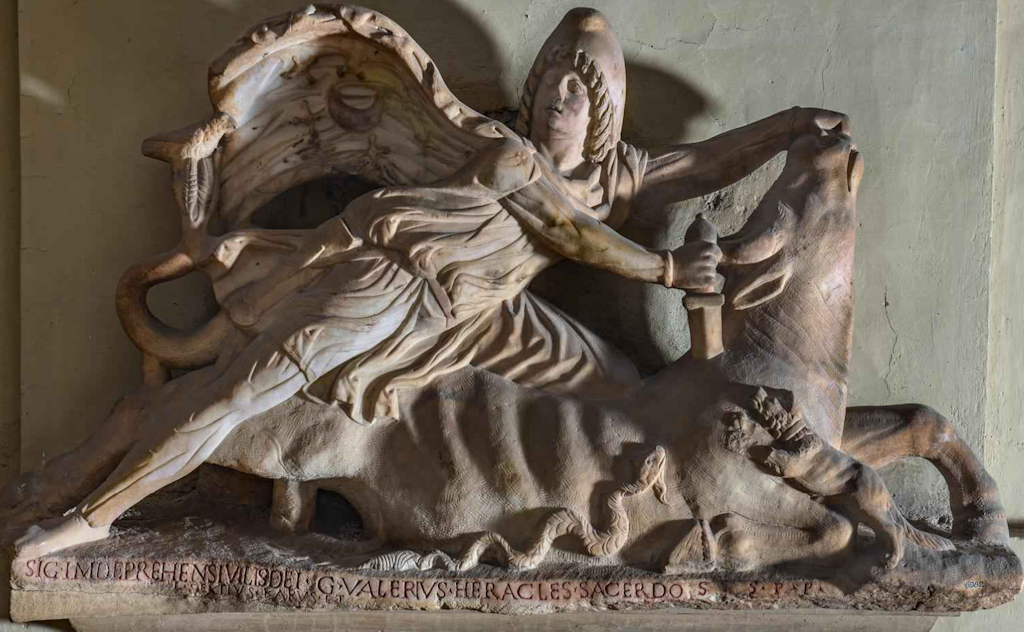
This sculpture of Mithras killing the bull was dedicated to the “incomprehensible god” by a certain priest called Gaius Valerius Heracles.

Marble relief fragments from the cult niche of the Mitreo della Planta Pedis at Ostia, preserving the bust of Sol in radiate crown, the raven's tail, the bust of Luna in crescent, and parts of the rocky border.
Marble head of Helios-Mithras with curly hair and seven holes for fastening rays, from the Mitreo degli Animali at Ostia, Lateran Museum.
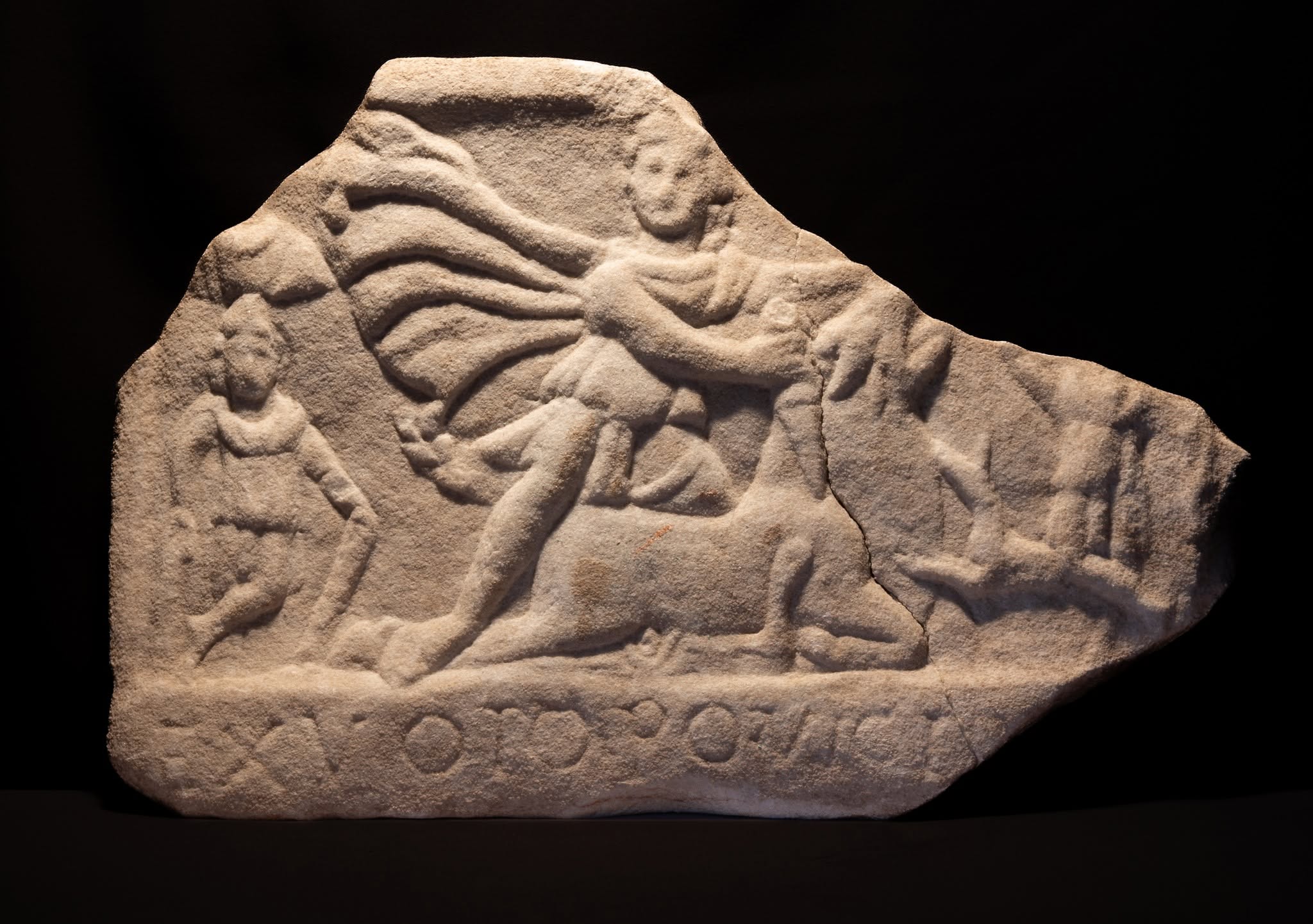
Marble tauroctony relief from Ozd (Magyarózd), attesting a rural Mithraic presence in the interior of Roman Dacia Superior.
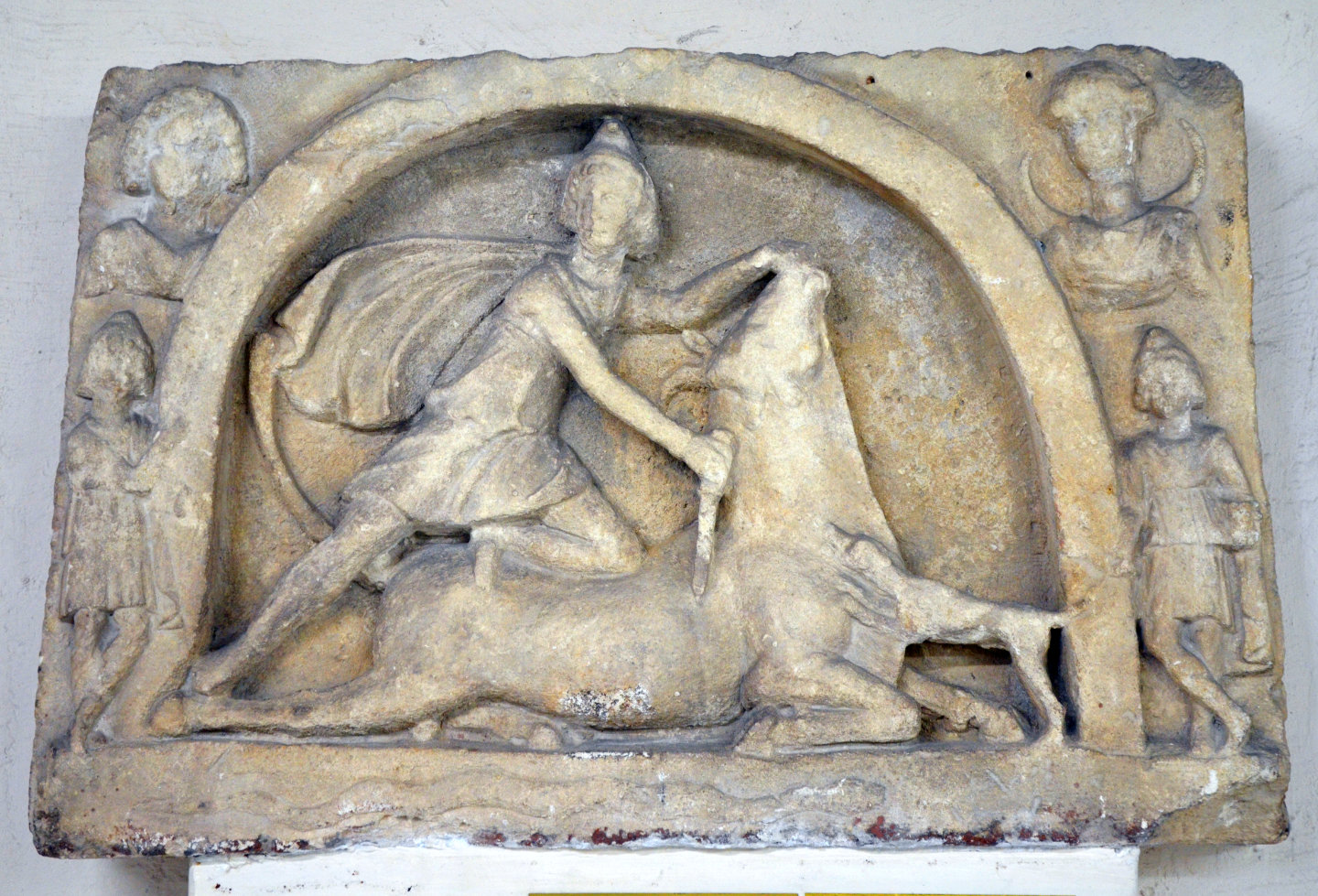
Sandstone tauroctony relief from the Mithraeum at Kreta (Крета), depicting Mithras within a vaulted grotto accompanied by the torchbearers, Sol and Luna.
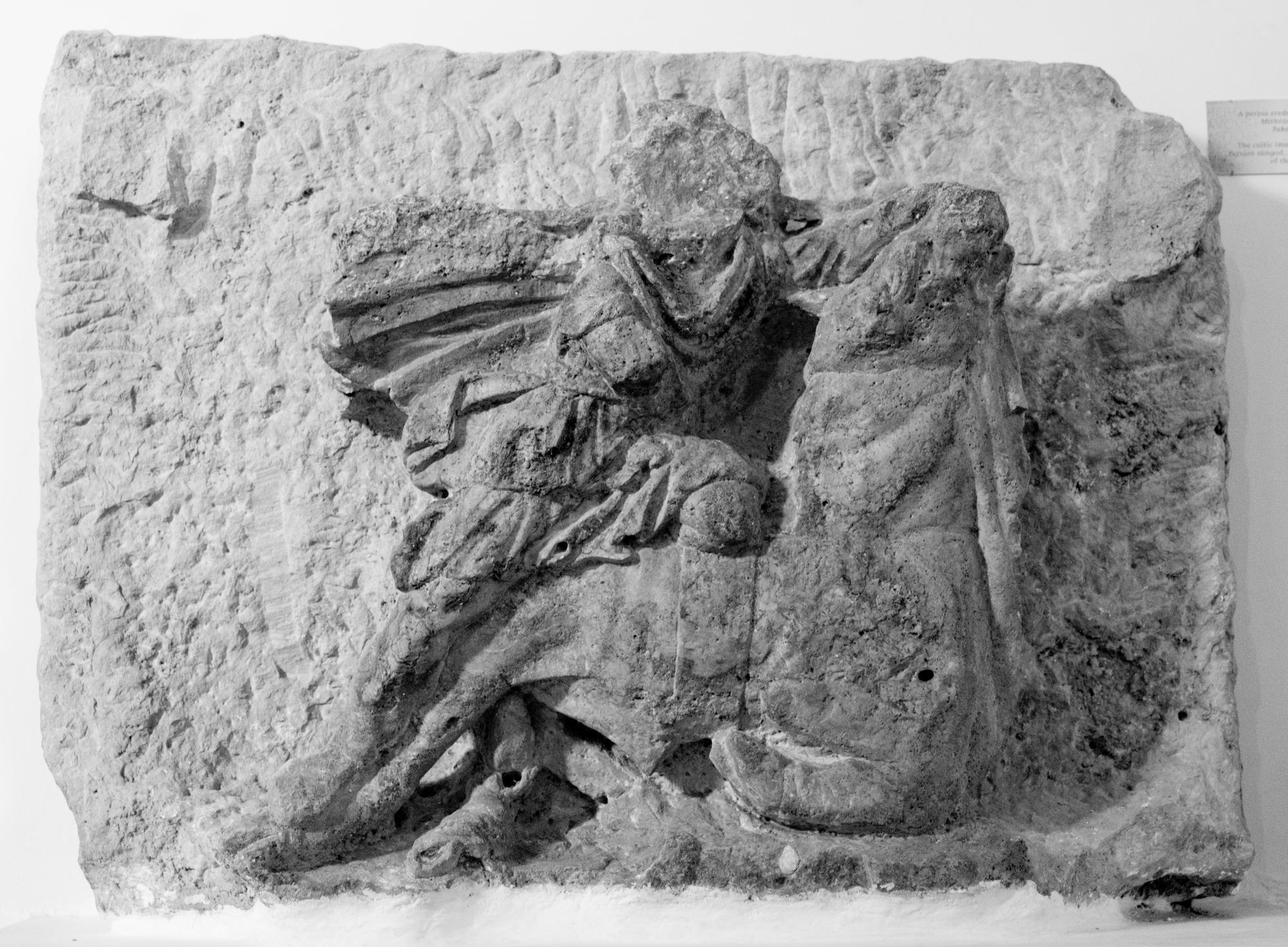
Relief showing Mithras slaying the bull, found at Paks in Roman Pannonia, modern-day Hungary.
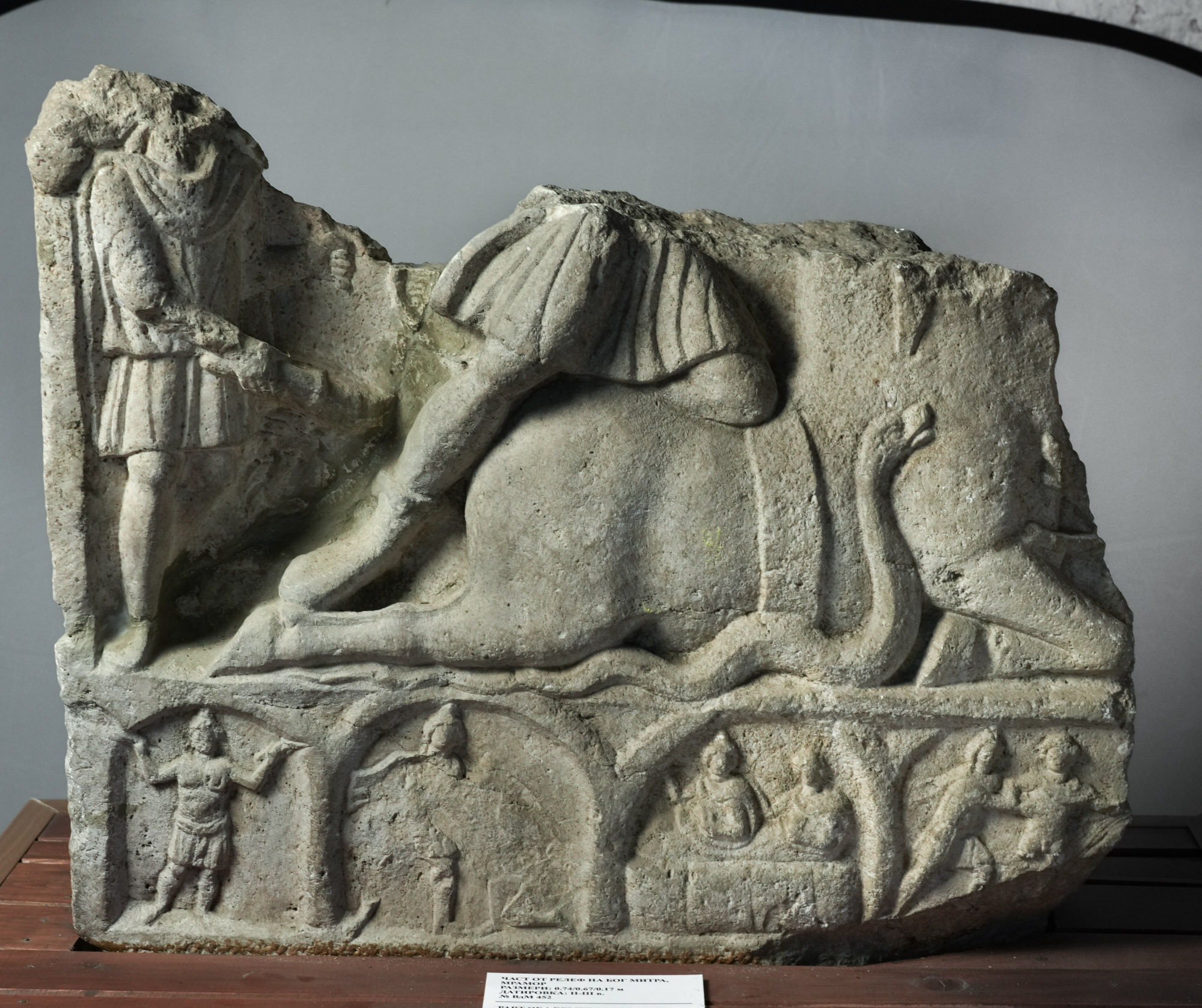
Fragmentary Mithraic relief from Ratiaria depicting the tauroctony above a series of narrative scenes from the myth of Mithras and Sol.
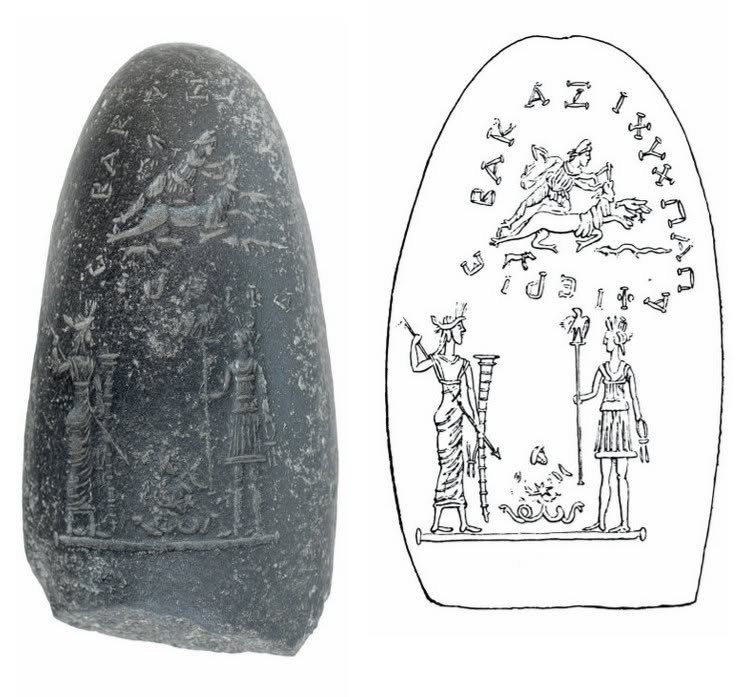
Black polished cone-shaped prehistoric axe from Argolis, now in the Athens National Museum, interpreted by some scholars as having Mithraic votive associations.
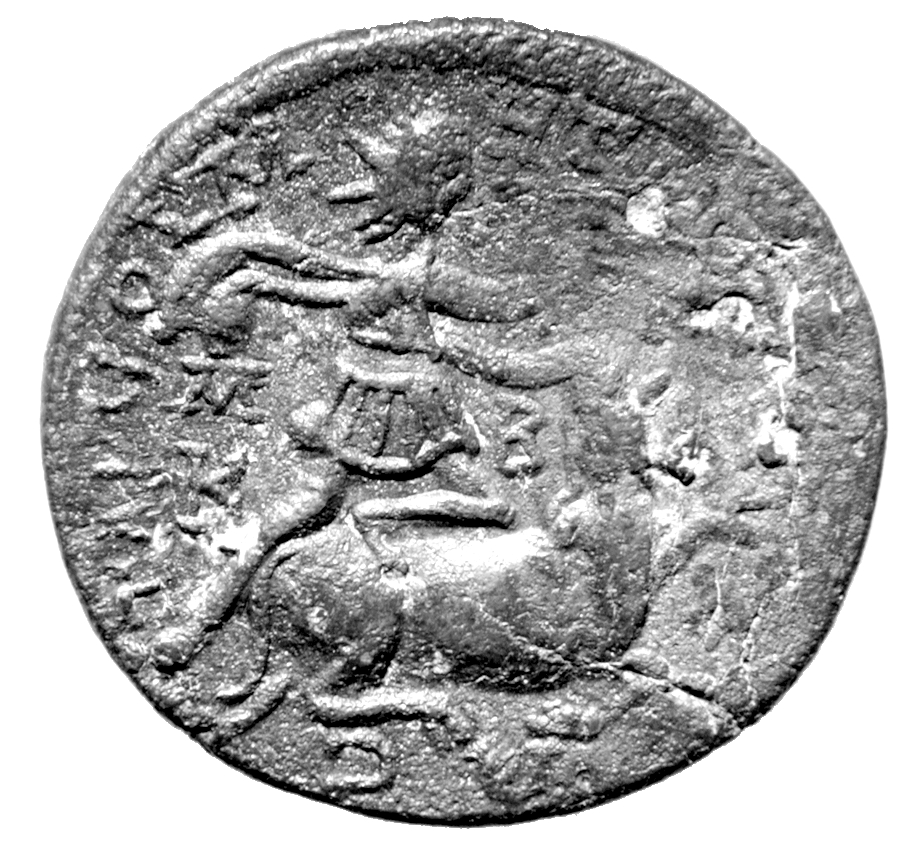
The bronze medallion, from Cilicia, shows Mithras Tauroctonus on the revers.
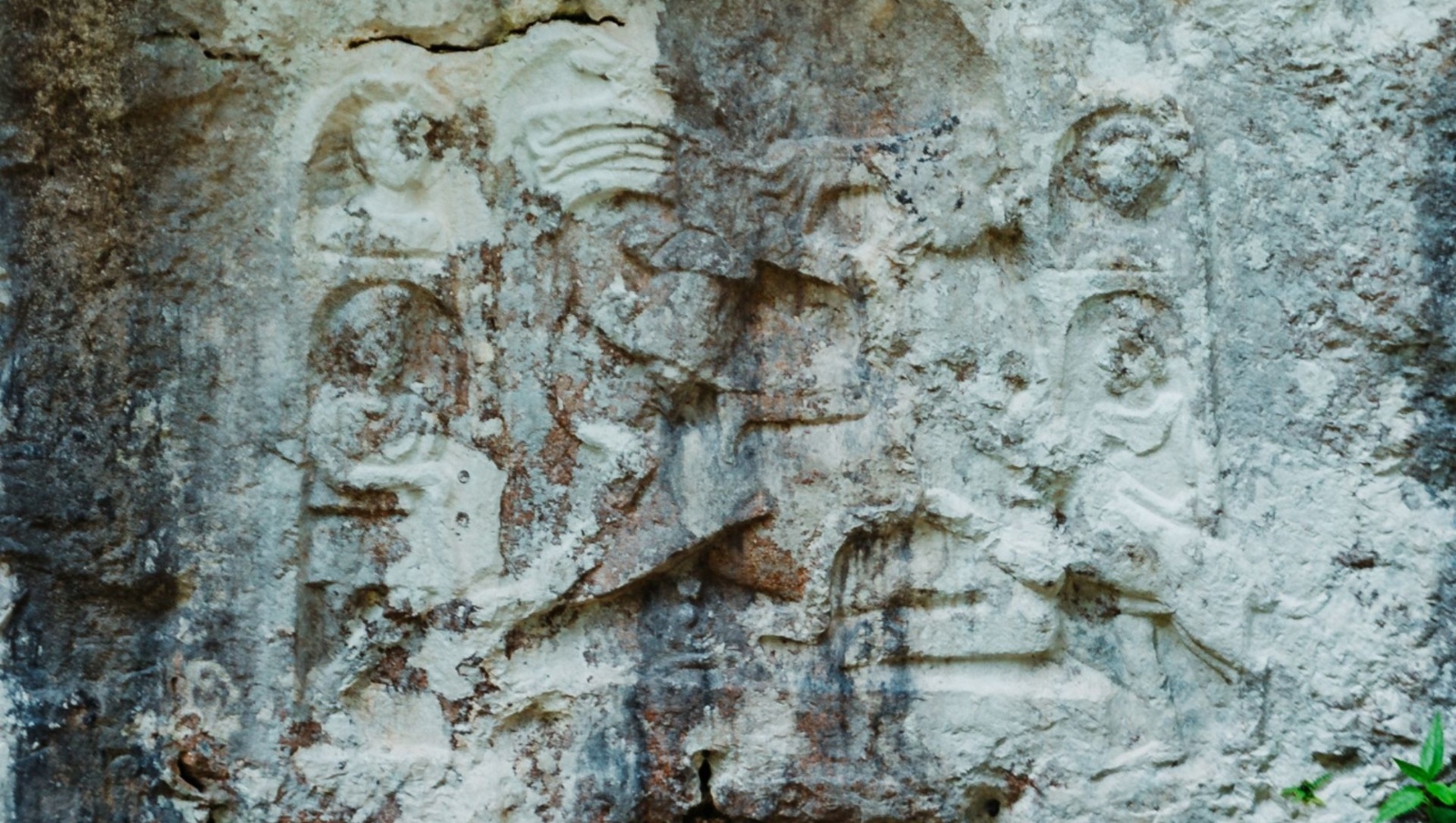
Carved directly into the rock of the Rožanec sanctuary, this tauroctony relief preserves an unusually complete composition.
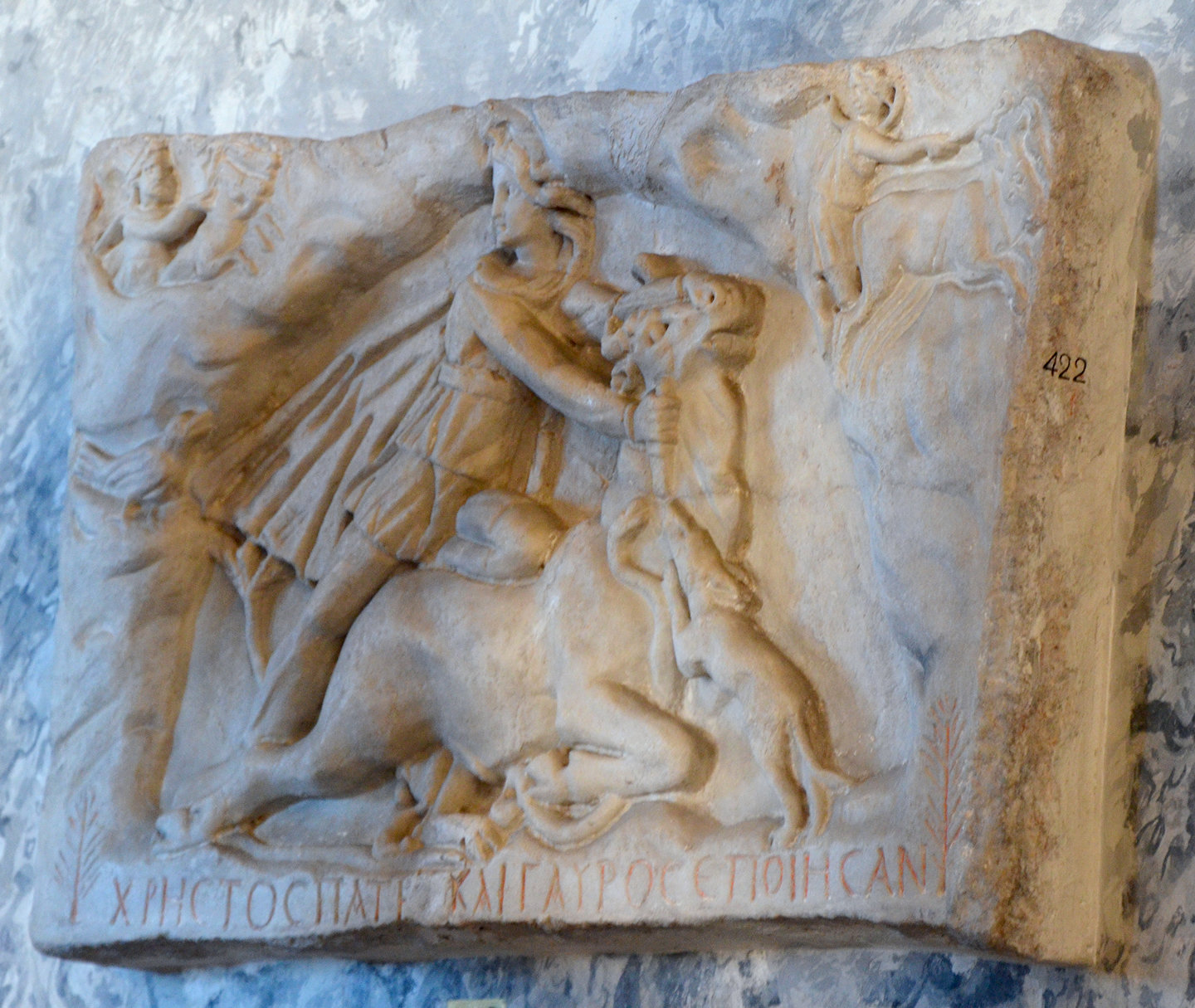
This relief of Mithras killing the bull, signed by a certain Χρῆστος, is on display in the Sala dei Animali of the Vatican Museum.
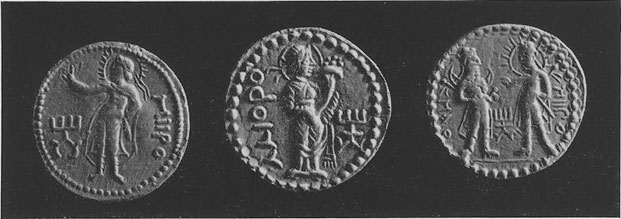
A gold coin depicting a bearded god with a crescent facing another god with a nimbus and a radiate crown, identified as Mithras by Vermaseren.
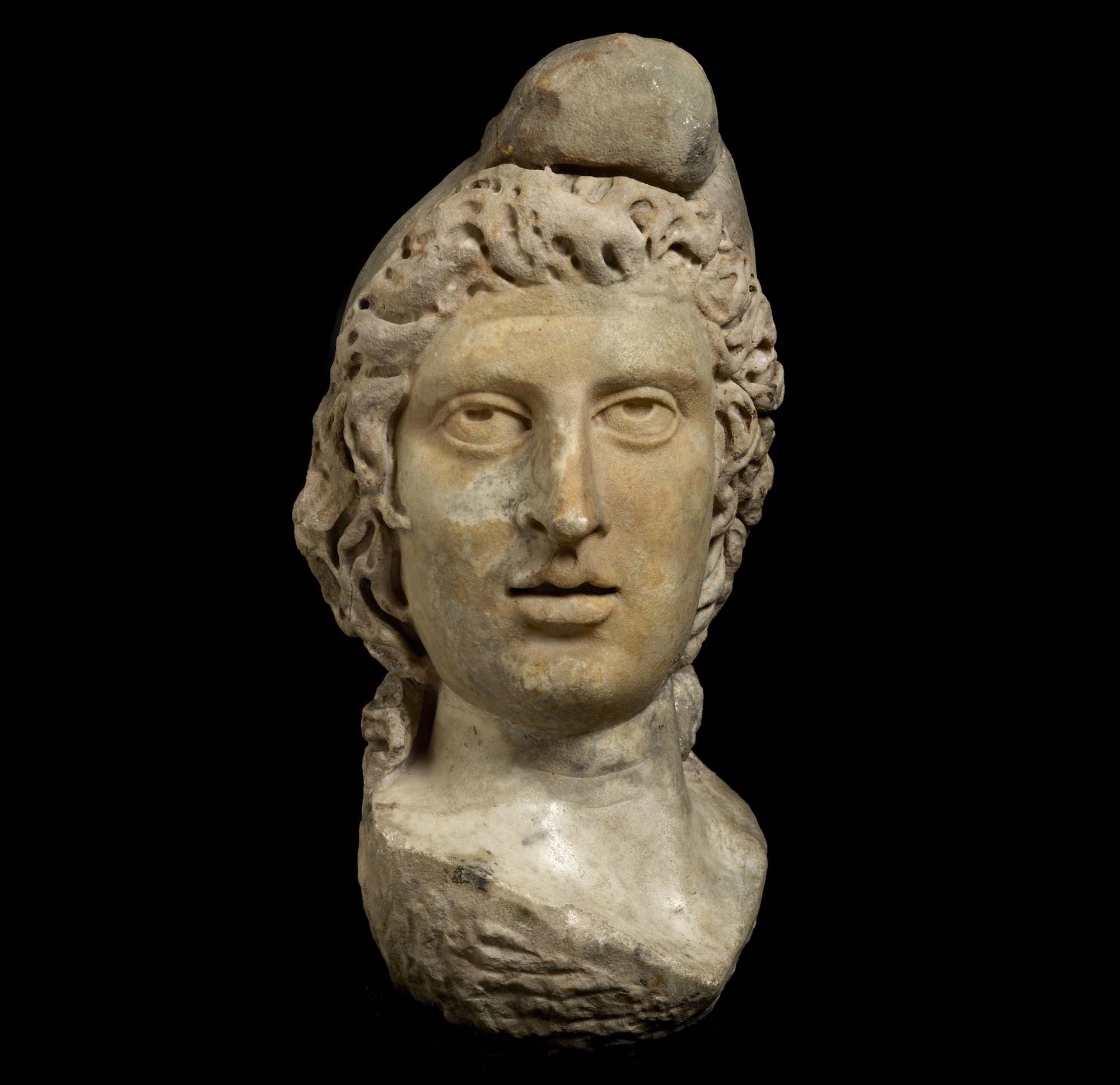
The Mithras's head of Walbrook probable belonged to a life-size scene of the god scarifying the bull.
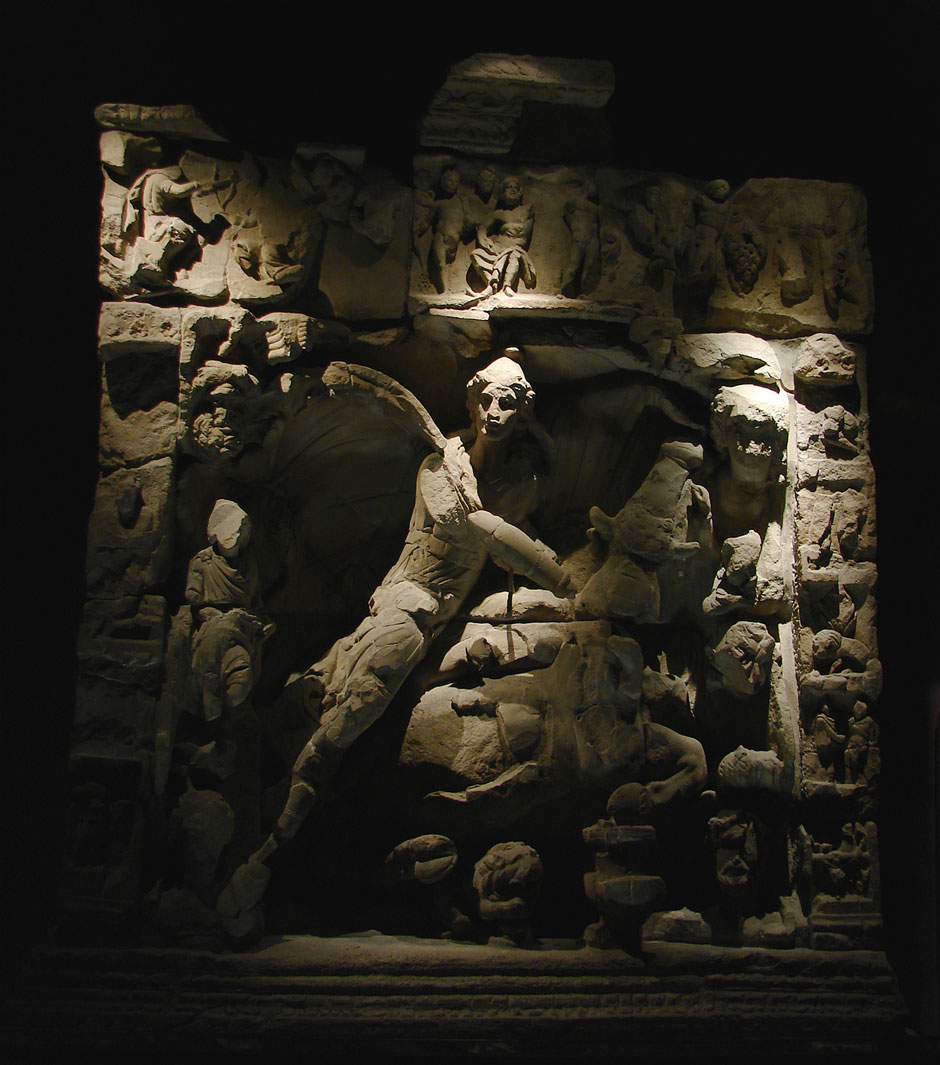
The Tauroctony of Saarbourg (Sarrebourg, ancient Pons Sarravi), France, contains most of Mithras deeds known in a single relief.
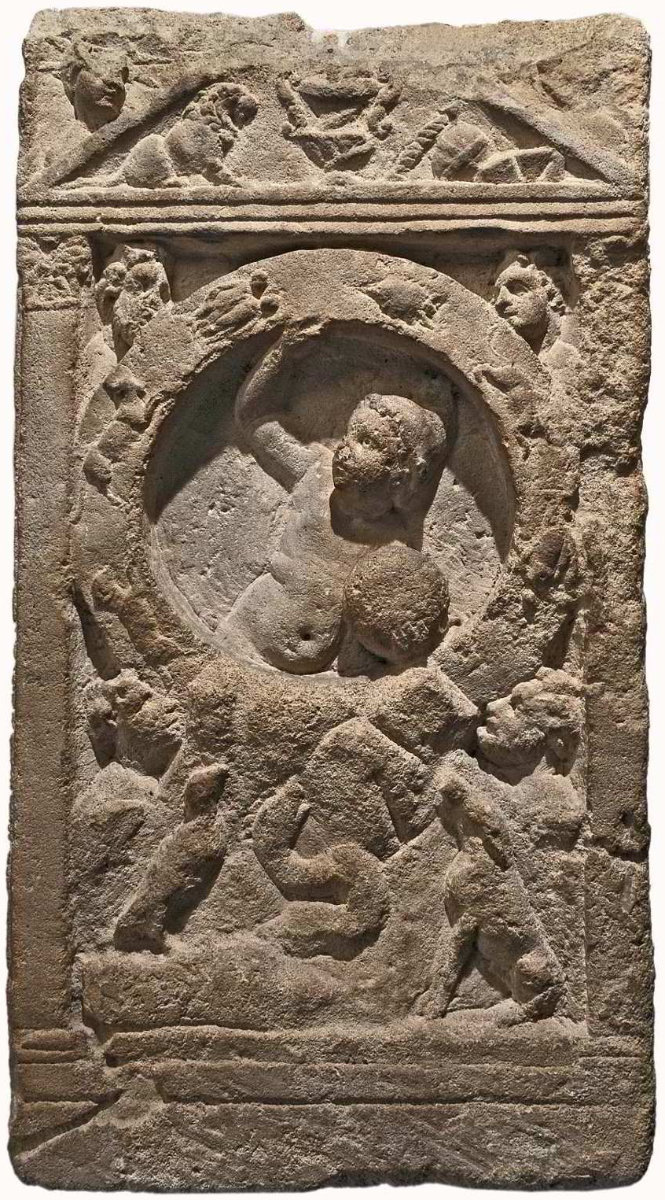
The relief depicts the birth of Mithras, holding a globe, surrounded by the zodiac.
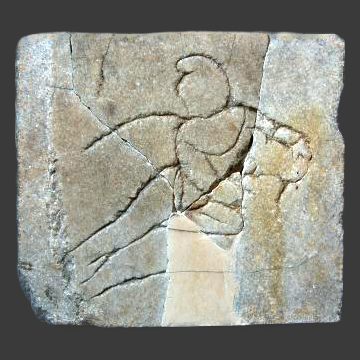
This unfinished Mithras tauroctonos without the usual surrounding animals was found in 1923 in Italica, near Seville, Spain.
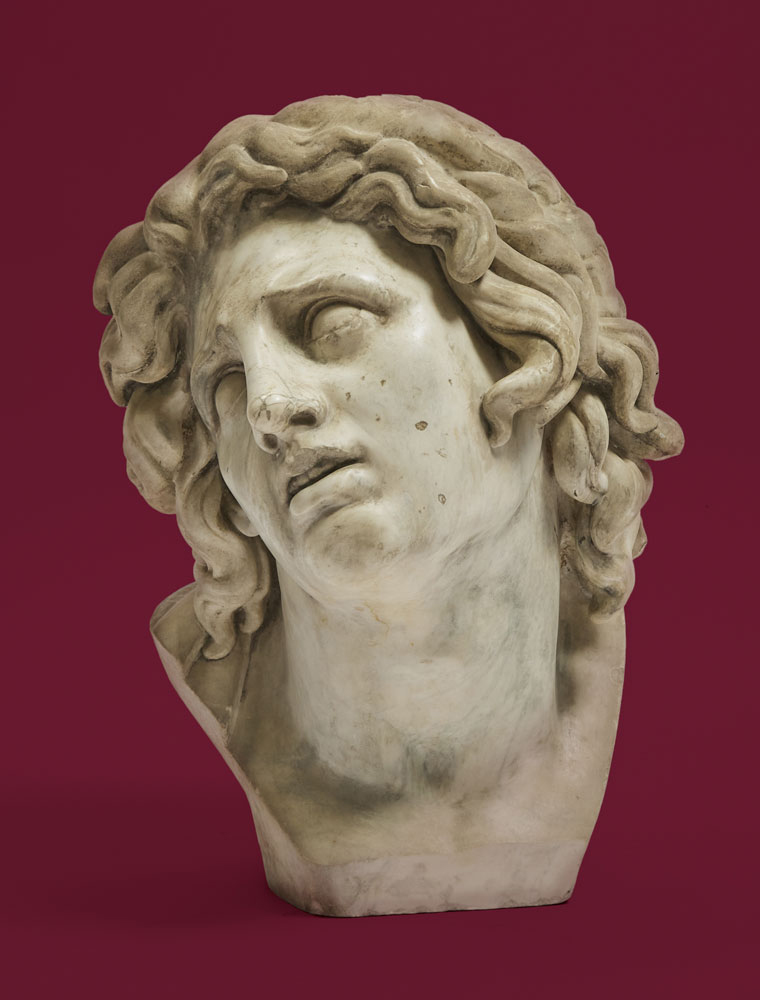
Head formerly associated with Mithraic material but interpreted by Margarete Bieber as a dying Giant.
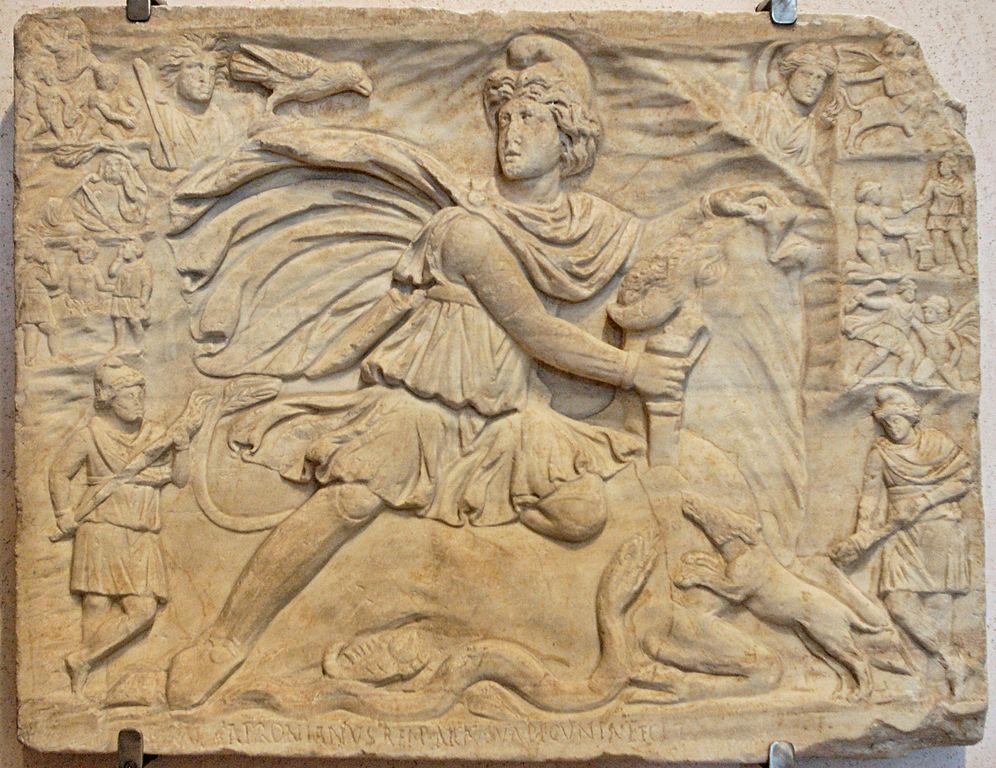
The relief of Mithras slaying the bull of Nersae includes several episodes from the exploits of the solar god.
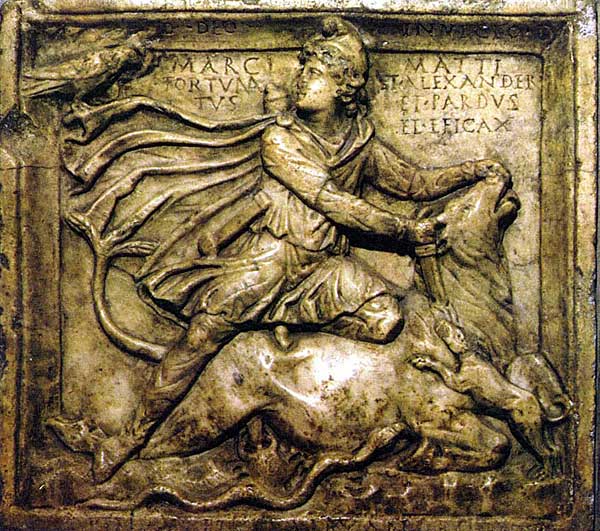
The relief marble of Mithras sacrifying the bull, exposed on the Hermitage Museum comes from Rome.

Roman Mithraic relief illustrated in figure 171 of Vermaseren’s catalogue.
