Your selection in monuments gave 55 results.
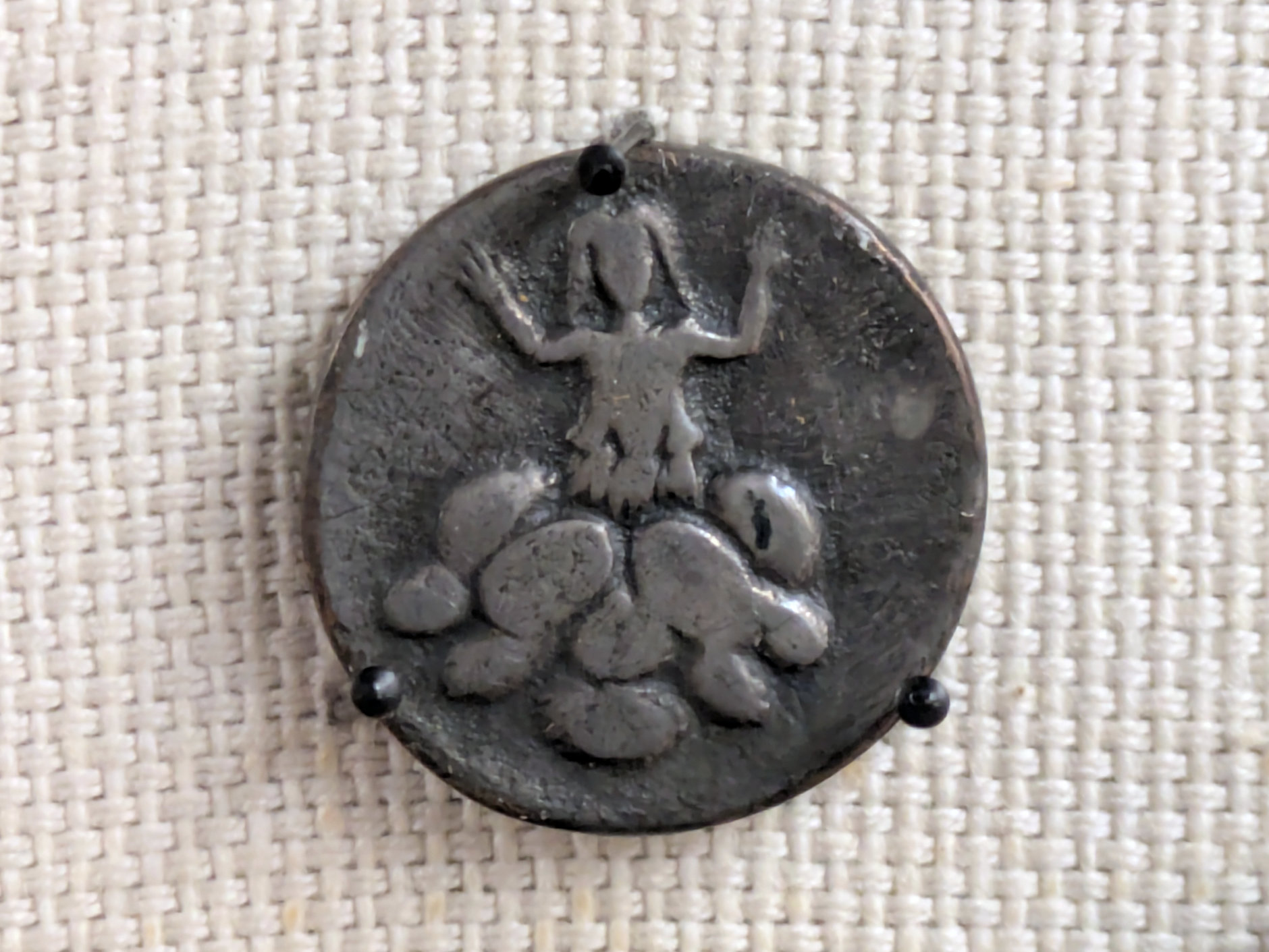
The mithraic denarius of St. Albans dates from the 2nd century.
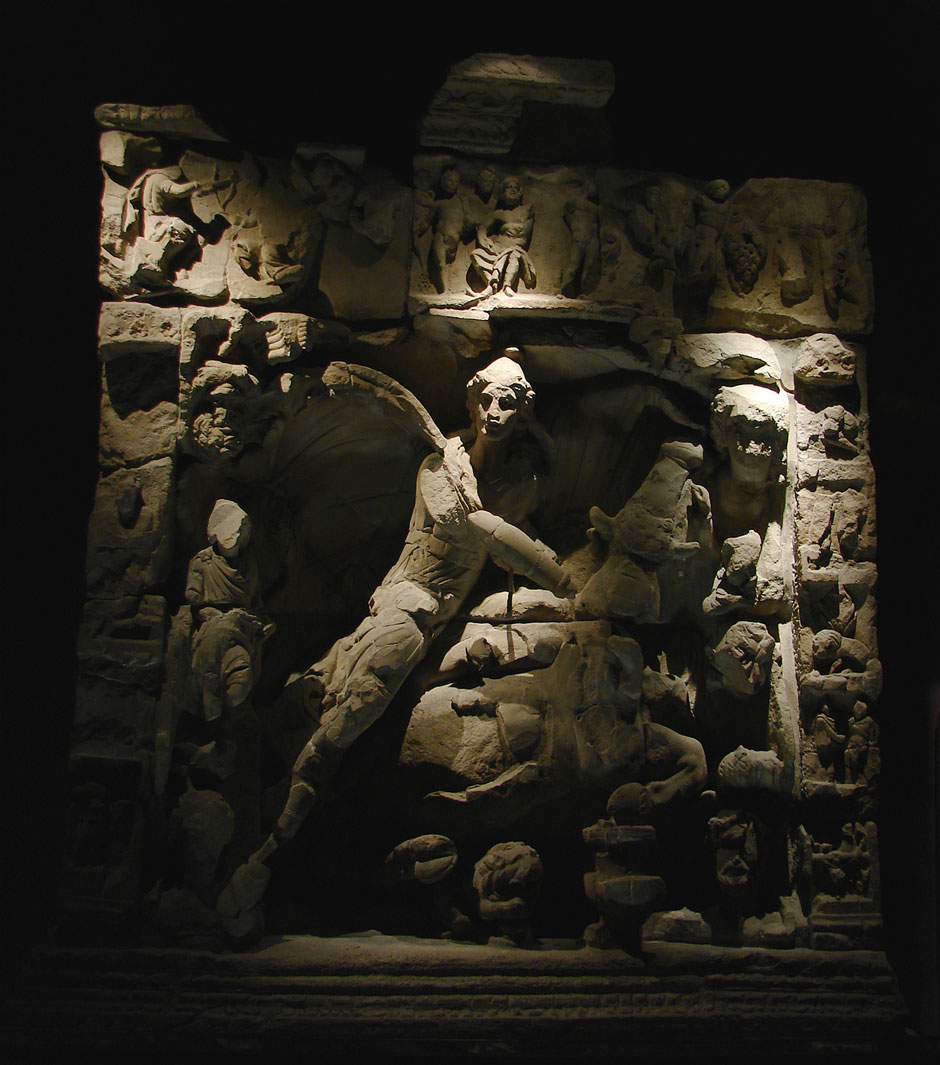
The Tauroctony of Saarbourg (Sarrebourg, ancient Pons Sarravi), France, contains most of Mithras deeds known in a single relief.
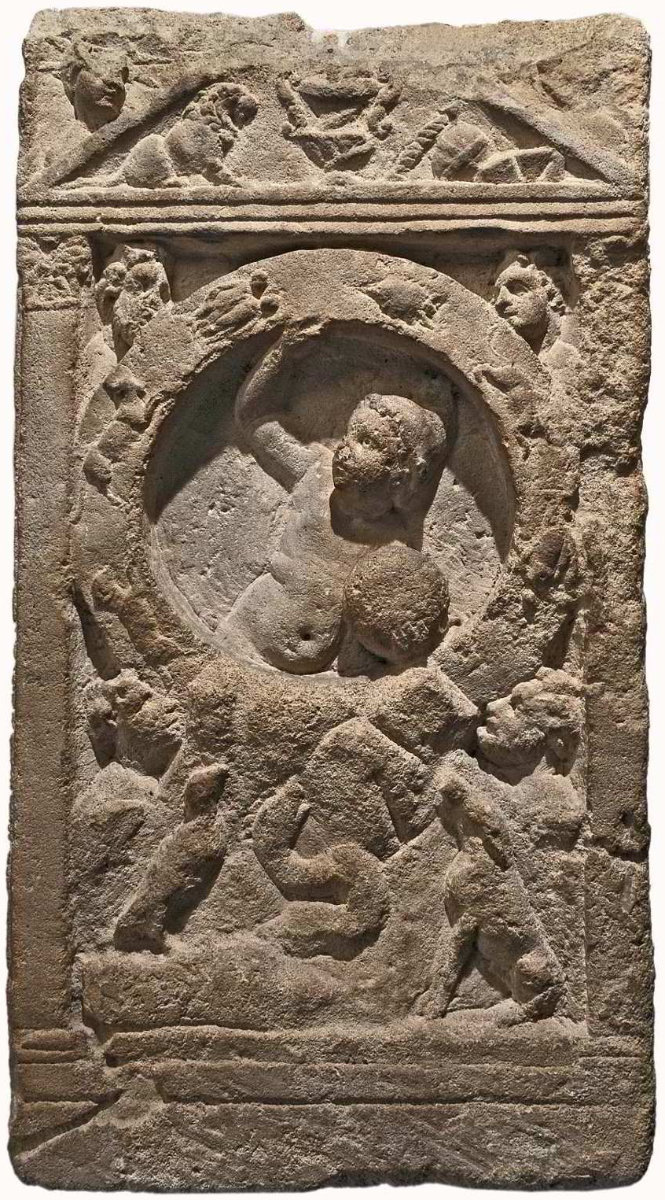
The relief depicts the birth of Mithras, holding a globe, surrounded by the zodiac.
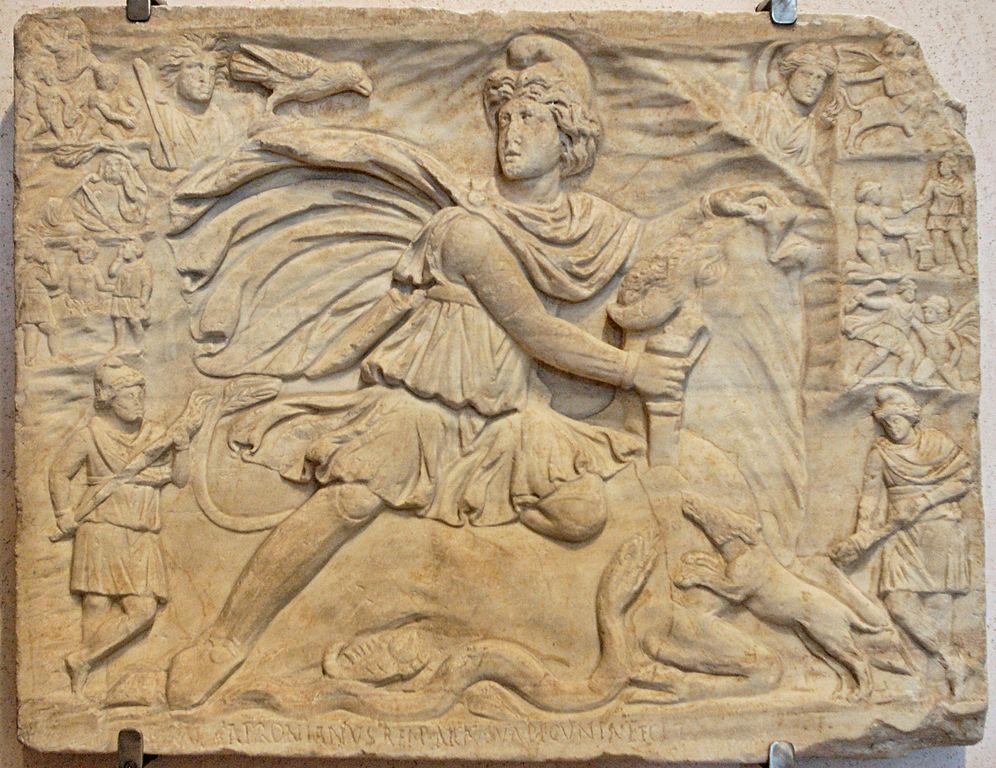
The relief of Mithras slaying the bull of Nersae includes several episodes from the exploits of the solar god.
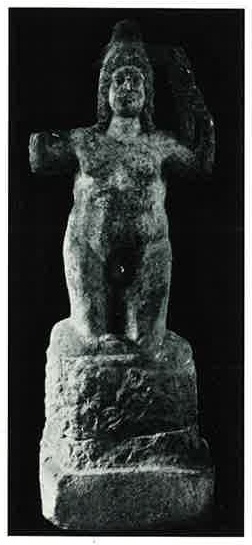
This white marble statue of the rock-birth from Cibinium in Roman Dacia is one of the largest known Mithraic sculptures from the Danubian provinces.
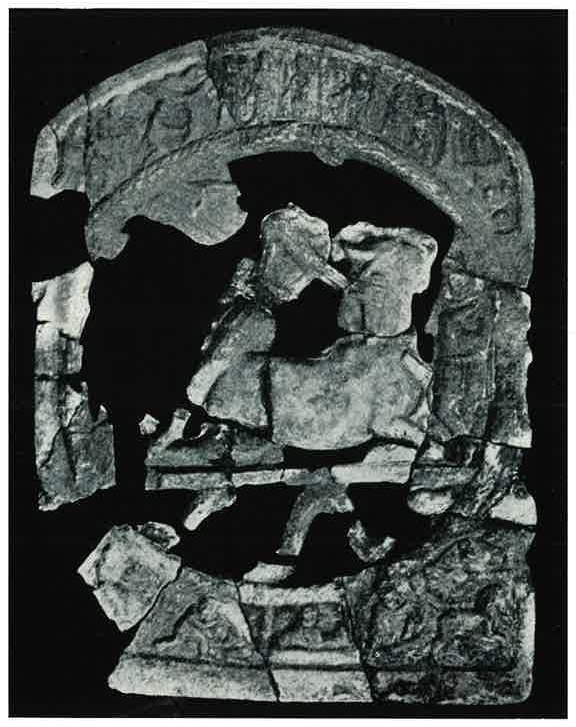
White marble tauroctony relief in several fragments from the Mithraeum at Biljanovac, Moesia Superior, depicting the standard bull-slaying with the full iconographic programme.
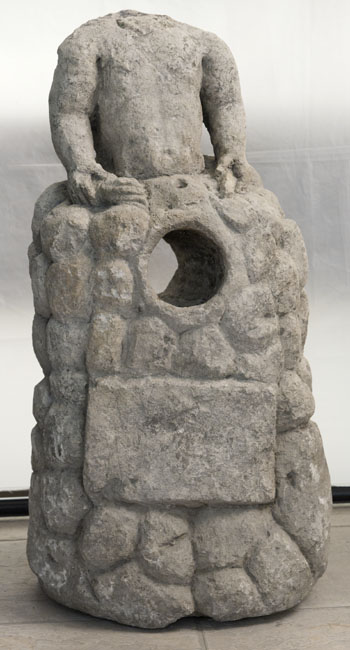
This sculpture from Dobrosloveni, Romania, depicts the petrogenesis of Mithras, with a hole through the generative rock from which water flowed.

This relief of Mithras slaying the bull incorporates the scene of the god carrying the bull and its birth from a rock.
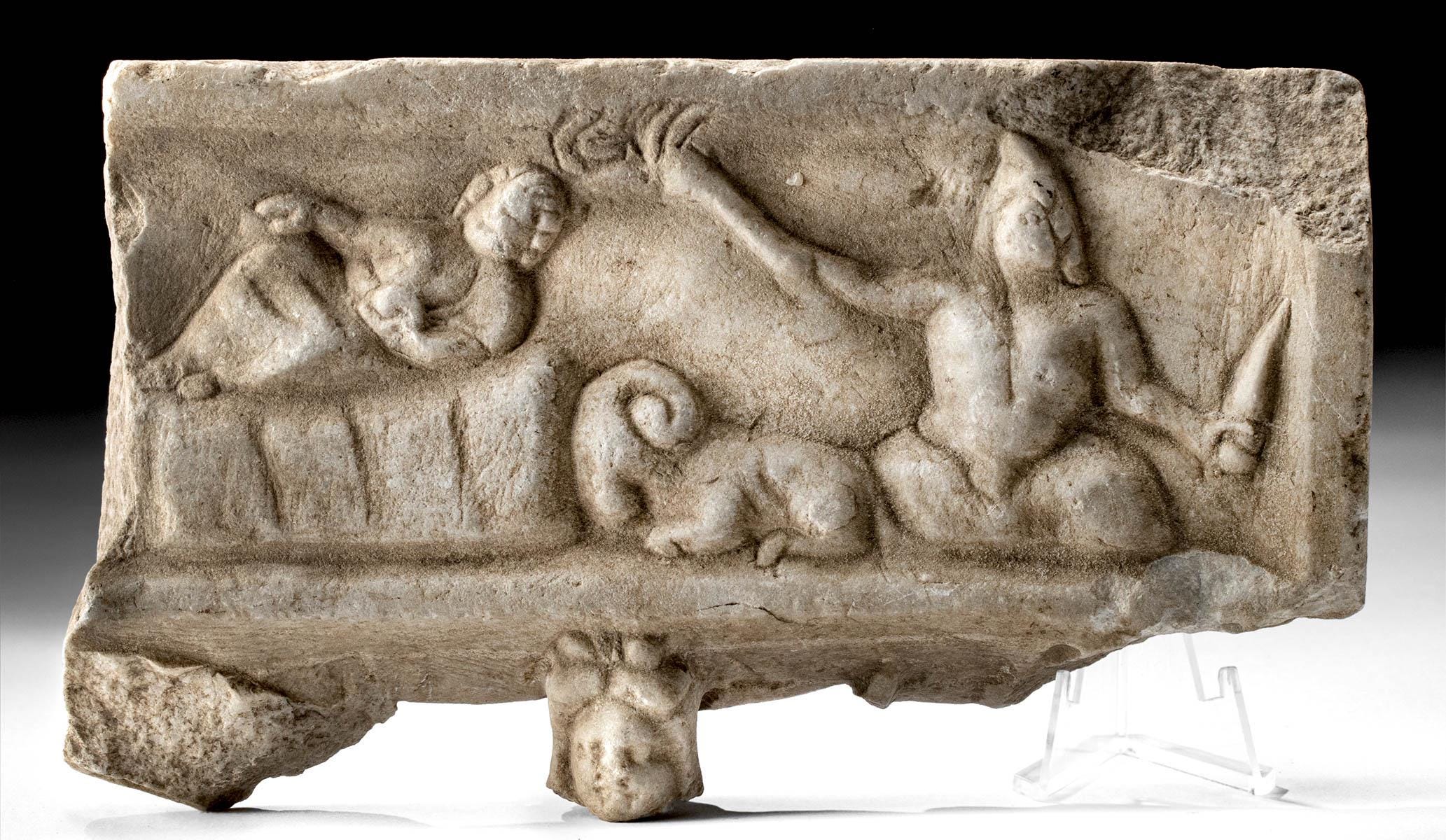
Mithras emerging from the rock with torch and dagger beside a reclining Oceanus or Saturn.
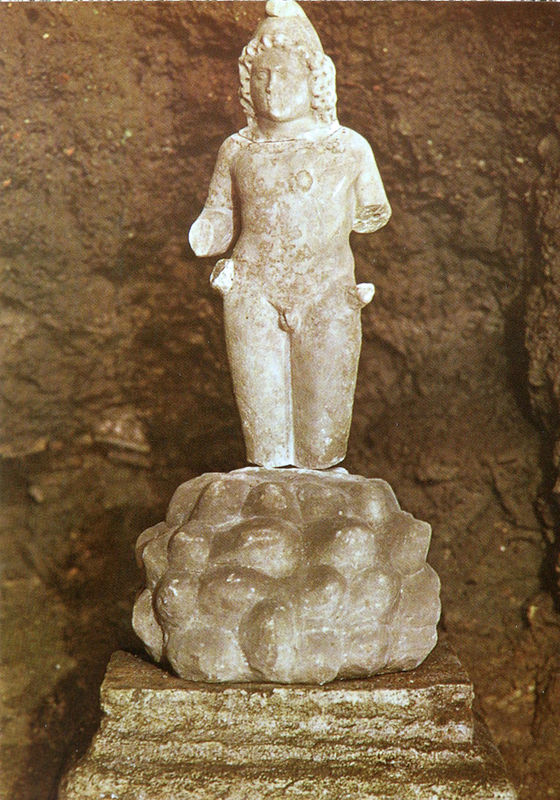
Mithras birth from the knees upwards emerging from a rock and wearing as usual a Phrygian cap.
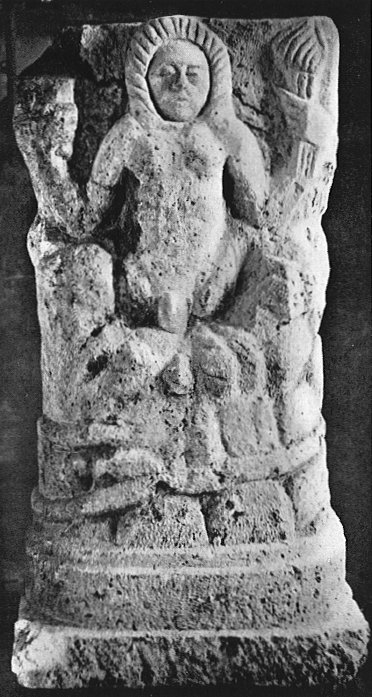
Another sculpture of Mithras rock-birth from the Mithraeum of Victorinus, in Aquincum.
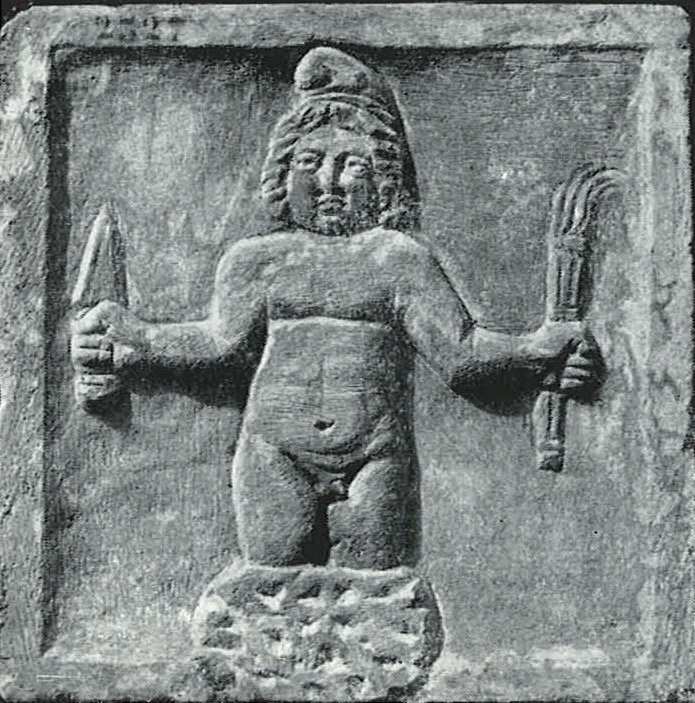
The relief of Mithras being born from the rock of the Esquiline shows the young god naked, as usual, with a torch and a dagger in his hands.
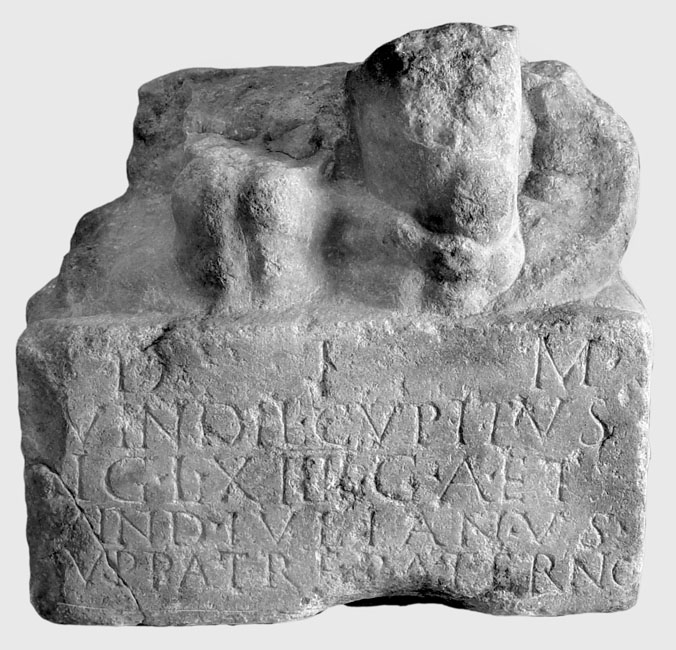
Only parts of the knees of Mithras, emerging from the rock, have been preserved from this monument of Petronell-Carnuntum, Austria.
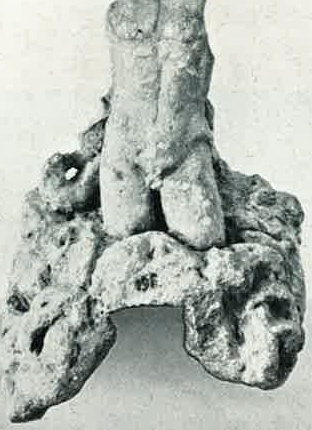
Sandstone petrogenesis from Petronell-Carnuntum (Lower Austria), depicting Mithras emerging from the rock, preserved from the knees upwards.
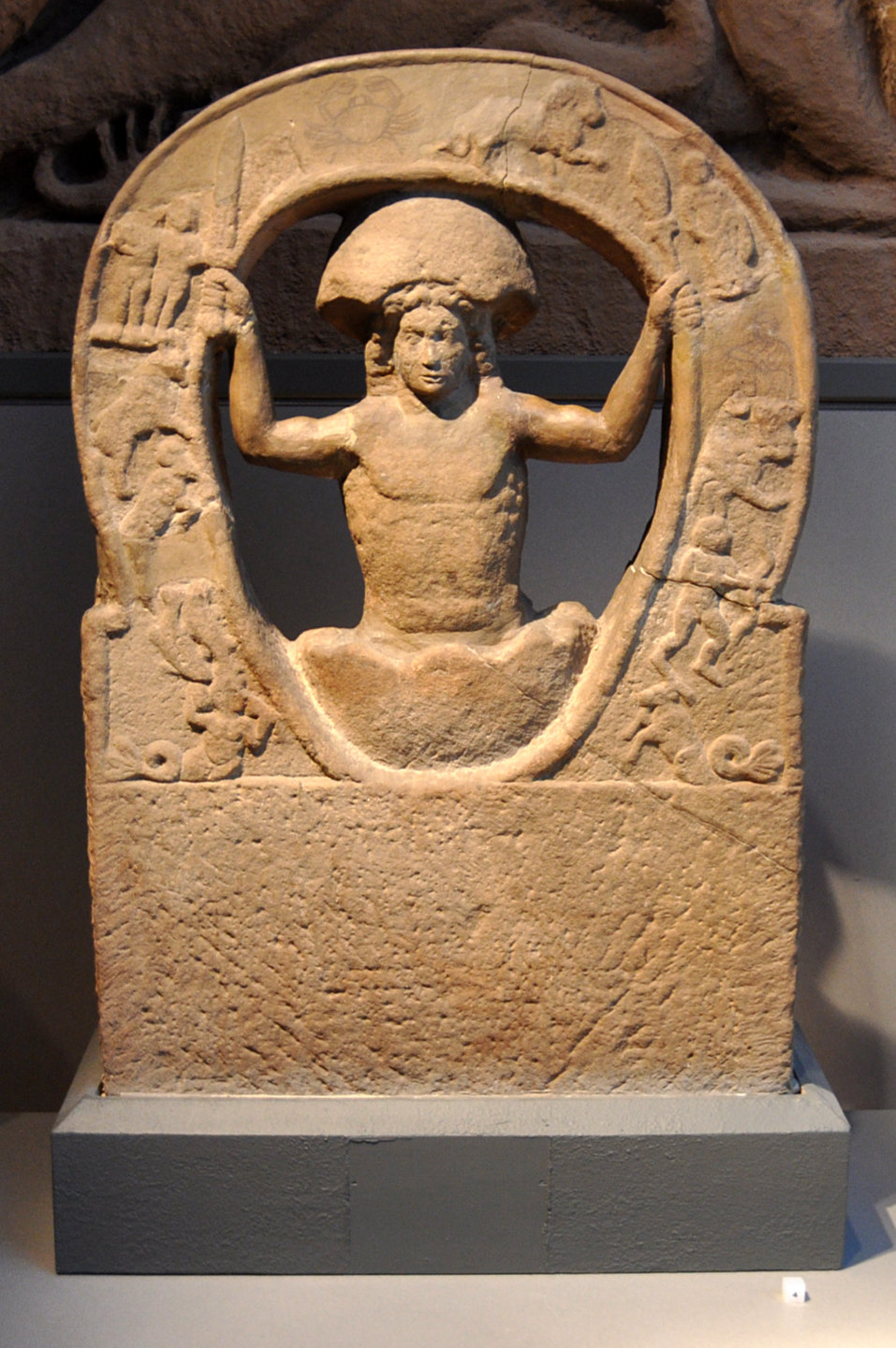
A naked Mithra emerges from the cosmic egg surrounded by the zodiac, as always carrying a torch and a dagger.

The importance of the Mithraeum of Marino lies in its frescoes, the most significant of which is that of Mithras slaying the bull, surrounded by mythological scenes.
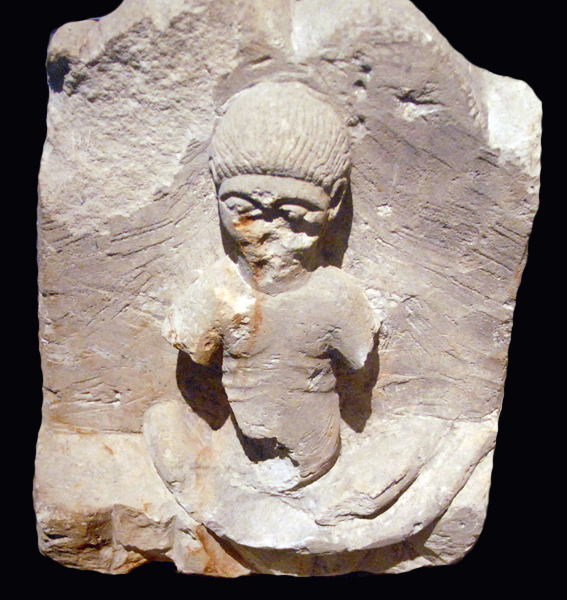
A serpent emerging from a umbilicus at the side of the stele coils over Mithras naked body.
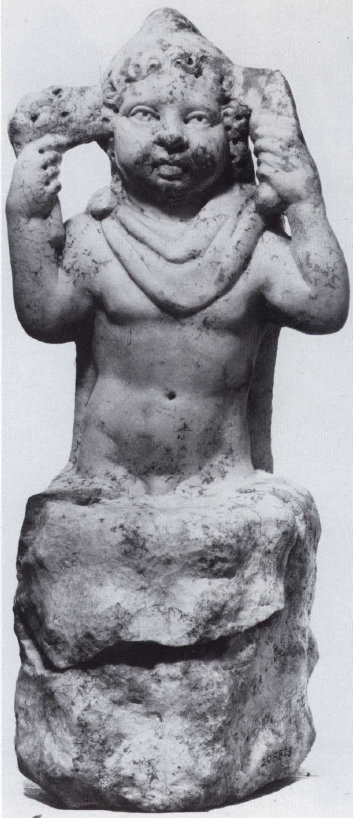
The second statue of Mithras rock-birth was found in the Mitreo di Santo Stefano Rotondo shows a childish Mitras emerging from the rock.
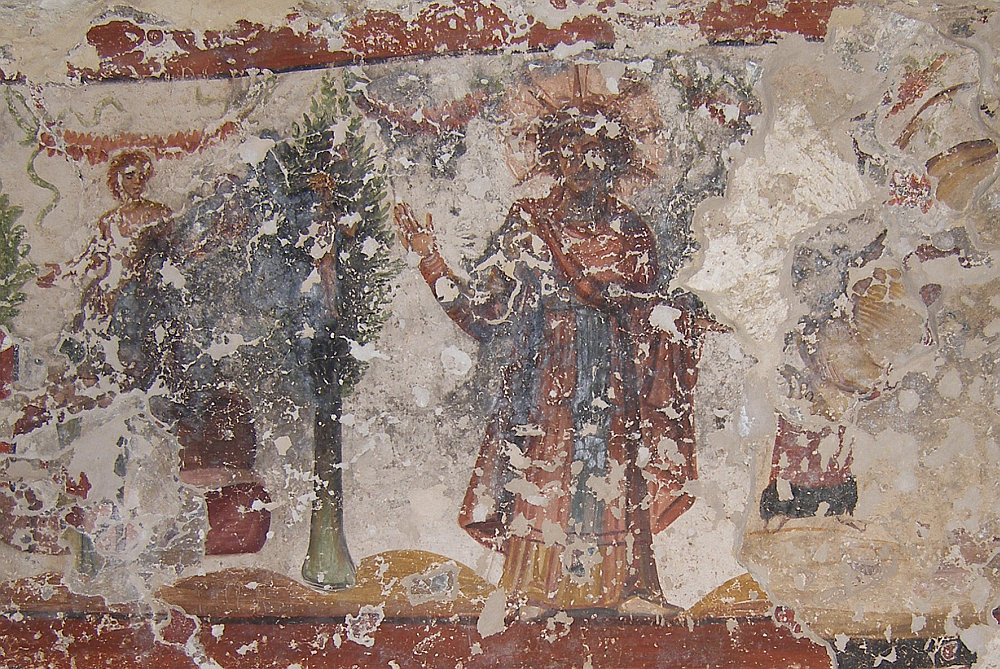
In one of Hawarte’s frescoes, the rock birth of Mithras is preceded by Zeus and followed by the young Persian god suspended from a cypress tree.
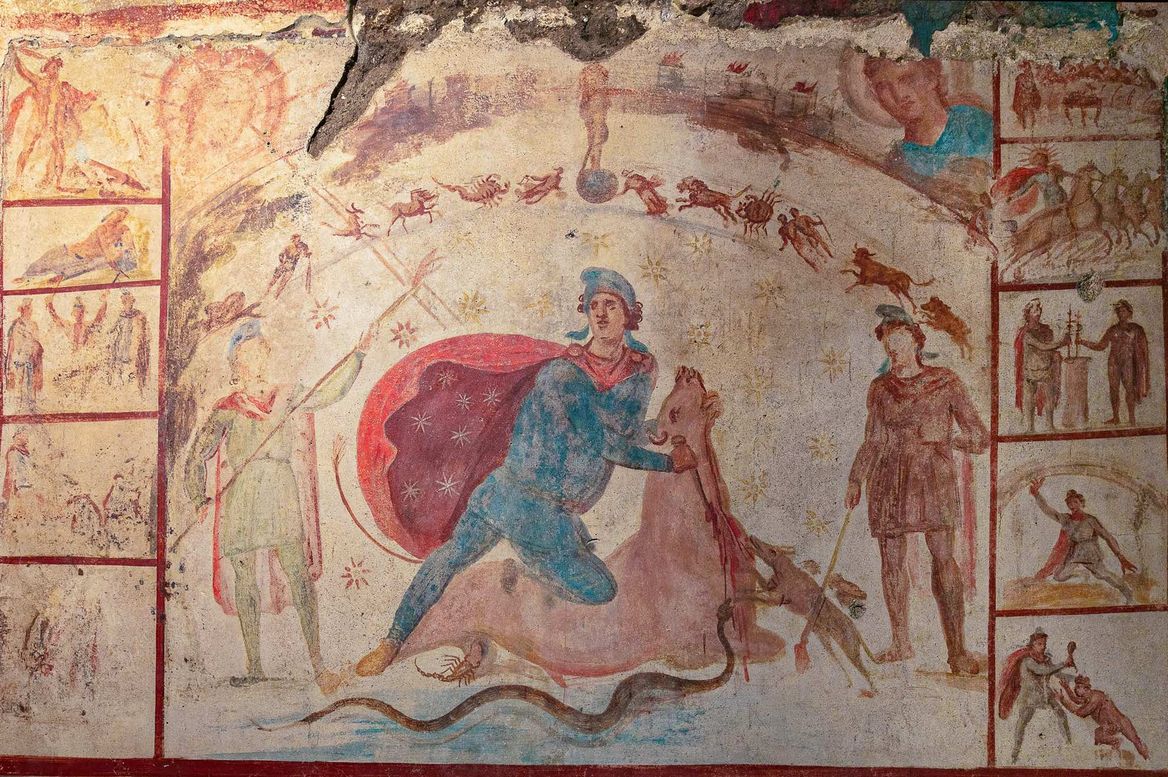
The votive fresco from the Mithraeum Barberini displays several scenes from Mithras’s myth.
