

The name of this domus comes from the fact that some authors once associated one of its mosaics with the cult of Mithras, a connection that has since been dismissed.
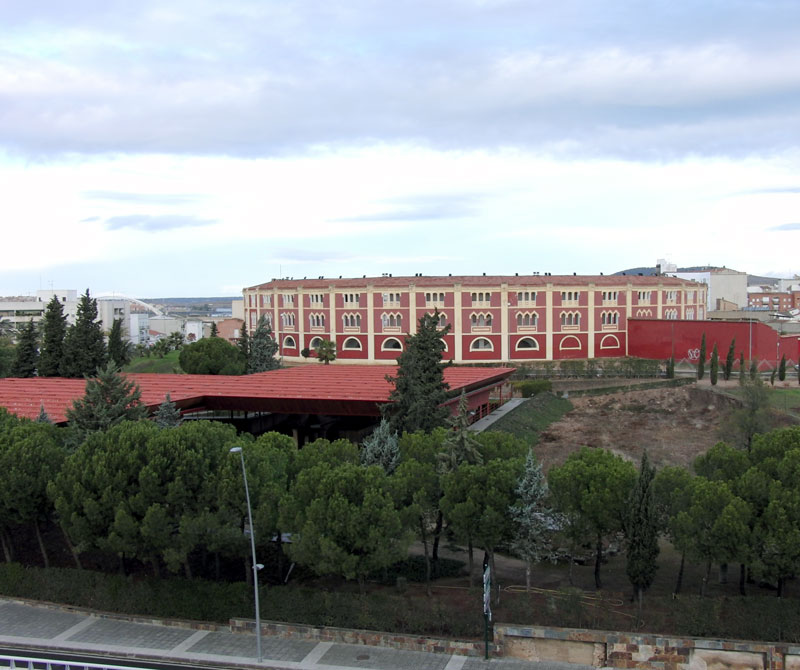
Although the site at Cerro de San Albín is not a Mithraeum, archaeologists have found several monuments related to the cult of Mithras.
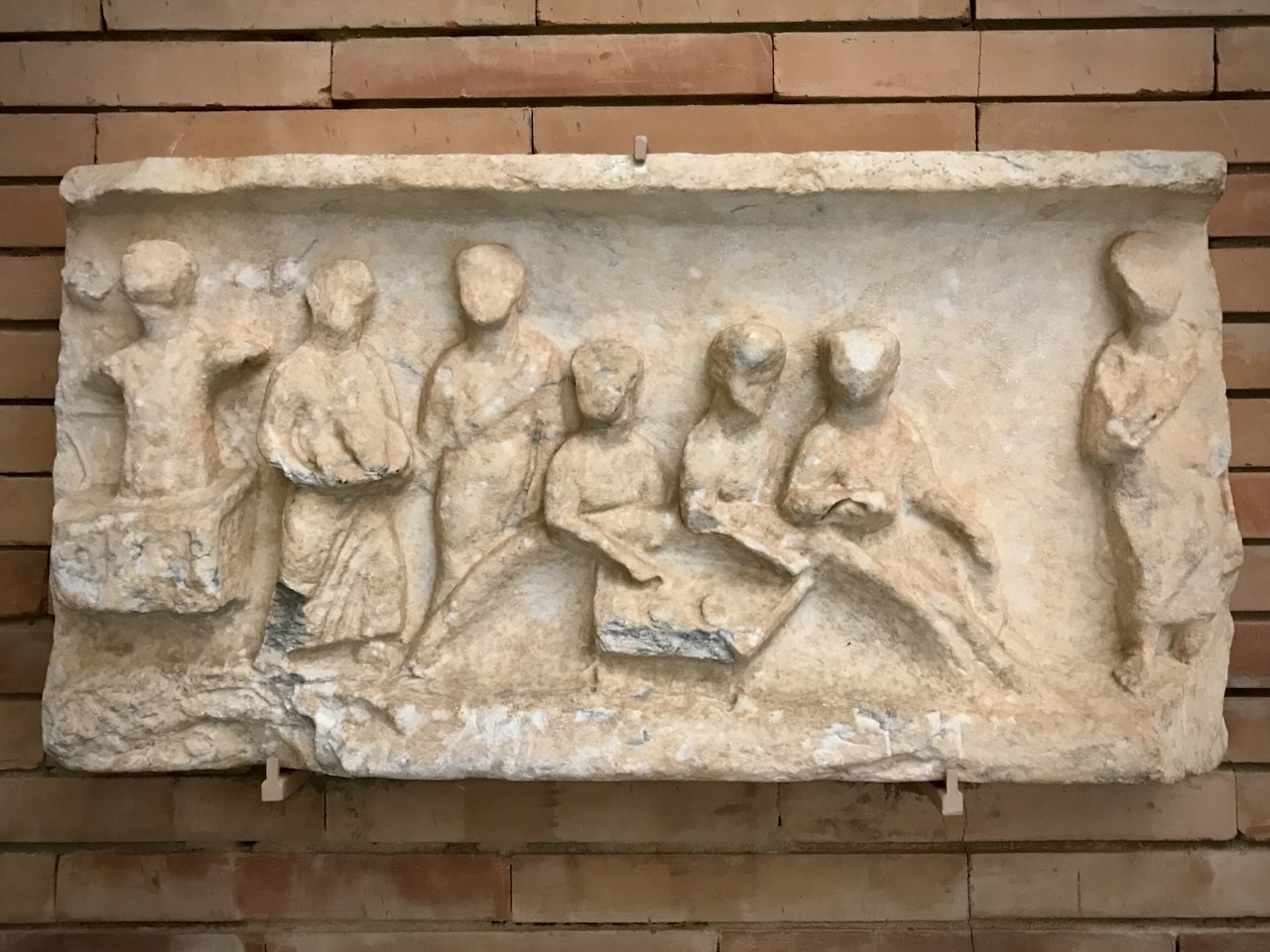
This scene of a feast from Mérida shows three persons at a table with other people standing beside them, one holding a bull’s head on a plate.
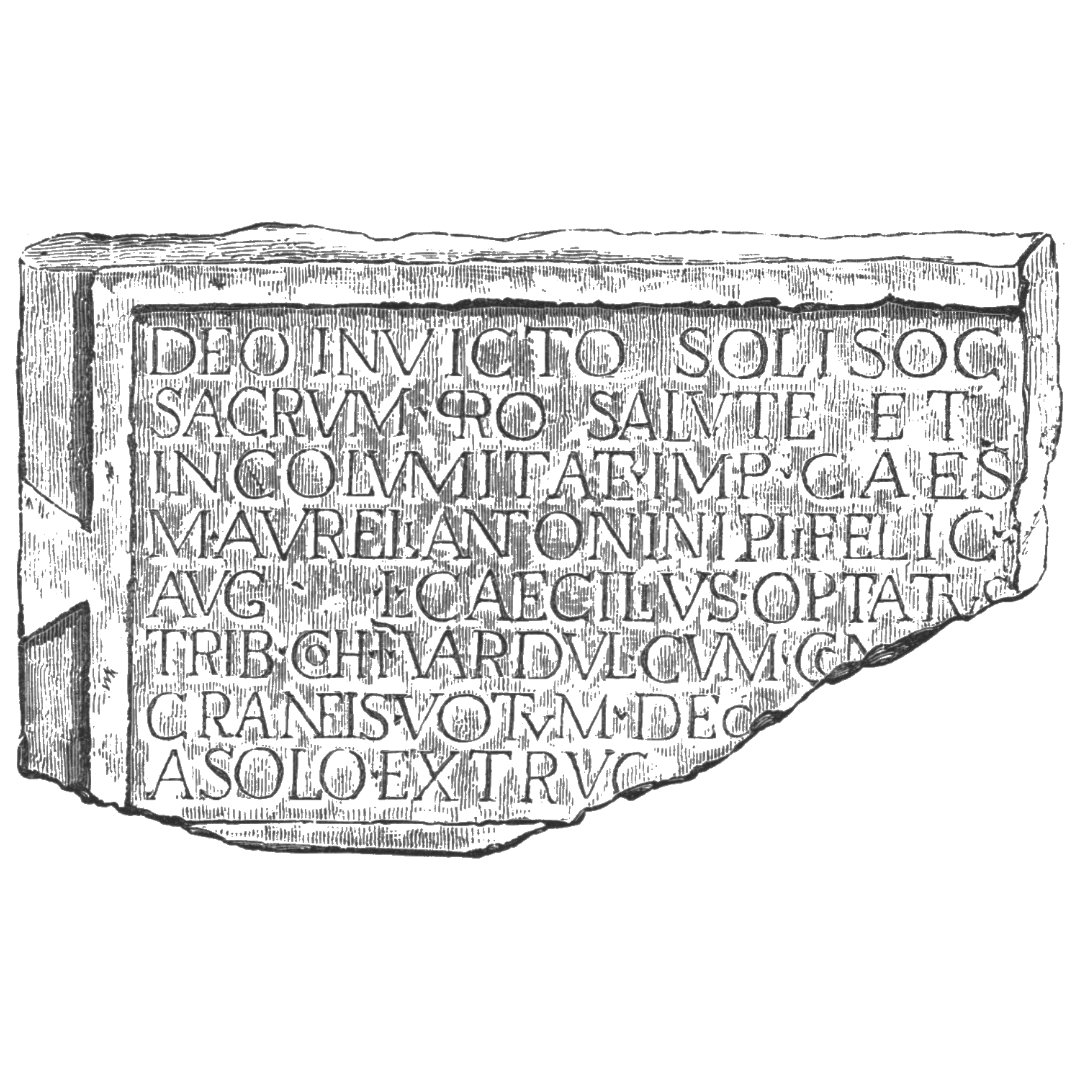
This inscription commemorates the building of a mithraeum in Bremenium with fellow worshippers of Mithras.
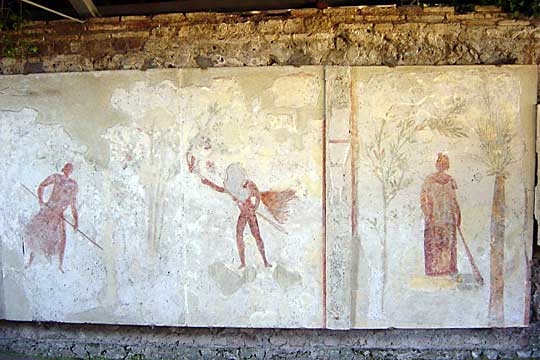
The frescoes depict several figures dressed in different garments associated with the Mithraic degrees.
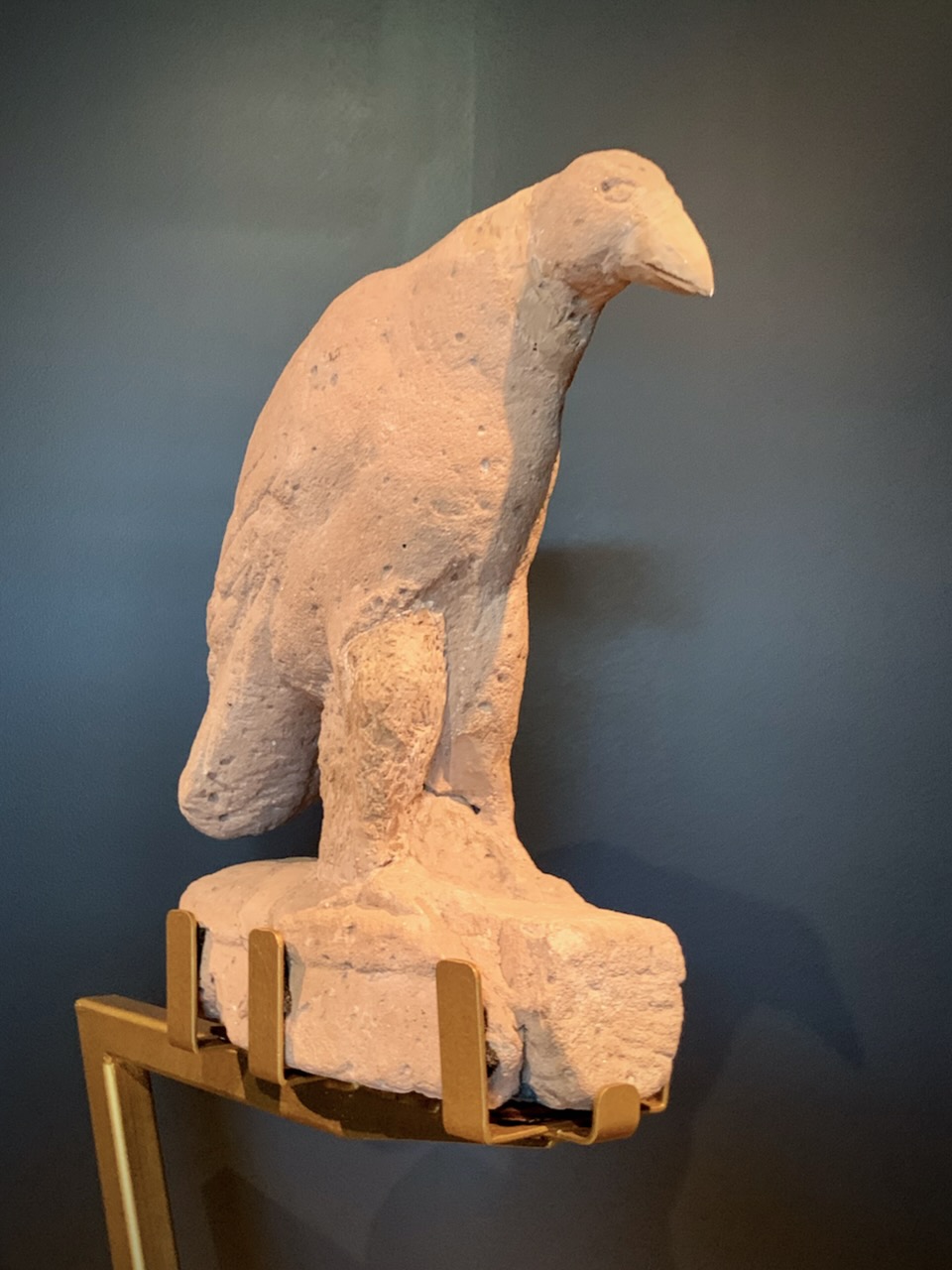
The Stockstadt Raven is one of only two standing-alone sculptures of this bird to be found in Mithraic statuary.

Jaime Alvar speculates that the Gran Mitreo de Mérida could have been located in this area, based on a series of materials unearthed by Mélida during the excavations of 1926 and 1927.
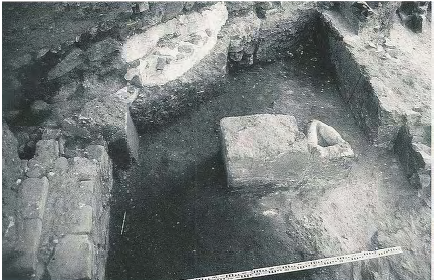
The Mithraeum at Espronceda Street, in Merida, was discovered in 2000. It is a semi-subterranean temple.
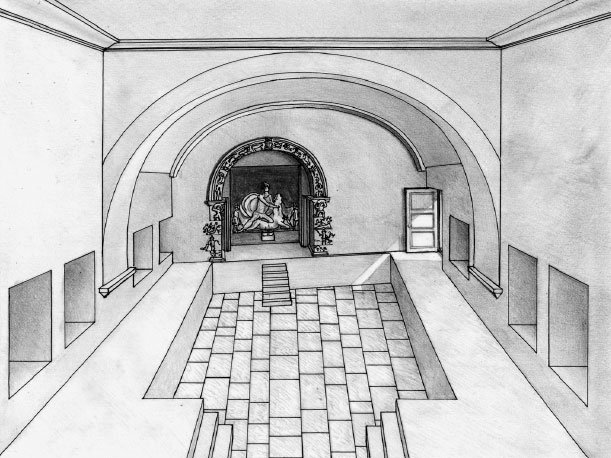
The Mithraeum of Saara, Syria, has been identified through the deciphering of the remains of the iconographic programme on its arch.
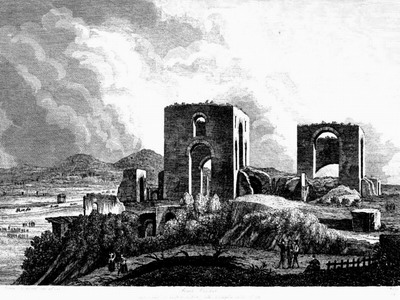
Mithras and other oriental gods were worshipped in the shrine of Zeus near the Villa of the Quintilians in Rome.

Fragment of a marble relief (H. 0.27 Br. 0.38 D. 0.045).
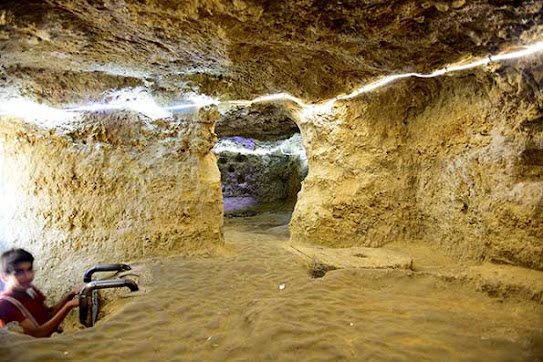
The Niasar Cave, غار نیاسر, was a temple probably devoted to Iranian Mithras that dates back to the early Partian era.
There is no solid evidences of the finding of a Mithraic temple in Duhok, Iraq.

The exploration of an old pazo, a manor house, near the Roman wall, in Lugo, led to the discovery of a Roman domus, which existed continuously from the beginnings of the Christian Era until the Late Empire.
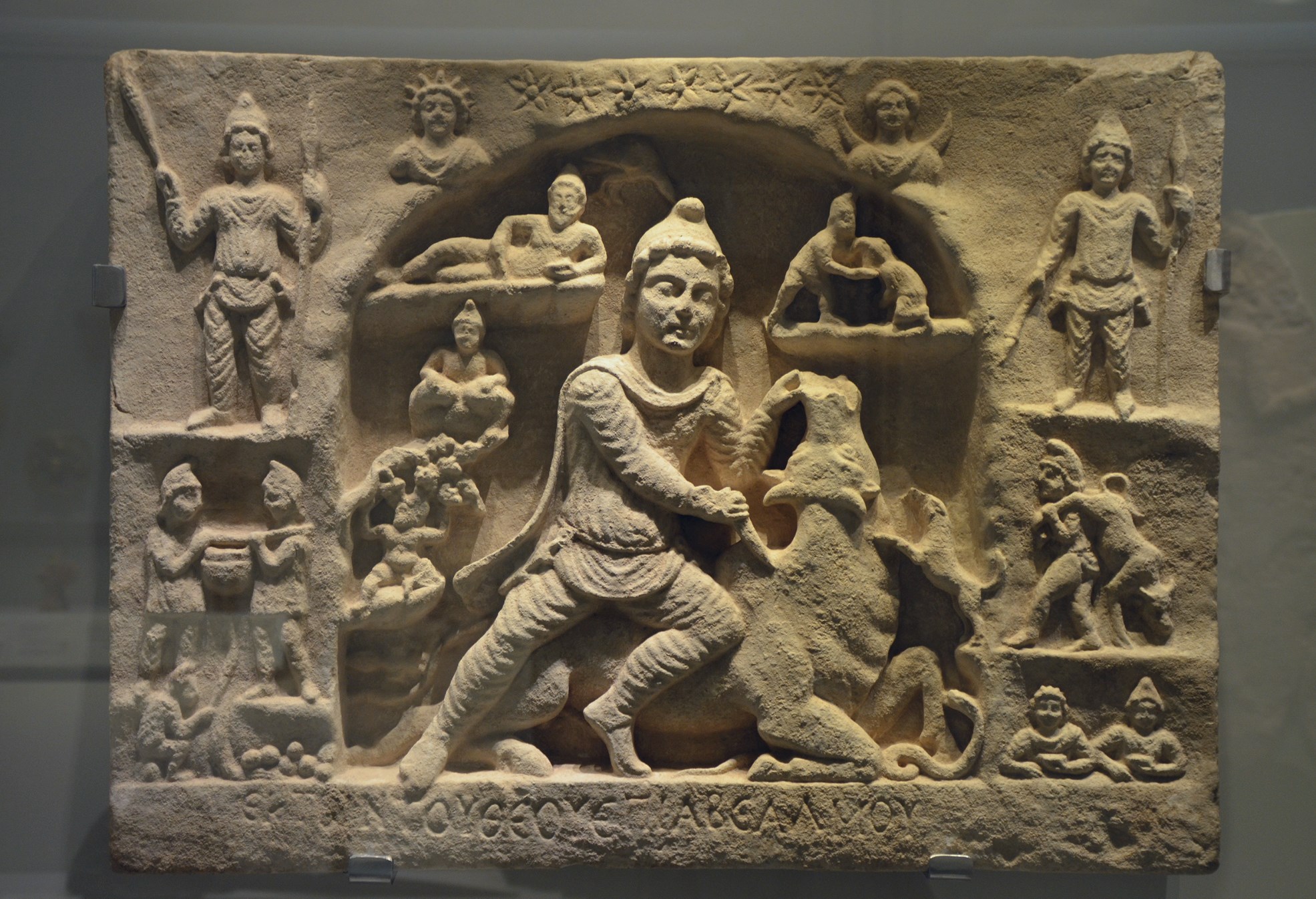
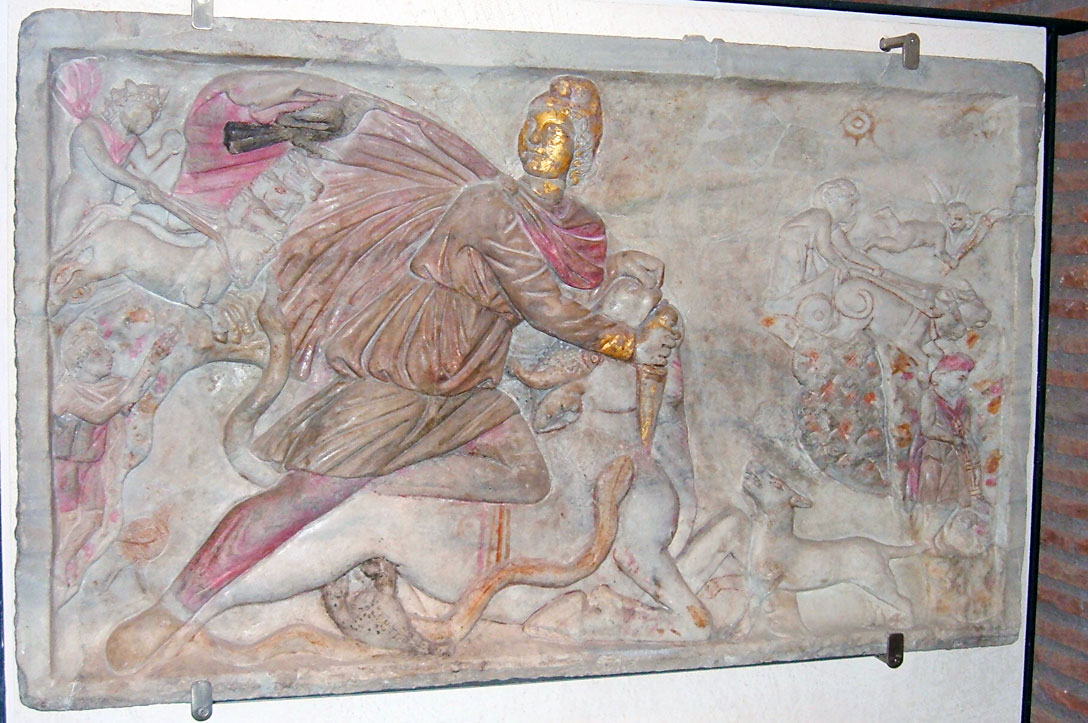
In this terracotta relief depicting Mithras as a bull killer found at Cales, now in Calvi Risorta, none of the usual accompanying animals is present.
