
A possible Mithraeum II was found in Bingen, but the few remains are not sufficient to prove it.
The Mithraeum of Slaveni was discovered in 1837 on the right bank of the river Olt, in Romanati district.
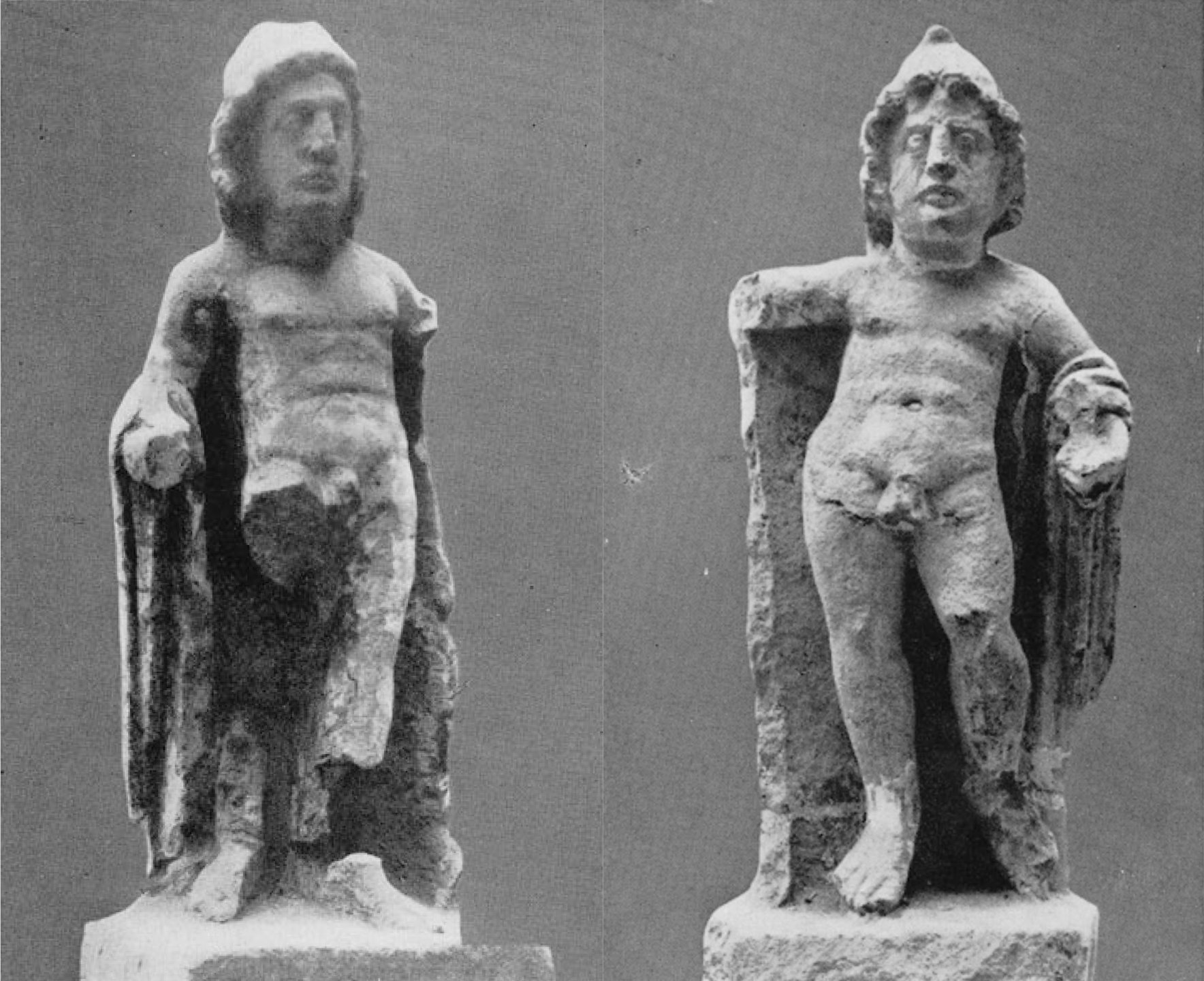
The two fellows of Mithras from Marquise, Boulogne-sur-Mer, are fully naked but for the cloak and the Phrygian cap.
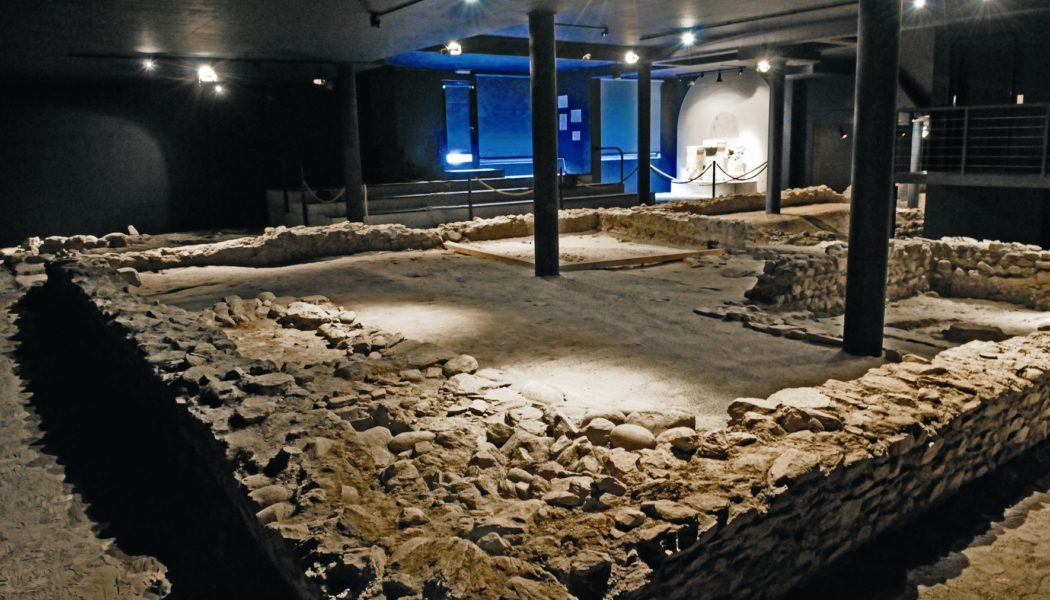
The Mithraeum of Martigny is the first temple devoted to Mithras found in Switzerland.

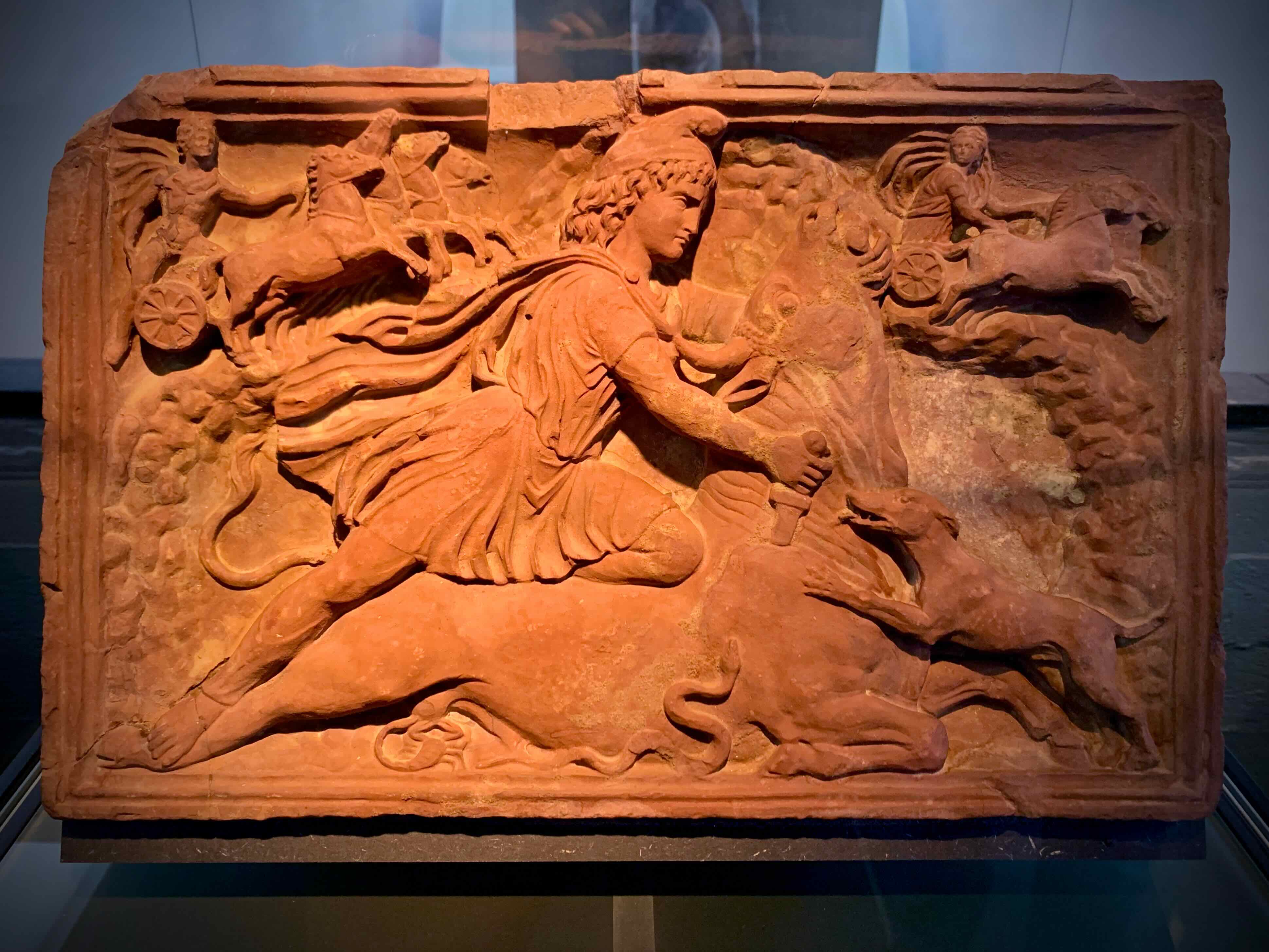
Maarten Vermaseren acquired this rosso antico marble of Mithras slaying the bull in 1961.
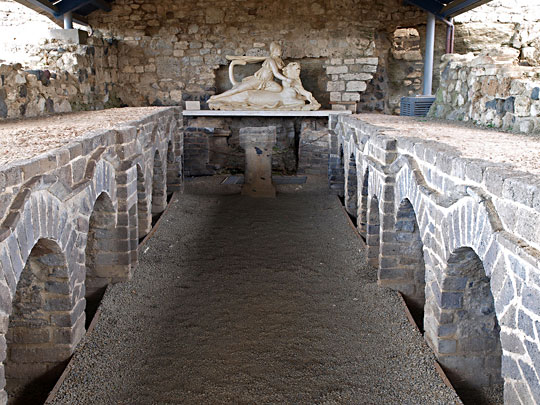
The Mithraeum of Vulci is remarkable because of his high benches and the arches below them.
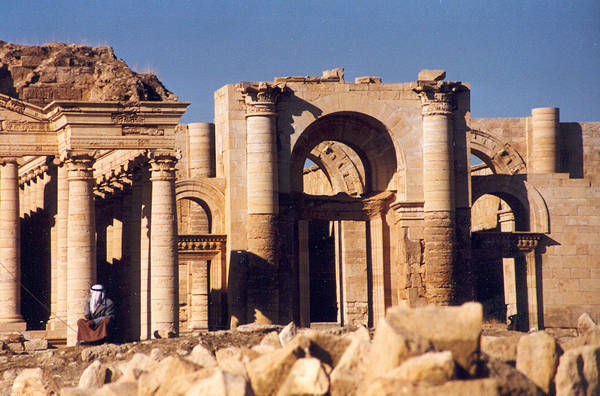
The city of Hatra was famed for its fusion of several civilization cults, which several temples devoted to gods from all Indo-European world.
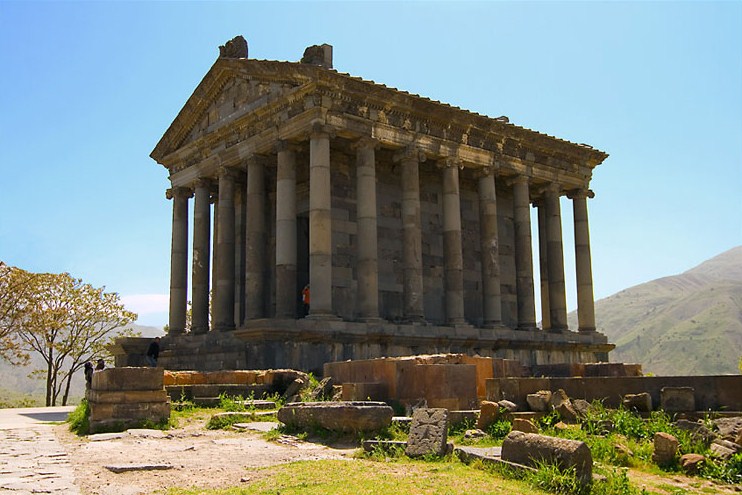
After Christianity was adopted, most pagan monuments were destroyed or abandoned. Garni, however, was preserved at the request of the sister of King Tiridates II and used as a summer residence for Armenian royalty.
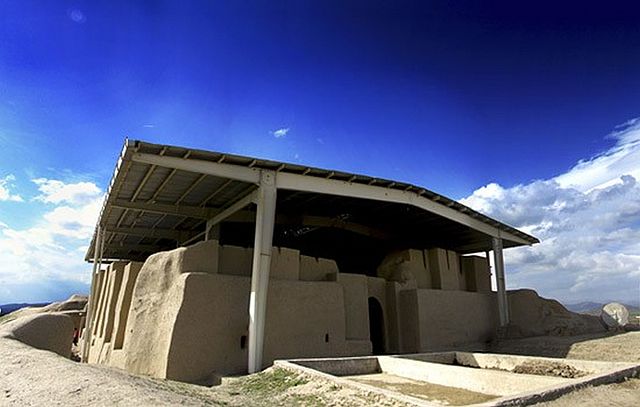
The Nushijan Mithraeum testifies to the worship of Mithra in the region since before the Zoroastrian reform.
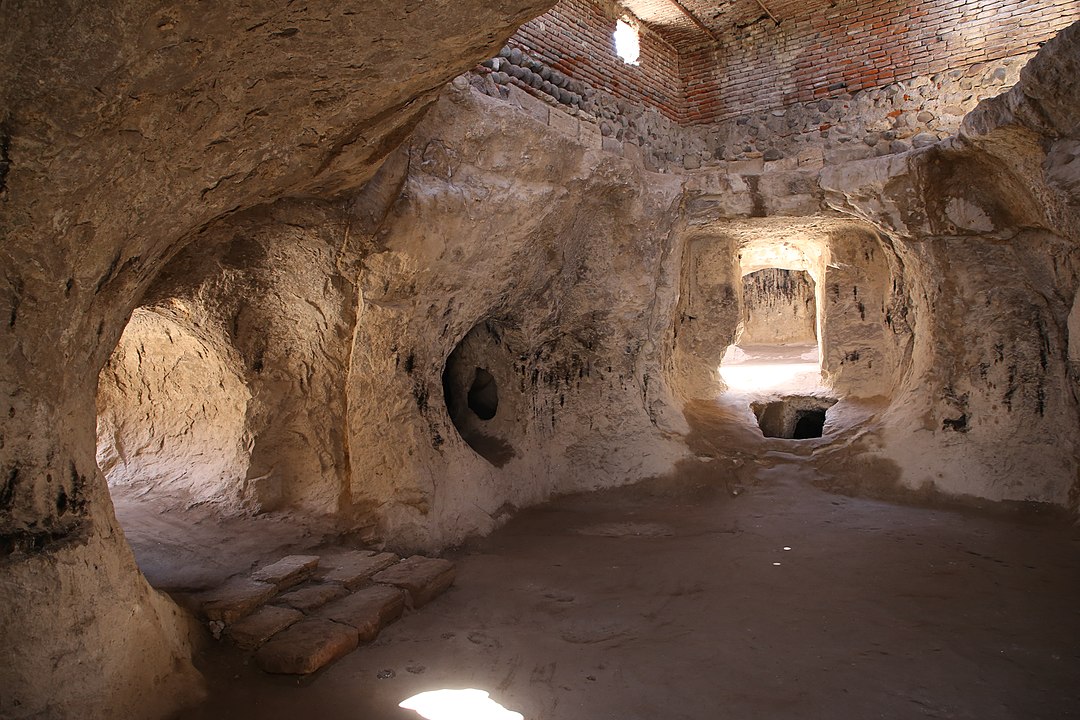
The Mithra Temple of Maragheh, also referred to as the Mithra Temple of Verjuy or simply Mehr Temple, is the oldest surviving Mithraic temple in Iran known to date.
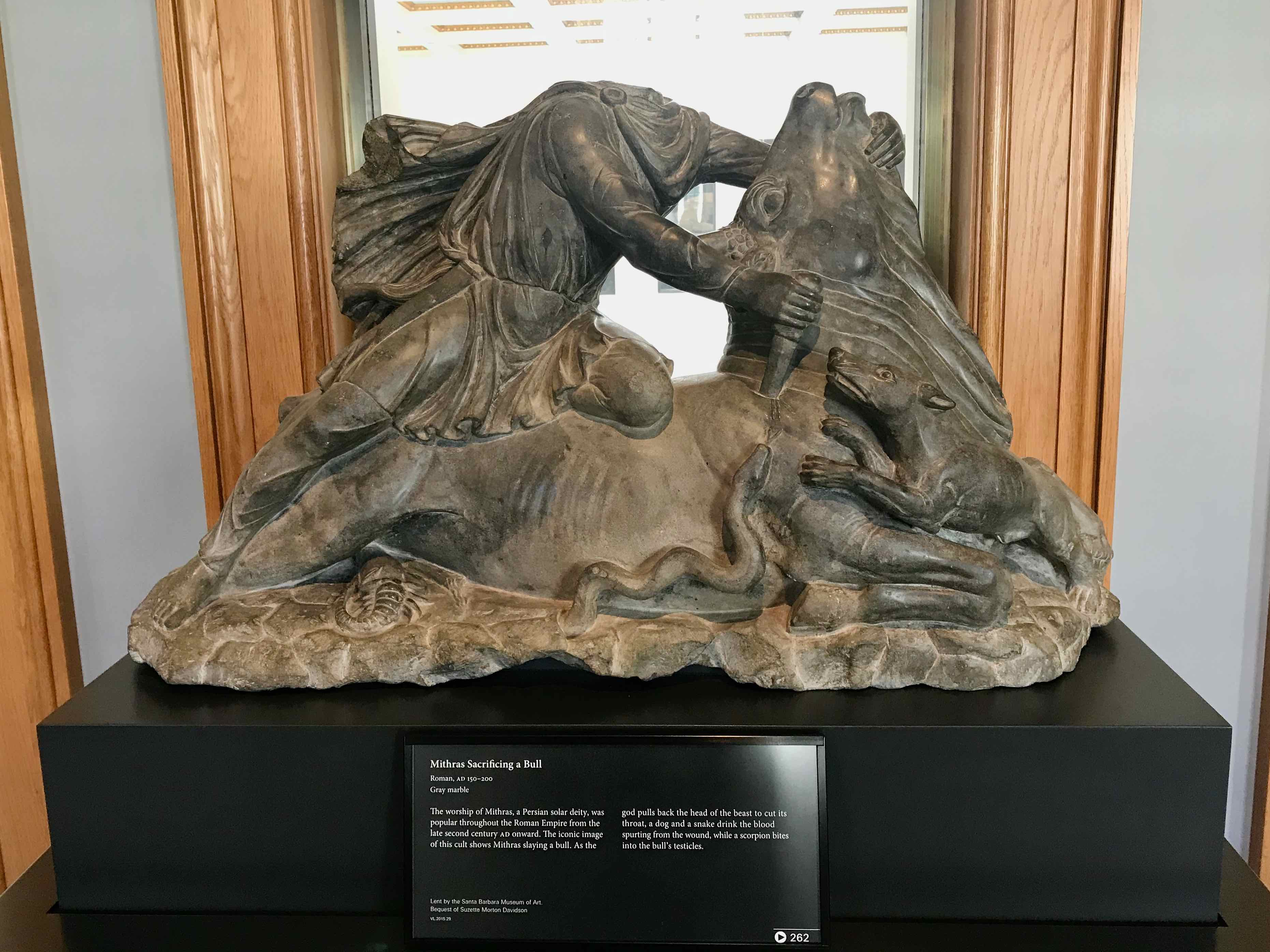
Tauroctony in black marble on display at the Santa Barbara Museum of Art, California.
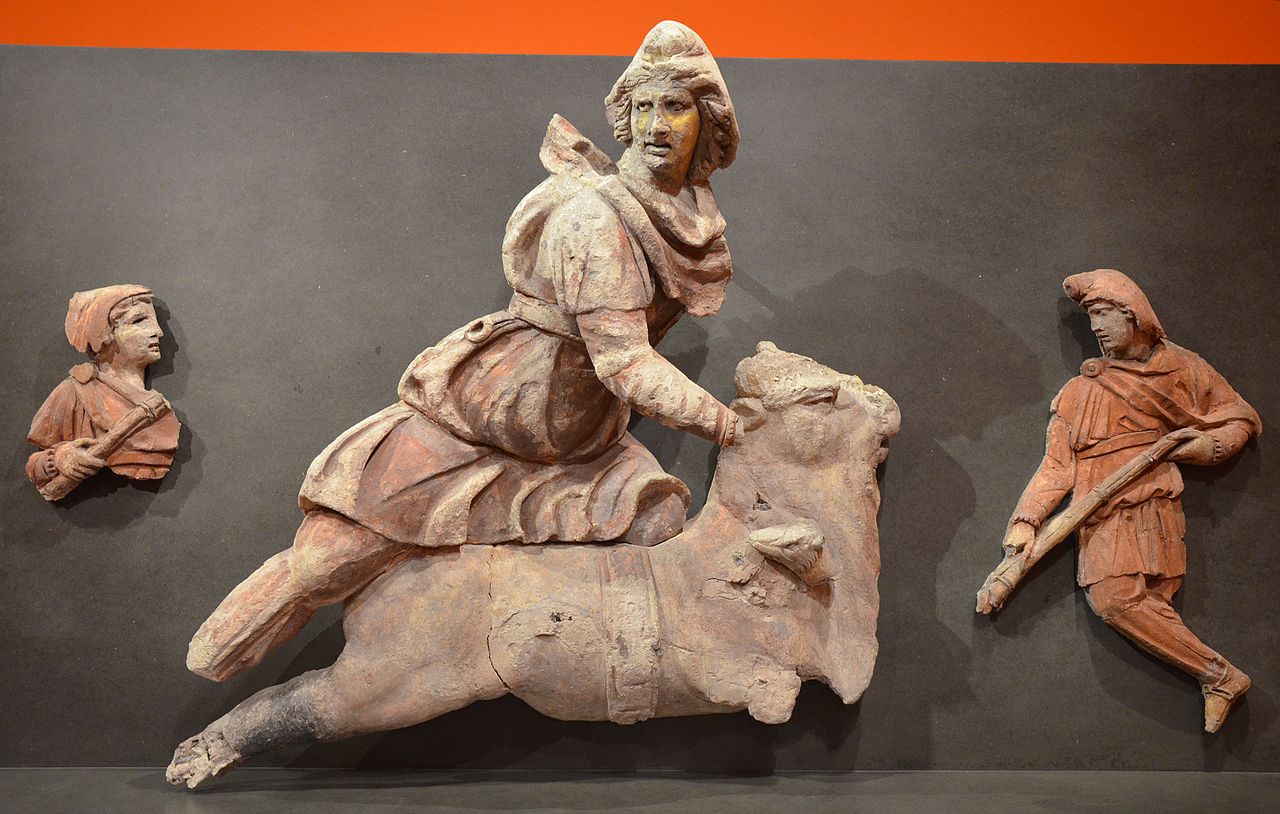
This relief was found under the Palazzo Montecitorio, in Rome, and bought by the Liebighaus at Frankfort.
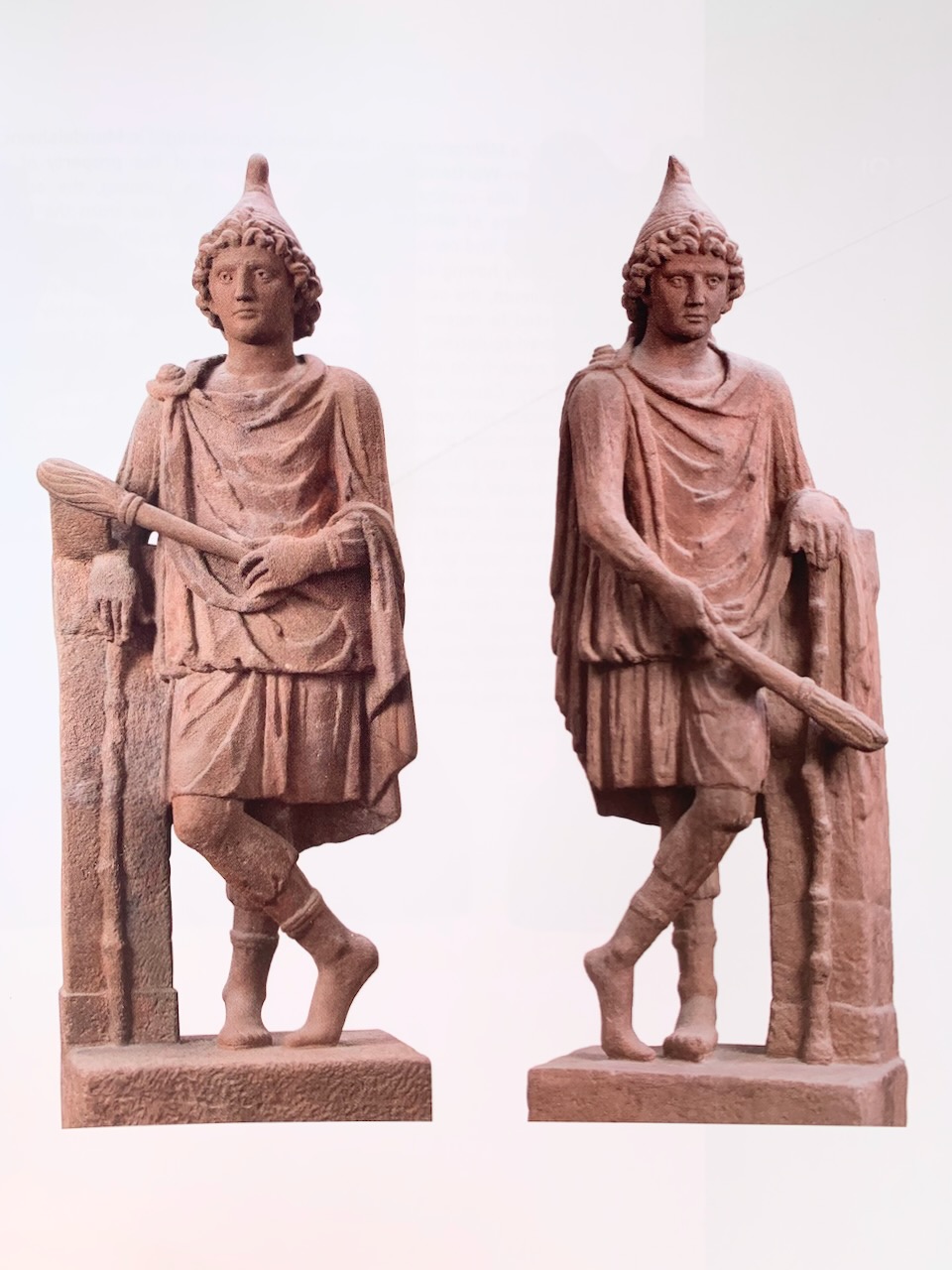
The two companions of Mithras carry a torch and a shepherd's staff at the third Mithraeum in Frankfurt-Heddernheim, formerly Nida.
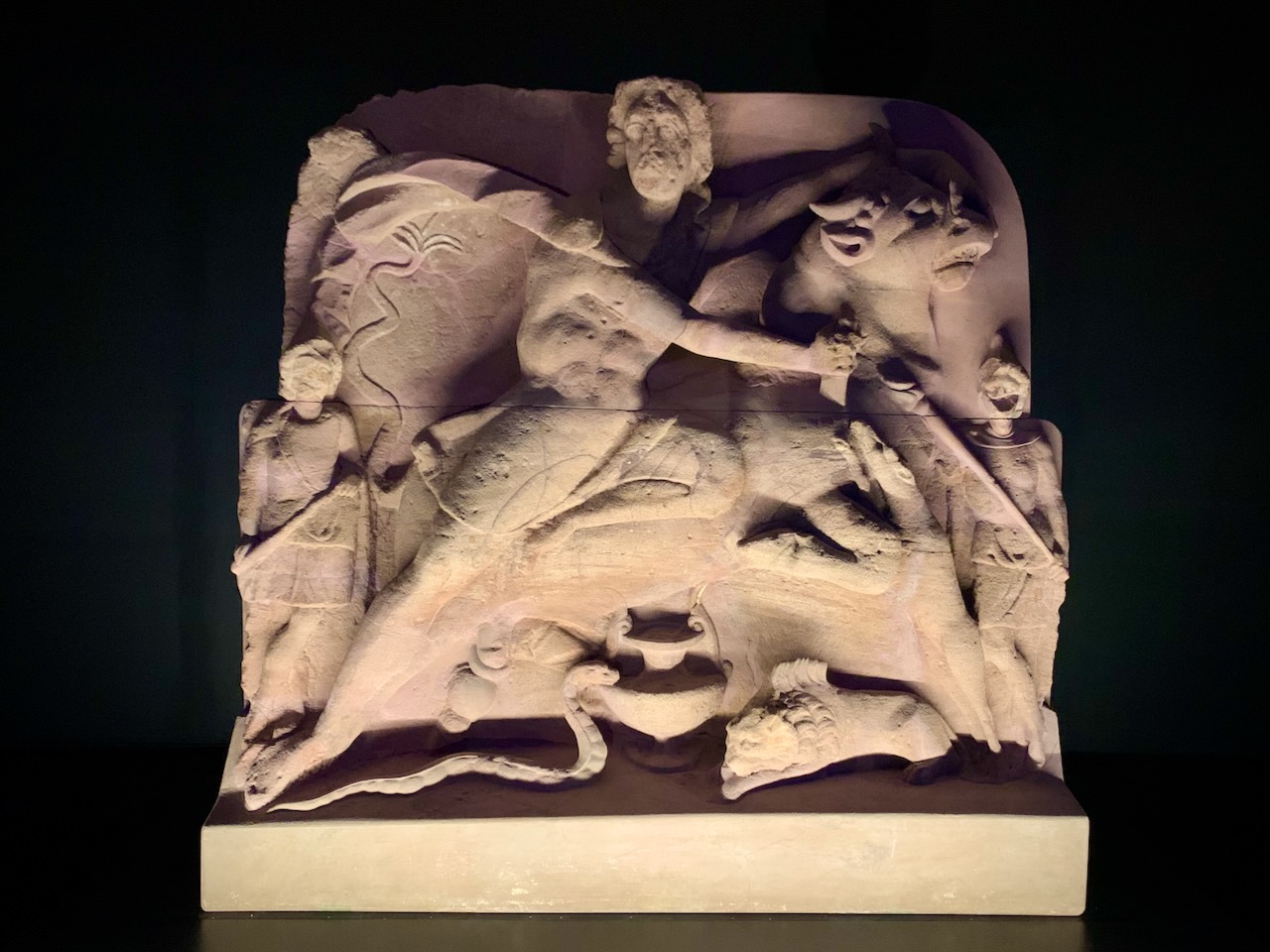
The relief of Mithras slaying the bull from Nida's Mithraeum III was found in two pieces in 1887, destroyed during an air raid on Frankfurt in 1944, and restored in 1986.
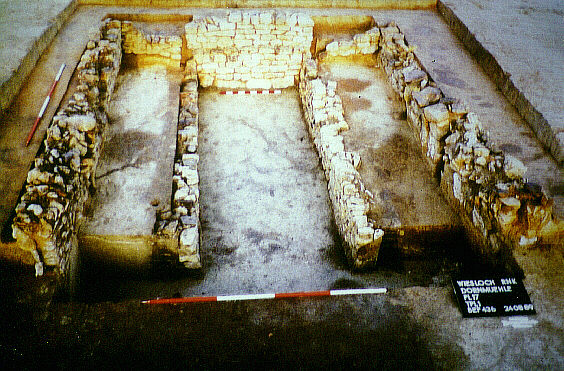
The first members of the Wiesloch Mithraeum may have been veterans from Ladenburg and Heidelberg.
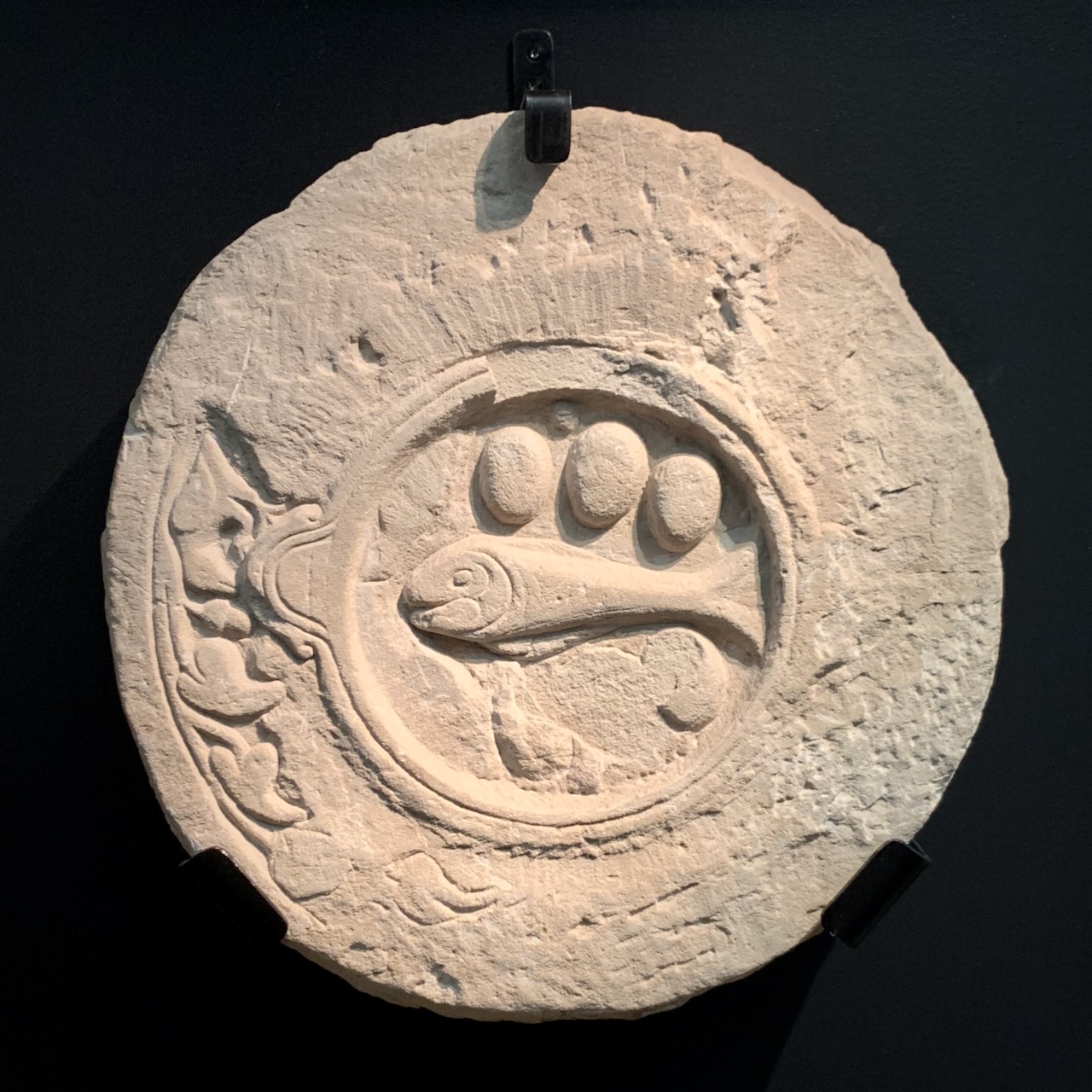
The iconography of the platter of Ladenburg might evoke the food consumed during Mithraic banquets.
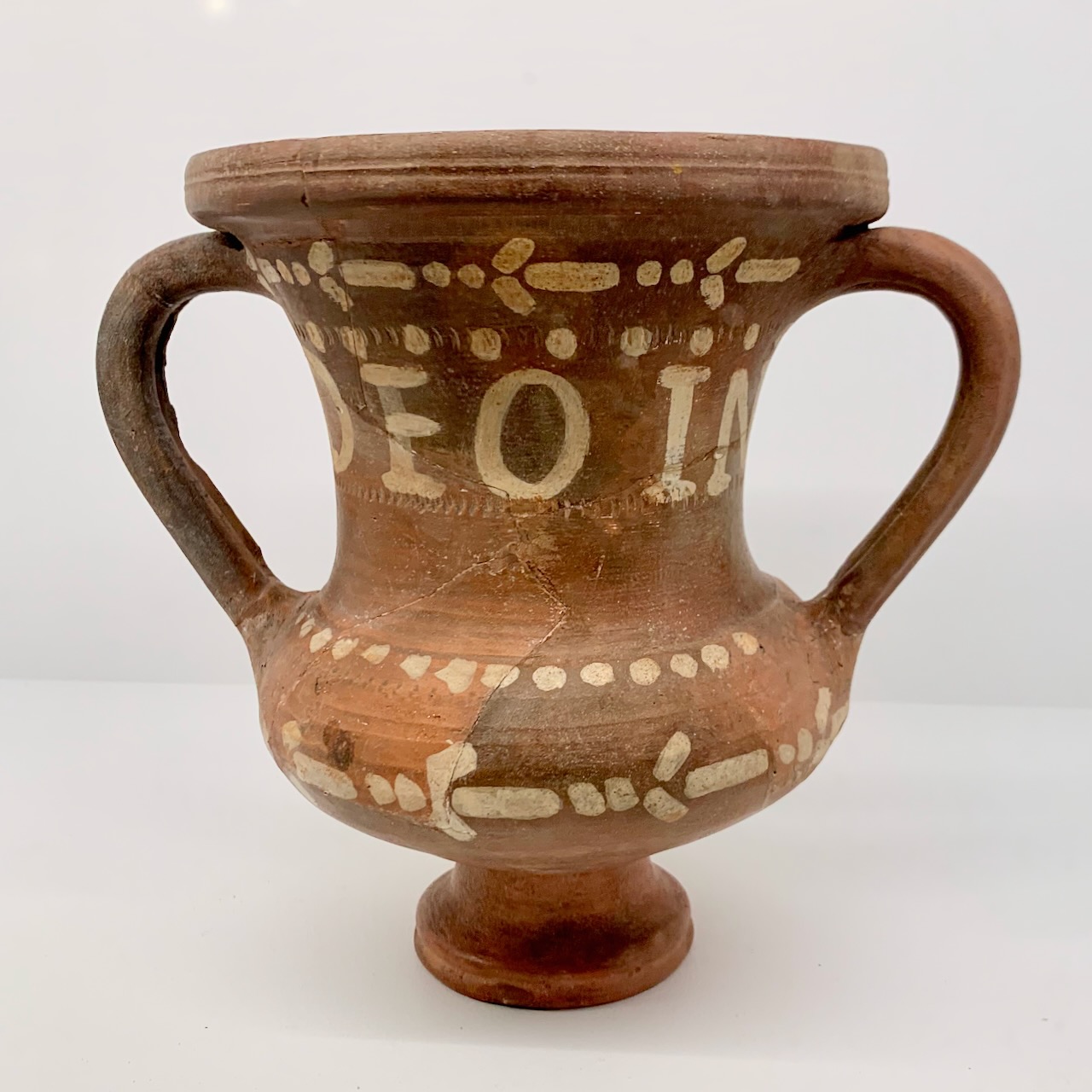
The cantharus of Trier is reminiscent of the crater that often appears in tauroctony scenes collecting the blood from the slaughtered animal.
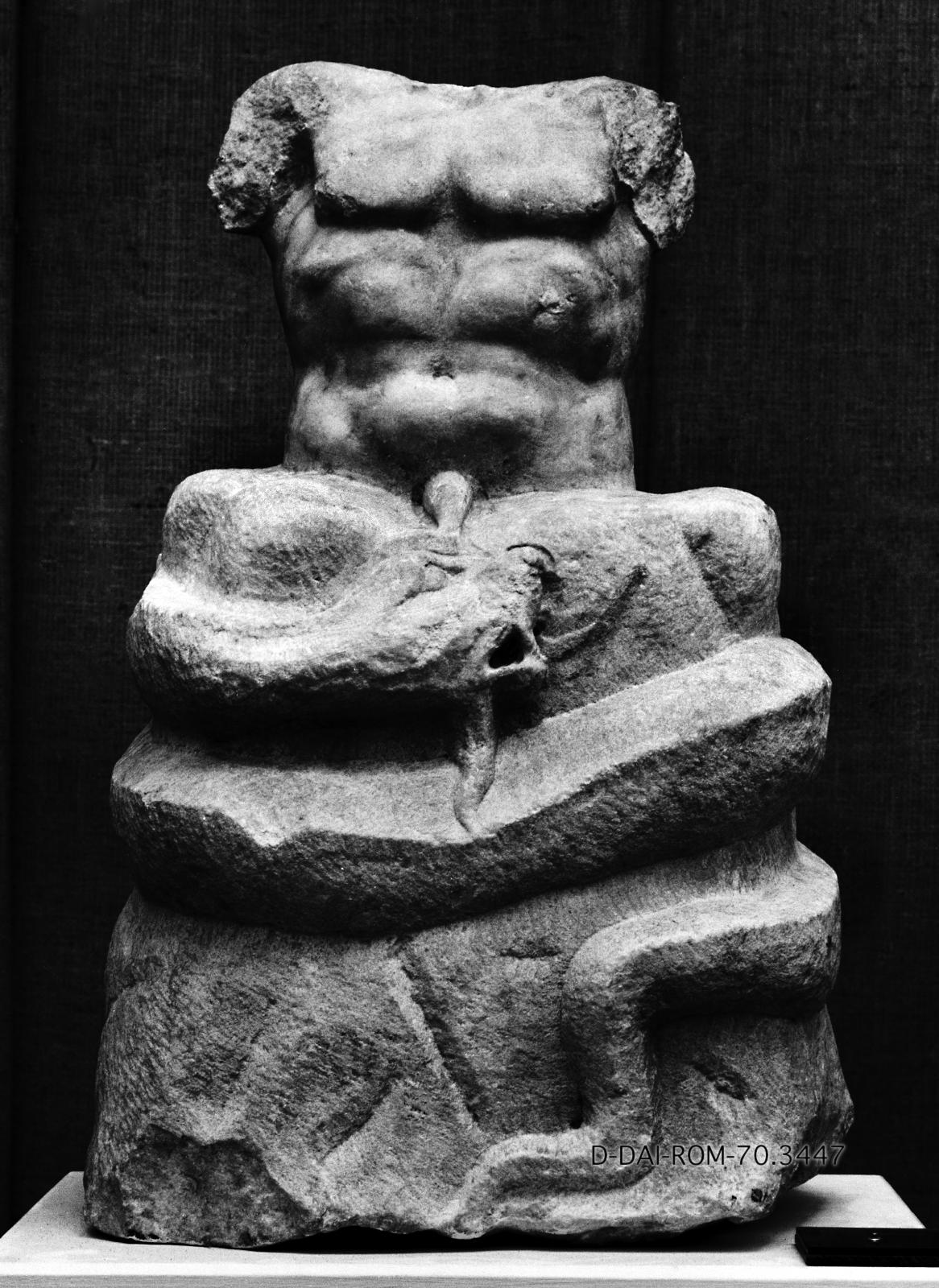
Mithras born from the rock with a snake raising in coils around it.
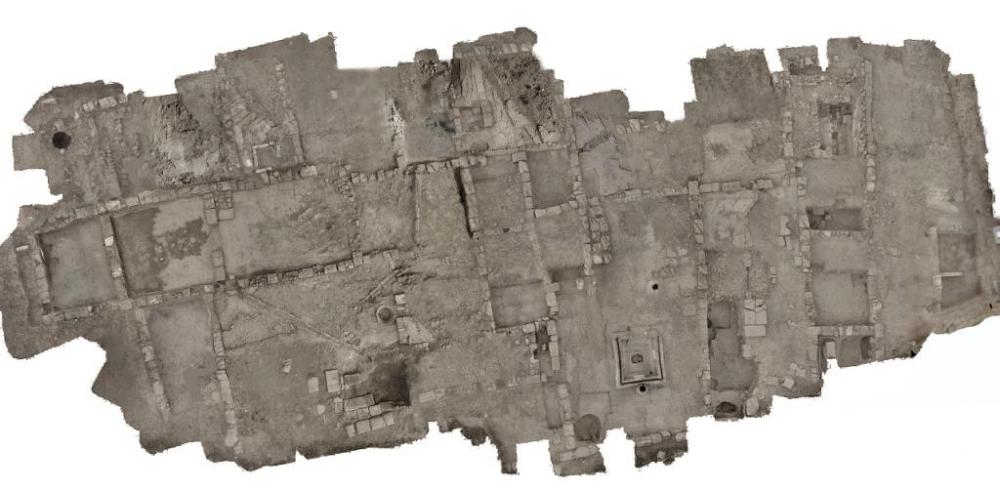
The discovery of the Mithraeum of Tarquinia is due to the Department for Protection of Cultural Heritage of the Carabinieri, who noticed some clandestine excavations near the Ara della Regina.
