Your selection in monuments gave 458 results.

This marble altar was found ’in the street called di Branco’, behind the palace of the Cardinal of Bologna, in Rome.
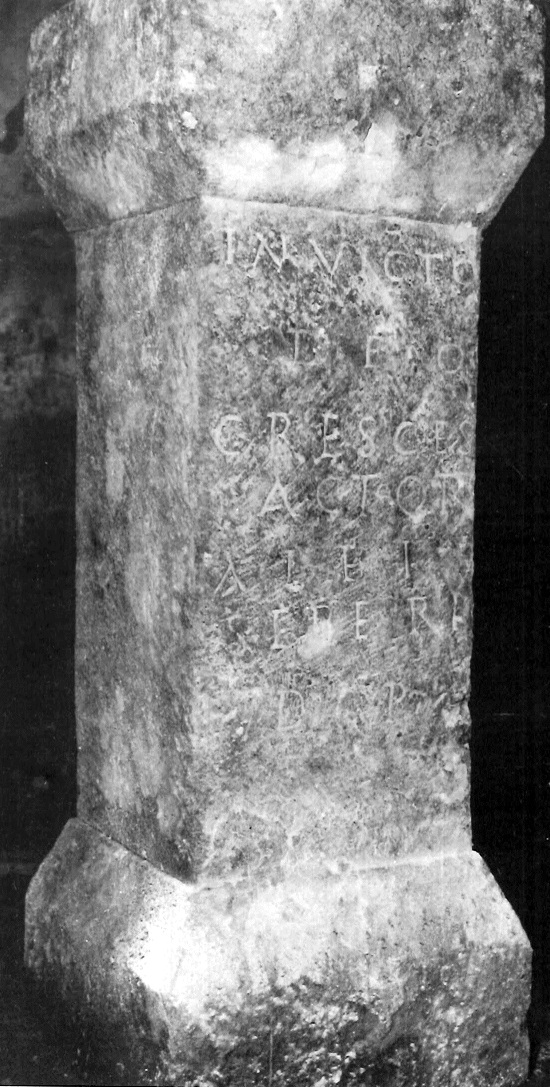
The monument is engraved with an inscription by Cresces, the donor.

Fragmentary marble statue of a woman from the Mithraeum delle Sette Porte.

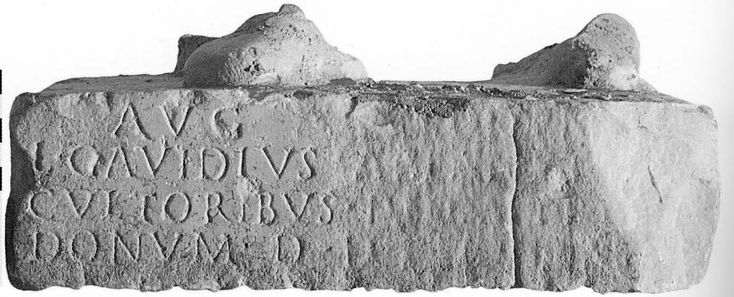
This inscription on white marble by Lucius Gavidius uses the term ther cultores to refer to his Mithraic community in Stabiae, Italy.
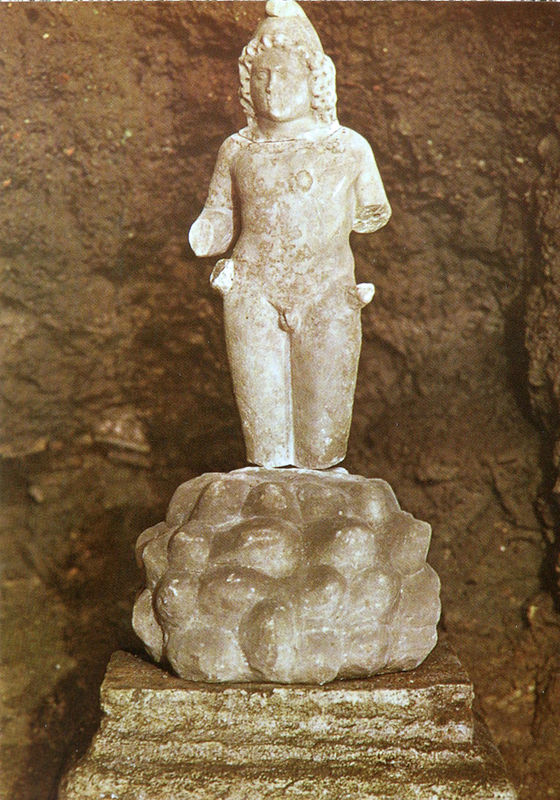
Mithras birth from the knees upwards emerging from a rock and wearing as usual a Phrygian cap.
As this short inscription indicates, Aemilio Epaphorodito was both Pater and priest of the Mithraeum of the Seven Spheres.
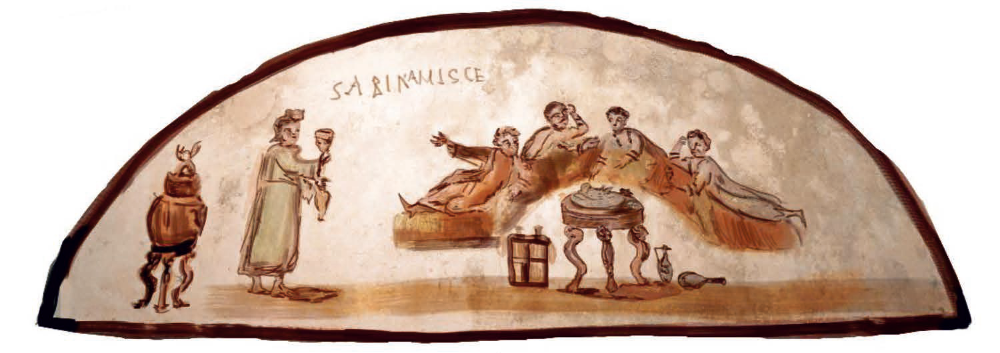
A dinner scene with Sabina from the Catacombe dei Santi Marcellino e Pietro, near Rome, may have been commissioned by a follower of Mithras.
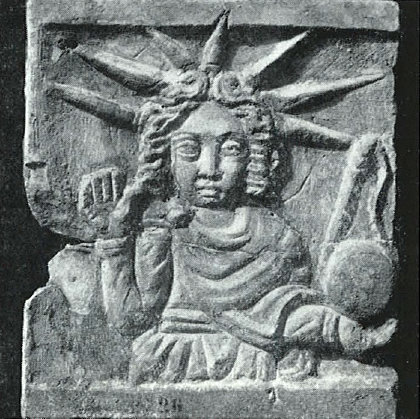
The relief of Sol was found during the construction of Piazza Dante in Rome in 1874.
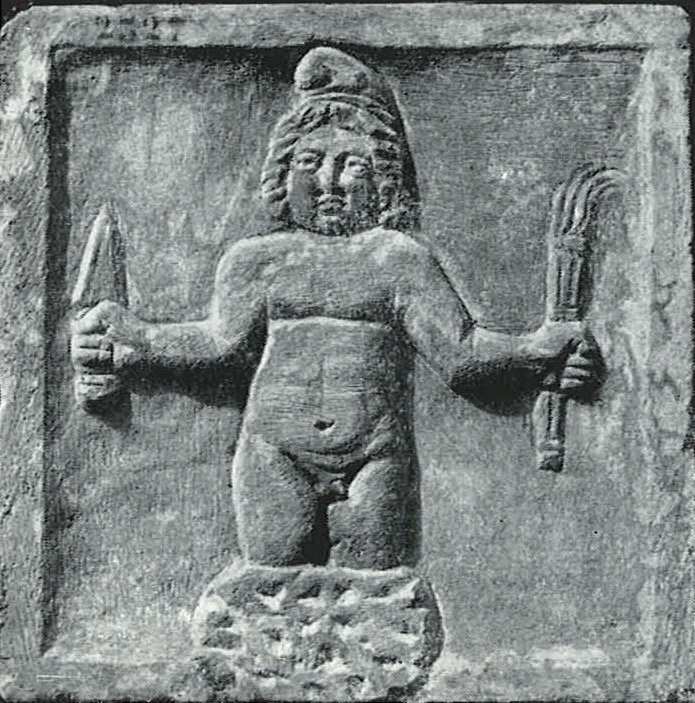
The relief of Mithras being born from the rock of the Esquiline shows the young god naked, as usual, with a torch and a dagger in his hands.
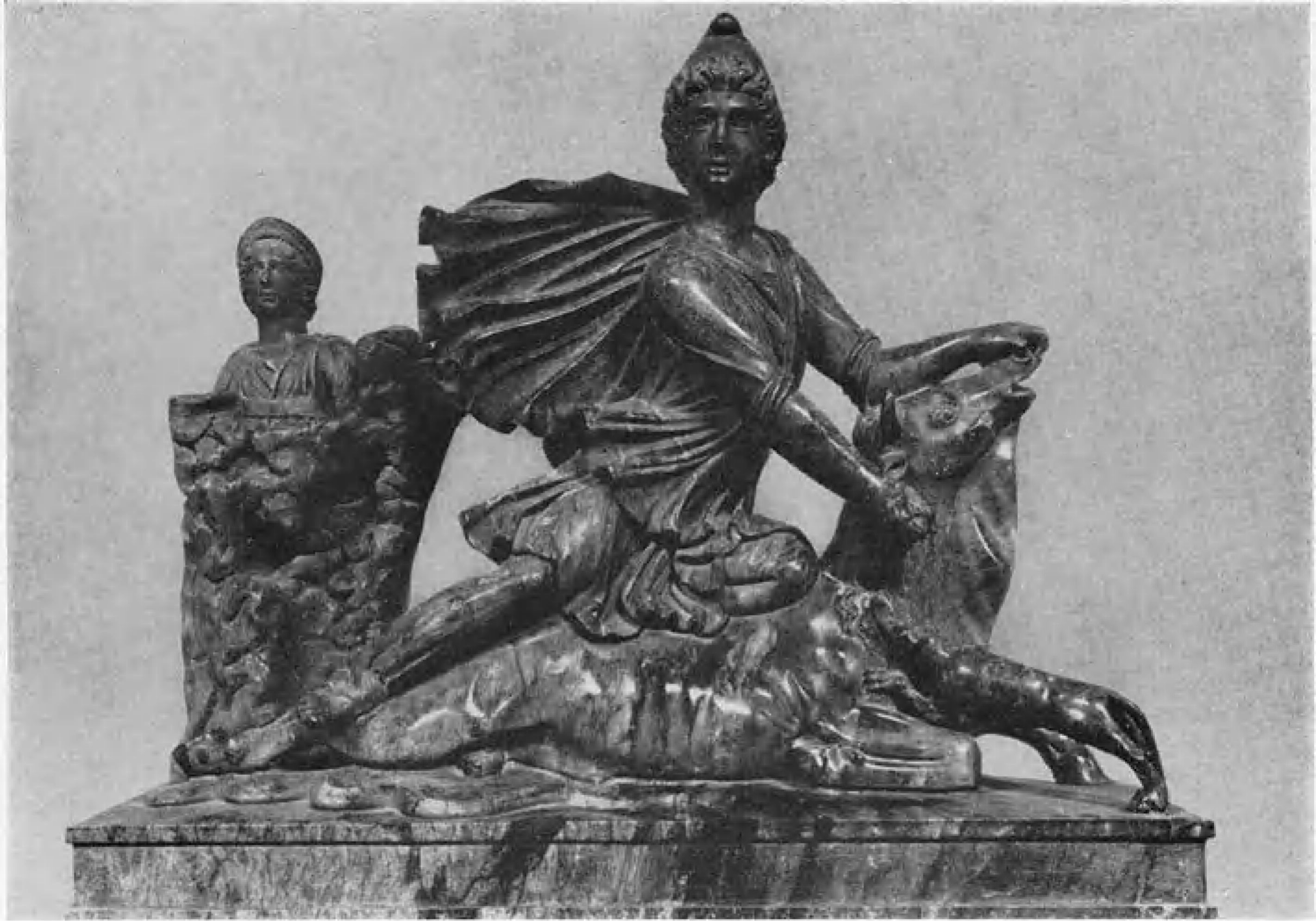
This black marble of Mithras killing the Bull has belonged to the sculptor Carlo Albacini.
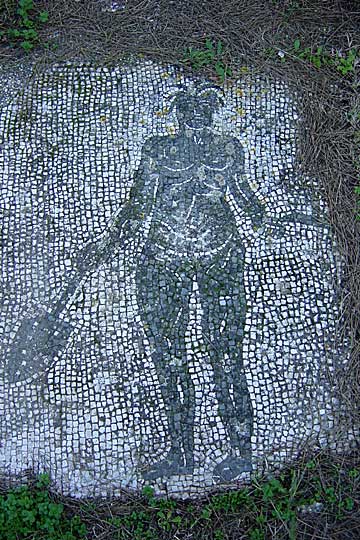
Several figures related to the Mysteries of Mithras are depicted on the mosaics of the Mithraeum of the Animals.

This marble statuette from Ostia depicts Cautopates lowering his torch beside a tapering rock associated with Mithras’ birth from stone.
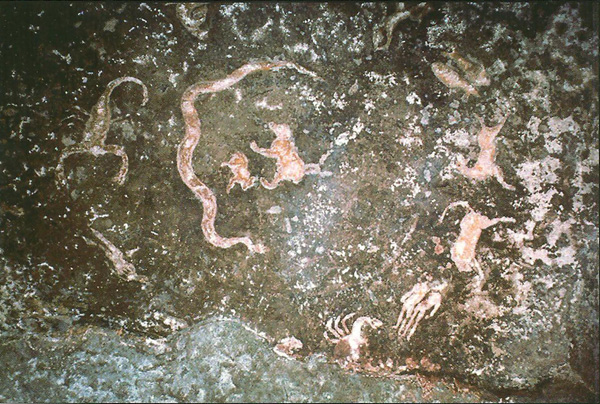
Solis invicti Mithrae studiosus astrologiae who was at the same time ’caelo devotus et astris’.
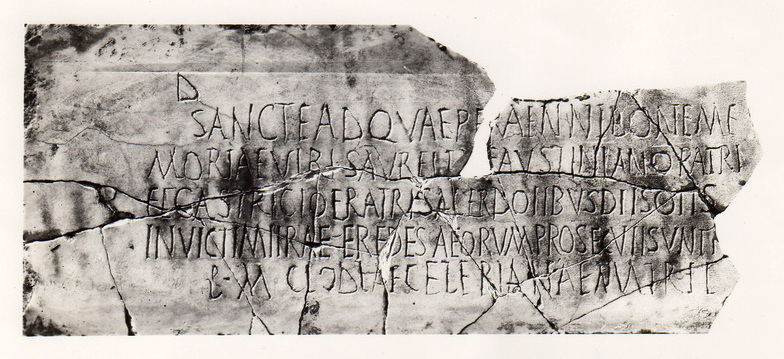
This inscription was commissioned by a family of priests of the invincible god Mithras.
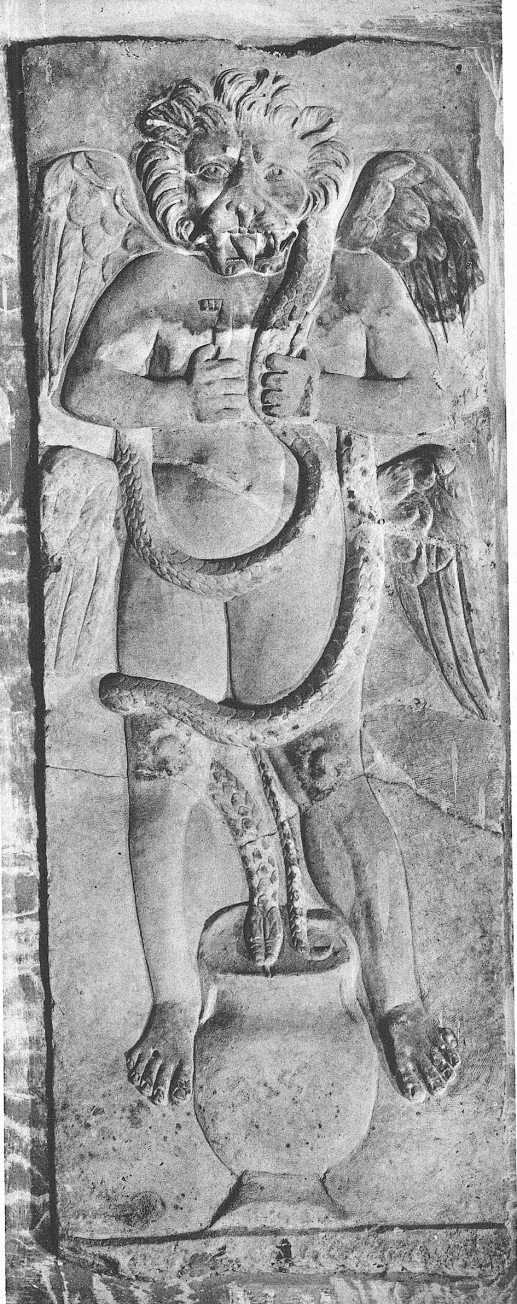
This white marble relief depicting a lion-headed figure from Ostia is now exposed at the Musei Vaticani.
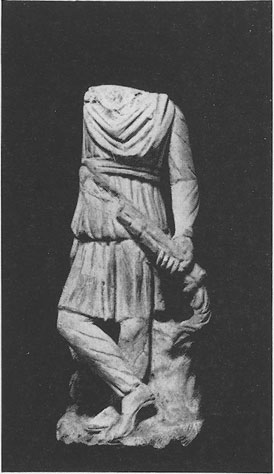
White marble statue of Cautopates with crossed legs, accompanied by an owl beside a tree trunk.
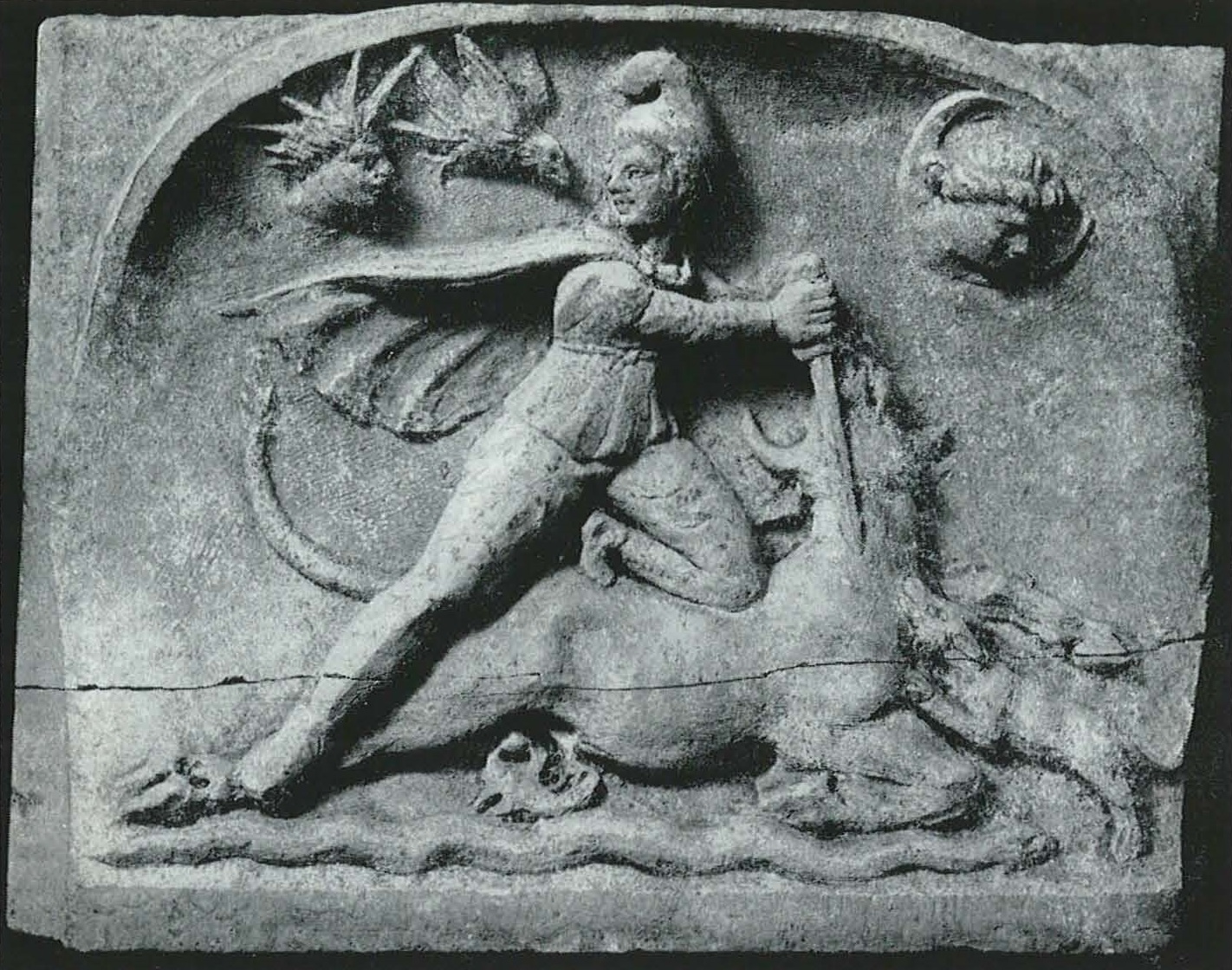
This simple relief of Mithras killing the bull without his companions Cautes and Cautopates was found in the so-called Mithraeum of the Esquilino, Rome.


