Your selection in monuments gave 192 results.
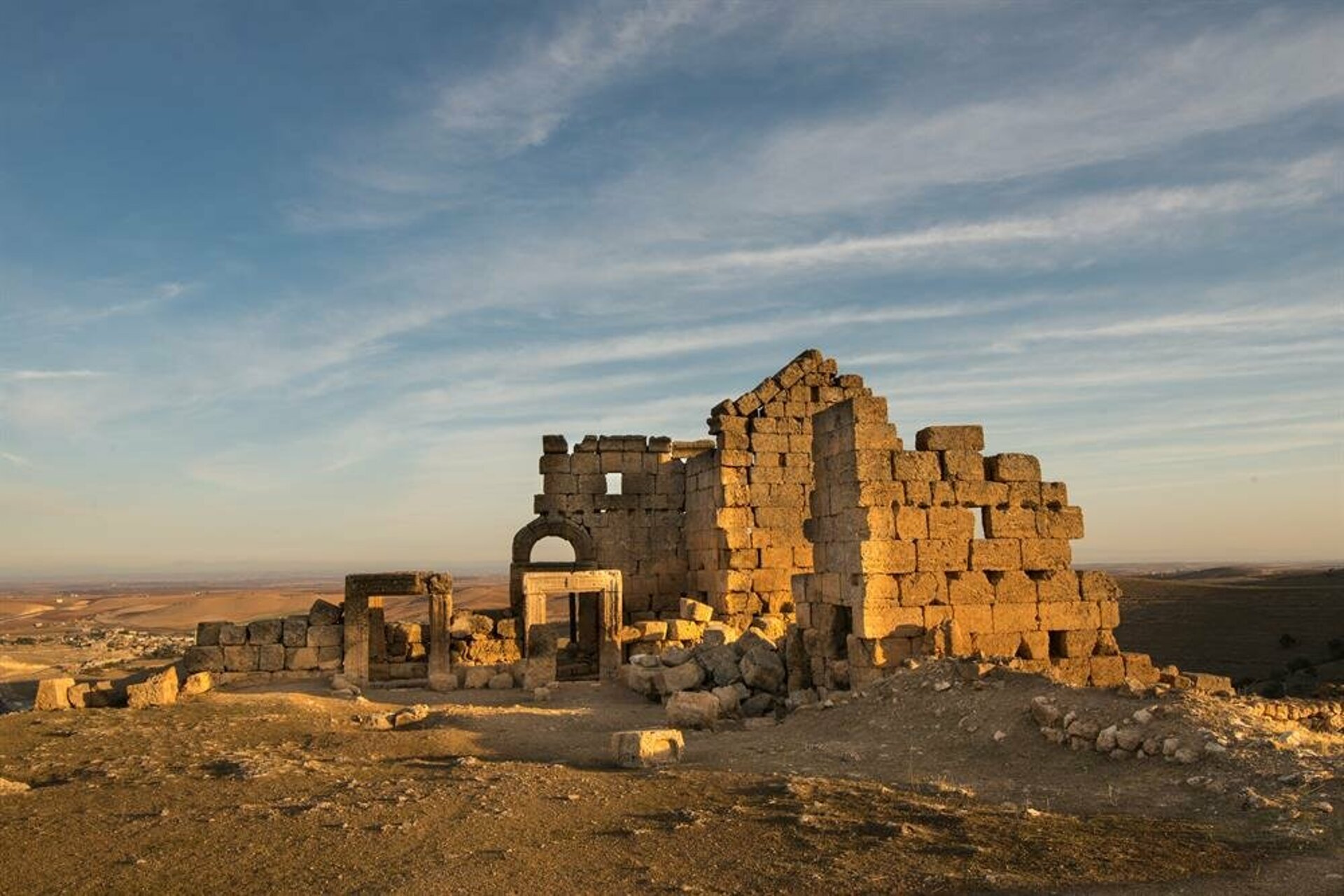
A Mithraeum was discovered in 2007, during the excavations at the Zerzevan Castle.

Excavations in 1979 on the remains of the church of Notre-Dame d'Avigonet in Mandelieu, Alpes-Maritimes, brought to light a small mithraeum.
Several fragmentary Mithraic remains dedicated by a certain Agatho in the Caelius suggest that a Mithraeum existed in the area.
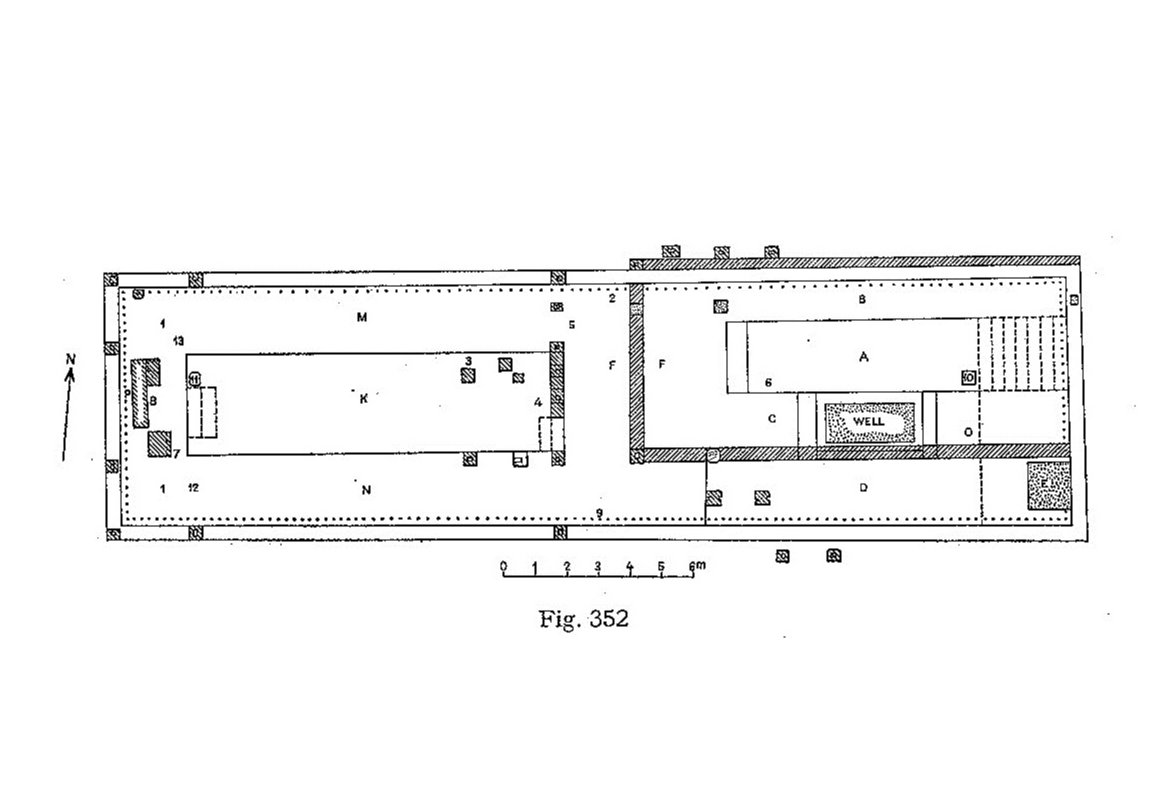
Lors de la construction de l’église Saint-Paul en 1911, un mithraeum a été mis au jour à Königshoffen, vicus gallo-romain situé aux abords du camp légionnaire de Strasbourg-Argentorate.
In 1938 this Mithraeum was found 3.45 mtrs under the Basilica of S. Lorenzo in Damaso, in a cellar near the Sacrament's Chapel.
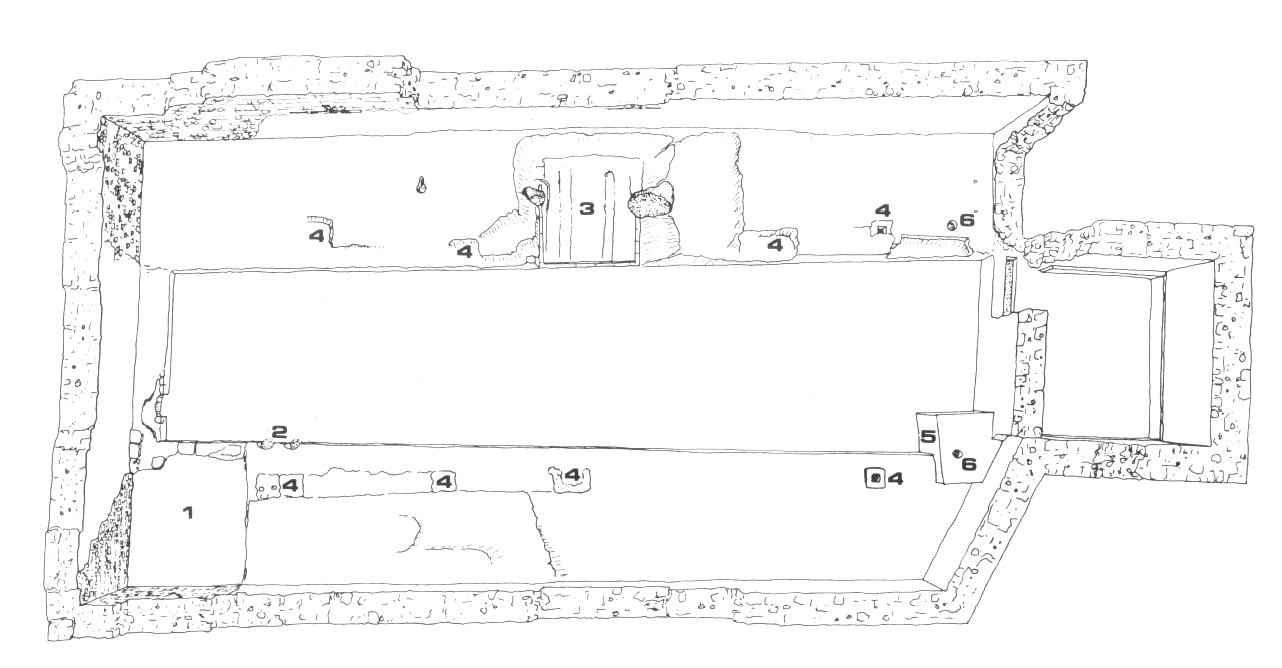
C’est en 1986, à l’occasion de la restructuration de l’ancien magasin Parunis, qu’une fouille de sauvetage archéologique fut réalisée cours Victor Hugo.
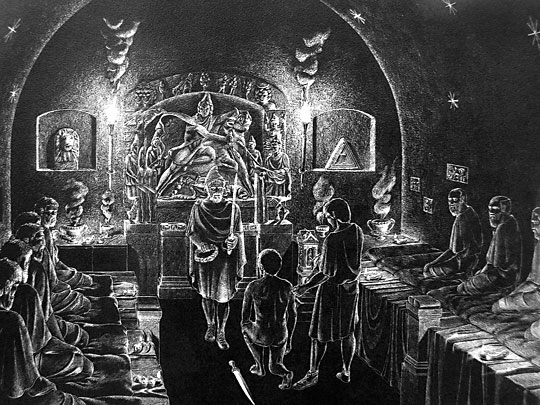
The Mithraeum of Osterburken could not be excavated bodily owing to the water of a well in the immediate neighbourhood. The monument had been covered carefully with sand.
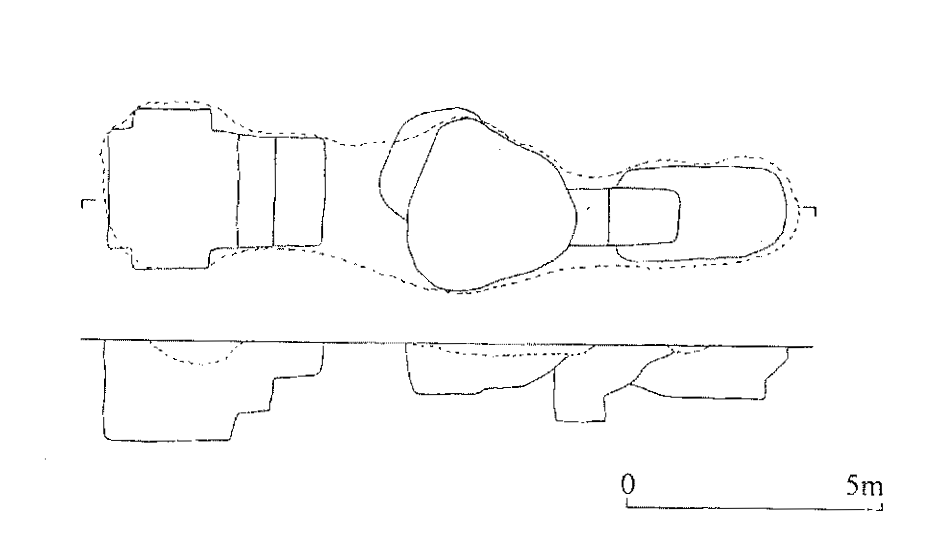
The temple contained hundreds of ceramic vessels and animal bones, which may indicated that a grand Mithraic feast was celebrated before its closing.
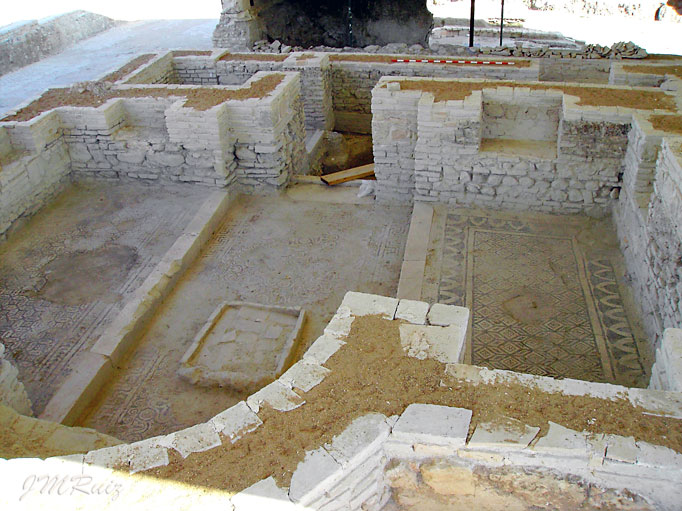
One of the rooms of the villa has been interpreted as a mithraeum, but we do not have enough evidence to confirm this.
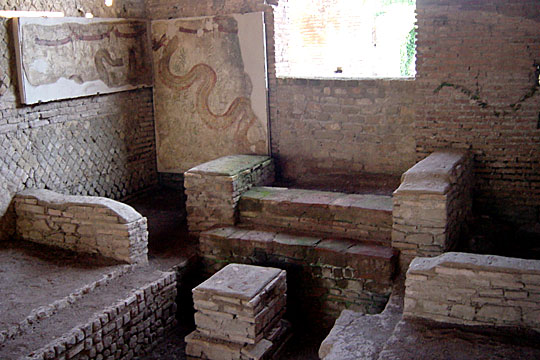
The Mithraeum of the Snakes preserves paintings of serpents, representing Genius Loci, part of an older private sanctuary, which were respected in the temple of Mithras.

The Mithraeum of Spoleto was found in 1878 by the professor Fabio Gori on behalf of Marquis Filippo Marignoli, owner of the land.
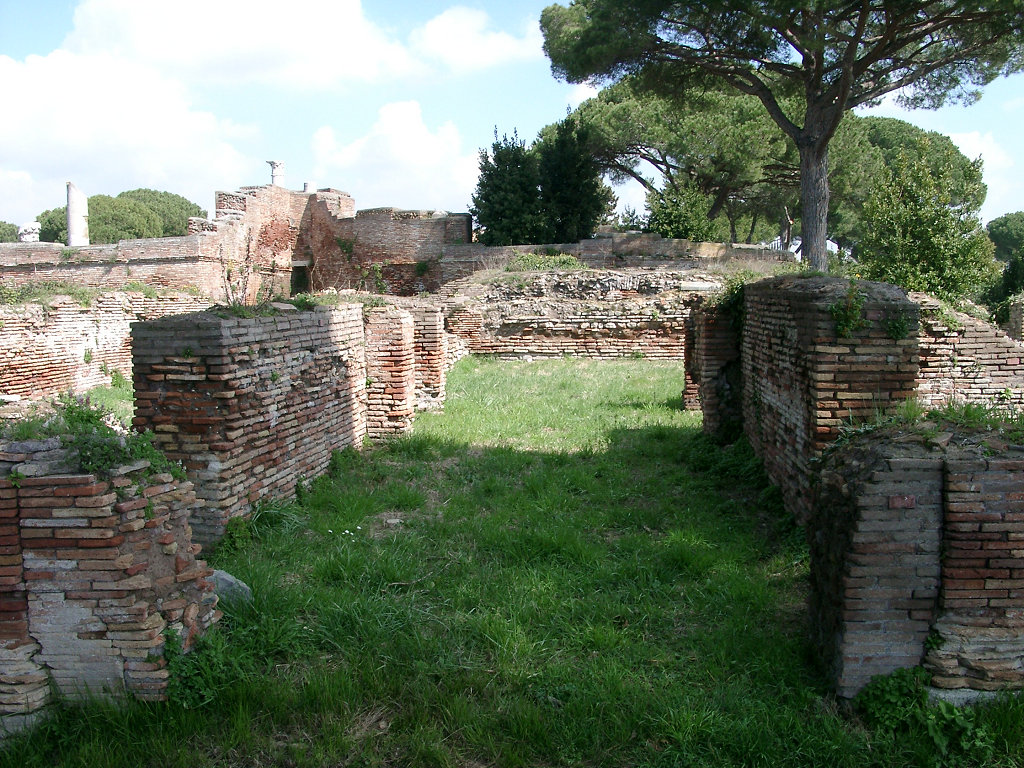
The Mithraeum of Frutosus was in a temple assigned to the guild of the stuppatores.
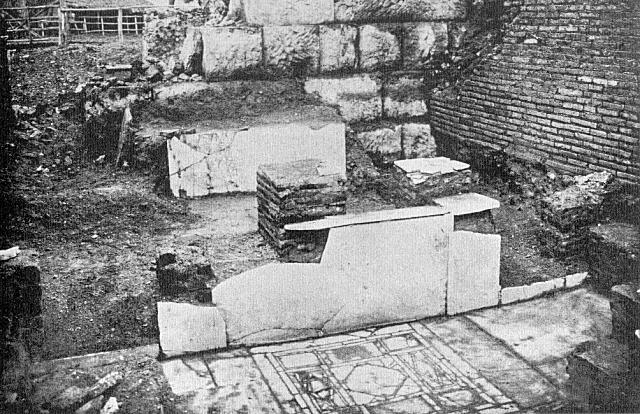
The Mithraeum of Aldobrandini was excavated in 1924 by G. Calza on the premises belonging to the Aldobrandini family.
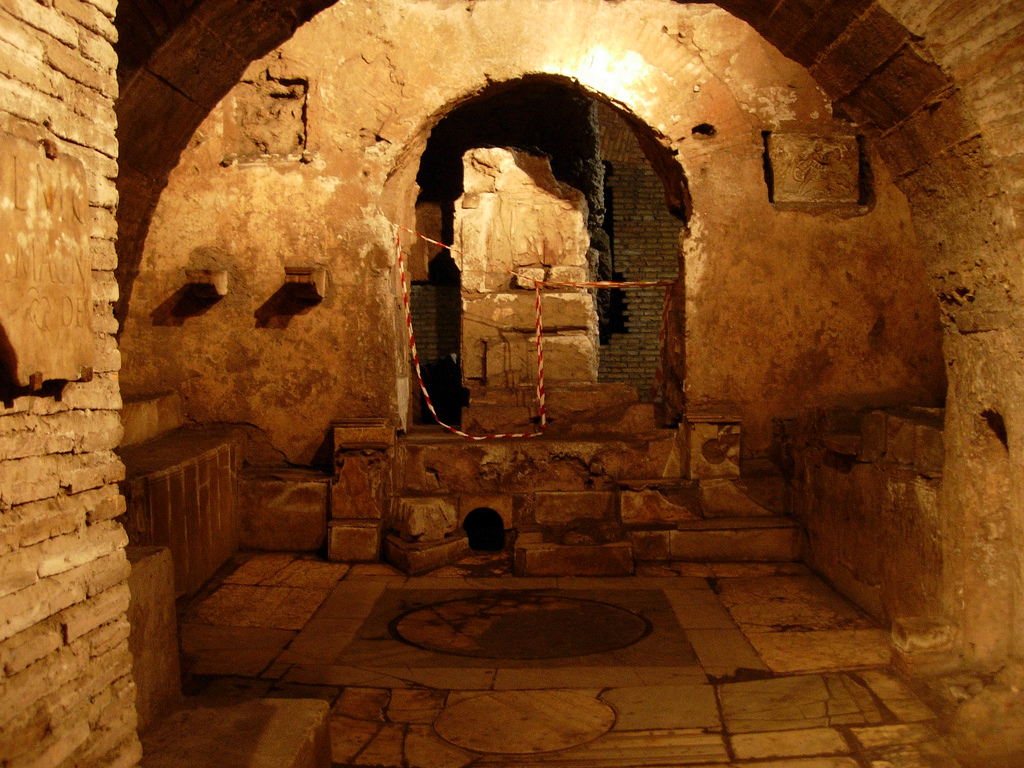
The Mithraeum of the Circus Maximus was discovered in 1931 during work carried out to create a storage area for the scenes and costumes of the Opera House within the Museums of Rome building.
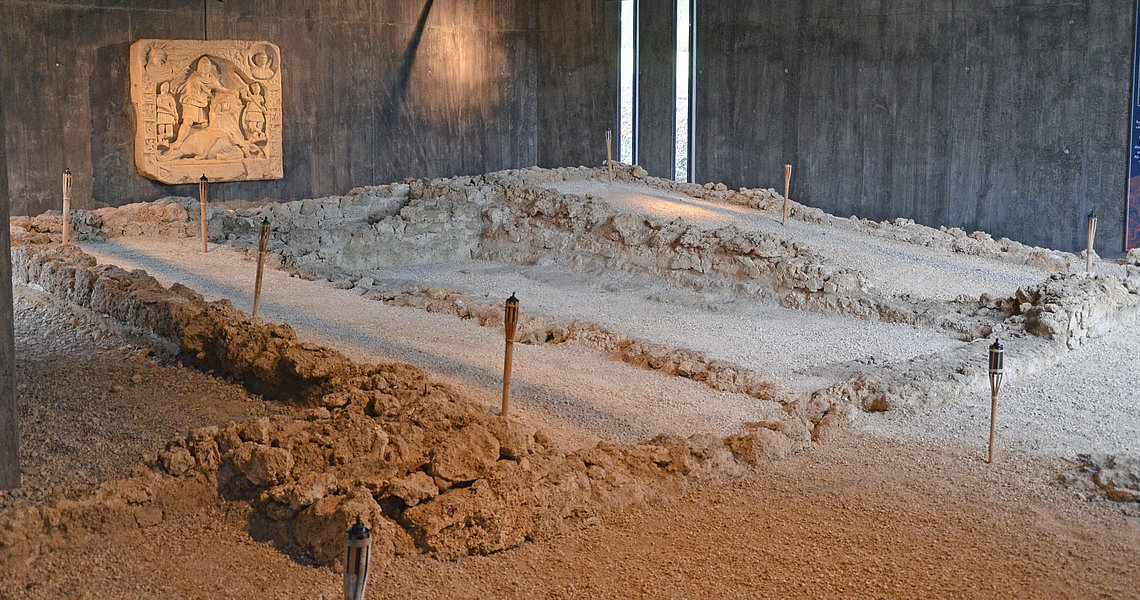
The Mithraeum of Koenigsbrunn is the only one preserved in the ancient Roman province of Rhaetia, current Bavaria.
Mithraeum II was found at Ptuj at a distance of 20 m south of the Mithraeum I in 1901.
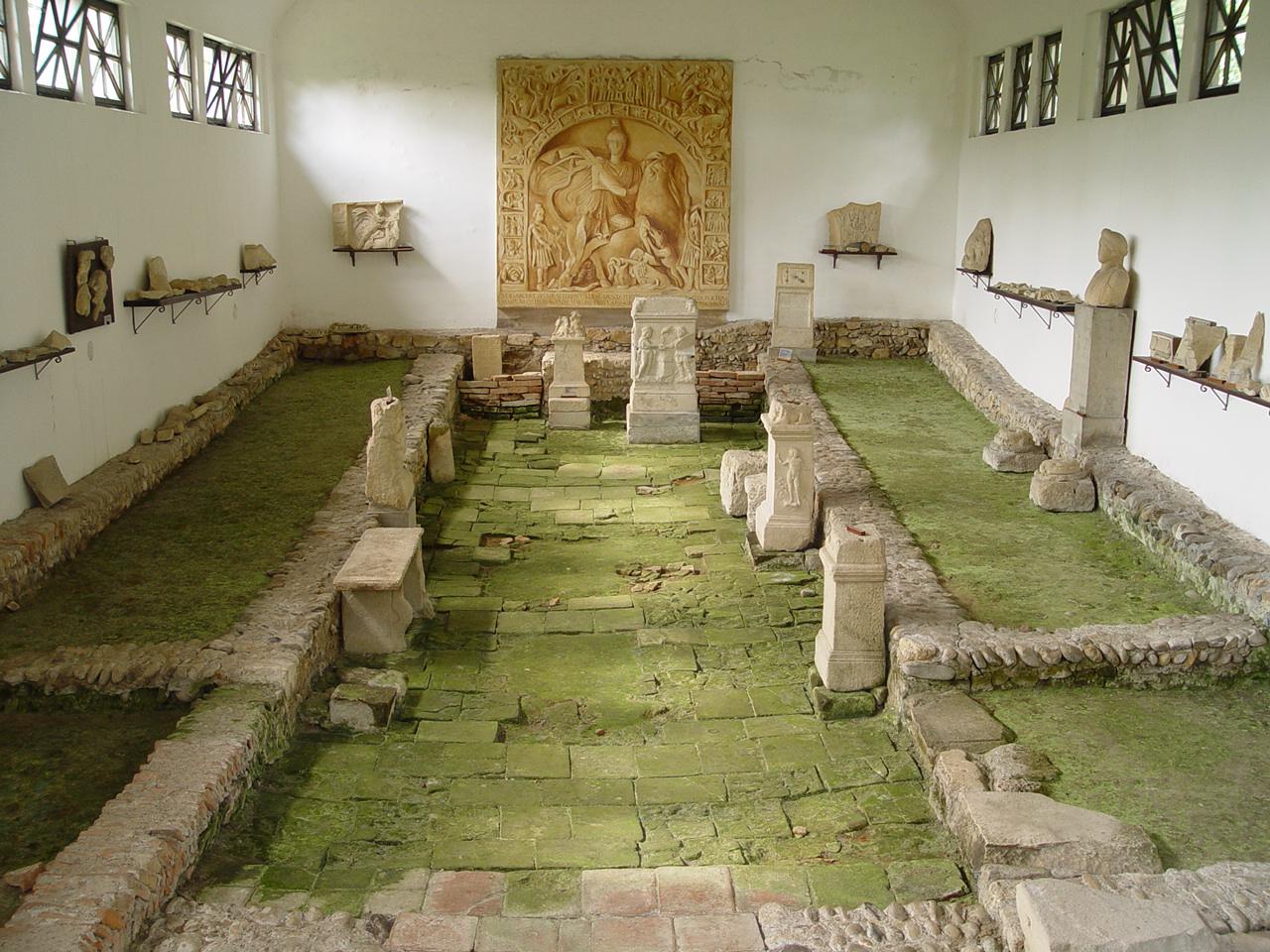
Mithraeum III in Ptuj was built in two periods: the original walls were made of pebbles, while the extension of a later period was made of brick.
Part of the finds from the fifth Mithraeum of Ptuj is kept in the Hotel Mitra in the modern city.
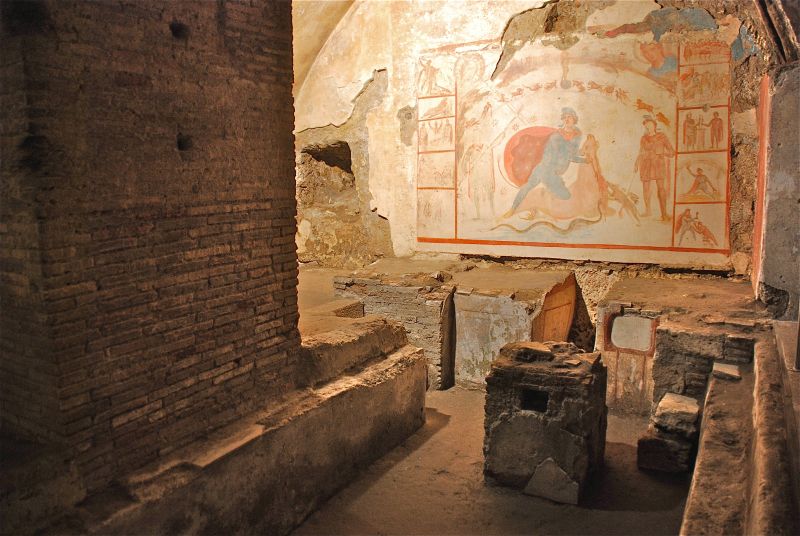
The Barberini Mithraeum was discovered in 1936 in the garden of the Palazzo Barberini, owned by Conte A. Savorgnan di Brazza.
