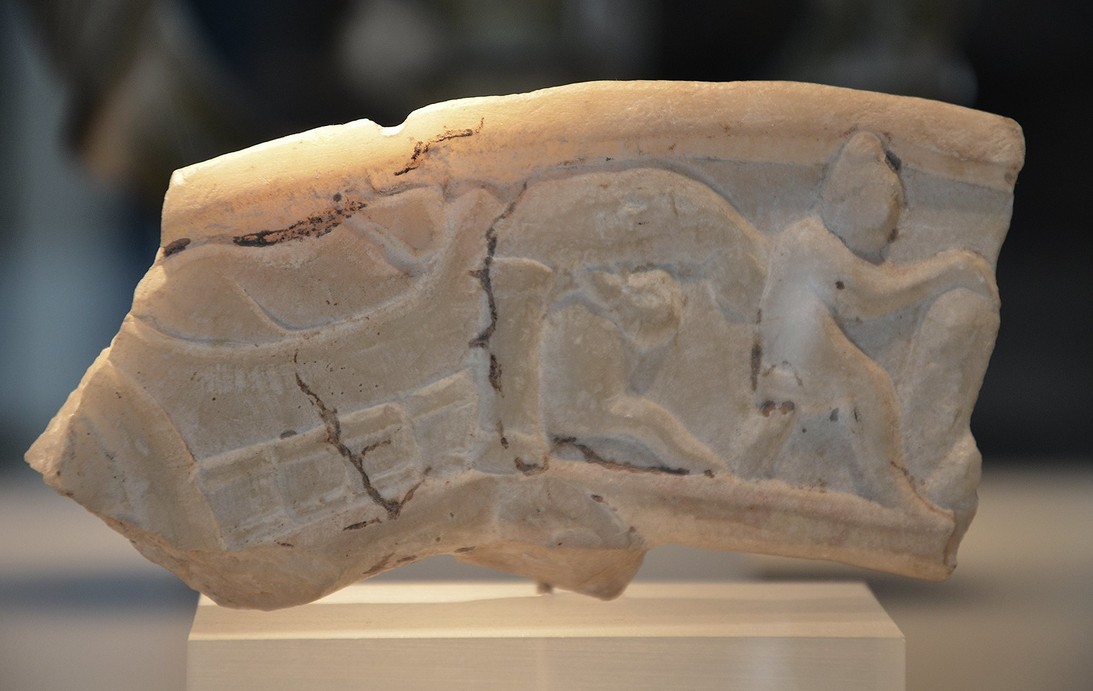
Fragment of an alabaster relief from Cologne with part of a tauroctony scene. Only the tip of Mithras’ Phrygian cap and small narrative details above are preserved.
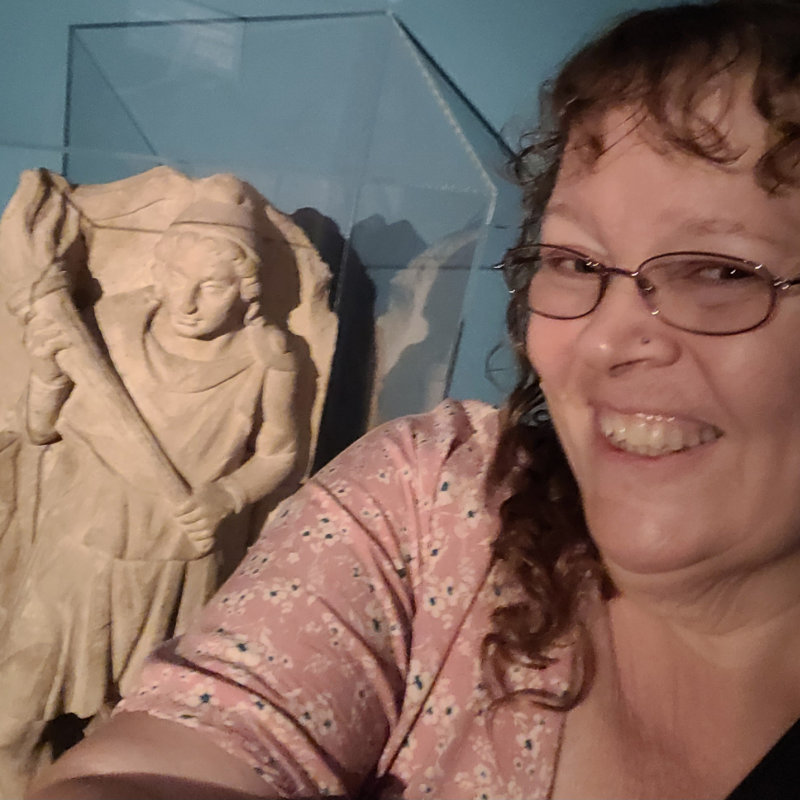
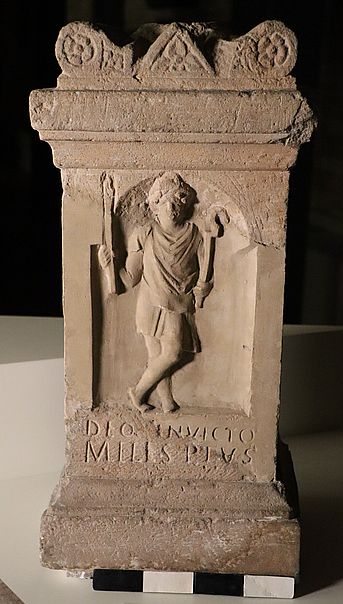
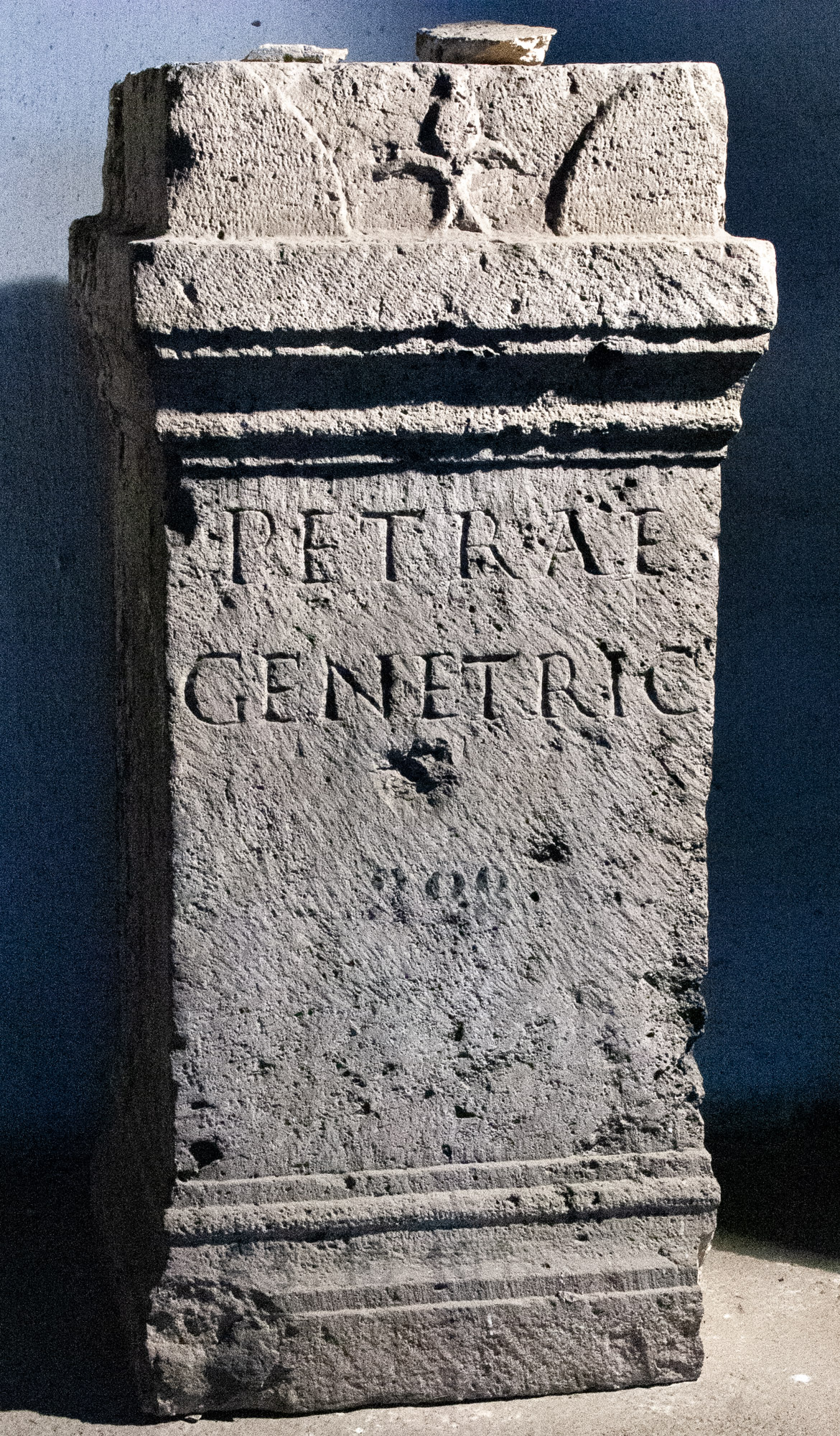
Small votive altar in white limestone from Aquae Mattiacae, dedicated to Deo Invicto by a miles pius. The top preserves the head of Cautes with his raised torch.
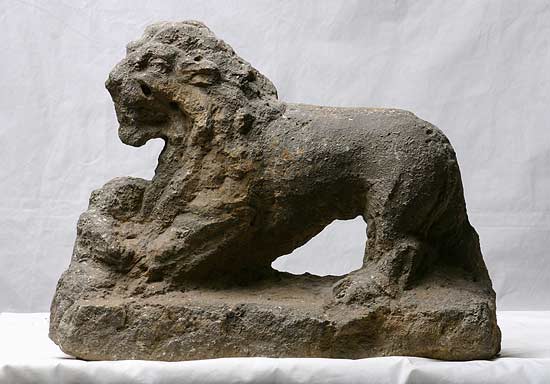
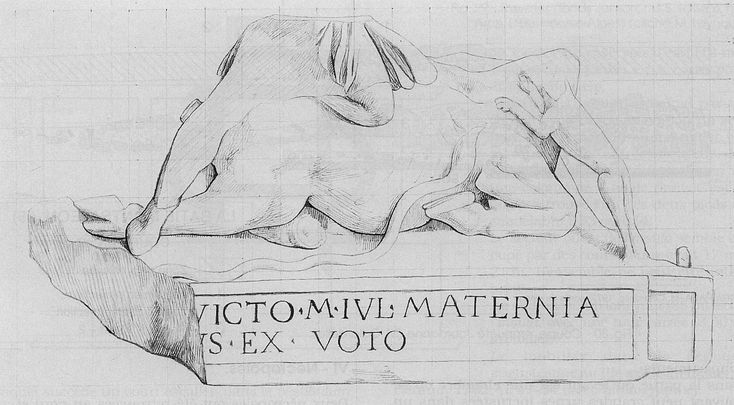
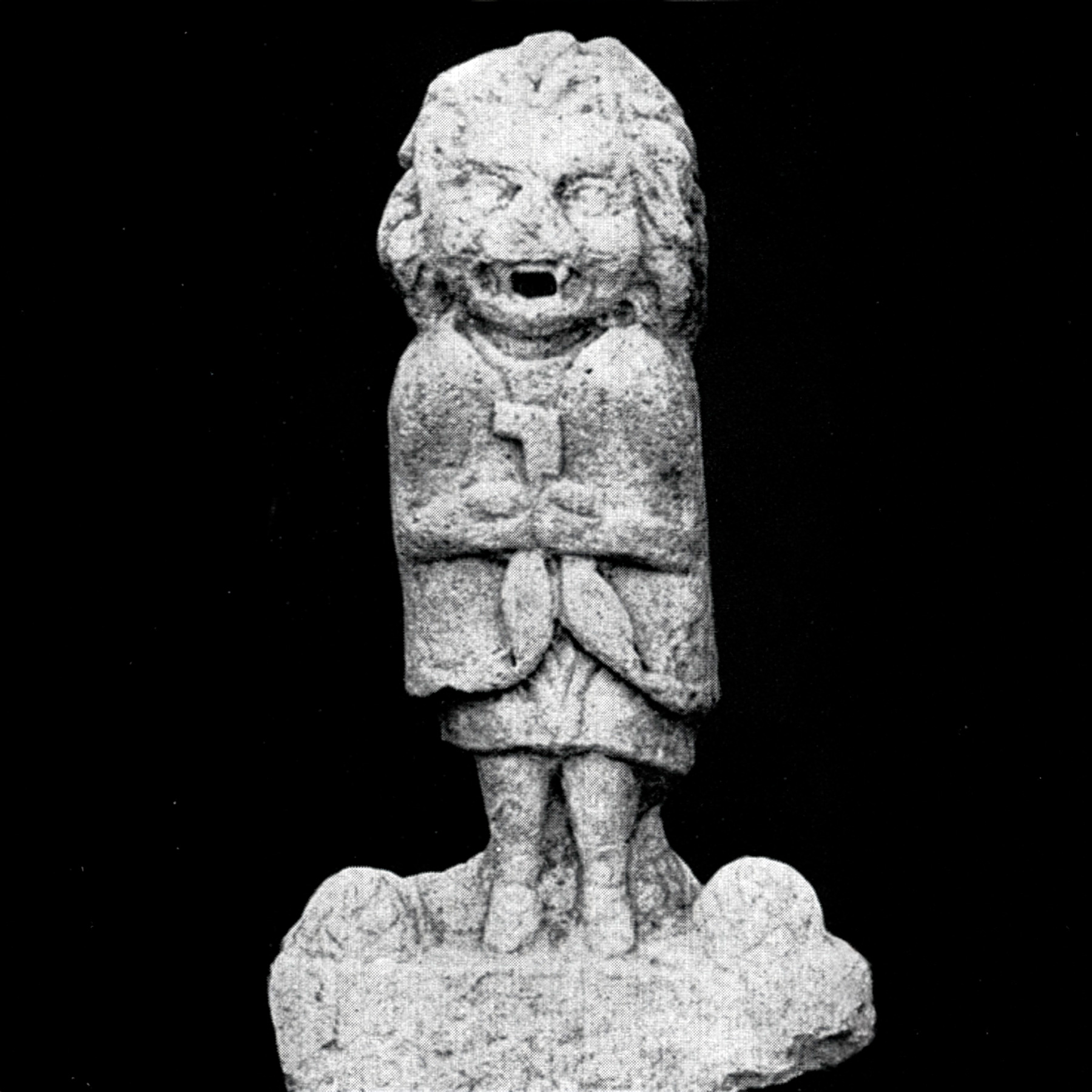
Marble statue from Intercisa representing a lion holding an indistinct animal beneath its forepaws. Found in a vineyard, the piece is now in the Hungarian National Museum.
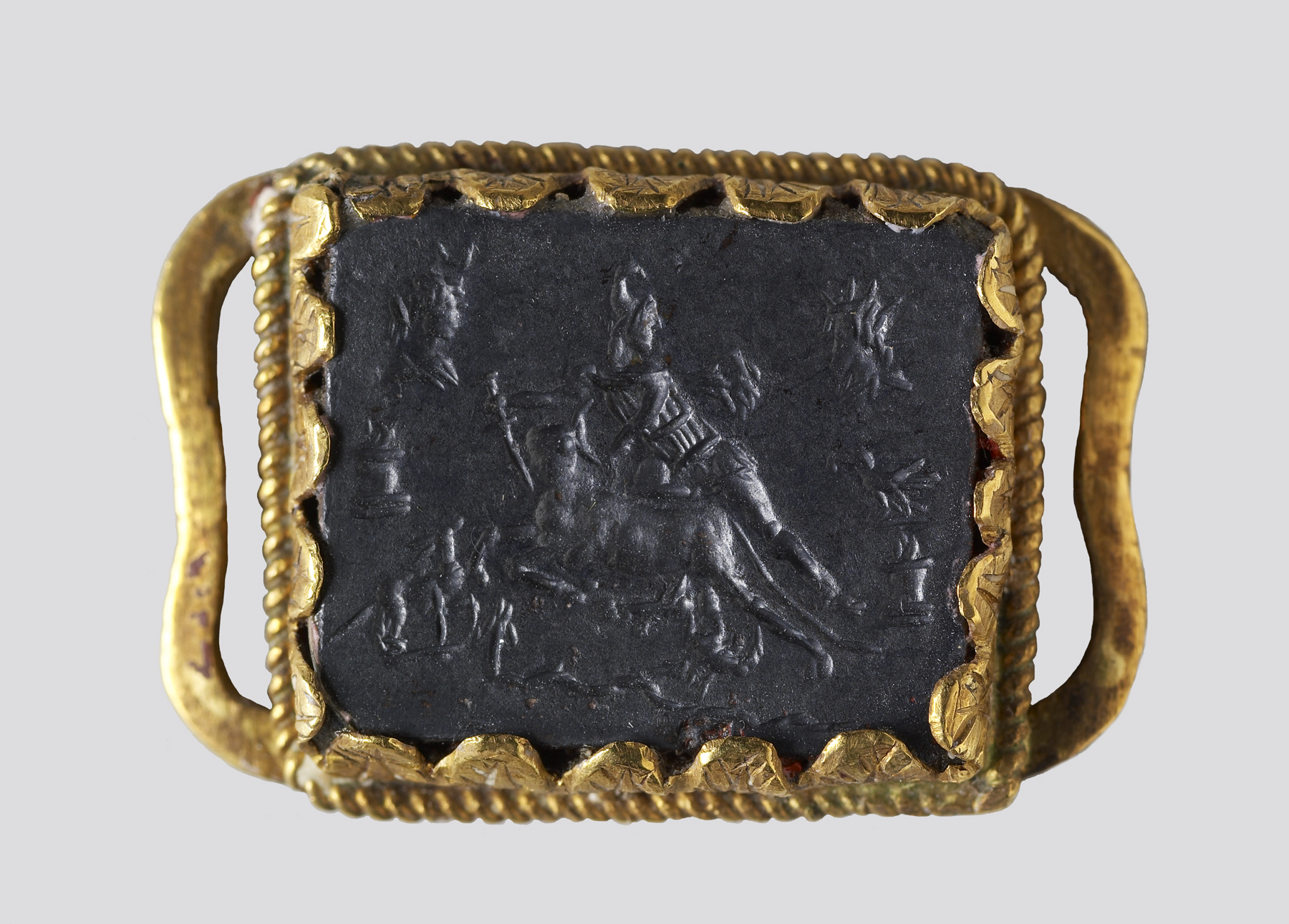
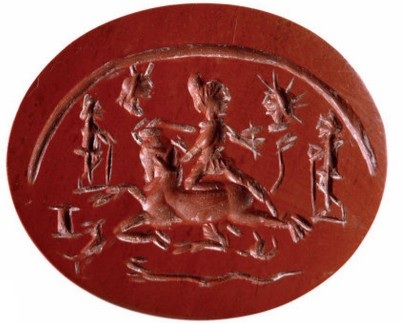
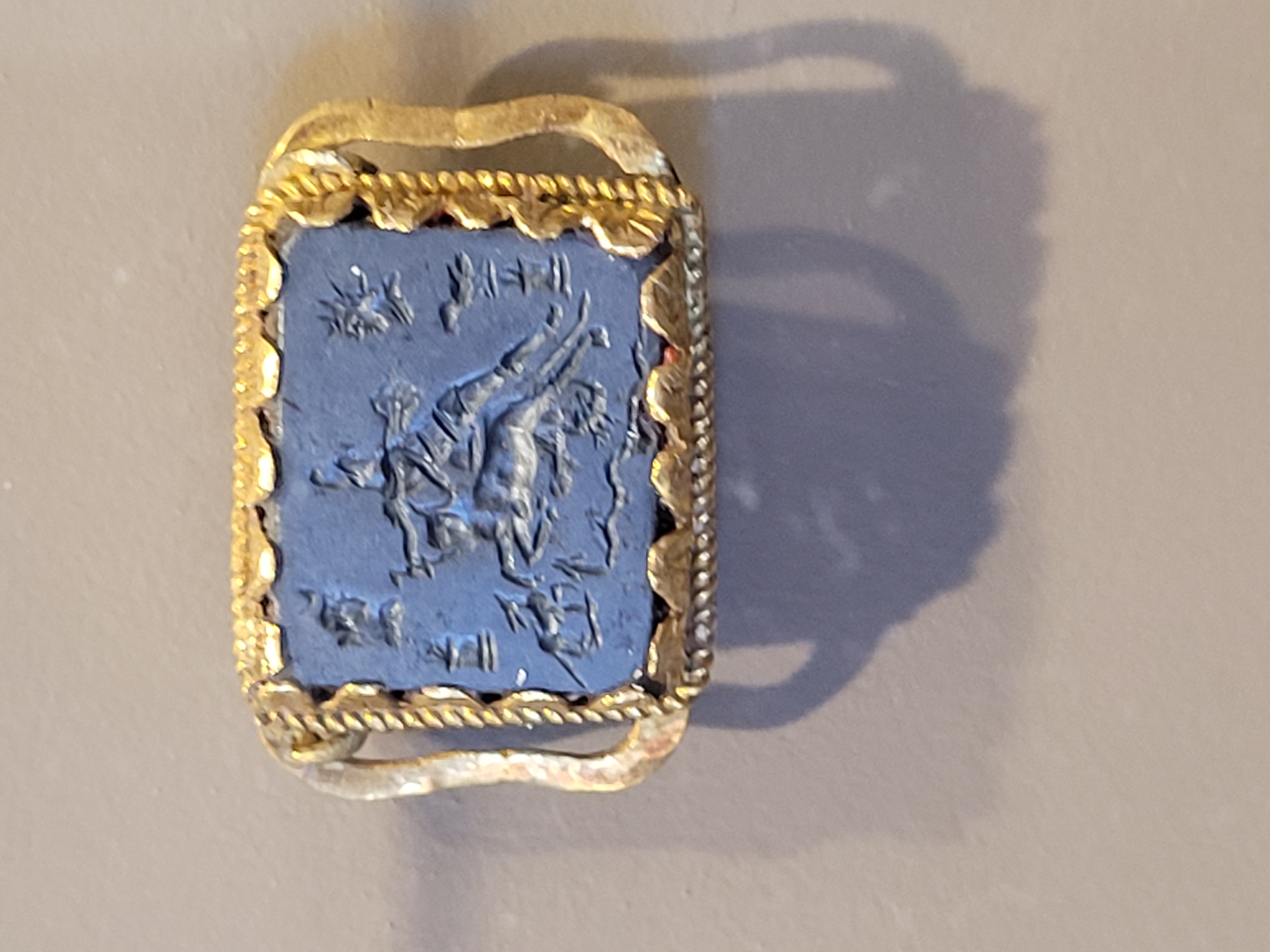
An oval carnelian gem from Carnuntum showing Mithras tauroktonos in a grotto. Sol and Luna appear above, with both torchbearers and a small altar before the bull.
Thinking of forming a weekly group for those in the Anglosphere(USA, Canada, UK, Australia and NZ) to have a webcam call, discuss all things related to Mithras and form friends sharing a niche interest🙂
At Rome’s twilight, amid political upheaval and Christian ascendancy, Vettius Agorius Praetextatus embodied pagan intellect, virtue, and authority across senatorial, military, and mystical spheres.
In his first book, Fahim Ennouhi sheds light on the cult of Mithras in Roman Africa. A marginal and elitist phenomenon, confined to restricted circles and largely absent from local religious dynamics, yet revealing.
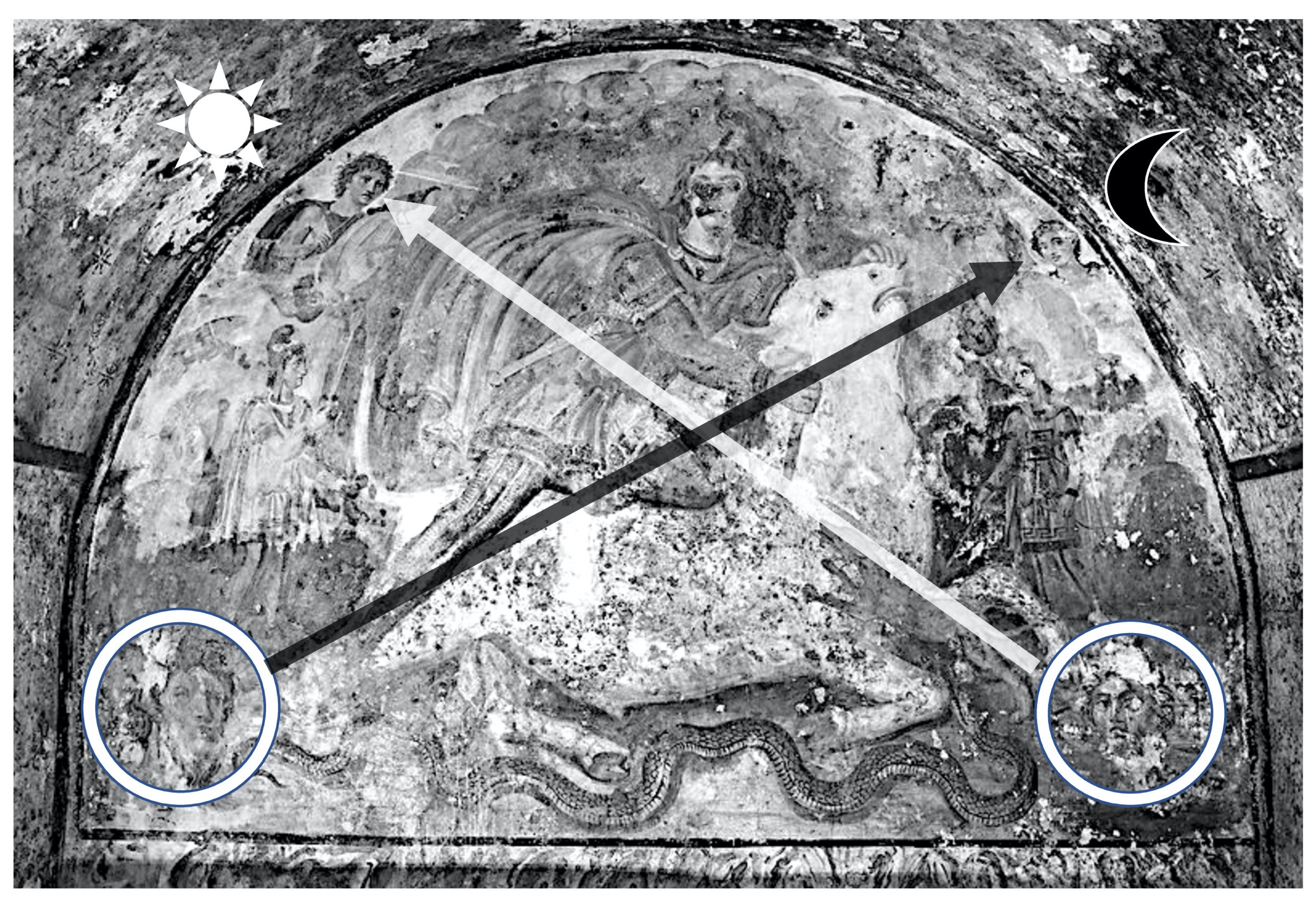
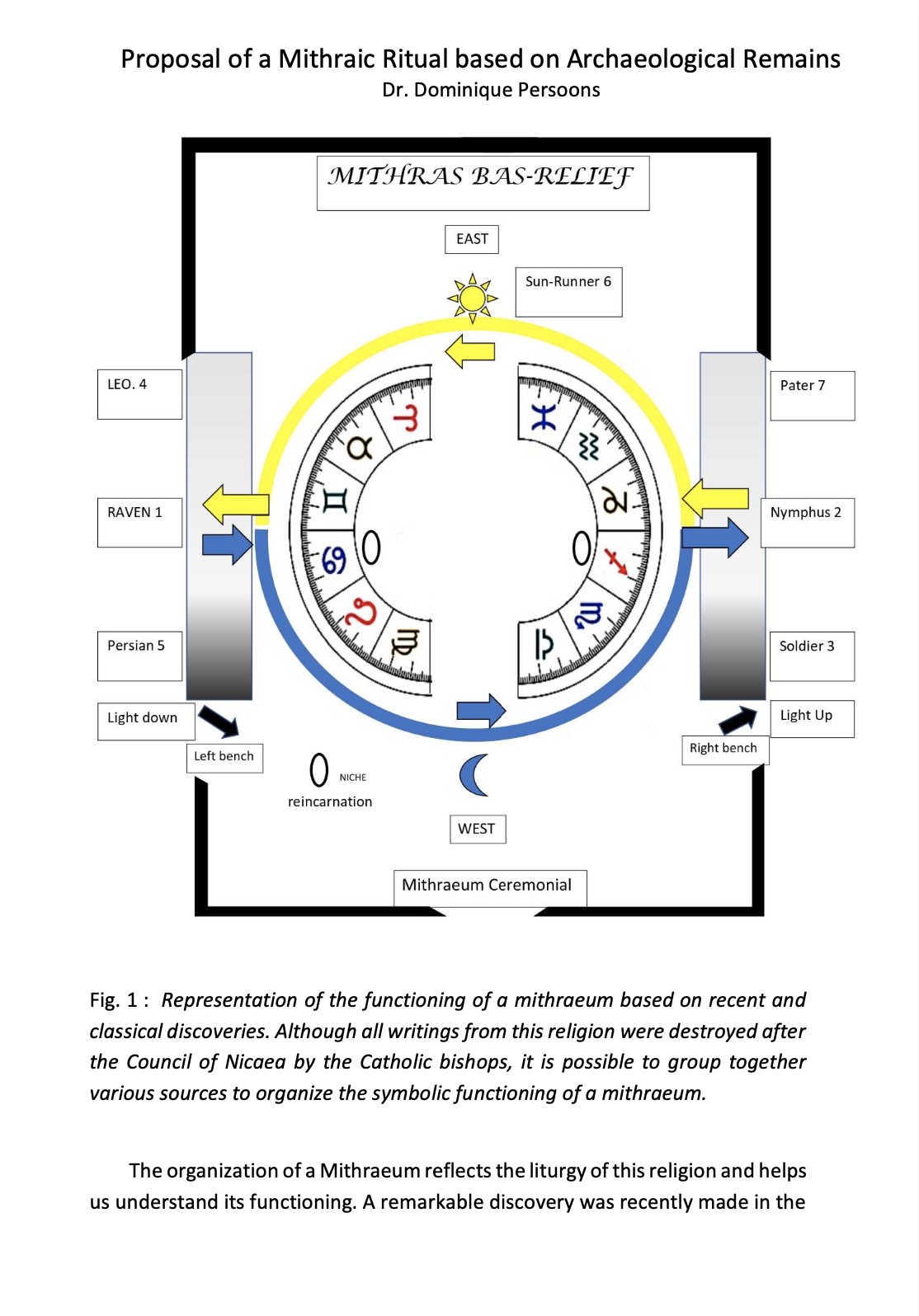
Dominique Persoons proposes a reconstruction of Mithraic ritual based on archaeological remains, frescoes, and zodiacal symbolism. He interprets the mithraeum as a liturgical microcosm governing the descent, purification, and ascent of souls.
The Mithraeum of Stix-Neusiedl was discovered in the summer of 1816. Although the structure of the sanctuary is unknown, several associated monuments are preserved today in Vienna.
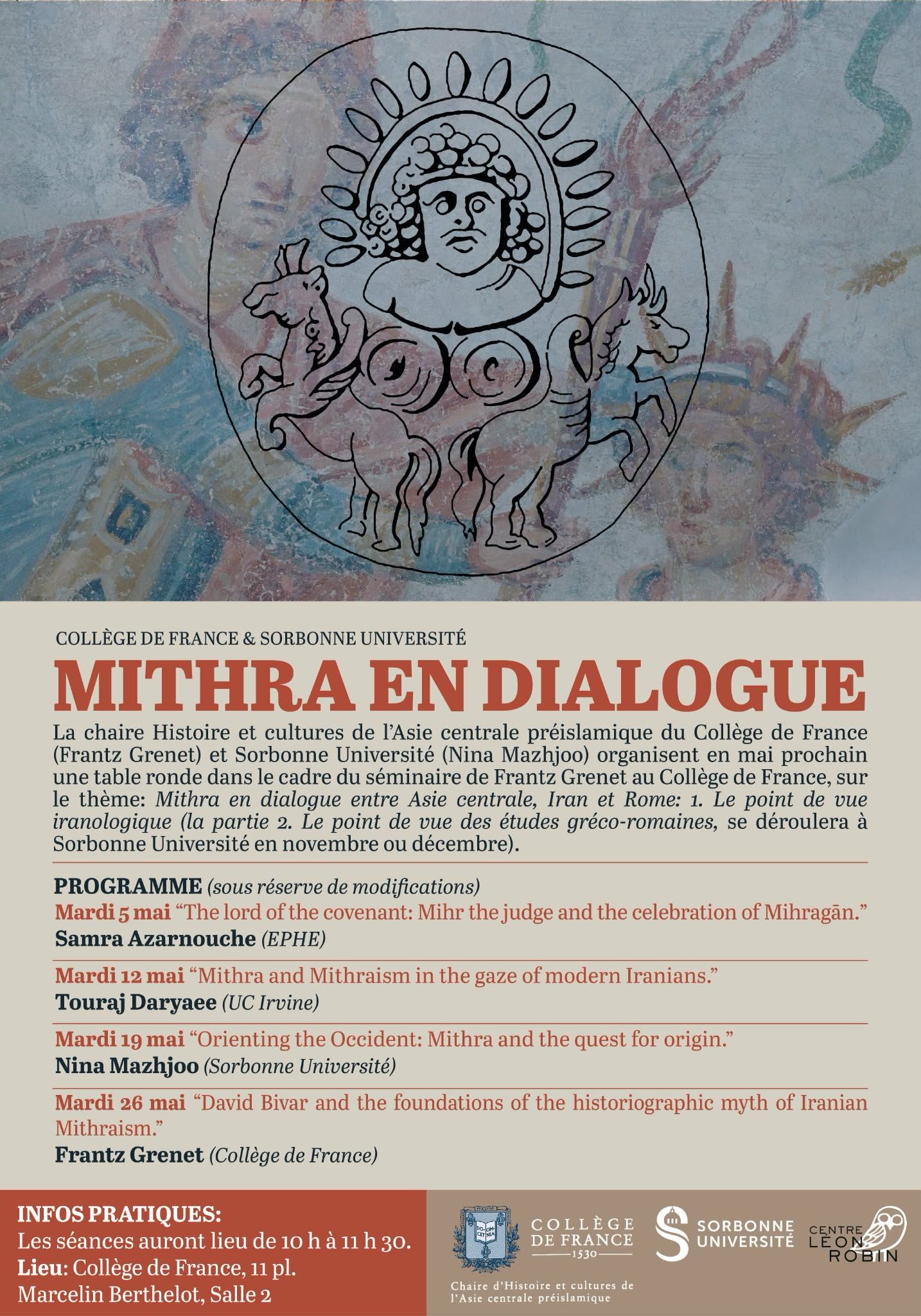
Next May, the Chair of History and Cultures of Pre-Islamic Central Asia at the Collège de France and Sorbonne Université will organise a round table devoted to the theme:
Mithra in dialogue between Central Asia, Iran and Rome
(The Greco-Roman part will take place at Sorbonne Université in November or December.)
Four sessions are planned, with contributions by Samra Azarnouche, Touraj Daryaee, Nina Mazhjoo and Frantz Grenet.
When: Tuesdays, 10:00–11:30 am, in May Where: Collège de France, 11 place Marcelin Berthelot, Room 2