By reading Orphic theology together with Eleusinian ritual practice, the mysteries emerge as a structured mystagogy of transformation: a disciplined passage from forgetfulness (Lethe) to knowledge (aletheia), from mortality to participation in the divine.
The Digital Atlas of Roman Sanctuaries in the Danubian Provinces (DAS) is the first comprehensive digital and open access representation of sacralised spaces founded and maintained during the Principate in the territory of the Danubian provinces.
Dear Csaba , I am fascinated by your slab of Mithras with Cautes wearing a child in front of the bull. I would like to have a higher definition picture because this picture opens many questions !! Could you send me one ?
Regards pers00ns@aol.com
Laurent Bricault has revolutionised Mithraic studies with the exhibition The Mystery of Mithras. Meet this professor in Toulouse for a fascinating look at the latest discoveries and what lies ahead.
Marcus
I am a devotee of Mithras Thank you for this interview. I think the author is right when he highlights that Roman Mithras is very different to Persian Mitra. Mithras is born mighty from birth and with a connection to His Father. The rock is a symbol of prowess and His Father is Sol. The main rite was centered on celebration of Mithras,’ victory over the bull, the bull which in Rome was similar to a dragon or an animal which normal people cant slay.
Dr. Vicky Jo
Having just visited Frankfurt, and feeling like I missed the exhibition "by this much," I was quite frustrated that I was unable to purchase an exhibition catalogue in English. Let me gently encourage you to make that available. My PhD is in Jungian Studies, and I think a few academic Jungian sorts would likewise be interested.
PS: I worked with Thomas Gaehtgens in the Visiting Scholars program at the Getty Research Institute.
Interessante e gostei muito deste artigo.
Penso que o culto de Mitra carece de mais documentação arqueológica escrita, que não existe.
Há um ponto de vista que não de trata de religião ou objetivos religiosos e sim sociais, quais a Maçonaria nos tempos contemporâneos. Creio que o objetivo era o homem dentro da comunidade a que estava inserido.
According to wikipedia, mithraists always preferred natural caves to building things or expanding existing things so probably this area, known as the Carso, or Karst, is perfect for the original construction and long term preservation of this kind of temple in caves. They must have jumped for joy when they heard there was a mysterious river that popped out of the ground. I can't think of a better place for a mithra temple 🙂
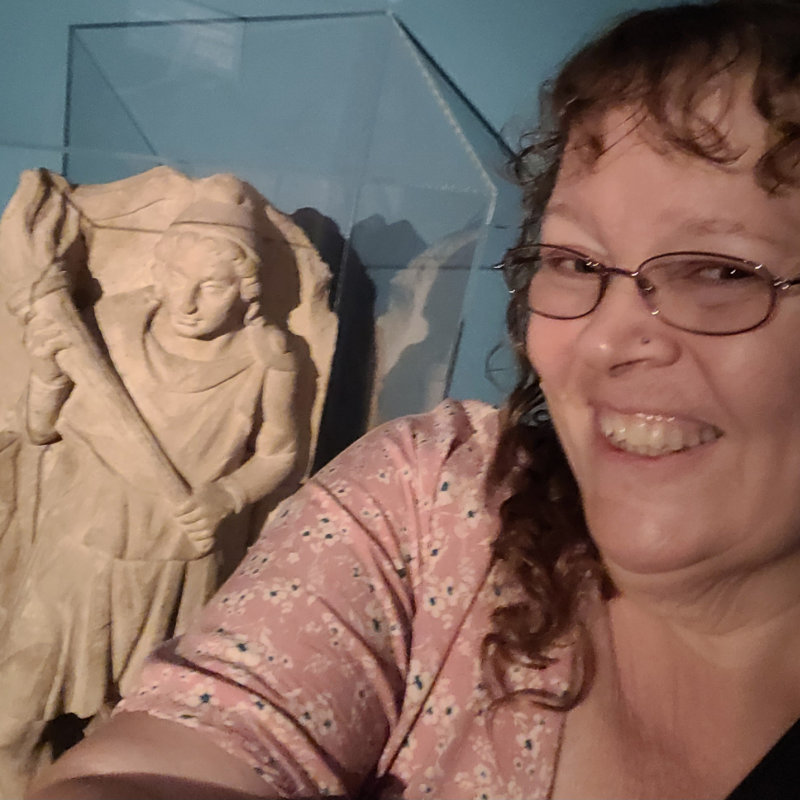
Salve Pattie, In case you missed it, there is also a page on the mithraeum itself: https://www.mithraeum.eu/monument/39. Any information on the relief would be much appreciated. Vale
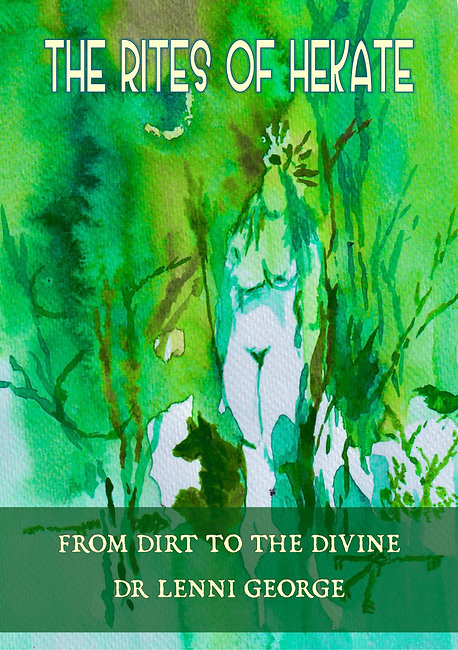
The Rites of Hekate is a personal yet deeply rooted academic account of the current understanding of this ambivalent goddess, presented as an arcane and liminal archetype.

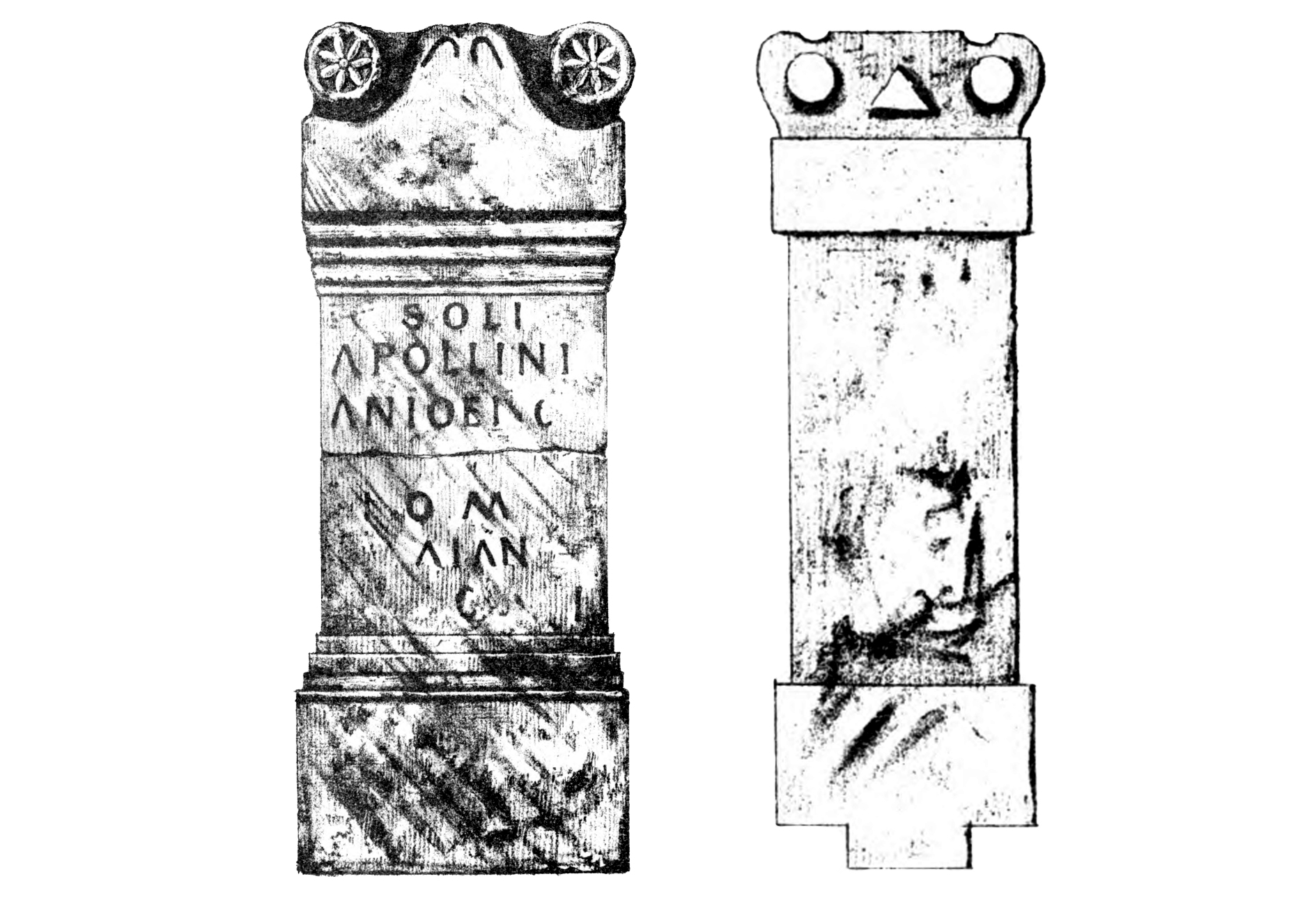


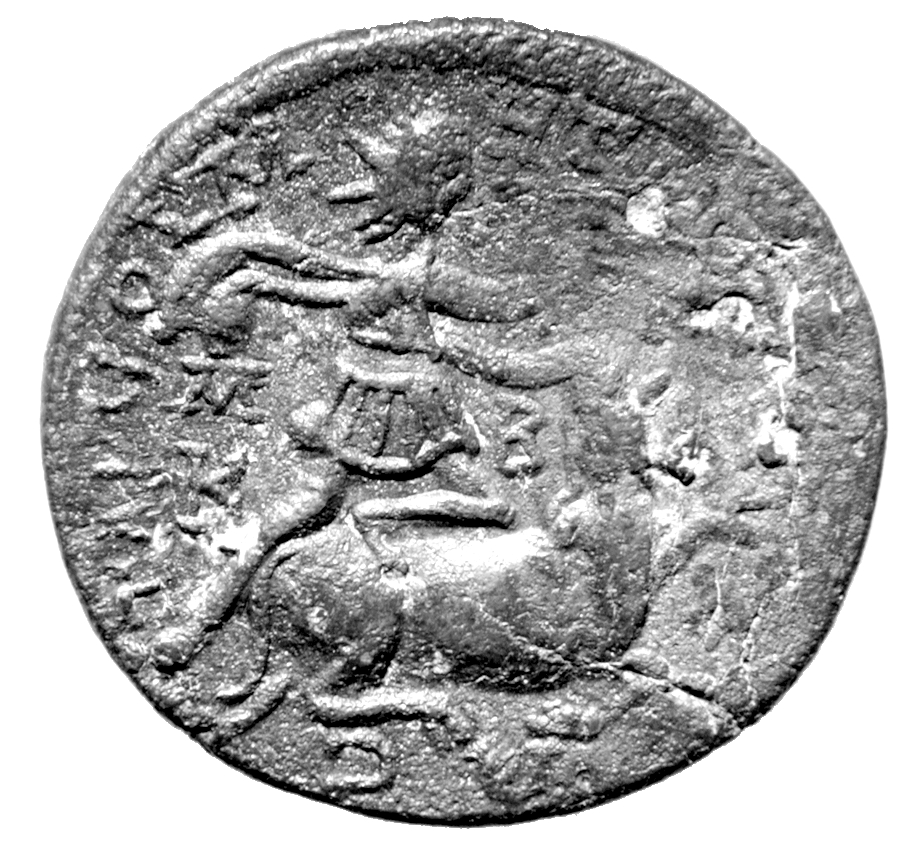
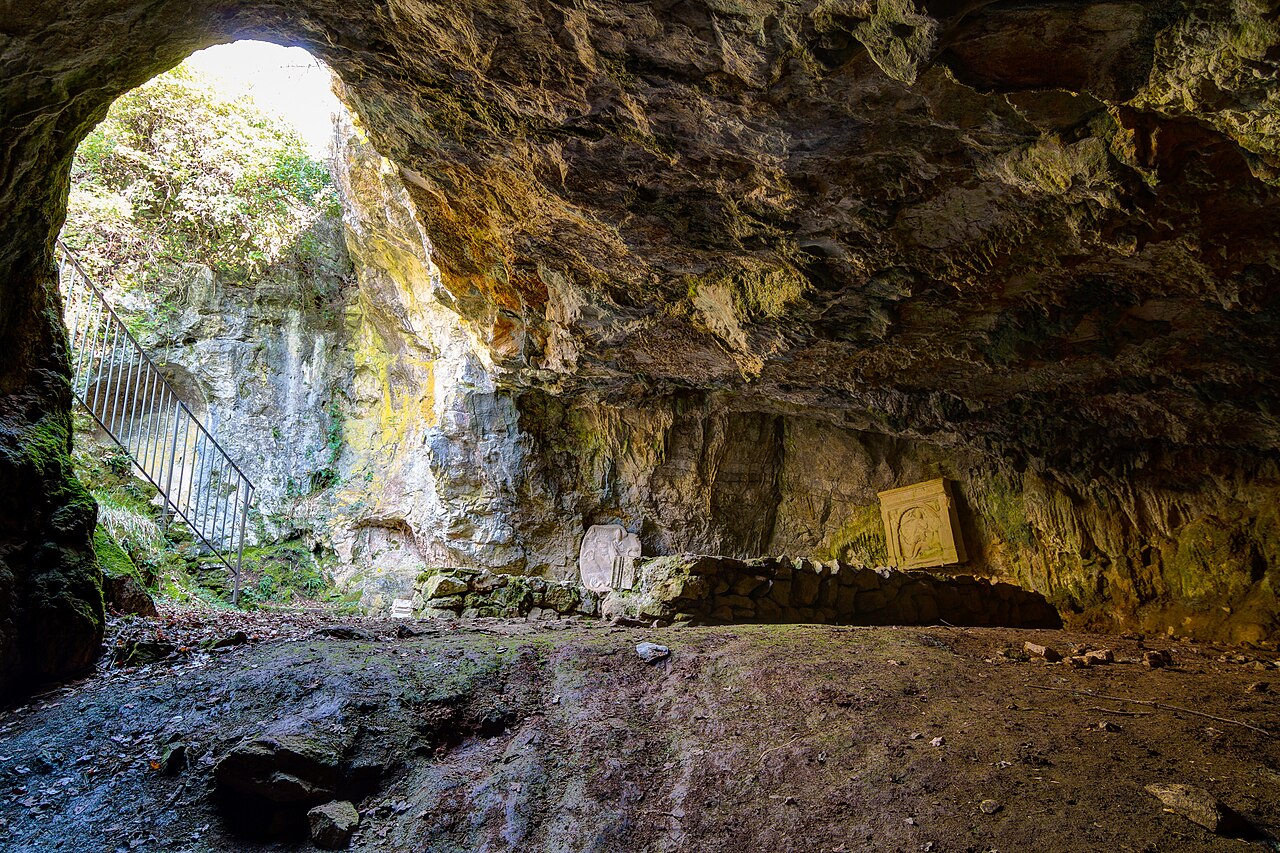






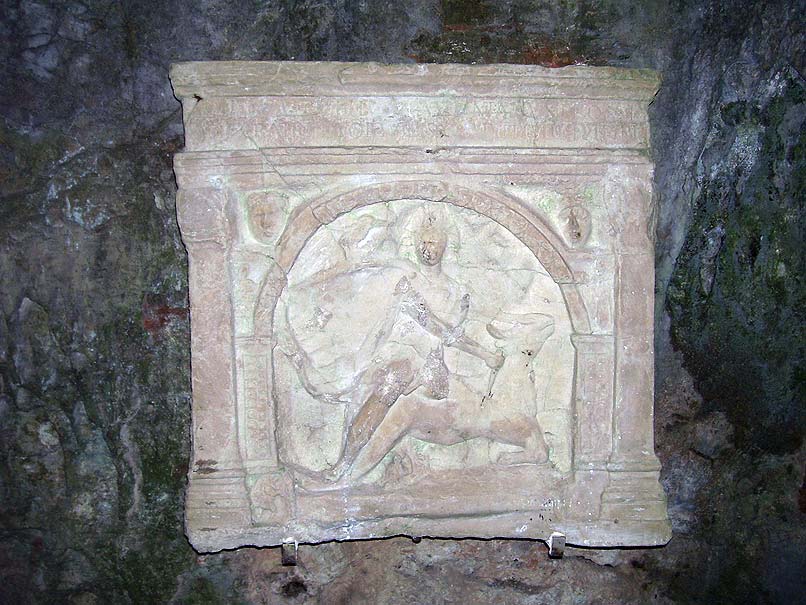
If you are in the area you can take a guided tour of the temple and it's surrounding area. This tour is described in detail on this page:
http://www.duinotourism.it/index.php?option=com_k2&view=item&id=1212:il-mitreo&Itemid=7&lang=en
There is also much more info here: http://www.gssg.it/index.php?module=subjects&func=printpage&pageid=28&scope=all (in italian)
According to wikipedia, mithraists always preferred natural caves to building things or expanding existing things so probably this area, known as the Carso, or Karst, is perfect for the original construction and long term preservation of this kind of temple in caves. They must have jumped for joy when they heard there was a mysterious river that popped out of the ground. I can't think of a better place for a mithra temple 🙂