Your selection in monuments gave 428 results.

This inscription reveals the names of 36 cultori of Sentinum, one of whom bears the title of pater leonum.
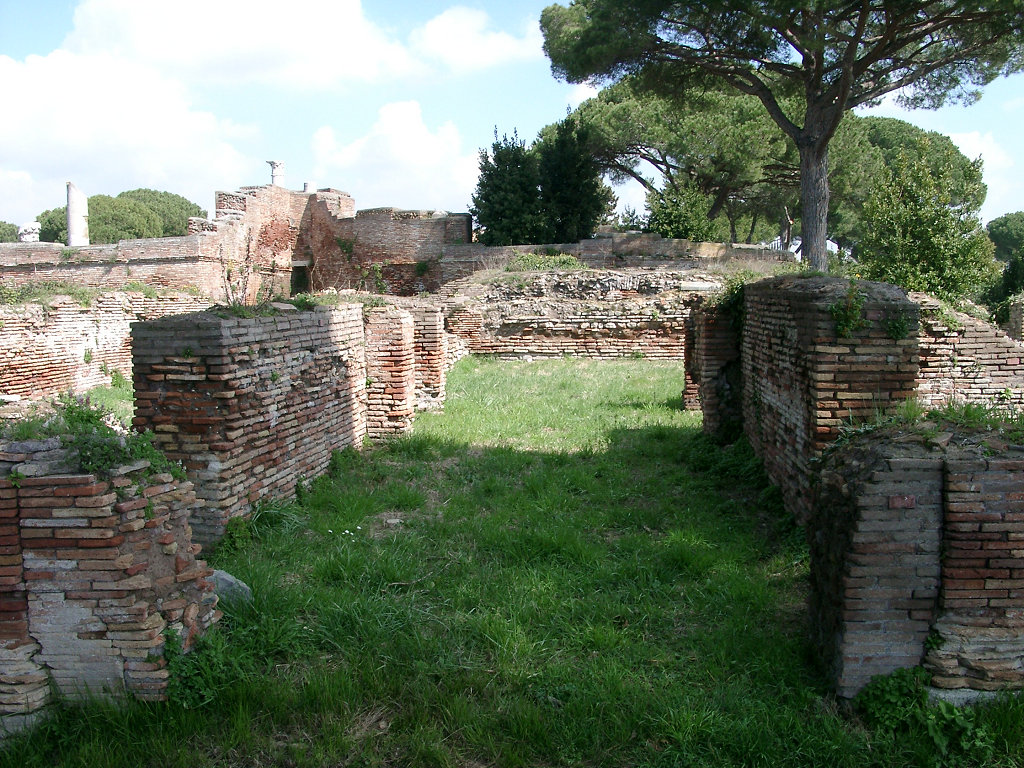
The Mithraeum of Frutosus was in a temple assigned to the guild of the stuppatores.

This tabula marmorea was consecrated by a certain slave Vitorinus in Tibur, nowadays Tivoli, near Rome.
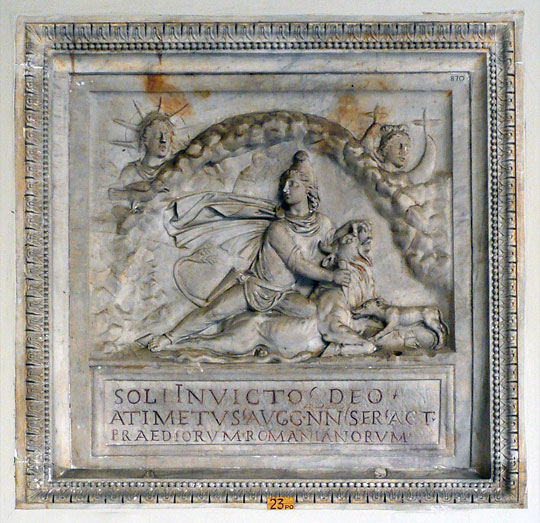
White marble relief depicting Mithras slaying the bull, dedicated by Atimetus.
This marble base found in Angera in 1868 bears the inscription of two people who reached the degree of Leo.
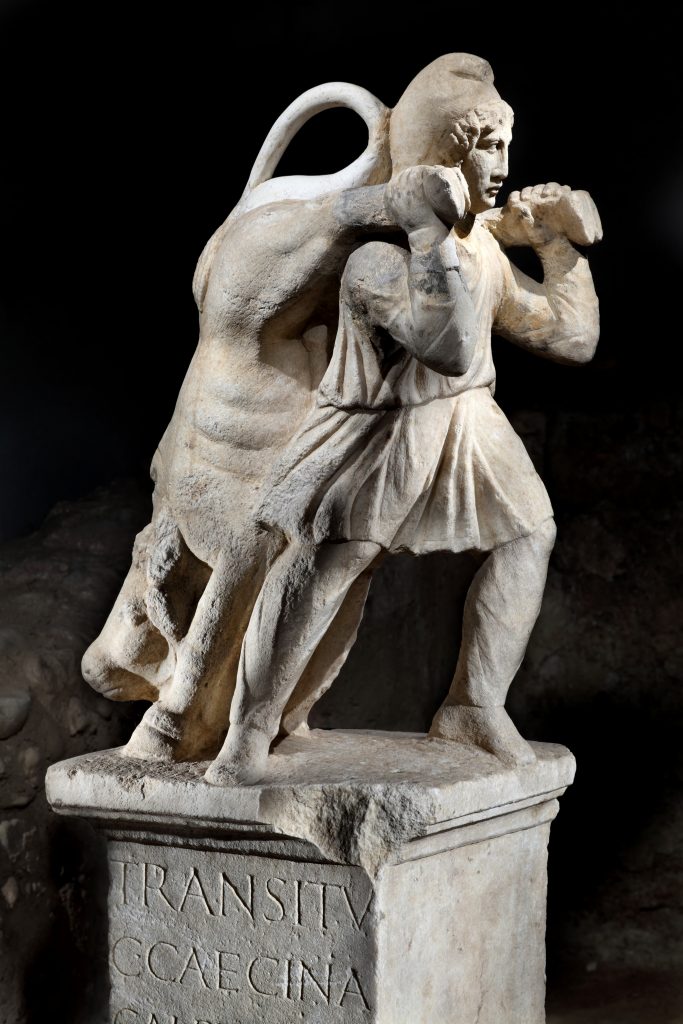
The sculpture of Mithras carrying the bull includes an inscription on its base.
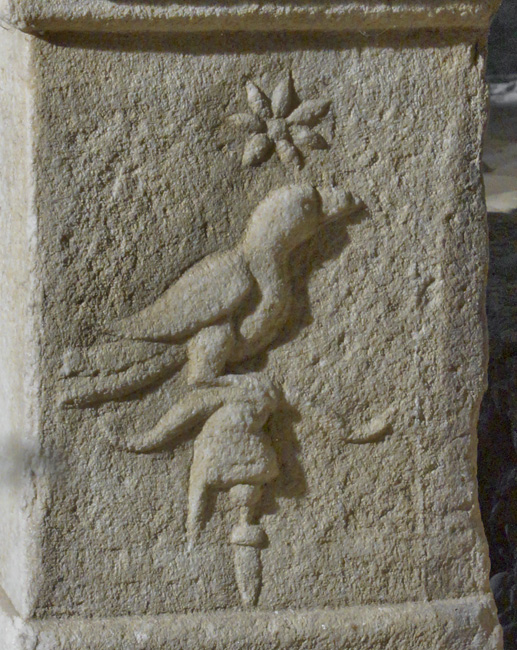
This altar from Ptuj, present-day Poetovio, is decorated with various Mithraic animals such as a tortoise, a cock and a crow and other objects.
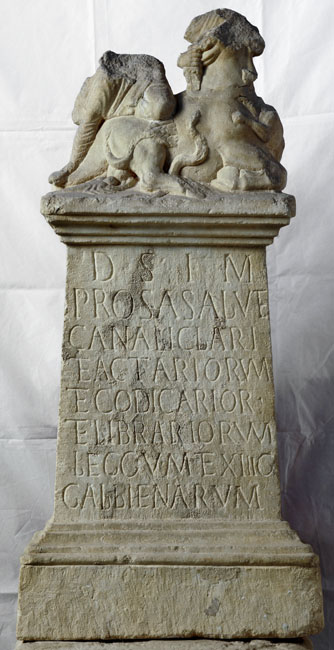
Remarkable fragmentary sculpture of Mithras slaying the bull on an inscribed altar found in Mithraeum III at Ptuj.
The inscription explains the transmission of the fourth Mithraic degree through the Paters of the Mitraeum of San Silvestro.
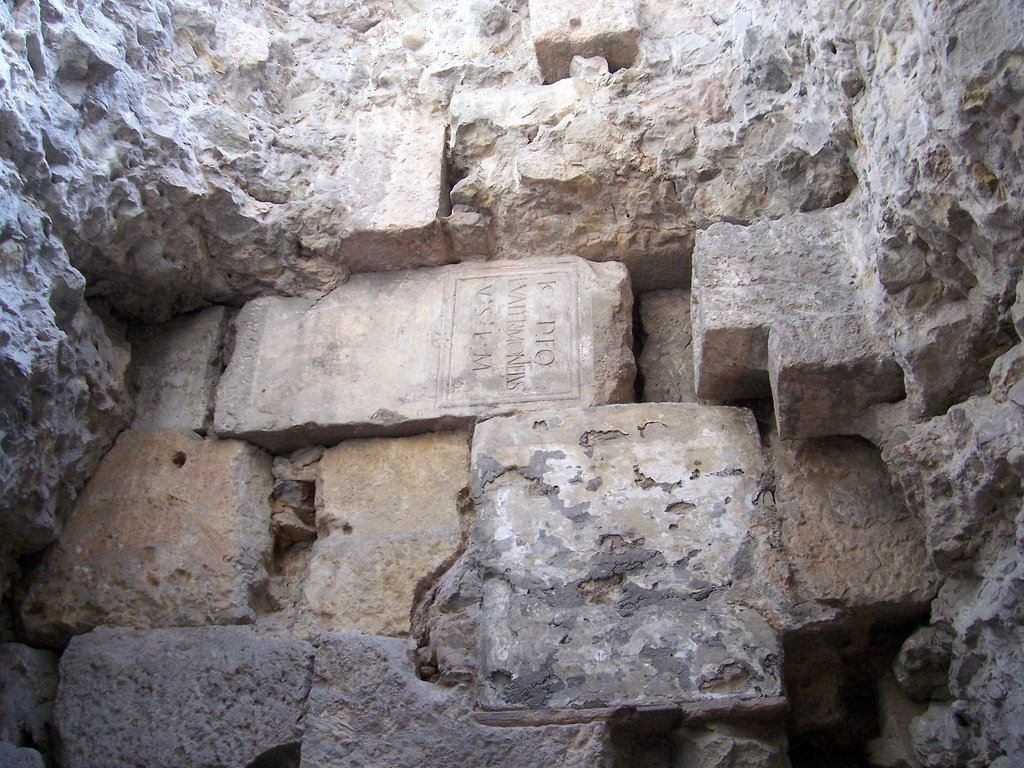
This altar was dedicated to Cautes by a certain Lucius in Baetulo (Badalona), near Barcino (Barcelona).
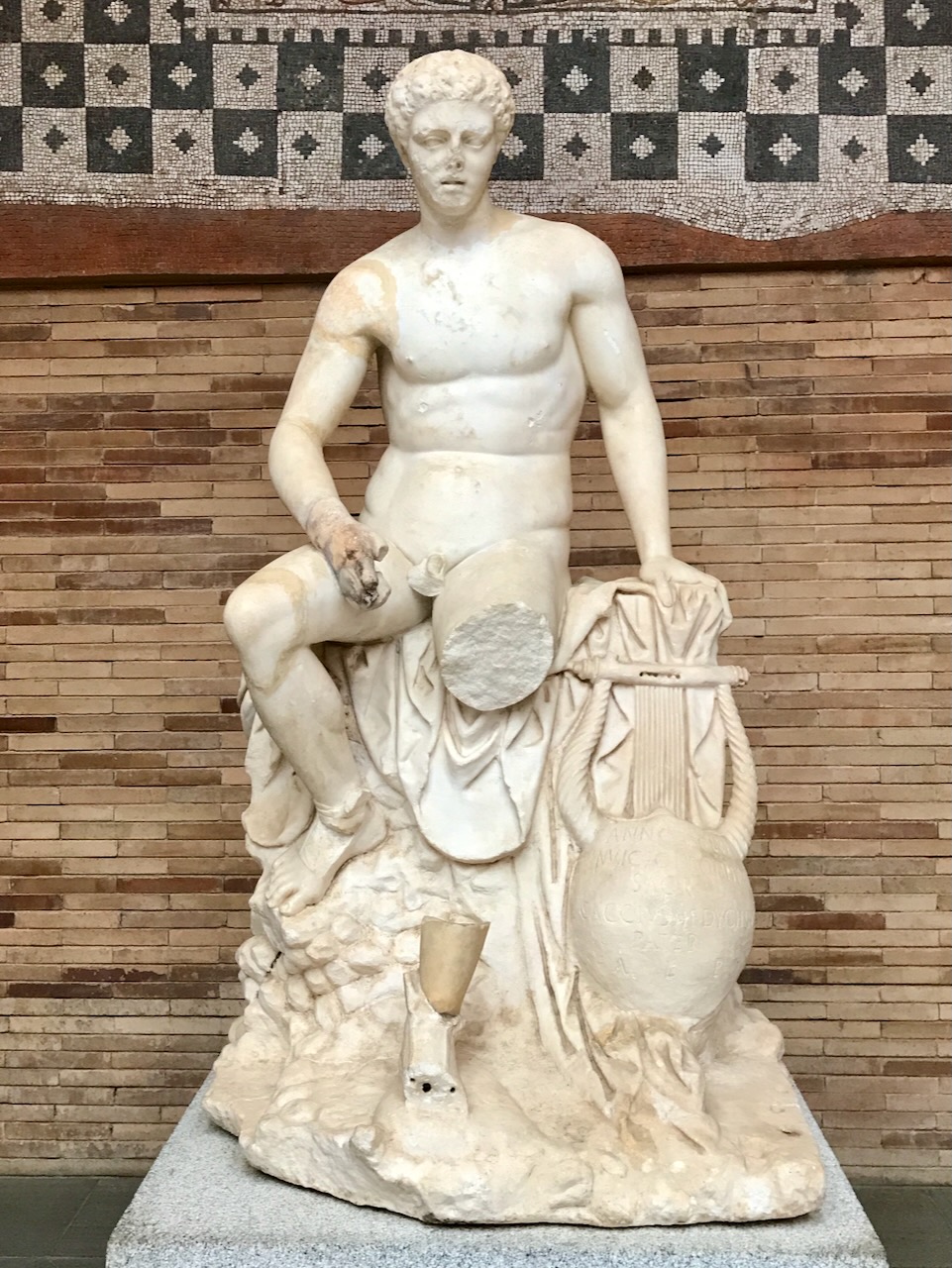
The statue of Mercury in Merida bears a dedication from the Roman Pater of a community in the city in 155.
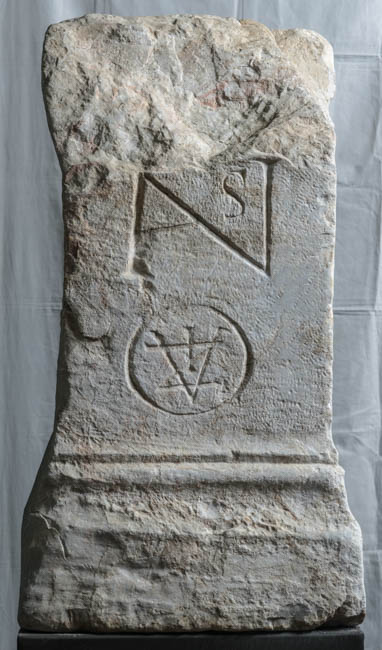
The limestone altar at Klechovtse in North Macedonia bears an inscription to the invincible Mithras.
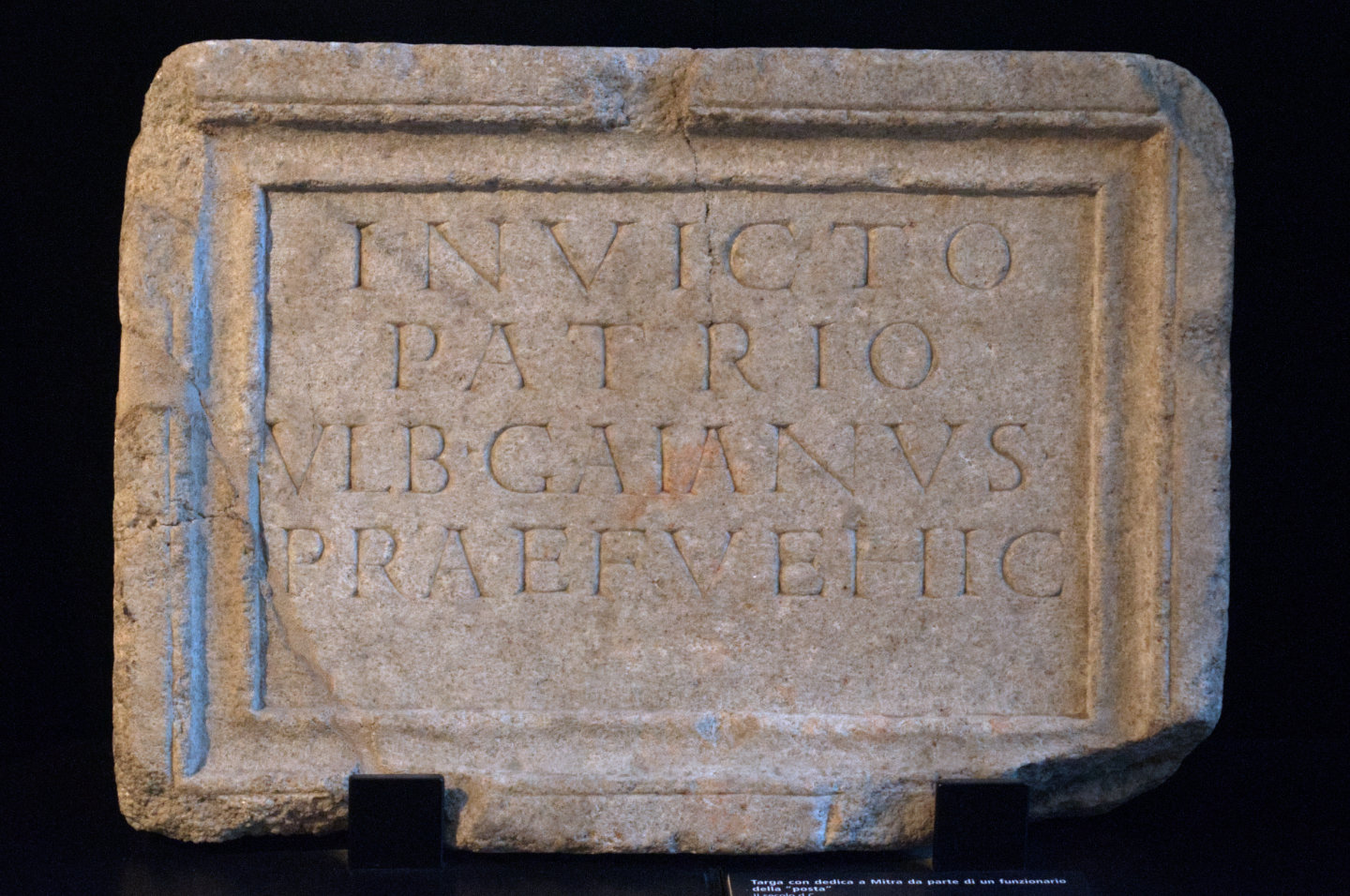
This monument dedicated to 'Invicto Patrio' was found in Milan in 1869.
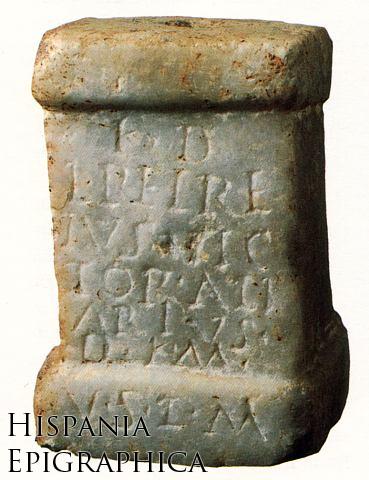
Small arula with mithraic inscription and dedication to Cautes from a garlic merchant.
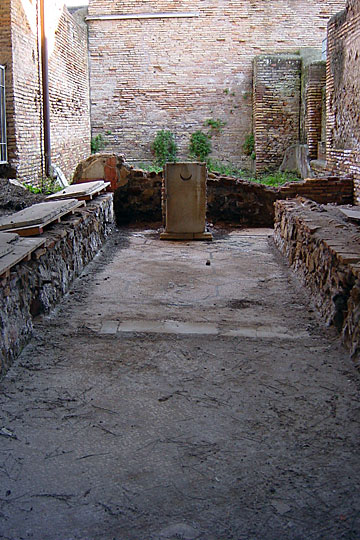
The Mithraeum of Lucretius Menander was installed in the early 3rd century in an alley to the east of a Hadrianic building named after the solar god temple.
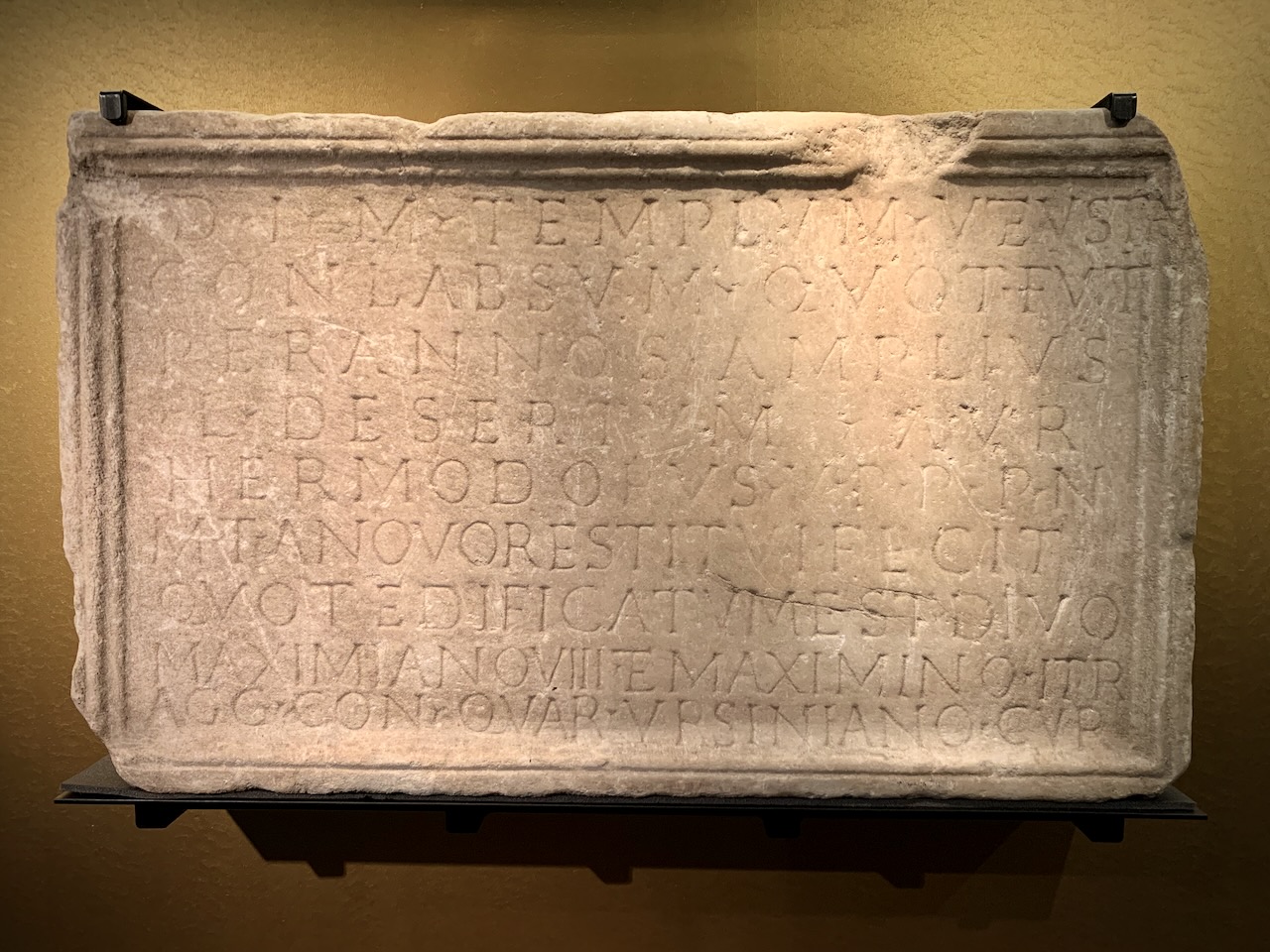
This marble gives some details of the reconstruction of the Virunum Mithraeum.
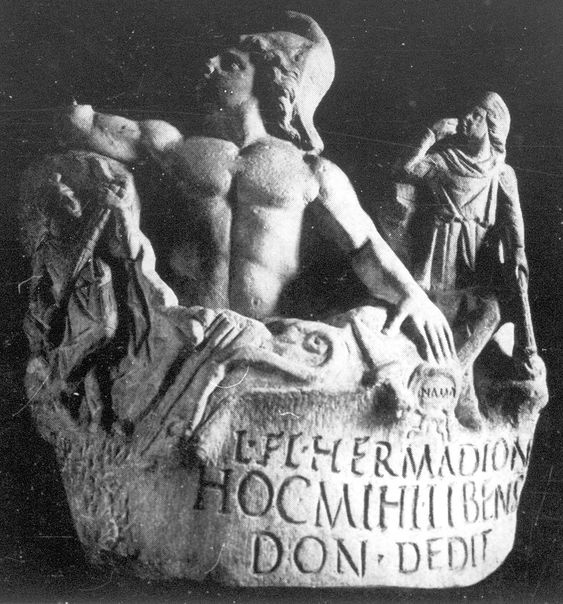
Mithras rock-born from Villa Giustiniani was holding a bunch of grapes in its raised right hand instead of a torch, probably due to a restoration.
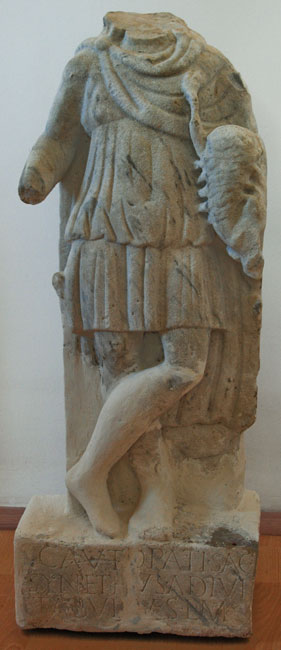
The Cautopates with scorpion found in 1882 in Sarmizegetusa includes an inscription of a certain slave known as Synethus.
This altar, which has now disappeared, was dedicated by the slave Quintio for the health of a certain Coutius Lupus.
This inscription by Luccius Crispus was found near the entrance of the Mithraeum at Pamphylia.
