Your selection in monuments gave 31 results.
.jpg)
The statue of Arimanius/Ahriman was found in 1874 under the city wall of York during the construction of the railway station.
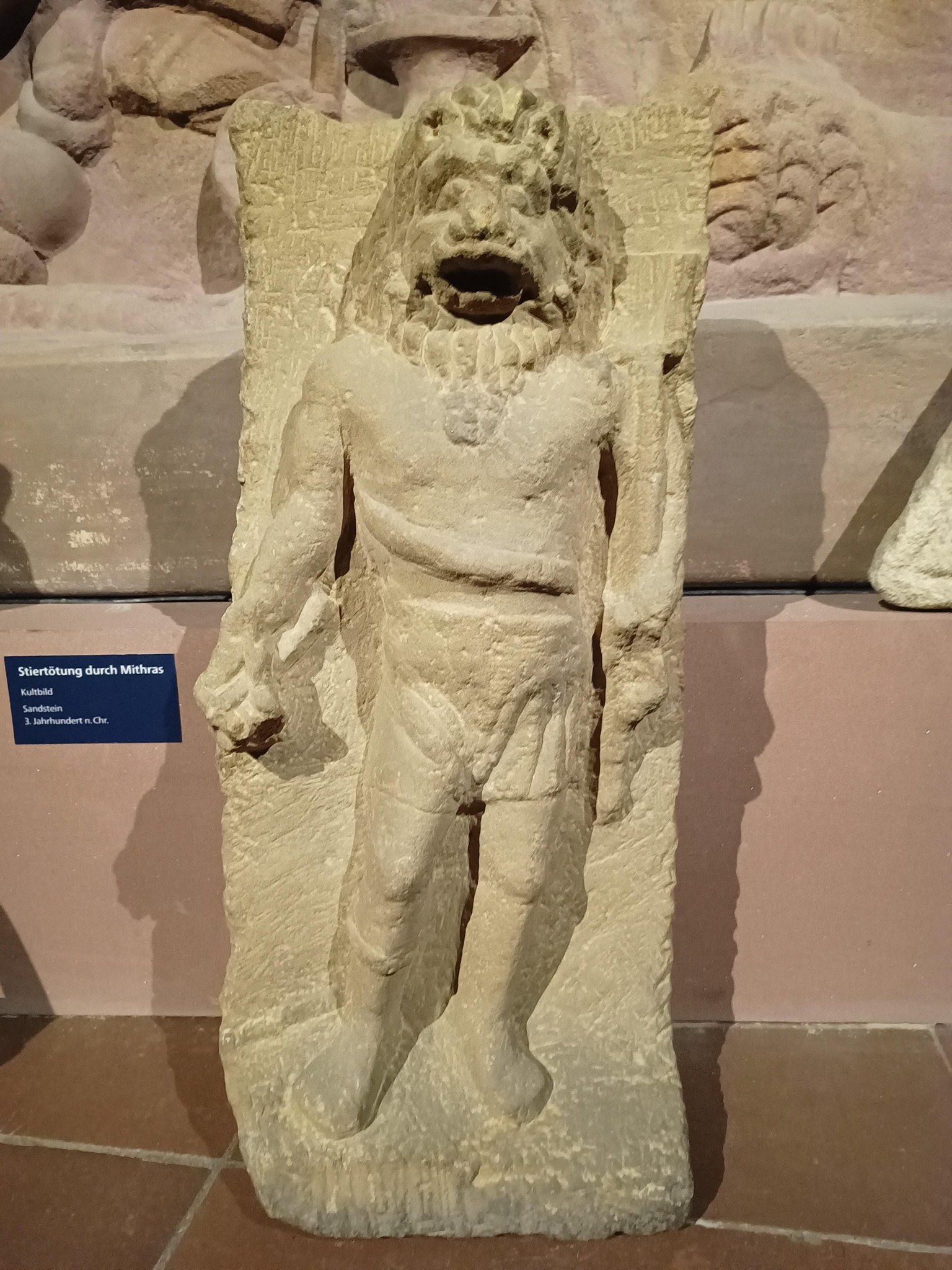
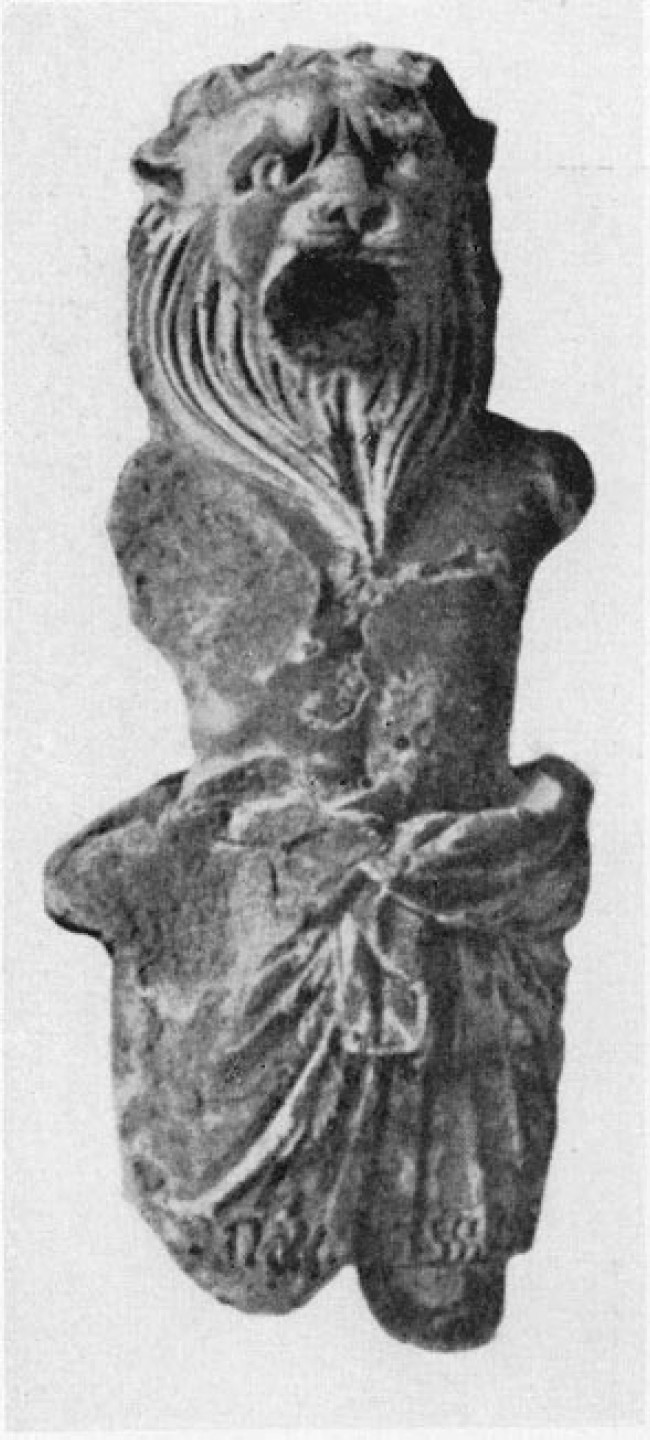
This lion-headed figure from Nida, present-day Frankfurt-Heddernheim, holds a key and a shovel in his hands.

The lion-headed statue of Hedderneheim is a reconstruction from fragments of two different sculptures.
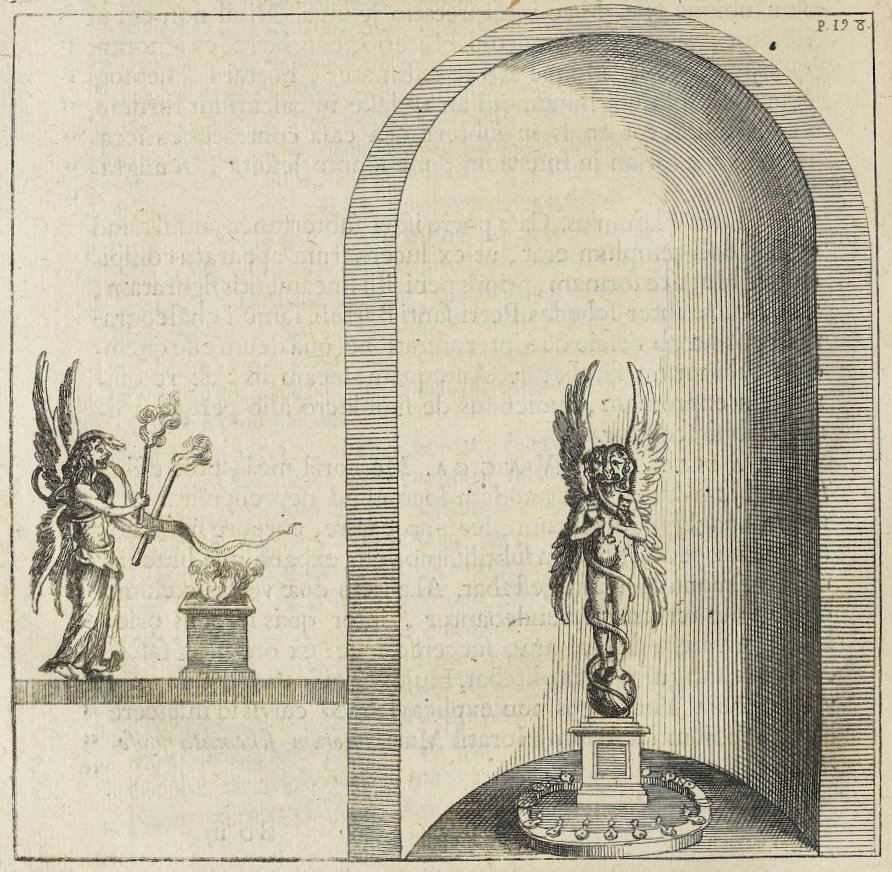
This monument has been identified from ’Memorie di varie antichità trovate in diversi luoghi della città di Roma’, a book by Flaminio Vacca of 1594.
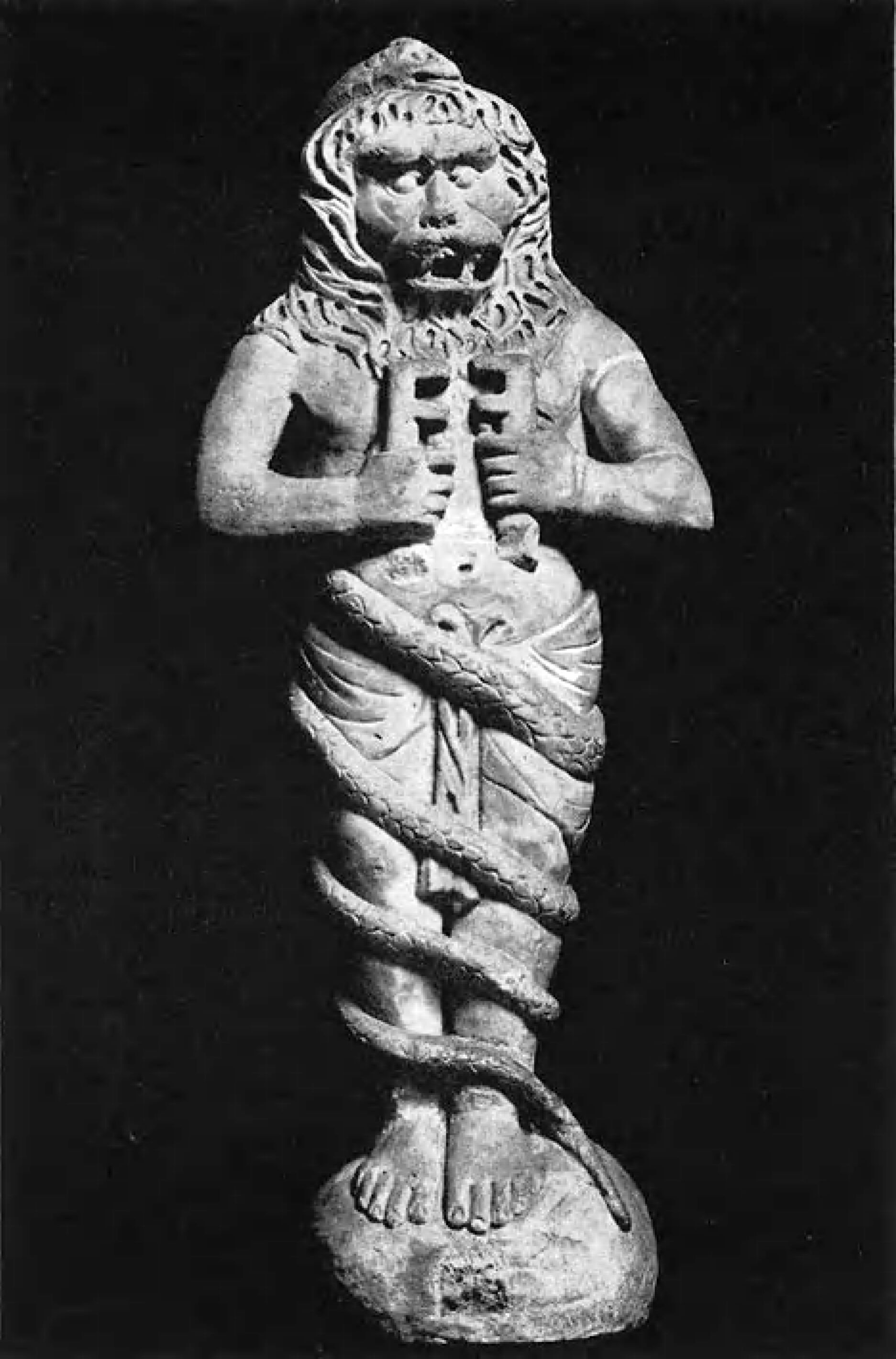
The lion-headed marble from Muti's gardens has a serpent entwined in four coils around his body.
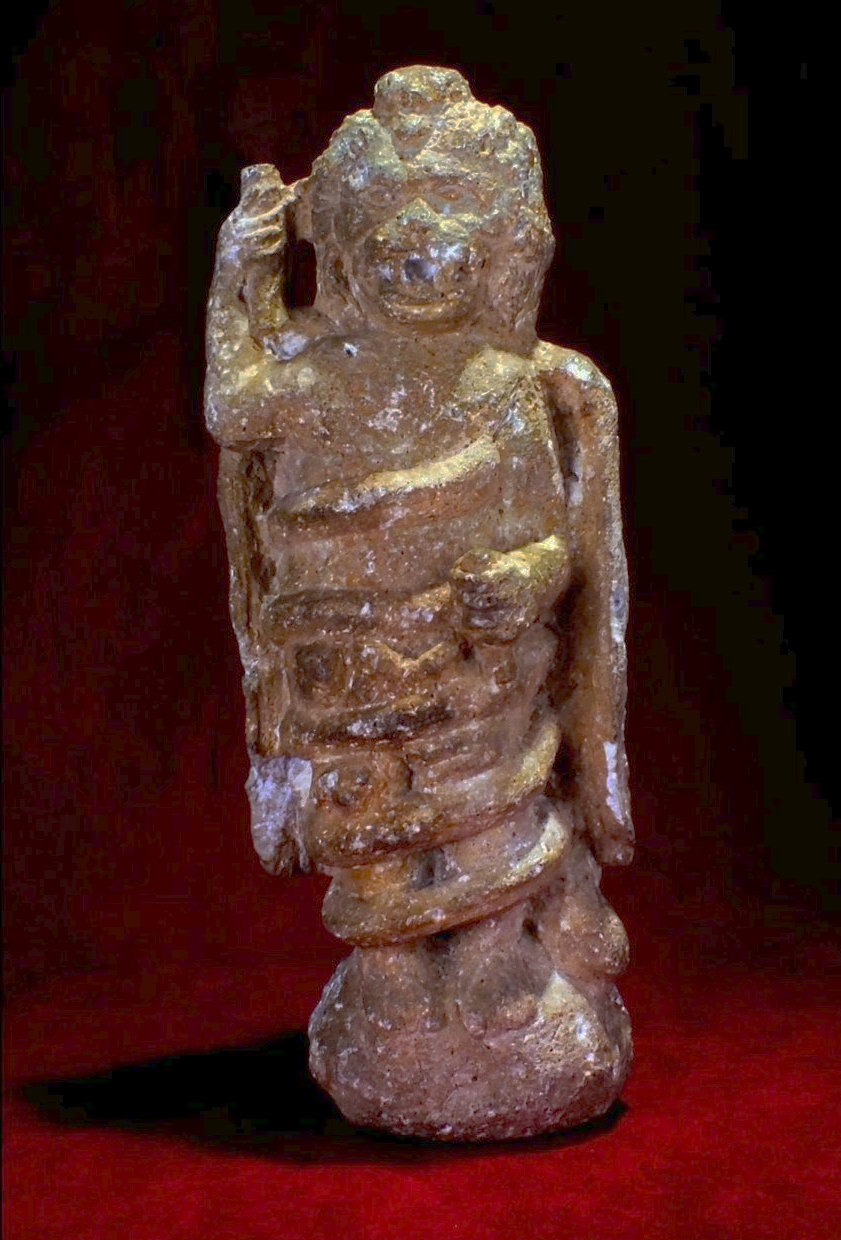
Its base is partially broken, so it is unclear if the figure was standing on a globe, an expected position, or not.
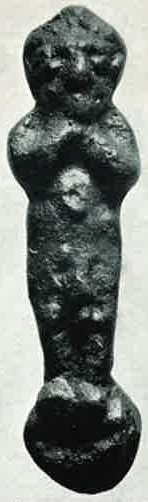
Bronze fibula from Petronell-Carnuntum, depicting a standing lion-headed Aion.
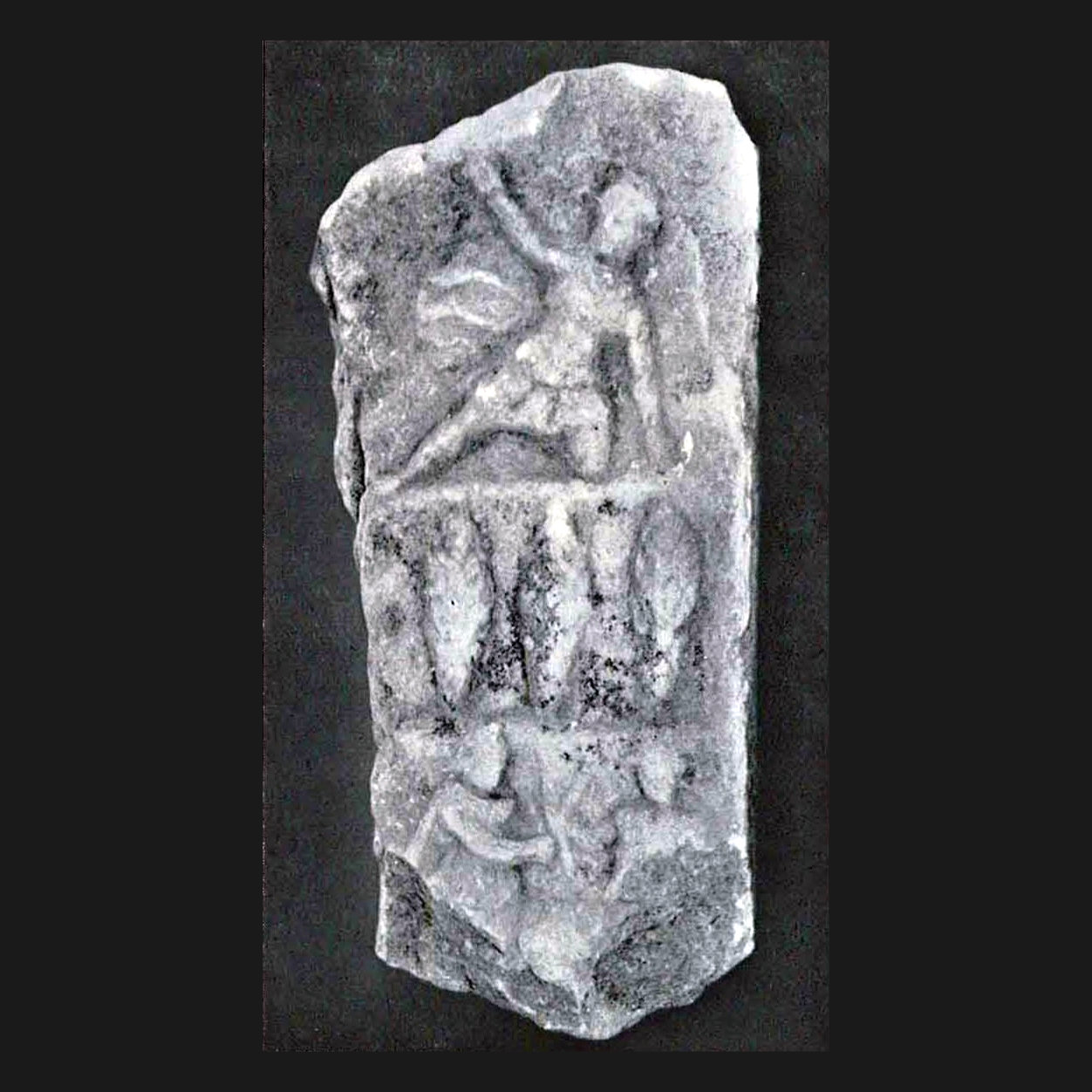
These fragments of a cult relief of Mithras were found at the Mithraeum II of Ptuj, Slovenia.
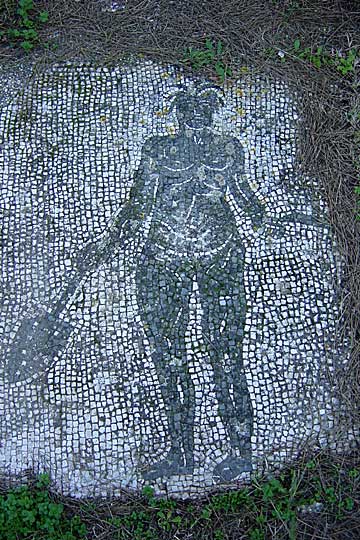
Several figures related to the Mysteries of Mithras are depicted on the mosaics of the Mithraeum of the Animals.
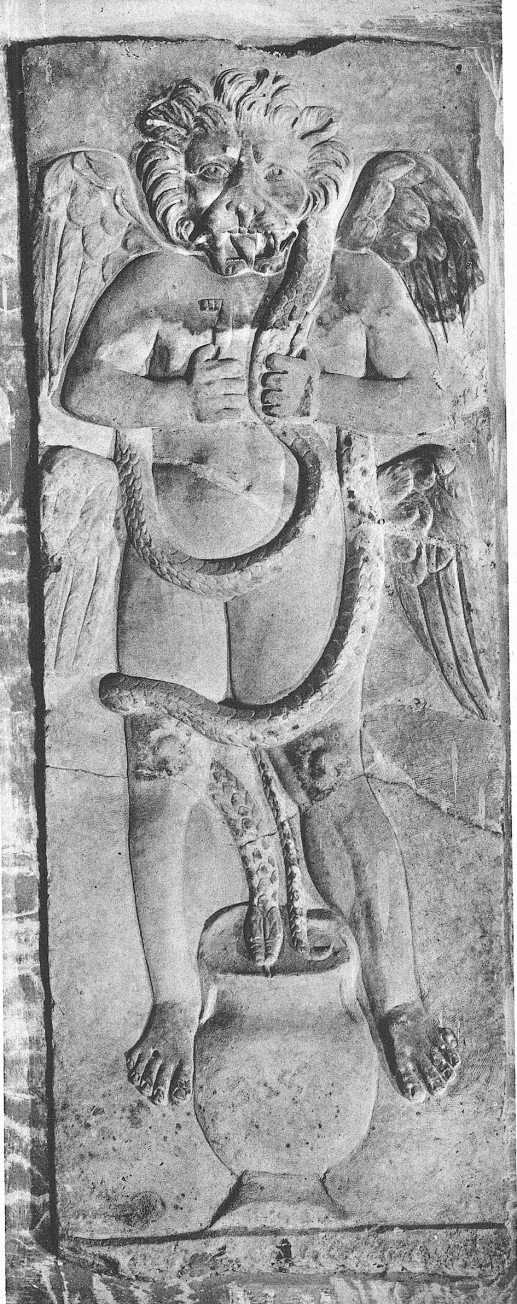
This white marble relief depicting a lion-headed figure from Ostia is now exposed at the Musei Vaticani.

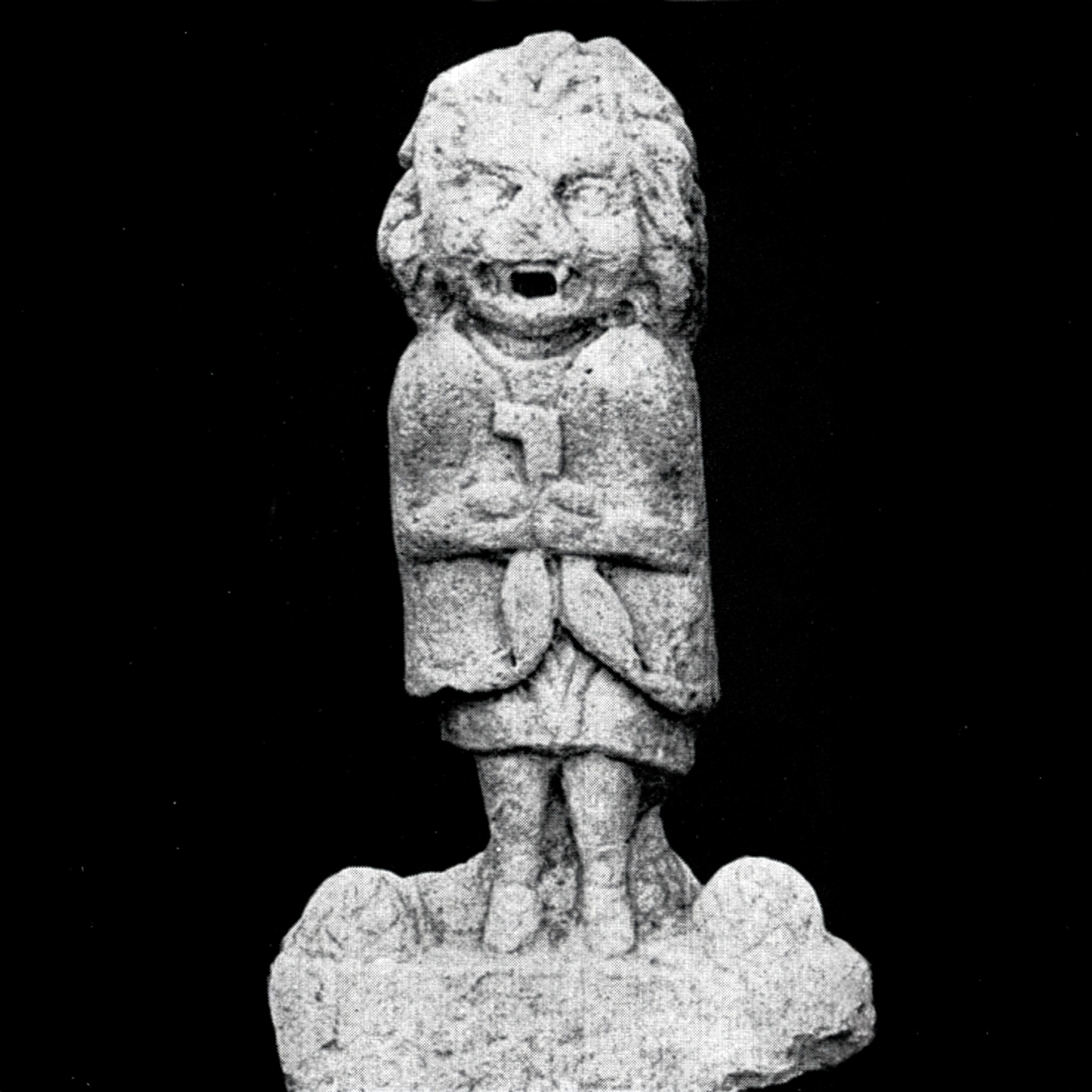
The lion-headed figure from Rusicade, now Skikda, holds a key in both hands and features a pine cone beside his feet.
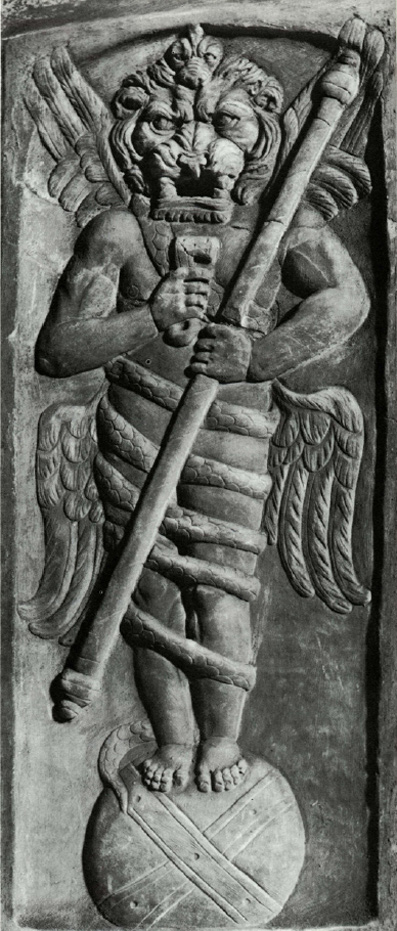
The lion-headed god is standing on a globe encicled by two crossed bands on which five pearls.
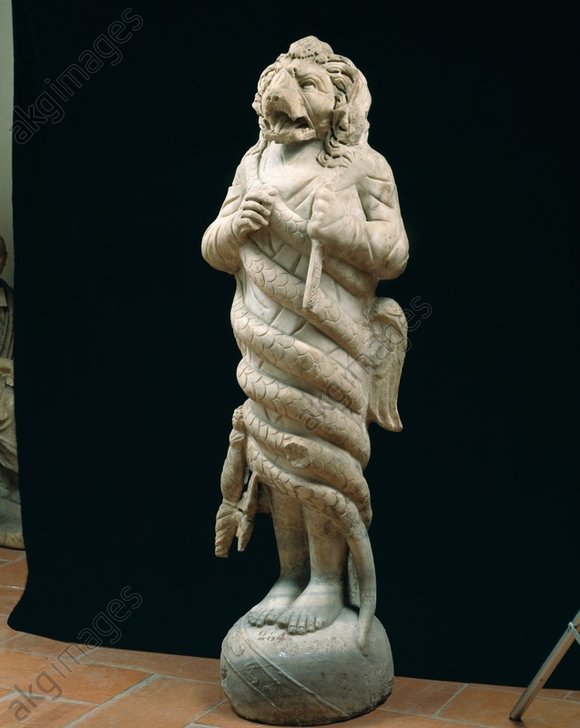
The sculpture of Aion from Florence, Italy, has the usual serpent, coiled six times on its body, whose head rests on that of the god of eternal time.
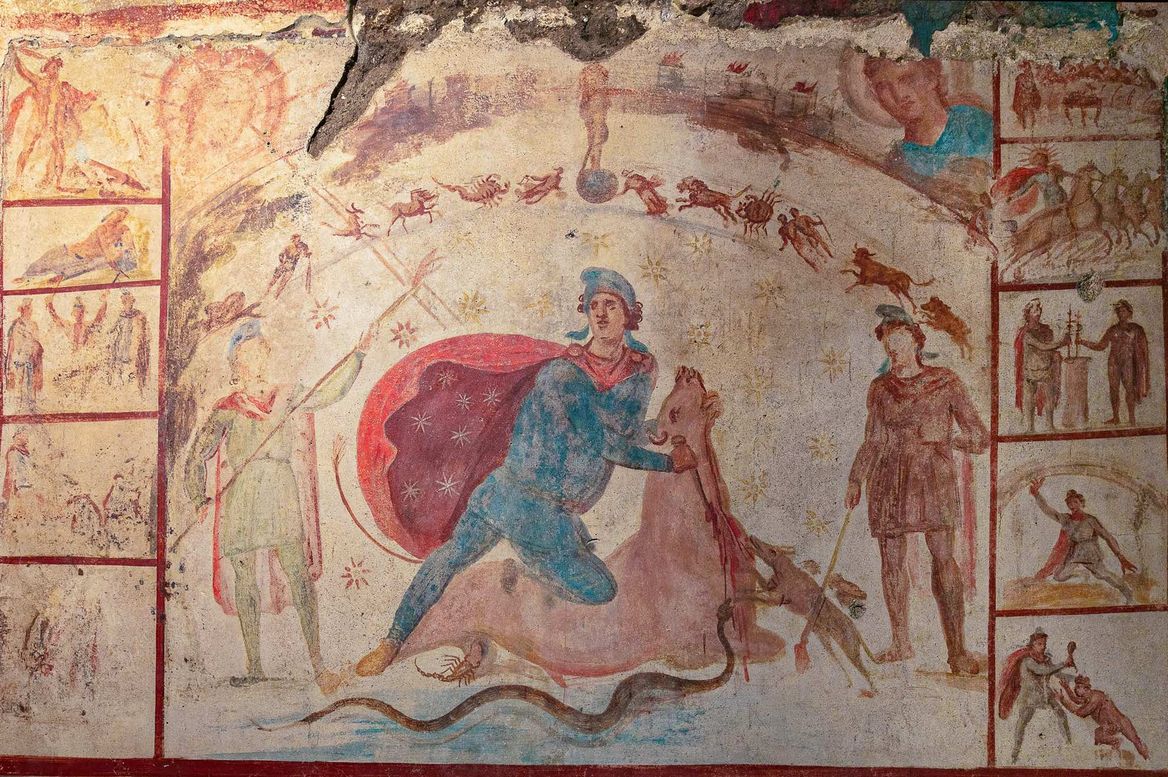
The votive fresco from the Mithraeum Barberini displays several scenes from Mithras’s myth.

Sandstone relief depicting the god Aion, standing with wings, a staff and a key, accompanied by a lion and a serpent-entwined vessel.
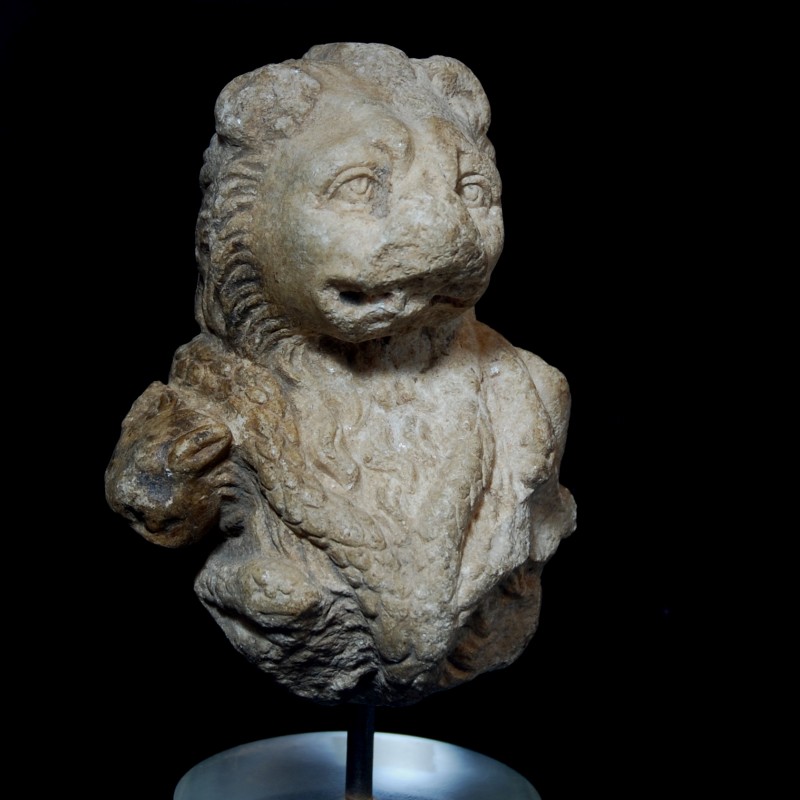
This bust of a lion-headed figure has been was part of a French private collection.

White marble statue of Lion-head god of time, formerly in the Villa Albani, nowadays in the Musei Vaticani.
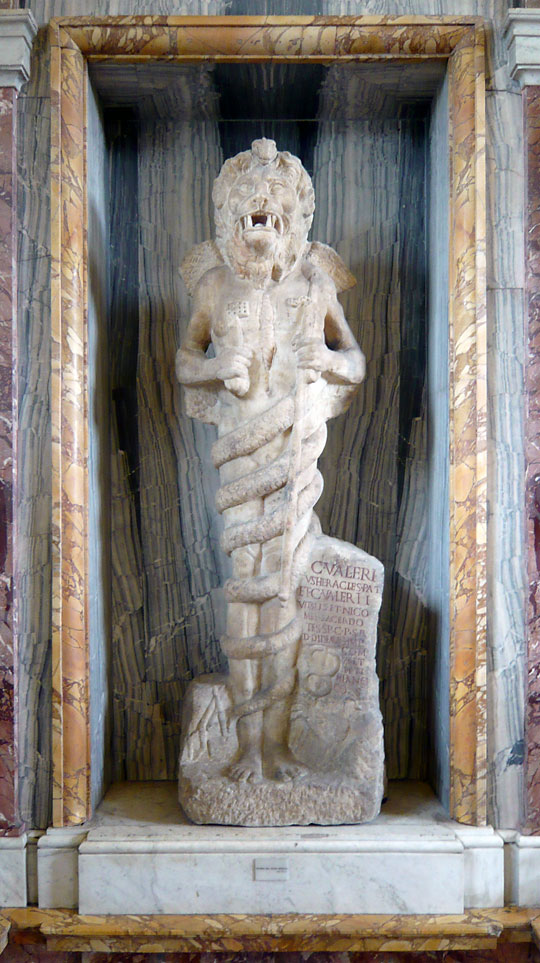
The marble Aion from the lost Mithraeum Fagan, Ostia, now presides the entrance to the Vatican Library.
