Your selection in monuments gave 45 results.

Partial list of Mithraic initiatory grade titles attested in inscriptions from the Mithraeum of Dura-Europos.
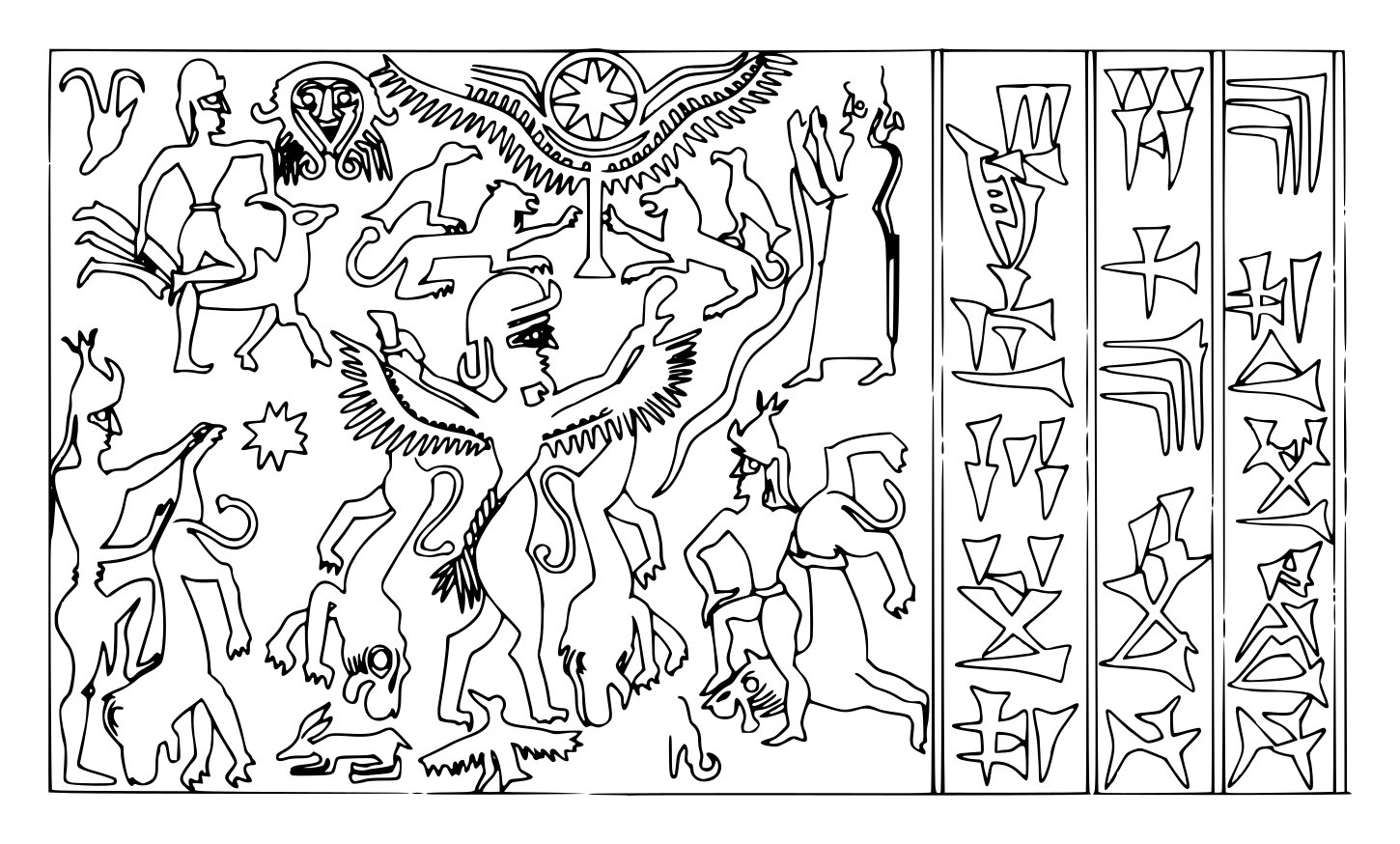
Royal Mitannian seal featuring a winged solar emblem and heroic combat scenes from the cultural milieu in which the earliest attestation of Mitra is found.
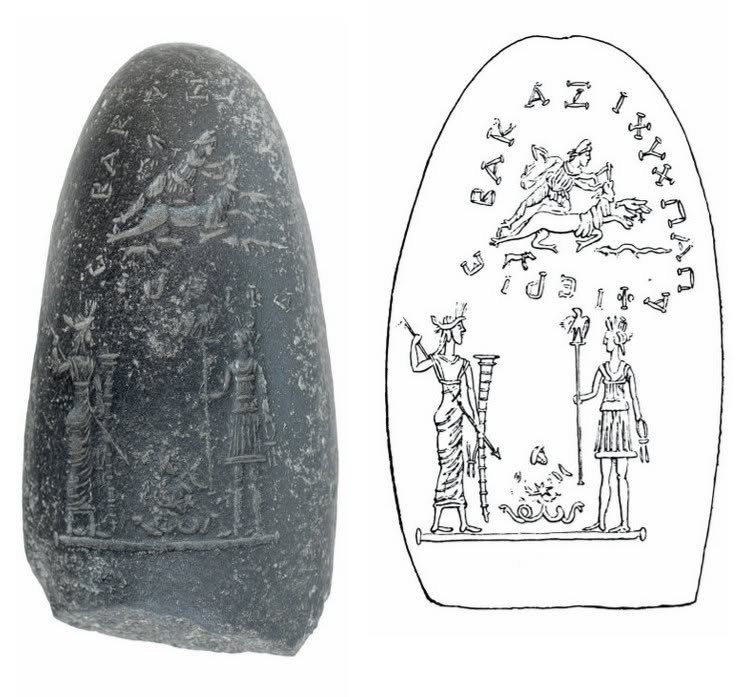
Black polished cone-shaped prehistoric axe from Argolis, now in the Athens National Museum, interpreted by some scholars as having Mithraic votive associations.
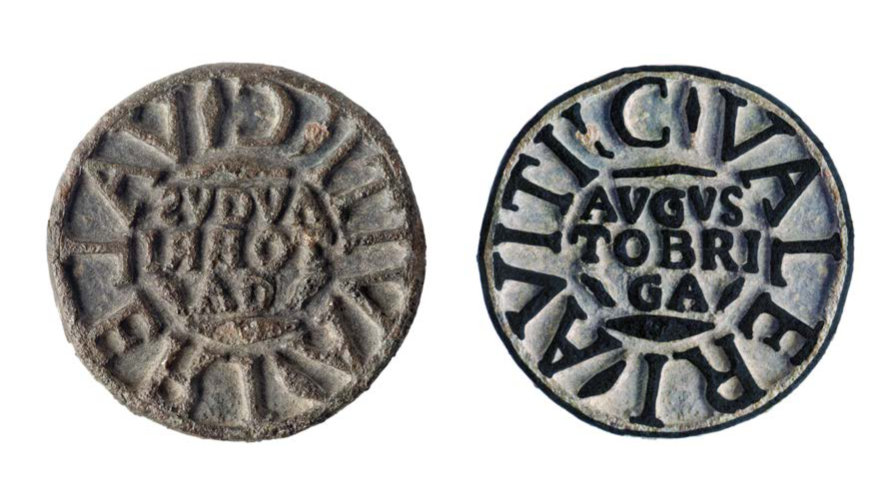
Bronze personal seal of a duovir of Tarraco and owner of the villa of Els Munts.
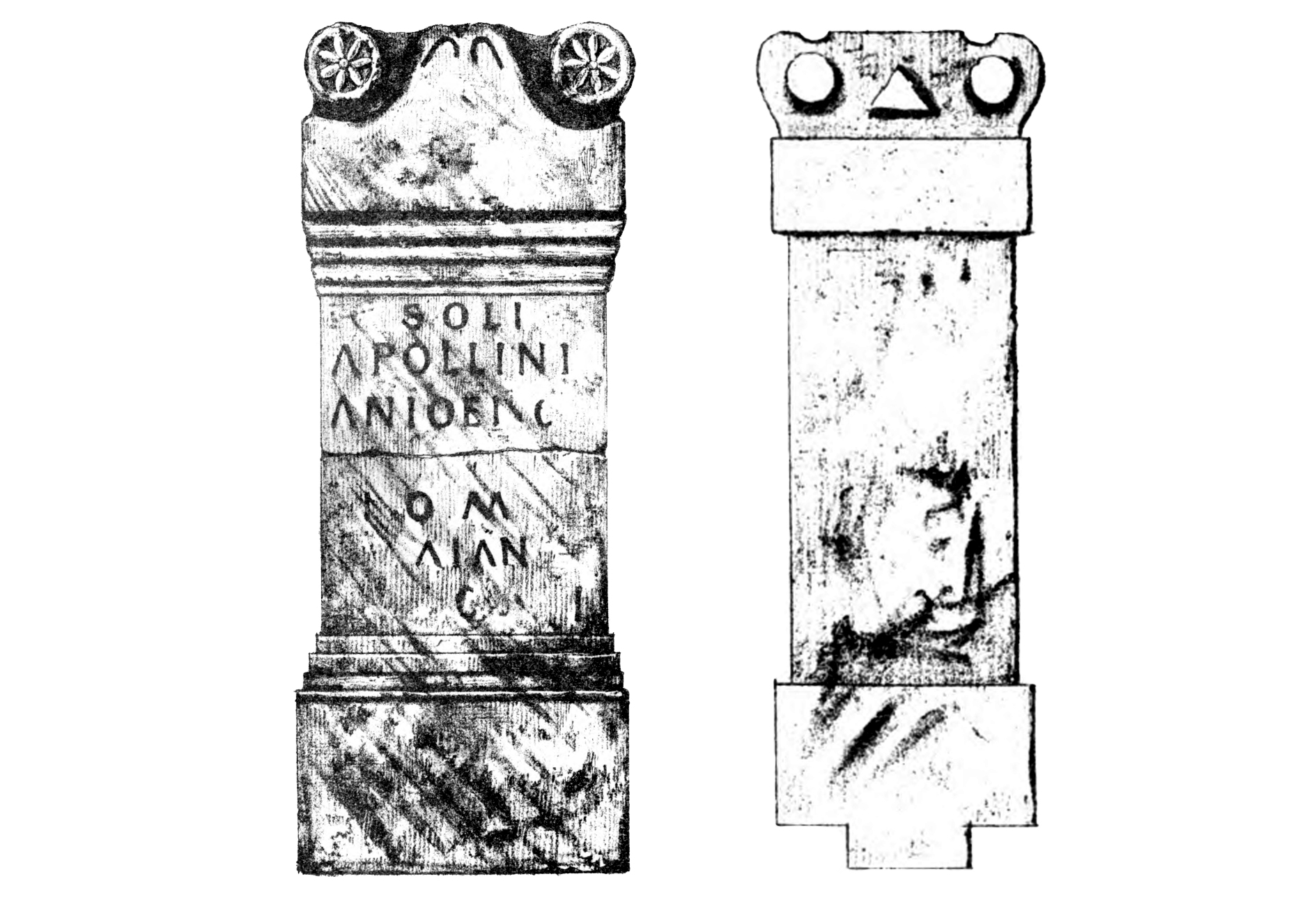
Fragmentary inscription from Vindobala preserving a rare dedication to “Sol Apollo Anicetus” within a Mithraic context on Hadrian’s Wall.
Inscription from Corstopitum (modern Corbridge) recording a dedication to Sol Invictus by a vexillation of Legio VI Victrix under the governorship of Sextus Calpurnius Agricola in AD 163.
Dedication from the Mithraeum of Rudchester recording the restoration of a temple dedicated to Sol Invictus.
A brief inscribed fragment found in the ruins of the Temple of Isis at Aquileia, attesting to the veneration of Sol in proximity to the Isiac sanctuary.
A skeleton of a man aged approximately thirty to forty years, with arms tied behind his back and wrists bound with an iron chain, found lying on a fragment of the main relief at the back of the Mithraeum at Pons Saravi (modern Saarburg) in Belgica…
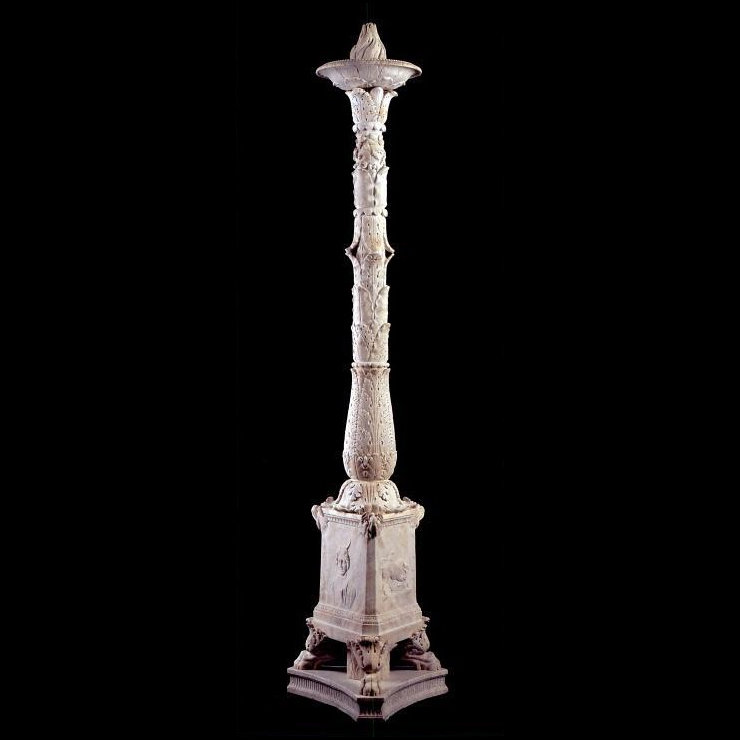
This magnificent candelabrum was found in Rome in 1803, in the Syrian Temple of Janicule.
Mithraic object or evidence from Rome reported as no longer preserved.
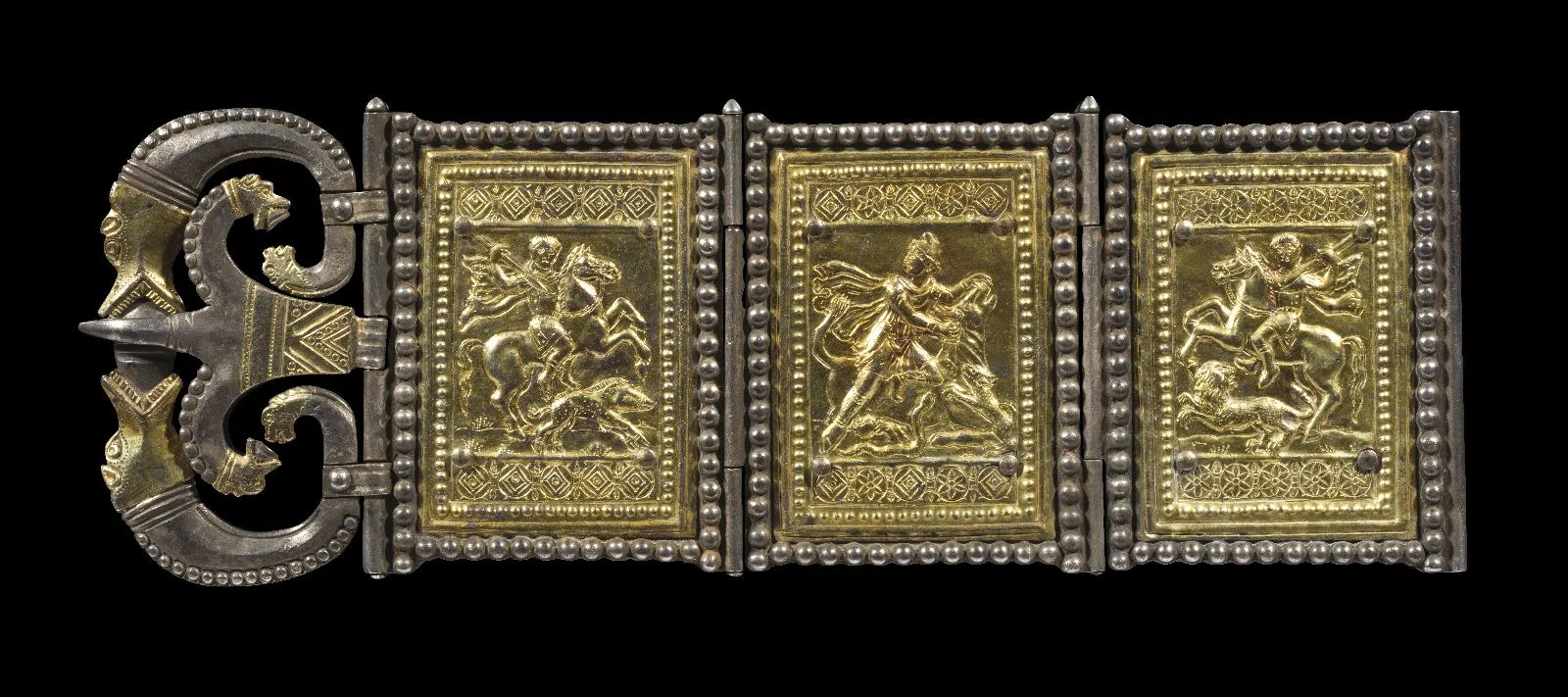
Silver belt fitting with Mithras tauroctony and aristocratic hunting horsemen, fourth century AD.
Late Roman funerary inscription from Antium commemorating the senator, governor of Numidia and Mithraic pater Alfenius Ceionius Iulianus Kamenius.
Gold lamina from Ciciliano showing a nude, serpent-entwined Aion-Kronos holding a key and surrounded by Greek voces magicae (2nd c. CE).
Altar inscription from Sahin invoking the most high heavenly god and Mithras in the Alawite Mountains.
Latin dedication to the invincible Mithras reportedly discovered north of ancient Colophon in Lydia.

Painted Parthian inscription on a ceramic sherd possibly referring to Mithras as a bull-slayer.
Greek ritual graffito scratched on wall plaster in the Mithraeum of Dura-Europos, mentioning the “fiery exhalation” and the “sacred nitre” of the Magi.
Fragmentary Greek graffito from Dura-Europos recording the prices of everyday goods such as wine, meat, wood and lamp wicks.
This fragmentary inscription from Zuccabar, reused in the wall of the Sidi Abd-el-Kader mosque at Affreville, preserves a dedication to Sol Invictus.
