Your selection gave 487 results.

Altar with a fragmentary inscription from Mithraeum II at Stockstadt, preserving only the abbreviated dedication to Deo invicto Mithrae

Fragment of a silvered bronze plate from Mithraeum II at Stockstadt depicting Mithras grasping the bull for the kill
Two sandstone altars without inscriptions from Mithraeum II at Stockstadt, found in front of the cult niche, in red and yellow sandstone respectively
Small sandstone altar from Mithraeum II at Stockstadt depicting a standing naked Jupiter with a lightning bolt and staff
Inscribed altar from Mithraeum II at Stockstadt dedicated jointly to Deo invicto Mithrae and Mercury by Quintus Publius Gemellus
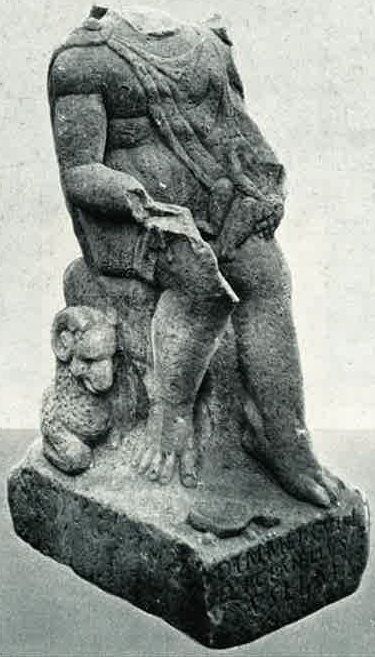
Sandstone statue of Mercury seated on a rock from Mithraeum II at Stockstadt, found near location 5 in the sanctuary
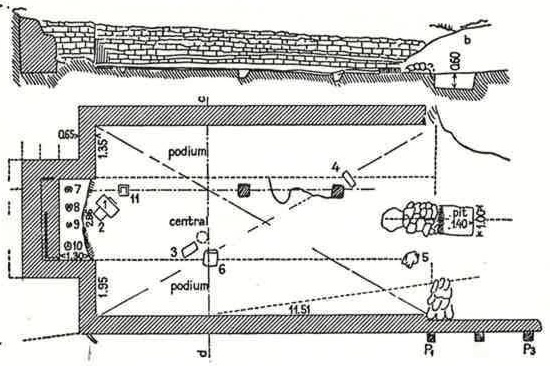
Second Mithraic sanctuary discovered at Stockstadt between 1909 and 1913, situated on a slope near the river Main, with finds at Aschaffenburg
Fragmentary white sandstone altar from Mithraeum I at Stockstadt dedicated to Iupiter Dolichenus and Iuno Regina
Four plain sandstone altars without decoration or inscription from Mithraeum I at Stockstadt
Eleven sandstone balls from Mithraeum I at Stockstadt, of uncertain ritual function
Three fragments of a cone-shaped sandstone mortar with a handled rim, from Mithraeum I at Stockstadt
Red sandstone altar from Mithraeum I at Stockstadt decorated with a jug on the right, a tree with a bird on the left, and partially reused for building
Yellow sandstone altar from Mithraeum I at Stockstadt bearing a bust of Sol in radiate crown holding a whip, with a pierced square hole at the base
Grey sandstone altar from Mithraeum I at Stockstadt decorated with a triangle between two rosettes, the votive inscription now illegible
Yellow sandstone altar from Mithraeum I at Stockstadt dedicated to Iovi optimo maximo et Iunoni reginae, with inscription largely obliterated
Grey sandstone altar from Mithraeum I at Stockstadt decorated with a cornucopia on the left side and an eagle on a thunderbolt on the right
Two fragments of a large reddish sandstone basin from Mithraeum I at Stockstadt, its exterior decorated with the Zodiac including Gemini and Sagittarius
Collection of sculptural fragments from Mithraeum I at Stockstadt including a genius, a cornucopia, a goddess with a he-goat, and a youth's head
Small red sandstone fragment from Mithraeum I at Stockstadt depicting the ritual hand-clasp, iunctio dextrarum
Two grey sandstone fragments of a large raven from Mithraeum I at Stockstadt, considerably bigger than the smaller raven statuette
