Your selection gave 98 results.

Inscription from the area of the castellum at Sisak, ancient Siscia, recording that Iucundus, imperial dispensator of Pannonia Superior, built a portico and an aparatorium for Deo invicto Mithrae ex voto.

Dalj is a village on the Danube in eastern Croatia, near the confluence of the Drava and Danube, on the border with Serbia.
The roman castrum was built in the 2nd century BC. During the reign of Emperor Augustus in the 1st century BC, it officially became a city and was part of the Roman colony of Colonia Iulia Parentium.
Solin is a town in Dalmatia, Croatia, developed on the location of ancient city of Salona, which was the capital of the Roman province of Dalmatia and the birthplace of Emperor Diocletian.
Sisak is a city in central Croatia, spanning the confluence of the Kupa, Sava and Odra rivers, 57 km southeast of the Croatian capital Zagreb, and is usually considered to be where the Posavina begins, with an elevation of 99 m.
Senj is a town on the upper Adriatic coast in Croatia, in the foothills of the Mala Kapela and Velebit mountains. The symbol of the town is the Nehaj Fortress which was completed in 1558. Senj is to be found in the Lika-Senj County of Croatia, the
Salona was an ancient city and the capital of the Roman province of Dalmatia. It was founded in the 3rd century BC and was mostly destroyed in the invasions of the Avars and Slavs in the 7th century AD.

A Mithraic initiate attested in Pannonia Superior during the late 2nd or early 3rd century CE.
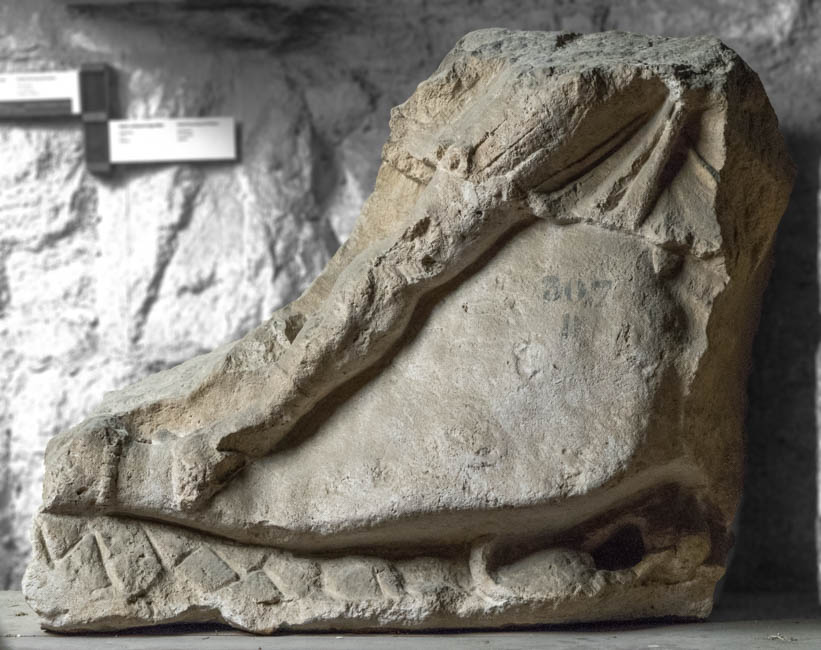
This large limestone fragment from Roman Salona preserves the hind part of the bull together with Mithras’ foot and traces of his red tunic.
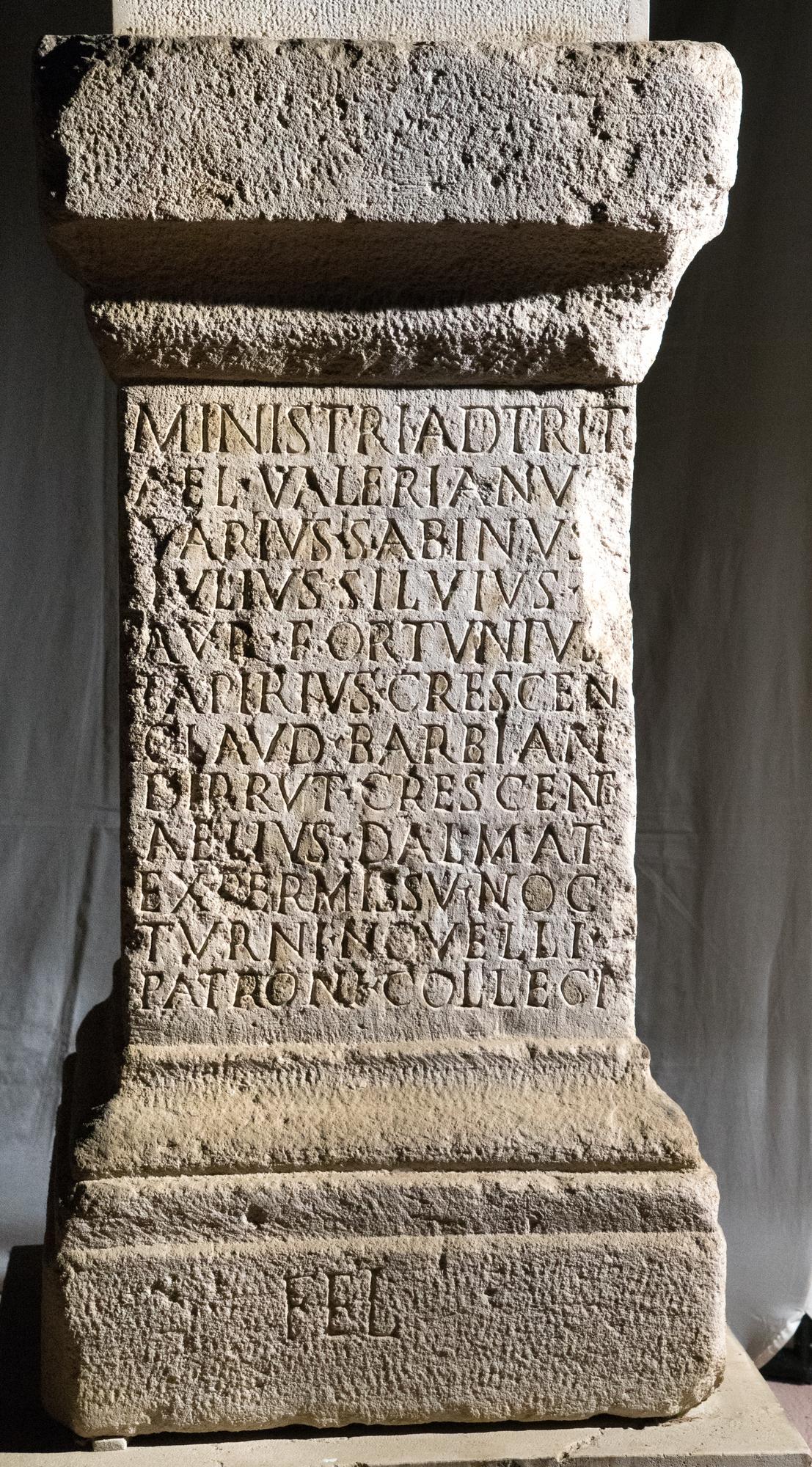
This inscribed limestone altar from Roman Salona preserves several lists of ministers associated with the Tritones collegium during the Tetrarchic period.

This marble relief, found in Sisak, Croatia, shows Mithras killing the bull in a circle of corn ears, gods and some scenes from the Mithras myth.

Veteran and ex duplicarius of ala I civum Romanorum who dedicated an altar to Mithras in Teutoburgium.

Roman citizen who dedicated an altar to the invincible Mithras in Teutoburgium.



Imperial slave who donated an altar to Mithras for the benefit of the emperor Caracalla.

A comrade of Charitinus, he was a freedman who consecrated an altar to Mithras for the emperors Philip the Arab and Otacilia Severa.
