Your selection gave 353 results.


Syntrofus, whose Greek cognomen means companion, is part of a modest Mithraic community in Apulum.
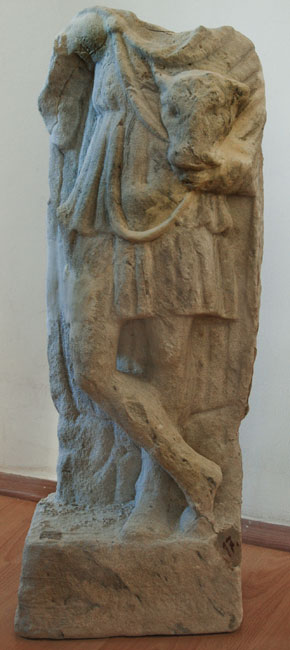
This sculpture of Cautes holding a bull’s head was found in 1882 in Sarmizegetusa, Romania.

This relief of Mithras killing the bull includes various singular features specific to the Danubian area.

This remarkable marble statue of Mithras killing the bull from Apulum includes a unique dedication by its donor, featuring the rare term signum, seldom found in Mithraic contexts.

This gemstone depicting Mithras killing the bull, preserved in the Ploiești Museum, originated from Prahova County or south of the Danube area.

The large number of monuments found at the Mithraeum of Sarmizegetusa and the sheer size of the temple are unusual.

This limestone altar to Sol Invictus Mithra was found at Turda in 1905.
This is the second altar found in Ceanu Mic to date, dedicated to an Invictus being.
One of the three known inscriptions of Dioscorus, servant of Marci, found in Alba Iulia, Romania.
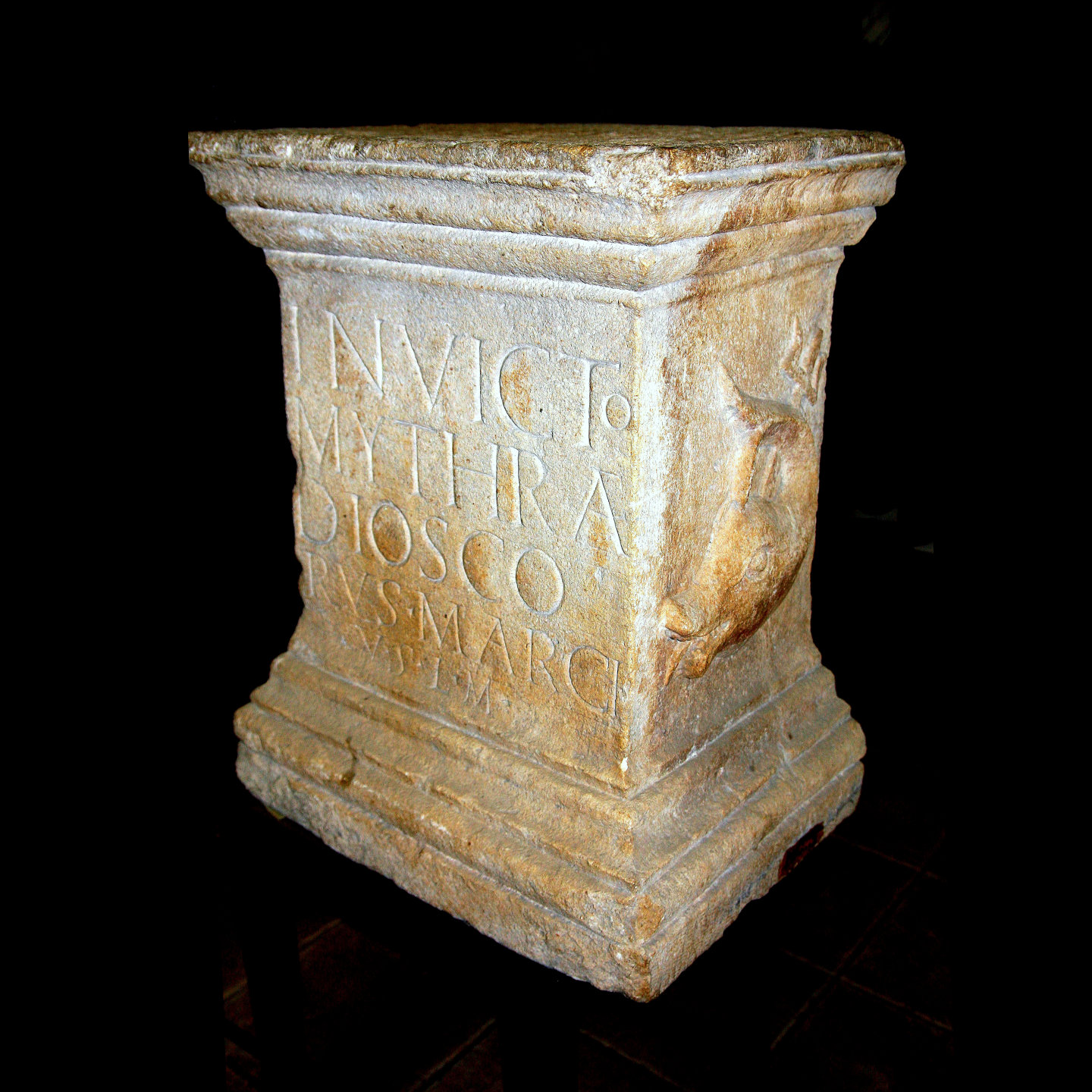
In 1852, Károly Pap, a naval captain, unearthed several Mithraic monuments in his garden at Marospartos, including this altar.

Coin of Istrus, Moesia Inferior, showing Caracalla on one side and a god on horseback (Mithras ?) on the other.
This monument bears an inscription to Mithras by a well-known general of the Roman Empire.
There are no further details about this Mithraic statue from Transylvania, the historical region of central Romania.
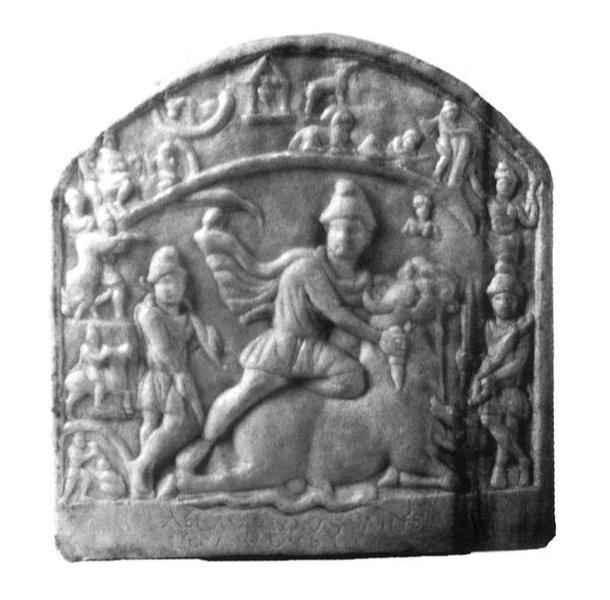
This small relief of Mithras killing the bull was found in 1859 in Turda, in the Cluj region of Romania.
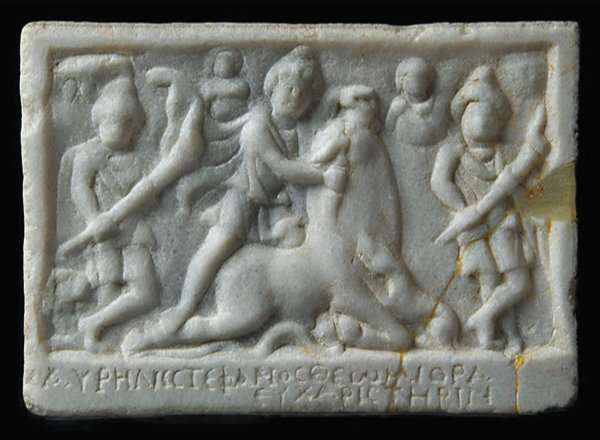
This relief of Mithras killing the bull is unique in the Apulum Mithraic repertoire because of its inscription in Greek.
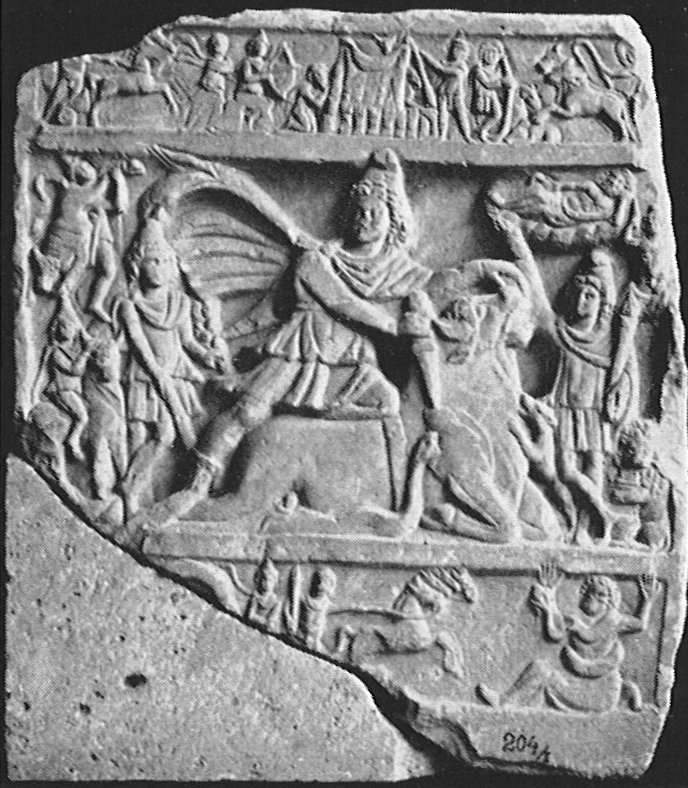
This relief of Mithras killing the bull from Apulum, now Alba Iulia, Romania, contains several scenes from the Mithras legend.
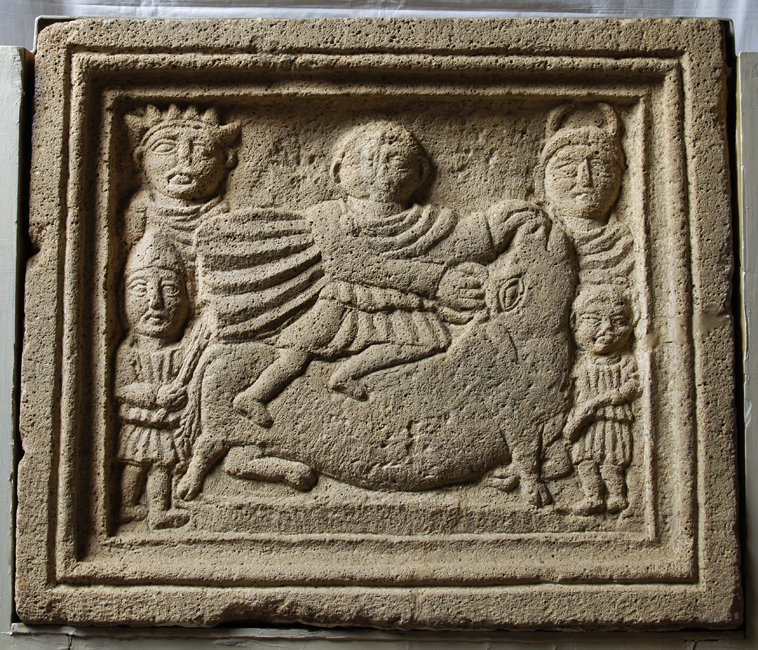
Several elements, such as the snake, scorpion or dog, are missing from this tauroctony relief of Cluj.
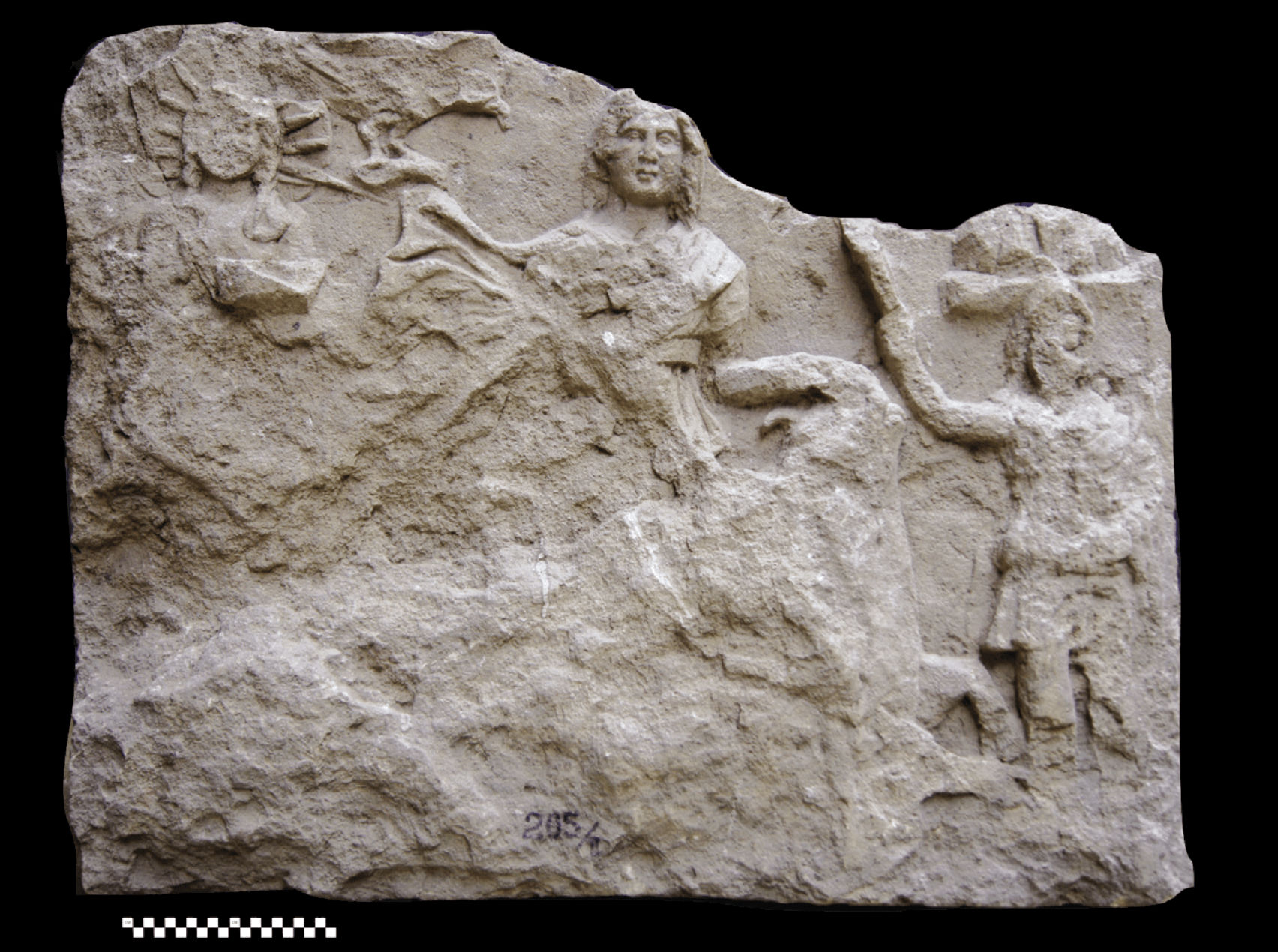
The relief of Mithra slaying the bull from Apulum, Romania, has been missing until the scholar Csaba Szabó identified it in the diposit of the Arad Museum.
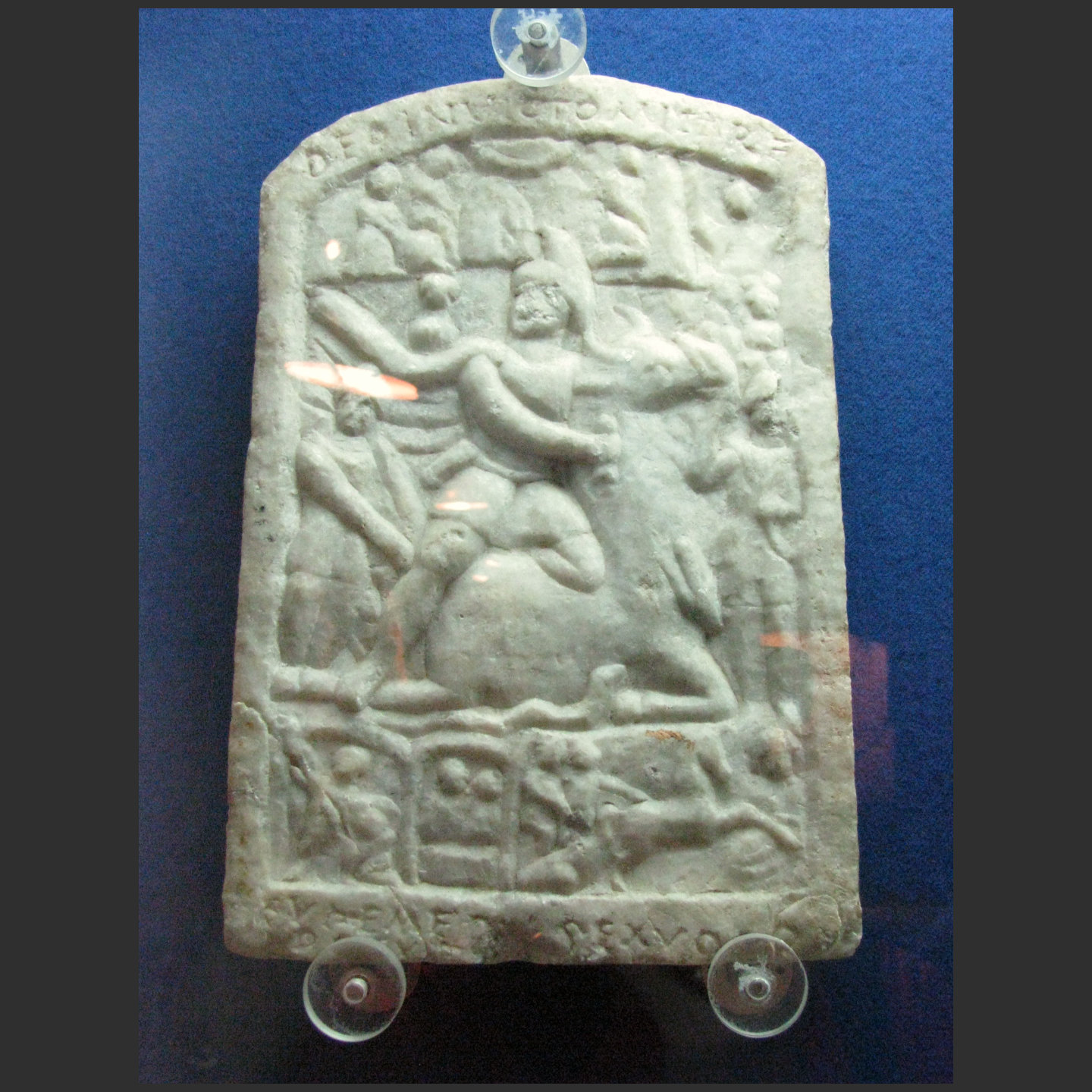
Several authors read the name Suaemedus instead of Euhemerus as the author of this mithraic relief from Alba Iulia, Romania.
