Your search Ša‘āra gave 2455 results.
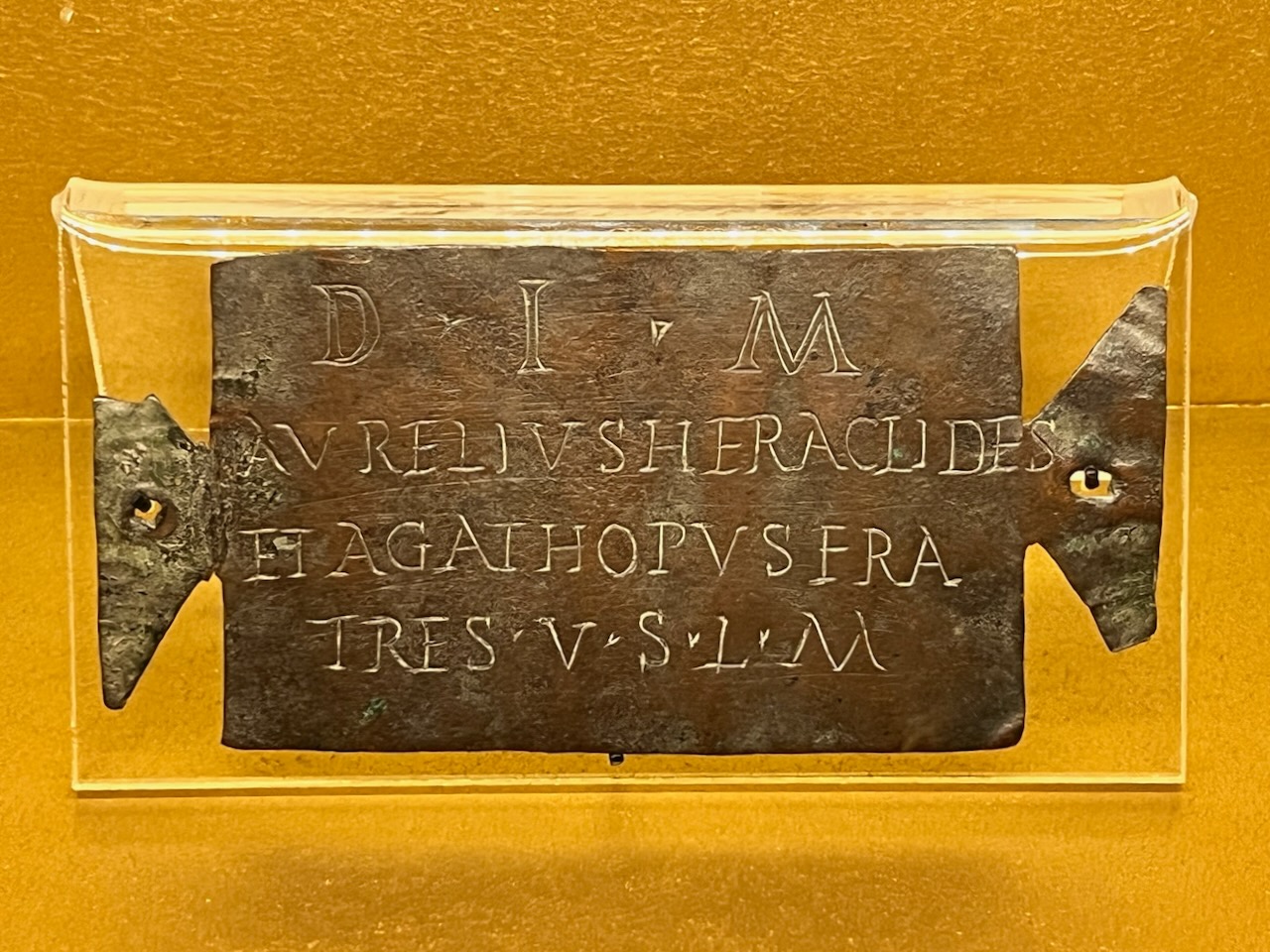
This small bronze tabula ansata was dedicated to Mithras by two brothers, probably not related by blood.
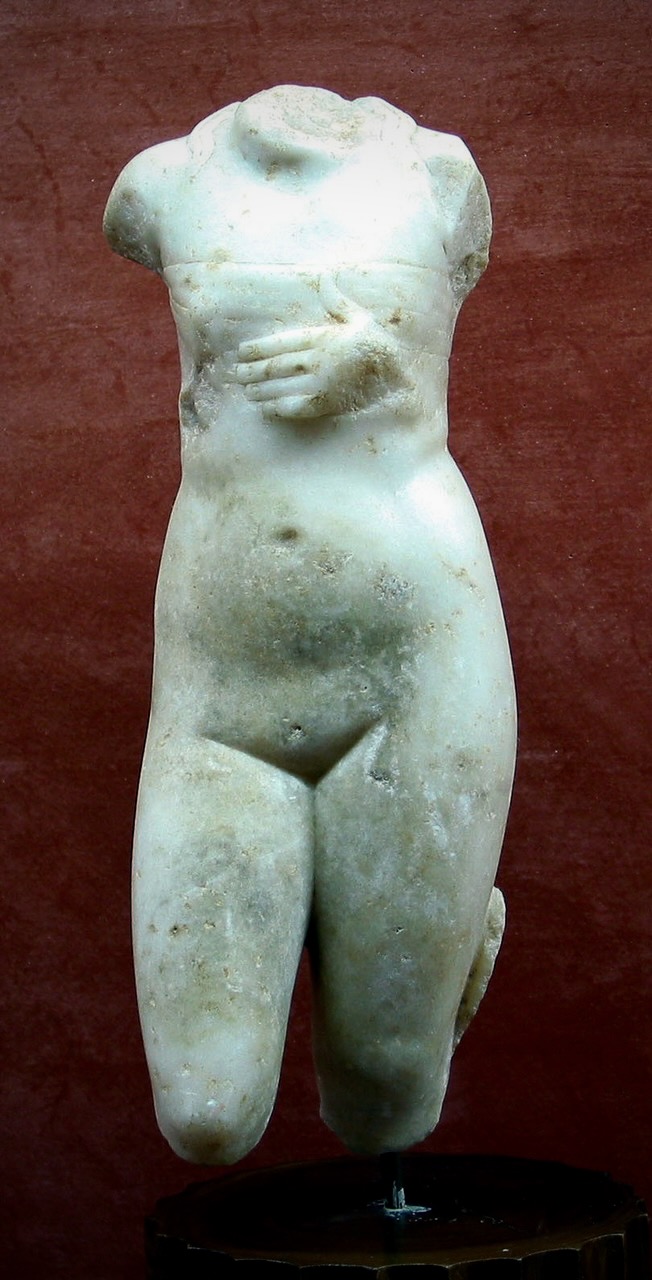
The lack of attributes and its decontextualisation prevent us from attributing a specific Mithraic attribution to this small Venus pudica from Mérida.
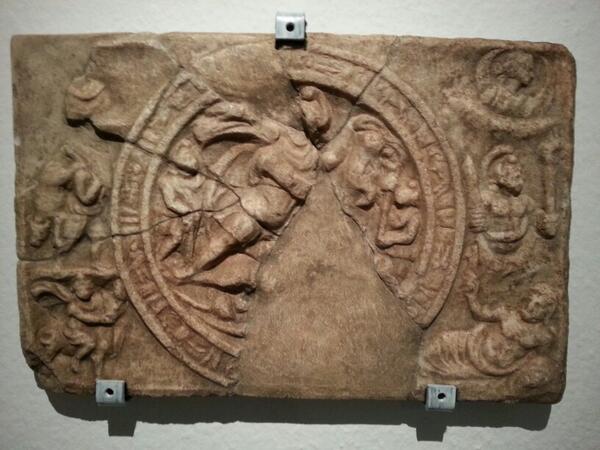
The relief of Mithras slaying the bull of Sisak includes the zodiac and multiple scenes from the myth of Mithras.

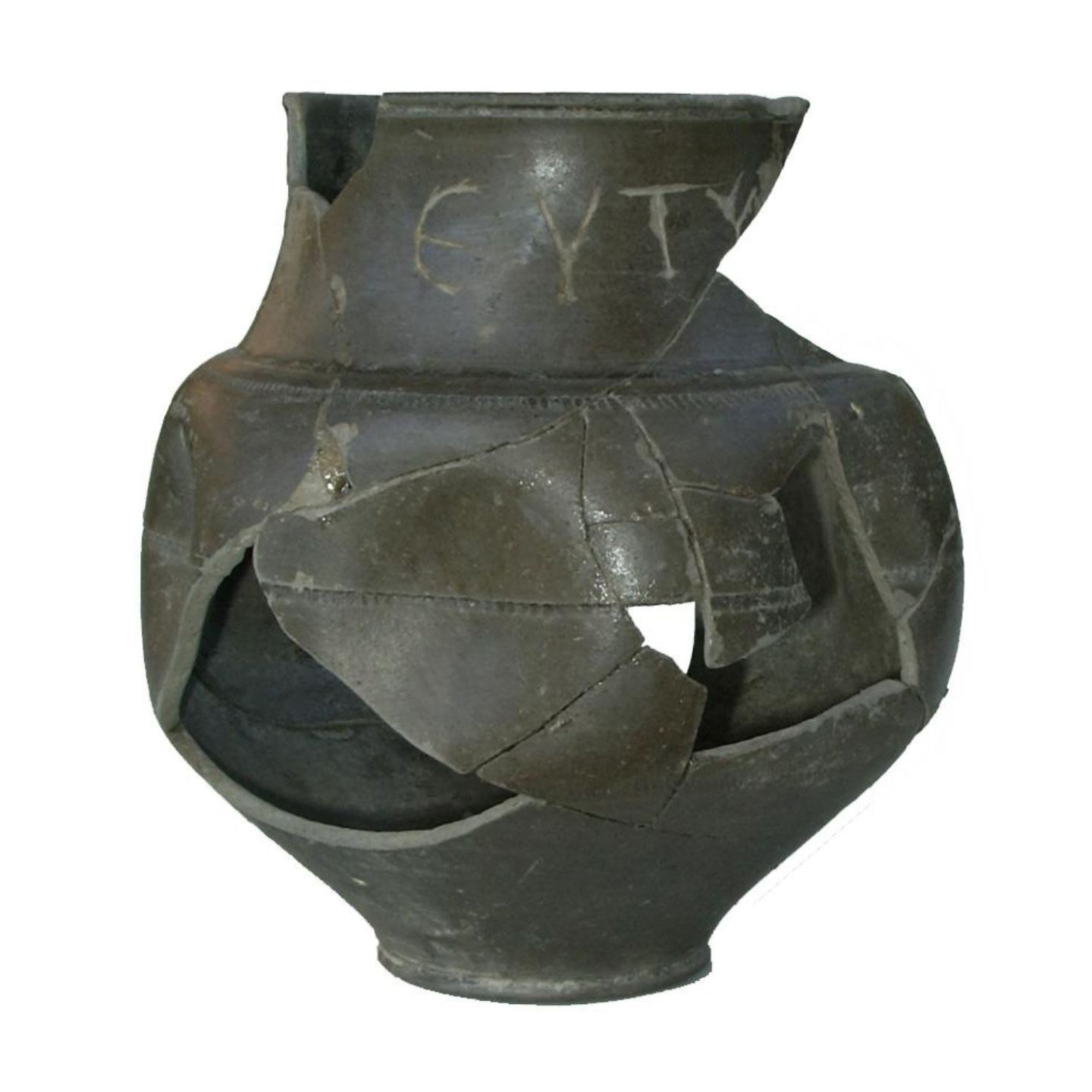
Ceramic cup inscribed with a Greek graffito and recovered from the Mithraeum of Martigny, providing evidence for the use of inscribed vessels within the sanctuary assemblage.
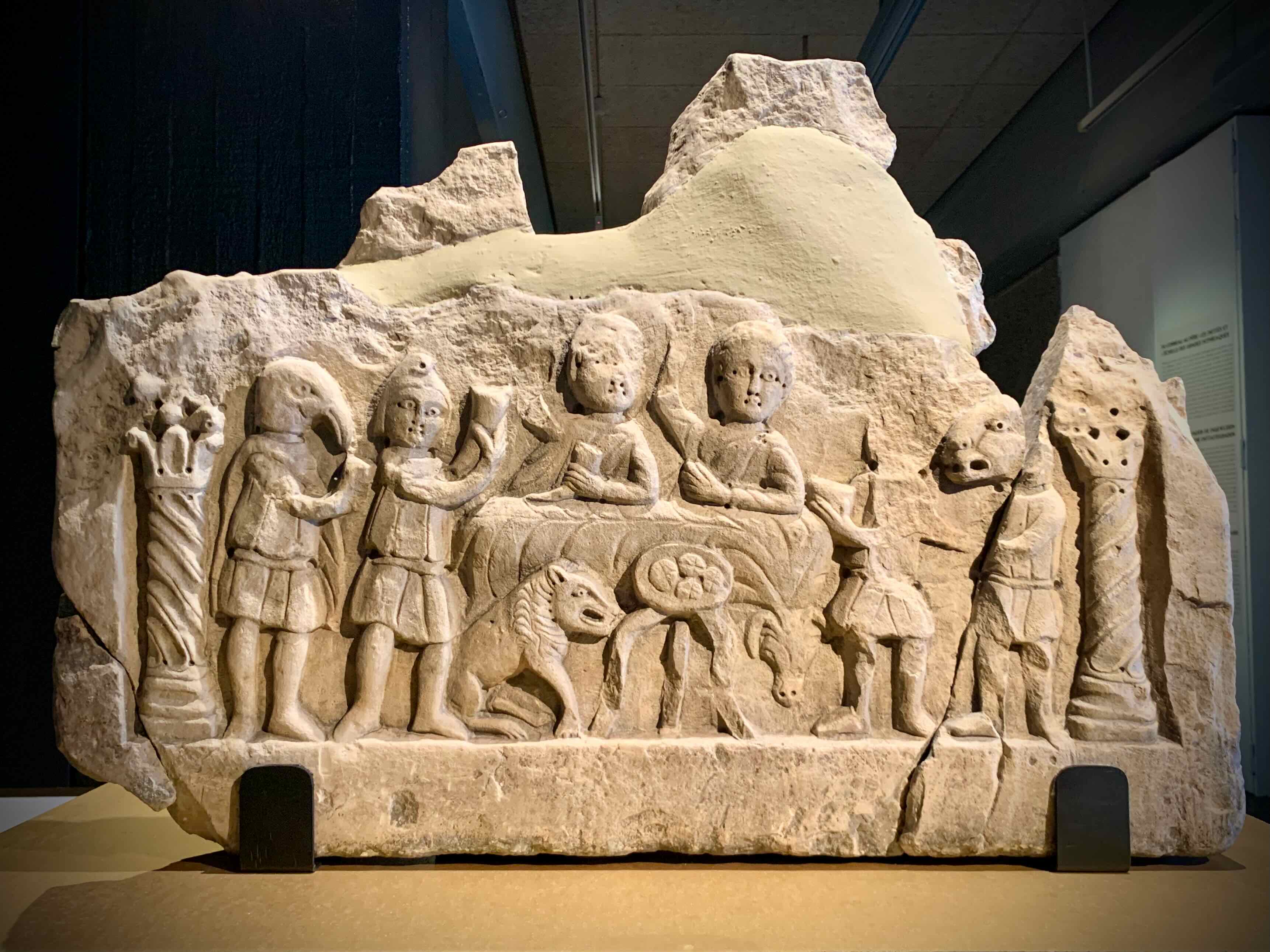
The mithraic relief of Konjic shows a Tauroctony in one side and a ritual meal in the other.
Two lamps — one bearing the stamp Fortis — and a bronze coin of Hadrian from the Mithraeum at Sárkeszi, Pannonia Inferior.

Circular white marble relief in five fragments from the Mithraeum at Sárkeszi, Pannonia Inferior, depicting an open-work tauroctony enclosed in a laurel wreath; only part of the bull's body, the god's foot, and the scorpion are preserved.
Limestone altar fragment from the Mithraeum at Sárkeszi, Pannonia Inferior, recording the restoration of a templum that had collapsed through age.
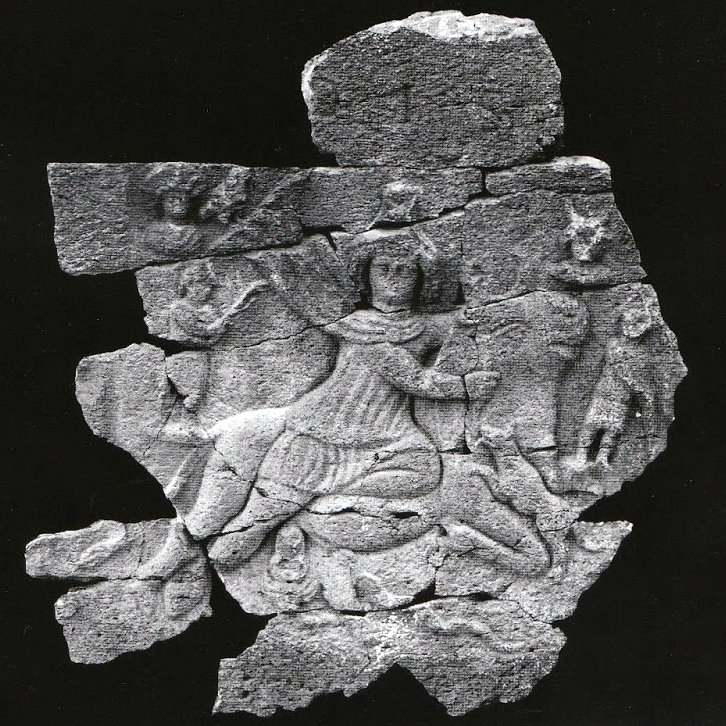
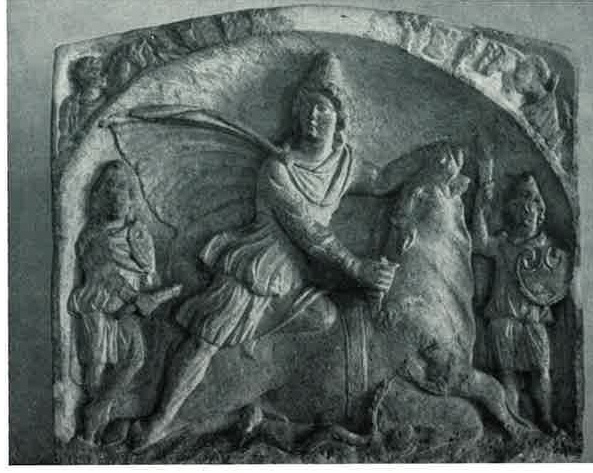
The second tauroctony of Jabal al-Druze seems to have be made by the same sculptor.
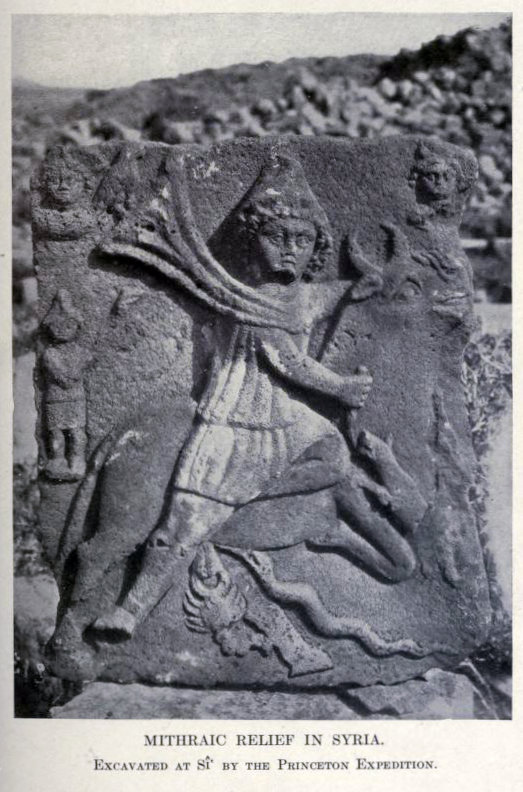
In the tauroctony of Jabal al-Druze in Syria, the snake appears to be licking the head of the bull's penis.
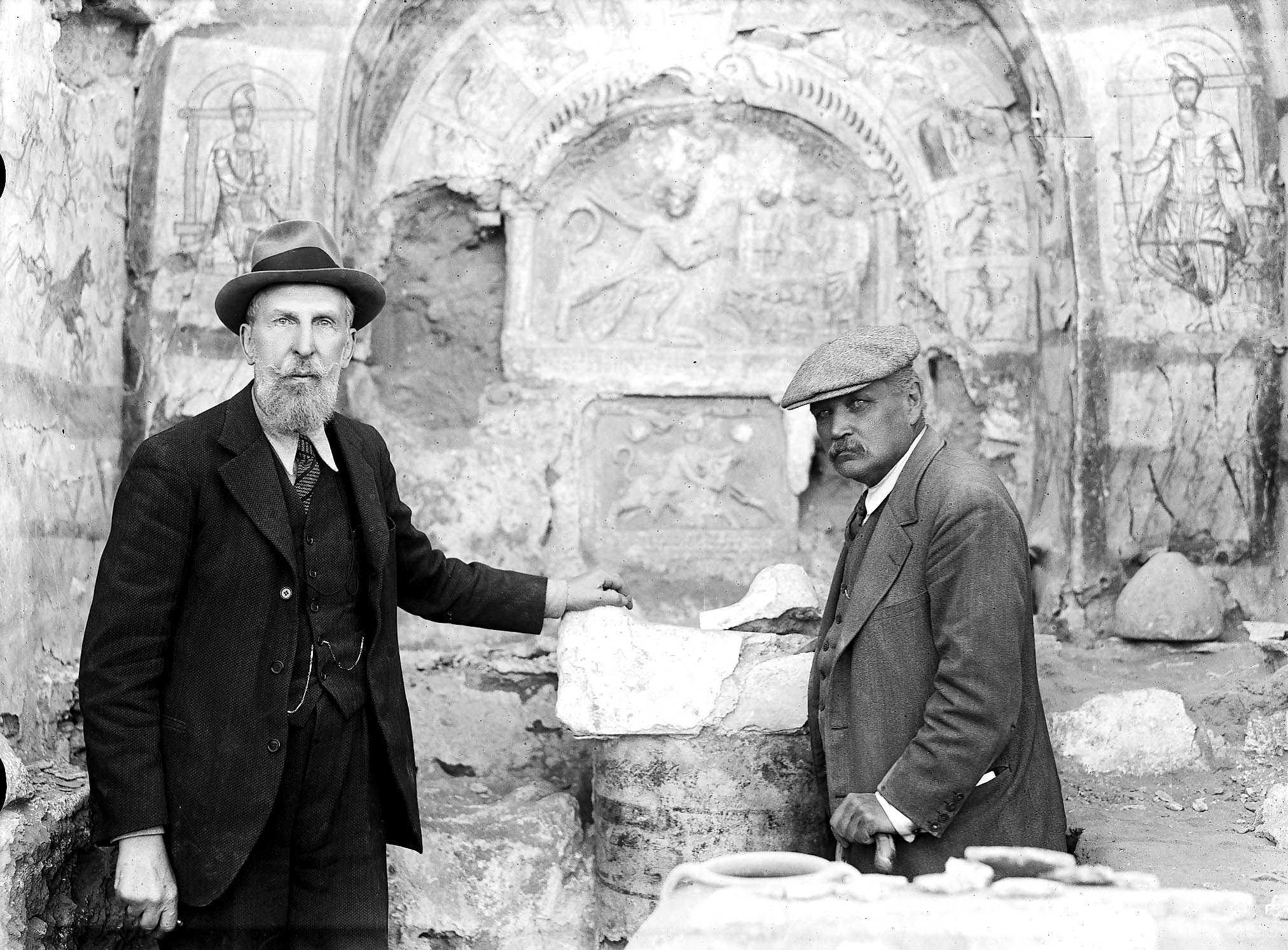
The most emblematic of the Syrian Mithraea was discovered in 1933 by a team led by the Russian historian Mikhaïl Rostovtzeff.
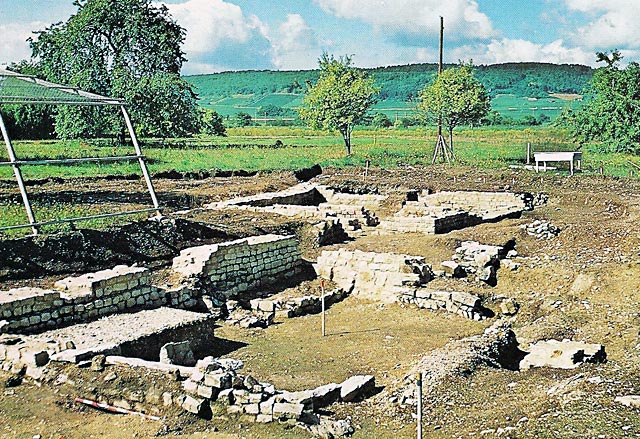
The Mithraeum des Bolards was integrated into a therapeutic cultural complex related to healing waters.
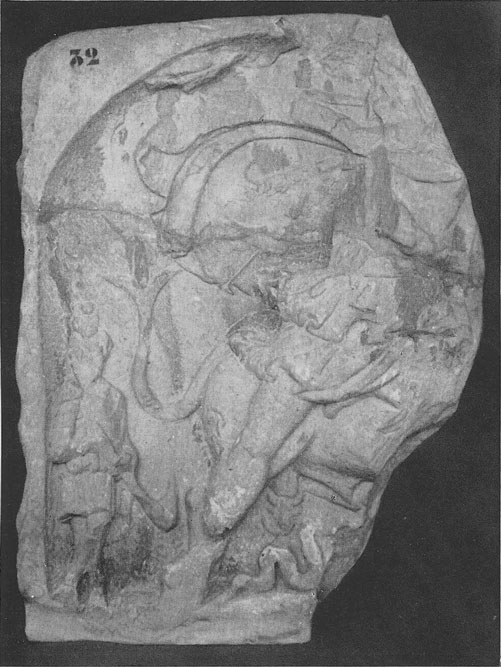
This fragmentary tauroctony relief from Timziouin near Saïda depicts Mithras slaying the bull within a cave-like frame, accompanied by the raven, serpent, scorpion, and Cautopates.
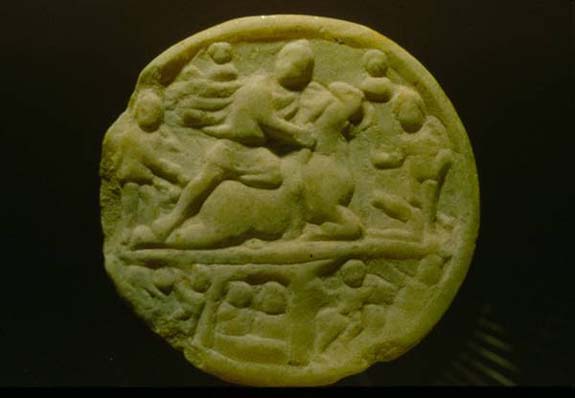
The small medallion depicts three scenes from the life of Mithras, including the Tauroctony. It may come from the Danube area.
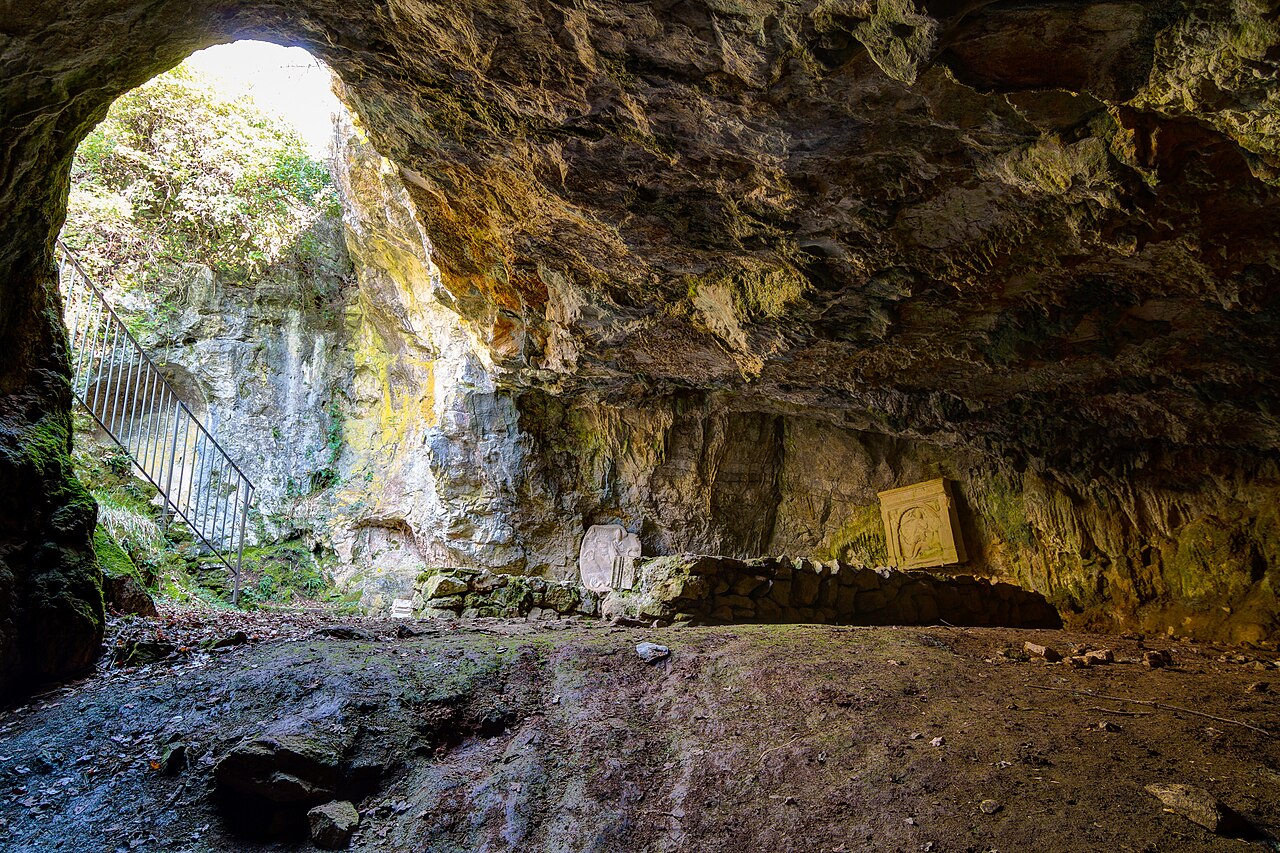
The site was destroyed in the 5th century but some elements, including the benches, can still been seen.
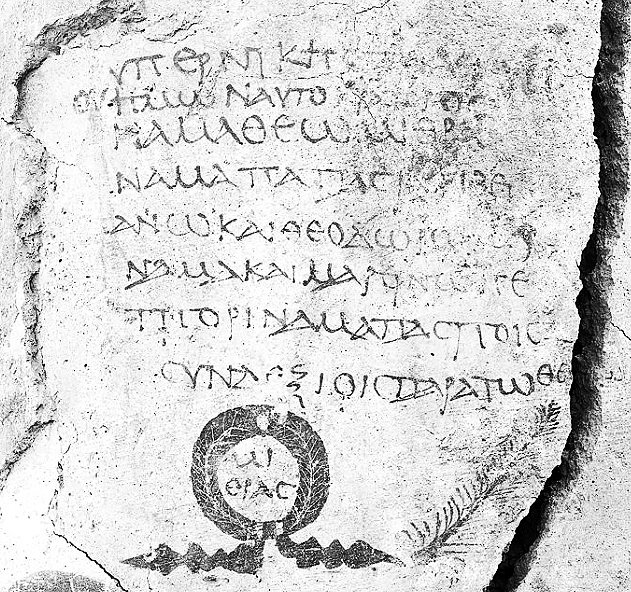
The inscription pays homage to the emperor, probably Caracalla, to Mithras, the fathers, the petitor and the syndexioi.

This altar to Invictus Mythra (sic) was found in 1867 in ancient Maros Portum, now Sighișoara, Romania.
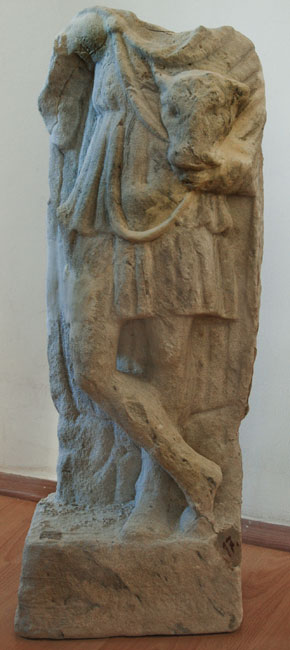
This sculpture of Cautes holding a bull’s head was found in 1882 in Sarmizegetusa, Romania.
The dedicator of this monument is also known for having made a tauroctonic relief in Nesce.
