Your search Al-Bahnasa gave 3013 results.

Rhaetia occupied a strategic frontier position between the Alps, the upper Danube and northern Italy where Mithraic cults circulated through military networks.
In Aquitania, Mithraic evidence reflects the western expansion of the cult beyond the principal Rhine and Rhône corridors.
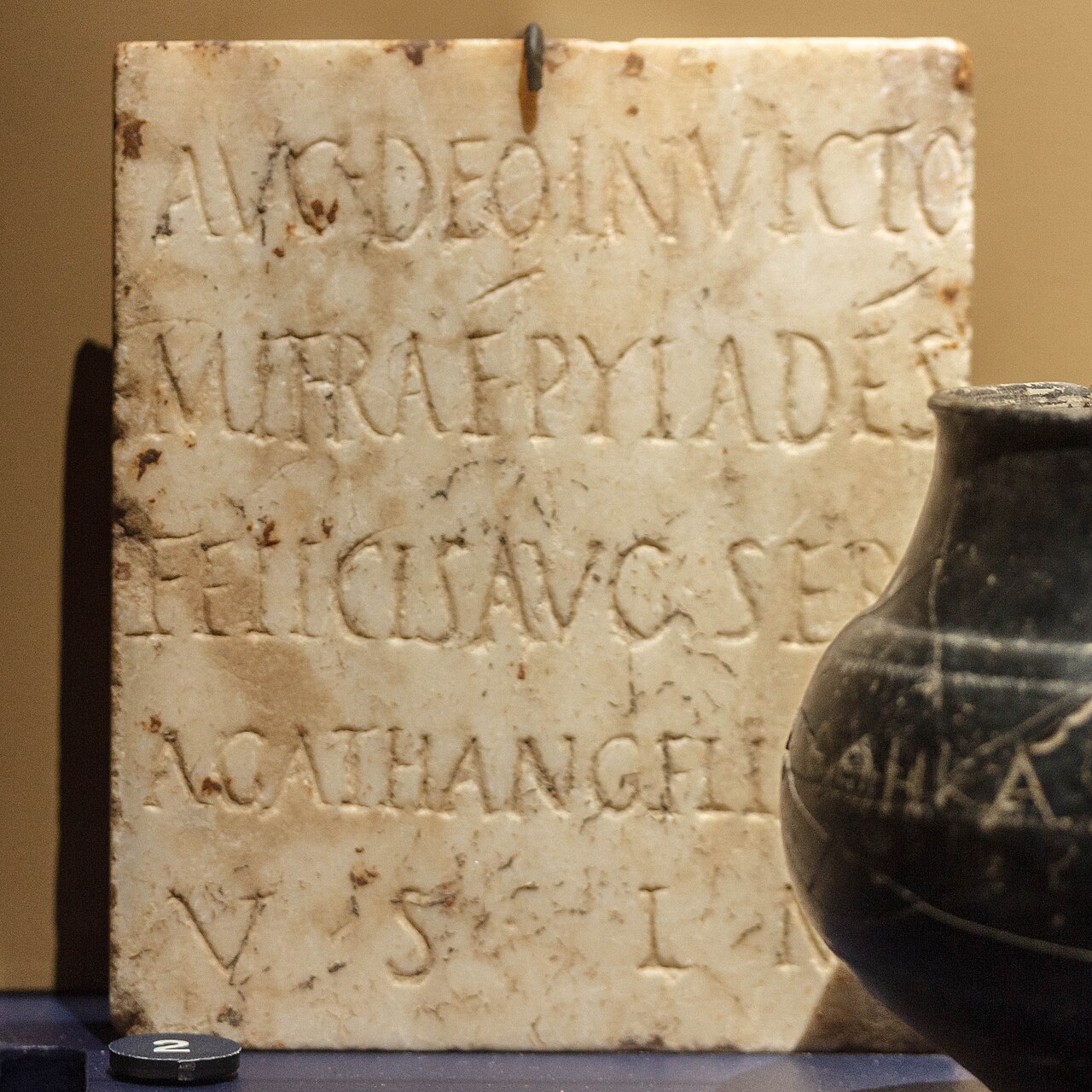
This marble plaque from Iuliomagus, Roman Angers, bears a rare dedication to Mithras by Pylades, a slave of an imperial slave connected to the Roman administration in Gaul.
Thracia reflects the circulation of Mithraic cults through the military, urban and maritime networks linking the Balkans, the Danube and the northern Aegean world.
Cilicia preserves Mithraic evidence linked to coastal mobility, eastern Mediterranean trade and Anatolian crossroads.
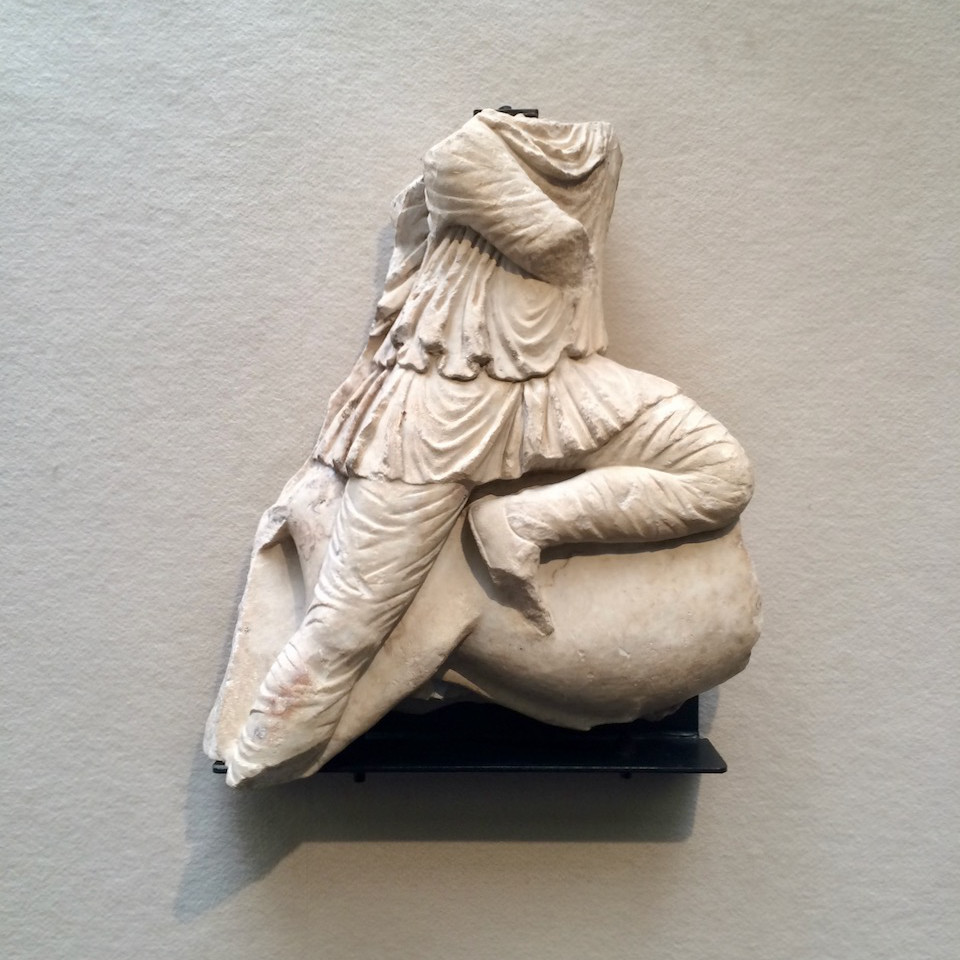
The Mithra Tauroctonos from Syracuse, Sicily, is currently on display in the city's archaeological museum.
Raetia preserves Mithraic evidence connected to Alpine frontier systems and military mobility.

This small Greek dedication from the island of Aenaria invokes Helios Mithras under the epithet “unconquered”.
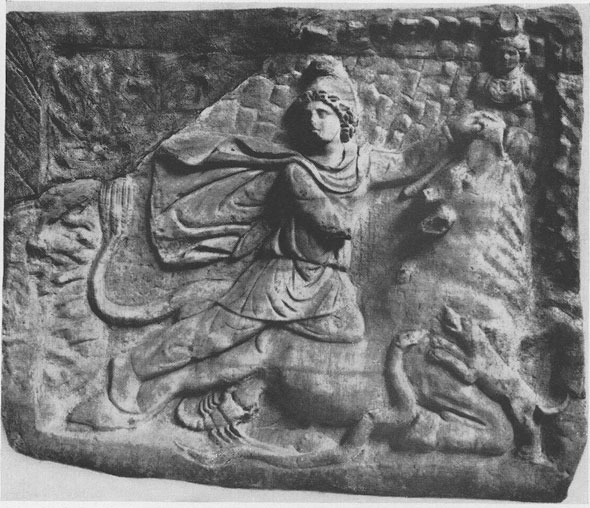
This marble tauroctony relief, probably originating from Naples, depicts Mithras slaying the bull within a cave-like setting, accompanied by the usual animals and celestial busts.
This small inscription from Termini Himeraeae in Sicily was dedicated to Sol Invictus as protector of the emperor Antoninus Augustus.
Persia occupies a central place in the intellectual and historical background of Mithraic studies.
Macedonia preserves Mithraic evidence shaped by major Balkan routes and long-standing urban traditions.
Moesia preserves a strongly militarised body of Mithraic evidence along the Danubian frontier of the empire.
Noricum preserves Mithraic evidence shaped by Alpine routes, military circulation and Danubian connections.
Corsica and Sardinia preserve a small island corpus within the western Mediterranean diffusion of Mithraism.
Roman Aegyptus preserves a distinctive body of Mithraic evidence shaped by Alexandria and the religious diversity of the eastern Mediterranean.
Achaea preserves some of the earliest and most culturally complex evidence for Mithraic activity in the Greek-speaking eastern Mediterranean.
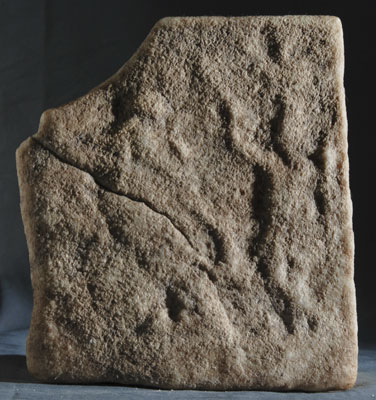
This small weathered marble fragment preserves part of a tauroctony with Cautes, Luna, the serpent, and a leaping dog.
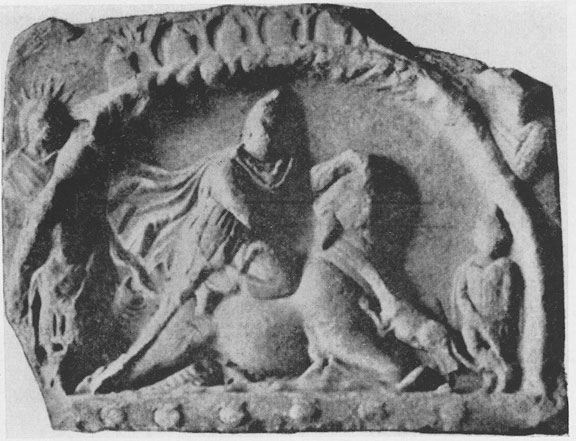
This finely carved marble tauroctony from Interamna features an unusual series of altars and ritual vases surrounding the scene.
This fragmentary tauroctony from Roman Gaul preserves a striking raven behind Mithras’ cloak and the bust of Sol in the upper corner.
