Your search Al-Bahnasa gave 3013 results.

Standing stone statuette of Cautopates, the downward-torch bearer, found at Bordeaux and kept in the city’s museum of antiquities (musée d’Aquitaine ?).
A number of metal objects and weapons have been found in the Mithraeum of Les Bolards, close to Nuits-Saint-Georges in France.

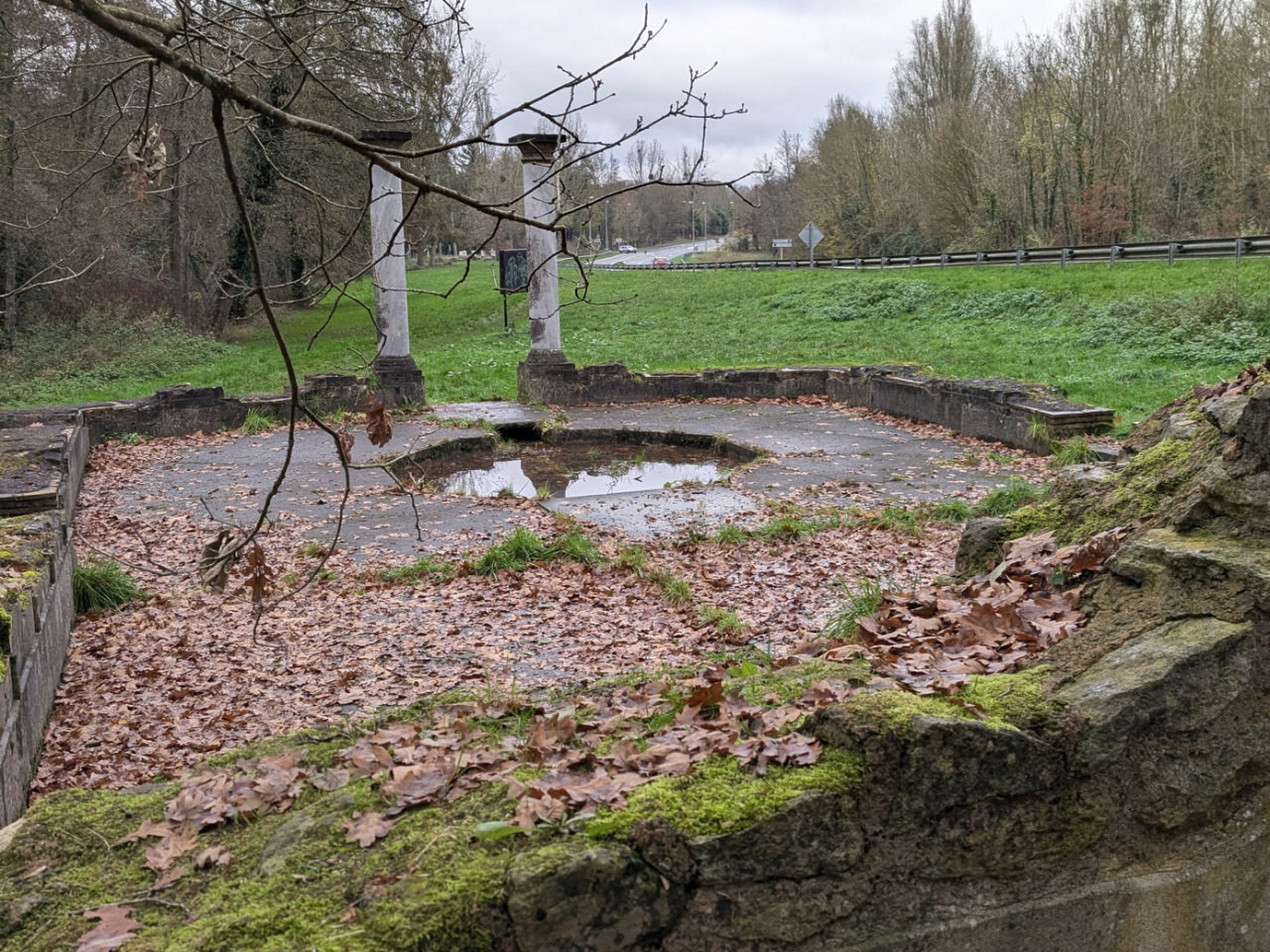
In the second half of the 4th century, a Mithraic temple was established within an earlier spring sanctuary at Septeuil, where the cult of the nymphs and Mithraic practices appear to have coexisted.
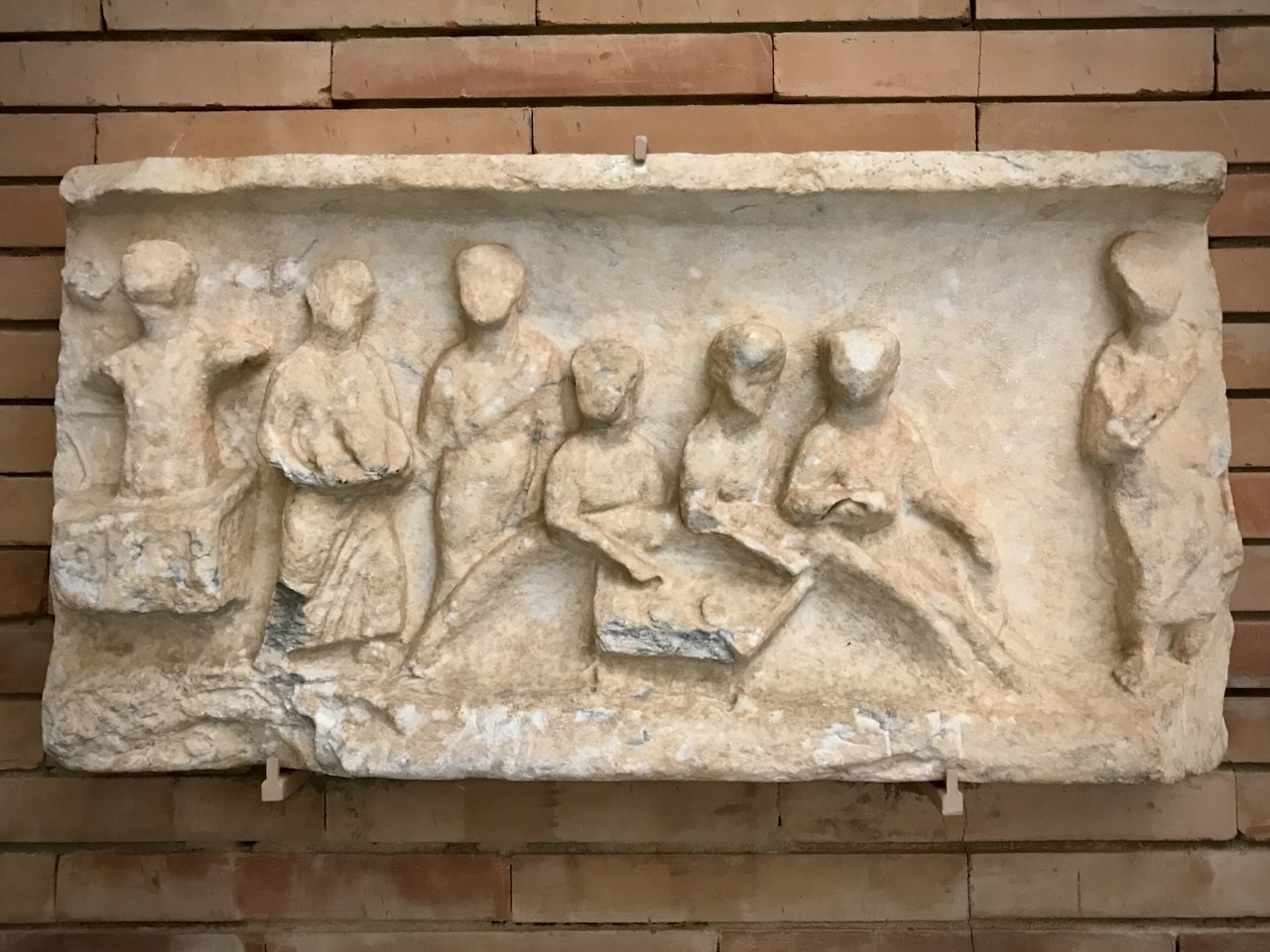
This scene of a feast from Mérida shows three persons at a table with other people standing beside them, one holding a bull’s head on a plate.
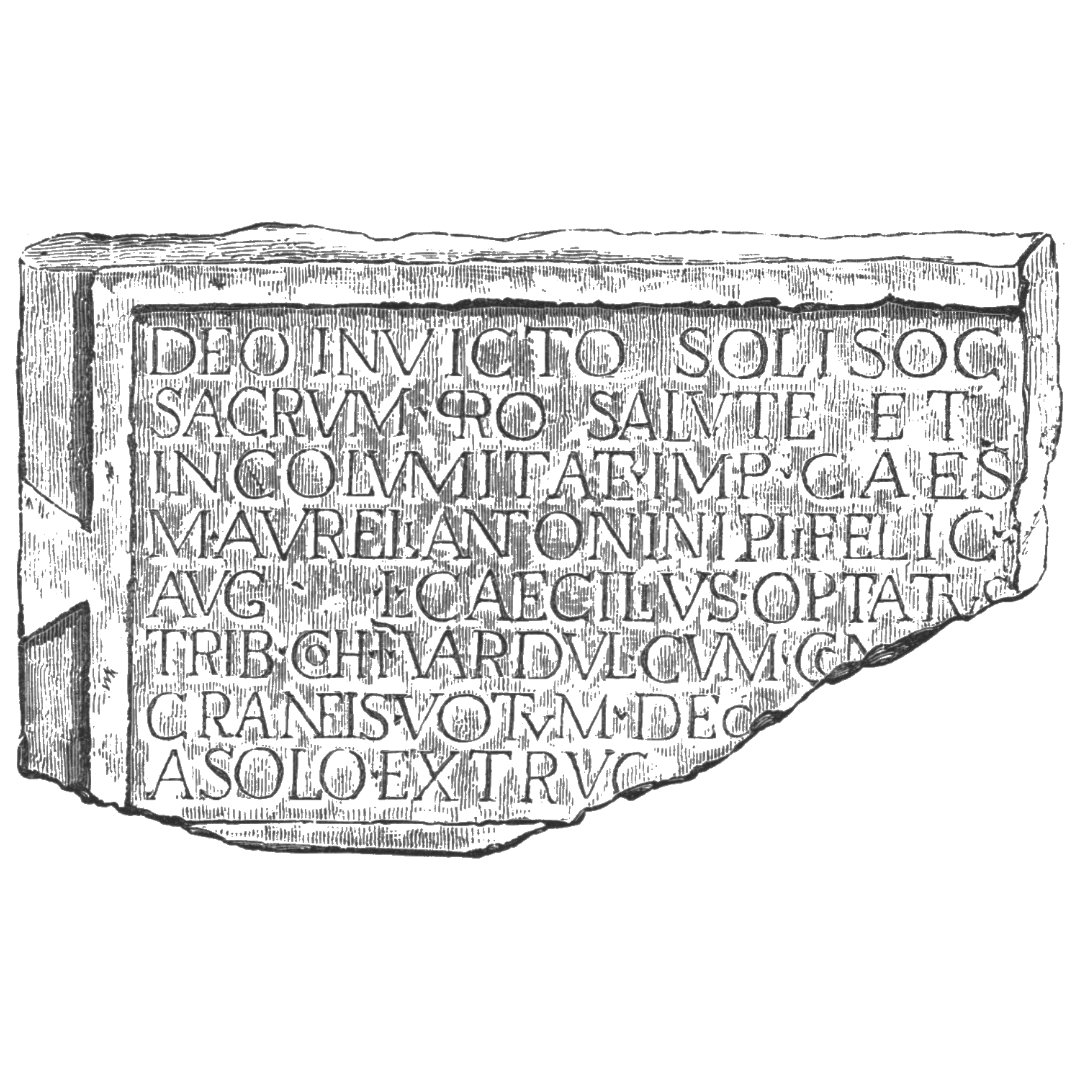
This inscription commemorates the building of a mithraeum in Bremenium with fellow worshippers of Mithras.
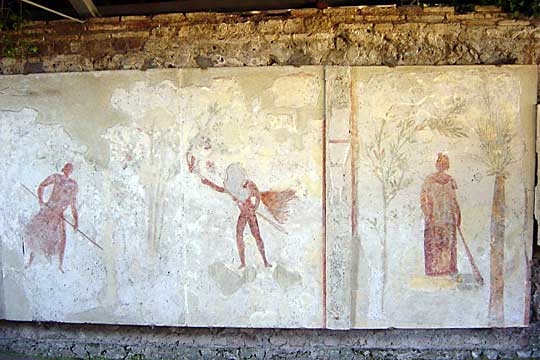
The frescoes depict several figures dressed in different garments associated with the Mithraic degrees.
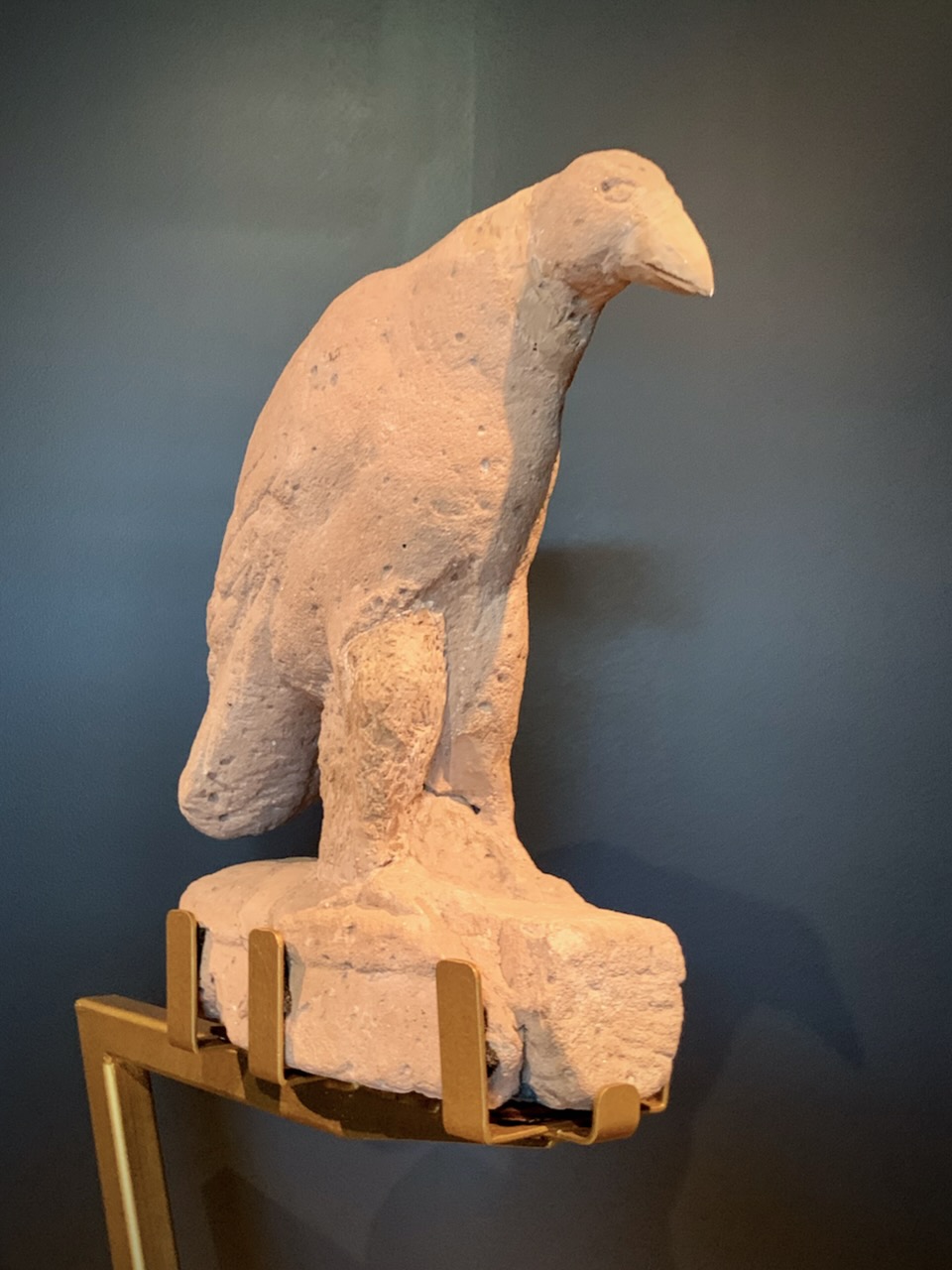
The Stockstadt Raven is one of only two standing-alone sculptures of this bird to be found in Mithraic statuary.
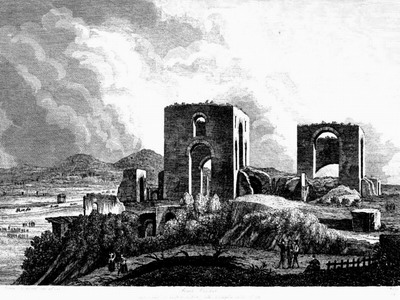
Mithras and other oriental gods were worshipped in the shrine of Zeus near the Villa of the Quintilians in Rome.

Fragment of a marble relief (H. 0.27 Br. 0.38 D. 0.045).

Relief possibly depicting Mithras-Men holding a torch and a a bust of Luna on a crescent.

Fragment of a white statue depicting a naked god entwined by a serpent with its head on his chest, found in the River Tiber.

The existence of a mithraeum in the "tana del lupo", a natural cave in the castle of Angera, has been assumed since the 19th century, following the discovery of two mithraic inscriptions in the town.

This unusual bronze bust of Sabazios features multiple symbolic elements, with Mithras depicted in his characteristic pose of slaying the bull, positioned just below Sabazios’ chest.

This remarkable marble statue of Mithras killing the bull from Apulum includes a unique dedication by its donor, featuring the rare term signum, seldom found in Mithraic contexts.
This is the first known inscription that includes Phanes alongside Mithras found in a Mithraic context.

One of the first comprehensive historical reassessments of Mithraism in Roman Hispania, combining a revised catalogue of the archaeological and epigraphic evidence with analysis of its chronology, geographical distribution, and social composition.
One of the three known inscriptions of Dioscorus, servant of Marci, found in Alba Iulia, Romania.
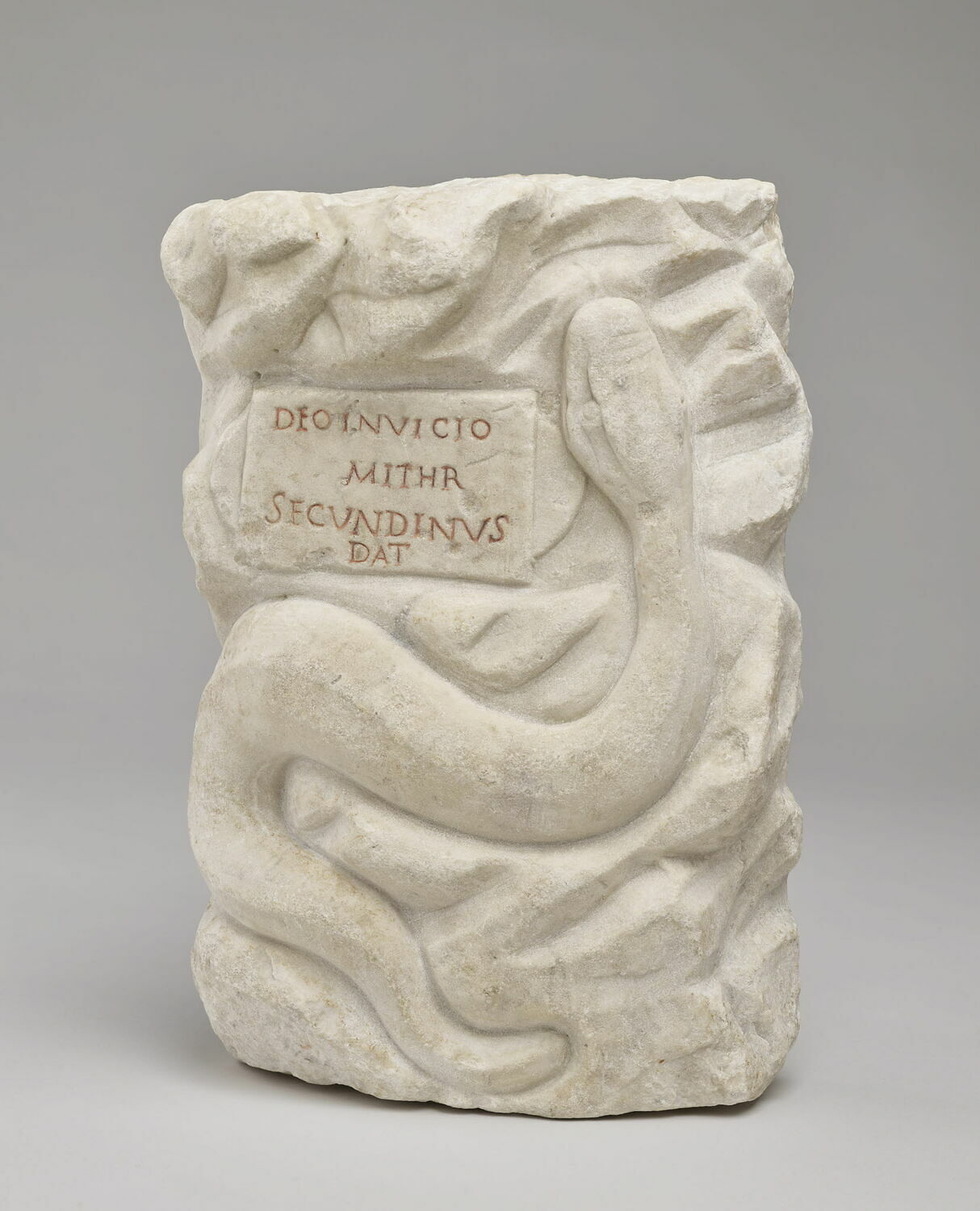
There is no consensus on the authenticity of this monument erected by a certain Secundinus in Lugdunum, Gallia.
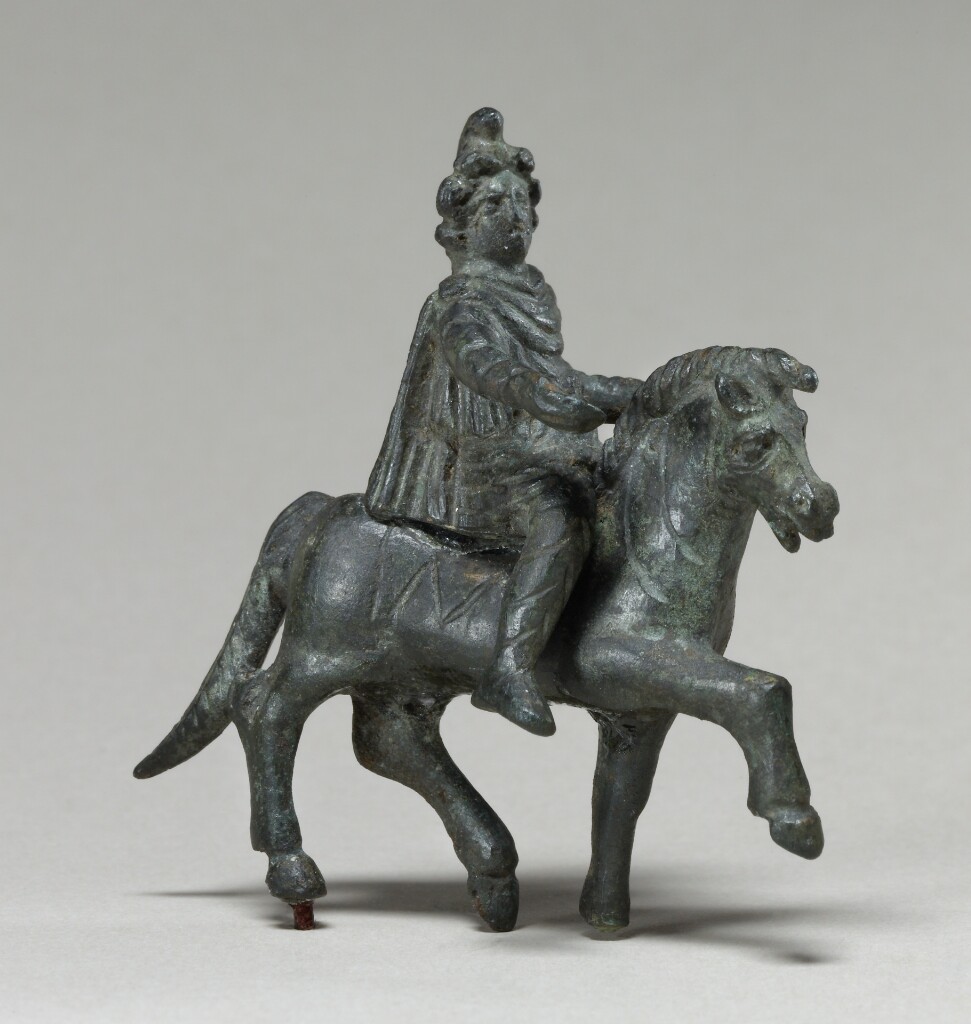
This small bronze statuette of Mithras riding a horse is composed of two pieces.
