Your search Al-Bahnasa gave 3013 results.
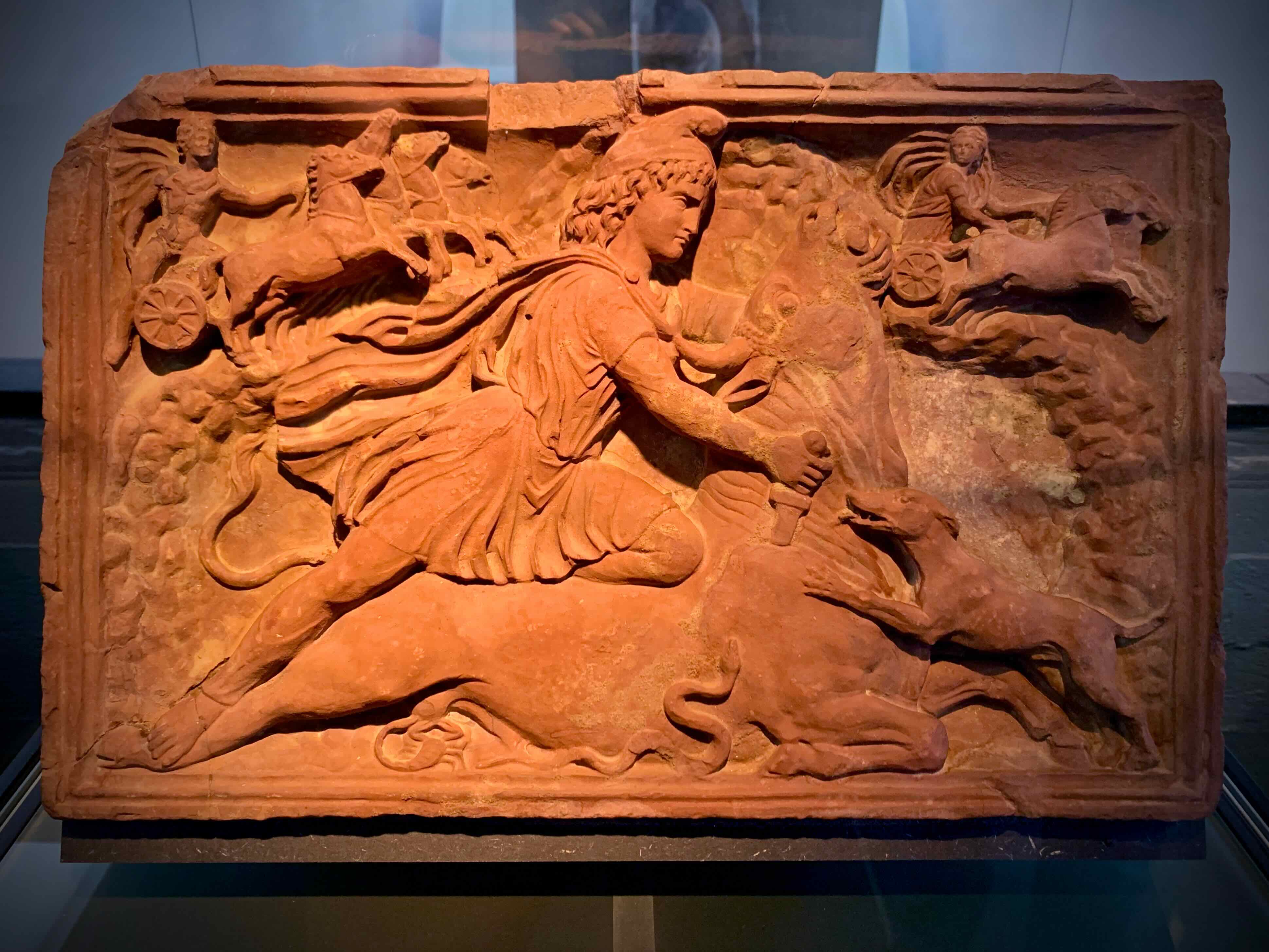
Maarten Vermaseren acquired this rosso antico marble of Mithras slaying the bull in 1961.
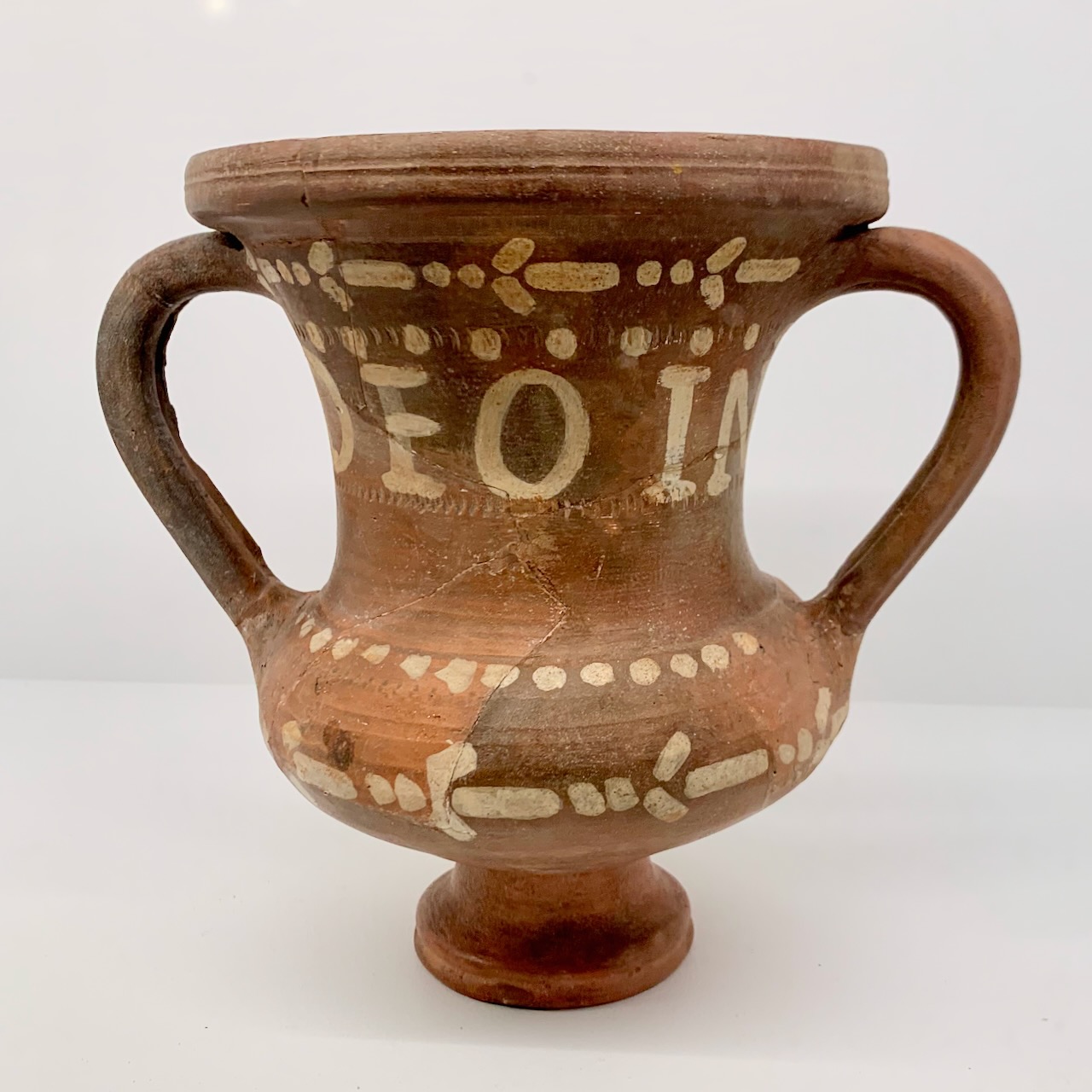
The cantharus of Trier is reminiscent of the crater that often appears in tauroctony scenes collecting the blood from the slaughtered animal.
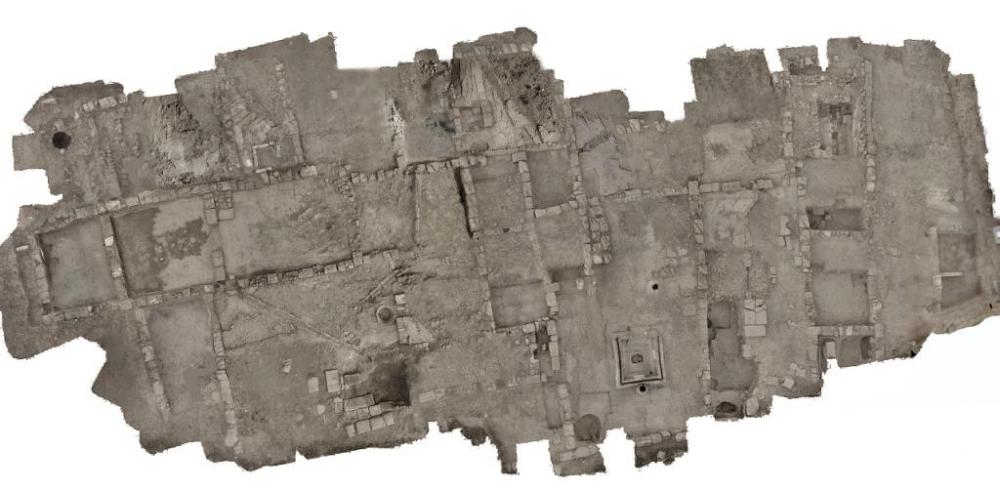
The discovery of the Mithraeum of Tarquinia is due to the Department for Protection of Cultural Heritage of the Carabinieri, who noticed some clandestine excavations near the Ara della Regina.
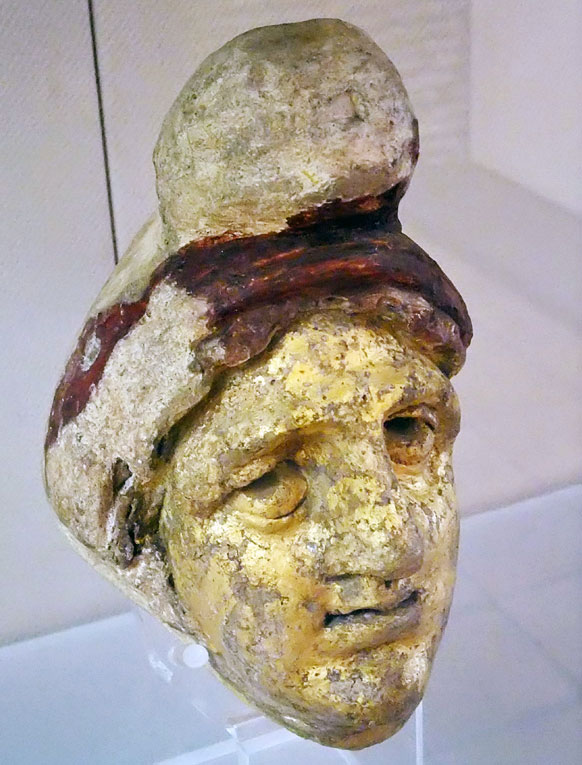
The head was part of a stucco relief of the Tauroctony found under the church of Santo Stefano Rotondo in Rome
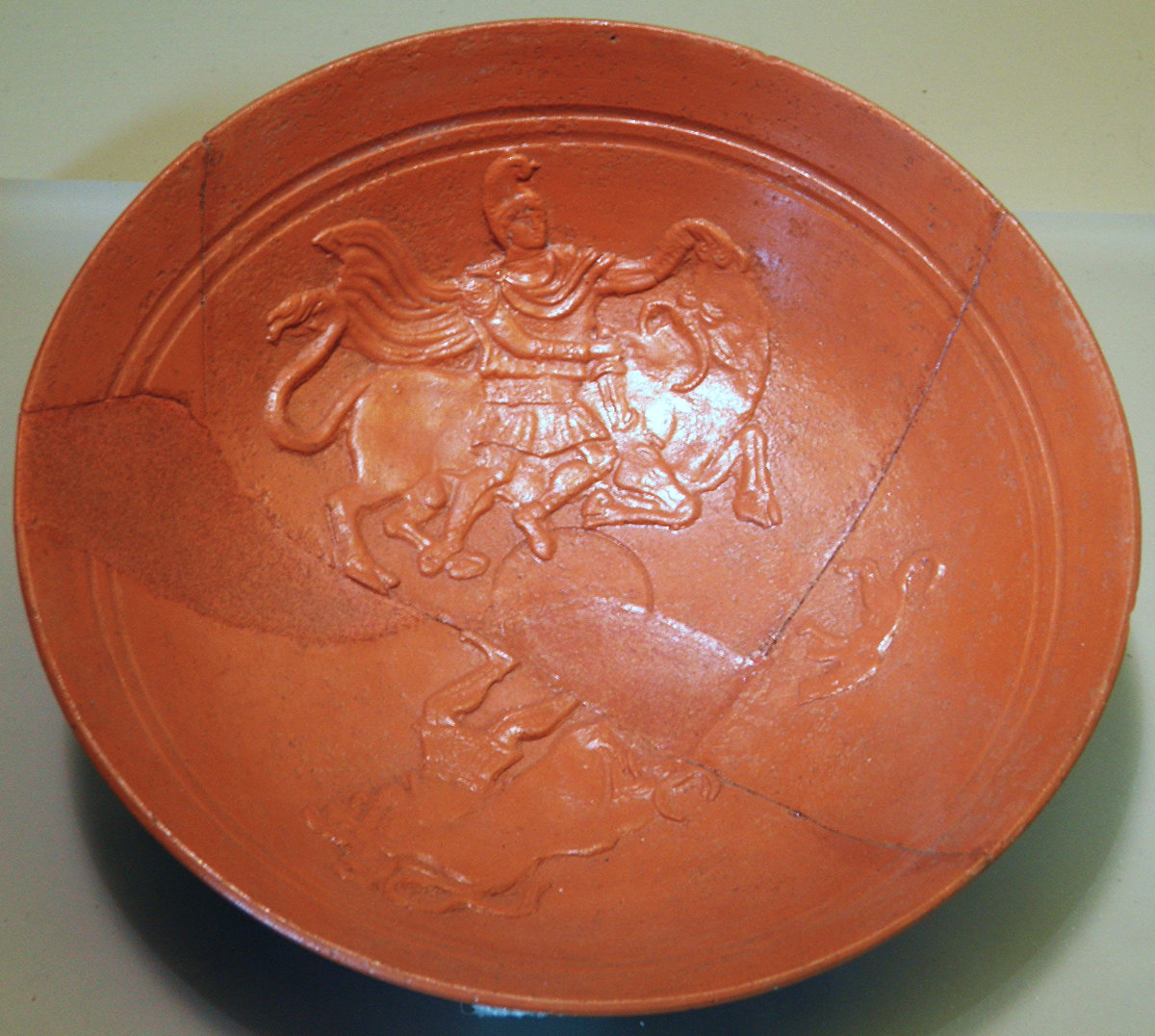
The red ceramic vessel from Lanuvium shows Mithra carrying the bull, followed by the dog, and the Tauroctony on the opposite side.

García y Bellido proposed the existence of a mithraeum in a narrow, elongated room where the Troia mithraic relief was found.
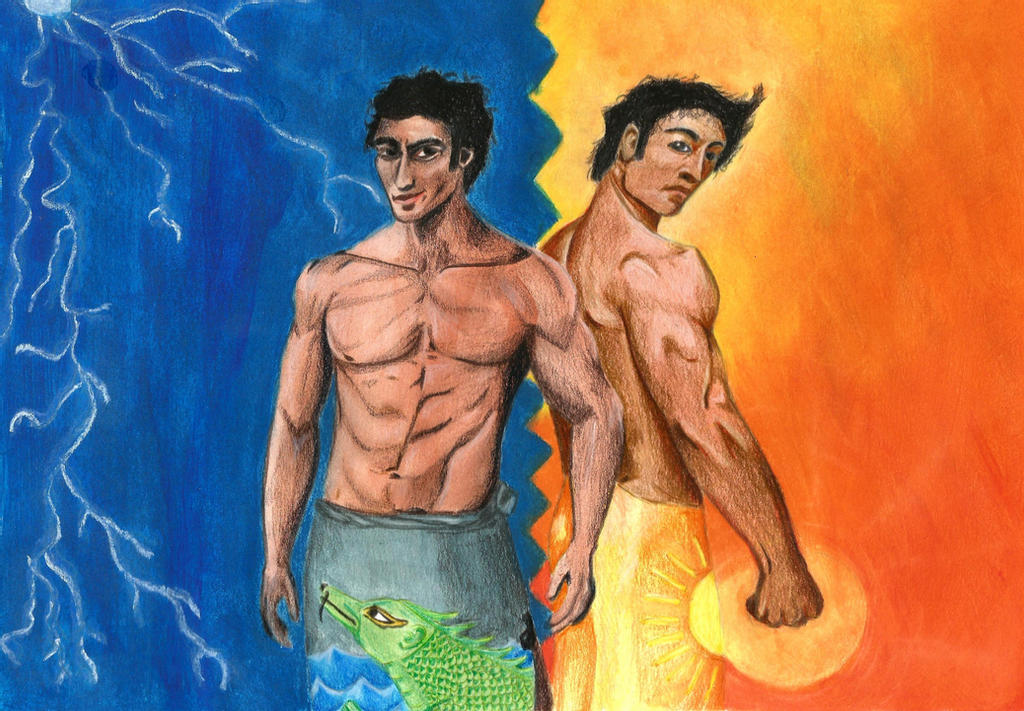
The Sanskrit and Hindi word for friend is “Mitra”. It is also the Nepali word for it. The Sinhala word is ‘mitura’. The word’s etymology has surprising, stark and vivid homosexual connotations.

Over the last century or so, a great deal has been said about the god Mithras and his mysteries, which became known to the European world mainly through his Roman cultus during the Imperial Period.


Owner of the Facebook group: Roman Cult of Mithras: His Mysteries, Mithraea and Worship. Owner of the blog: Meals with Mithras VERY into the subject.


I’m a Scottish writer of historical fiction, author of the nine-volume Hero of Rome series.

Mithraic worshipper who dedicated an altar to Arimanius as a Leo at Mithraeum V of Aquincum.
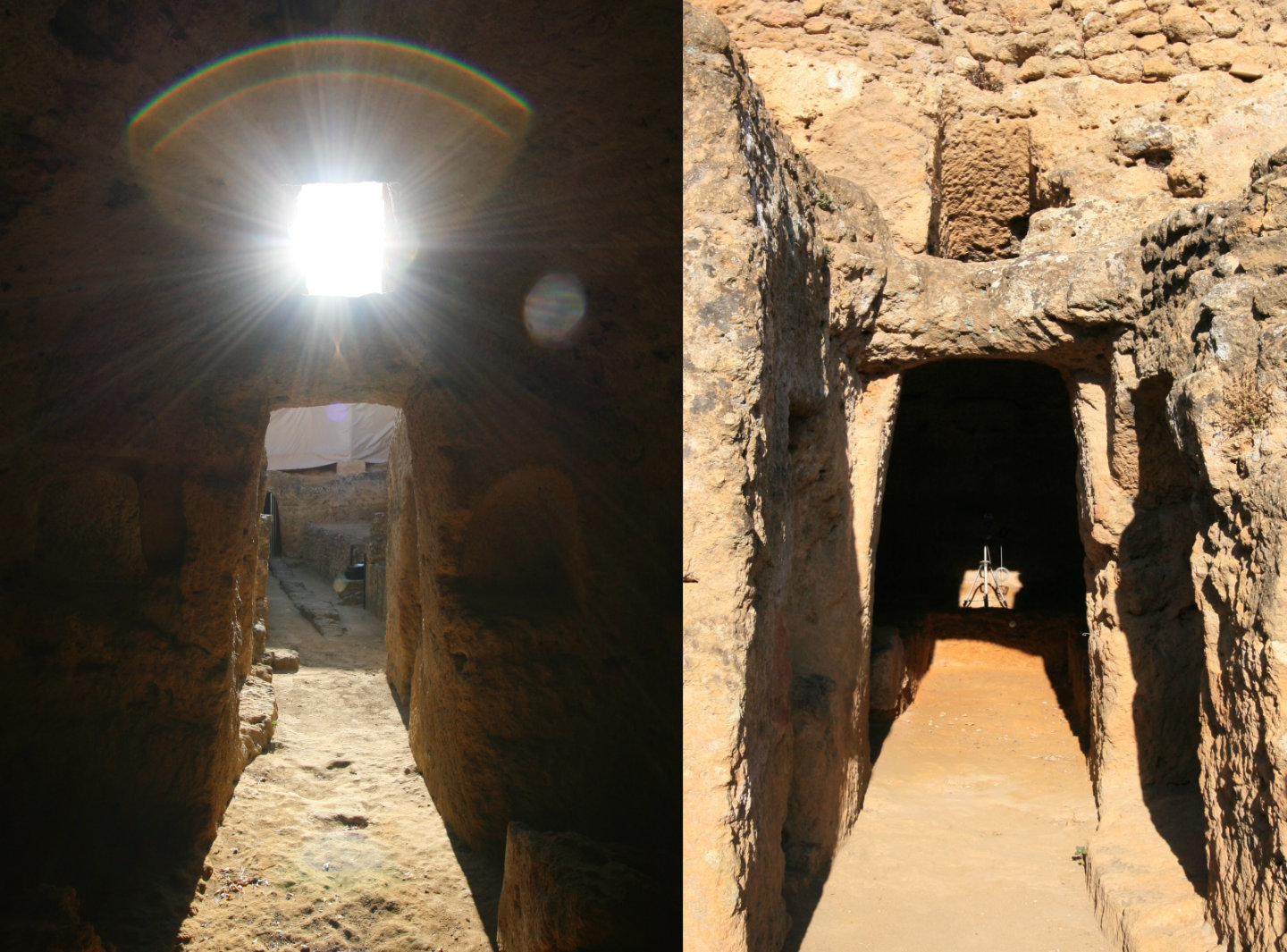
Arguments for interpreting the Tomb of the Elephant as a Mithraeum based on architectural archaeology, digital surveying and archaeoastronomy.
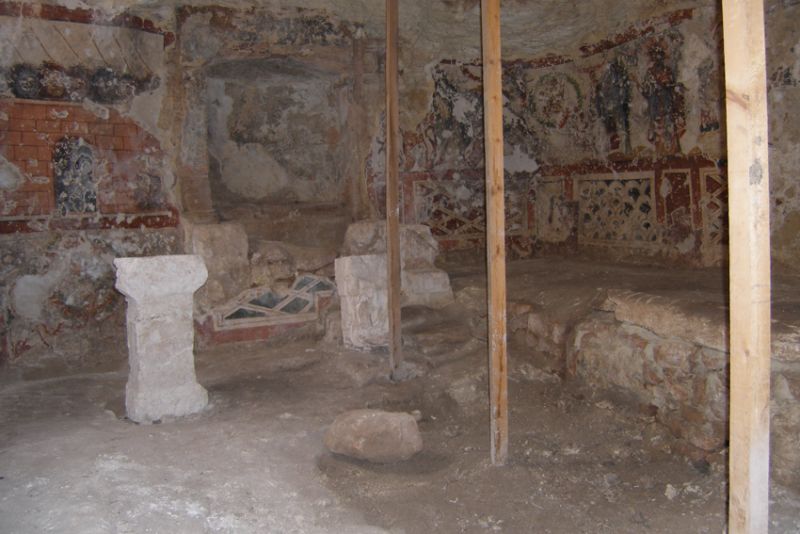
Late Roman Mithraeum beneath a fourth-century church, preserving one of the most extensive cycles of Mithraic wall paintings ever discovered.

medical doctor. Hypnotherapist. medieval art interpretation. Mithras mystery I live in Sarrebourg (France) where a marvelous mithraeum was discovered in 1890

A critical edition of the Mithras Liturgy (PGM IV.475–834), providing the Greek text, English translation, commentary, and an updated discussion of its interpretation since Albrecht Dieterich’s 1903 edition.

Professional author with a special interest in Greco-Roman ritual and sacred landscapes, art and philosophy.
1991-2005 Grabungstechniker - Archaeological Site Supervisor LVR - APX Xanten / LAND GmbH