Your search Al. N. Oikonomides gave 2979 results.
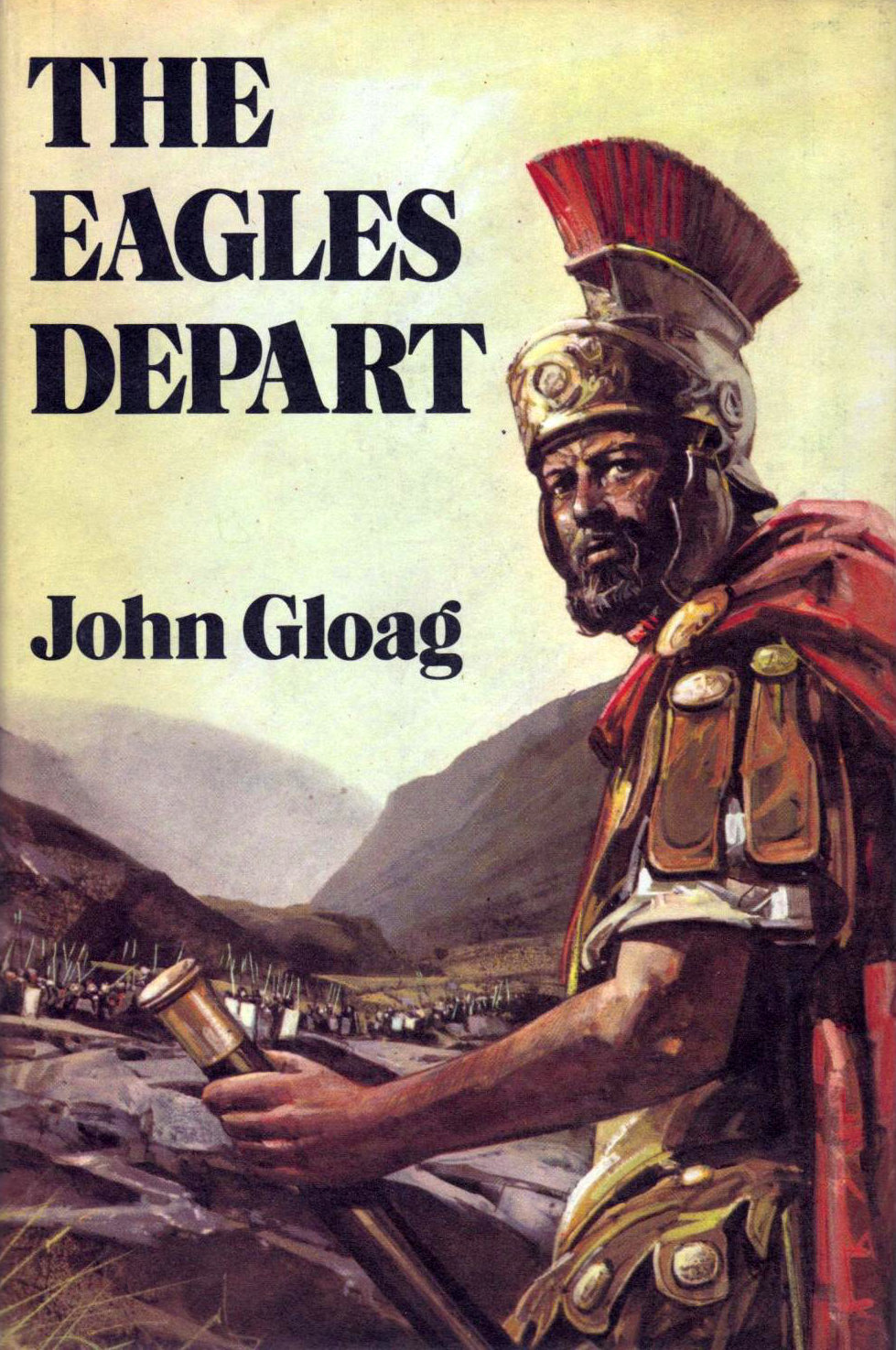
A historical novel framed as the memoir of a Brittano-Roman soldier witnessing the end of Roman Britain. It explores identity, loyalty, and survival at the twilight of empire.
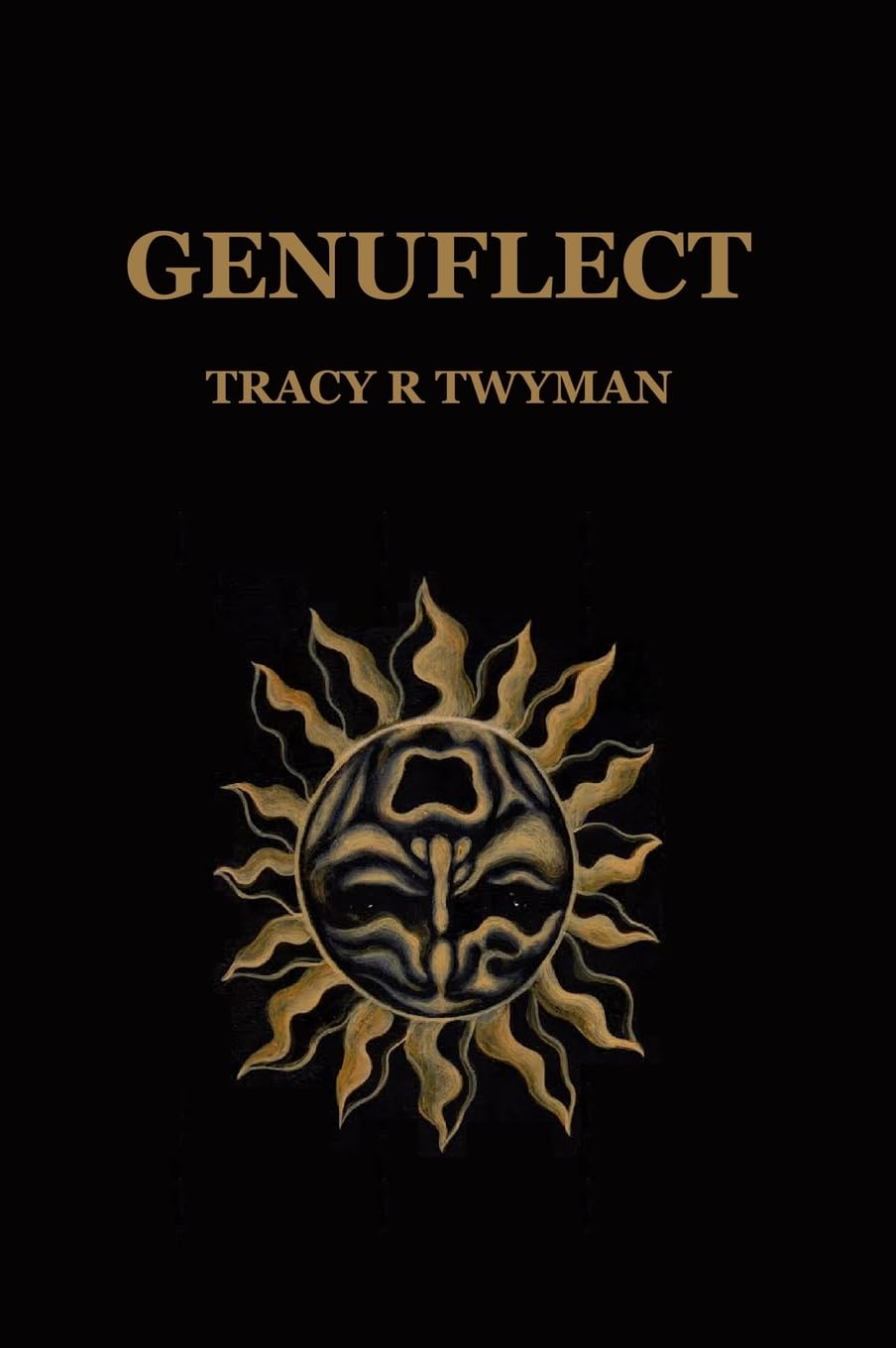
A dark occult novel intertwining Templar mythology, ritual magic, and modern conspiracy, with Mithraic and gnostic motifs woven into its esoteric narrative. It explores the persistence of hidden initiatory currents in the contemporary world.

The Mithraeum of London, also known as the Walbrook Mithraeum, was contextualised and relocated to its original site in 2016.

Maarten Vermaseren, qui a publié un corpus des inscriptions et des monuments de la religion mithriaque et un certain nombre d'études savantes sur le même sujet est certainement l'un des meilleurs spécialistes de la question.
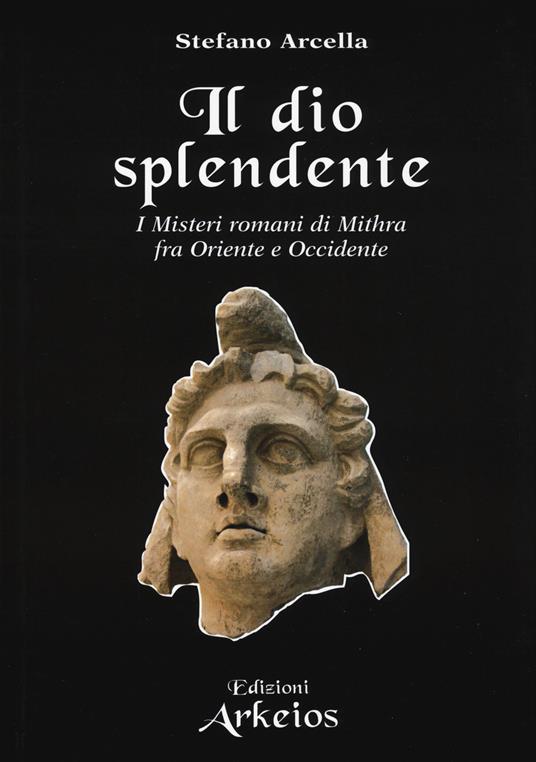
A study that re-examines Roman Mithraism through epigraphic evidence and comparative analysis, exploring its links with Orphism, Platonism, and Iranian traditions, and presenting the cult of Mithras as a solar path of individual spiritual awakening between East and West…
Francesco Massa examines how the concept of mysteria was transformed in the Roman Empire, as Christian authors from the mid-second century CE adopted the language of mysteries to articulate their own rituals and beliefs, reshaping understandings of both Christian and traditional cults…

Memoir by Félix Lajard analysing a Mithraic bas-relief discovered in Vienne in 1830. Based on direct examination of the fragments and their context, the study corrects an earlier misidentification and documents a rare lion-headed figure within a probable mithraeum…
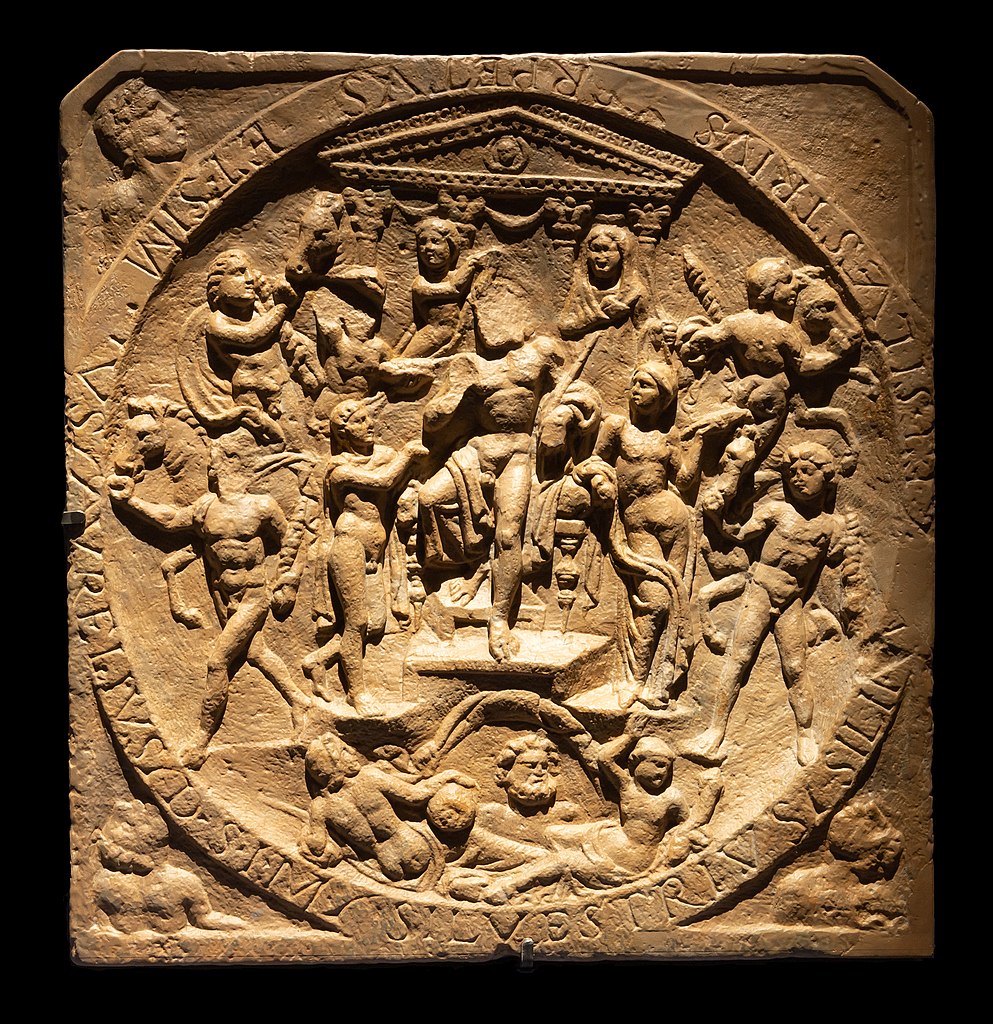
The relief of Dieburg shows Mithras riding a horse as main figure, surrounded by several scenes of the myth.
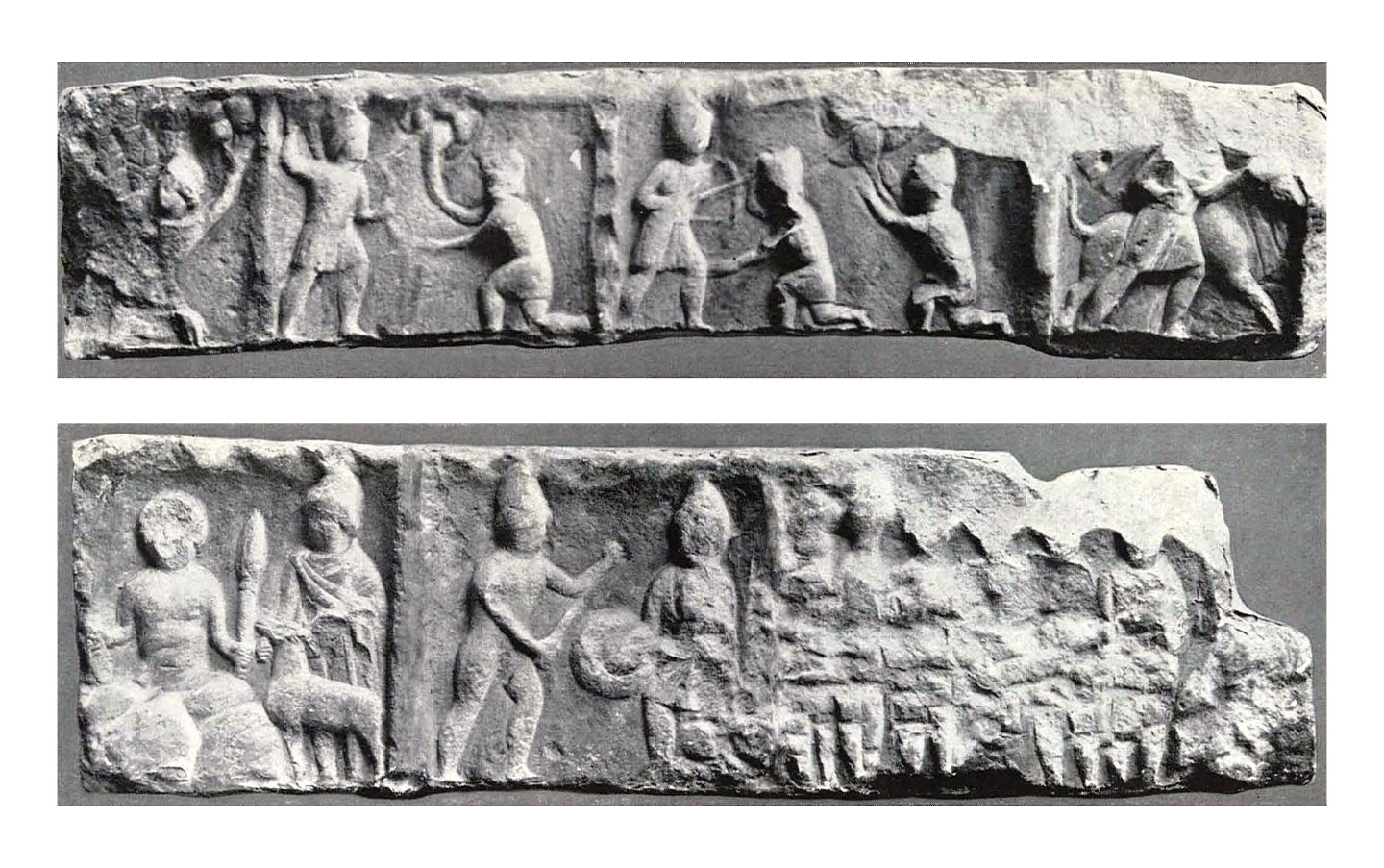
These two fragments of a sandstone relief were walled into a house on the market square in Besigheim.
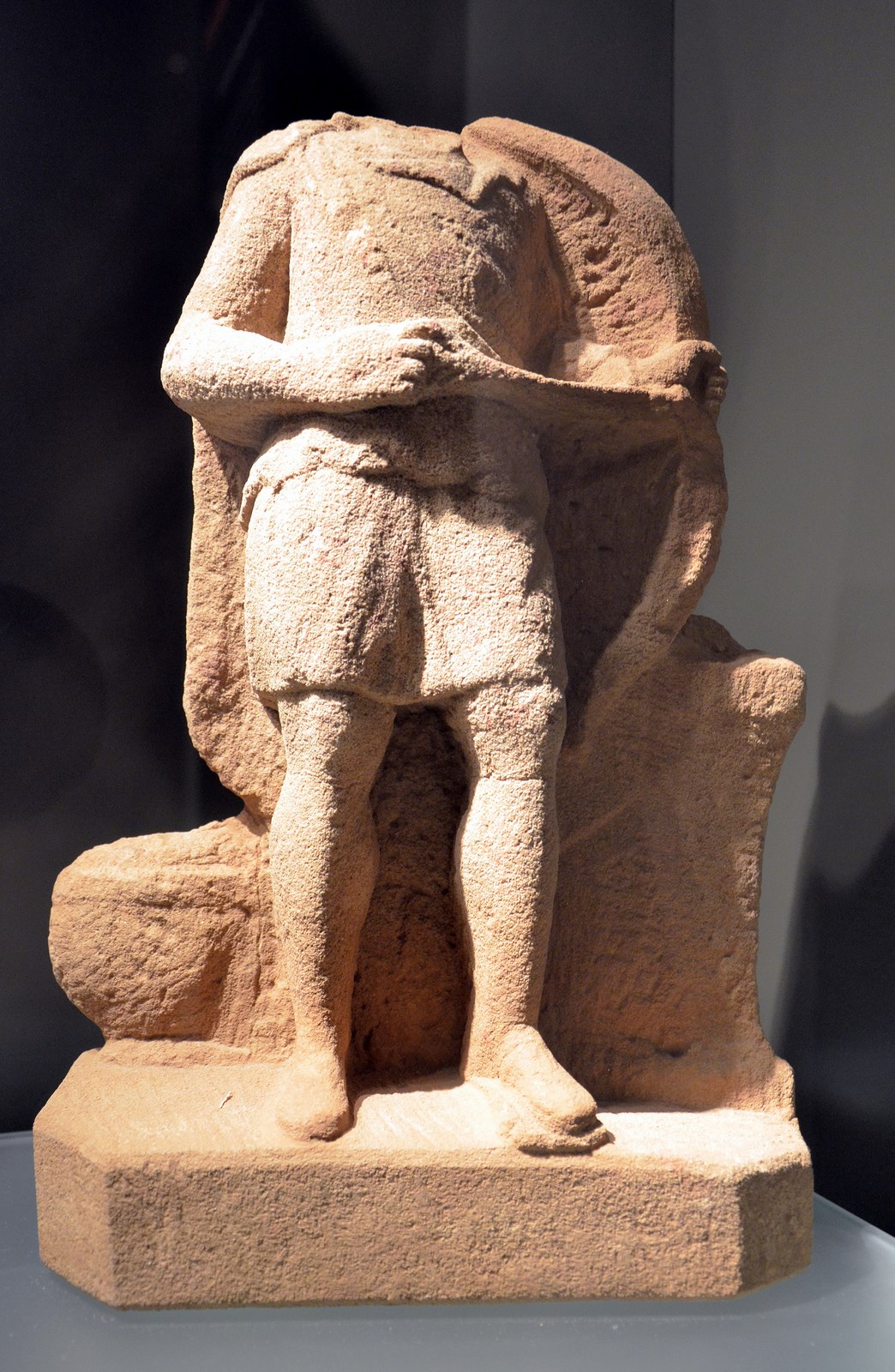
Statue in yellow sandstone found in the pit of the Mithraeum of Dieburg, showing Mithras standing beside an altar with bow and arrow, accompanied by a vase and associated with the water miracle.
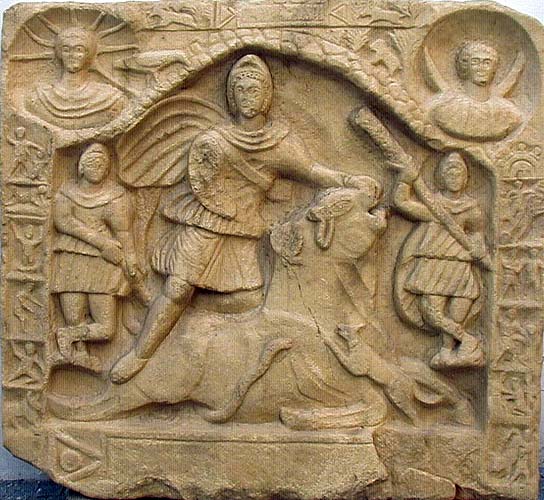
The relief of Mithras slaying the bull at Mauls in Gallia cisalpina is a paradigmatic example of the so-called Rhine-type Tauroctony.

Sandstone base from Vetera (Xanten), Germania Inferior, with a relief of Cautes in Oriental dress holding a long burning torch.
Fragmentary sandstone relief from Rückingen showing a male figure walking right and holding a kantharos. Traces on the chest may indicate a torques or shoulder-cape.

In these two key passages, Justin Martyr interprets Mithraic rituals and myths as demonic parodies of Christ’s incarnation, the Eucharist, and biblical revelation.
In Letter 107 to Laeta, Jerome combines a pastoral reflection on conversion with an account of the urban prefect Gracchus, who ordered the destruction of a Mithraic cave in Rome, listing the seven grades of initiation associated with the cult.
In these passages from his hymns and satires, Julian articulates a solar theology in which Helios governs cosmic order and time. Within this framework, Mithras appears as a personal divine guide associated with the ascent of souls.
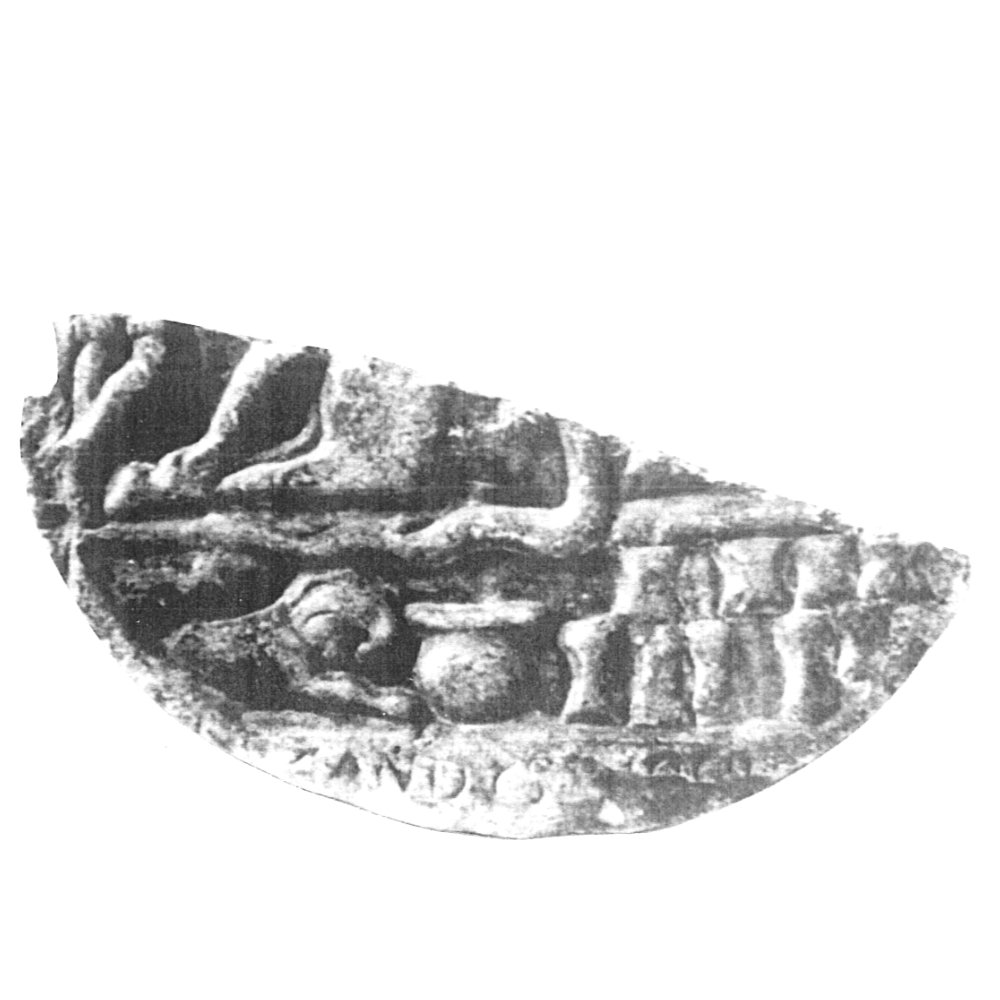
This tauroctony may have come from Hermopolis and its style suggests a Thraco-Danubian origin.
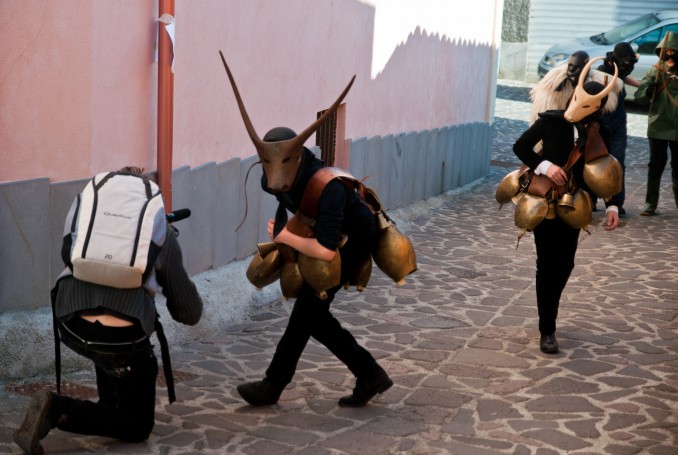
A series of polemical passages in which a leading fourth-century Christian theologian presents the cult of Mithras as a religion defined by cruelty, bodily suffering, and shameful initiation rites.
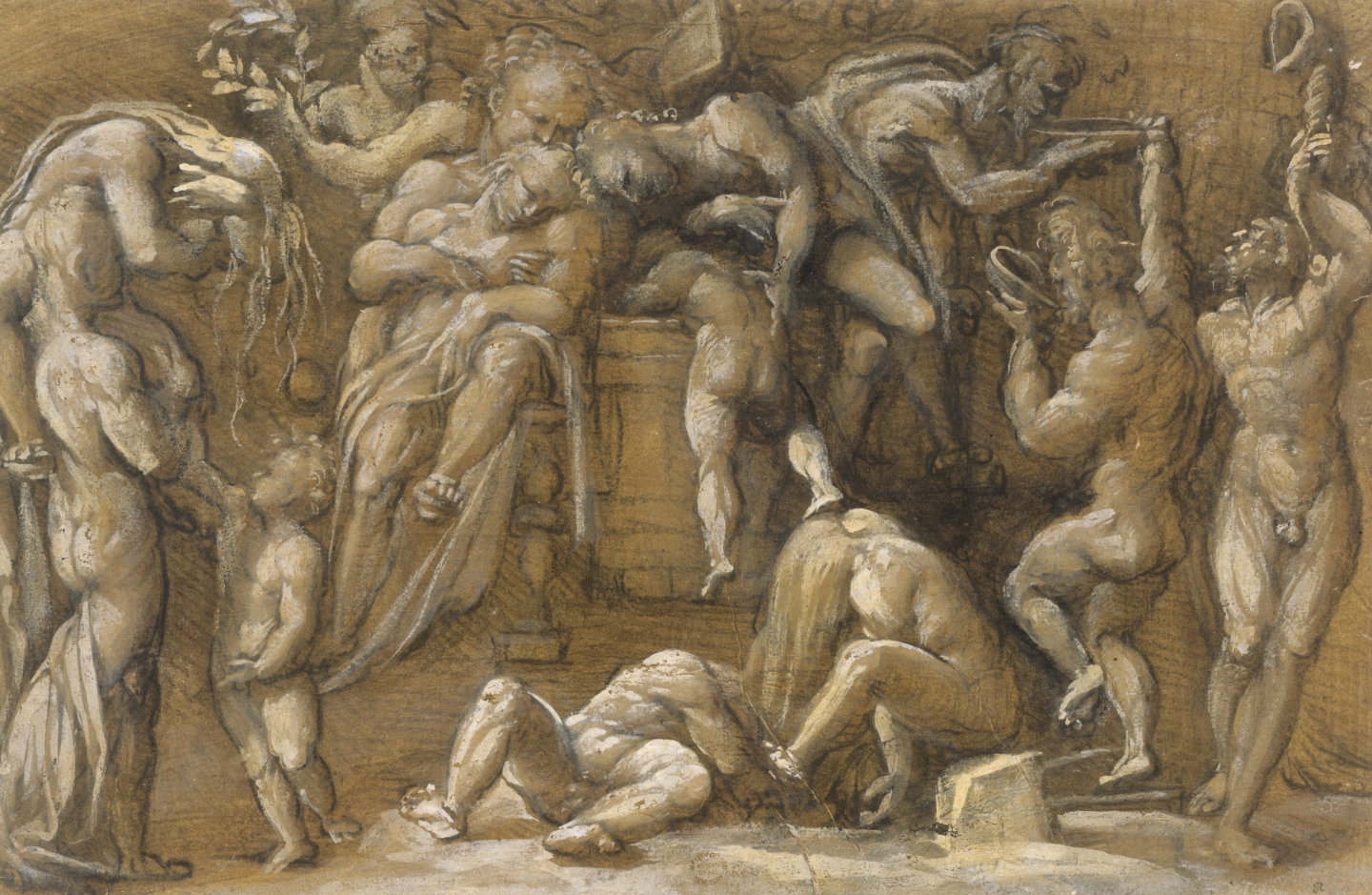
In polemical passages from the late second and early third centuries, Tertullian portrays the cult of Mithras as a demonic imitation of Christian rites and provides rare early references to Mithraic initiation and ritual symbolism.
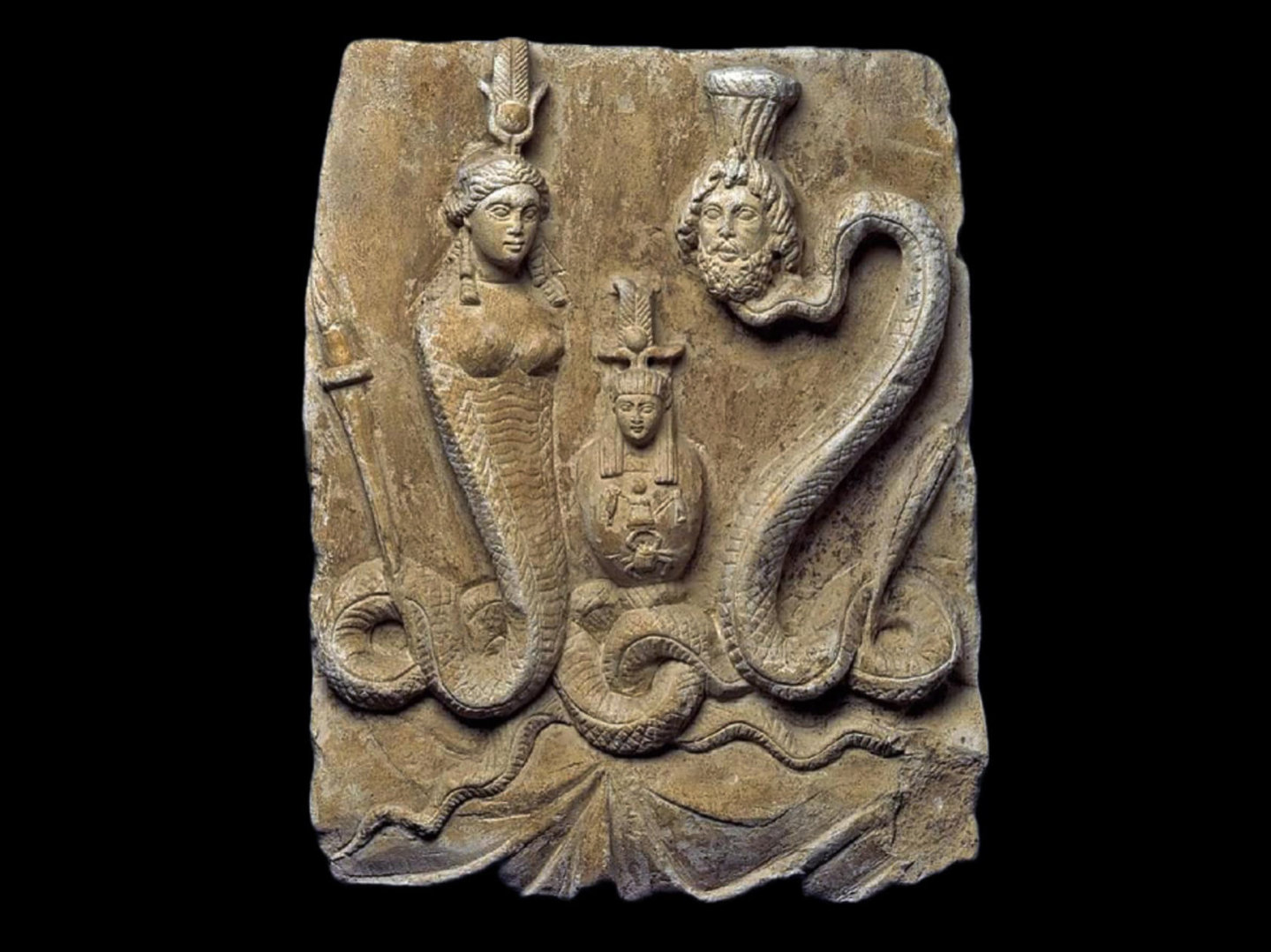
An anonymous late-antique Christian poem, traditionally attributed to Pseudo-Paulinus of Nola (Poema 32, vv. 109–111), that ridicules pagan cults and presents Mithras, Isis, and Serapis as gods of concealment, contradiction, and unstable forms rather than light…
