Your search Al. N. Oikonomides gave 3559 results.

Callimorphus was a cashier (arkarius) of the estates of Chresimus, steward of emperors.
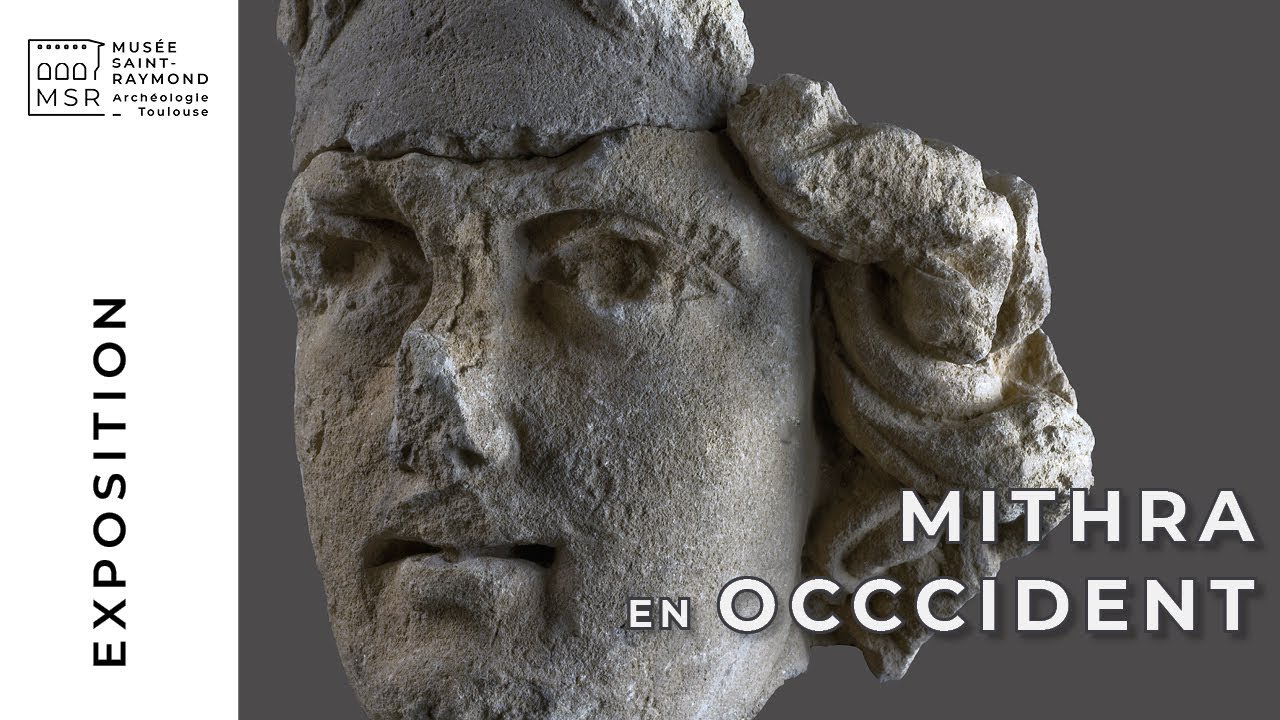
Philippe Roy, docteur en Sciences de l’Antiquité, présente dans cette vidéo la réception du culte de Mithra dans les provinces occidentales de l’Empire romain.

Dedicated an altar found in Gallia Narbonensis on the occasion of his elevation to the grade of Perses.

Pater who offered several monuments, including a temple, in Augusta Treverorum.

Pater Curius Iuvenalis is attested in the first known monument dedicated by a Heliodromus.

Governor of Numidia in 303, vir perfectissimus Valerius Florus was a well-known persecutor of Christians.


Optio who erected several altars to Mithras in the Mithraeum of Sárkeszi.

Valerius was a discharged veteran was a worshipper of the Undefeated Mithras in Künzing.

Of Semitic origin, Absalmos has dedicated a tauroctonic relief to Mithras in ancient Syria.

Soldier of Legio XIII Gemina and strator consularis who dedicated an altar to the invincible Mithras.

"The remaining figure on this monument, Herakles, was previously misidentified as Apollo on this remarkable black basalt tablet from Samsat, known in Roman times as Samosata.
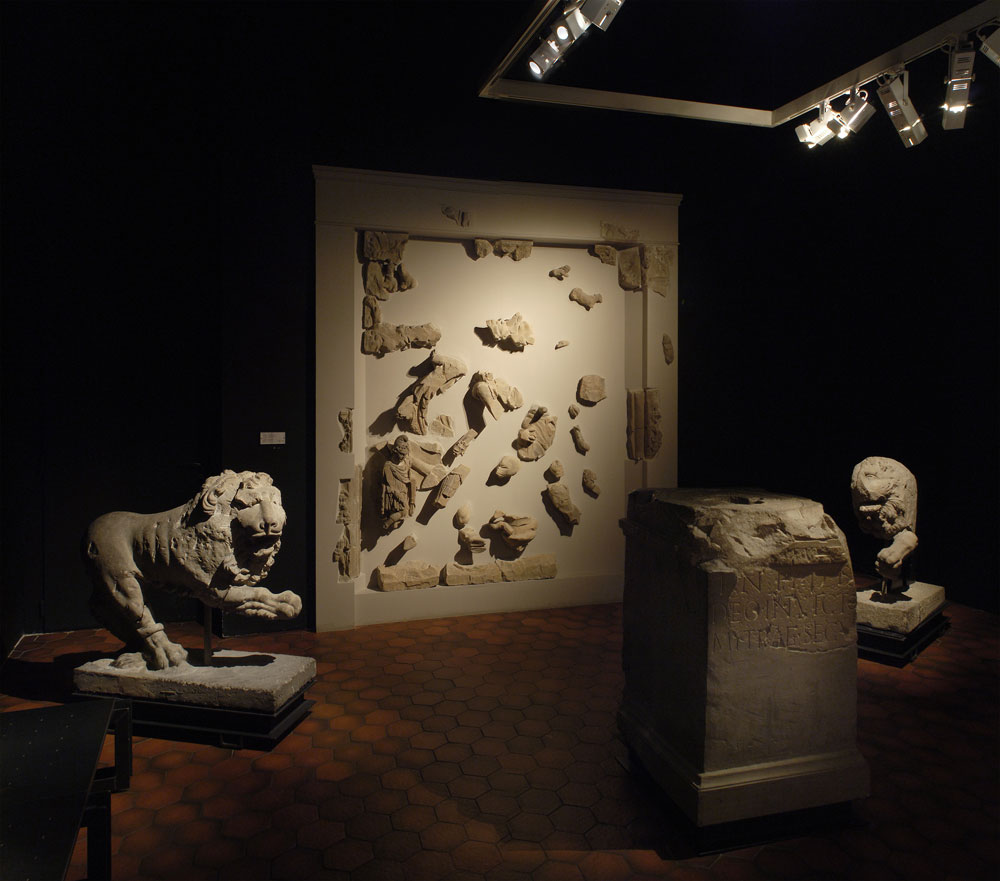
These fragments of a monumental relief of Mithras killing the bull from Koenigshoffen were reassembled and are now on display at the Musée Archéologique de Strasbourg.

Over the last century or so, a great deal has been said about the god Mithras and his mysteries, which became known to the European world mainly through his Roman cultus during the Imperial Period.

This limestone altar to Sol Invictus Mithra was found at Turda in 1905.

Excerpted from Mushroom, Myth and Mithras, this passage elaborates on the Mithraic ritual and the degree of Nymphus.
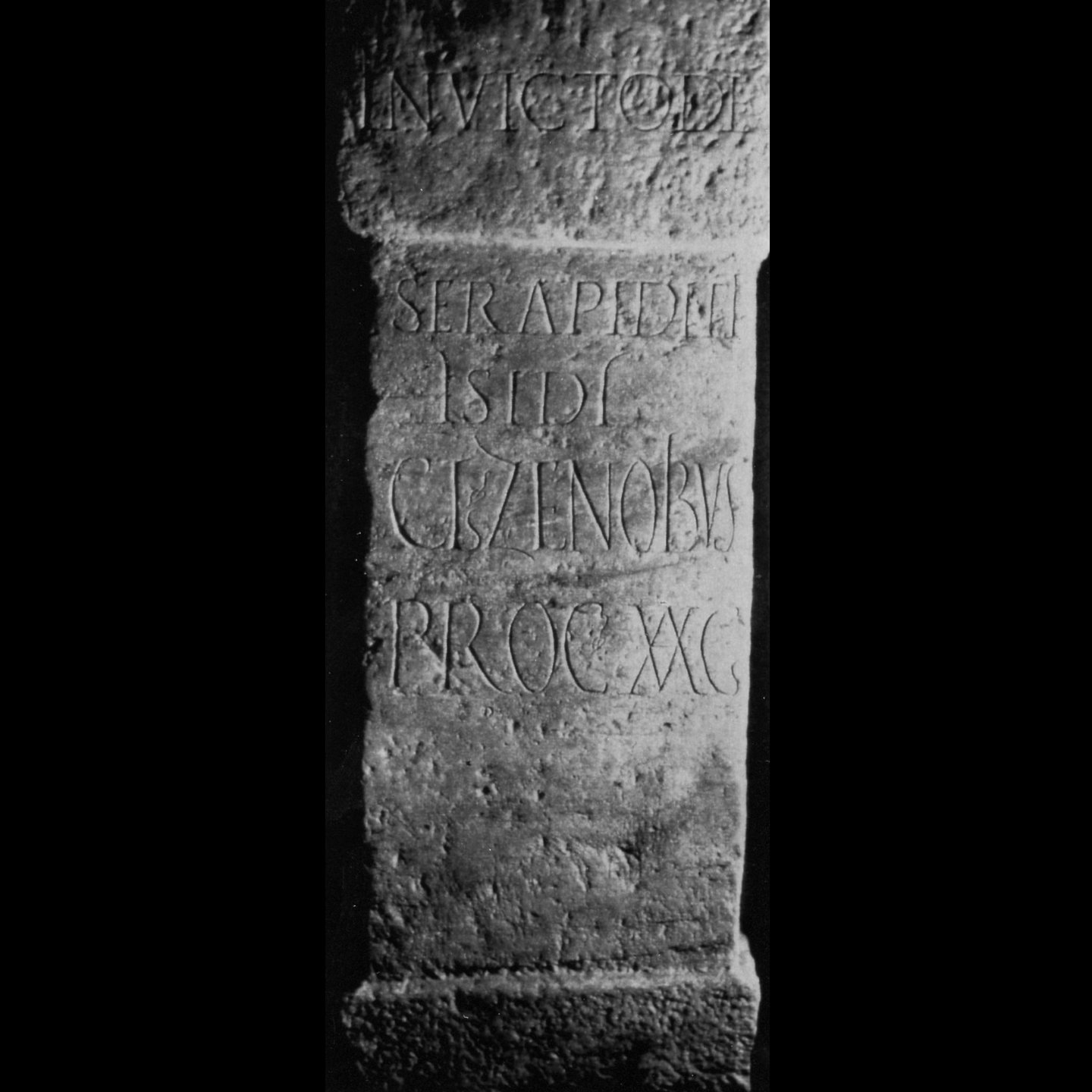
This slab dedicated to the invincible god, Serapis and Isis by Claudius Zenobius was found in 1967 in the walls of the city of Astorga, Spain.
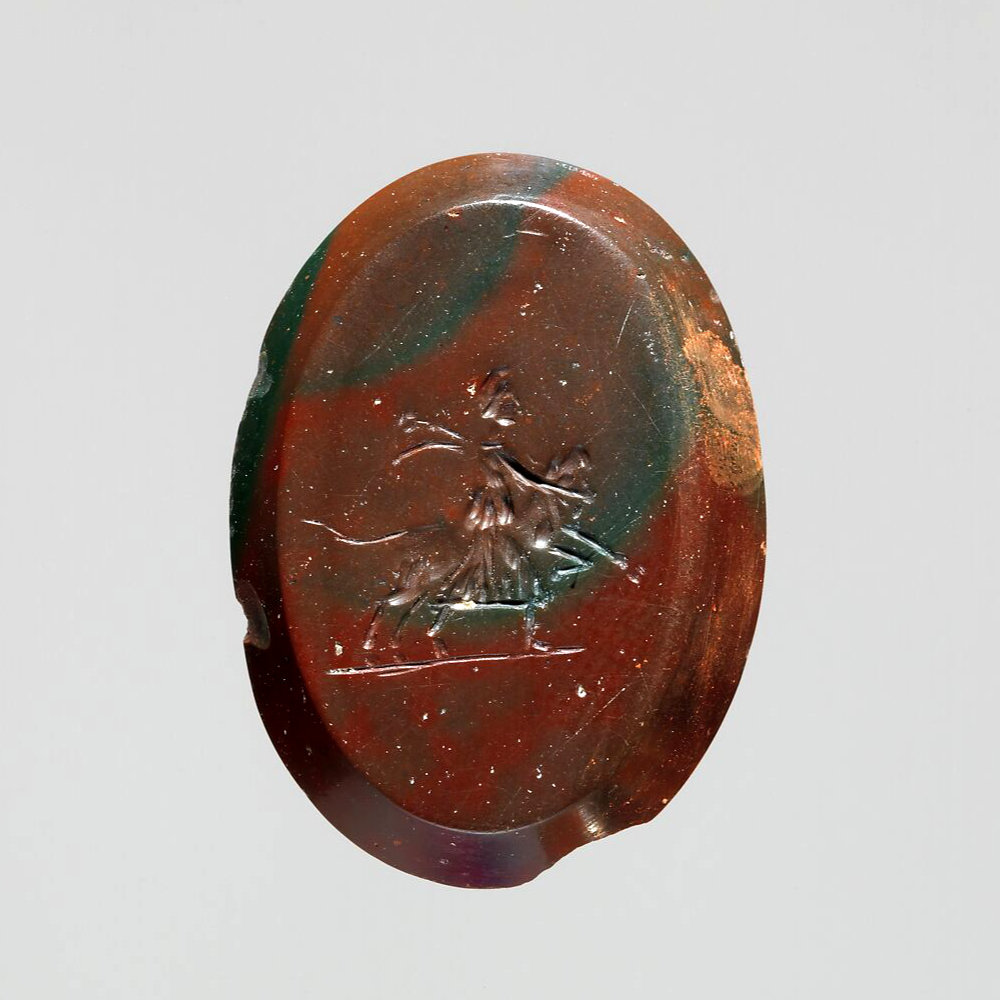
This small magical jasper gem shows Sol in a quadrigra on the recto and Mithras as a bull slayer on the verso.
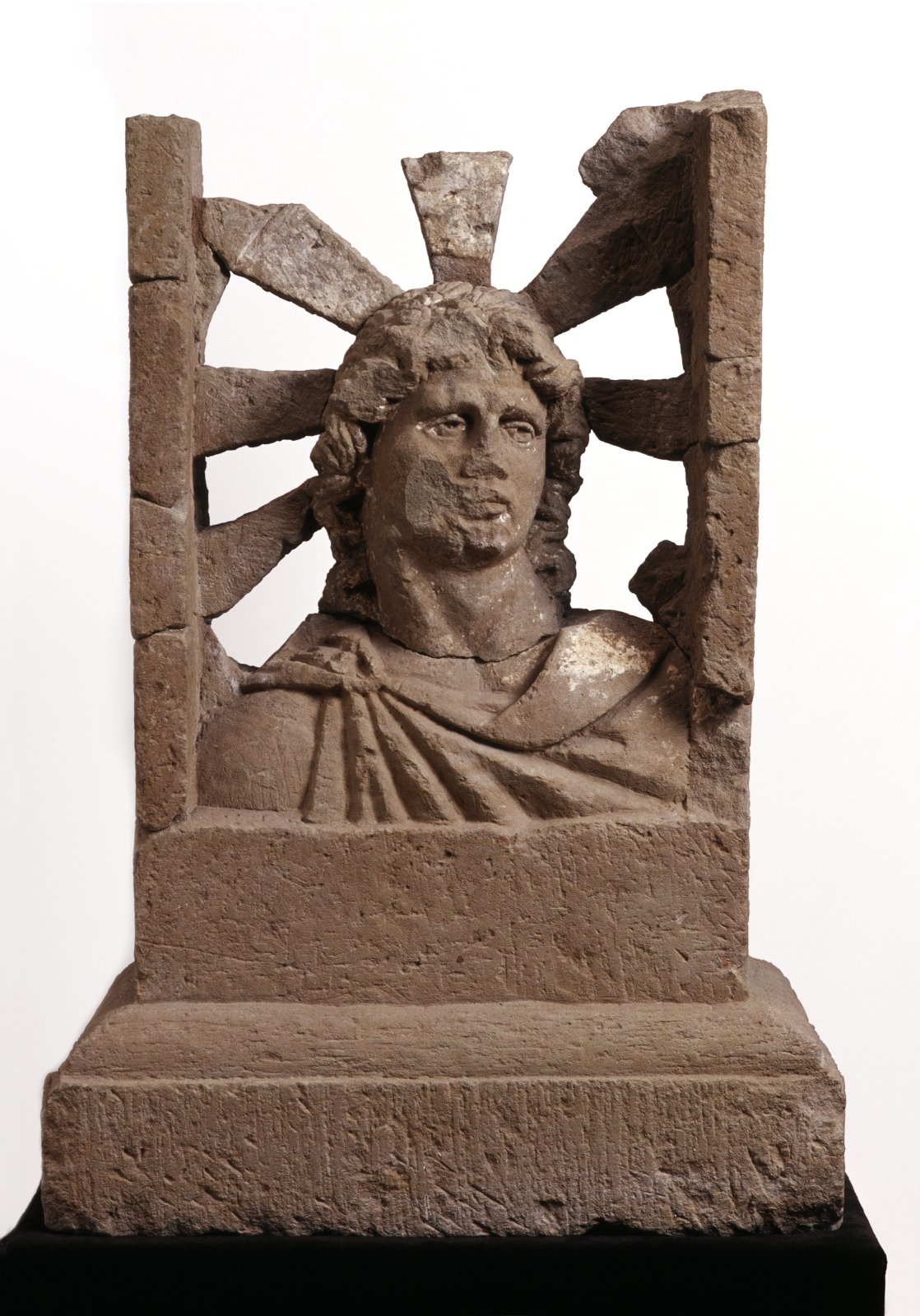
The altars of the gods of the Sun and Moon found in the Mithraeum of Mundelsheim wear openwork segments that could be lighten from behind.
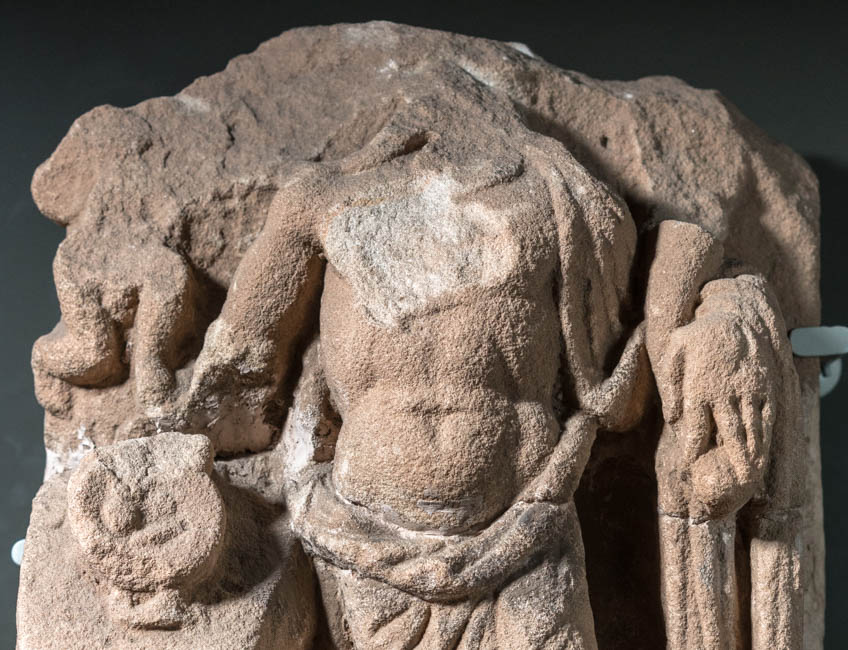
A standing half naked man makes offerings to an altar while holding a cornucopia in his other hand.
