Your search Al. N. Oikonomides gave 2979 results.

Small settlement on the lower Vit River in northern Bulgaria, within the territory of Roman Moesia Inferior.

Mithraic sanctuary excavated in a quarry at Kreta near Nikopol, Moesia Inferior, carved into the rock and including a small niche with a sandstone tauroctony relief, a base, and several altars.

medical doctor. Hypnotherapist. medieval art interpretation. Mithras mystery I live in Sarrebourg (France) where a marvelous mithraeum was discovered in 1890
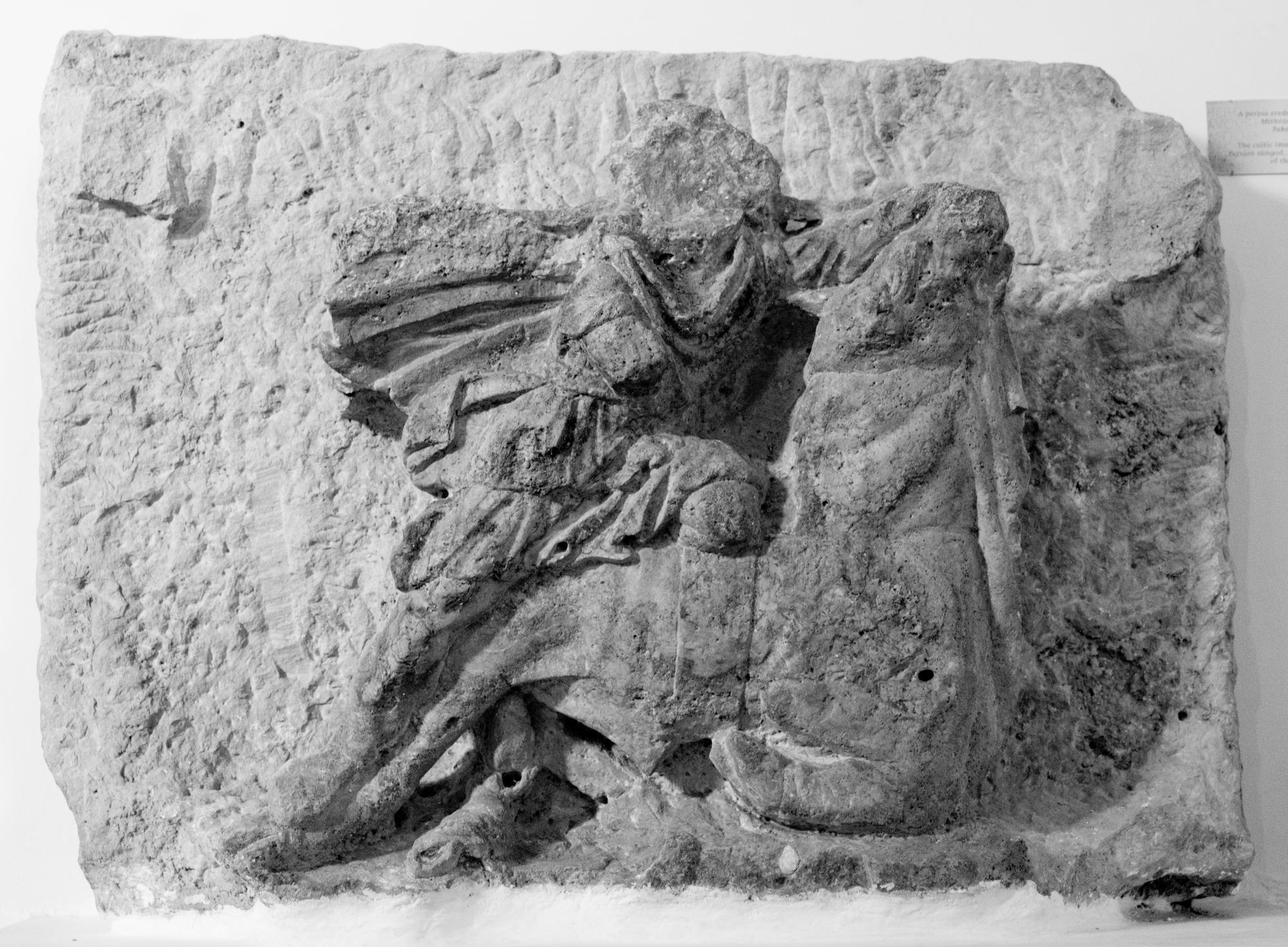
Relief showing Mithras slaying the bull, found at Paks in Roman Pannonia, modern-day Hungary.

A devotee of Mithras who dedicated an altar for the health of Commodus alongside his father, a procurator castrensis, in Rome.

Senior Mithraic priest of Ostia whose inscriptions preserve rare and unique epithets of Mithras, including Incorruptus Juvenis and Indeprehensibilis.

Known from an altar dedicated to Mithras at Ostia during the tenure of the pater Marcus Aemilius Epaphroditus.

A priest of Sol Invictus Mithras who helped dedicate a throne in the Casa di Diana mithraeum.

A Mithraic pater at Ostia associated with the dedication of an image of Arimanius in the Casa di Diana mithraeum.
.jpg)
The statue of Arimanius/Ahriman was found in 1874 under the city wall of York during the construction of the railway station.

A historical role-playing game inspired by the archaeology of Roman Mithraism. Applications are now open and places are limited. The next campaign begins on 24 June.

Professional author with a special interest in Greco-Roman ritual and sacred landscapes, art and philosophy.

Magister of a Bracaran sodalicium associated with the cult of Mithras in Roman Lusitania.

A powerful and wealthy man, founder of a mithraeum in the city of Aquincum of which he was the mayor.
Thirmarum is recorded as a findspot for Mithraic material in Tarraconensis.
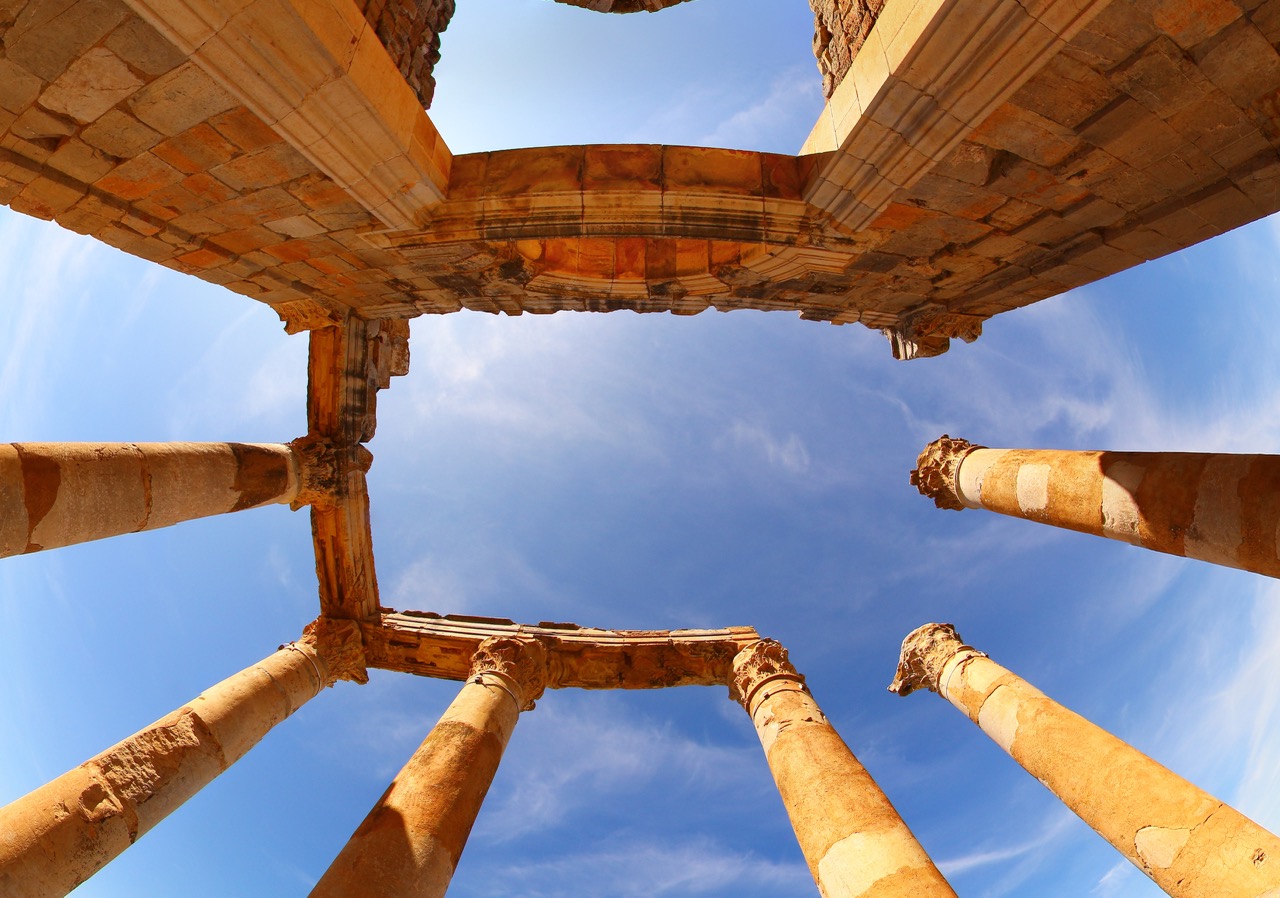
Roman colonial city of Numidia, later known as Djémila, renowned for its exceptionally well-preserved late antique urban remains.
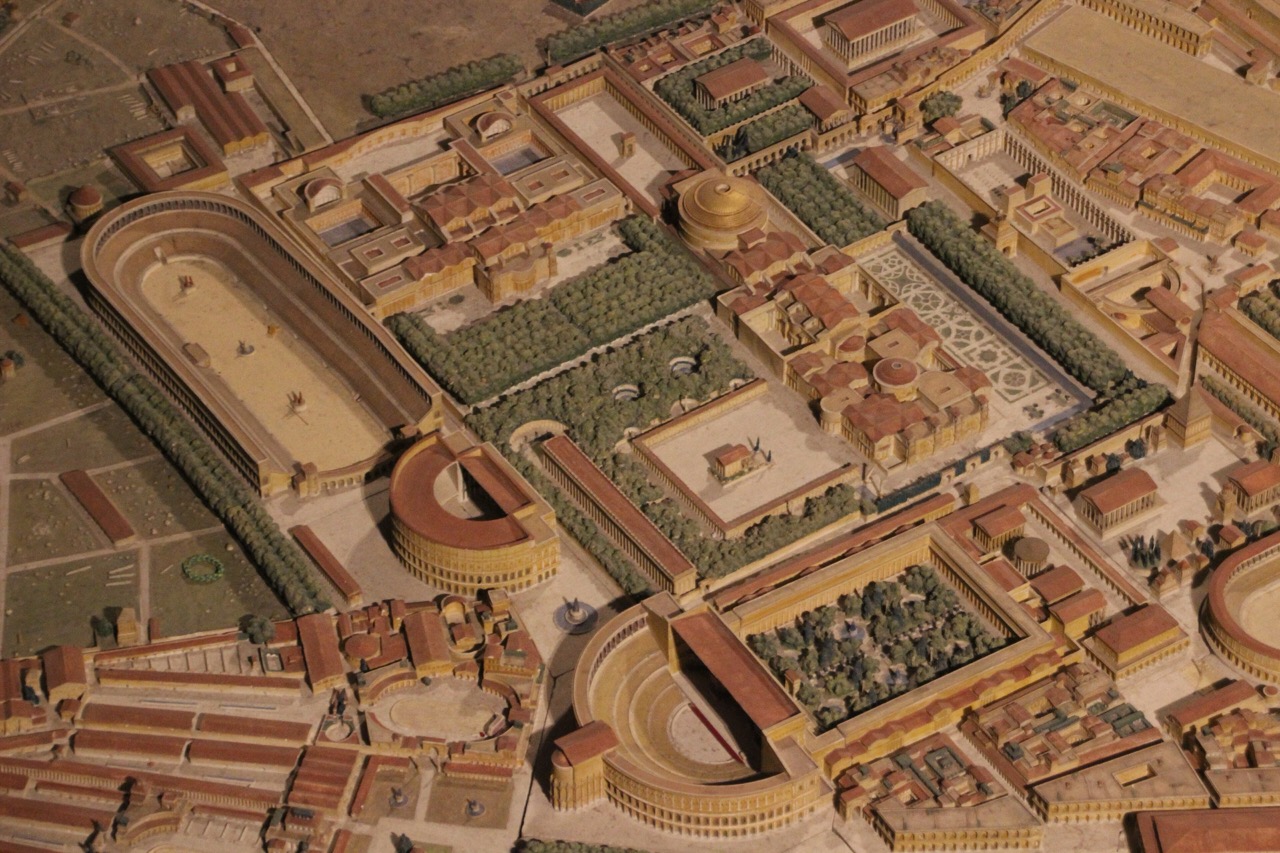
Archaeological evidence shows that the area around Rome has been inhabited since around 14,000 years ago. Excavations support the theory that Rome grew from pastoral settlements on the Palatine Hill, which was built over the area of the Roman Forum.

Veteran recalled to imperial service and sole named devotee of Mithras currently attested at Grumentum.
Small bronze torchbearer statuette in Oriental dress from the Cabinet des Médailles, with restored feet and a missing torch-bearing arm.
