Your search Anne Le Cam gave 192 results.
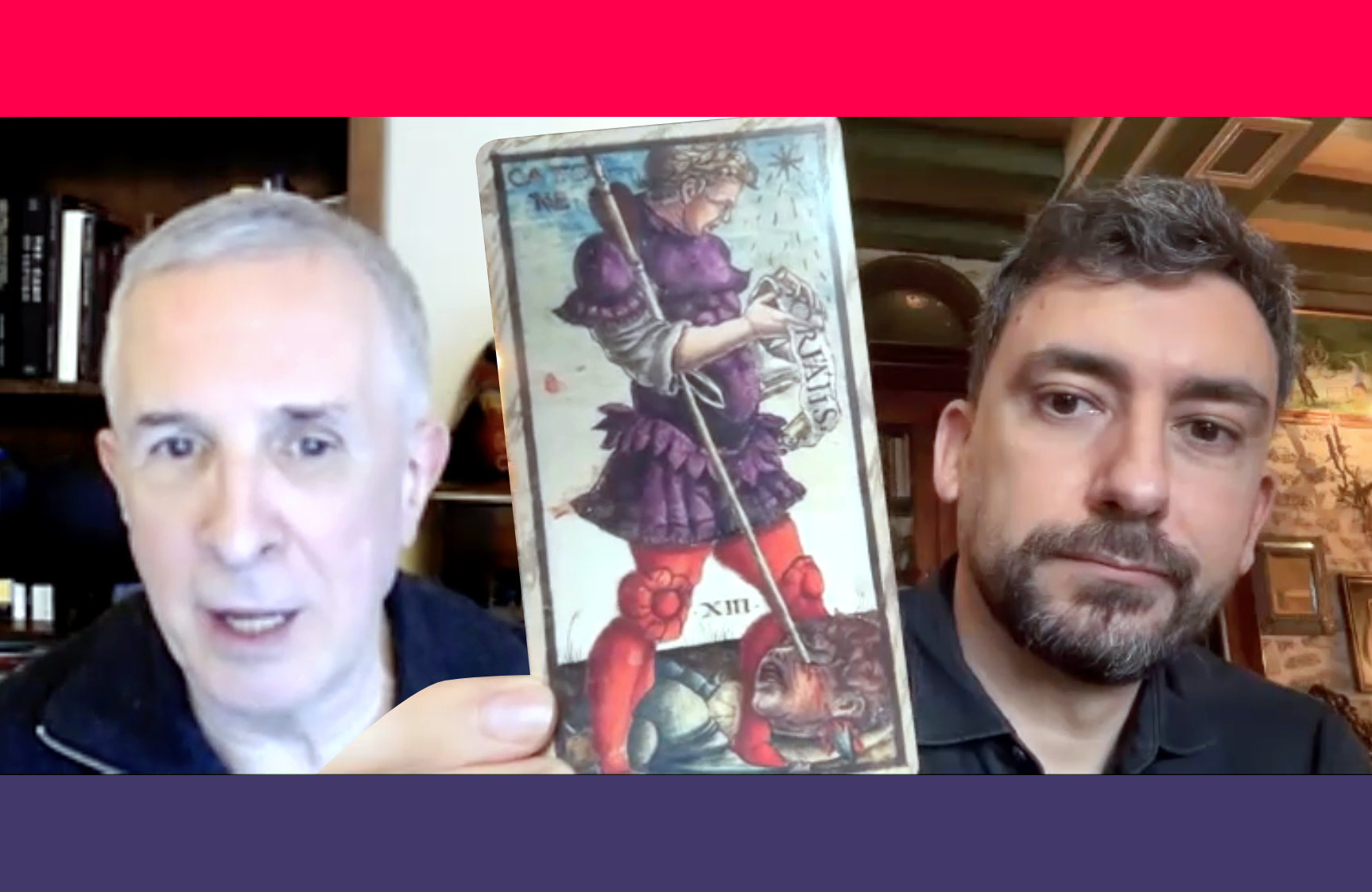
For the launch of our YouTube channel, we chat with the author, poet, essayist and friend Peter Mark Adams about the Sola-Busca Tarot, a Renaissance masterpiece, uncovering ties to the Mithras cult.
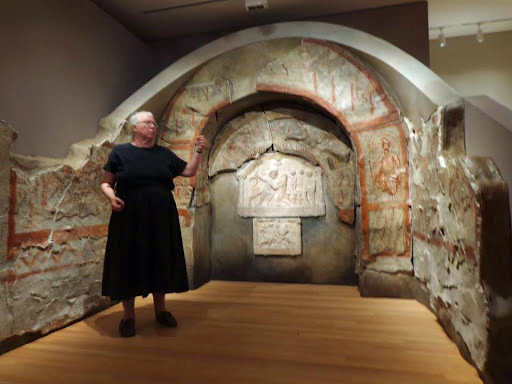
The 24th annual MithraCon has been announced! It will be held in New Haven Connecticut from Friday 26th to Sunday 28th April 2024. MithraCon, or the New England Convention of Mithraic Studies, is a small informal conference focused on the study and…

Are you a Fluent English Speaker? Are you interested in joining a bourgeoning community centred around camaraderie, knowledge and community building? If so, we invite you to join the Anglo-Mithraic Society! We offer a welcoming community…

Minto has claimed that the time god Aion was painted on the corner of the north wall of the Mitreo de Santa Capua Vetere.
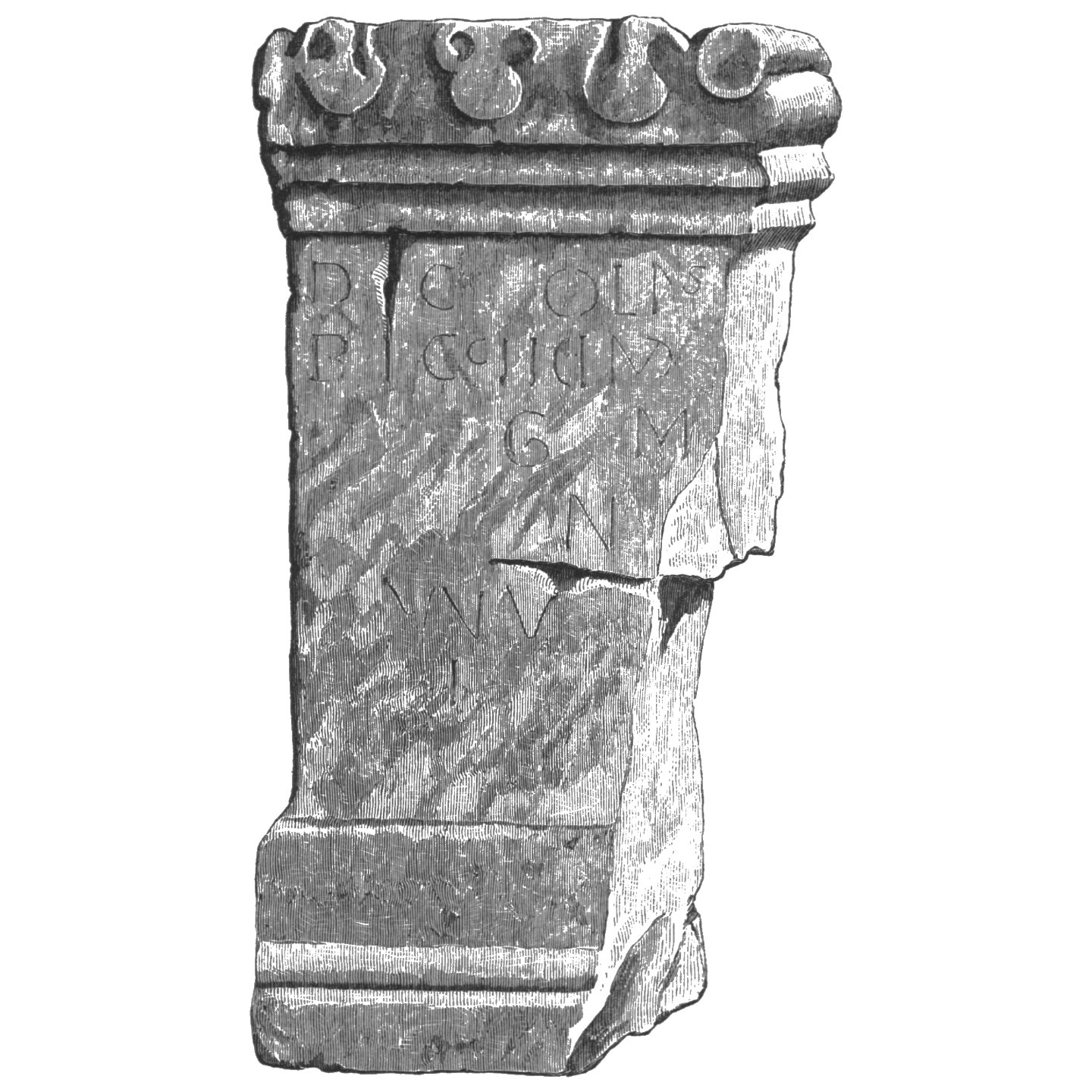
Horsley thought that, like some other inscriptions in the Naworth Collection, this altar also had come from Birdoswald.
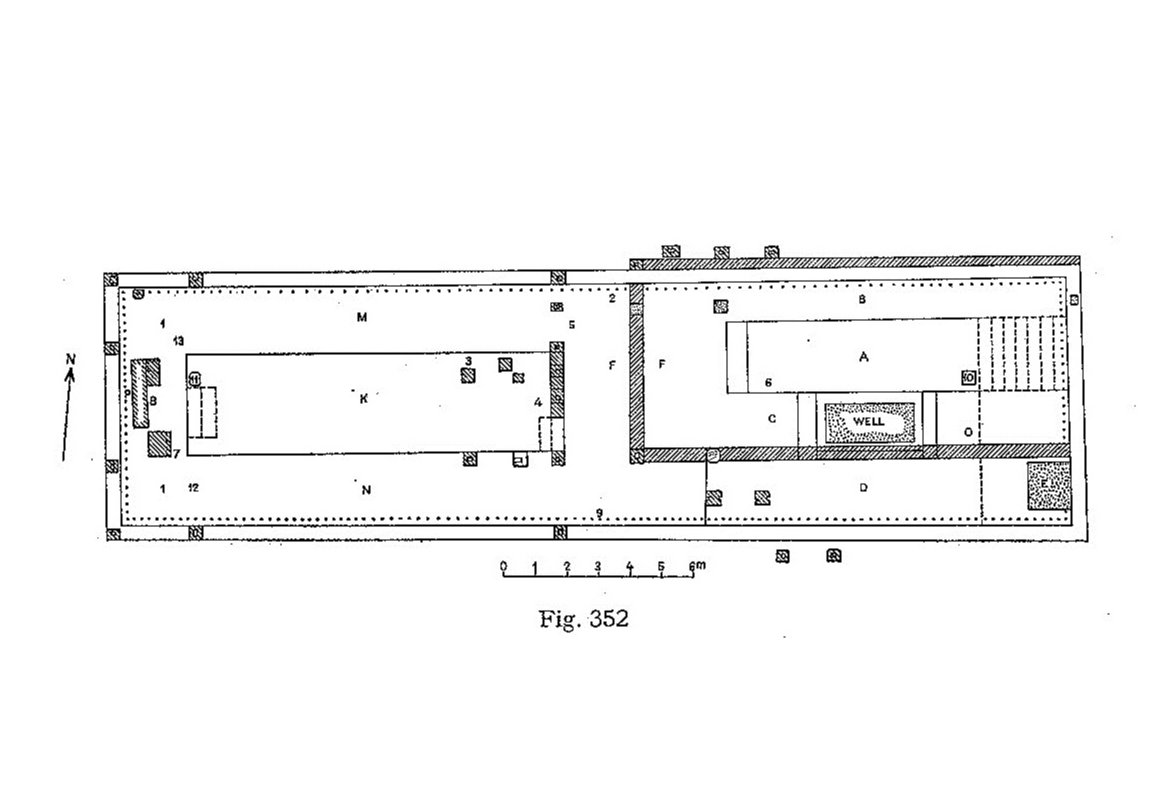
Lors de la construction de l’église Saint-Paul en 1911, un mithraeum a été mis au jour à Königshoffen, vicus gallo-romain situé aux abords du camp légionnaire de Strasbourg-Argentorate.
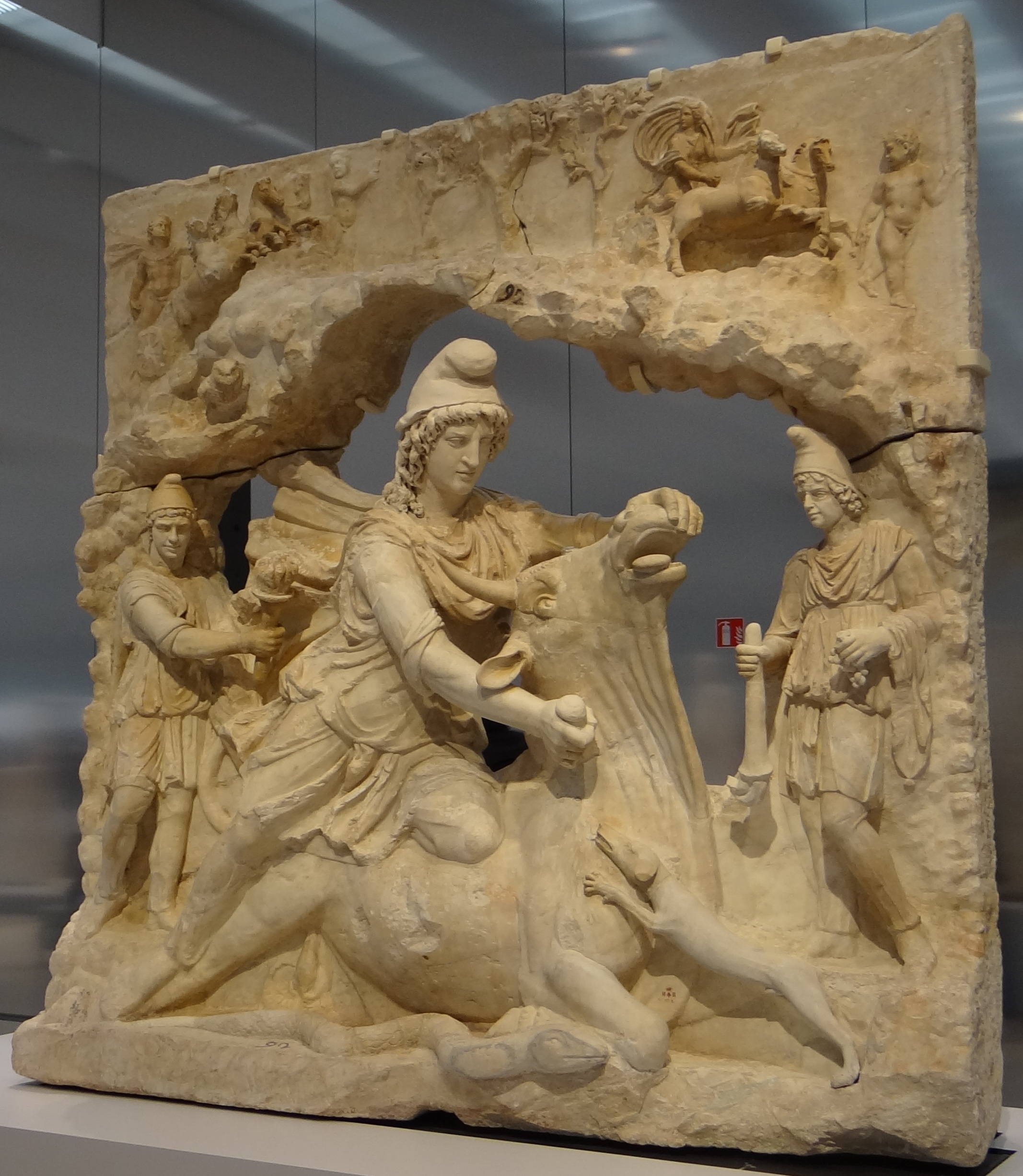
This relief of Mithras slaying the bull was erected in Piazza del Campidoglio, moved to Villa Borghese and is now in the Louvre Museum.
This altar found in Sentinum bears an inscription from two brothers.
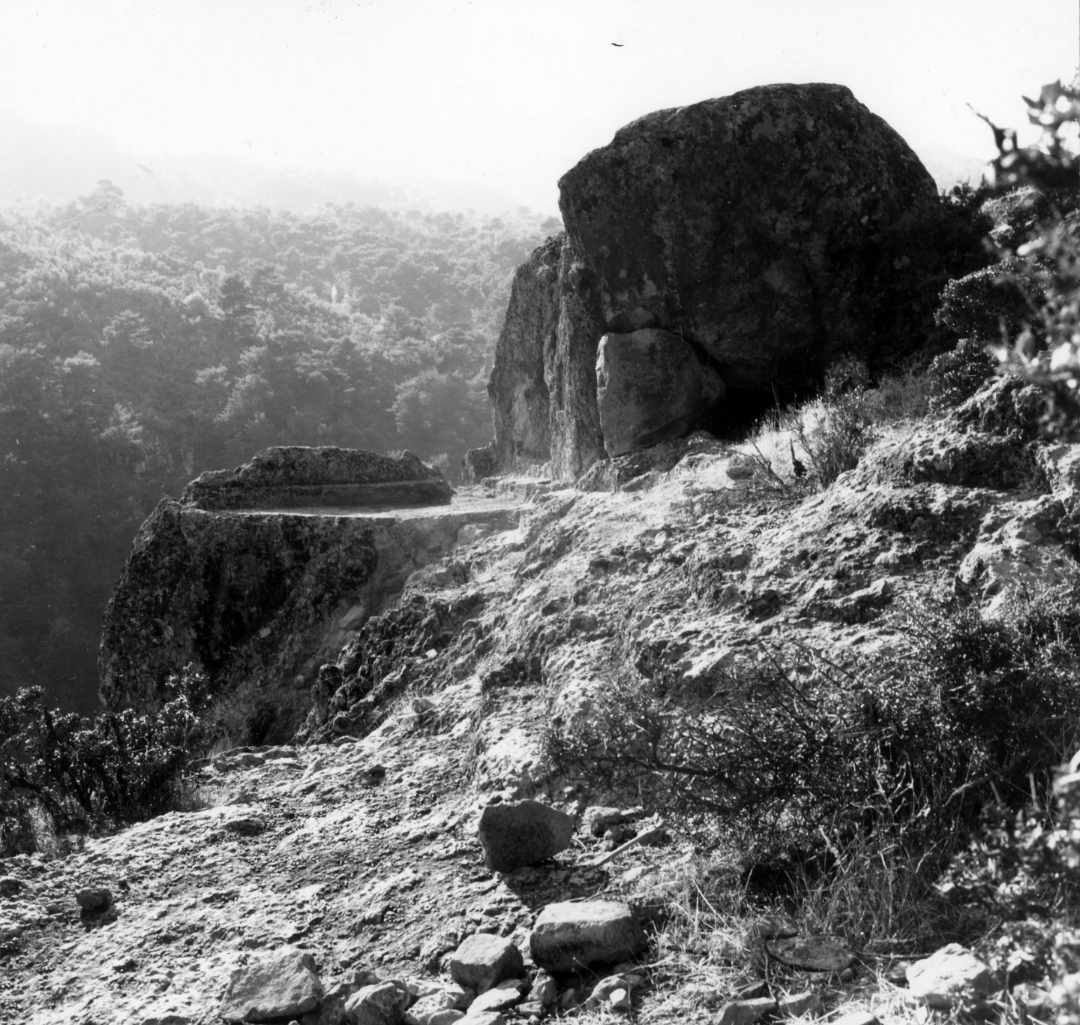
Mithras became the main deity worshipped in the sanctuary of Meter in Kapikaya, Turkey, in Roman times, at least until the fourth century.
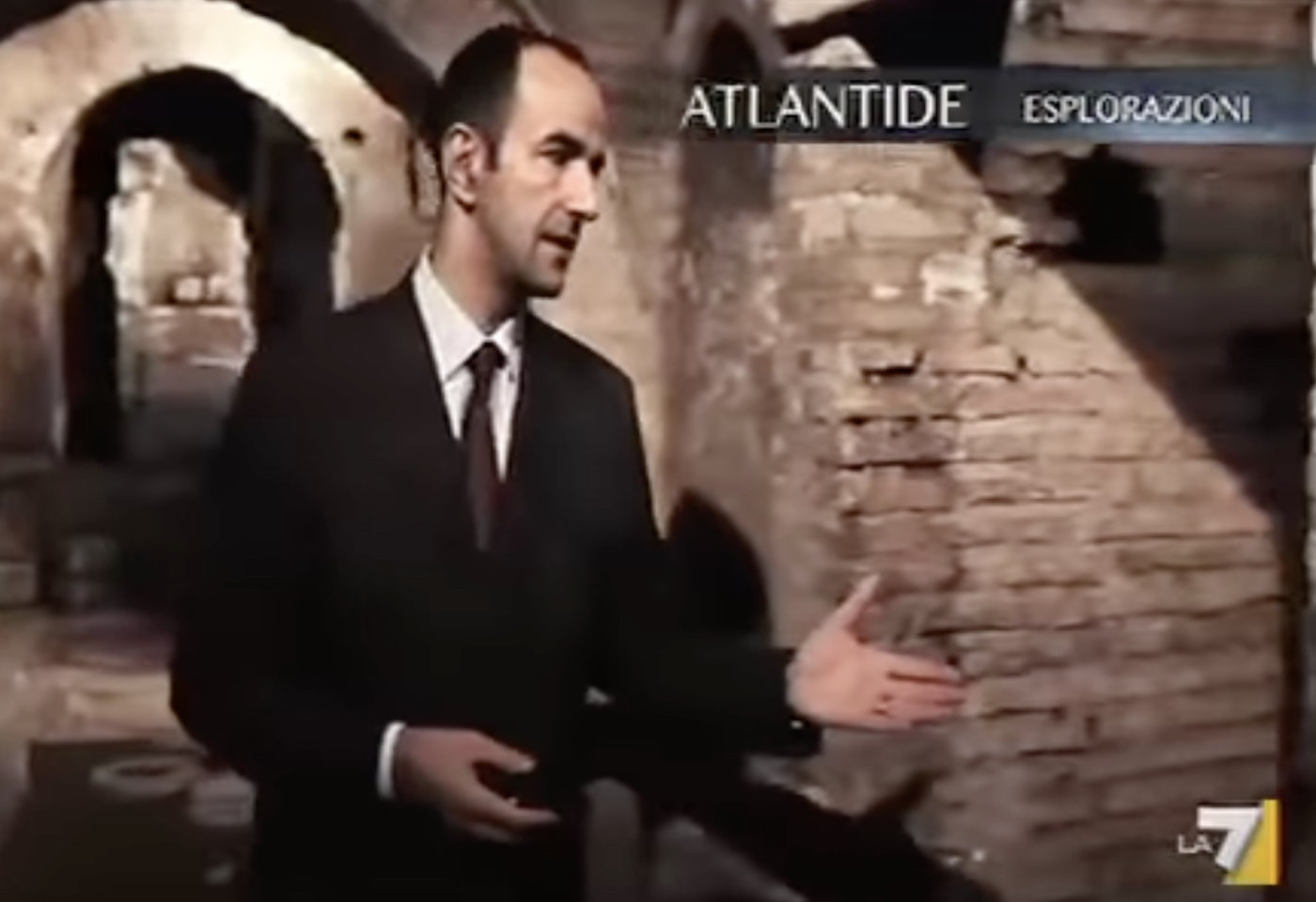
Video report of the Italian TV channel La 7 about Mithraism made in the Mithraeum of the Circo Massimo.
The article reveals the context in which the first public appearance of Mitra happened to answer two questions: who were the first people to give prominence to this deity, and for what purpose they did so.

Over the last century or so, a great deal has been said about the god Mithras and his mysteries, which became known to the European world mainly through his Roman cultus during the Imperial Period.