Your search Arsha wa Qibar - Qaybar - Qeibar - Qibare, al-Hawa gave 3148 results.
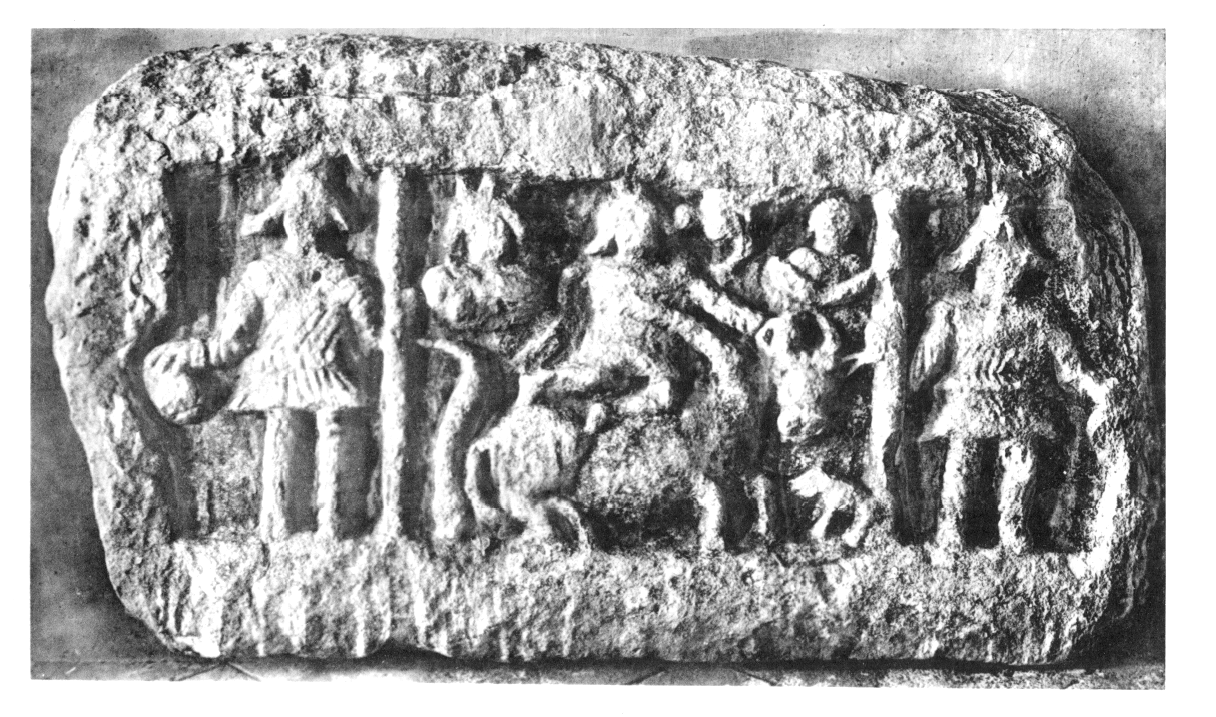
This relief of Mithras as bull slayer is surrounded by Cautes and Cautopates with their usual torch plus an oval object.
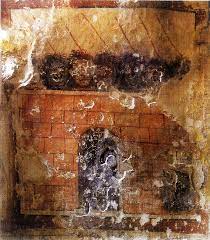
The City of Darkness unique fresco from the Mithraeum of Hawarte shows the tightest links between the western and eastern worship of Mithras in Roman Syria.
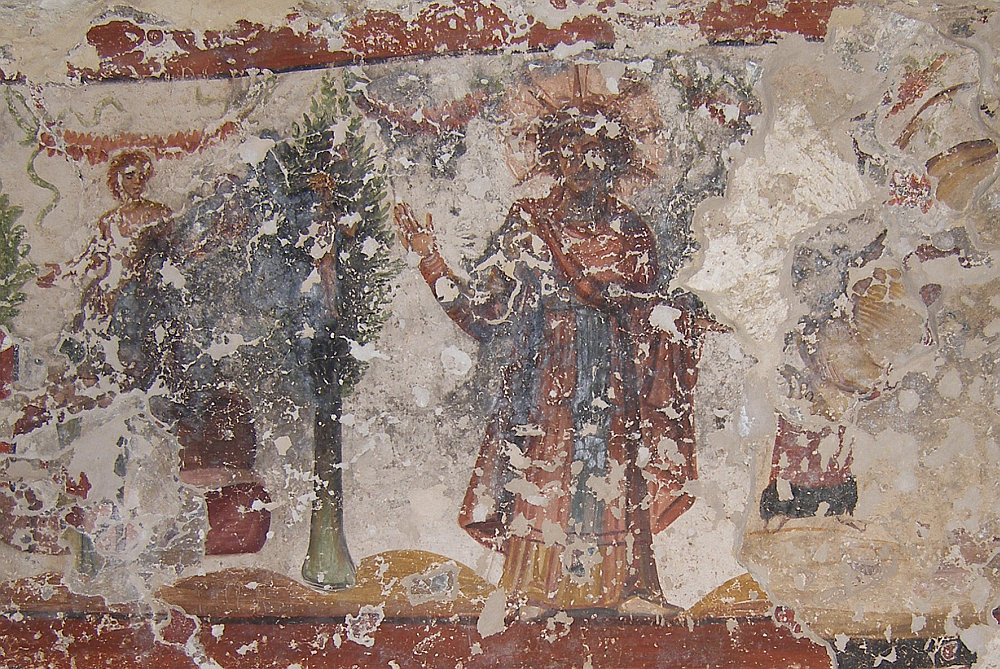
In one of Hawarte’s frescoes, the rock birth of Mithras is preceded by Zeus and followed by the young Persian god suspended from a cypress tree.
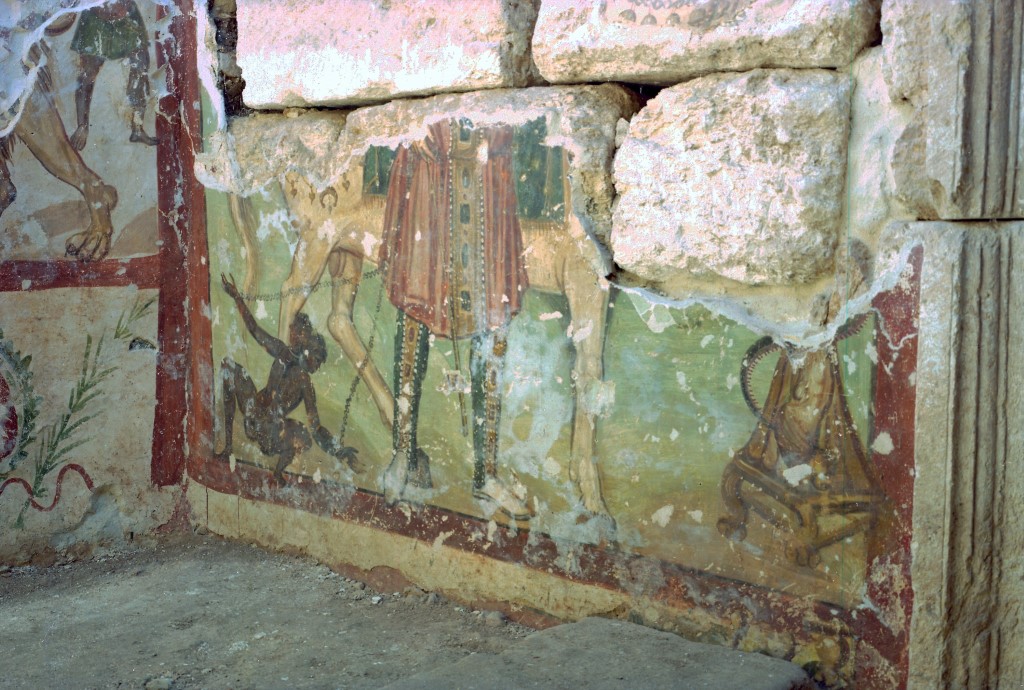
This painting depicts an Iranian knight holding in a chain a black naked figure with two heads.
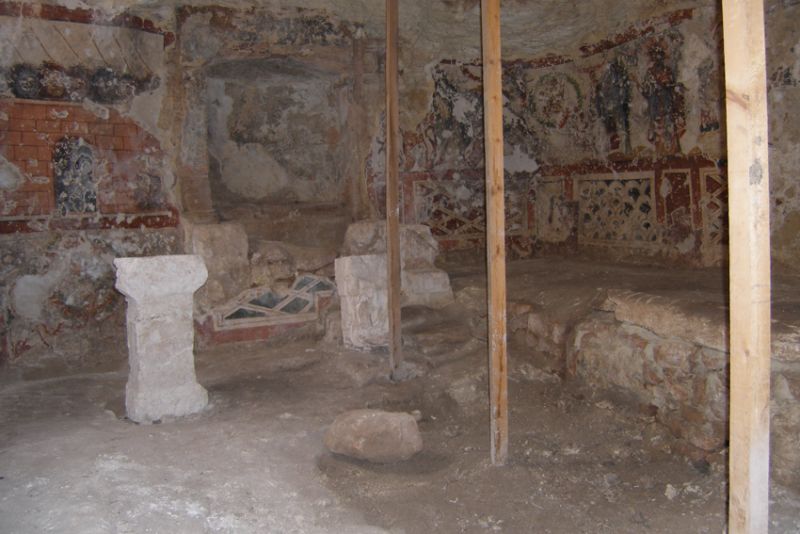
The Mithraeum of Hauarte or Hawarte, which preserves colourful frescoes, it’s the latest know and used.

Al-Ankawi is a Syrian town located in the Ziyarah Subdistrict of the al-Suqaylabiyah District in Hama Governorate.
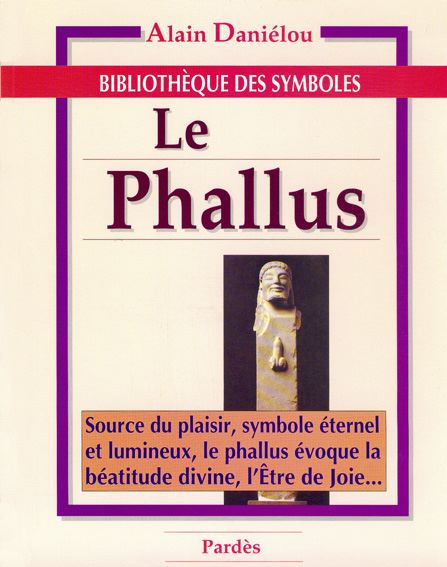
It is only when the penis stands up straight, that it emits semen, the source of life. It is then called the phallus and has been considered, since earliest prehistory the image of the creative principle, a symbol of the process by which the Supreme

Guides, maps and additional information on the Basilica, the Mithraeum and the archaeological area of San Clemente.

Small bronze statuette in Oriental dress from the Walters Art Gallery, Baltimore, depicting a figure no longer considered a Mithraic object.
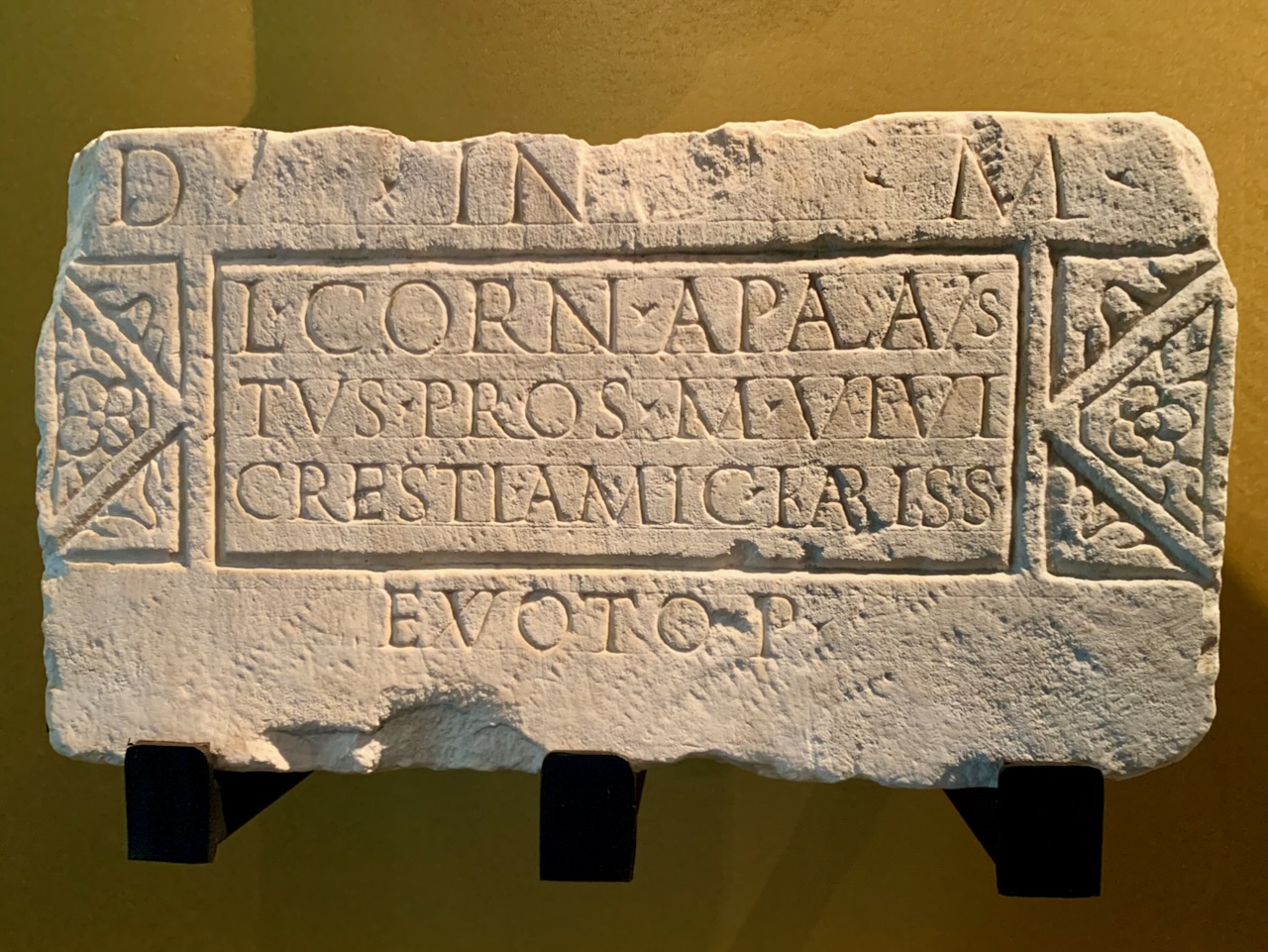
The altar that now stands in Split was dedicated to Invincible Mithras for the health of a dear friend.
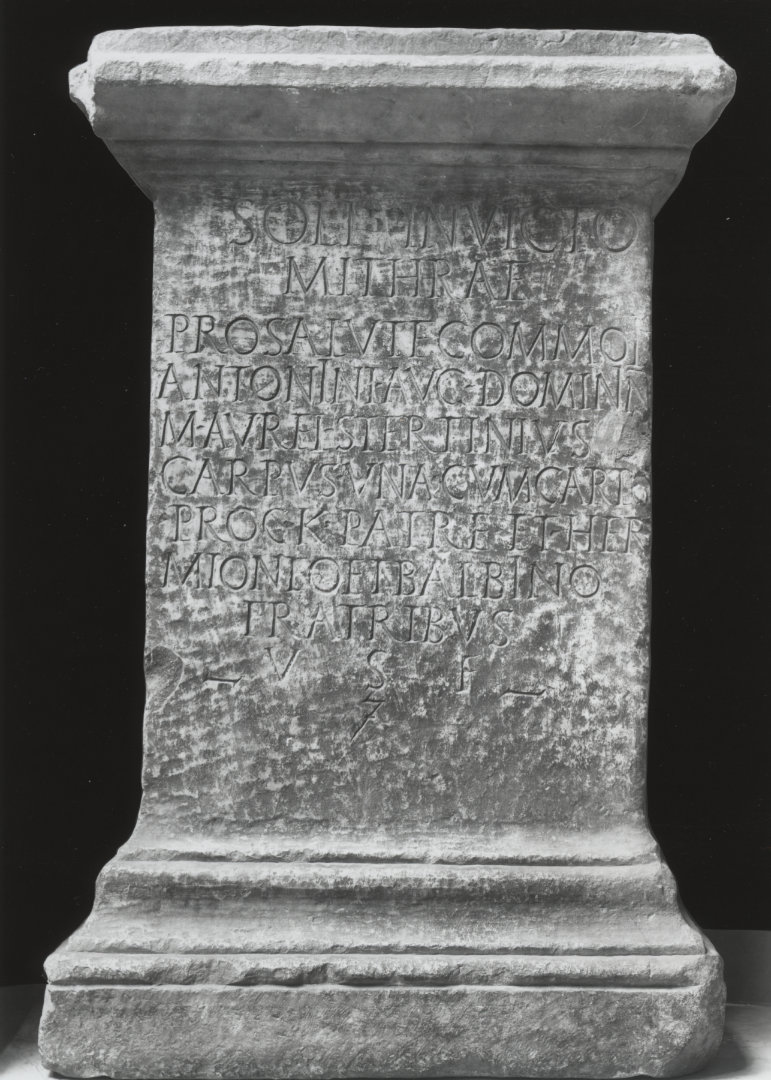
This altar bears an inscription to the health of the emperor Commodus by a certain Marcus Aurelius, his father and two other fellows.
Five fragments of a red terra-sigillata vessel showing Cautopates with his torch pointing downwards, in Eastern attire and cross-legged, with the hoof of the bull's hindleg before him, found at Alesia (Mont-Auxois) in Lugdunensis.
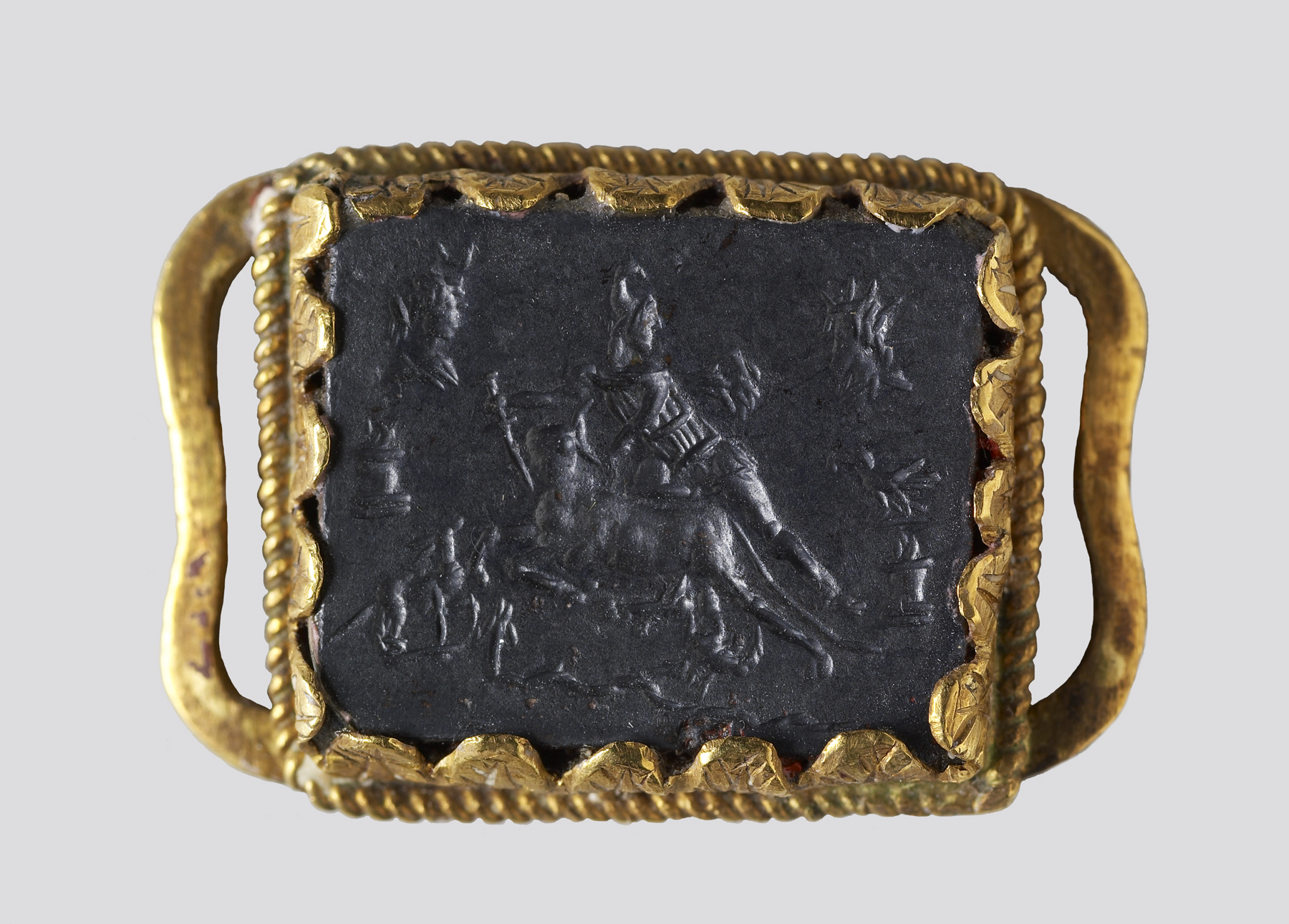
This unusual piece depicts Mithras slaying the bull on one side and the Gnostic god Abraxas on the other.
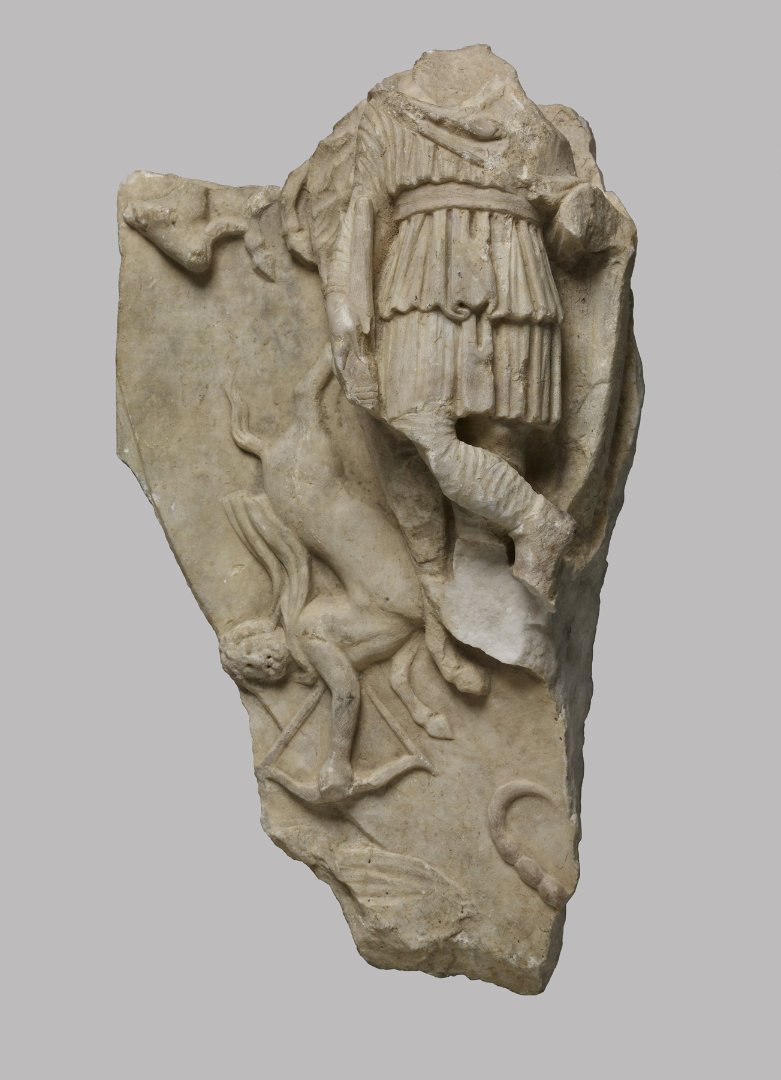
This fragmentary relief shows Cautopates bordered by three of the six zodiacal signs with which He is associated: Capricorn, Sagittarius and Scorpio.
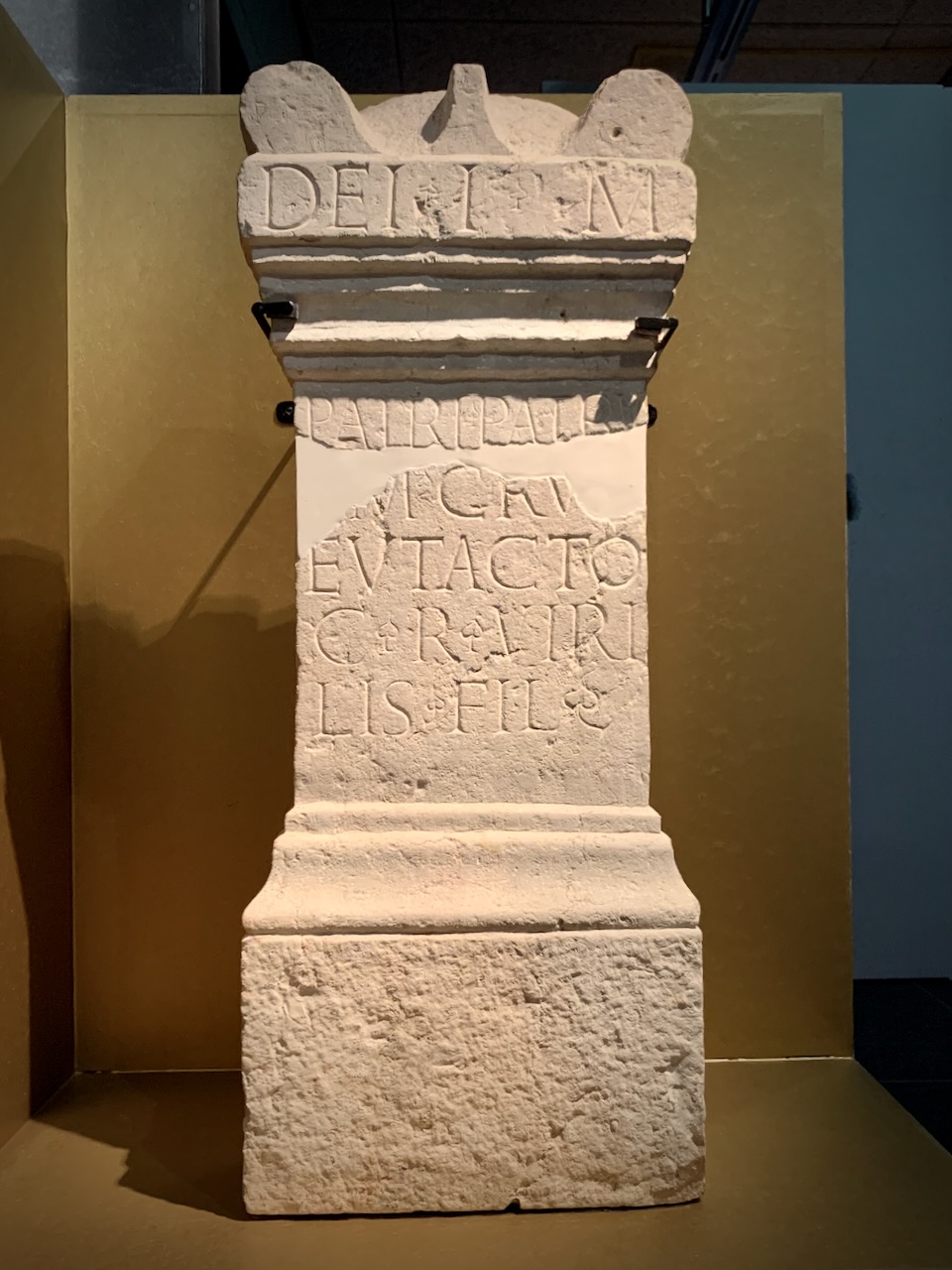
This altar was dedicated by a son to his father, one of the few Patres Patrum recorded in the western provinces.
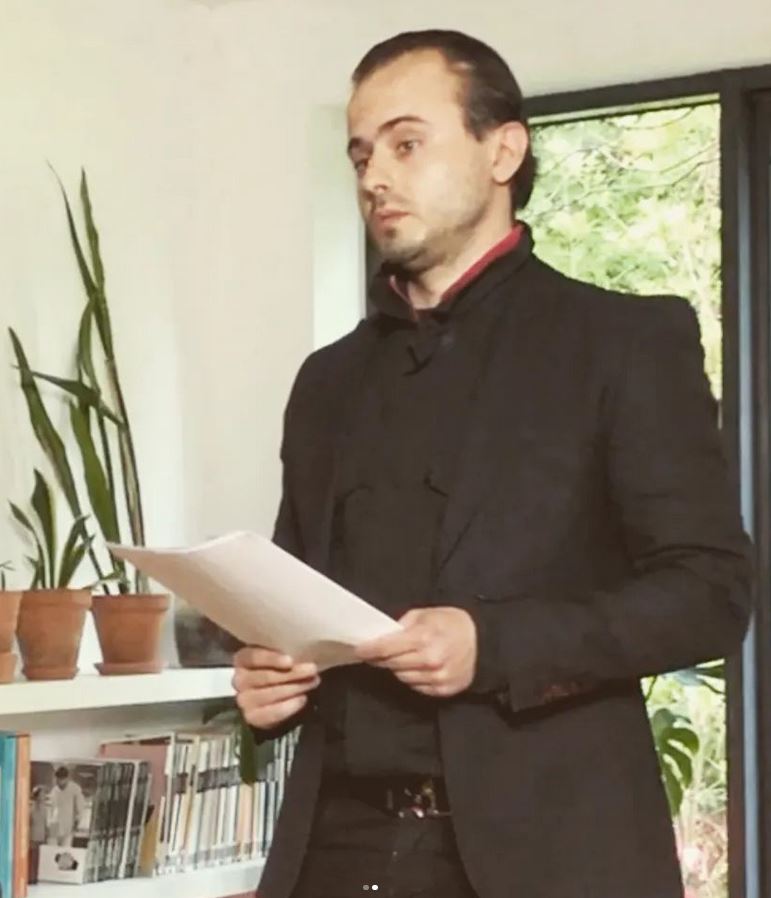
BSc Econ in Political Science and Intelligence Studies, born in Warsaw, PL, Researcher of Cults and Mysteries, a practicing Heathen since the age of 12.
The findspot of this monument is unknown, though it has traditionally been associated with the historical region of Wallachia.
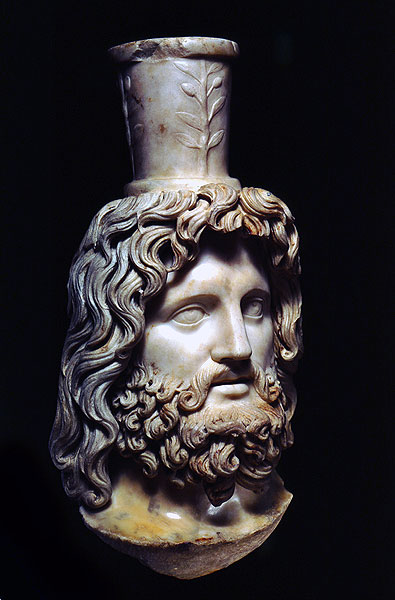
The head of Serapis found at Walbrook, London, is decorated with stylised olive branches.
Crystalline limestone votive altar from Waggendorf near Sörg, Glantal, Noricum, probably third century AD, dedicated to Deo invicto Mithrae.

