Your search As Salhiyah gave 2397 results.
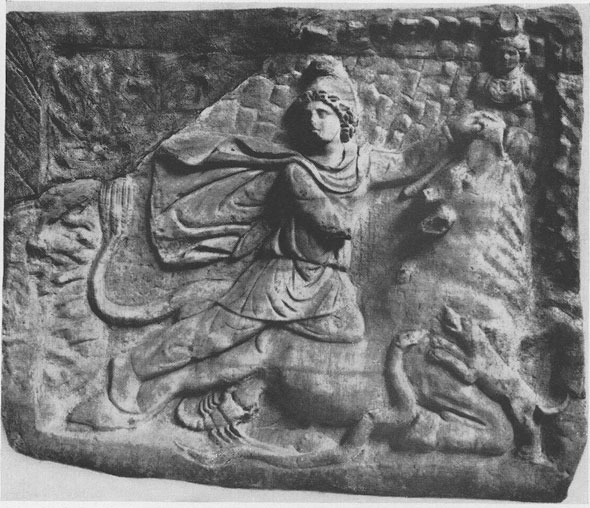
This marble tauroctony relief, probably originating from Naples, depicts Mithras slaying the bull within a cave-like setting, accompanied by the usual animals and celestial busts.

Persia occupies a central place in the intellectual and historical background of Mithraic studies.
Lycia and Pamphylia preserve Mithraic evidence linked to southern Anatolian maritime and urban networks.
Macedonia preserves Mithraic evidence shaped by major Balkan routes and long-standing urban traditions.
Moesia preserves a strongly militarised body of Mithraic evidence along the Danubian frontier of the empire.
Dalmatia preserves Mithraic evidence shaped by Adriatic routes, military movement and provincial urban centres.
Armenia occupied a strategic position between Roman and Iranian religious worlds during the centuries of Mithraic expansion.
Bithynia and Pontus preserve important evidence for the diffusion of Mithraic cults across the Black Sea and northwestern Anatolia.
The Alpine regions preserve scattered Mithraic evidence associated with military circulation and strategic routes across the western empire.

Inscription from Hamadan where the ’great king’ Artaxerxes mentions Ahuramazda, Anahita, and Mithra as guardians.

Late Roman dux associated with the restoration of the so-called Mithraeum IV of Poetovio.

A probable Mithraic sanctuary at Poetovio, identified by Vermaseren as the so-called Mithraeum IV on the basis of four associated inscriptions.
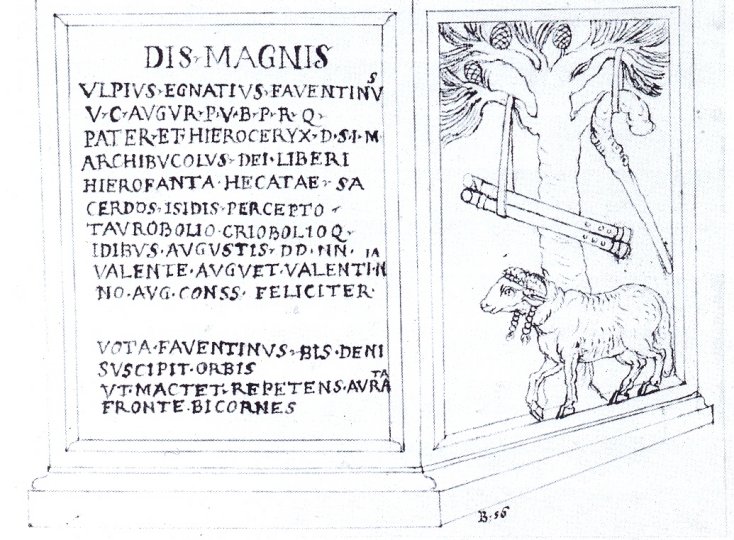
Both of them were discovered in 1609 in the foundations of the façade of the church of San Pietro, Rome.
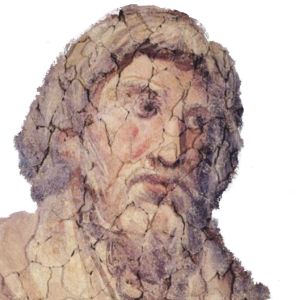
North African author, Platonic philosopher and rhetorician associated with the Mithraic milieu of Ostia.

Supervisor of the imperial couriers who offered an elaborate votive altar and ritual insignia to Mithras in Rome under Commodus.

Hector erected an altar to Mithras in Emerita Augusta by means of a ‘divine vision’.

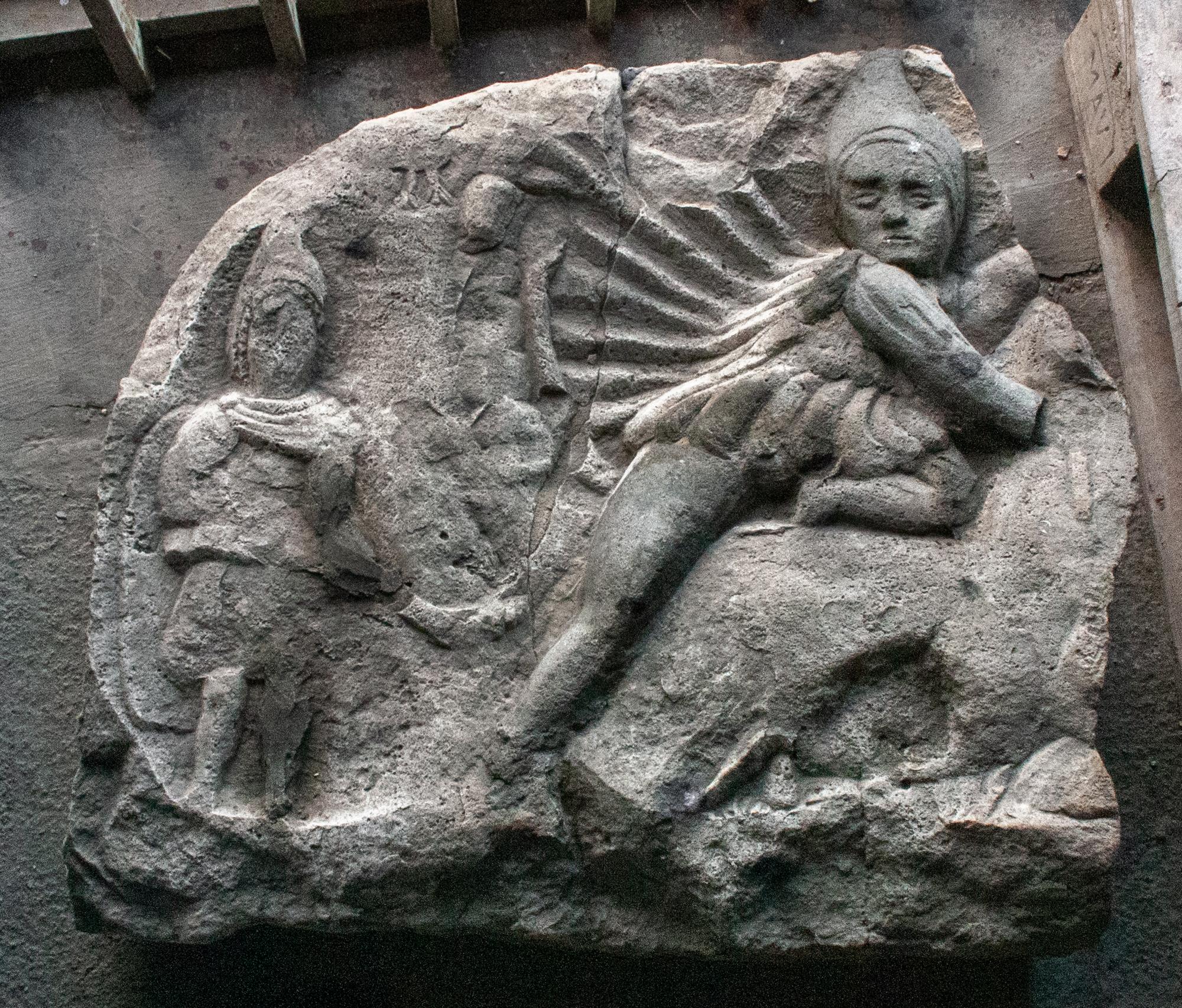
This limestone tauroctony from Aquincum preserves Mithras slaying the bull together with Cautopates, the serpent, the scorpion, and the legs of the raven.
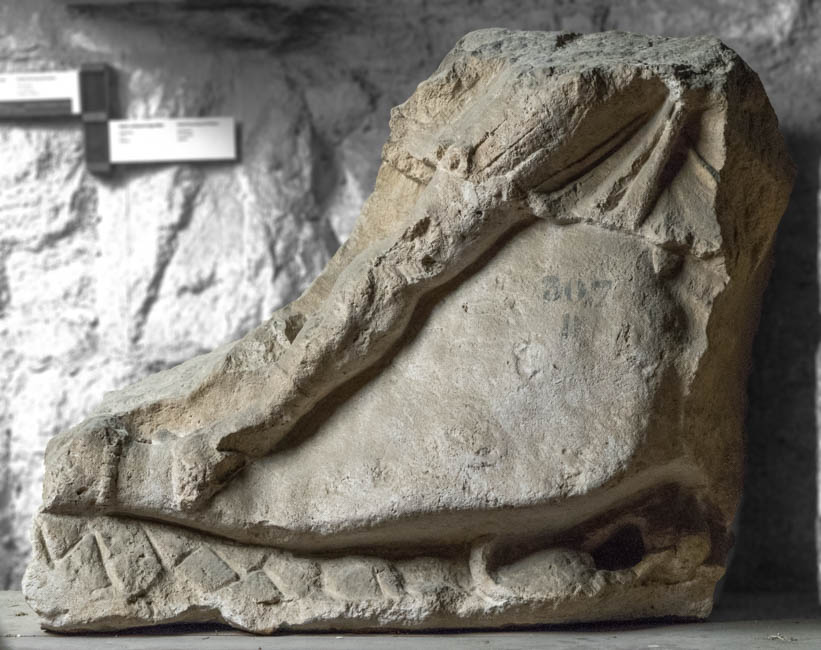
This large limestone fragment from Roman Salona preserves the hind part of the bull together with Mithras’ foot and traces of his red tunic.
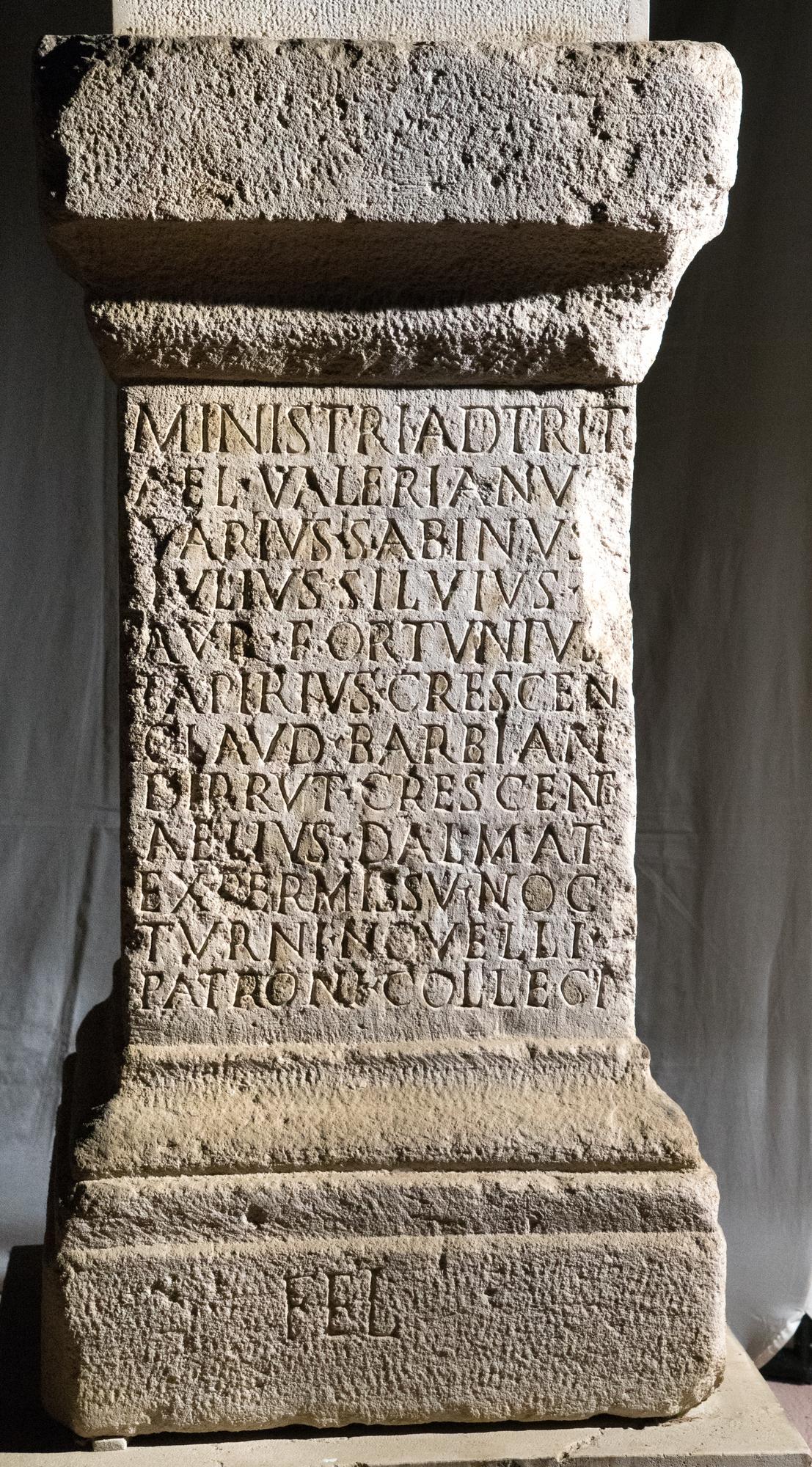
This inscribed limestone altar from Roman Salona preserves several lists of ministers associated with the Tritones collegium during the Tetrarchic period.
