Your search Ay-Todor gave 1062 results.
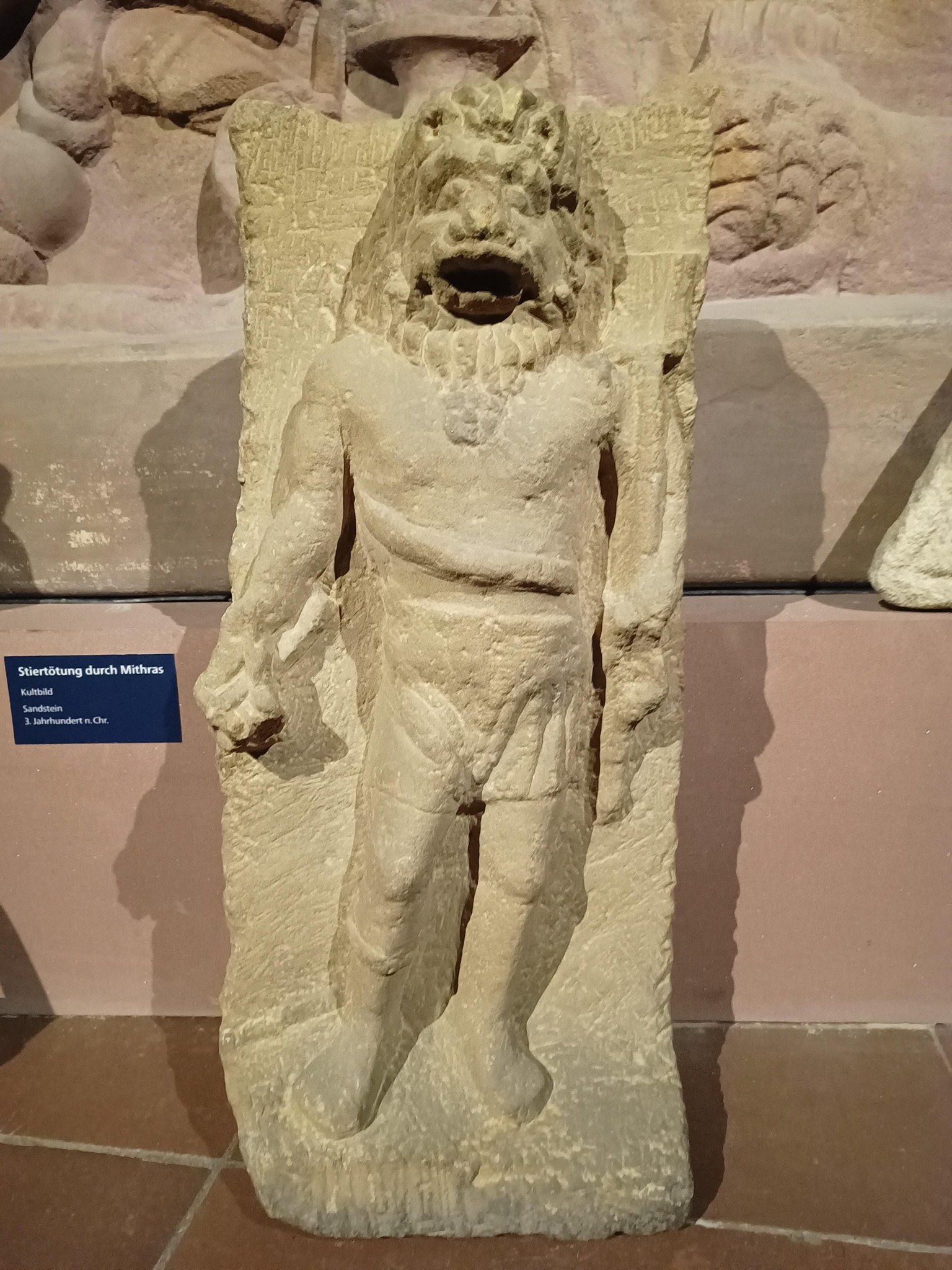
This lion-headed figure from Nida, present-day Frankfurt-Heddernheim, holds a key and a shovel in his hands.

The lion-headed statue of Hedderneheim is a reconstruction from fragments of two different sculptures.

Colonia Ulpia Traiana Augusta Dacica Sarmizegetusa was the capital and the largest city of Roman Dacia, later named Ulpia Traiana Sarmizegetusa after the former Dacian capital, located some 40 km away. The city was destroyed by the Goths.
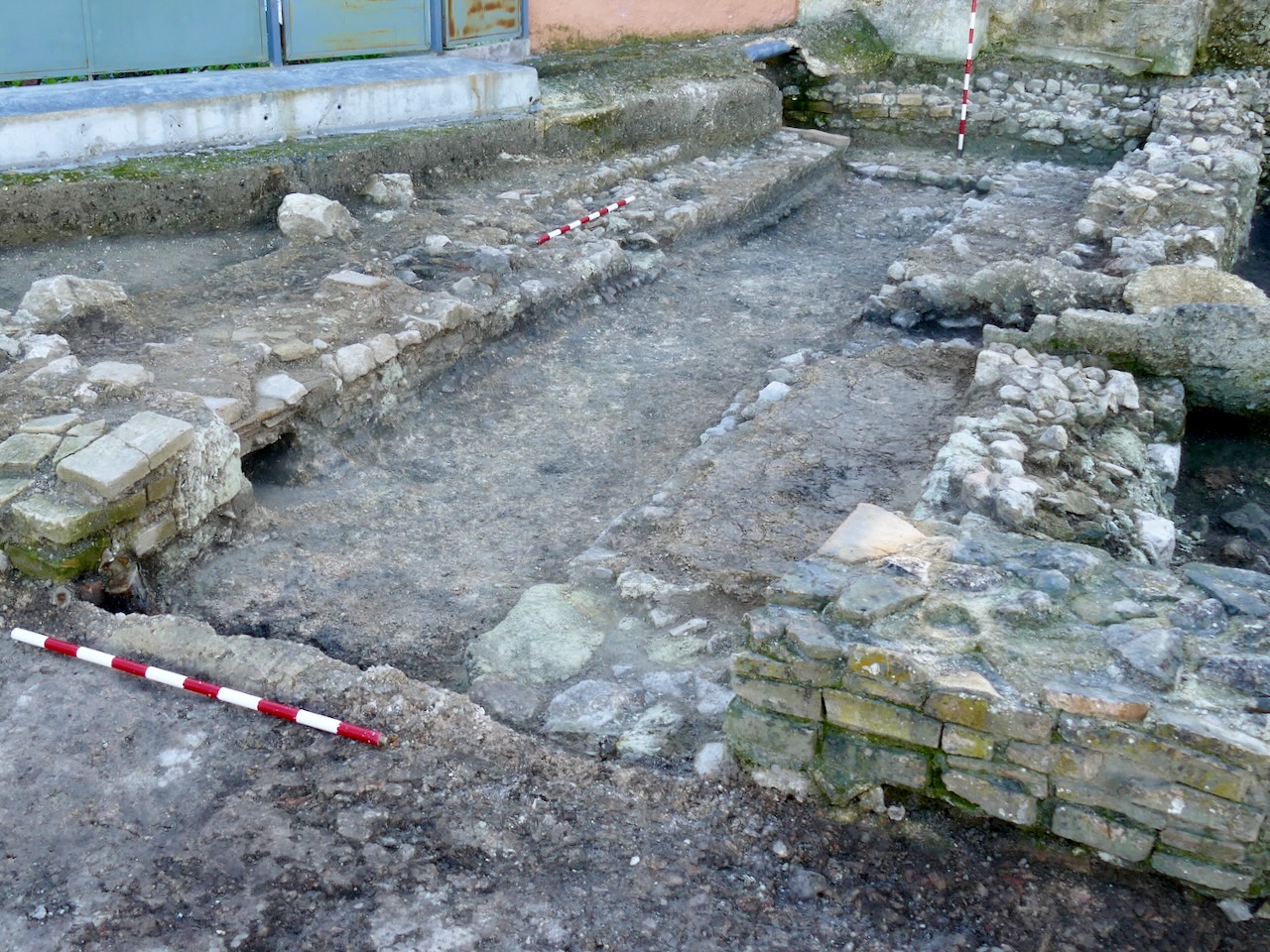
The Mithraeum of Cabra is located in the Villa del Mitra, which owes its name to the discovery in 1951 of a Mithras tauroctonus in the remains of the Roman villa.
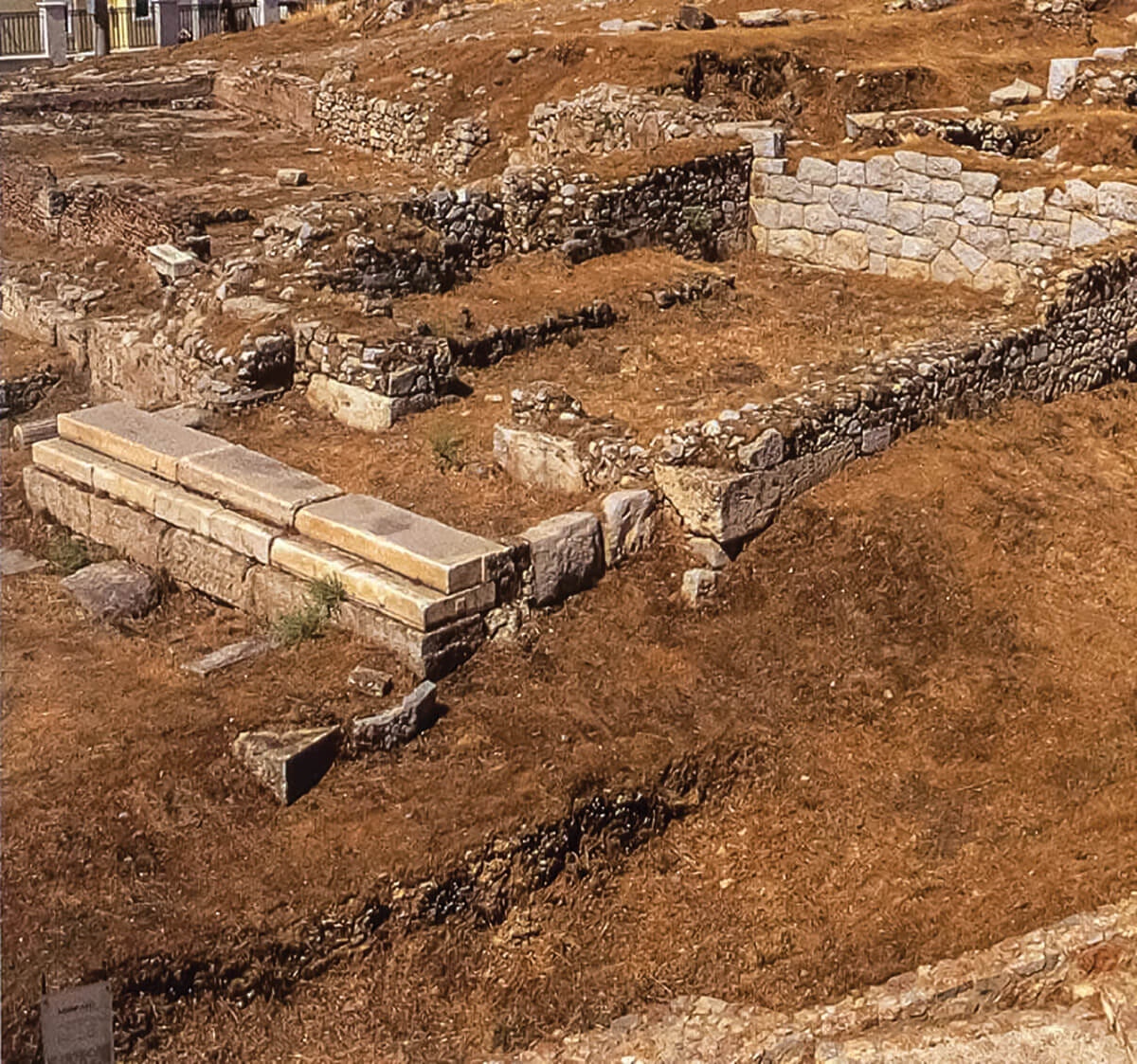
A Mithraeum has been identified in Eleusis where the last Hierophant form thespia had the rank of Father in the Mithraic Mysteries.

Subterranean sanctuary at ancient Atchana tentatively interpreted by Woolley as an early precursor to later Mithraic temples.
Antioch was the capital of Roman Syria and gateway between the Mediterranean and the eastern provinces.
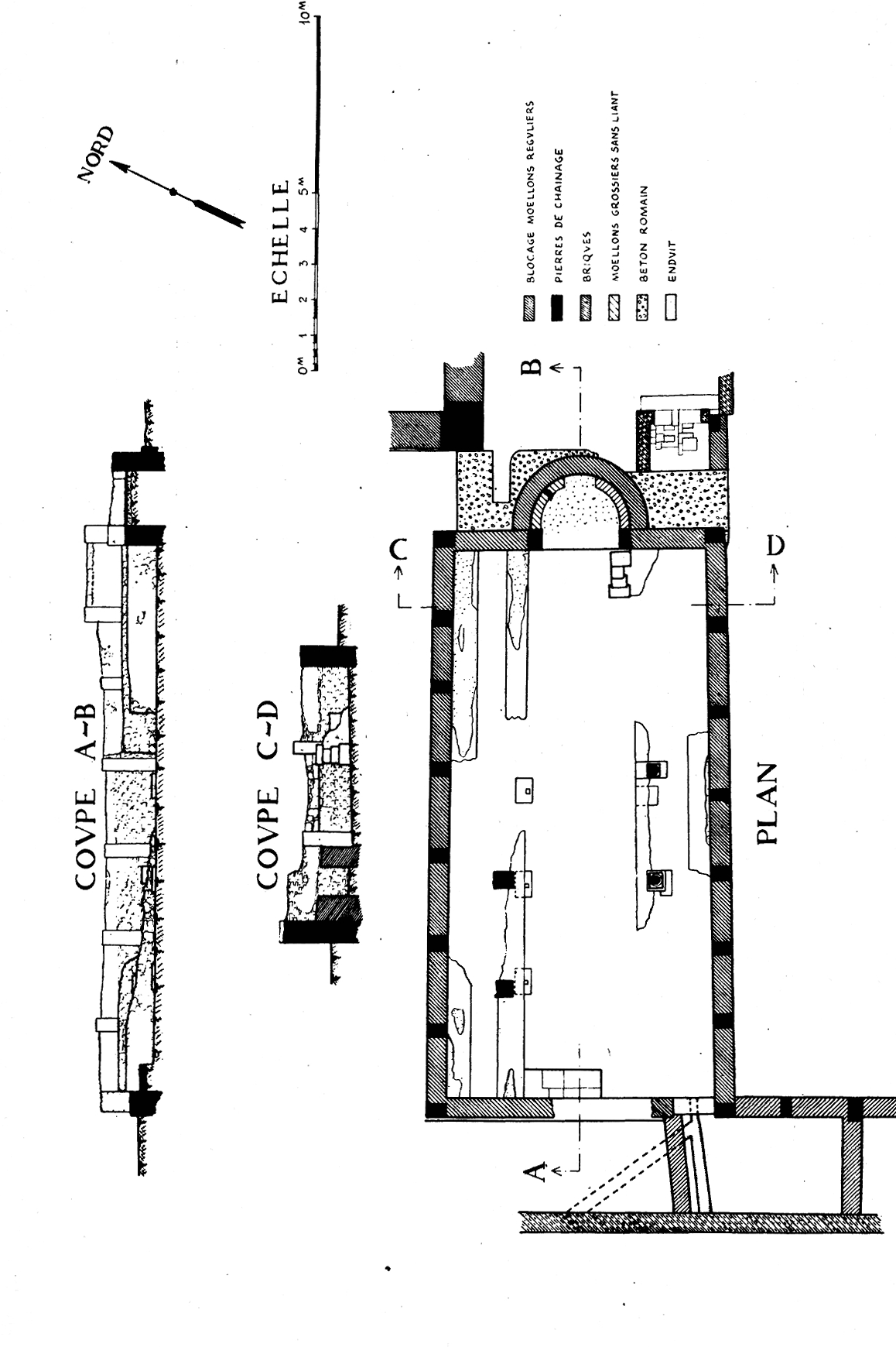
The Mithraeum of Tazoult / Lambèse is one of the best preserved Mithras’s temples in Africa.
These twin inscriptions found in the Mithraeum of Tazoult were dedicated by the legate Marcus Valerius Maximianus.
Many of the inscriptions and sculptures of the site were kept in a museum which has been destroyed.
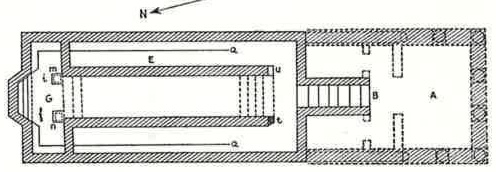
Second Mithraic sanctuary discovered in 1826 some 150 metres west of Mithraeum I at Heddernheim, ancient Nida, with finds in the Wiesbaden museum.
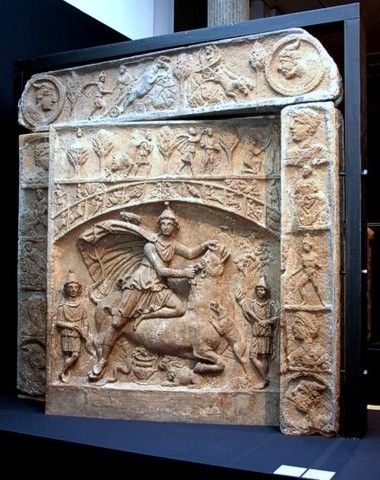
This relief is so well-known that it has been reproduced in nearly every handbook of archaeology and of history of religions.
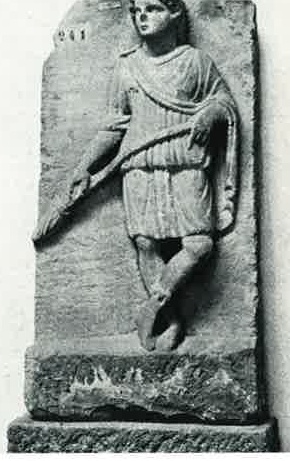
Relief in red sandstone originally standing on a base in Mithraeum I at Heddernheim, ancient Nida, featuring the bull-slaying scene.
Nida was an ancient Roman town in the area today occupied by the northwestern suburbs of Frankfurt am Main, Germany, specifically Frankfurt-Heddernheim, on the edge of the Wetterau region.
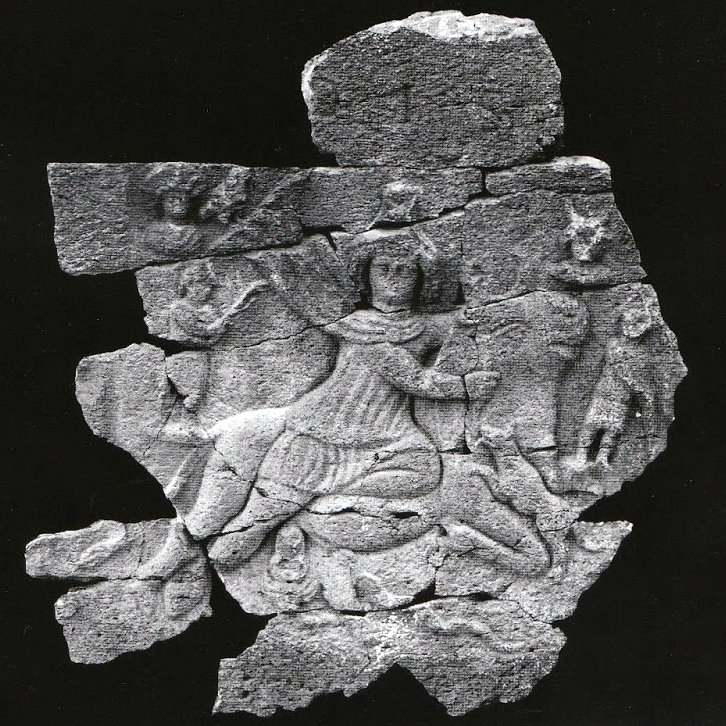
The second tauroctony of Jabal al-Druze seems to have be made by the same sculptor.
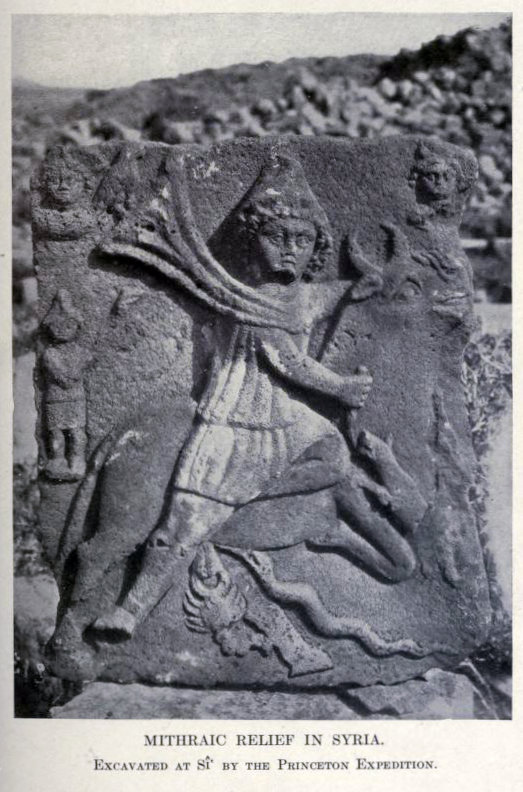
In the tauroctony of Jabal al-Druze in Syria, the snake appears to be licking the head of the bull's penis.
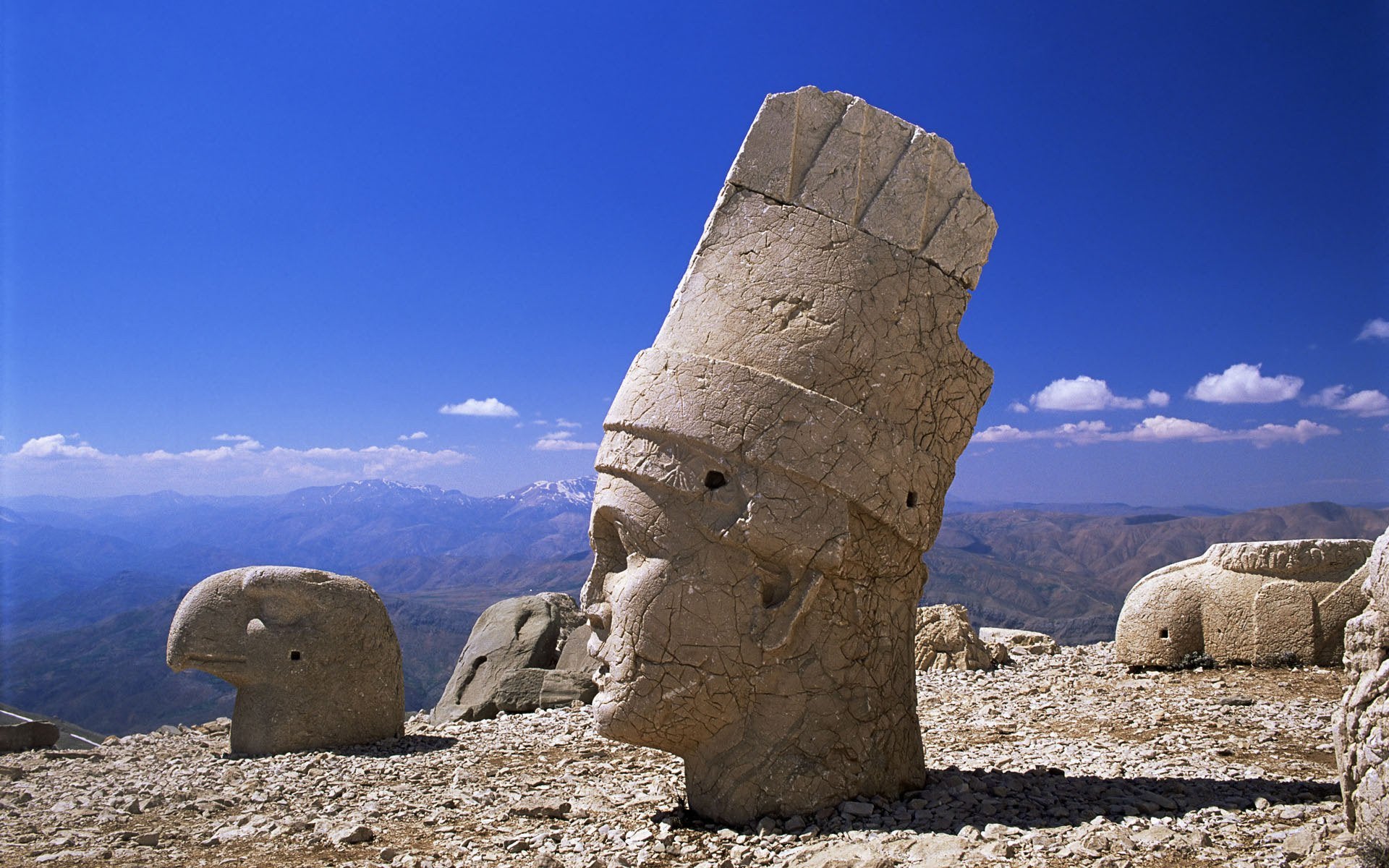
The colossal head has been identified as a solar god, Apollo-Mihr-Mithras-Helios-Hermes.
Large apsidal hall with podium discovered at Uruk-Warka, once interpreted as a possible Mithraic sanctuary.
Uruk, the archeological site known today as Warka, was an ancient city in the Near-East or West-Asia, located east of the current bed of the Euphrates River, on an ancient, now-dried channel of the river in Muthanna Governorate, Iraq.
