Your search Ay-Todor gave 1062 results.
A series of polemical passages in which a leading fourth-century Christian theologian presents the cult of Mithras as a religion defined by cruelty, bodily suffering, and shameful initiation rites.

Fragmentary relief corner depicting Mithras as bull-slayer, preserving the bull’s hindquarters, scorpion, serpent and part of a torchbearer, with a partial inscription.

The article examines two recently discovered Mithraic representations of Cautes from Alba Iulia, focusing on a rare iconographic type showing the torchbearer with a bucranium.
Emperor Julian may have been initiated into the cult of the god Mithras at the Mithraeum of Vienne, France, according to Turcan.
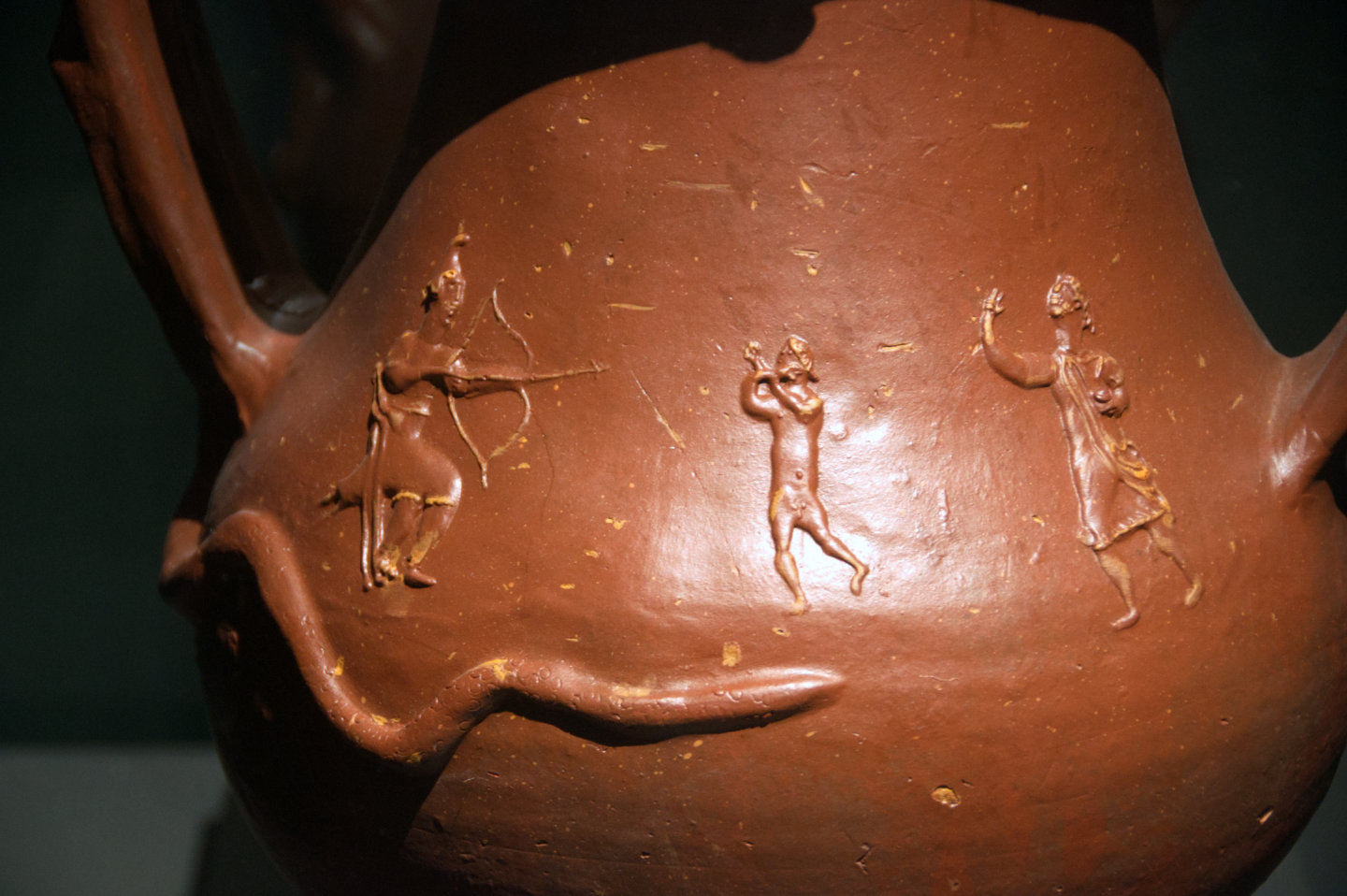
The Mithraic vase from Ballplatz in Mainz depicts seven figures arranged in two narrative sequences, commonly interpreted in relation to initiation rites.
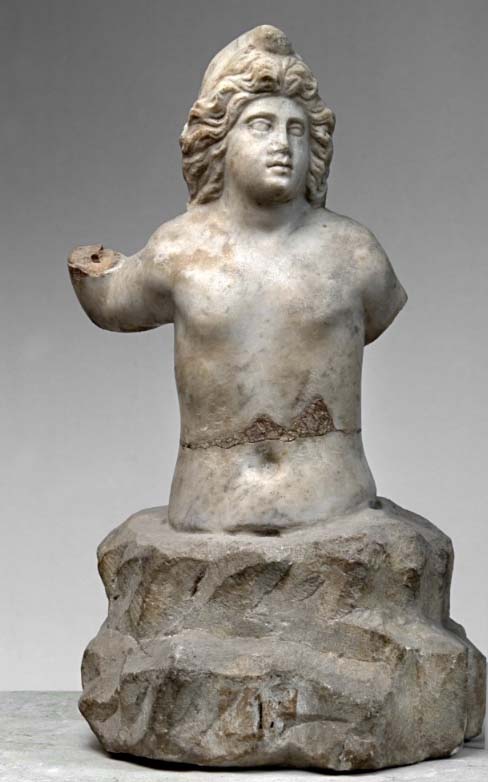
Mithras being born from the rock (petrogenia), acquired in Rome and formerly kept in Berlin.
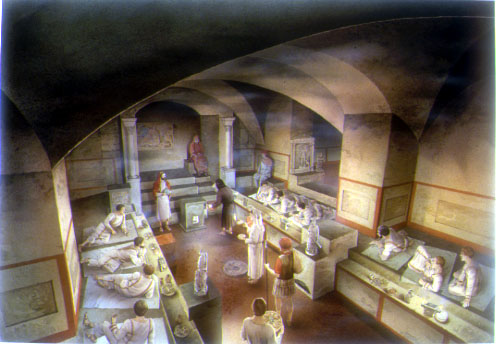
The Mithraeum of the Crypta Balbi was locted in the middle of a densely populated insula near the theatre of Cornelius Balbus.
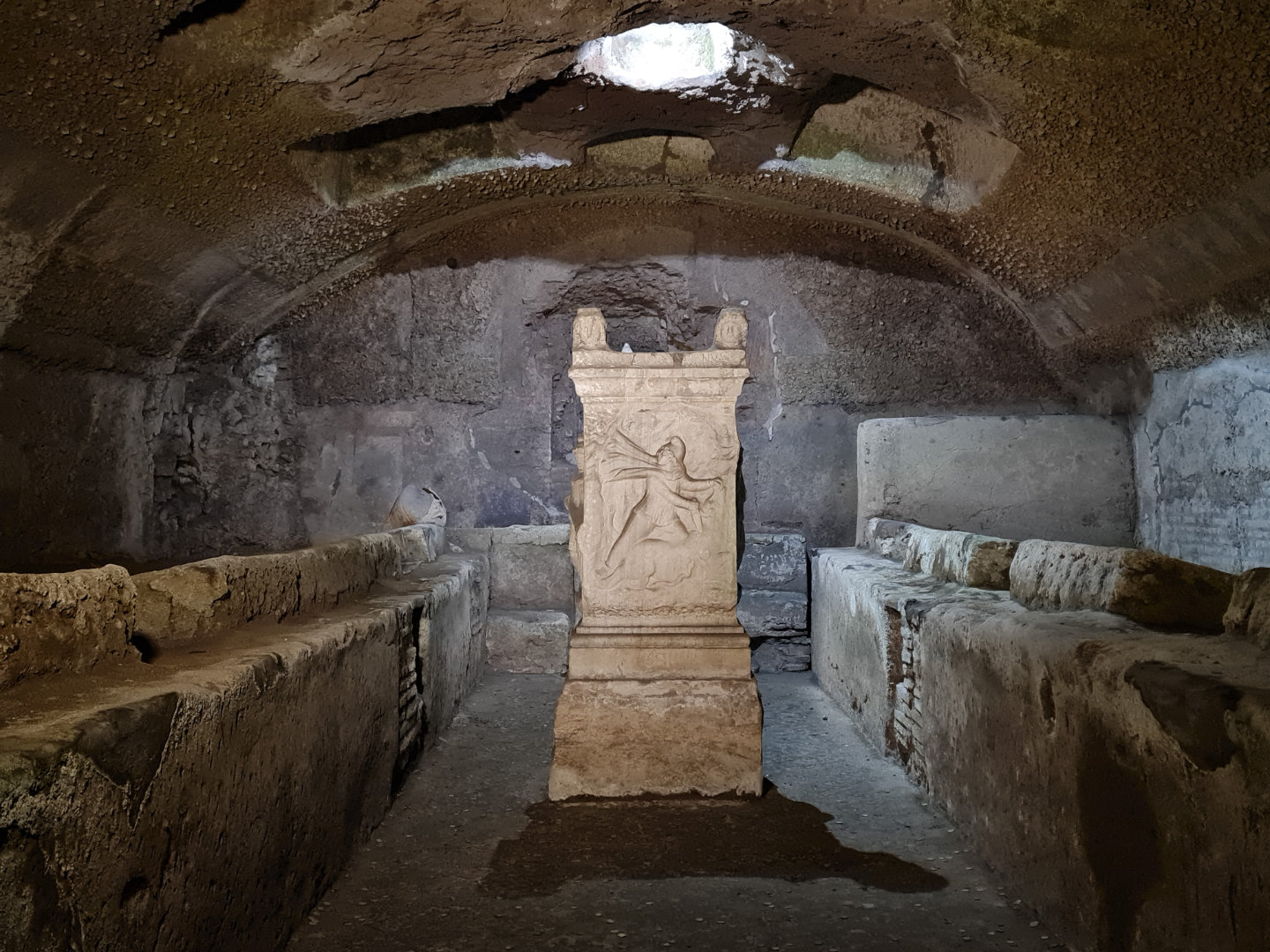
The Mithraeum under the Basilica of San Clemente made part of a notable Roman house.
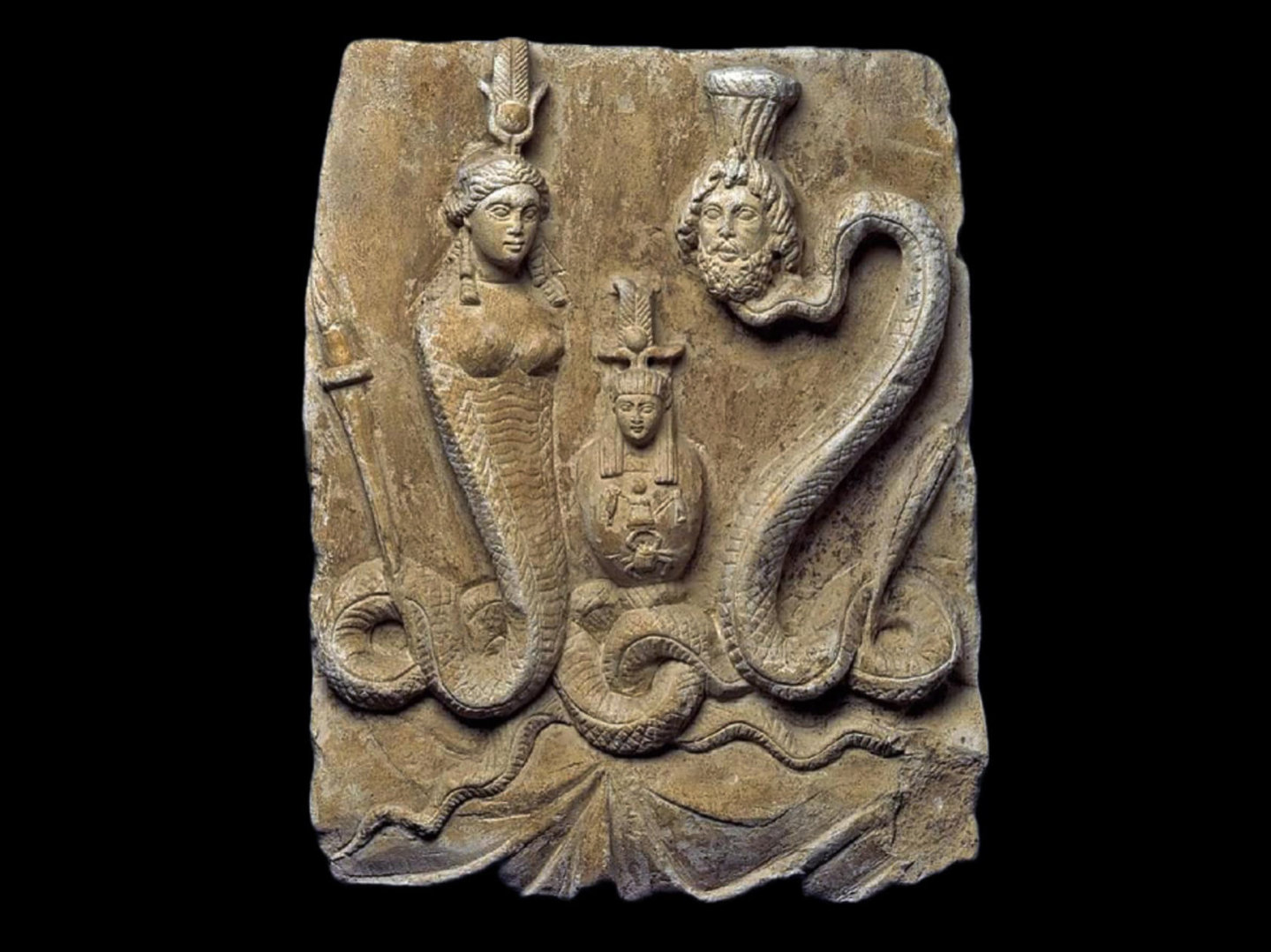
An anonymous late-antique Christian poem, traditionally attributed to Pseudo-Paulinus of Nola (Poema 32, vv. 109–111), that ridicules pagan cults and presents Mithras, Isis, and Serapis as gods of concealment, contradiction, and unstable forms rather than light…
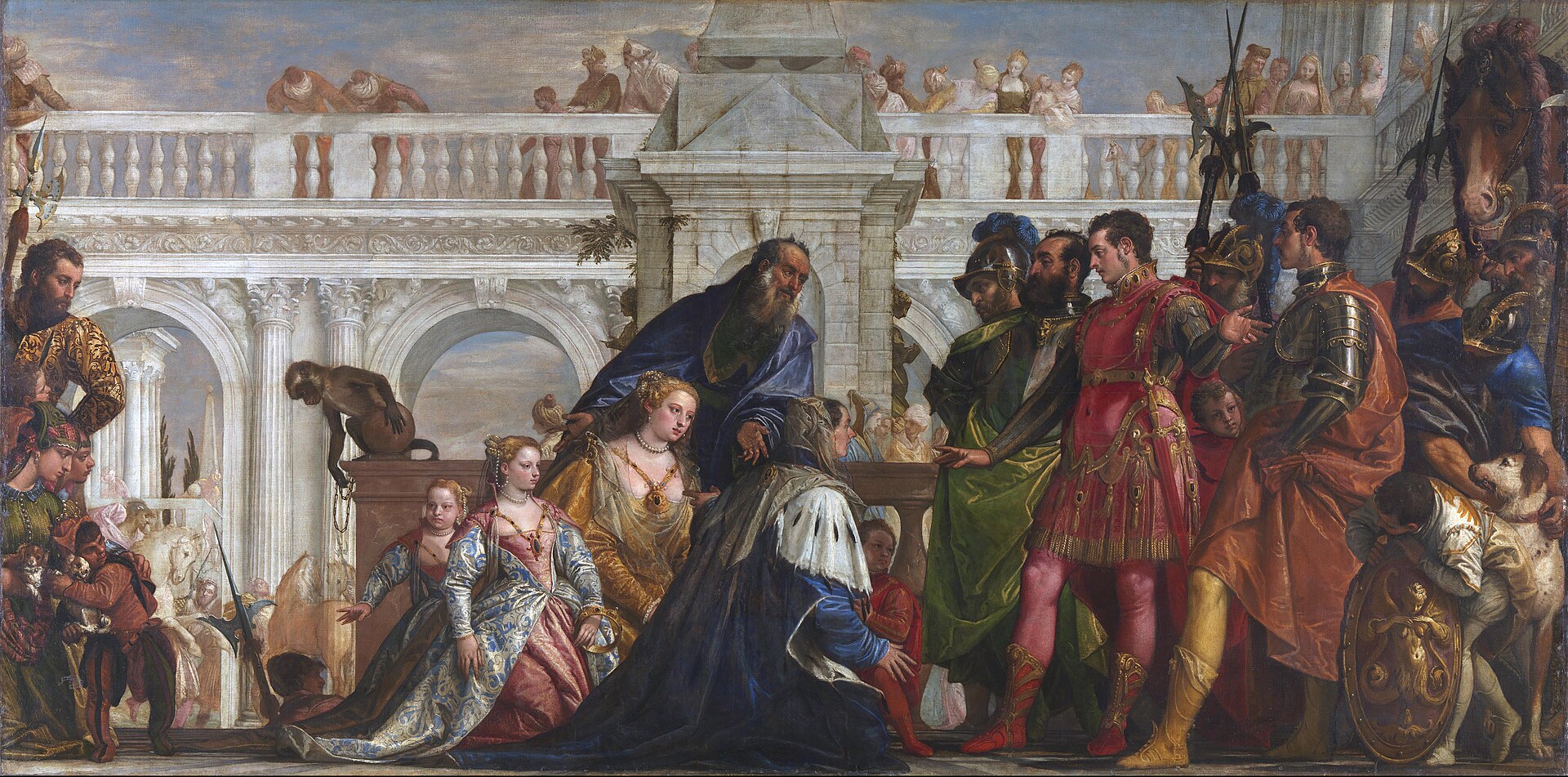
Late antique legendary biography of Alexander the Great (c. AD 300), where history, myth, and imperial ideology merge around figures of divine kingship and solar power.
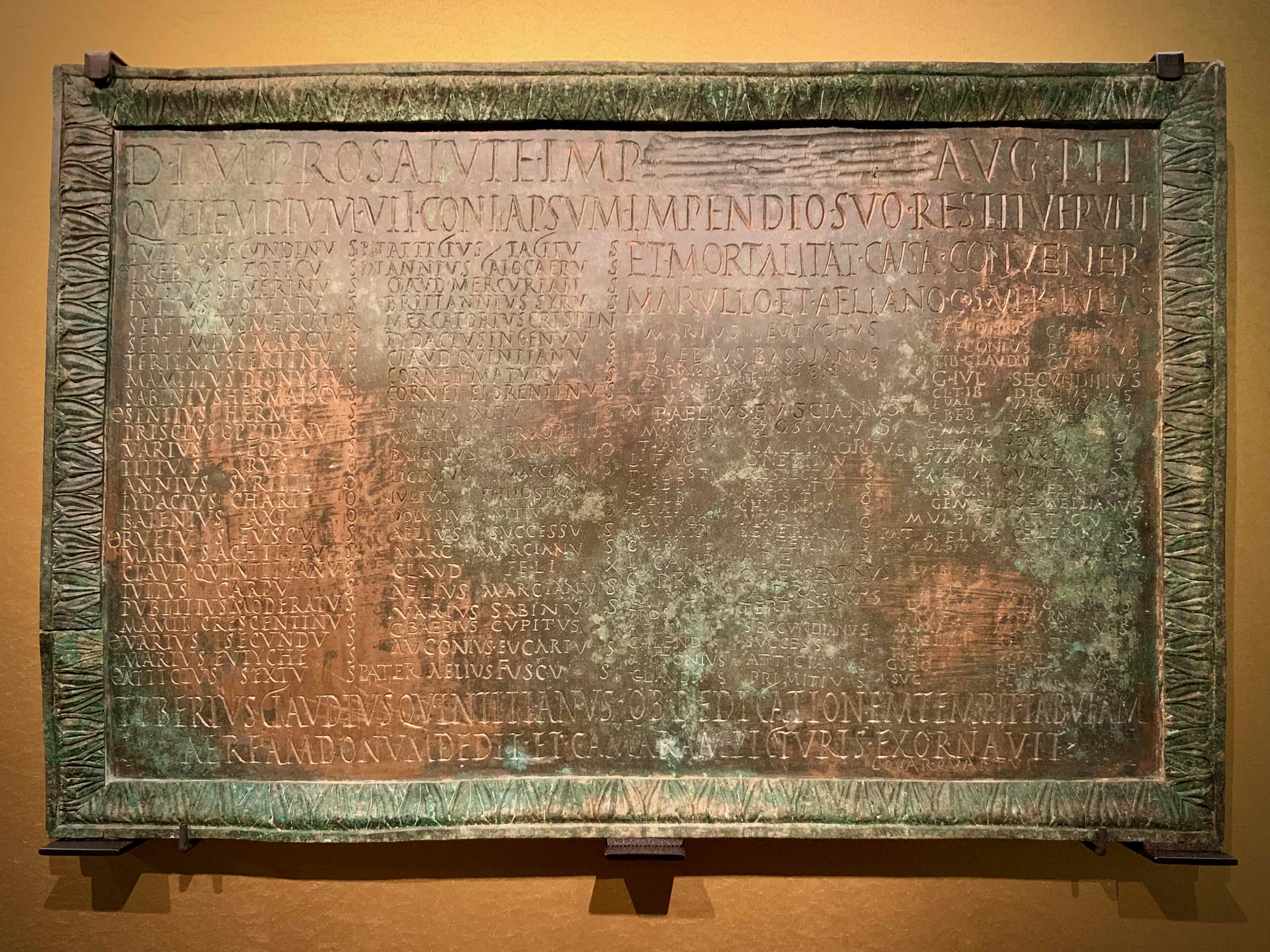
The bronze bears the dedication of a restoration of a Mithraeum carried out in 183.
Radcliffe G. Edmonds III analyses the absence of the moon in the Mithras Liturgy. He argues that this absence reflects a deliberate cosmological framework in which lunar powers linked to genesis are excluded from the ritual of ascent.

A critical edition of the Mithras Liturgy (PGM IV.475–834), providing the Greek text, English translation, commentary, and an updated discussion of its interpretation since Albrecht Dieterich’s 1903 edition.

A erotic military fantasy set against the dramatic background of Rome’s conquest of the British Isles.
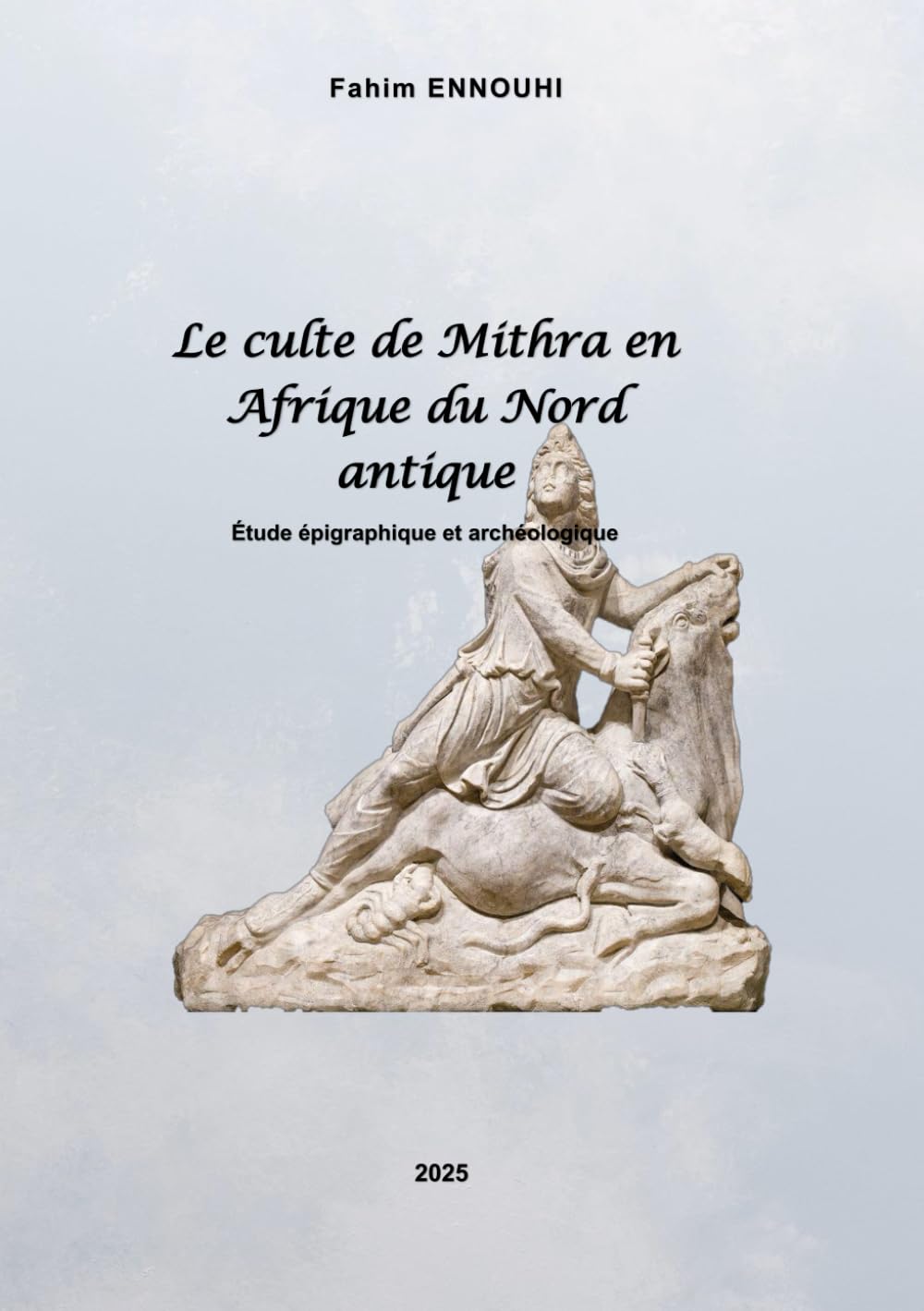
Cet ouvrage propose une étude d’ensemble du culte de Mithra en Afrique romaine. S’appuyant sur un rigoureux examen croisé des sources épigraphiques, archéologiques et littéraires, il restitue l’histoire et les spécificités de ce culte à mystères sur le sol africain…

Genet aborde les thèmes qui lui sont chers, dans les règles de l’art mais en laissant affleurer un lyrisme bien tenu.

Robert Turcan présente les dévotions immigrées dans le monde romain, sans négliger les cultes marginaux ou sporadiques, traitant également des courants gnostiques, occultistes et théosophiques.

Employing all the available data & survivals of the historic Persio-Roman Mithraics. Embodying versions of Zoroastrian Scriptures; Combining the religions of all races & times...

Born in the mists of history, Mithras, the deity of light, known for at least 3,500 years and still revered today, has appeared in different ages, religions and forms. This volume explores the sources of the god's history, with a focus on the Roman myths of Mithras…

Este es un libro que pretende esbozar un panorama general de los documentos mitraicos repartidos a lo largo del Imperio romano.
