Your search Bad Abbach gave 142 results.
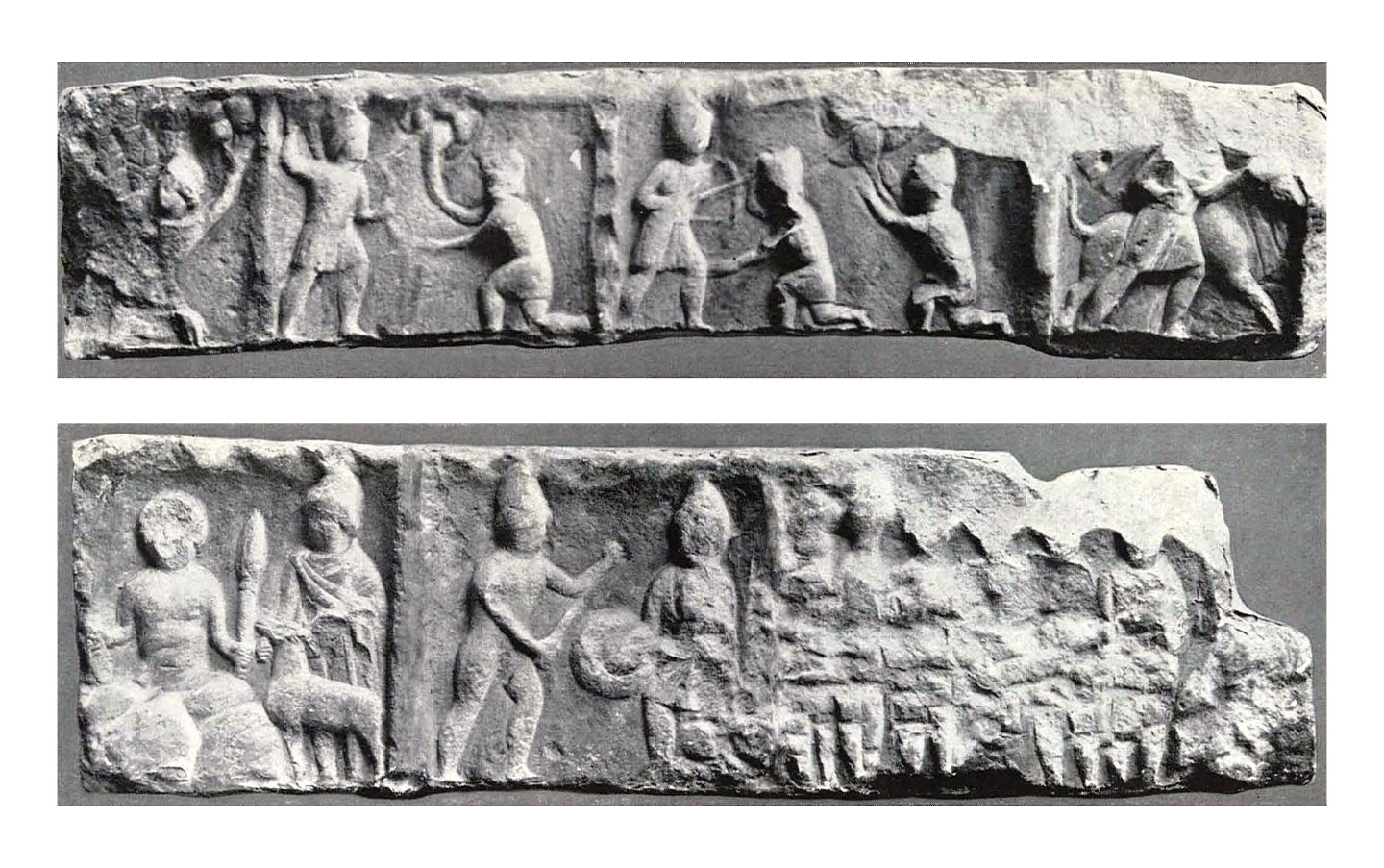
These two fragments of a sandstone relief were walled into a house on the market square in Besigheim.
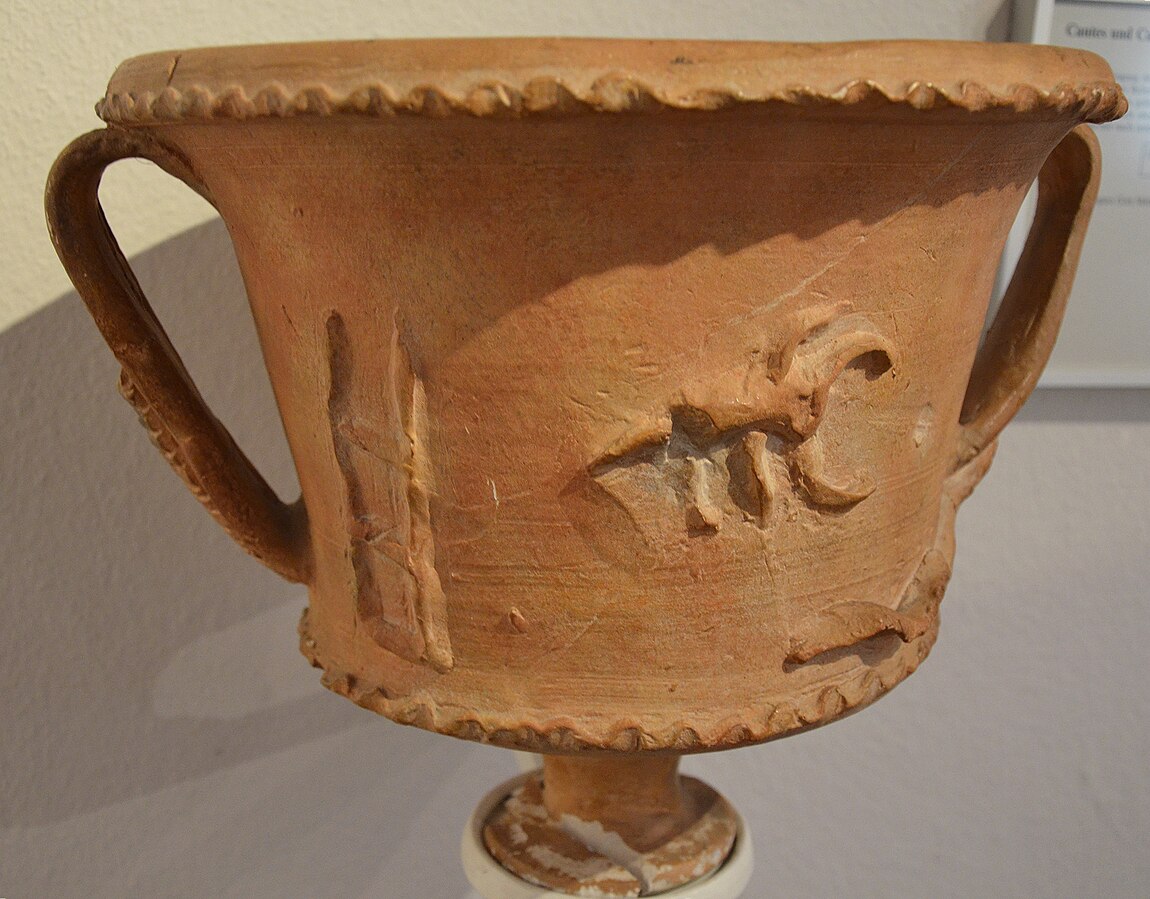
Terracotta krater from the southern part of the Friedberg Mithraeum, discovered in 1849. The vessel is decorated in relief with serpents, a scorpion and a ladder-like motif.
In these passages from his hymns and satires, Julian articulates a solar theology in which Helios governs cosmic order and time. Within this framework, Mithras appears as a personal divine guide associated with the ascent of souls.
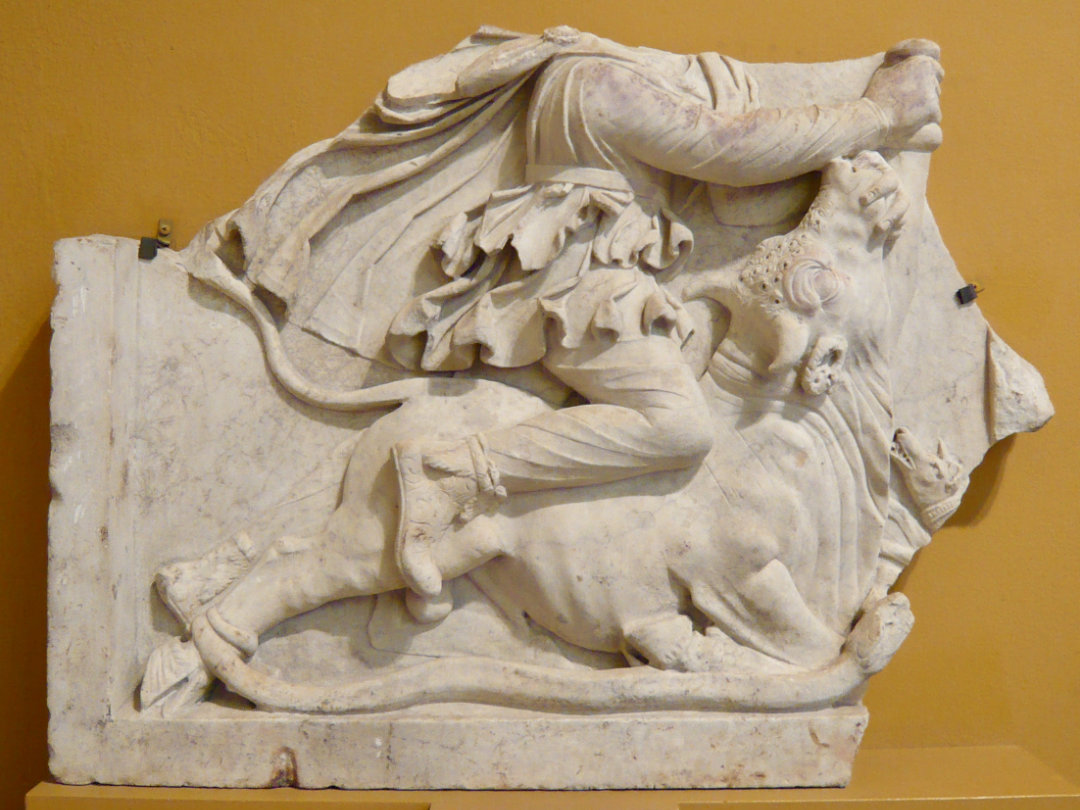
This fragmentary relief depicts Mithras killing the bull in the usual manner, remarkably dressed in oriental attire.

Roger Beck describes Mithraism from the point of view of the initiate engaging with the religion and its rich symbolic system in thought, word, ritual action, and cult life.

Small marble head probably of Mithras tauroctonus from Leptis Magna, now Khoms.

Of Isis and Osiris or Of the Ancient Religion and Philosophy of Egypt, Plutarch, The Moralia.

Dion Chrysostom, c. 100 A.D., a philosophical writer under the emperors Nerva and Trajan, composed a series of discourses or essays (λόγοι) on various subjects, in one of which he reports concerning the doctrines and practices of the magi.

Offered the famous Tauroctony of Osterburken to the unconquerable sun god Mithras.


Procurator of the emperor, Porcius Verus erected a relief of Mithras found in Ruše, Slovenia..
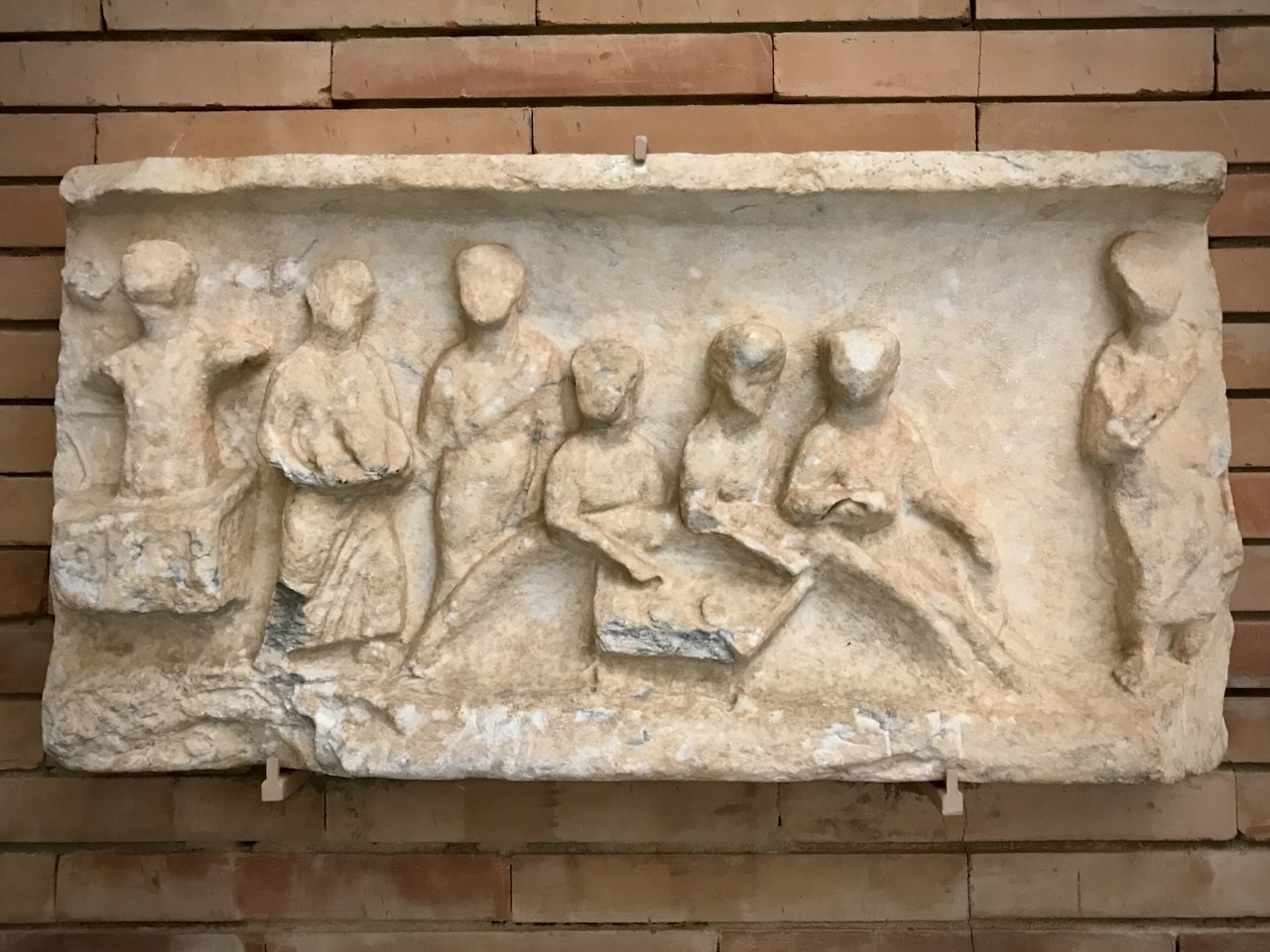
This scene of a feast from Mérida shows three persons at a table with other people standing beside them, one holding a bull’s head on a plate.
There is no solid evidences of the finding of a Mithraic temple in Duhok, Iraq.

Tracing the links between the cult of Mithras and the Proud Boys’ quest for identity, power, and belonging. How ancient rituals and brotherhood ideals resurface in radical modern movements.
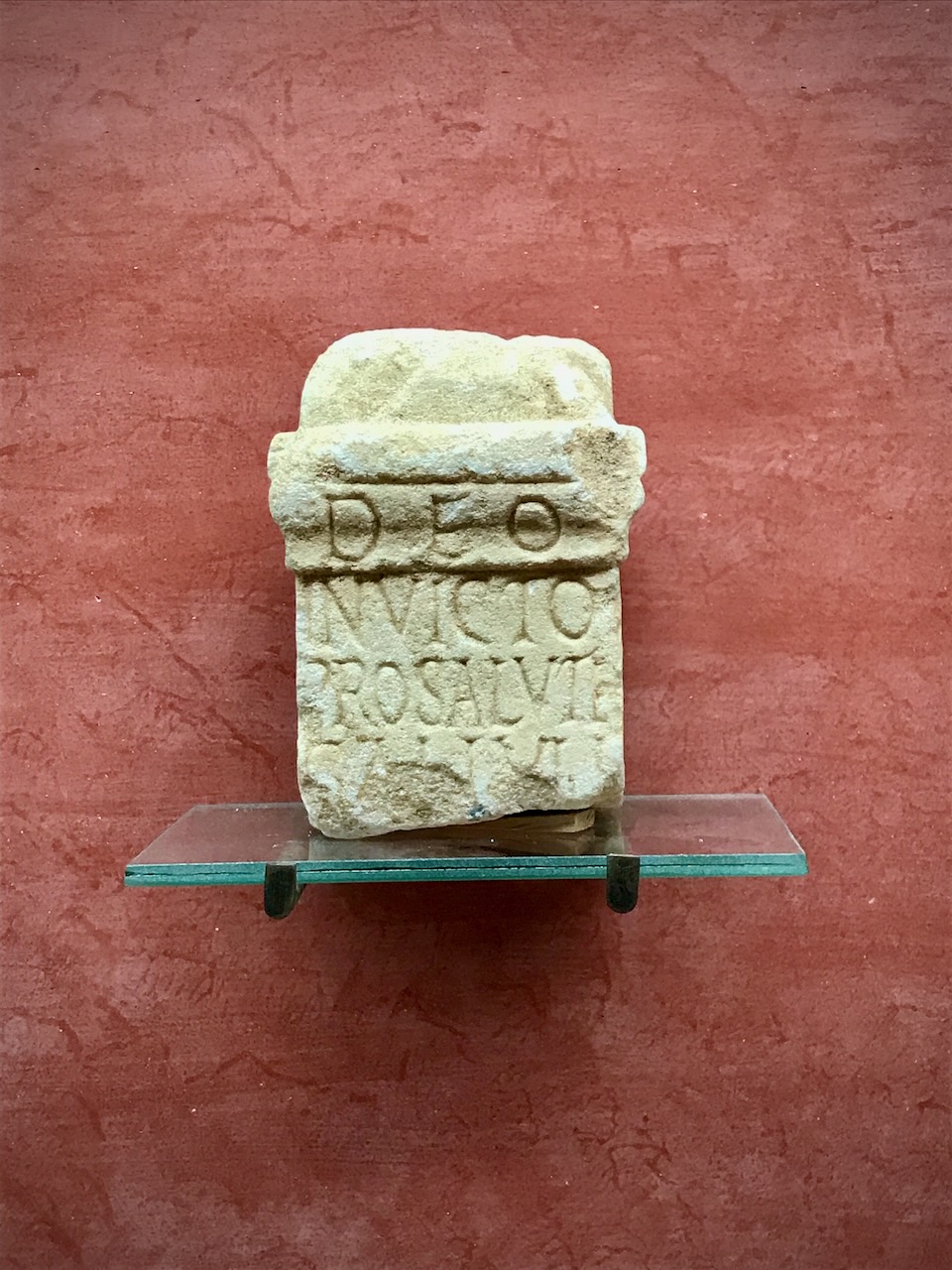
The small Mithraic altar found at Cerro de San Albin, Merida, bears an inscription to the health of a certain Caius Iulius.
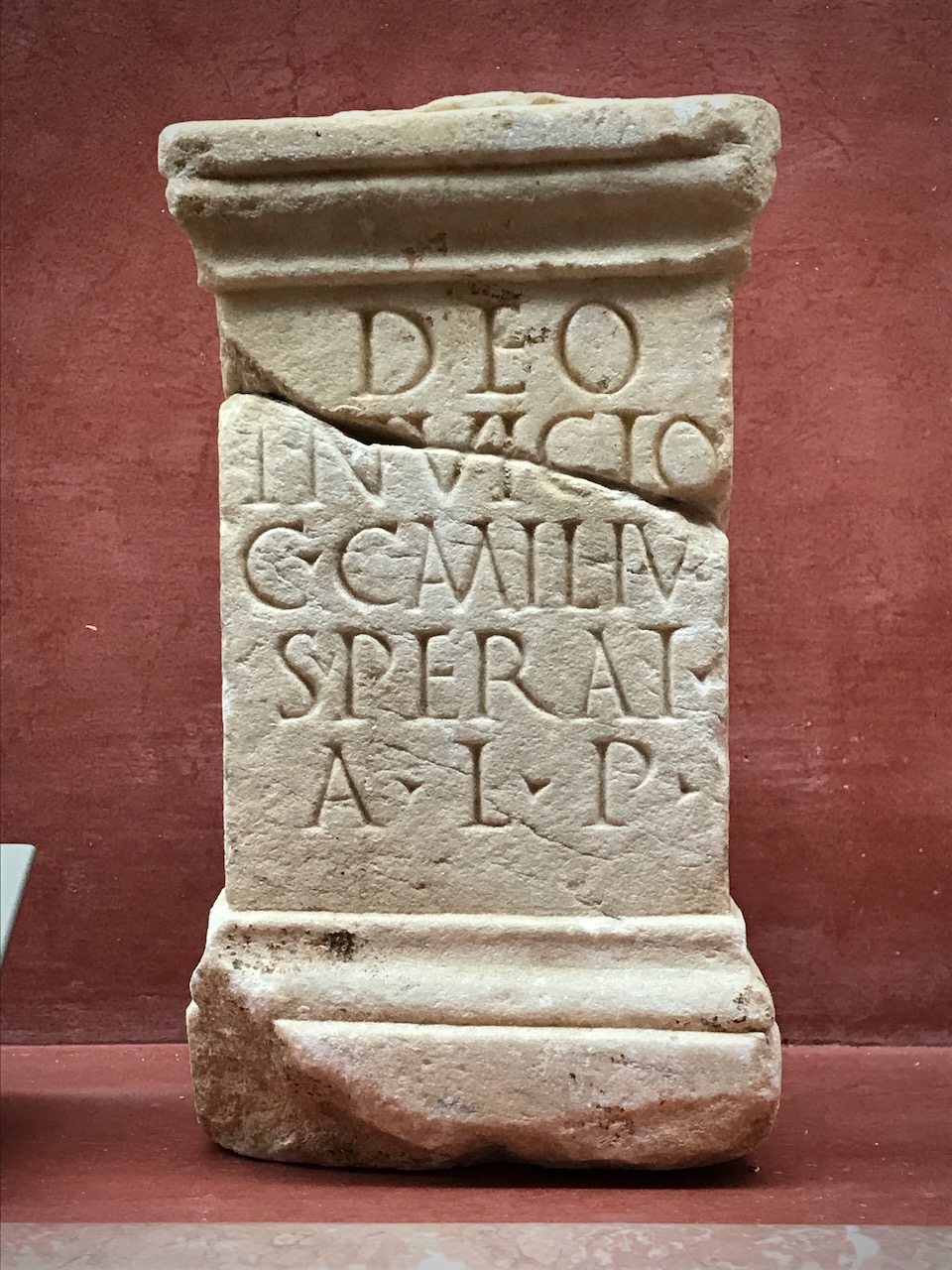
Small white marble altar made in honour of Mithras found at San Albín, Mérida.
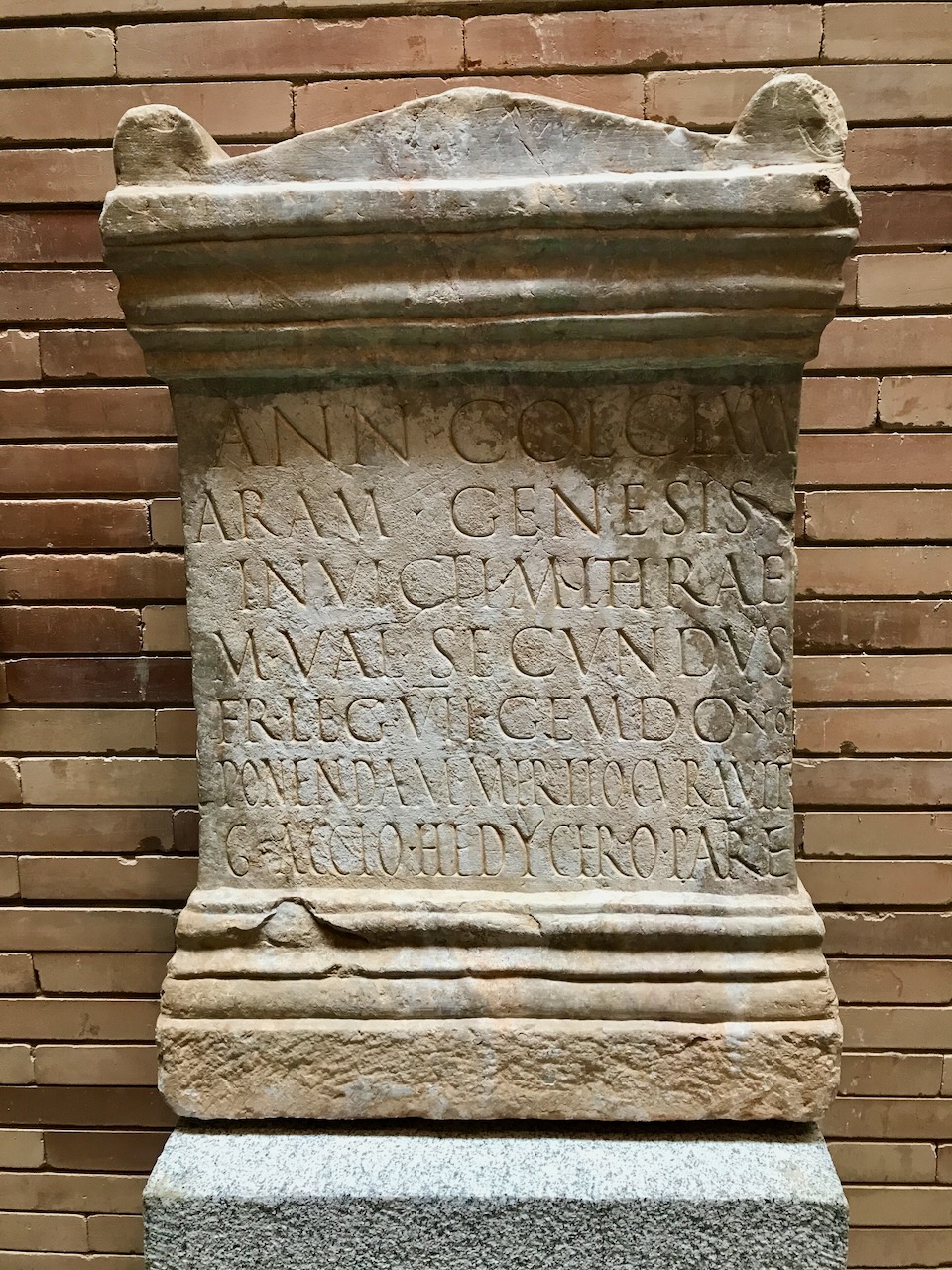
This altar is dedicated to the birth of Mithras by a frumentarius of the Legio VII Geminae.

Translation and Introductory Essay by Robert Lamberton. Station Hill Press Barrytown, New York 1983.
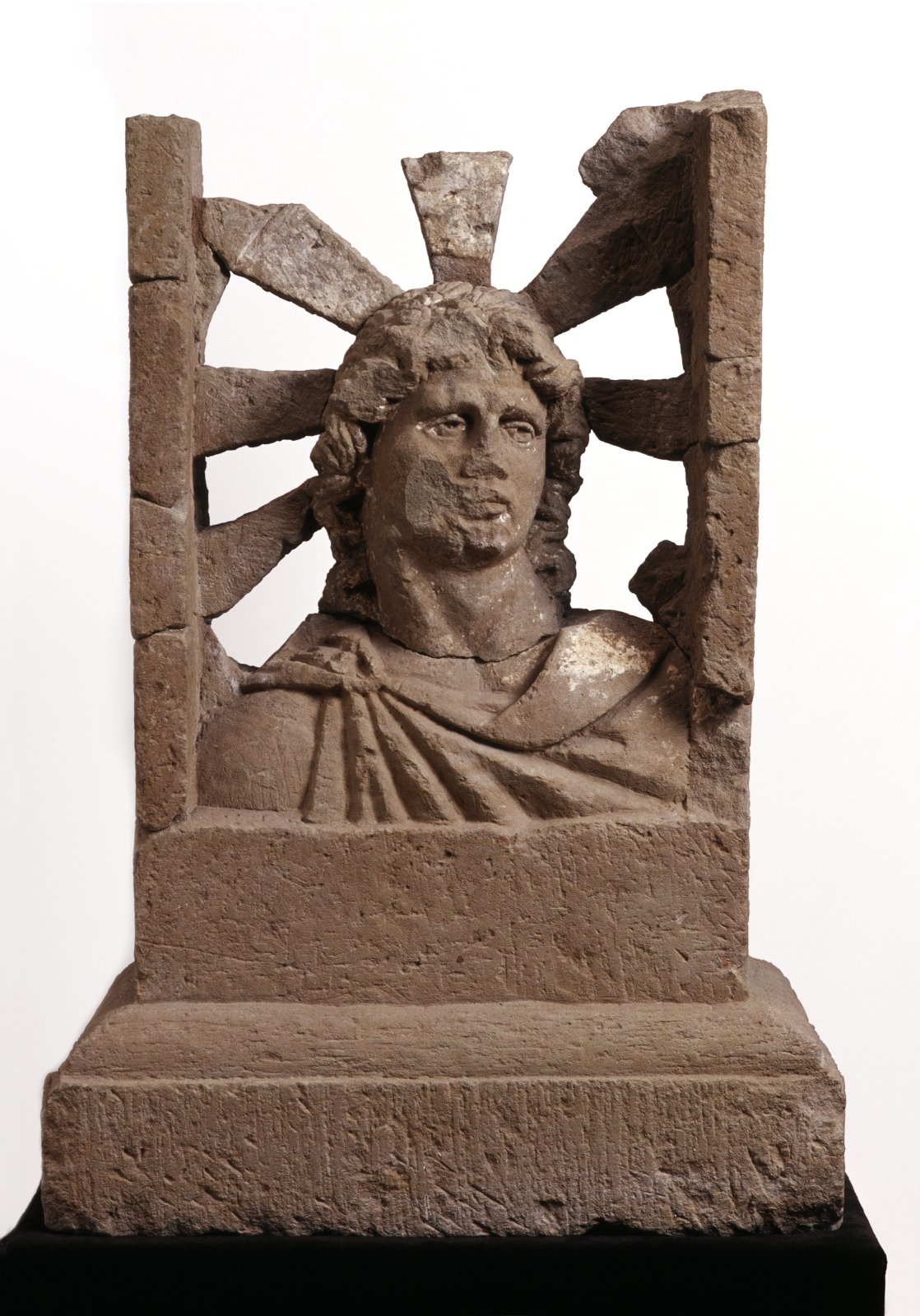
The altars of the gods of the Sun and Moon found in the Mithraeum of Mundelsheim wear openwork segments that could be lighten from behind.