Your search Bad Ischl im Salzkammergut gave 2084 results.
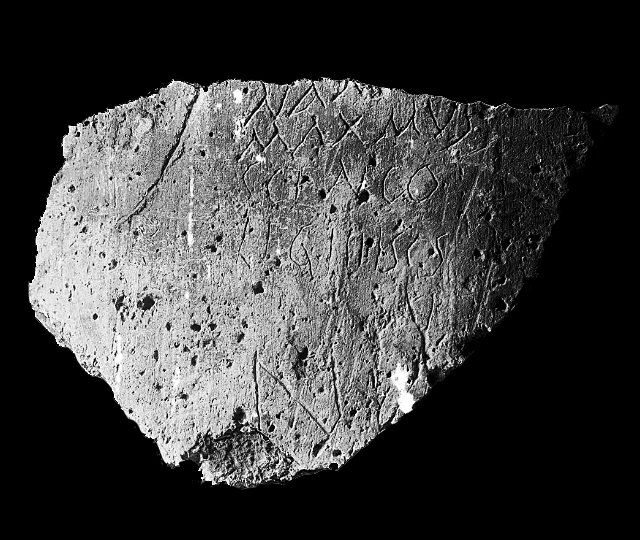
A certain Maximus from the Legio IV Scythica engraved his name in one of the columns of the Mithraeum of Dura Europos.

Slab found at Tazoult-Lambèse dedicated to the Unconquered god Sol Mithras by the governor of Numidia Marcus Aurelius Decimus.
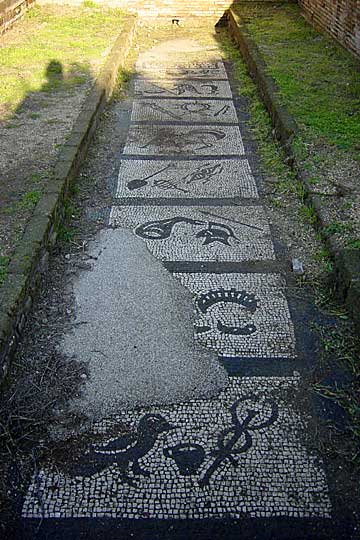
The Felicissimo Mithraeum has a floor mosaic depicting the seven mithraic grades.

This altar dedicated to Sol Invictus Mithras by a certain Septimius Zosimus was found in the Basilica of San Martino ai Monti in Rome.
Callimorphus dedicated this image of the sun god to the invincible sun ’Mythra’.


The image of the god Arimanius to which this monument refers has not yet been found.

This remarkable marble relief from the end of the 3rd century was discovered in the most remote room of the Mithraeum in the Circo Massimo.
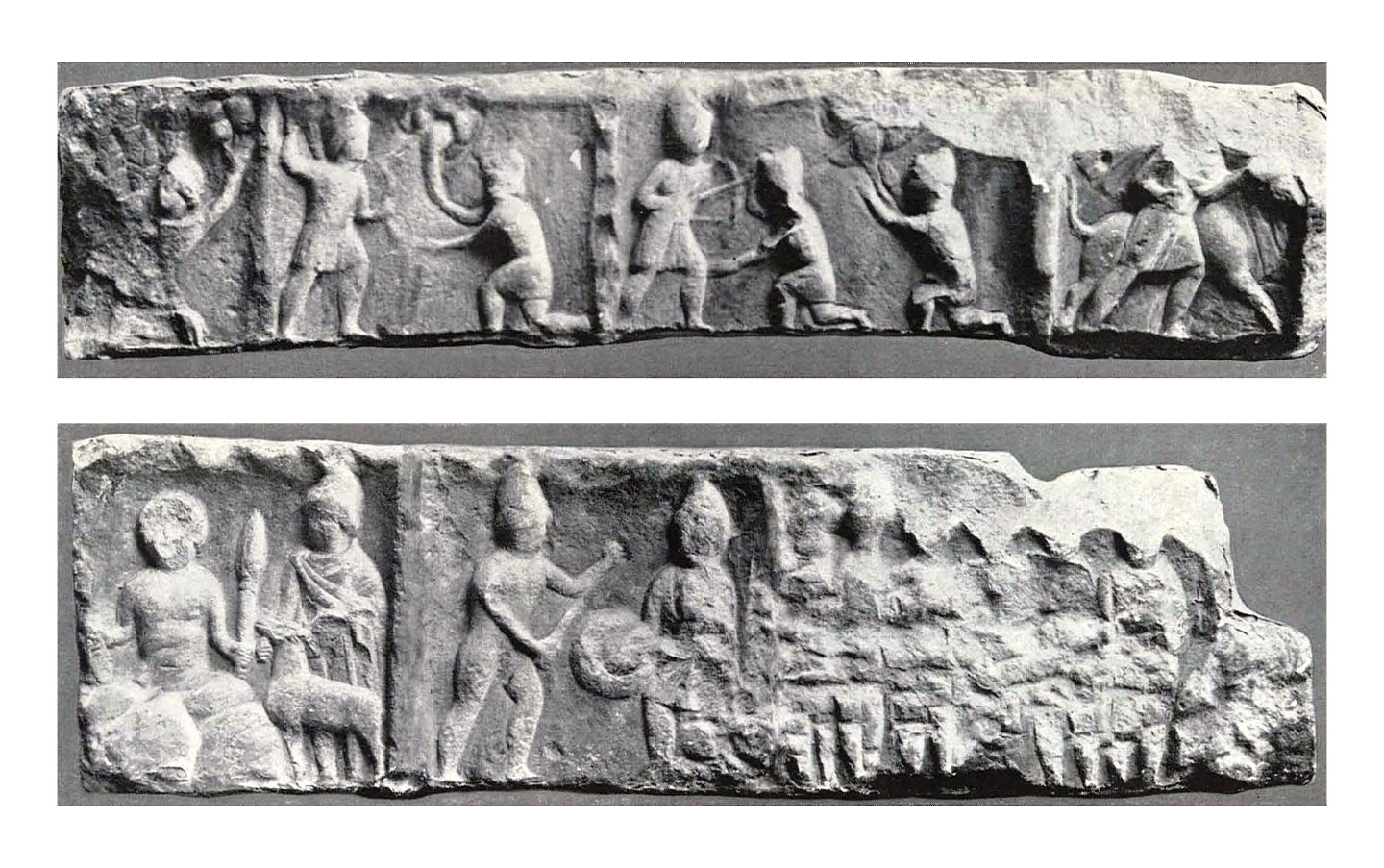
These two fragments of a sandstone relief were walled into a house on the market square in Besigheim.
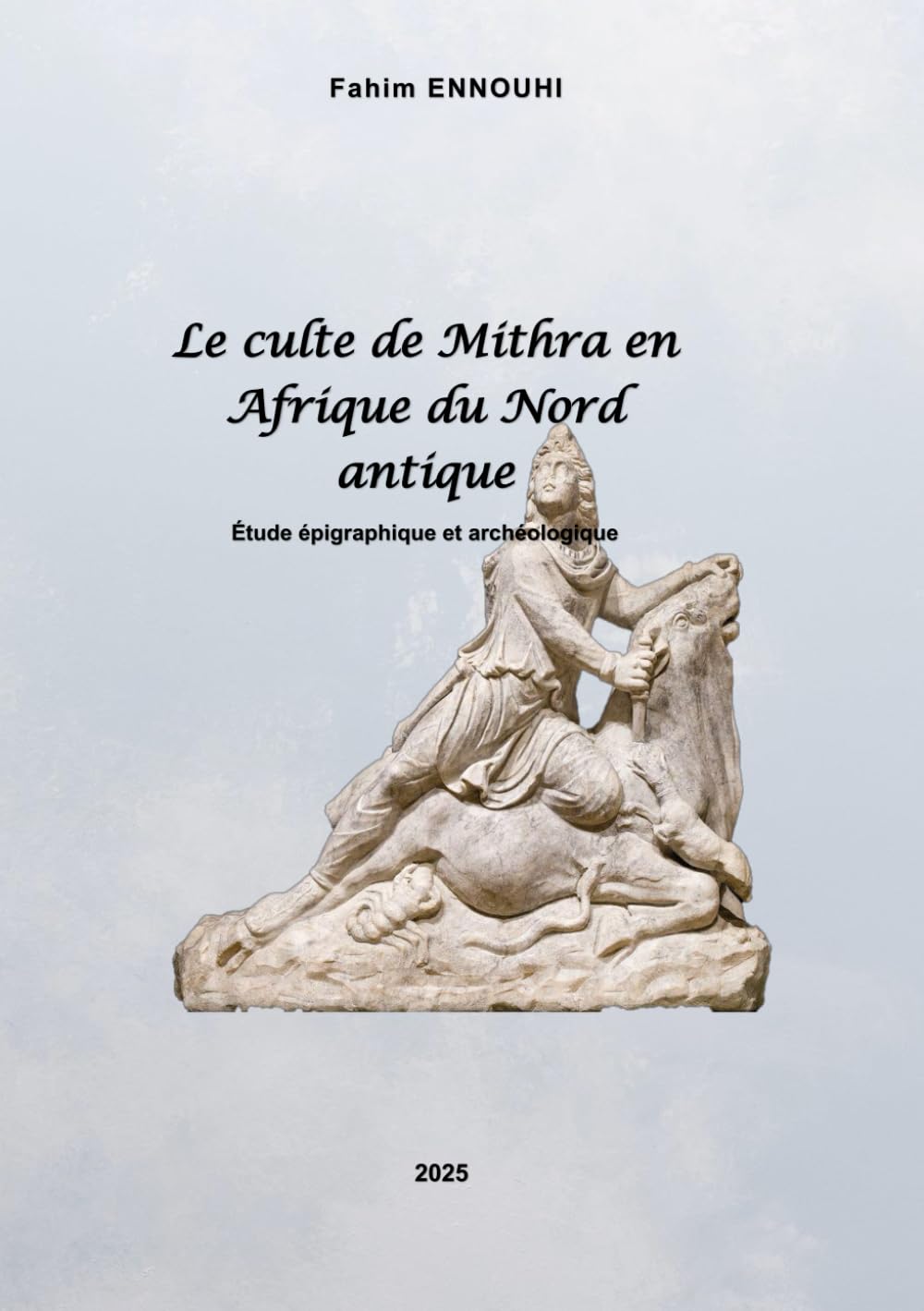
Cet ouvrage propose une étude d’ensemble du culte de Mithra en Afrique romaine. S’appuyant sur un rigoureux examen croisé des sources épigraphiques, archéologiques et littéraires, il restitue l’histoire et les spécificités de ce culte à mystères sur le sol africain…

India, beyond all other countries on the face of the earth, is preeminently the home of the worship of the Phallus—Linga puja. It has been so for ages and remains so still.
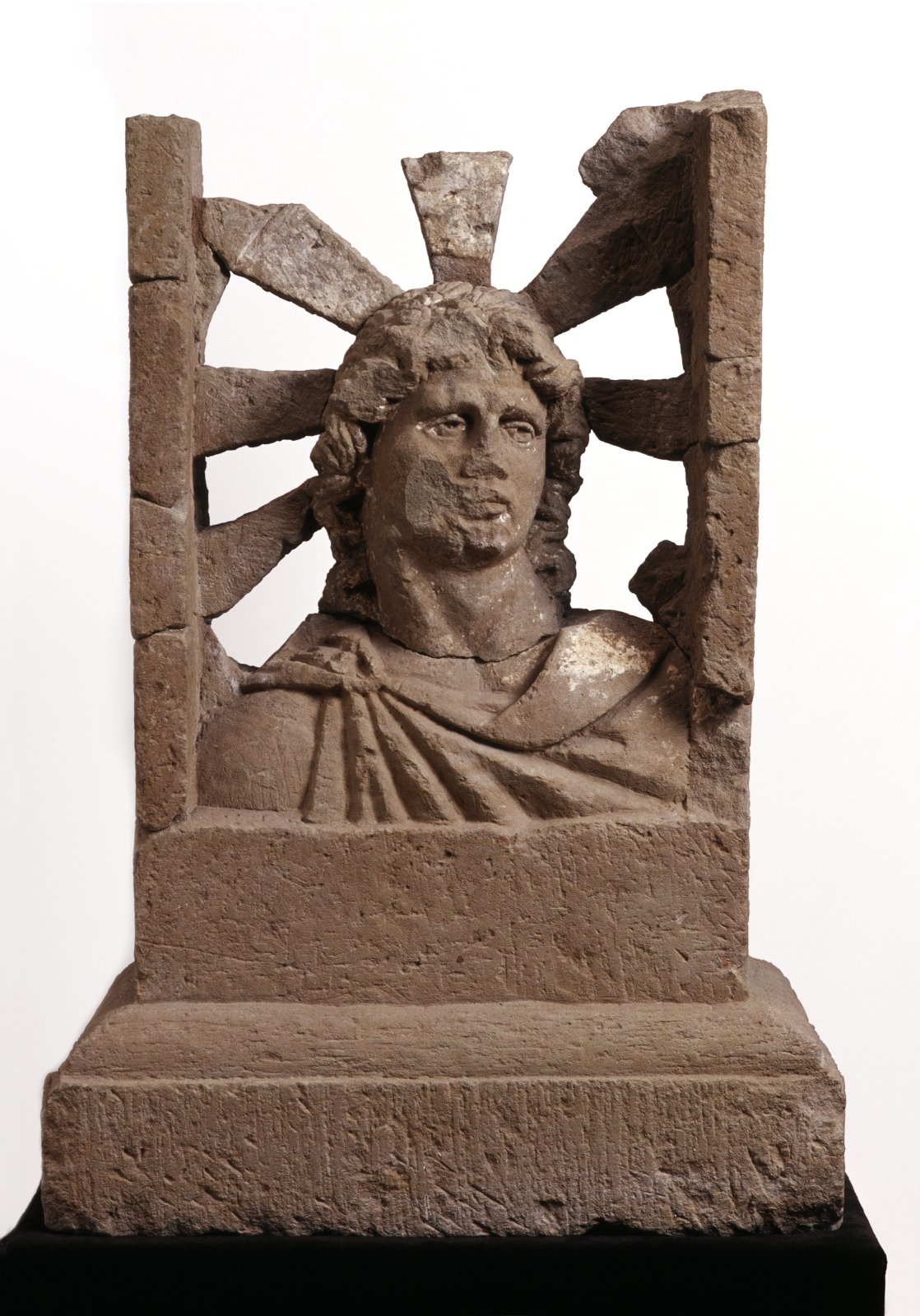
The altars of the gods of the Sun and Moon found in the Mithraeum of Mundelsheim wear openwork segments that could be lighten from behind.
Sandstone slab from Kindenheim, Germania Superior, depicting a standing winged Aion with traces of a lion's mane on the breast and objects in both hands; the head and part of the body are damaged.
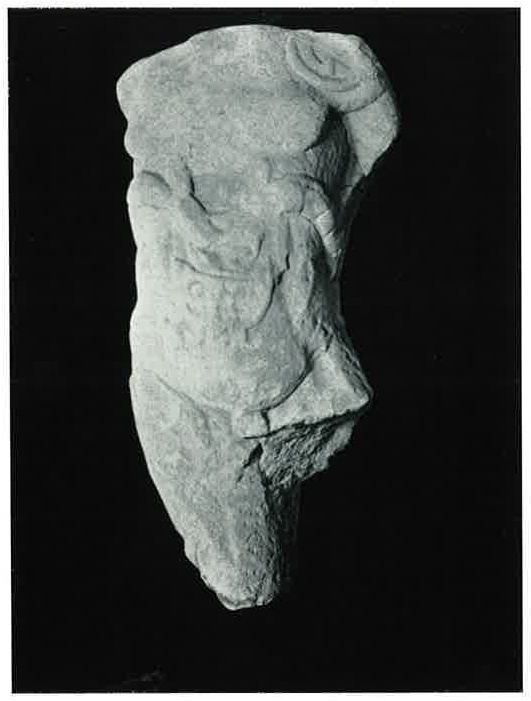
Sandstone statue from Wahlheim, Germania Superior, depicting a naked torso encircled by two serpents holding their heads towards the figure's face — the characteristic iconography of the leontocephaline Aion.
A white marble tauroctony relief found near a Roman villa on the northern slope of Mount Ciminus near Soriano nel Cimino in Etruria, showing Mithras slaying the bull with dog, serpent and scorpion, the bull's tail ending in three ears of grain, the god's resting leg abnormally small…


