Your search Bad Ischl im Salzkammergut gave 2085 results.

Miscellaneous cult objects from Ober-Florstadt including pottery, lamps, legionary stamps, coins, animal bones, and a bone flute fragment
Imported limestone relief fragments showing the Mithraic torchbearers beside the podia of the sanctuary.
Large quartzite tauroctony relief with torchbearers, zodiacal imagery and traces of ancient red paint from the Friedberg Mithraeum.
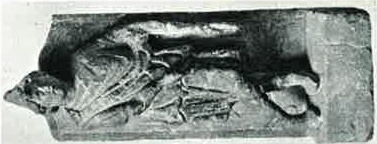
Limestone relief of the torchbearer Cautopates standing cross-legged in Oriental dress.
Limestone base with remains of a torchbearer and an inscription to Mithras by Lucius Pervincius Sequens.
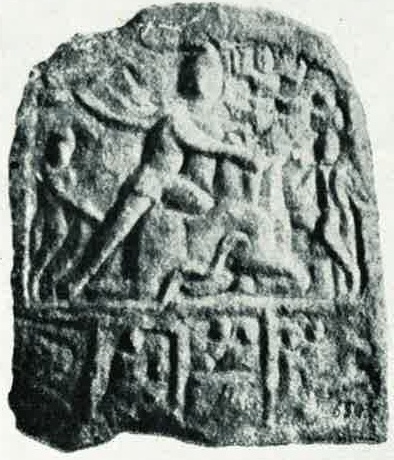
Small arched marble tauroctony relief from Philippovtsi near Sofia, Thracia, divided into two parts by a horizontal rim.
Many of the inscriptions and sculptures of the site were kept in a museum which has been destroyed.
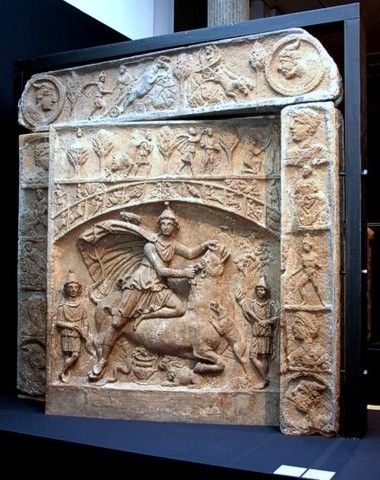
This relief is so well-known that it has been reproduced in nearly every handbook of archaeology and of history of religions.
Ancient region of the Crimean Peninsula associated with the Greek colonies and Roman presence in Taurica.

This dedicatory inscription by Aurelius Seleucus, found in Cilicia, aligns with Plutarch’s account of Cilician pirates performing foreign sacrifices and secret rites of Mithras.
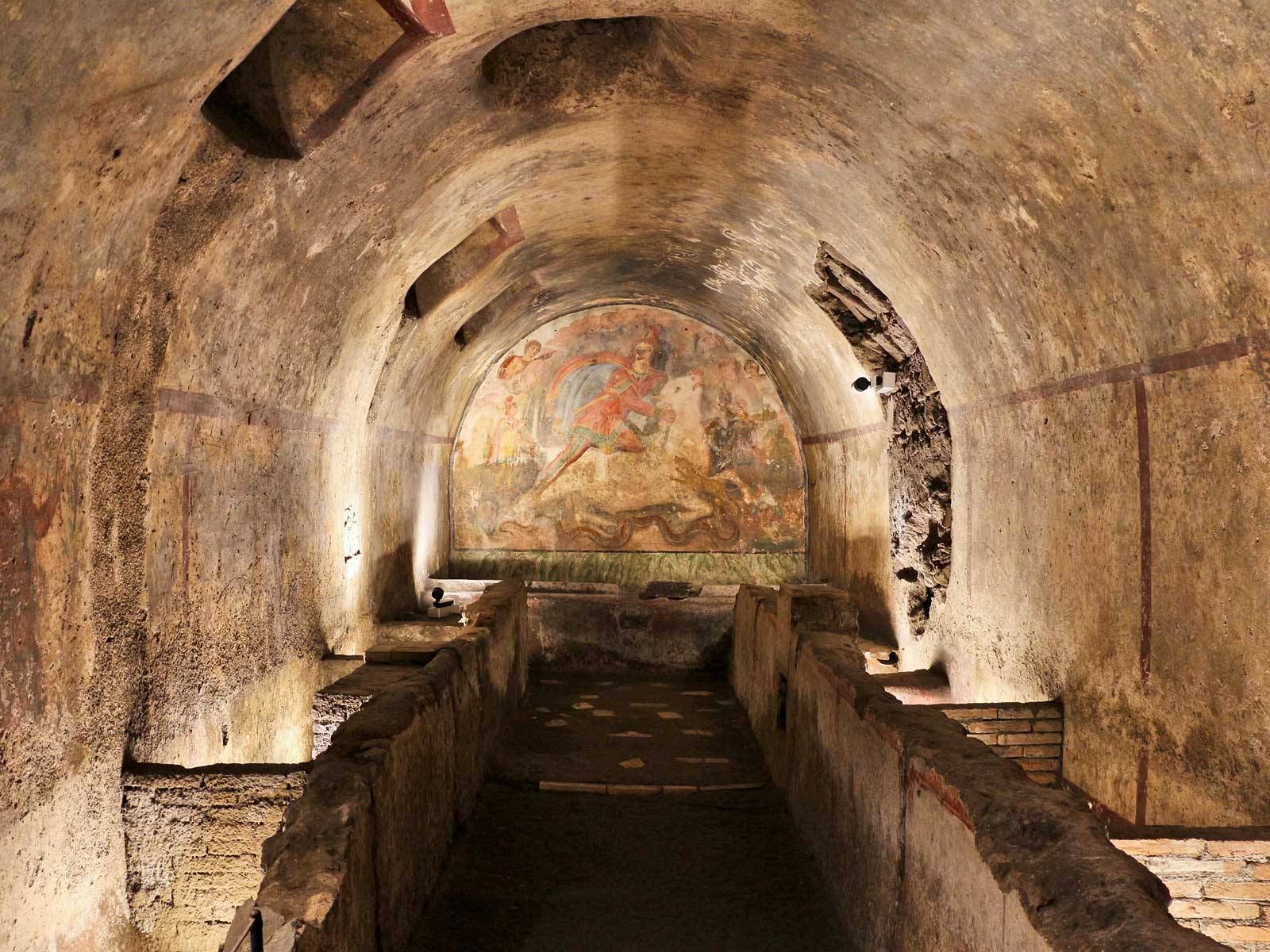
One of Roman Italy’s most important Mithraic sanctuaries, the Mithraeum at S. Maria Capua Vetere preserves a remarkable painted cycle of initiation scenes, offering rare visual evidence for the ritual life of Roman Mithaism.
Viminacium was a major city, military camp, and the capital of the Roman province of Moesia.
Wiesbaden is the capital of the German state of Hesse, and the second-largest Hessian city after Frankfurt am Main.
Founded on the site of ancient Byzantium and refounded in 330 CE, Constantinopolis became an imperial residence in the eastern Roman Empire. In the 4th century, it was a key setting for interaction between traditional cults and Christian authority.
Gimmeldingen is a village, part of the town of Neustadt an der Weinstraße, Germany. Its origins, along with the village of Lobloch (which used to be connected), can be traced back to Roman settlements in 325 AD.
Neuenheim lies in an area occupied since at least the Iron Age, with a Celtic hilltop refuge and cult site on the nearby Heiligenberg from the 5th century BC. From around 40 - 45 CE, the site developed into a Roman vicus associated with a castellum.
Venetonimagus, now Vieu, part of the town of Valromey, would have been called Venetonimagus or Venetonimago in Gallo-Roman times.
Lambaesis, Lambaisis or Lambaesa, is a Roman archaeological site in Algeria, 11 km southeast of Batna and 27 km west of Timgad, located next to the modern village of Tazoult.
Caesarea was first settled by the Phoenicians in the 4th century BC. In 63 BC, the Romans annexed the region and Caesarea became the seat of the Roman procurators.
