Your search Bad Ischl im Salzkammergut gave 1088 results.
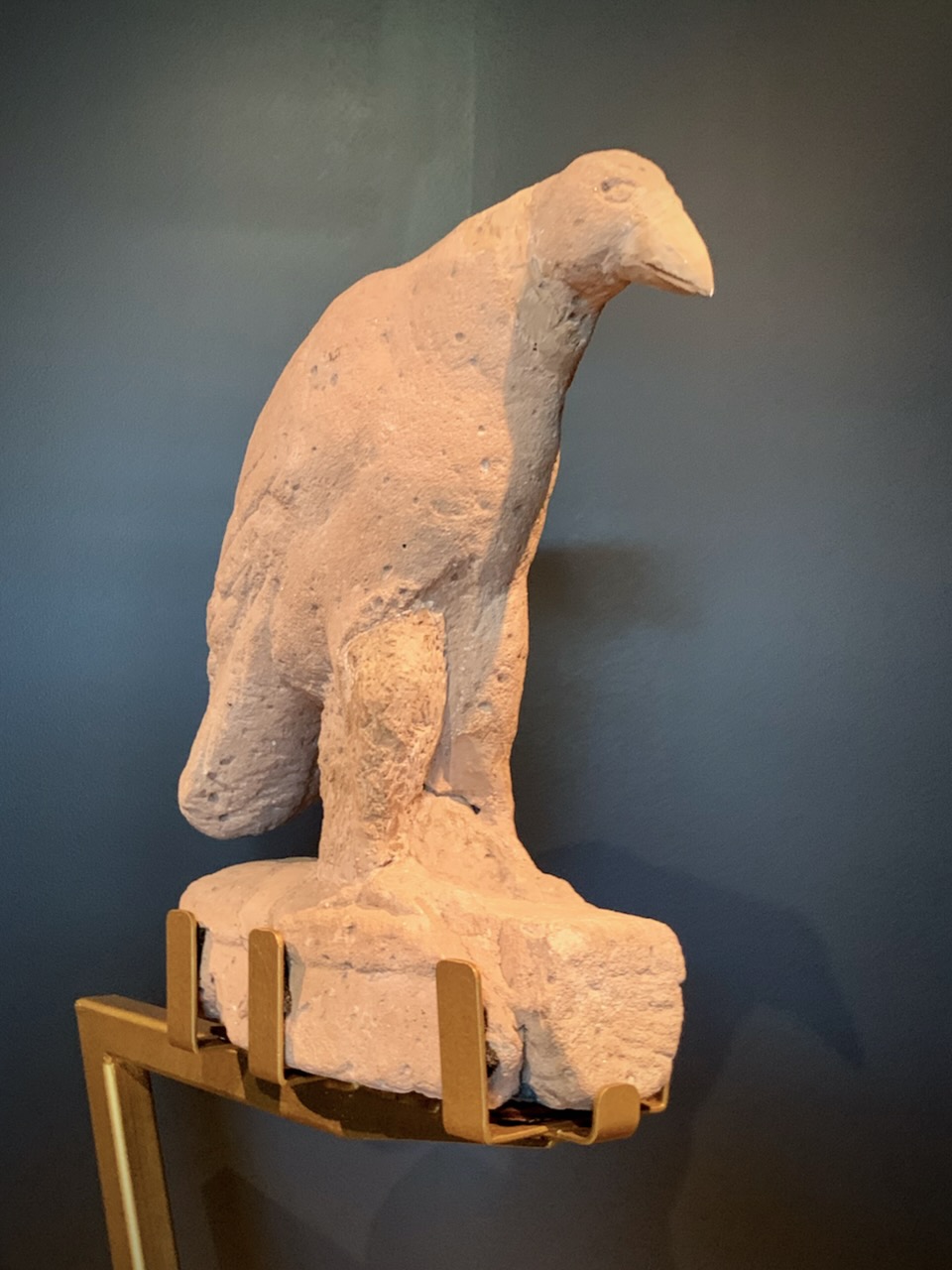
The Stockstadt Raven is one of only two standing-alone sculptures of this bird to be found in Mithraic statuary.

Jaime Alvar speculates that the Gran Mitreo de Mérida could have been located in this area, based on a series of materials unearthed by Mélida during the excavations of 1926 and 1927.

In this terracotta relief depicting Mithras as a bull killer found at Cales, now in Calvi Risorta, none of the usual accompanying animals is present.
Exploring religion, rituals, archaeological insights, and historical impact of the Cult of Mithras in the Danubian provinces.

Exploring religion, rituals, archaeological insights, and historical impact of the Cult of Mithras in the Danubian provinces.


"The remaining figure on this monument, Herakles, was previously misidentified as Apollo on this remarkable black basalt tablet from Samsat, known in Roman times as Samosata.
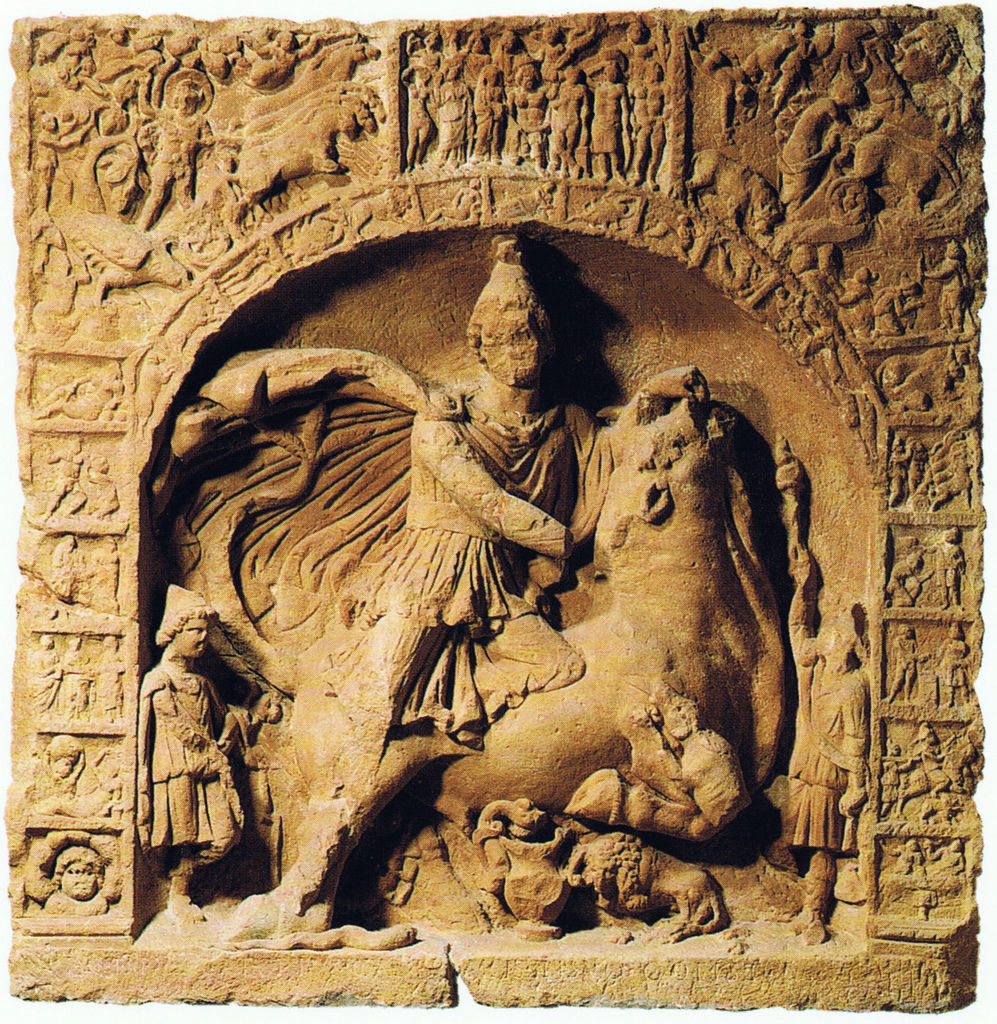
Franz Cumont considers the bas relief of Osterburken ’the most remarkable of all the monuments of the cult of Mithras found up to now’.


Porphyry states that the Mithraists “perfect their initiate by inducting him into a mystery of the descent of souls and their exit back out again, calling the place a ‘cave’.”.

Over the last century or so, a great deal has been said about the god Mithras and his mysteries, which became known to the European world mainly through his Roman cultus during the Imperial Period.

Just discovered this very cool ensemble of experimental archaeology from Granada, Spain. Beautiful music and dance from the Hispanic Florentia. Enjoy! https://www.youtube.com/watch?v=5Bqgokta_gc
europeana is getting bigger all the time, and already has got a great collection of mithraic monuments (not as many as the new mithraeum, but some good ones!). Have a look: [ref:668daec3e57f3]
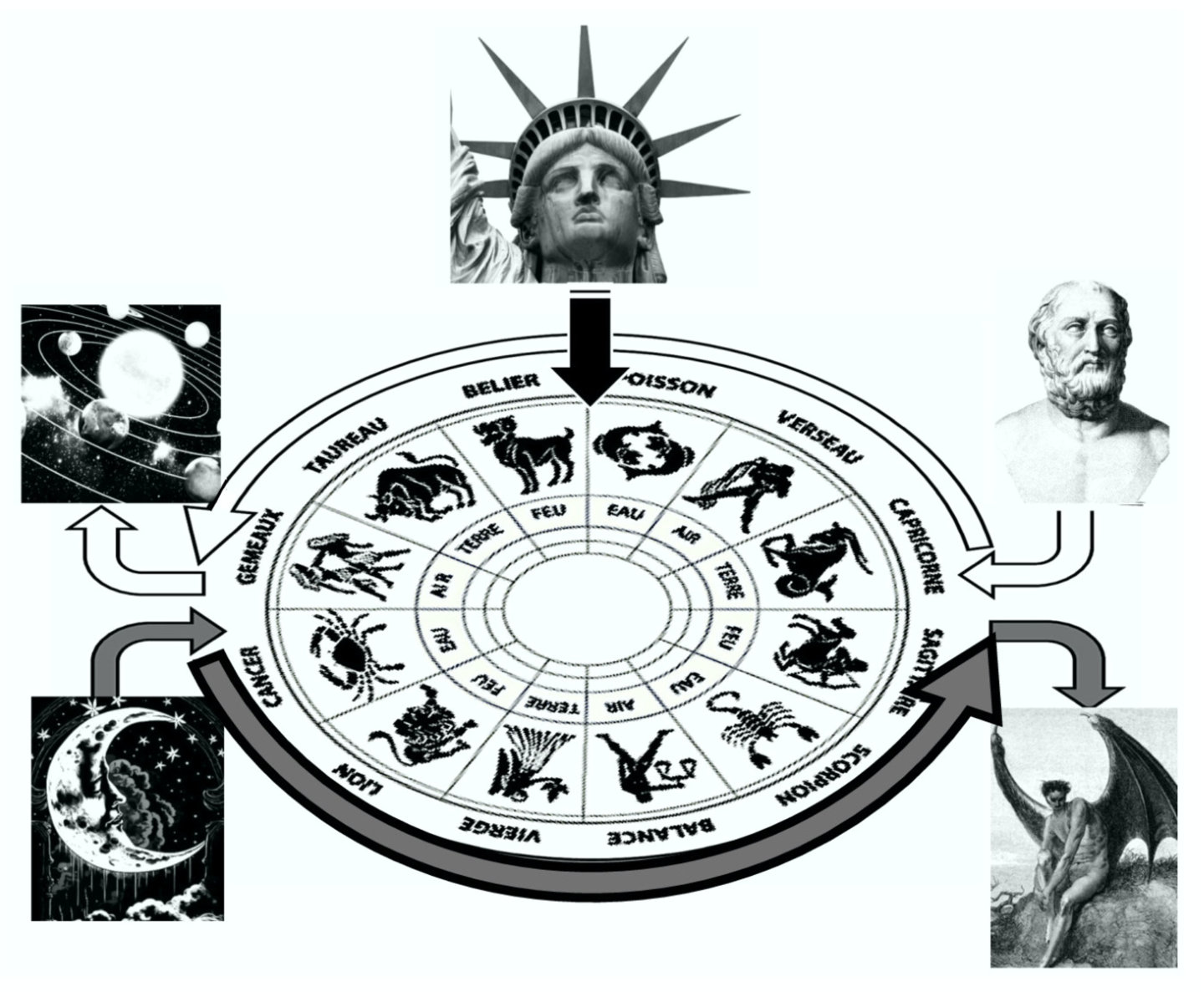
Mithras Dualism. What are the Philosophical Consequences? Summary of Mithraic philosophy on a drawing of an ornate temple. It is possible to draw the organisation of a Mithraeum, and also his philosophical consequences…
This limestone altar to Sol Invictus Mithra was found at Turda in 1905.
One of the first comprehensive historical reassessments of Mithraism in Roman Hispania, combining a revised catalogue of the archaeological and epigraphic evidence with analysis of its chronology, geographical distribution, and social composition.
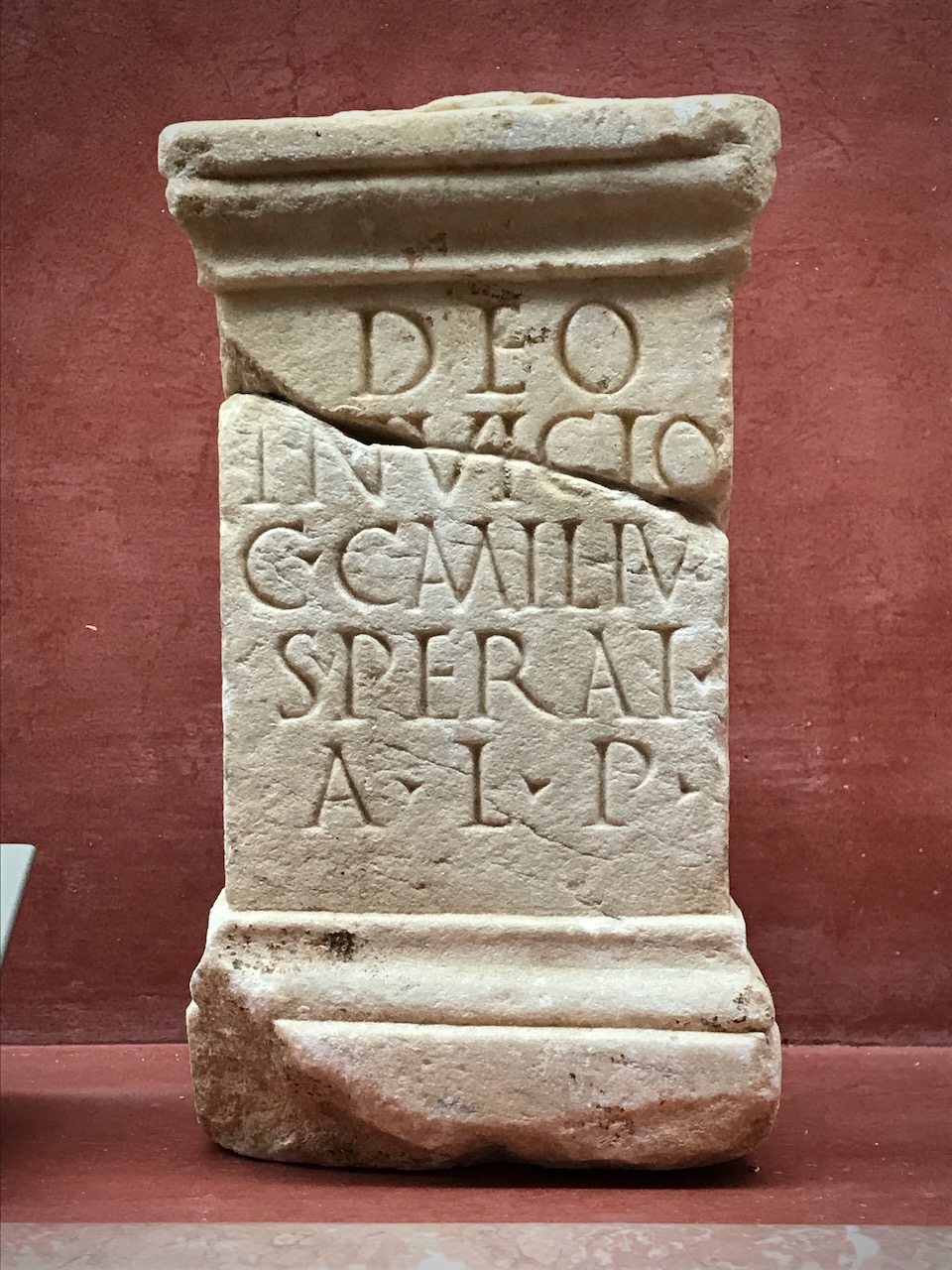
Small white marble altar made in honour of Mithras found at San Albín, Mérida.
This inscription found in the Mithraeum Aldobrandini informs us of certain restorations carried out in the temple during a second phase of development.
This marble monument was dedicated in Rome by the slave Fructus and his son Myro.
