Your search Bonn gave 58 results.
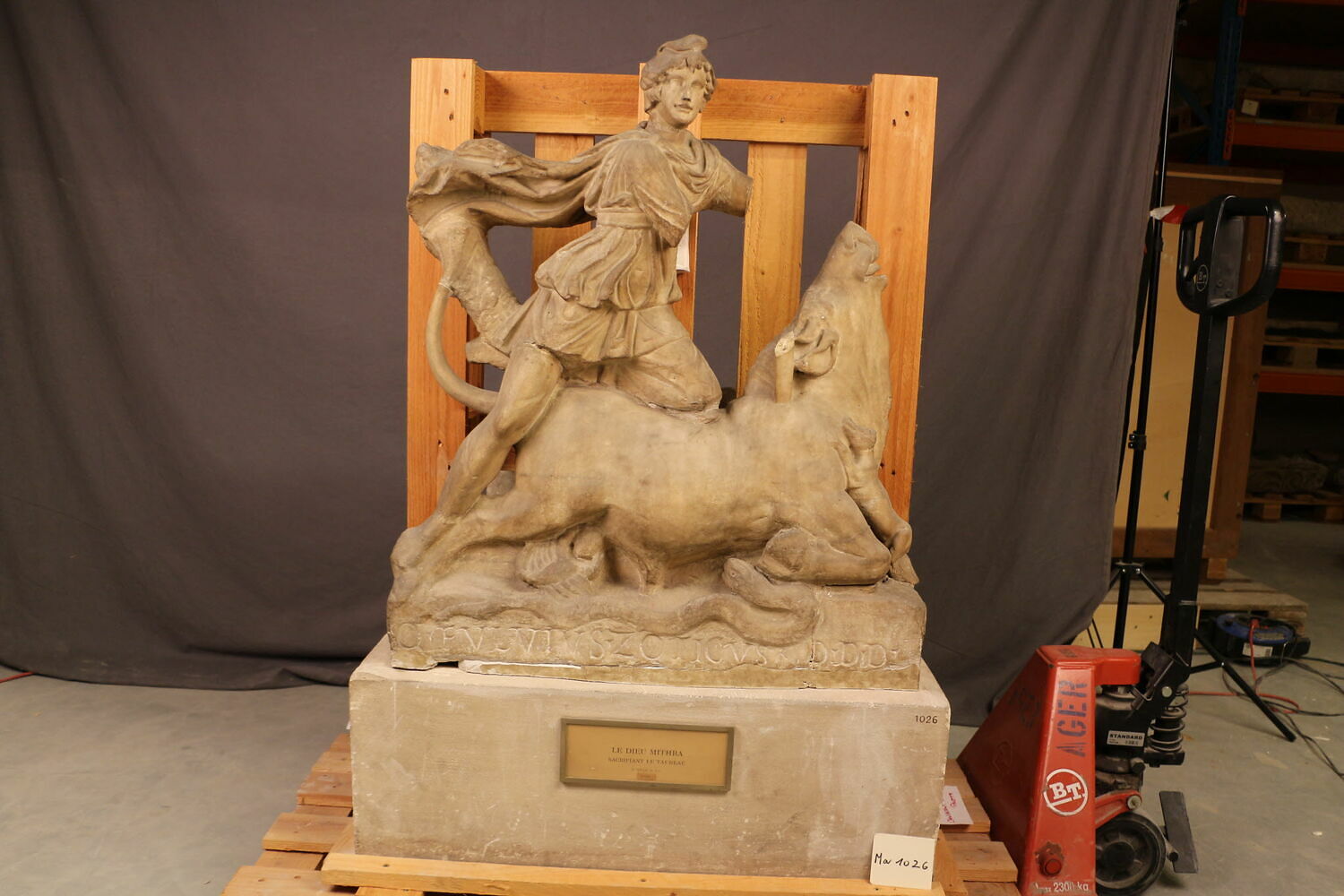
The Tauroctony found in Velletri, Rome, bears an inscription from its owner and donor.
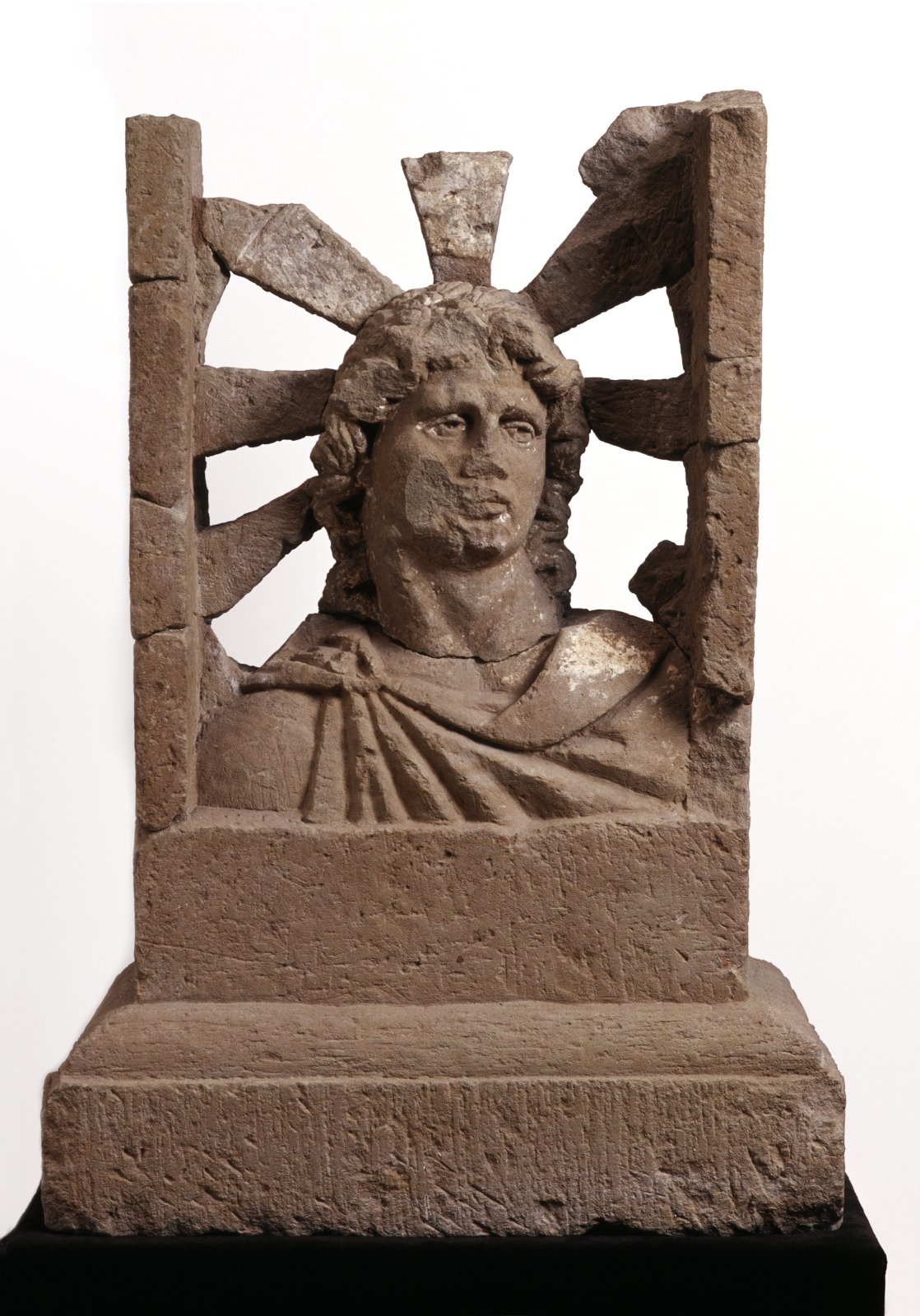
The altars of the gods of the Sun and Moon found in the Mithraeum of Mundelsheim wear openwork segments that could be lighten from behind.

Laurent Bricault has revolutionised Mithraic studies with the exhibition The Mystery of Mithras. Meet this professor in Toulouse for a fascinating look at the latest discoveries and what lies ahead.
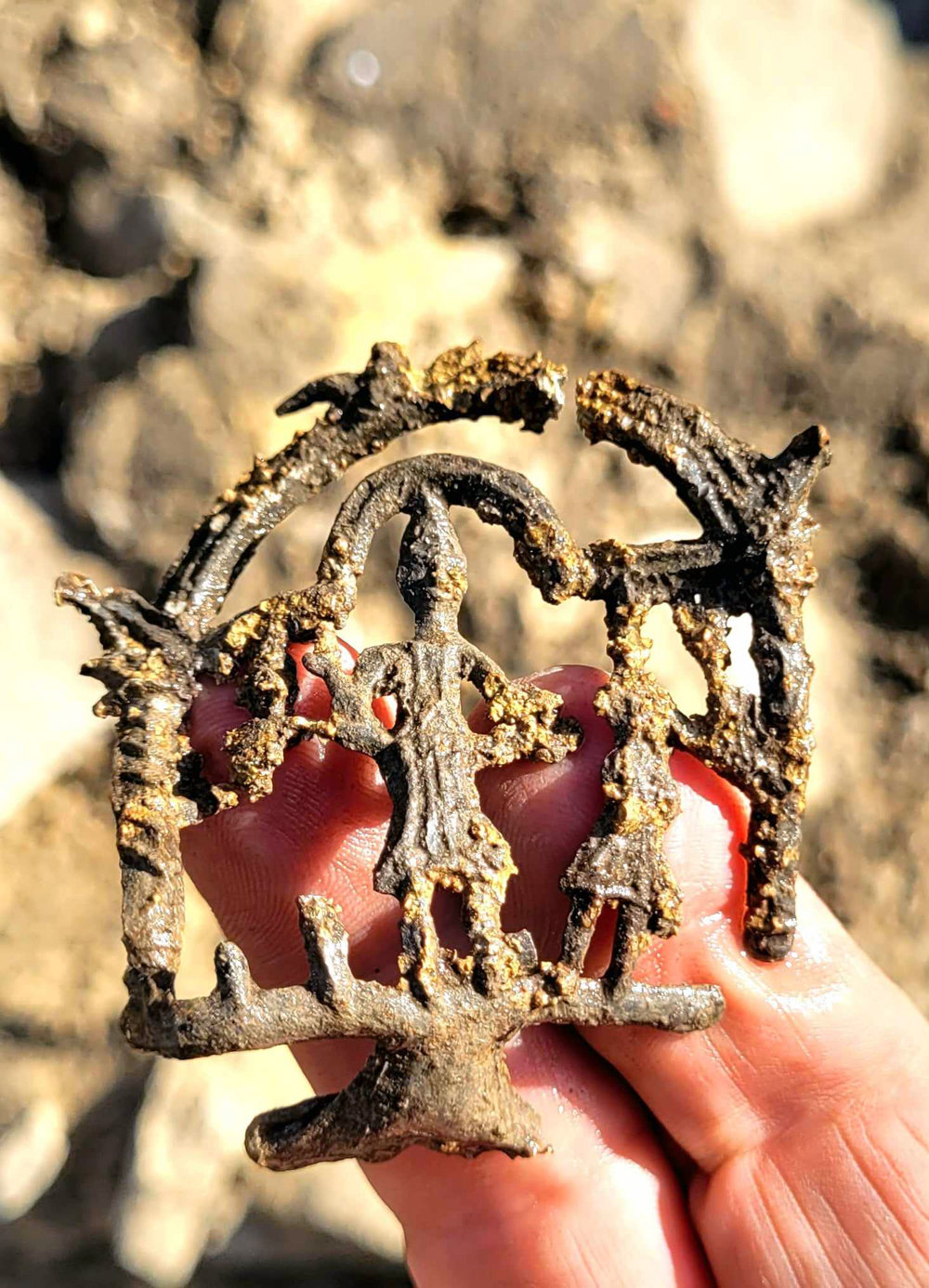
A sixth temple dedicated to Mithras has been identified for the first time in the military sector of the ancient Roman city of Aquincum.
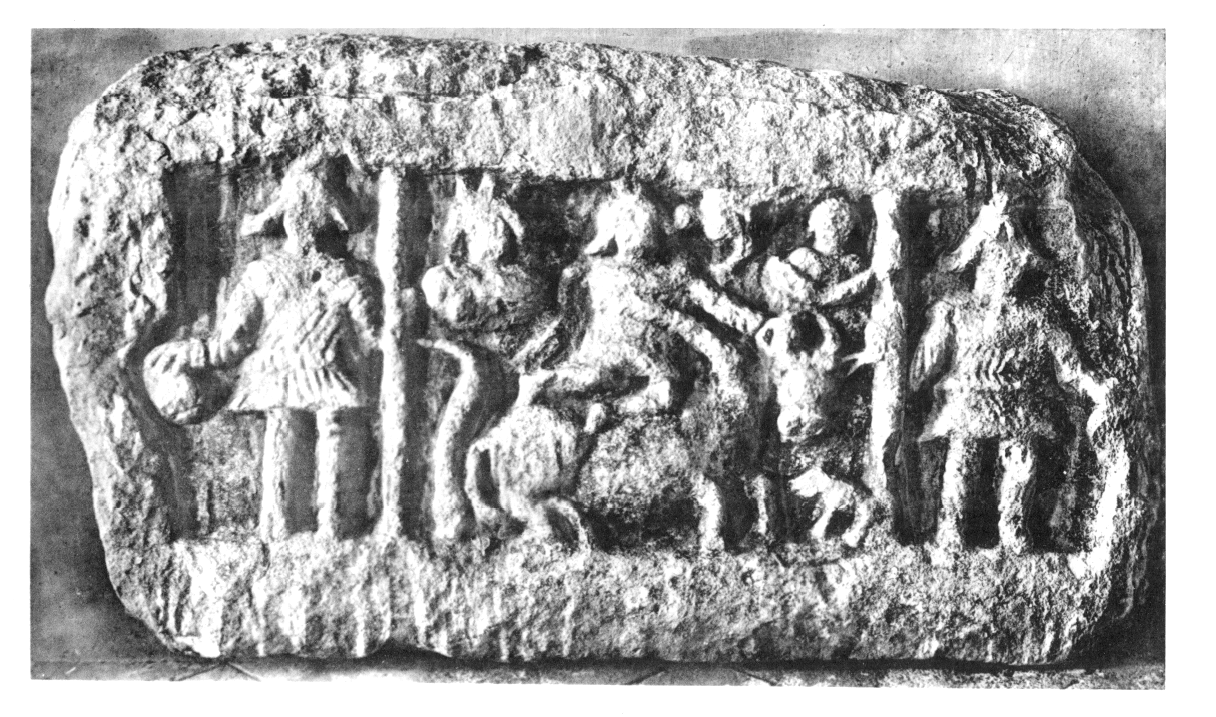
This relief of Mithras as bull slayer is surrounded by Cautes and Cautopates with their usual torch plus an oval object.

Tomorrow at Centre Léon Robin, Paris, conference by Christelle Veillard on La bonne humeur du sage : affectivité et vertus stoïciennes. Do not miss if you can! More info: [ref:6527cbbb12f9b]
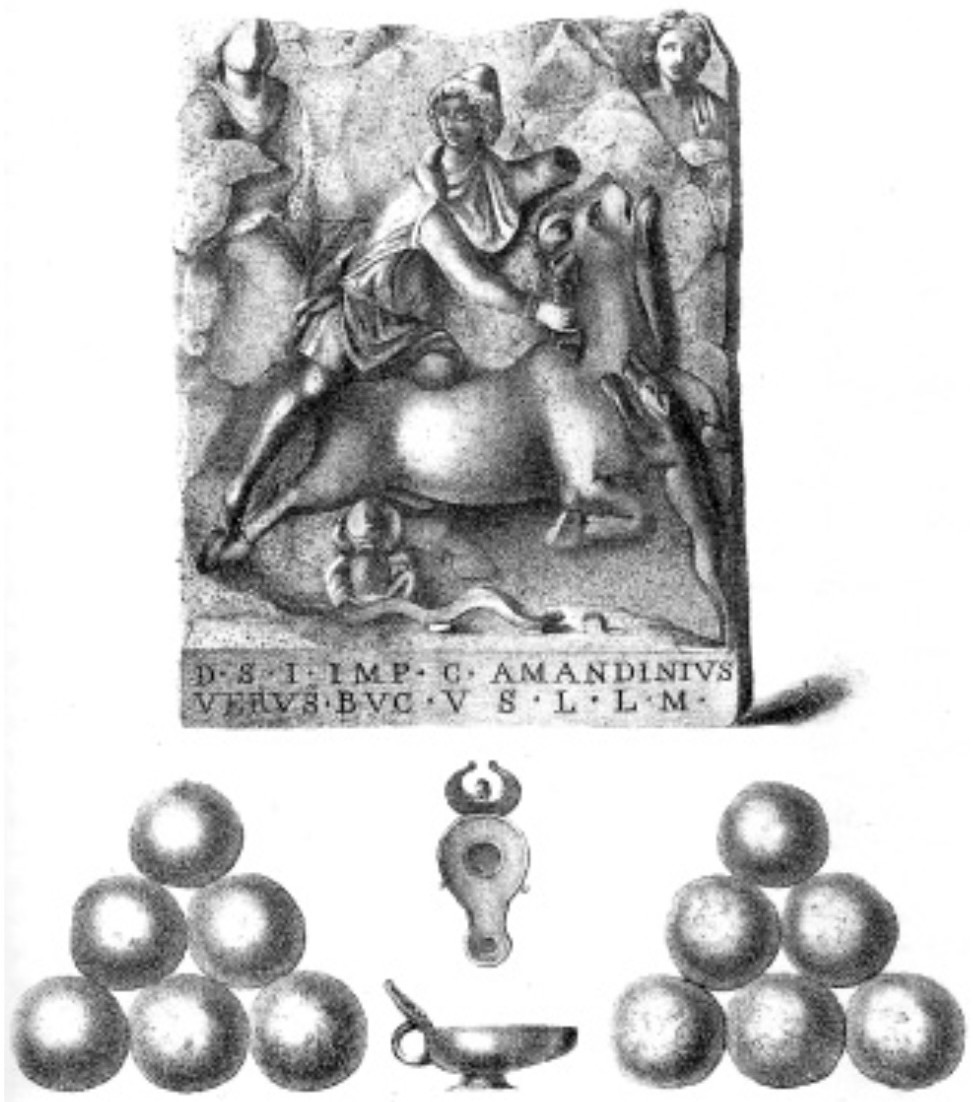
Workman digging in a field near Dormagen found a vault. Against one of the walls were found two monuments related to Mithras.
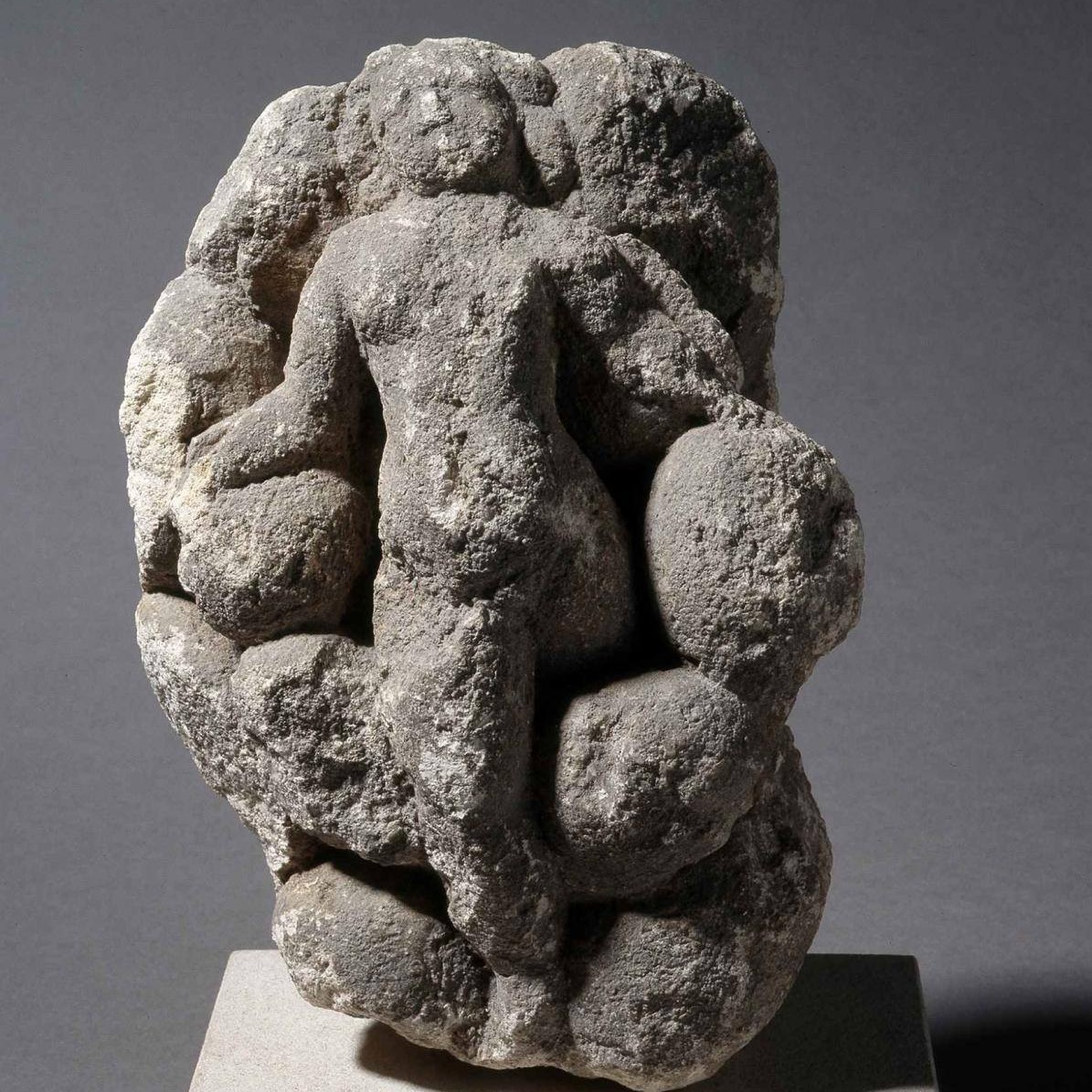
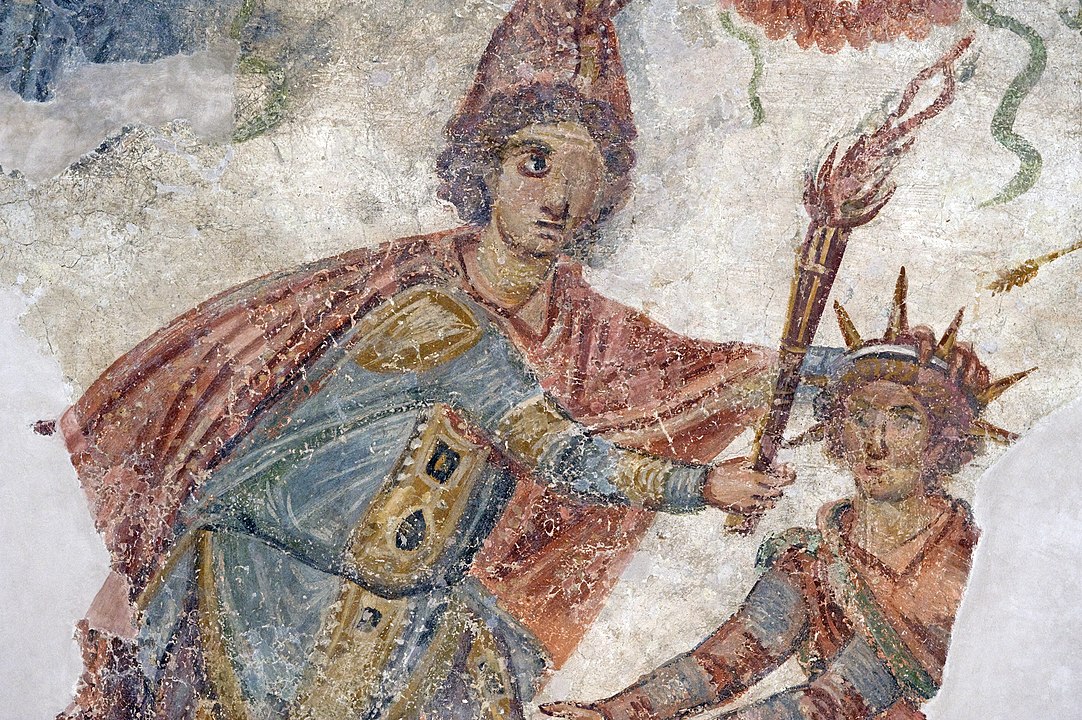
Fresco du Mithraeum de Hawarte, Syria, depicts Mithras' victory over the Sun.

During the excavations of 1804-1805, a series of monuments dedicated to Mithras and a temple were discovered at ancient Mons Seleucus.
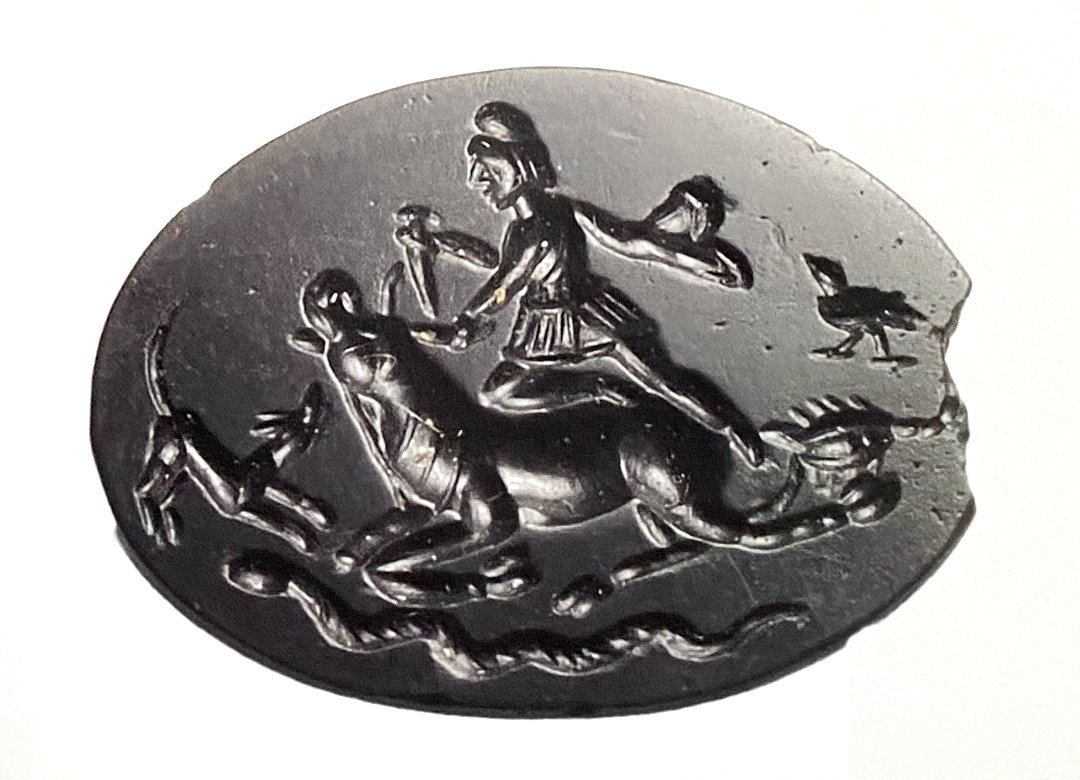
This intaglio with Mithras killing the bull on one side and Kabiros on the other was probably used as a magical amulet.
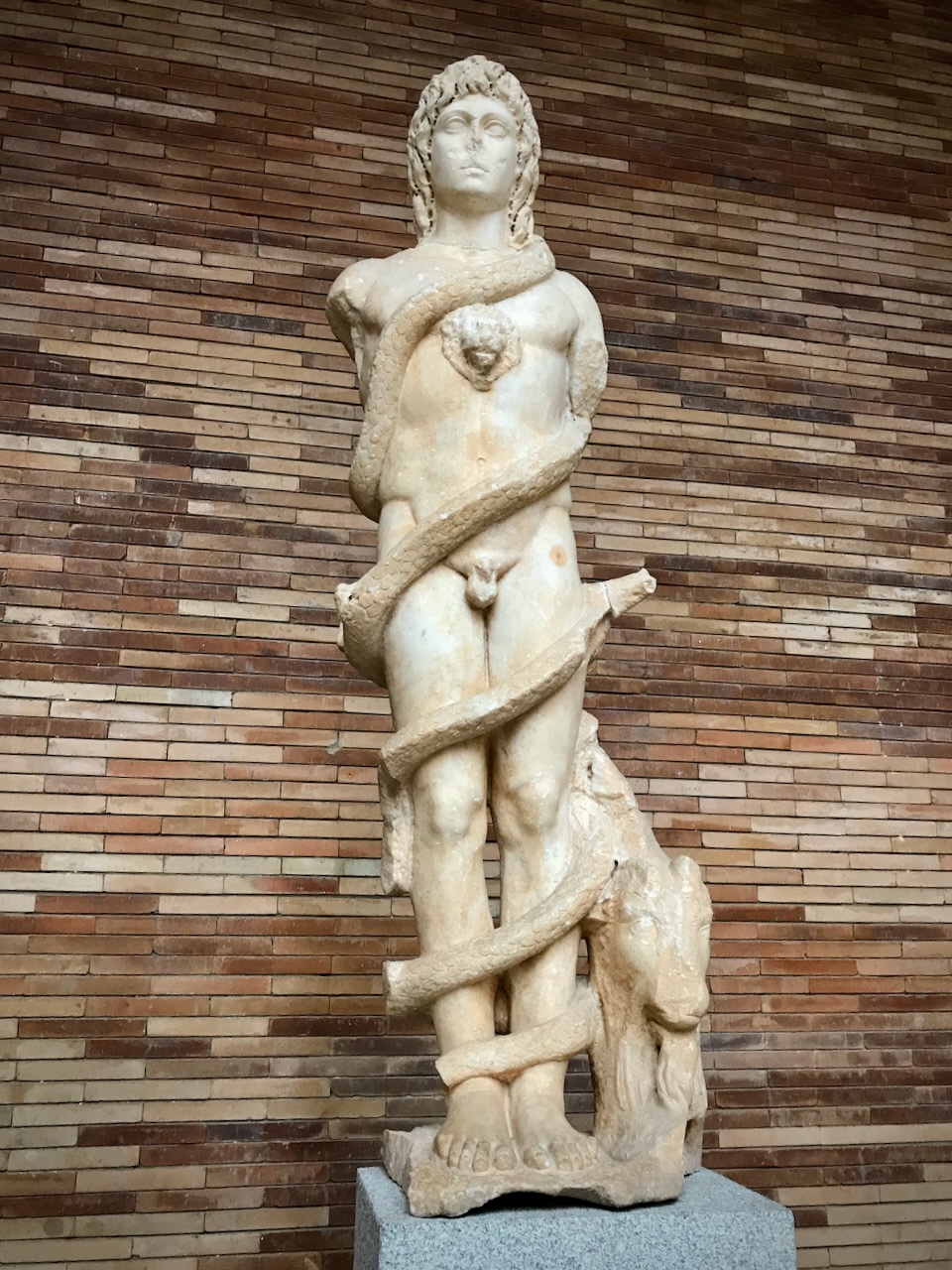
The Aion-Chronos of Mérida was found near the bullring of the current city, once capital of the Roman province Hispania Ulterior.
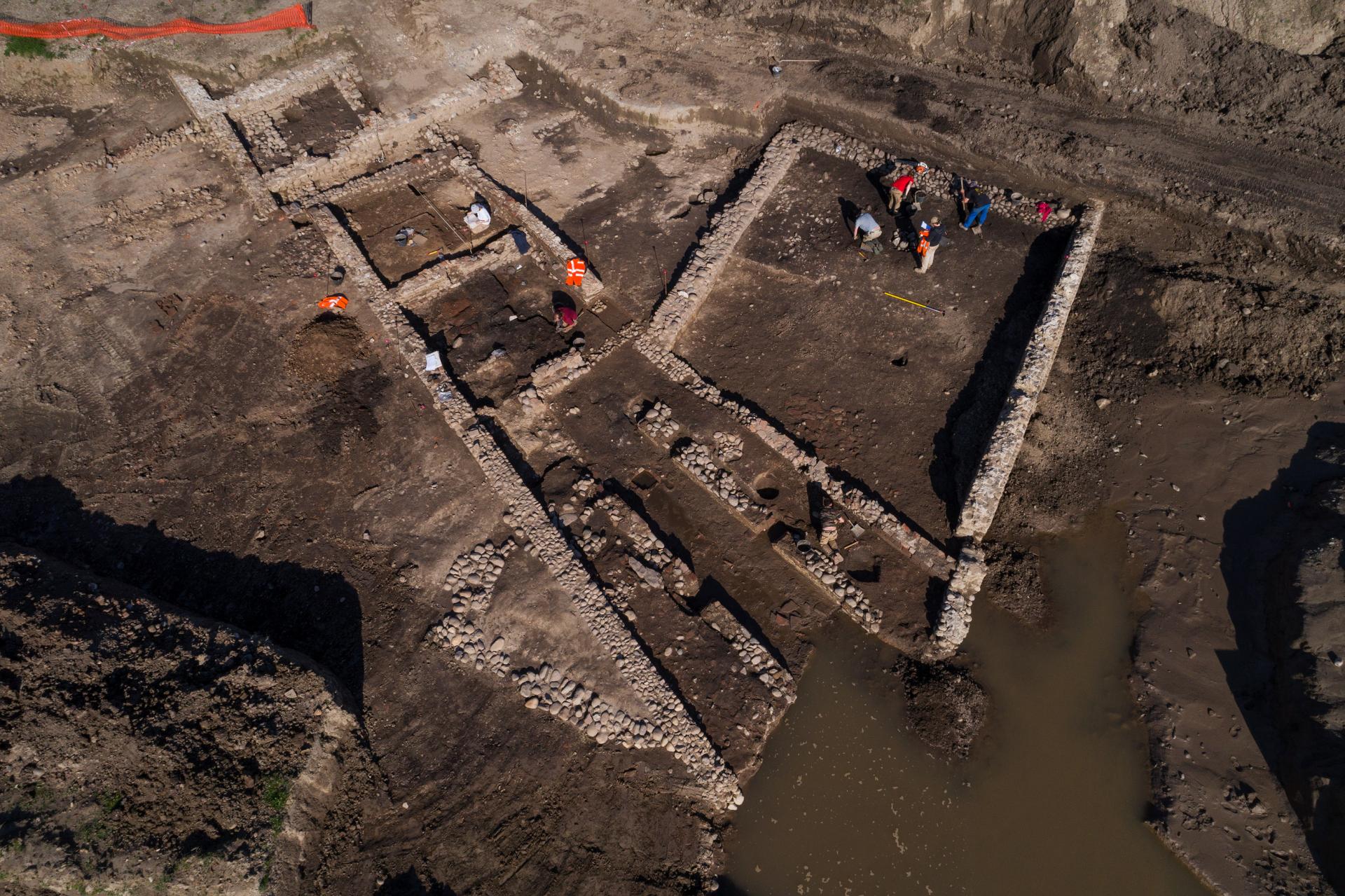
L’Inrap vient de mettre au jour un lieu de culte dédié au dieu Mithra sur le site de Mariana, à Lucciana, France.
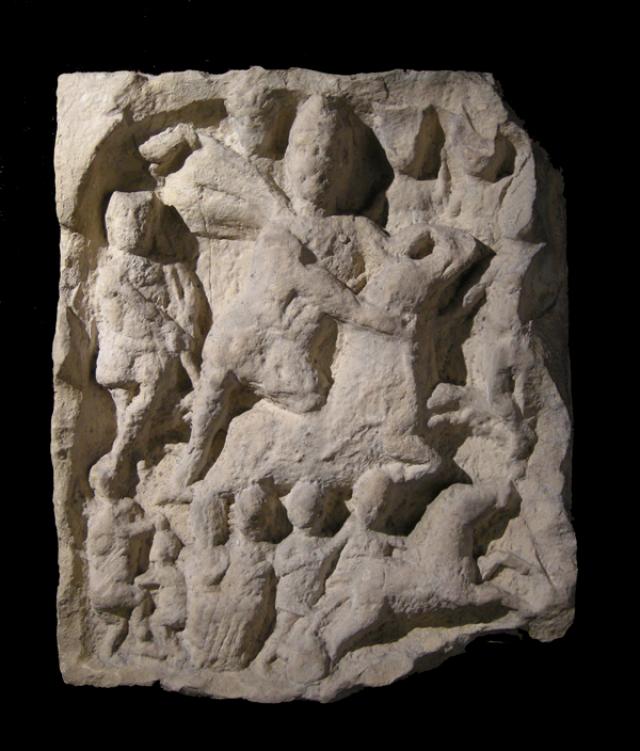
This stone in basso relief of Mithras killing the bull was found 10 foot underground in Micklegate York in 1747.

Germania preserves some of the densest concentrations of Mithraic evidence in the Roman frontier provinces.
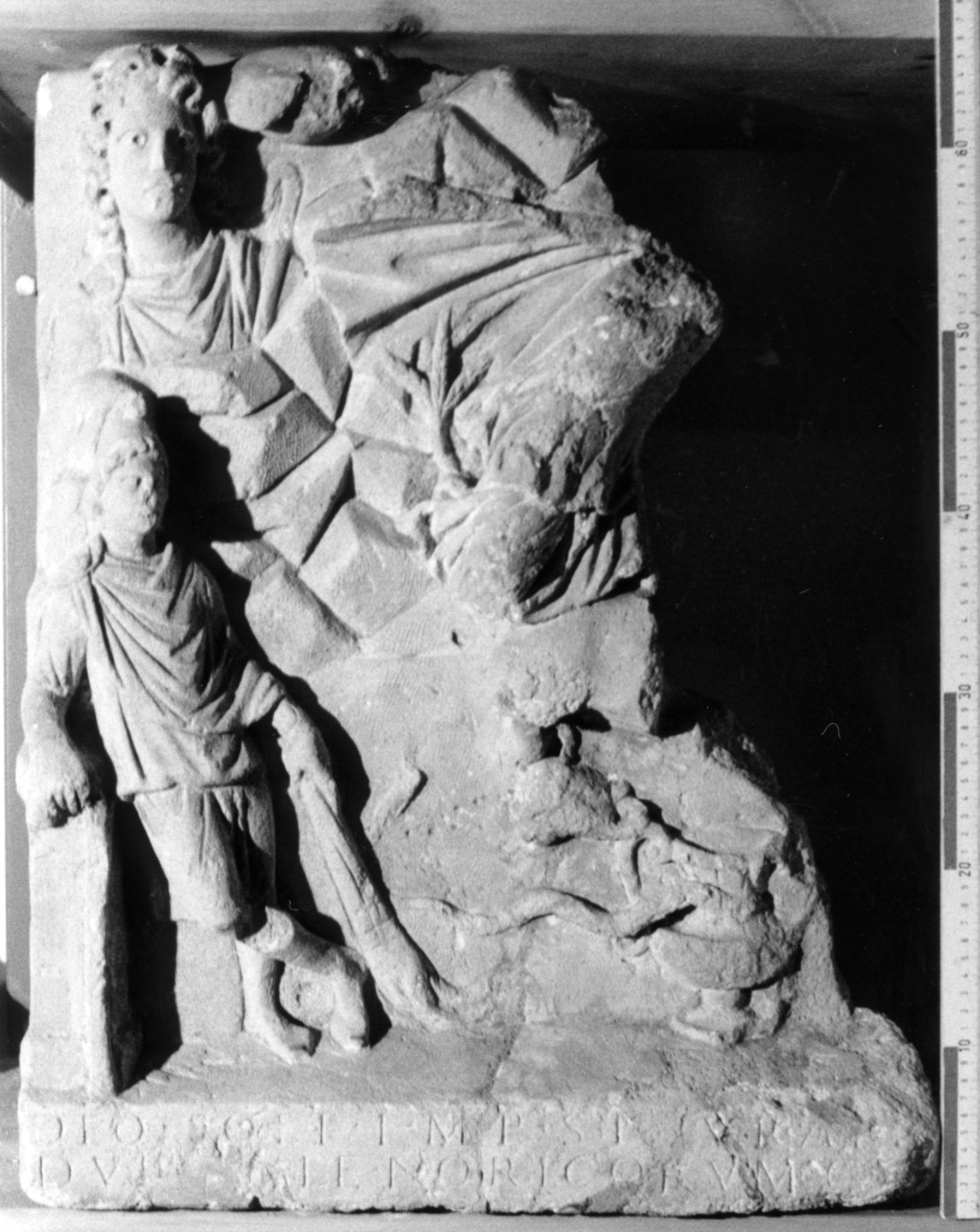
This second tauroctony, found in the Mithraeum of Dormagen, was consecrated by a man of Thracian origin.

Ce livre présente les religions de la Méditerranée ancienne – grecque, romaine, phénicienne et punique, hébraïque et juive, mésopotamienne, égyptienne – en mouvement. Au fur et à mesure de ces histoires de dieux en voyage…
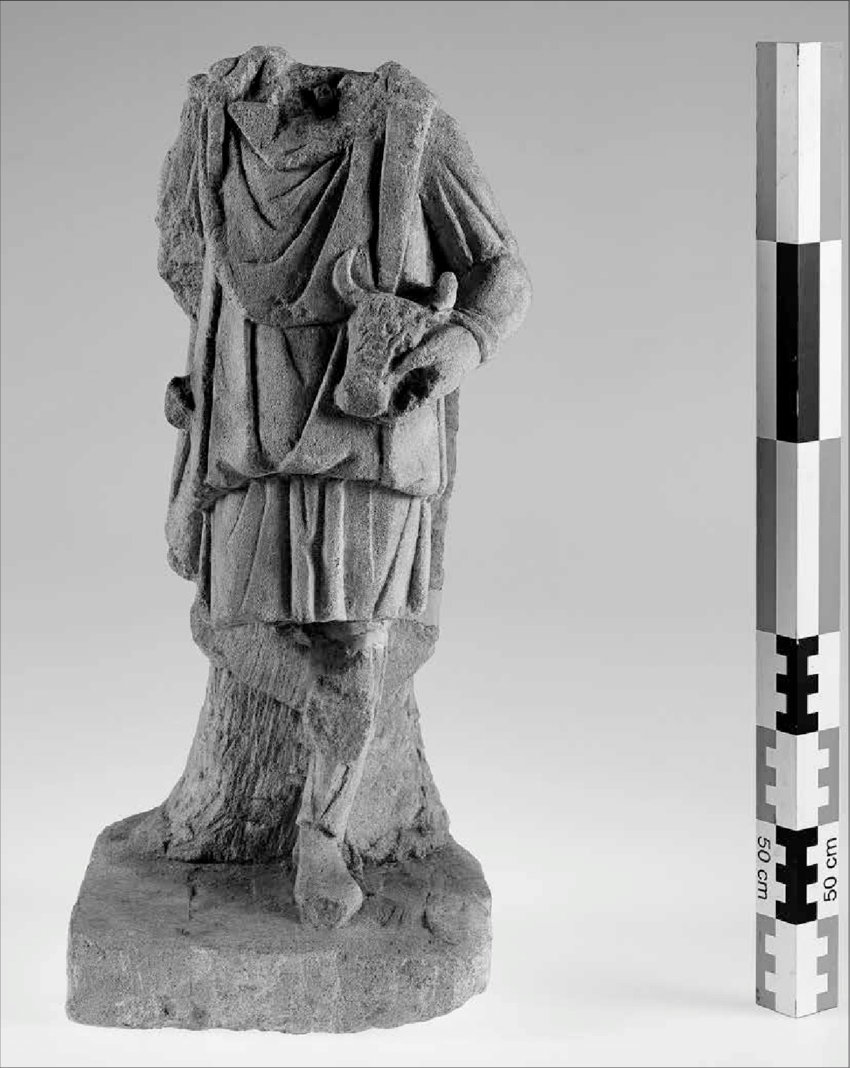
Statue of Cautes from Bodobrica, discovered around 1940, depicting the torchbearer standing before a tree or rock and associated with a bucranium.
