Your search Cabrera de Mar gave 1568 results.

Marble slab fragment from Steklen, ancient Novae in Moesia Inferior, depicting Mithras and Sol in a two-horse chariot with the bust of Oceanus above.
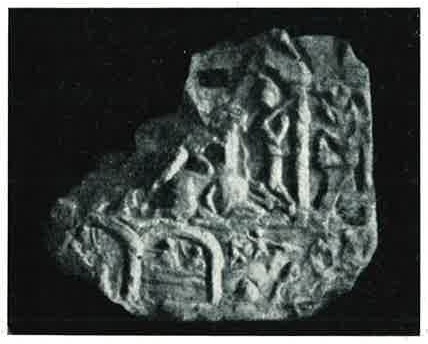
Marble tauroctony relief fragment from Steklen near Svichtov, ancient Novae in Moesia Inferior, preserving the right part of a bull-slaying scene with a serpent and the grotto border.
Sandstone altar with patera from the rock sanctuary at Kreta, Moesia Inferior, bearing a Greek inscription dedicating an altar to Helios Mithras by Marcus Sikis Dossis.
Small white marble relief from Kostolac, ancient Viminacium in Moesia Superior, depicting the sacred repast of Mithras and Sol: two reclining figures behind a three-legged table (tripod), in an arched niche.
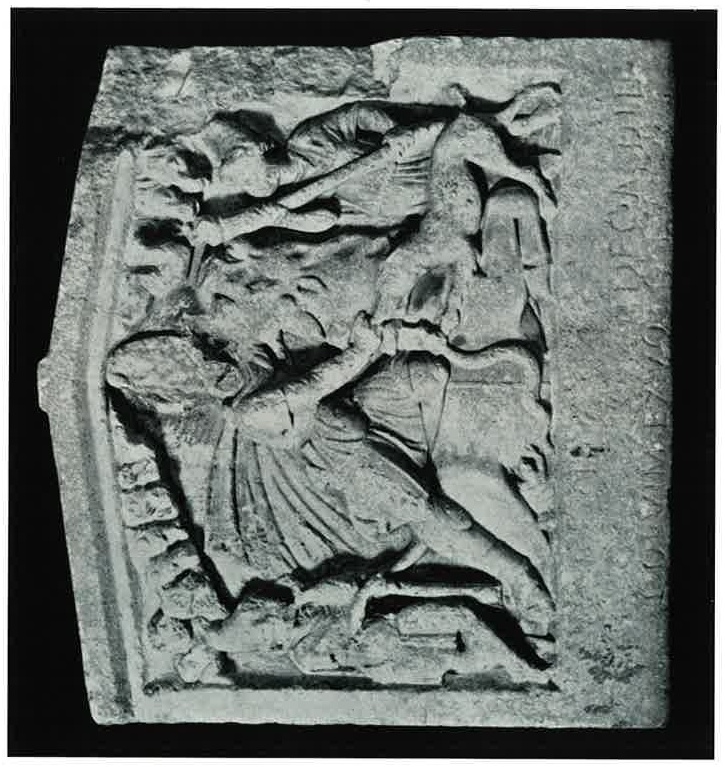
White marble tauroctony relief from Kostolac, ancient Viminacium in Moesia Superior, formerly walled into the Castle of George Branković at Smederevo, depicting the standard bull-slaying.
Marble relief fragment from Romula, Dacia, bought in Resca in 1933, preserving the feet and forepart of a horse — possibly from a scene of Mithras ascending Sol's chariot.
Fragment of the right part of a marble relief from Romula, Dacia, depicting Sol standing in a four-horse chariot.
Marble relief fragment from Romula, Dacia, showing traces of two bulls; the Mithraic attribution is uncertain.
Marble altar fragment from Romula, Dacia, with only the letters DE carved out, tentatively supplemented as De[o Soli invicto]; the attribution is questionable.
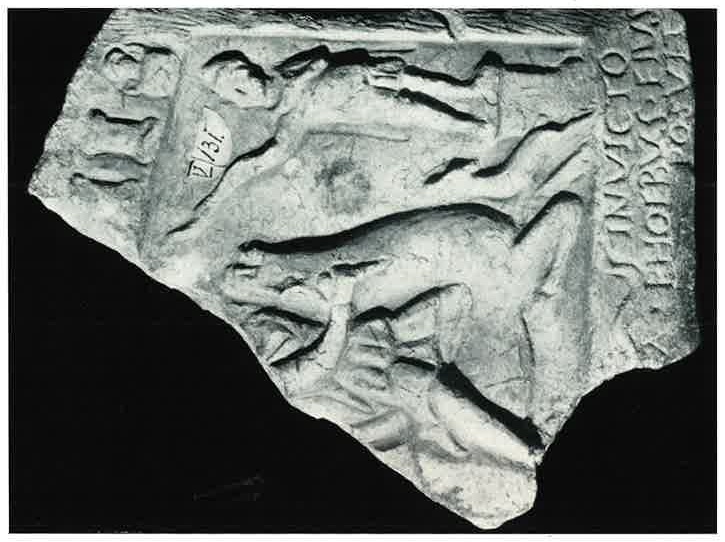
White marble tauroctony relief fragment from Romula, Dacia, now in Turnu Severin; the composition is partially preserved.
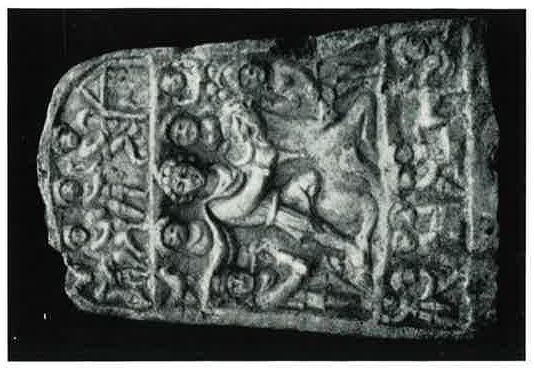
Yellow marble tauroctony relief from Romula, Dacia, found in 1912, depicting the standard bull-slaying with Sol and Luna in the upper corners.
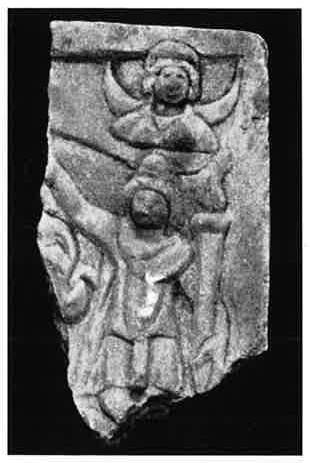
White marble tauroctony fragment from Turda, Dacia, preserved in the Deva Museum, showing only the forepart of Mithras killing the bull with the god's snout.
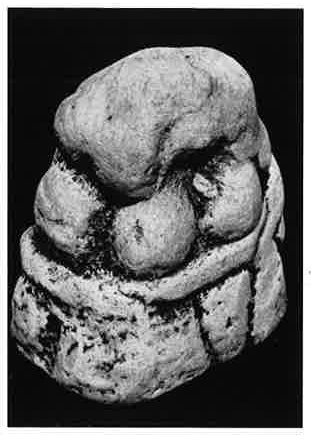
White marble rocky base encircled by a serpent from the Mithraeum at Sarmizegetusa, Dacia, probably the base of a rock-birth group.
Upper portion of a white marble column from the Mithraeum at Sarmizegetusa, Dacia, bearing the abbreviated dedication to Soli invicto Mithrae.
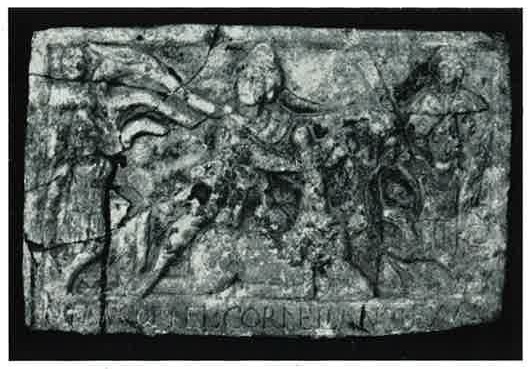
Marble tauroctony relief from Sarmizegetusa, Dacia, in the Deva Museum, depicting Mithras killing the bull; one of several reliefs attributed to the Sarmizegetusa sanctuary that were found elsewhere.
Marble tauroctony fragment from Sarmizegetusa, Dacia, preserving the right lower corner with the forepart of the bull with a broad belt and the leg of a figure.
Bluish marble tauroctony fragment from the Mithraeum at Sarmizegetusa, Dacia, formerly in the collection of Count Géza Kuun at Mintia, preserving Mithras killing the bull.
White marble trapezium-shaped tauroctony from the Mithraeum at Sarmizegetusa, Dacia, in the Lugoj collection, depicting Mithras killing the bull with dog and serpent; the lower portion of the composition is lost.
White marble tauroctony relief from the Mithraeum at Sarmizegetusa, Dacia, now in the Lugoj collection; the right lower corner is broken off and the scene depicts the standard bull-slaying.
Bluish marble fragment from the Mithraeum at Sarmizegetusa, Dacia, preserving a sitting lion with its head slightly turned to the right.
