Your search Cabrera de Mar gave 1568 results.

This 3rd century marble relief of Silvanus is the only sculpture found in Mitreo Aldobrandini.
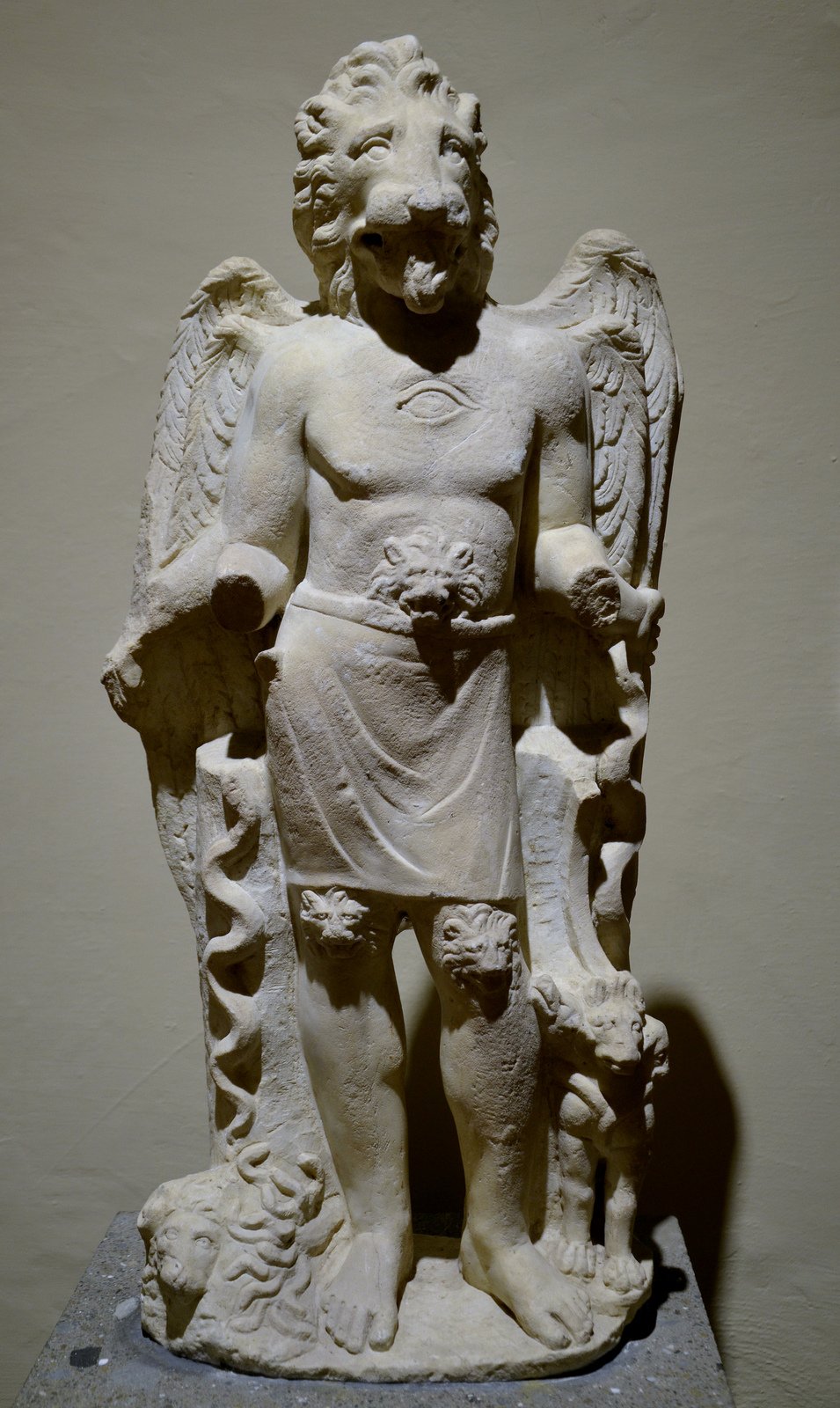
This lion-headed marble was found on the ruins of the Alban Villa of Domitianus.
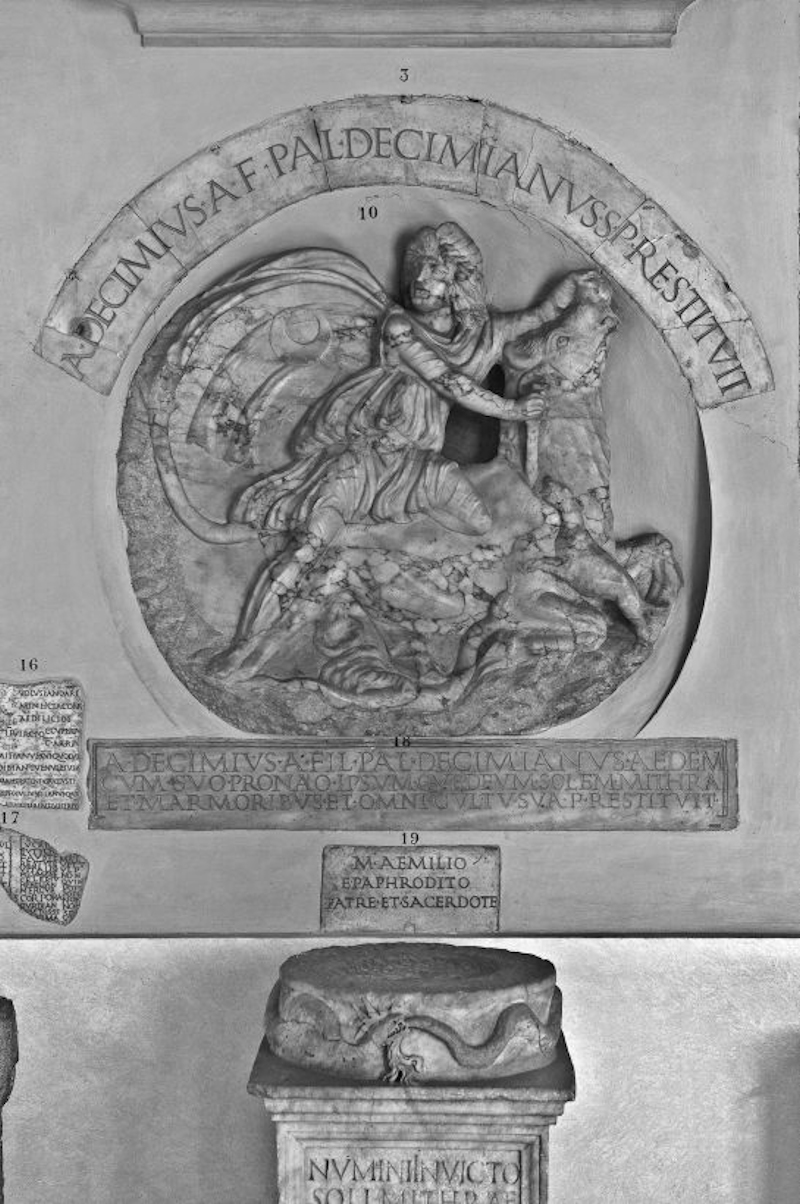
The relief of Mithras slaying the bull from the Mithraeum of the Seven Spheres was discovered in 1802 by Petirini by order of Pope Pius VII.
Only a fragment of this marble group of Mithras killing the bull remains.
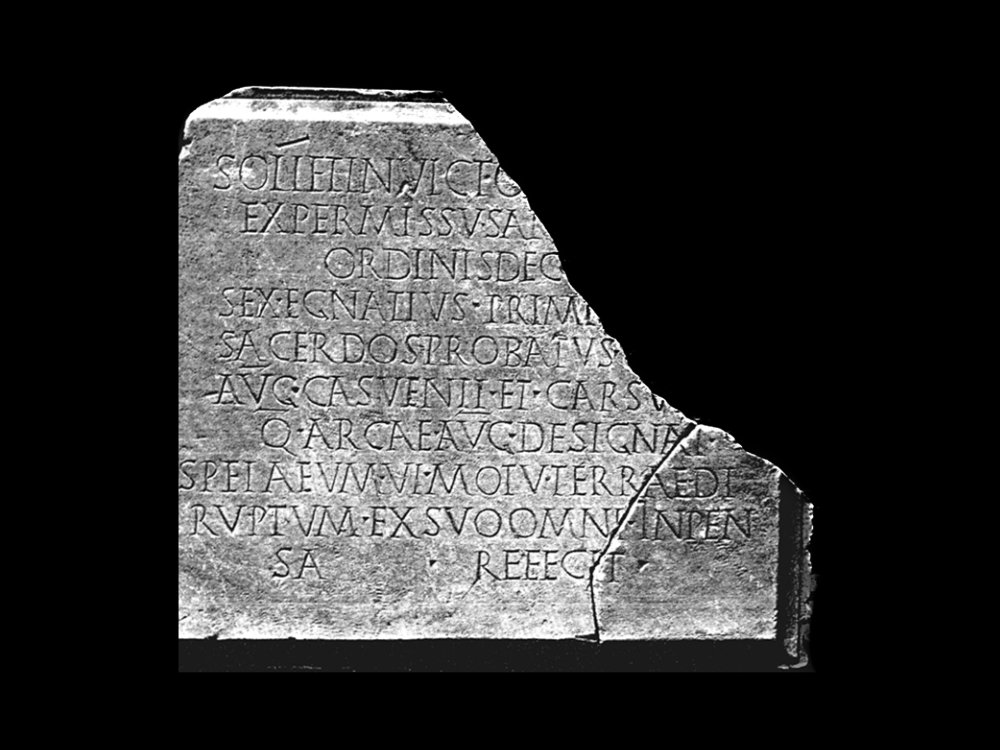
Marble plaque with inscription of a sacerdos probatus to Sol and the god Invictus Mithras.
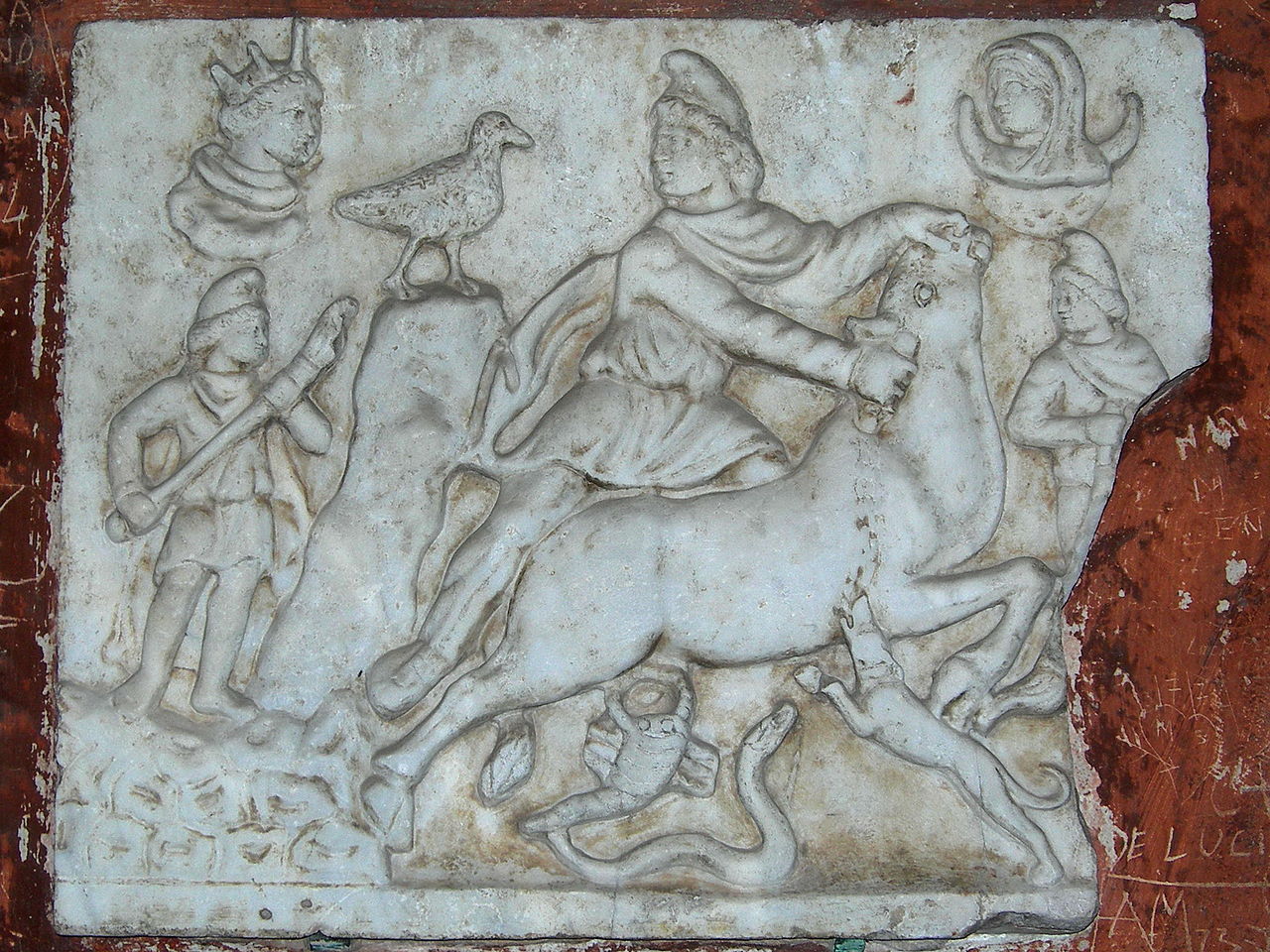
This white marble relief of Mithas killing the sacred bull was found embedded in the building of a noble family in Pisa.

Excavations in 1979 on the remains of the church of Notre-Dame d'Avigonet in Mandelieu, Alpes-Maritimes, brought to light a small mithraeum.
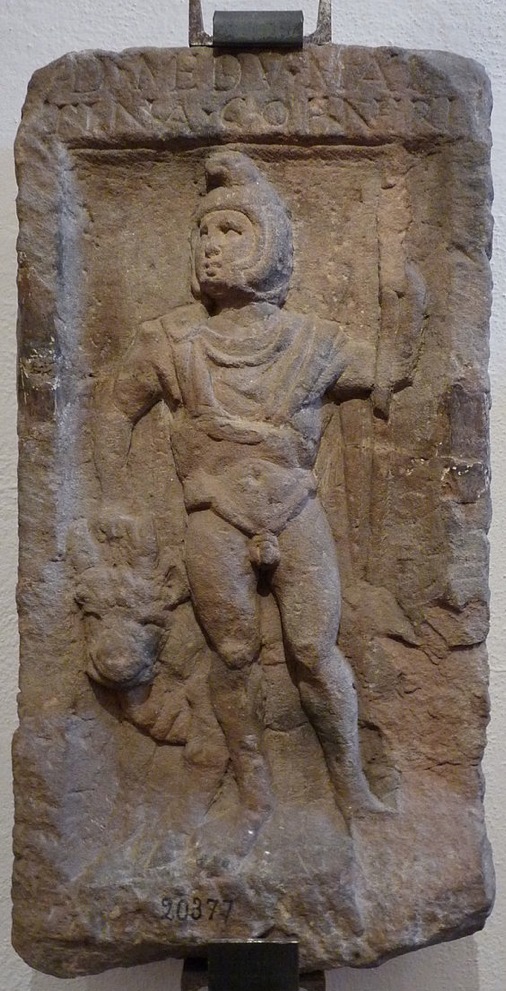
The relief of naked Roman soldier, wearing a mantle and a Phrygian cap, has been related to the Mithras' cult.
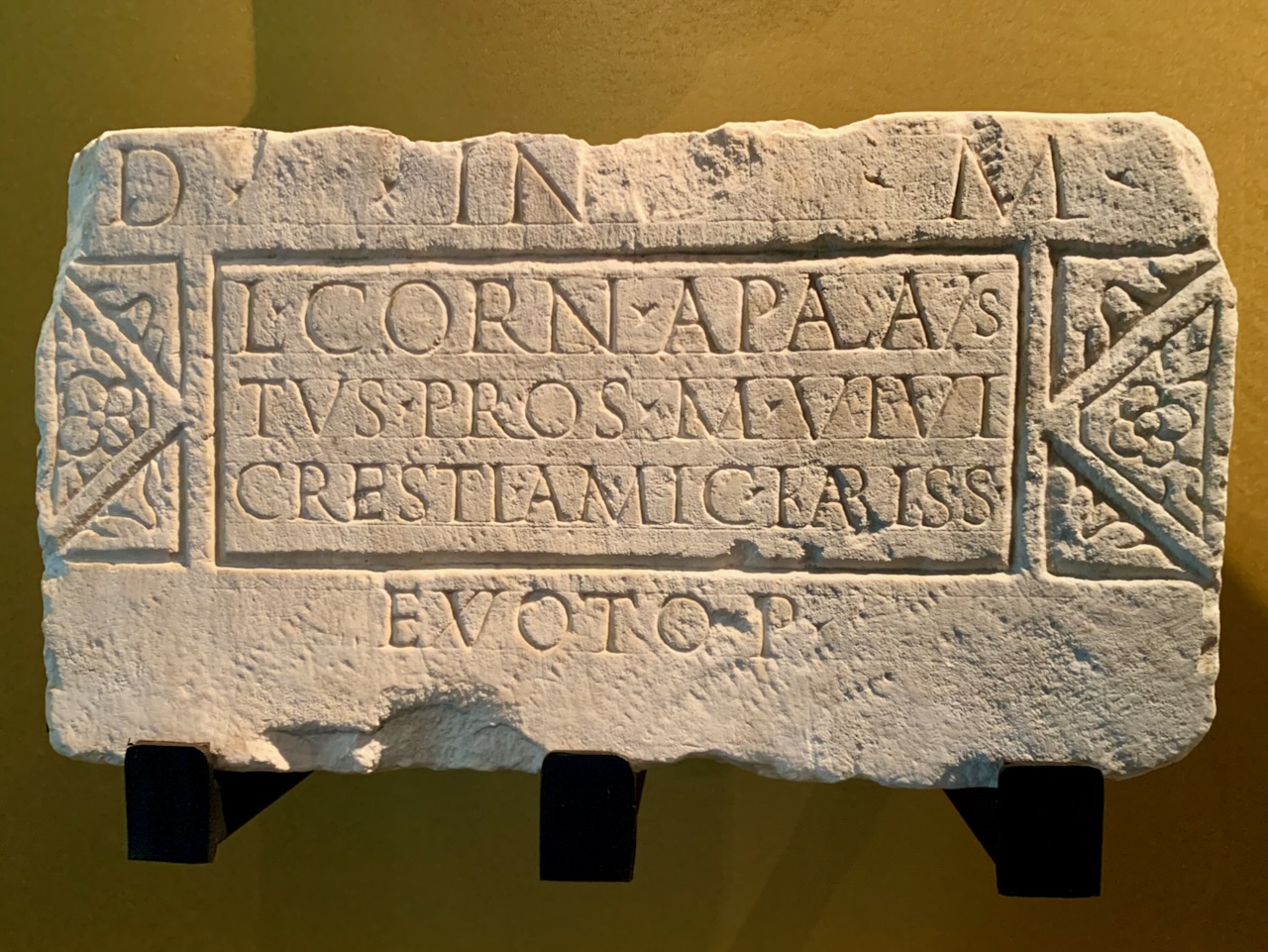
The altar that now stands in Split was dedicated to Invincible Mithras for the health of a dear friend.
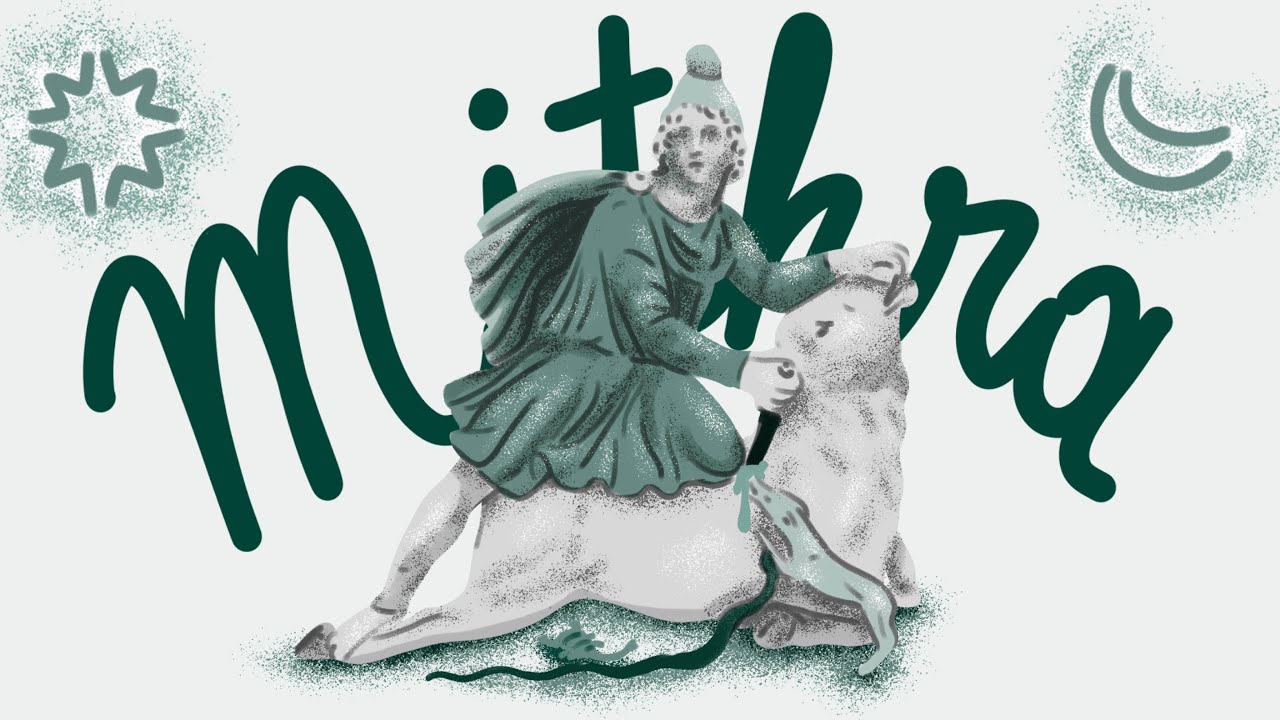
Le culte romain de Mithra. Entre réalités antiques et fantasmes contemporains ! Par Richard Veymiers, directeur du Domaine et Musée royal de Mariemont.

The Mithraeum of Spoleto was found in 1878 by the professor Fabio Gori on behalf of Marquis Filippo Marignoli, owner of the land.

This tabula marmorea was consecrated by a certain slave Vitorinus in Tibur, nowadays Tivoli, near Rome.
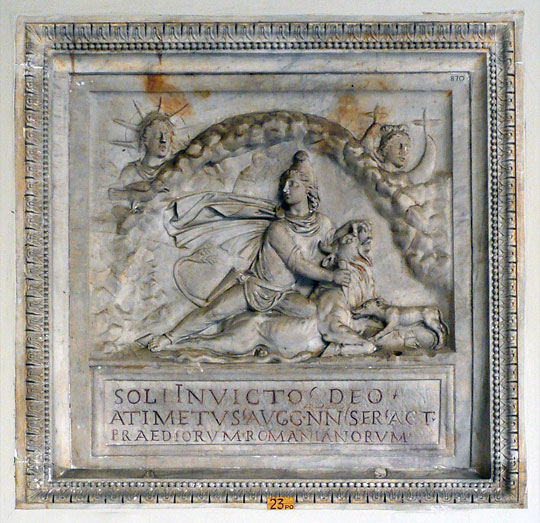
White marble relief depicting Mithras slaying the bull, dedicated by Atimetus.
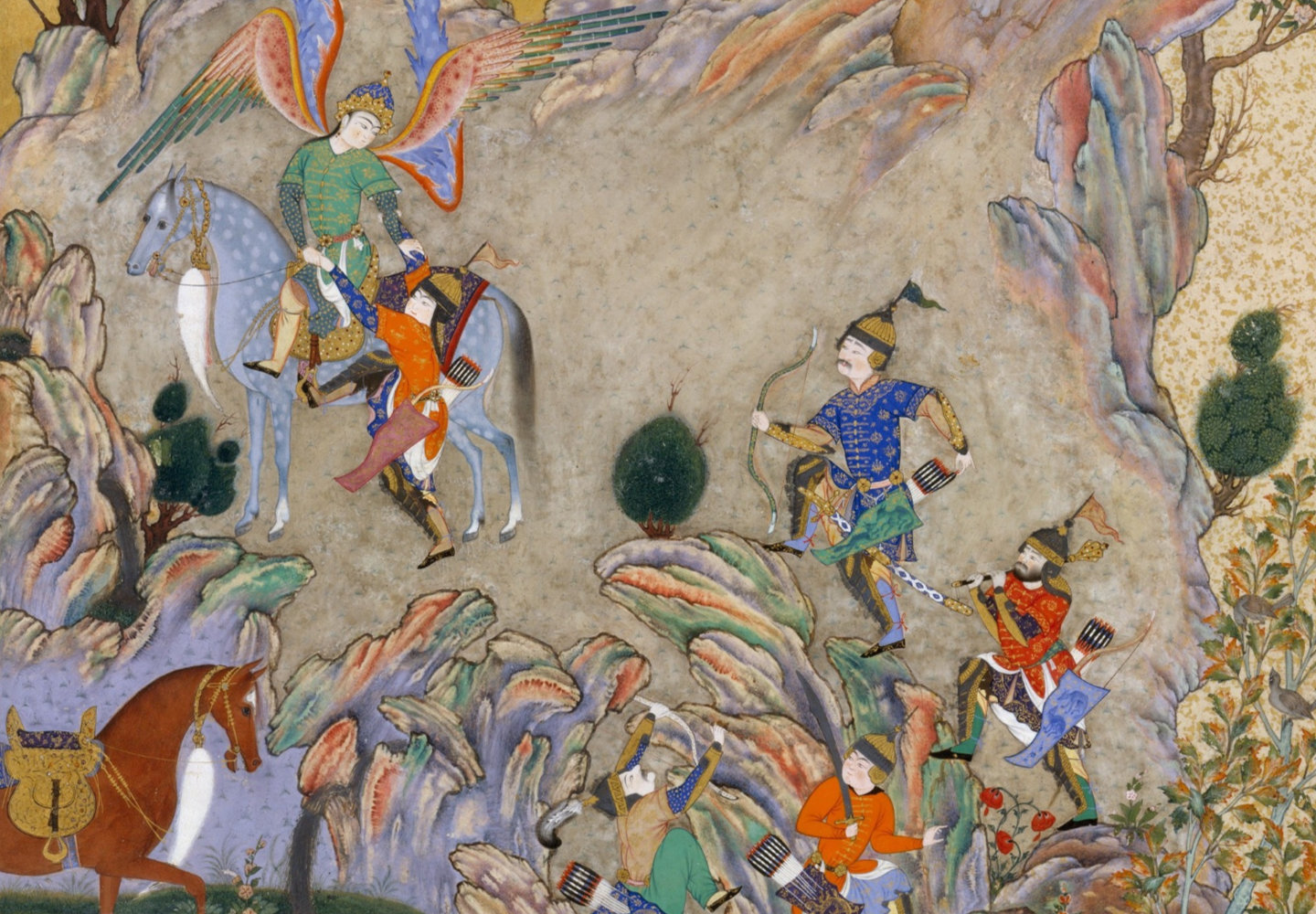
We propose to revisit a passage by the prolific author Marteen Vermaseren that highlights correspondences today forgotten between the Roman Mithras and its Eastern counterparts.
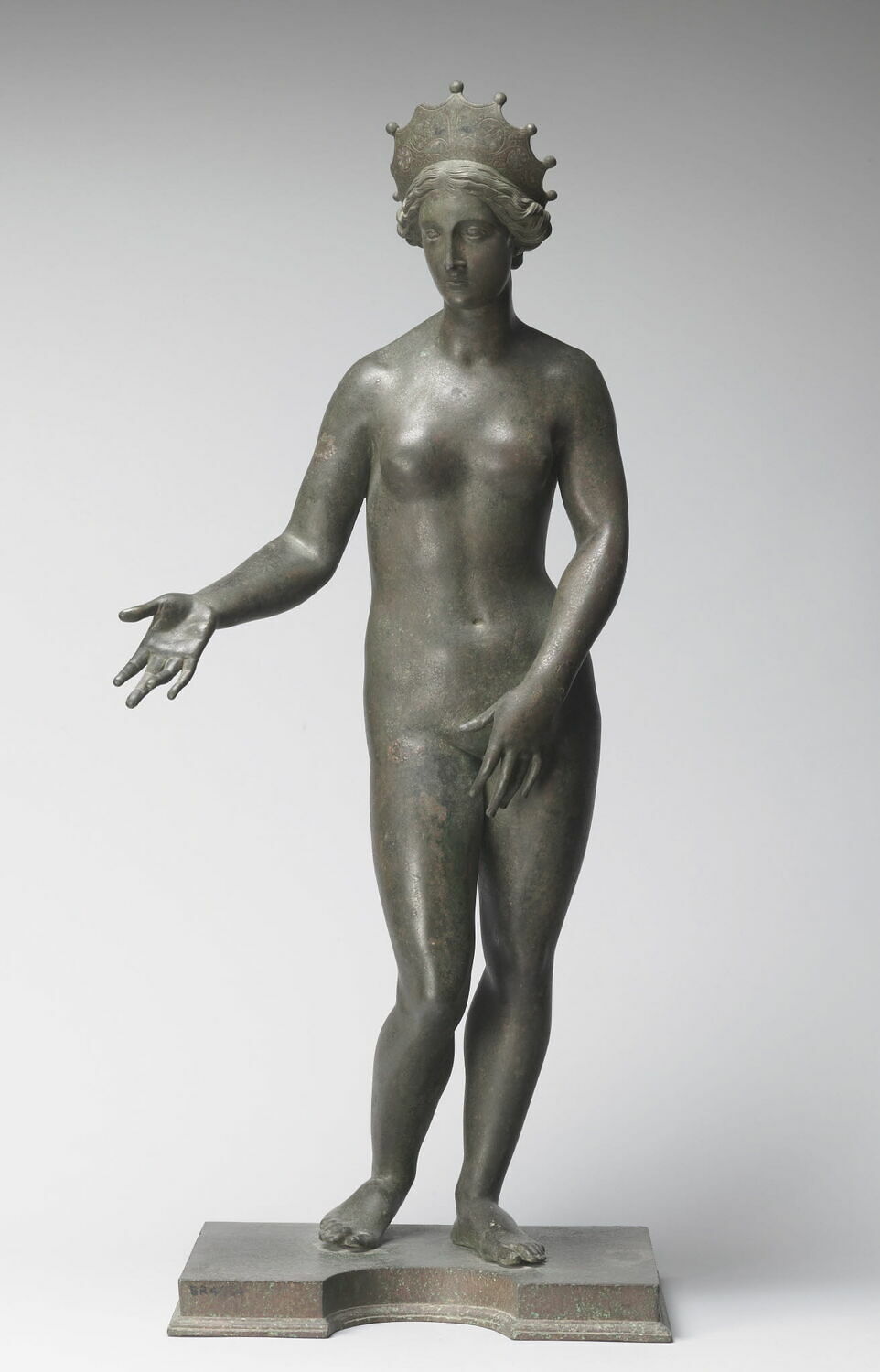
There are two Venus from the Mithraeum of Sidon, one in bronze and the other in Parian marble.
Intervention de Richard Veymiers, directeur du Musée royal de Mariemont et Laurent Bricault, de l'Université Toulouse Jean-Jaurès.
Journée scientifique du 17 décembre 2021 au Musée royal de Mariemont, dans le cadre de l’exposition 'Le Mystère Mithra. Plongée au cœur d’un culte romain'.
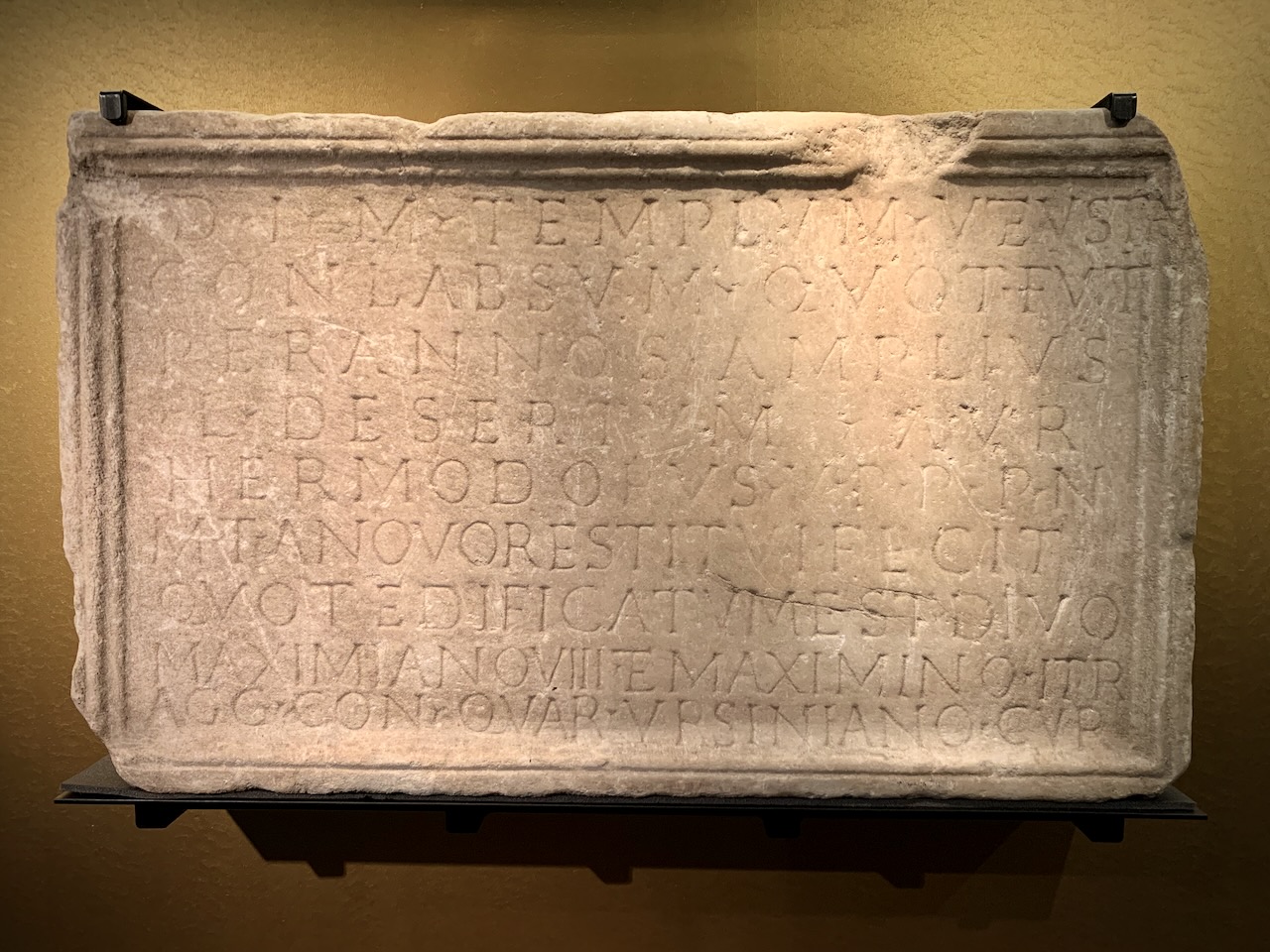
This marble gives some details of the reconstruction of the Virunum Mithraeum.
The dedicator of this marble basin could be the same person who offered the sculpture of Mithras slaying the bull in the Mitreo delle Terme di Mitra.
The Mitreo Fagan revealed remarkable sculptures of leon-headed figures now exposed at the Vatican Museum.
