Your search Cabrera de Mar gave 1572 results.

The dedicator of this altar was a slave in the service of a high official, the prefect Gaius Antonius Rufus, known from other inscriptions.

This altar, now lost, mentions that the Pater Patrum passed on the attributes of the sacred Corax to his son.
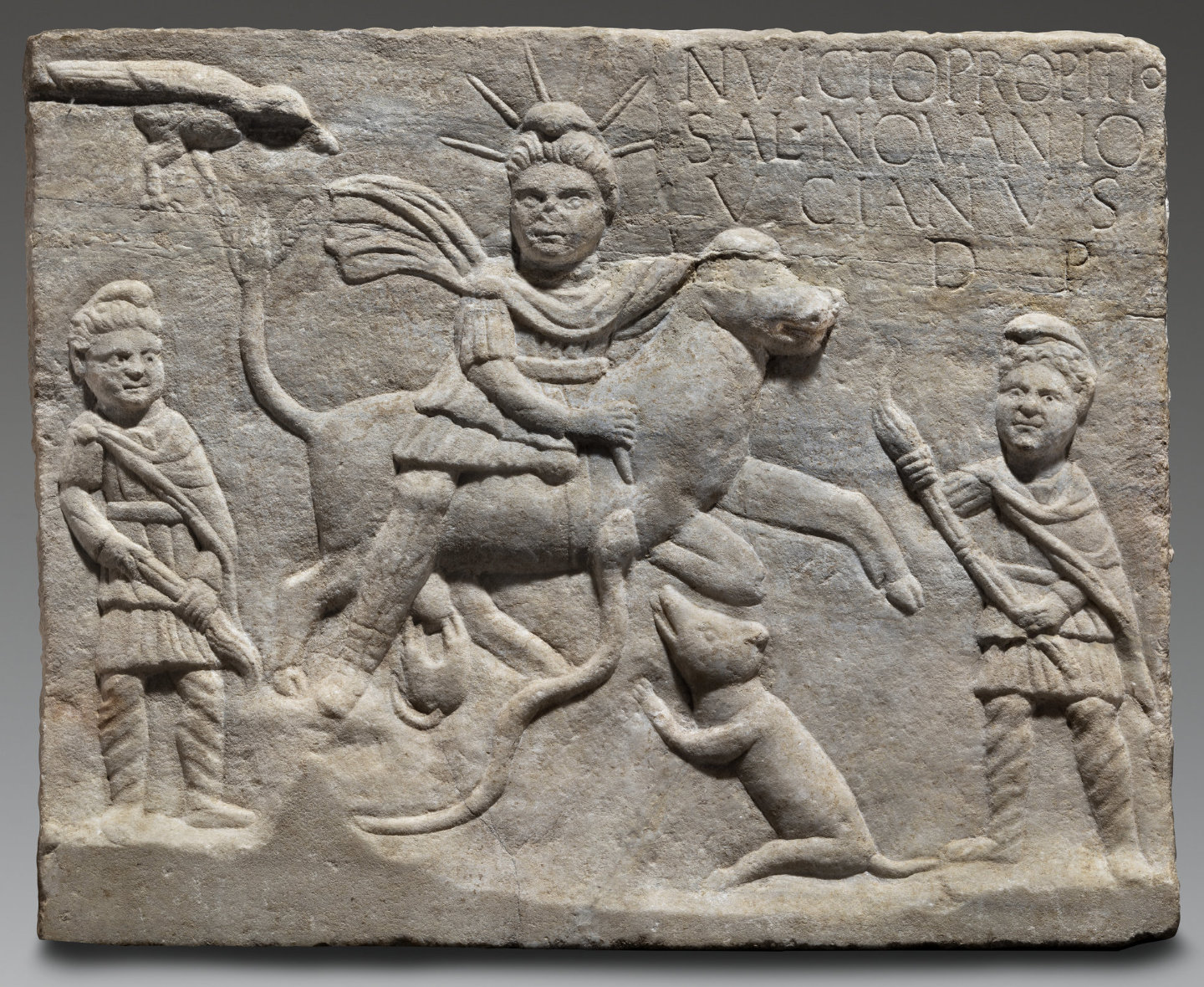
The Macerata Tauroctony shows Mithra slaying the bull with the usual Pyrigian cap and six rays around his head.
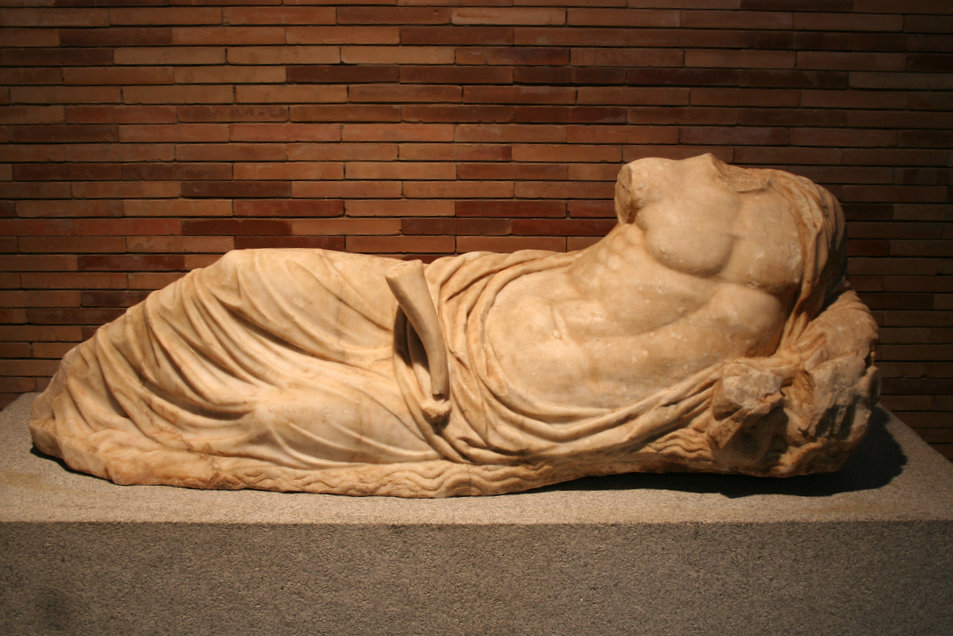
The sculpture of Oceanus in Merida bears an inscription by the Pater Patrorum Gaius Accius Hedychrus.
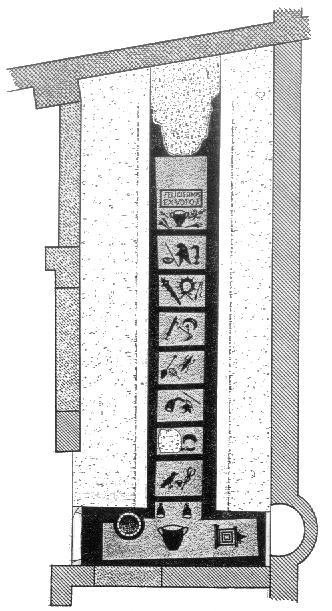
The Mithraeum Felicissimus has a floor mosaic depicting the seven mithraic grades.
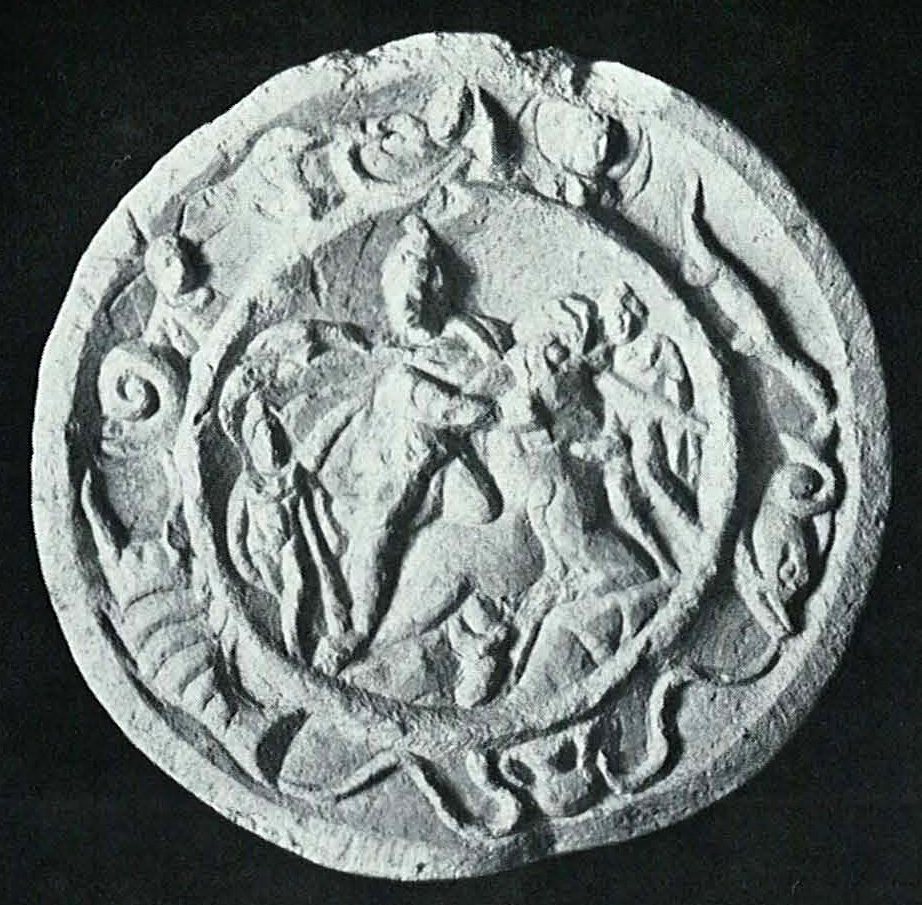
The round relief of Mithras killing the bull of Split is surrounded by a circle with Sun, Moon, Saturn and some unusual animals.
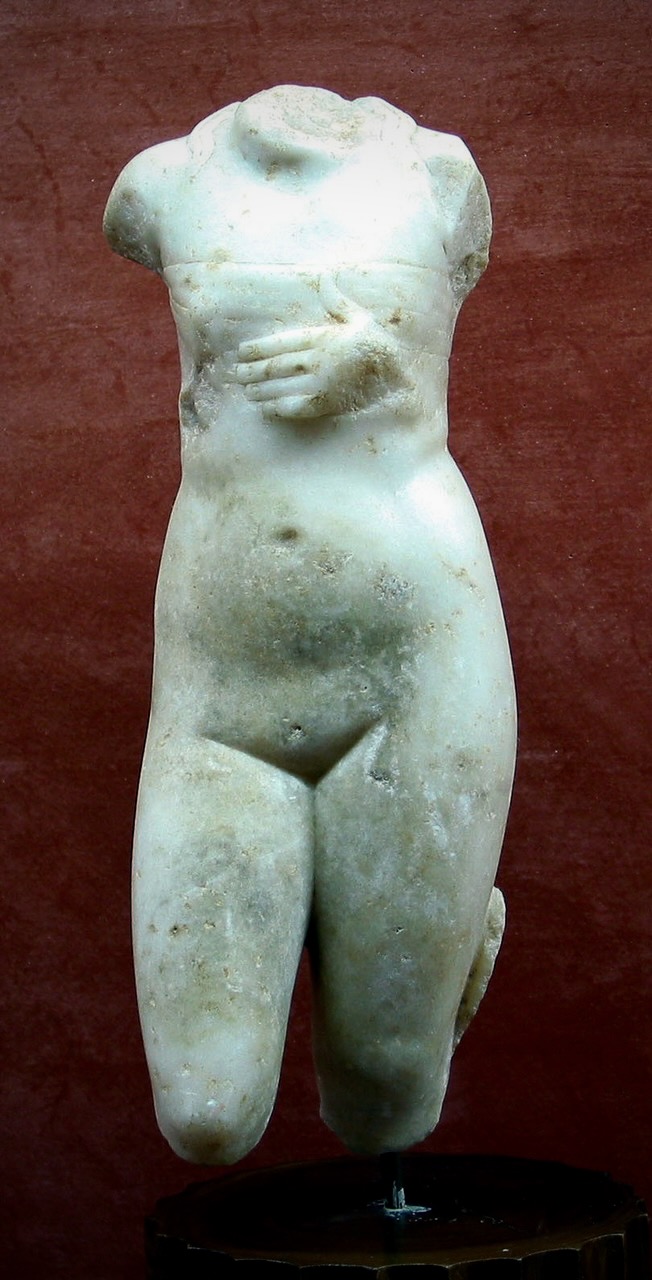
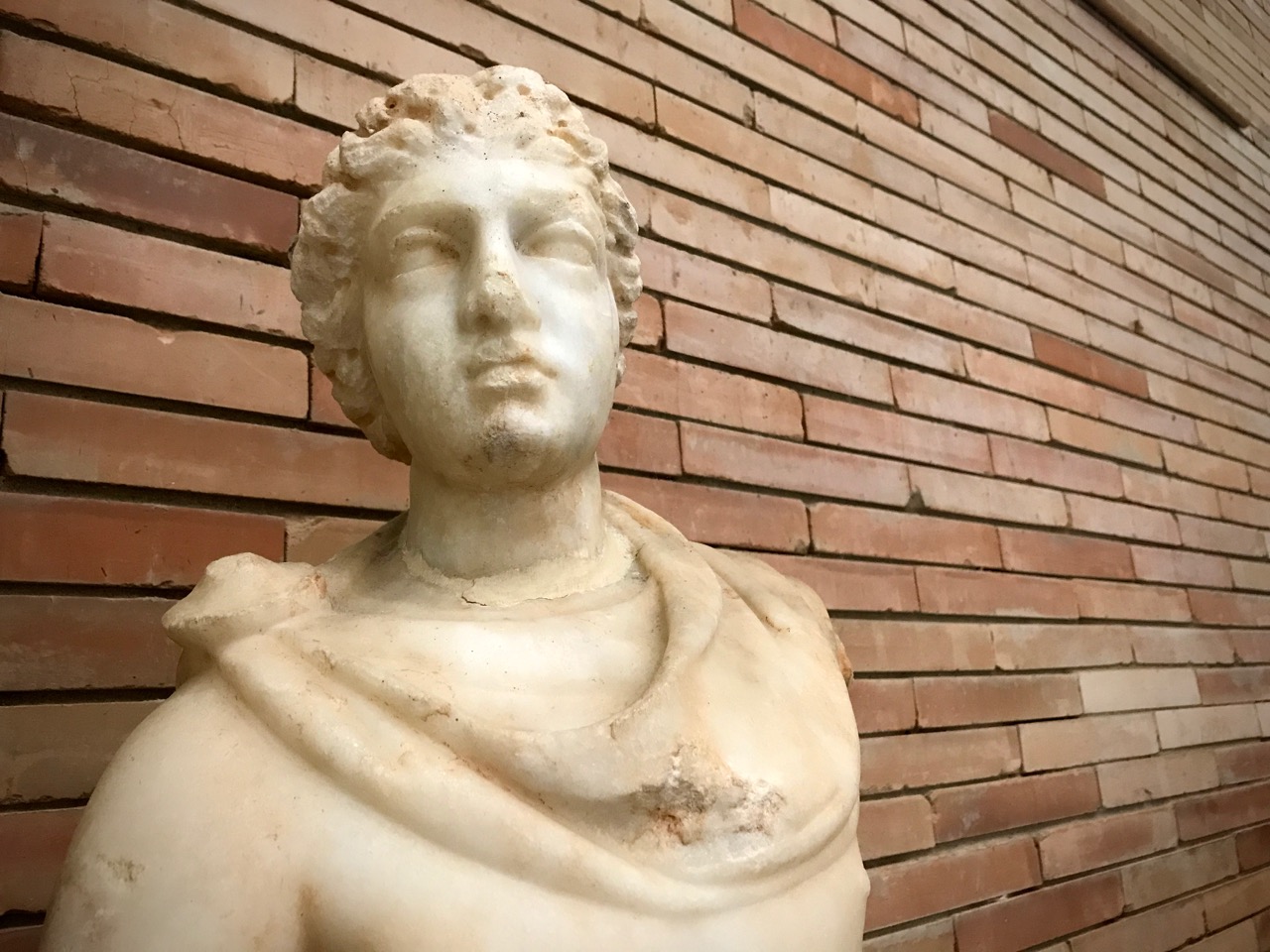
The lack of attributes and its decontextualisation prevent us from attributing a specific Mithraic attribution to this small Venus pudica from Mérida.
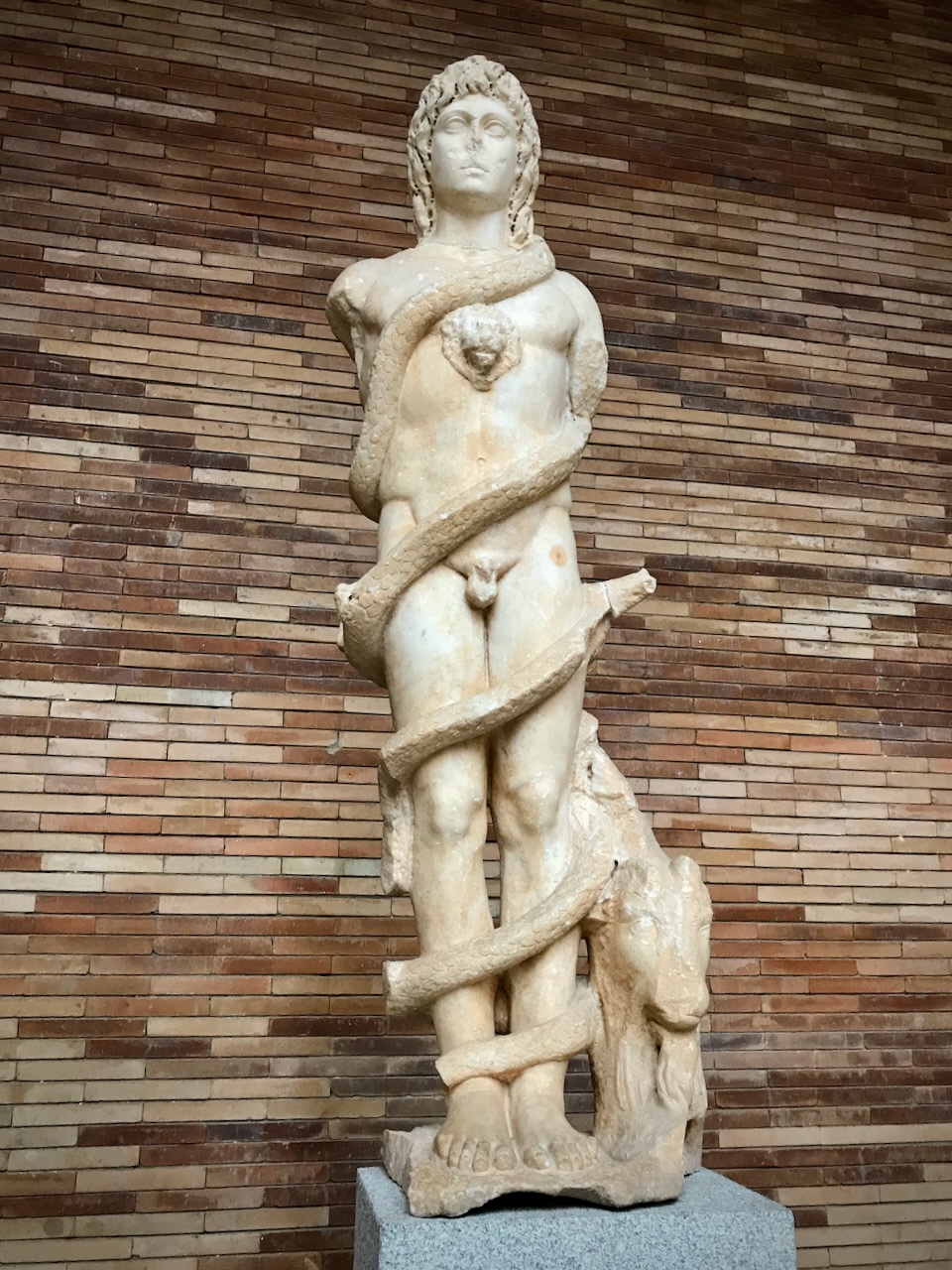
The Aion-Chronos of Mérida was found near the bullring of the current city, once capital of the Roman province Hispania Ulterior.
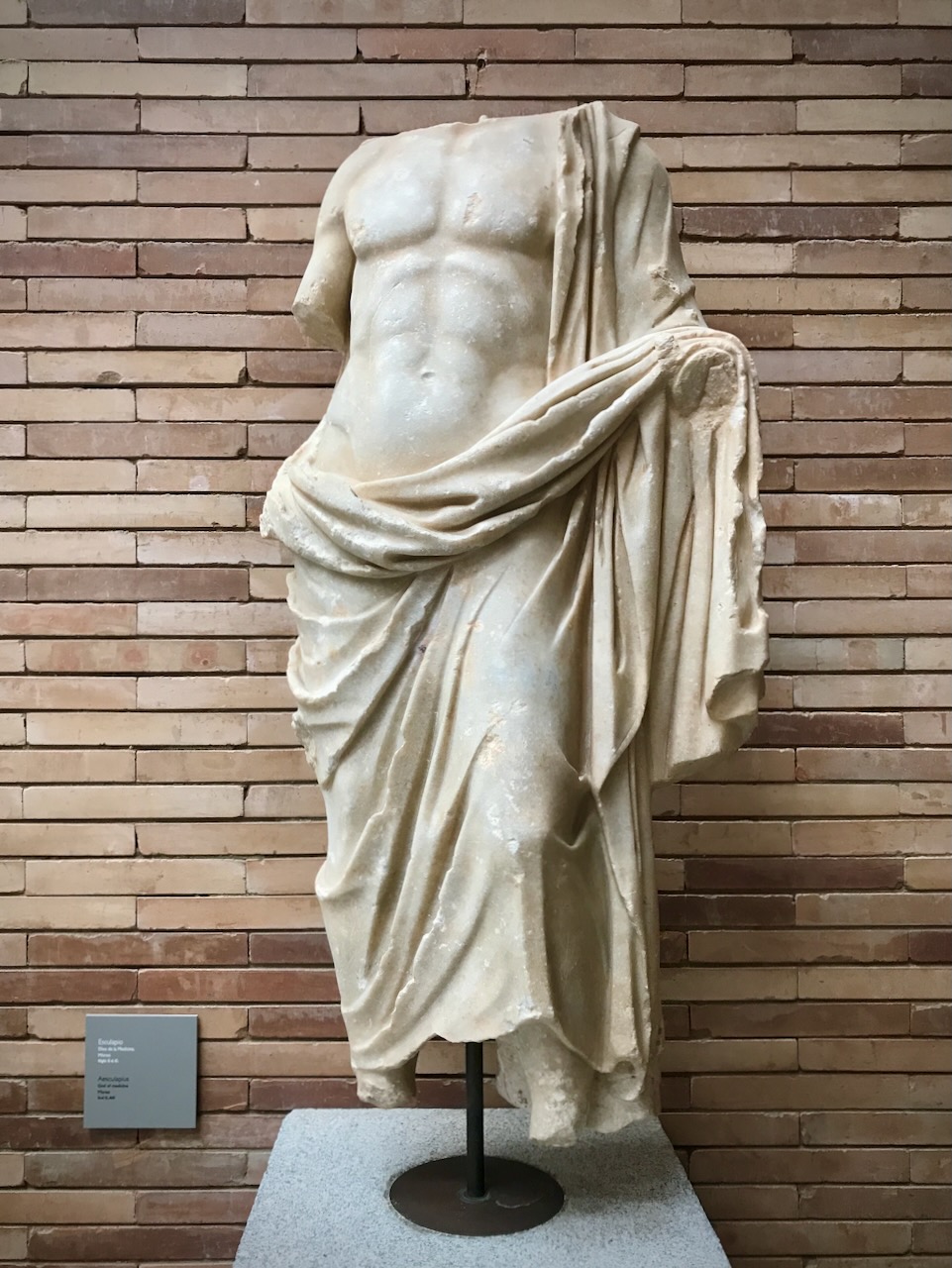
This standing sculptural figure from Mérida appears to carry the serpent staff, characteristic of the medicine god Aesculapius.
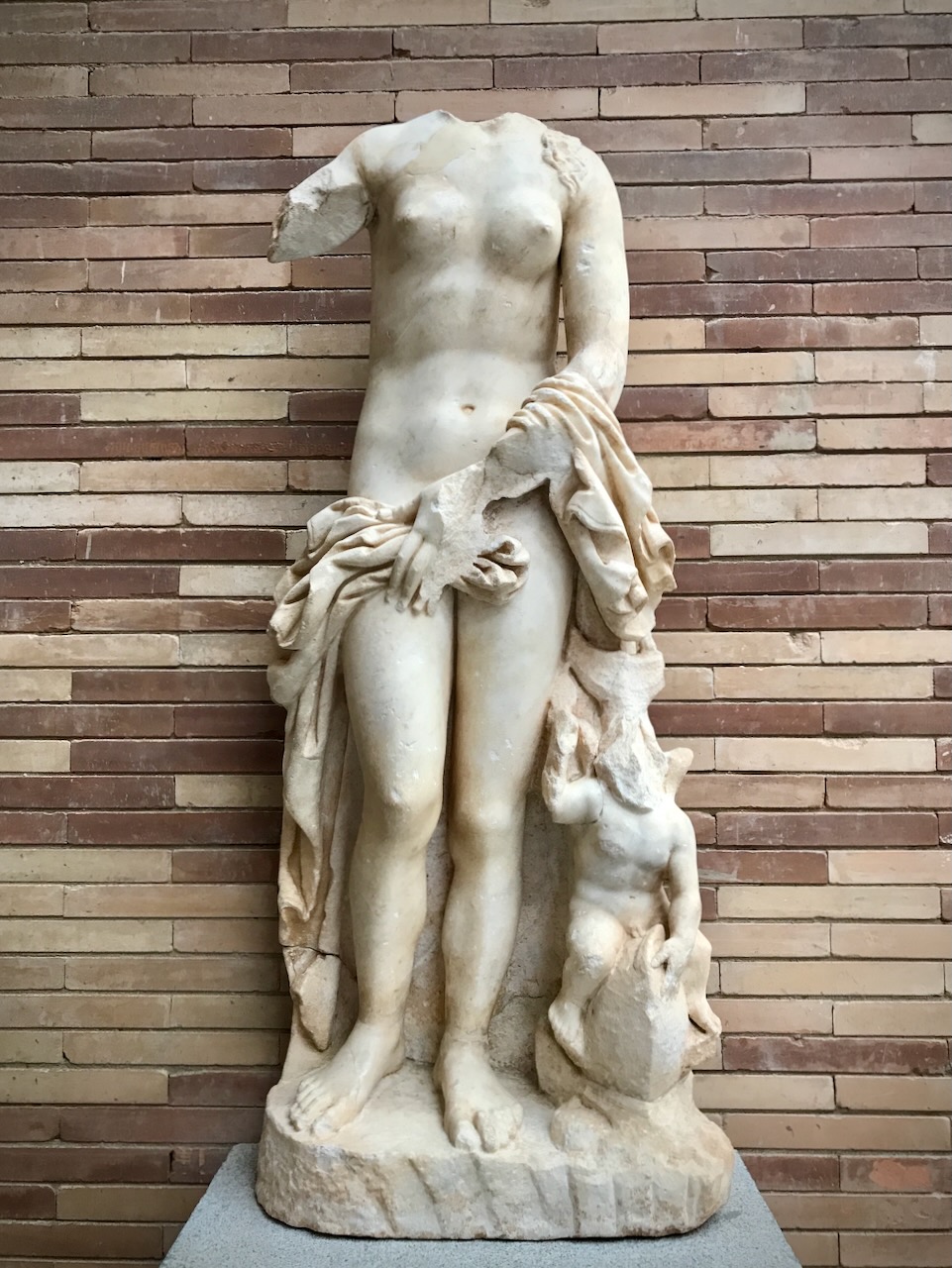
The Venus pudica of Merida stands next to the young Amor riding a dolplhin.
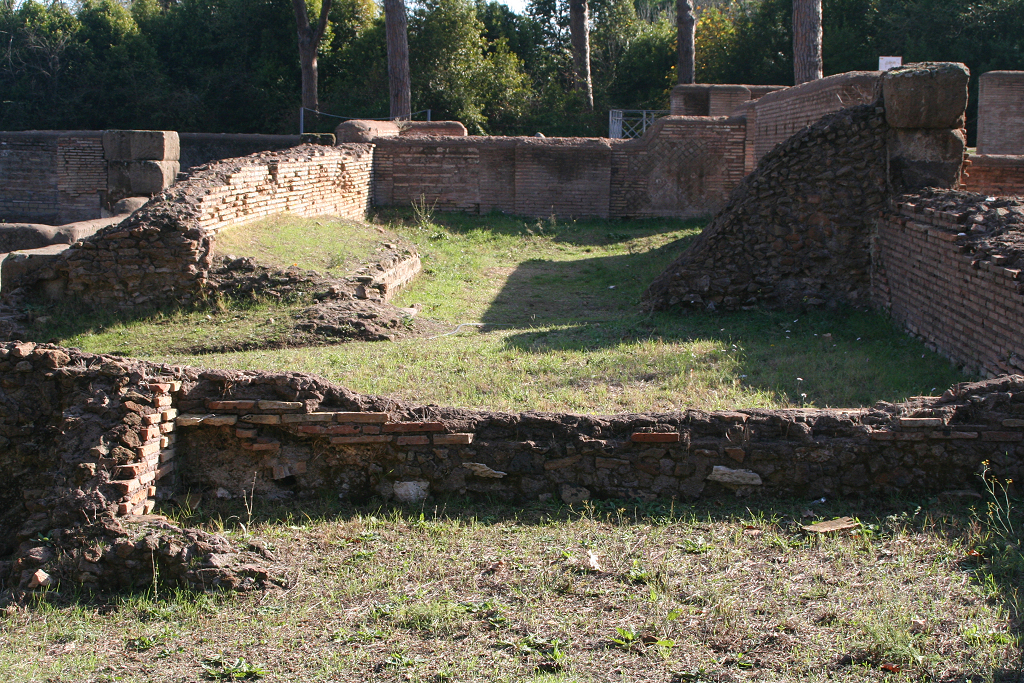
The Mithraeum near Porta Romana was connected to a Sacello, but the door was blocked.
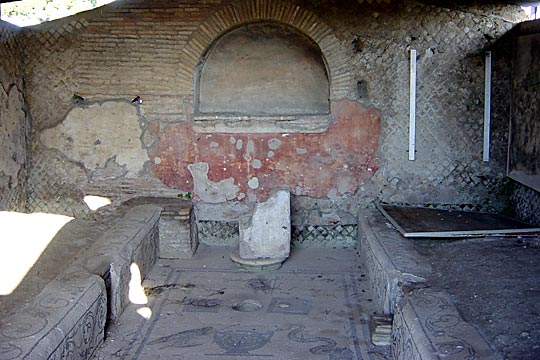
The name of the Mithraeum of the Seven Gates refers to the doors depicted in the mosaic that decorates the floor, symbolising the seven planets through which the souls of the initiates have to pass.
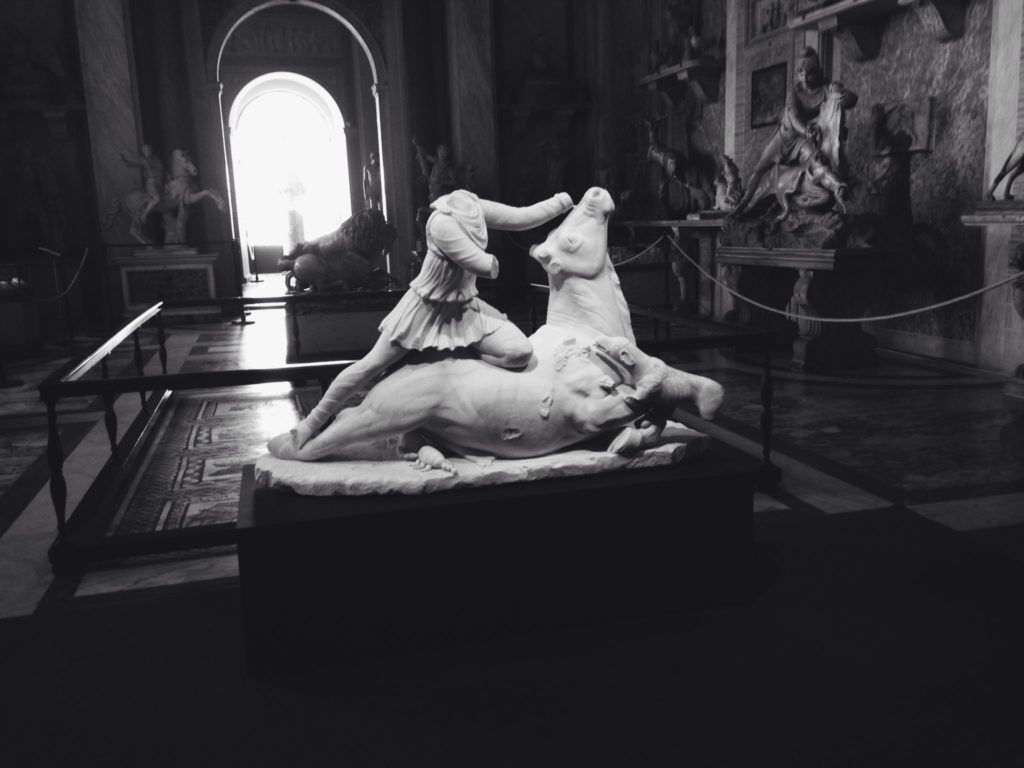
Votive sculpture of Mithras sacrificing the bull from the Mithraeum of Tarquinia.
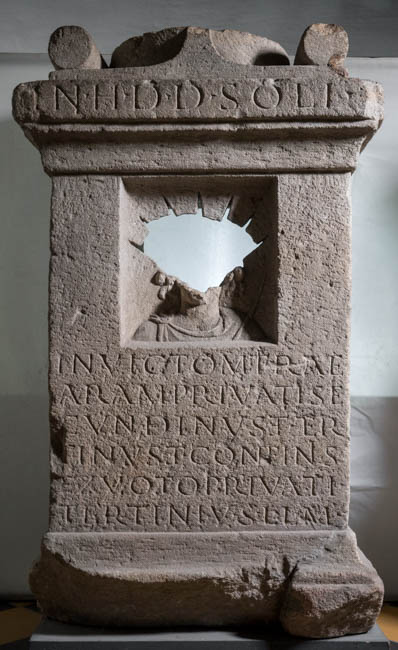
The altar of the Sun god belongs to the typology of the openwork altar to be illuminated from behind.
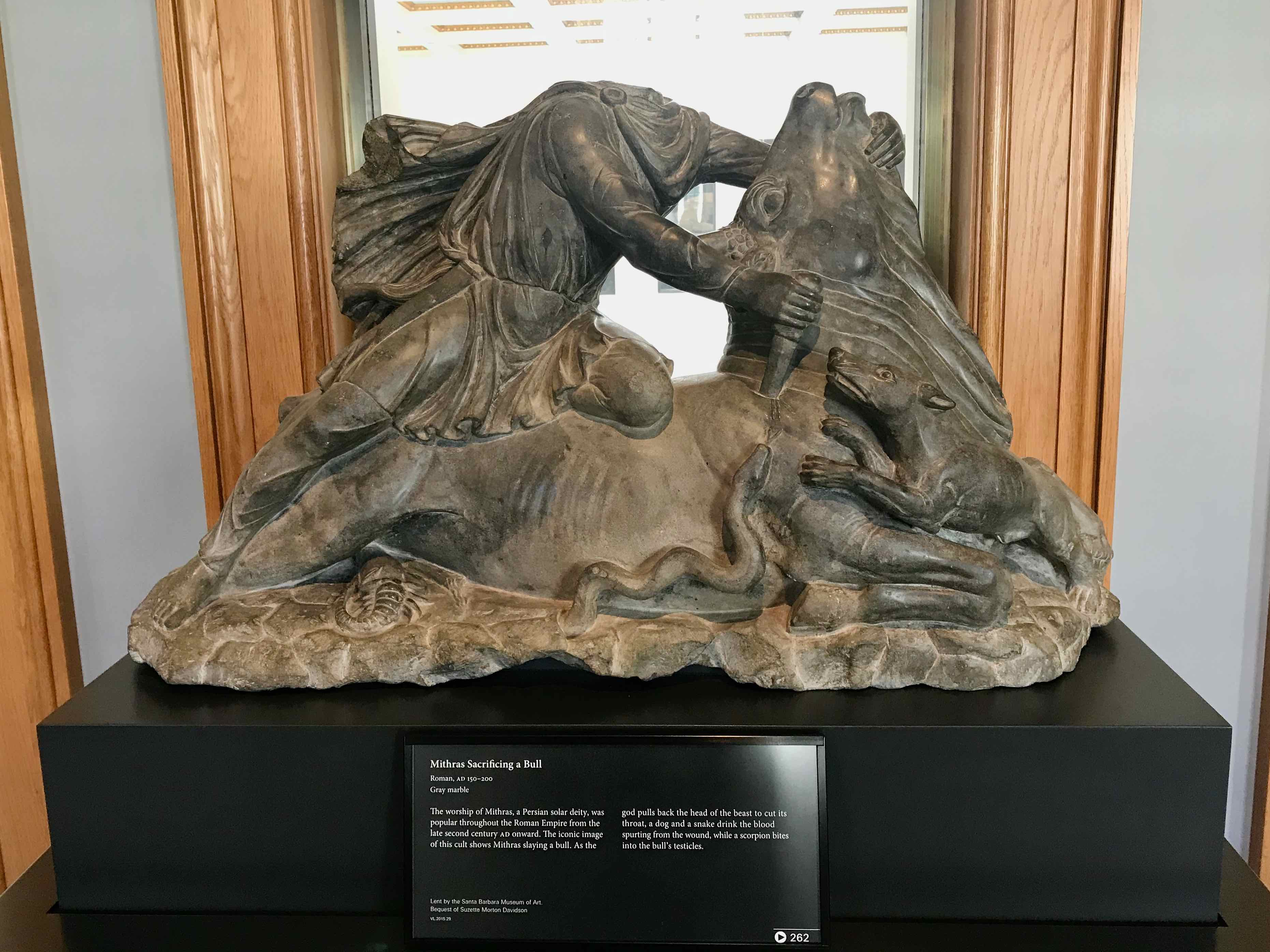
Tauroctony in black marble on display at the Santa Barbara Museum of Art, California.
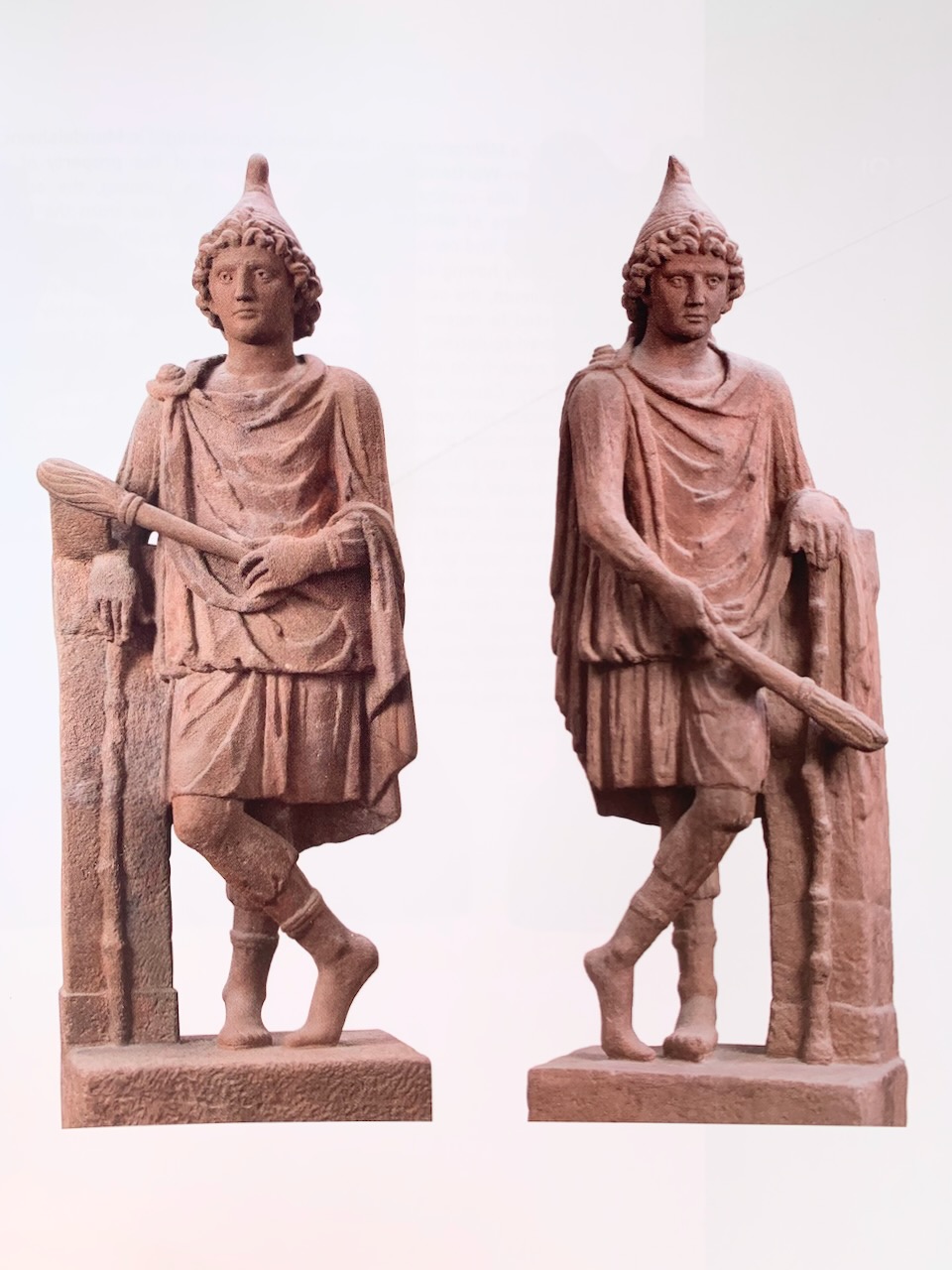
The two companions of Mithras carry a torch and a shepherd's staff at the third Mithraeum in Frankfurt-Heddernheim, formerly Nida.
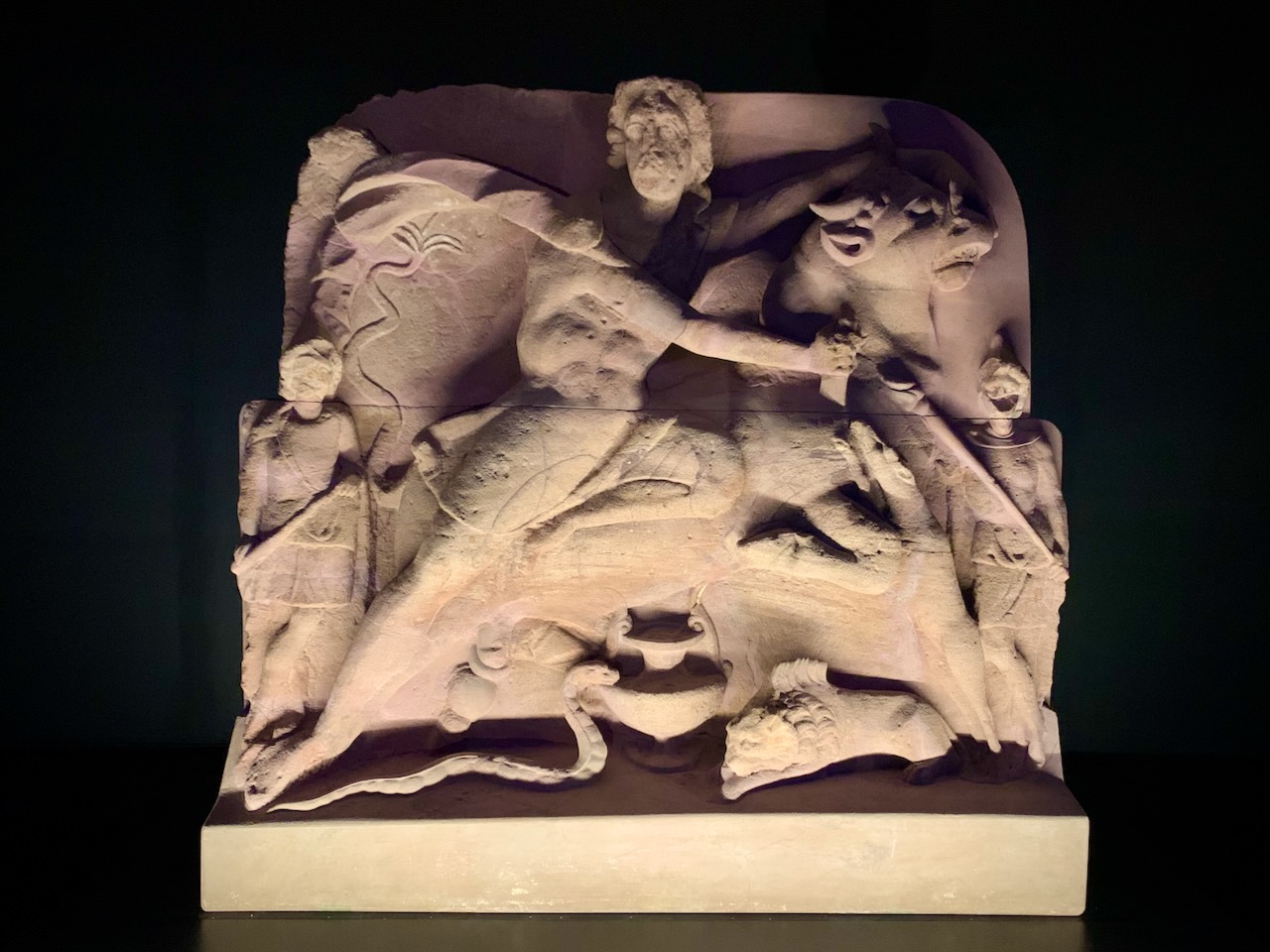
The relief of Mithras slaying the bull from Nida's Mithraeum III was found in two pieces in 1887, destroyed during an air raid on Frankfurt in 1944, and restored in 1986.
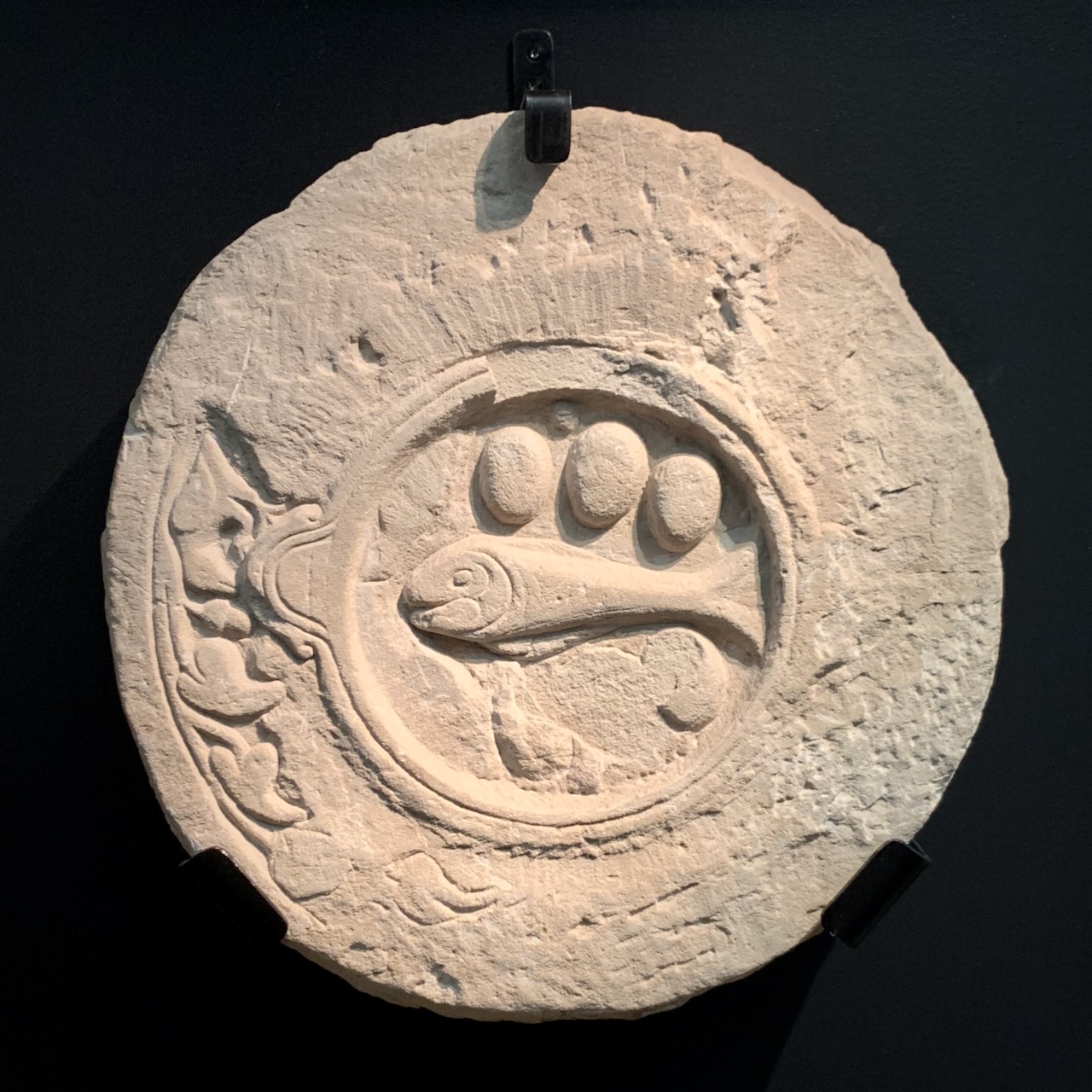
The iconography of the platter of Ladenburg might evoke the food consumed during Mithraic banquets.
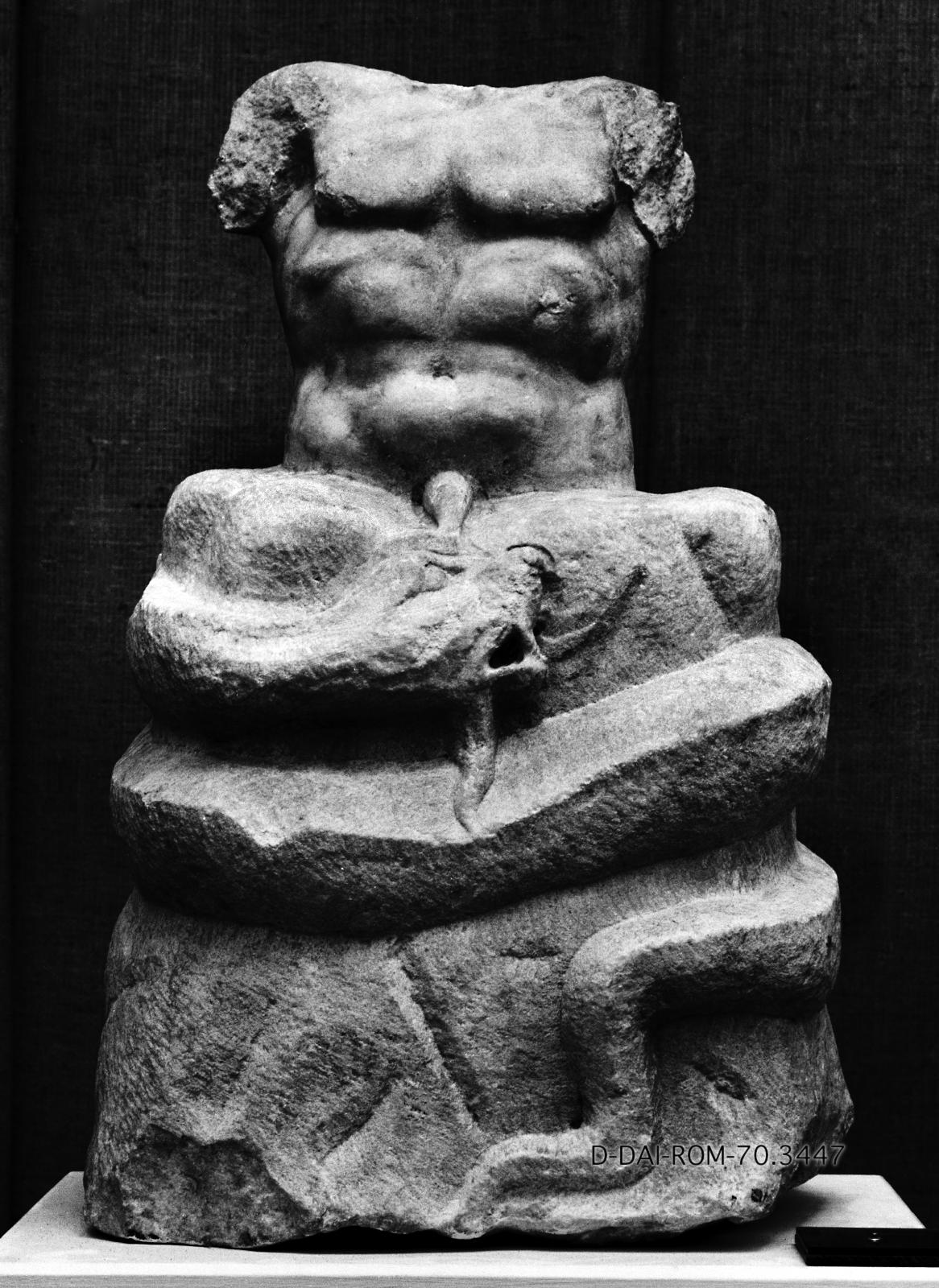
Mithras born from the rock with a snake raising in coils around it.
