Your search for Caesarea Maritima gave 12 results.

Caesarea was first settled by the Phoenicians in the 4th century BC. In 63 BC, the Romans annexed the region and Caesarea became the seat of the Roman procurators.

This monograph presents the findings from Robert J. Bull's 1973 excavation of the Mithraeum in Caesarea Maritima, Israel, including stratigraphic analyses, studies of frescoes and and insights into the site's historical significance.
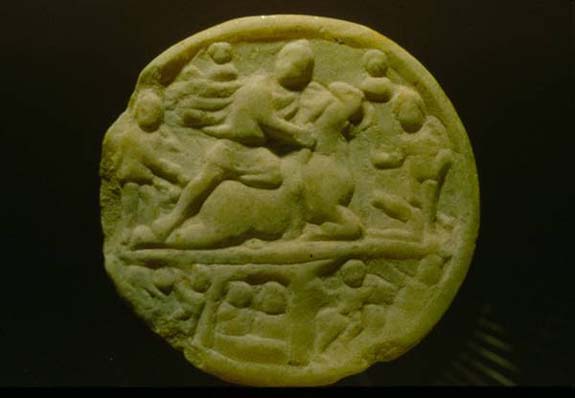
The small medallion depicts three scenes from the life of Mithras, including the Tauroctony. It may come from the Danube area.
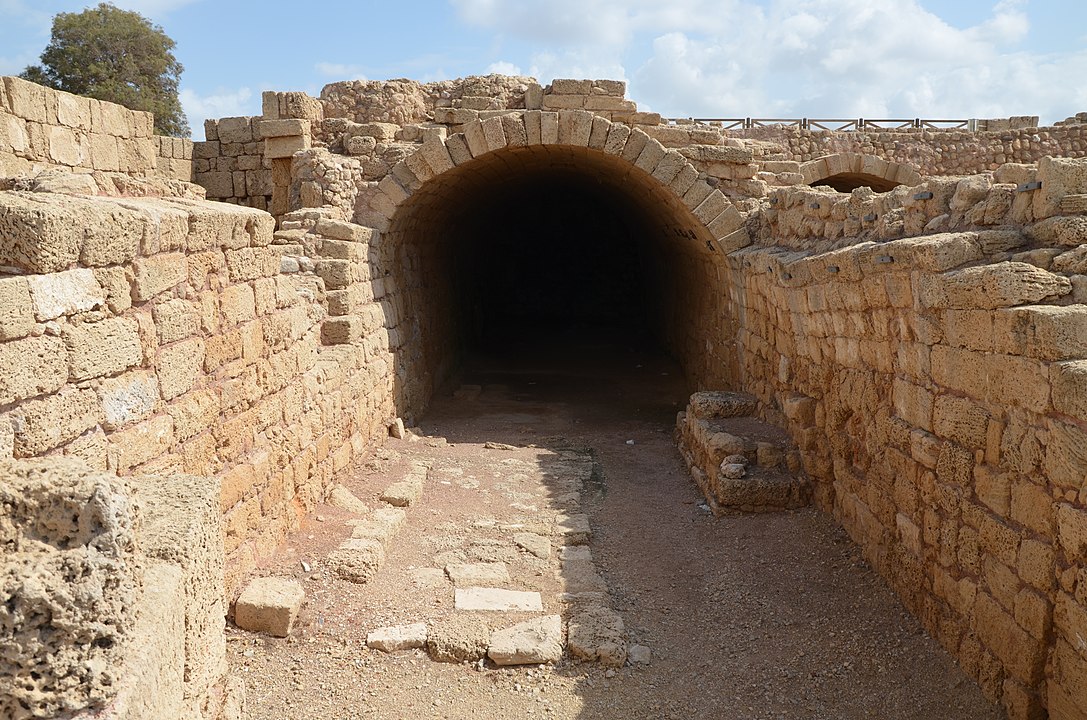
This shrine developed towards the end of 2nd century and remained active until beginning 4th.
Caesarea, also known historically as Mazaca, was an ancient city in what is now Kayseri, Turkey.

White marble plate inscription dedicated to Soli Invicto pro salute, from Caesarea of Mauretania (modern Cherchel).
Altar inscription dedicated to Deus Invictus, found at Cherchel (ancient Caesarea of Mauretania).
Anazarbus was an ancient Cilician city. Under the late Roman Empire, it was the capital of Cilicia Secunda.

Imperial slave and cashier serving under the dispensator Chresimus at Caesarea in Cappadocia.
Callimorphus dedicated this image of the sun god to the invincible sun ’Mythra’.
