Your search Calle Espronceda gave 38 results.

Ladenburg is a town in northwestern Baden-Württemberg, Germany. The town's history goes back to the Celtic and Roman Ages, when it was called Lopodunum.
Boulogne-sur-Mer; Picard: Boulonne-su-Mér; Dutch: Bonen; Latin: Gesoriacum or Bononia, often called just Boulogne, is a coastal city in Northern France.
Colonia Claudia Ara Agrippinensium, usually just called Colonia, was the Roman settlement in the Rhineland that became the modern city of Cologne, now in Germany. It was the capital of Germania Inferior and the military headquarters of the region.
Brocolitia, also called Procolita or Brocolita, was an auxiliary settlement on Hadrian's Wall. This site is now known as Carrawburgh.
The Celts are the first known to have settled in this place, which they called Binge, meaning rift. Roman troops stationed here in the first century AD rendered the local name as Bingium in Latin.

Late Roman dux associated with the restoration of the so-called Mithraeum IV of Poetovio.

A probable Mithraic sanctuary at Poetovio, identified by Vermaseren as the so-called Mithraeum IV on the basis of four associated inscriptions.
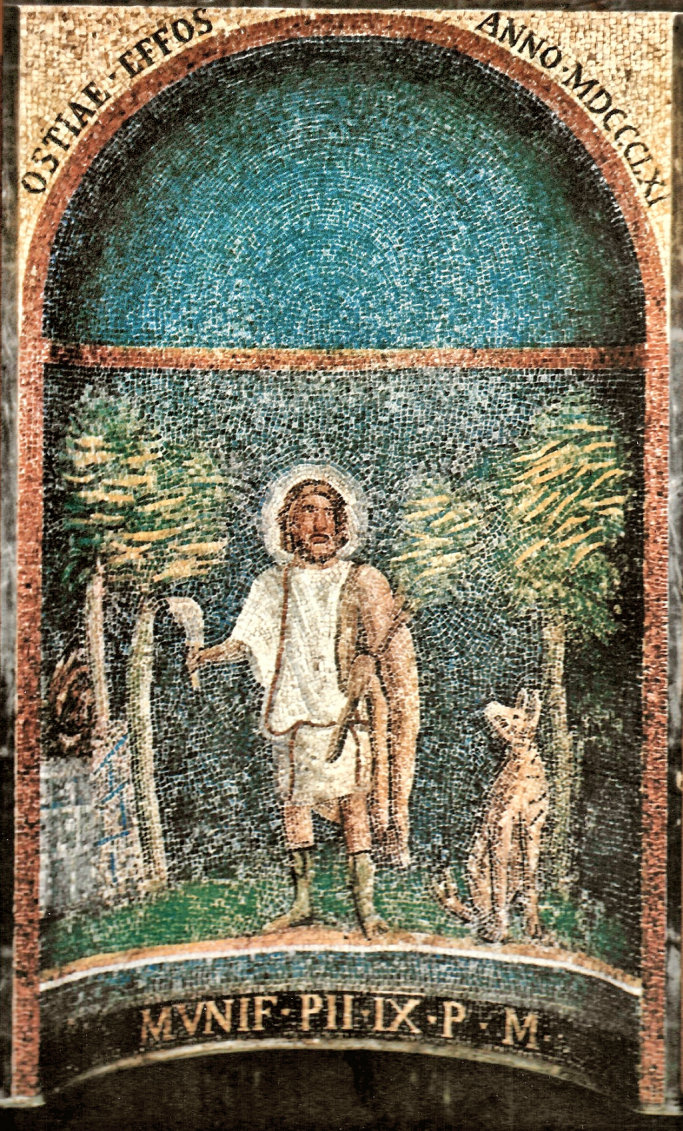
This unusual mosaic representation of the god Silvanus was found in the Mithreaum of the so-called Imperial Palace in Ostia.

This marble altar was found ’in the street called di Branco’, behind the palace of the Cardinal of Bologna, in Rome.
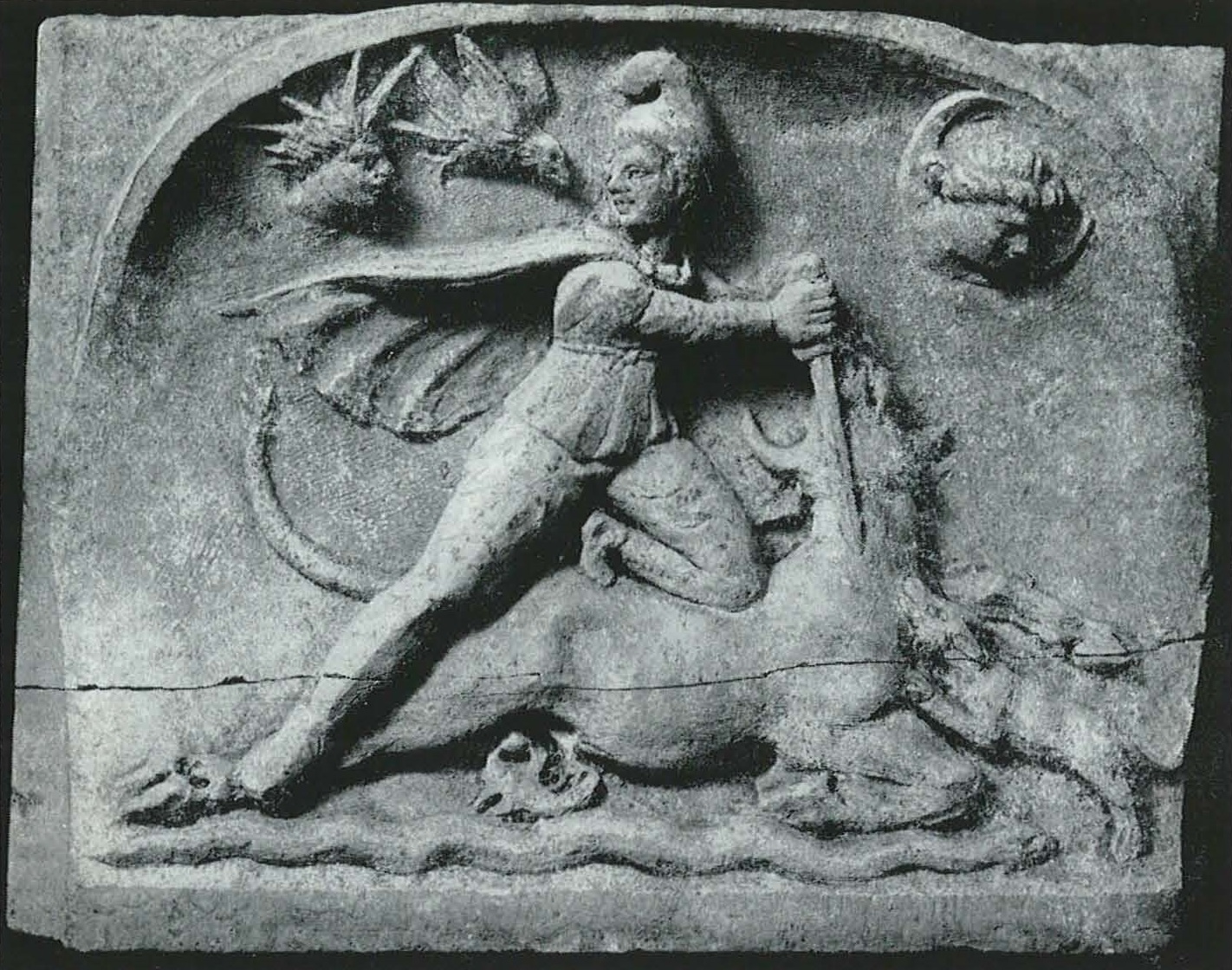
This simple relief of Mithras killing the bull without his companions Cautes and Cautopates was found in the so-called Mithraeum of the Esquilino, Rome.

A selection of texts gathered by Ernesto Milá that reinterprets Mithraism as an initiatory, solar, and heroic cult. It includes the so-called Great Magical Papyrus of Paris, translated and commented by Julius Evola and the Ur Group.
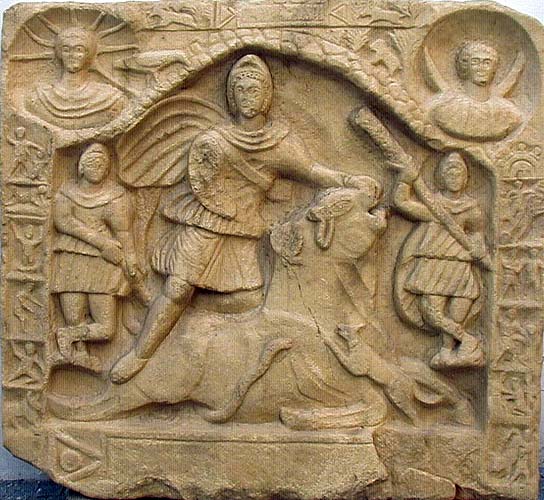
The relief of Mithras slaying the bull at Mauls in Gallia cisalpina is a paradigmatic example of the so-called Rhine-type Tauroctony.
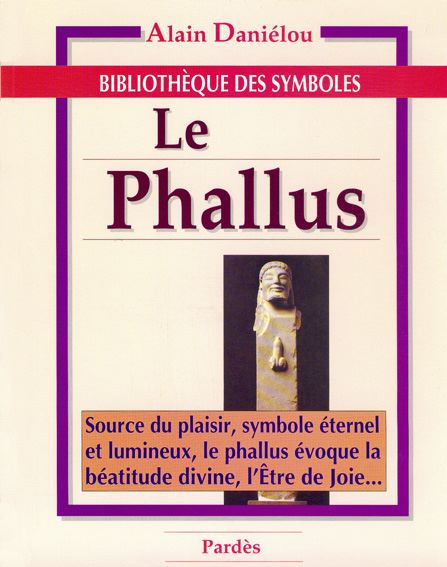
It is only when the penis stands up straight, that it emits semen, the source of life. It is then called the phallus and has been considered, since earliest prehistory the image of the creative principle, a symbol of the process by which the Supreme
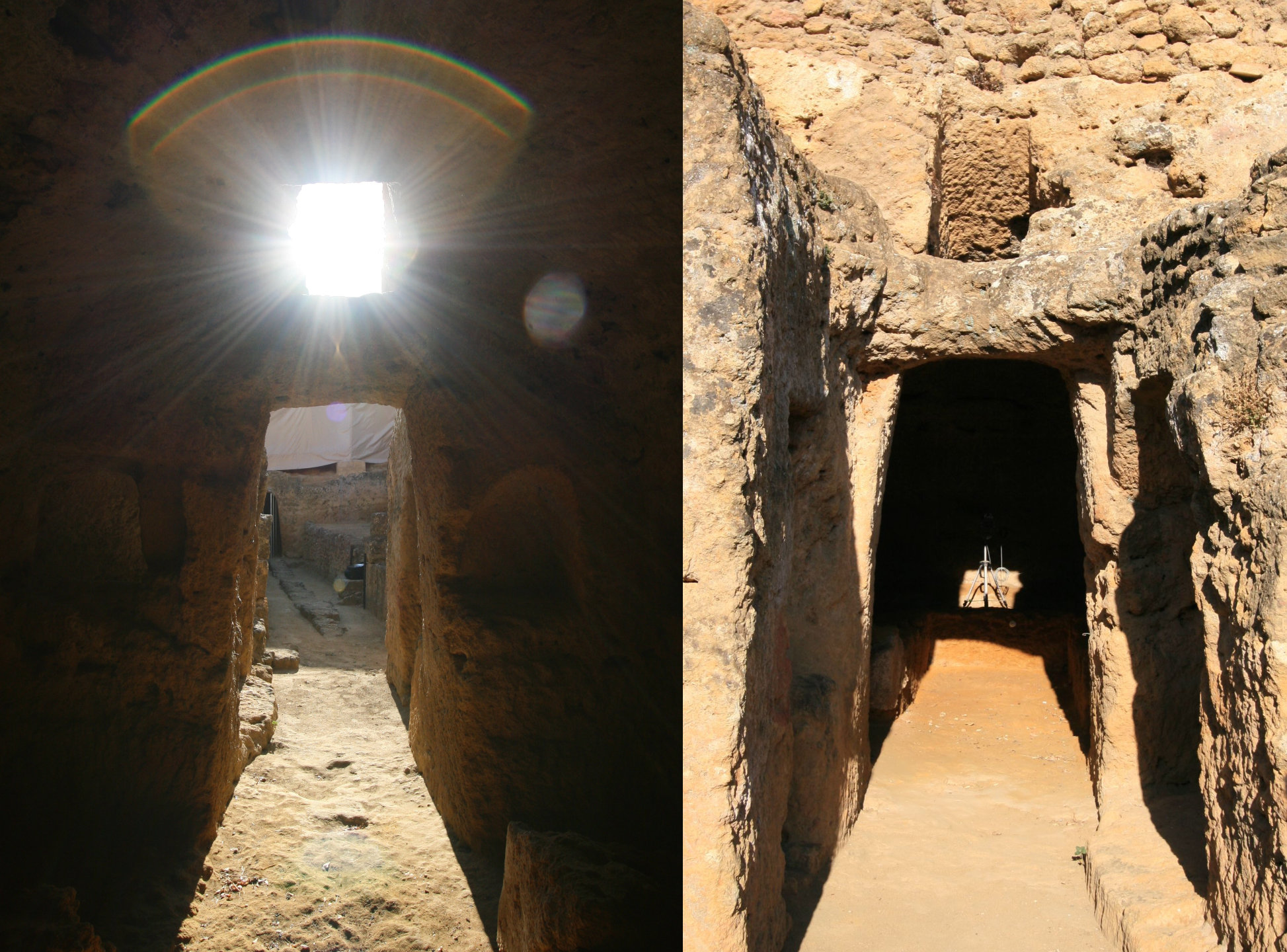
Set in a Roman necropolis, the so-called Mithraeum of the Elephant takes its name from an elephant statue found in one of the tombs.
In the altar that Titus Tettius Plotus dedicated to the invincible God, he called himself pater sacrorum.
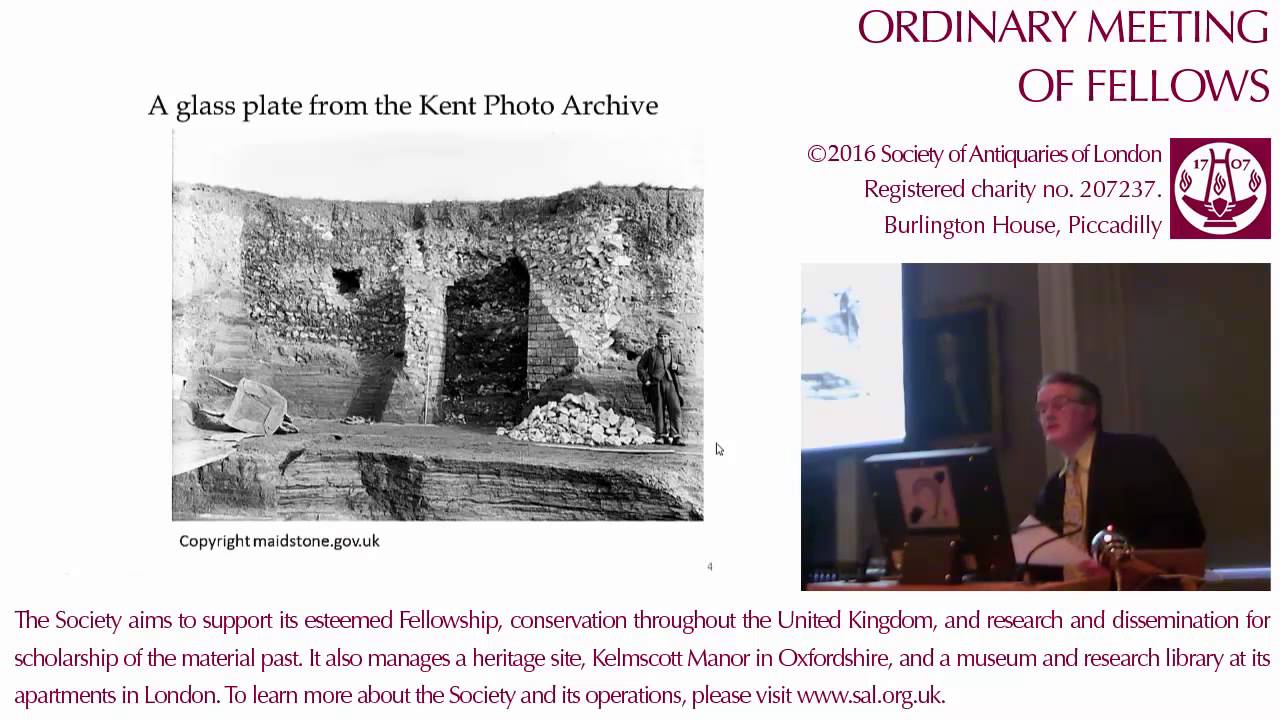
Presentation of the so-called Mithraeum of Burham by Mark Samuel at the Ordinary Meeting of Fellows of the Society of Antiquaries of London.
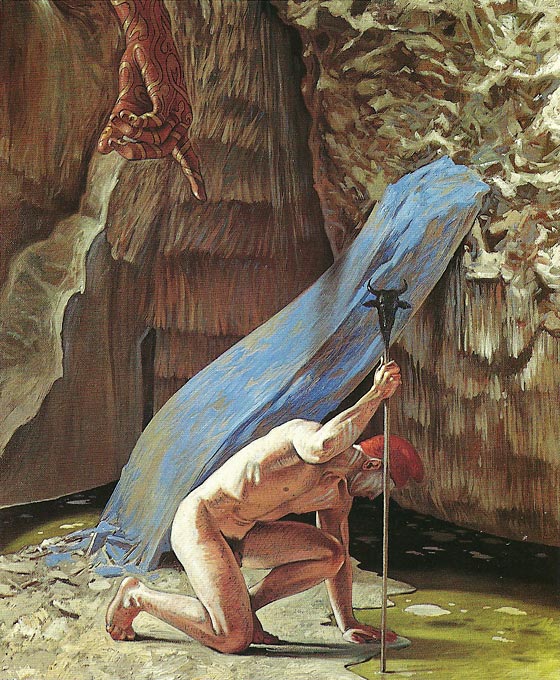
Those initiated into the Mithraic cult were called upon to climb up to seven symbolic rungs of the ladder ultimately leading to the rank of Pater.
This lost monument bears an inscription to Cautes by a certain Tiberius Claudius Artemidorus.
