Your search Castellammare di Stabia gave 2069 results.

Dioscorus is a freedman from the Greek-speaking part of the Empire who dedicated an altar to the invincible Mythra.

Aphrodisius, probably of Greek origin, must have been a slave of the Cornelii.
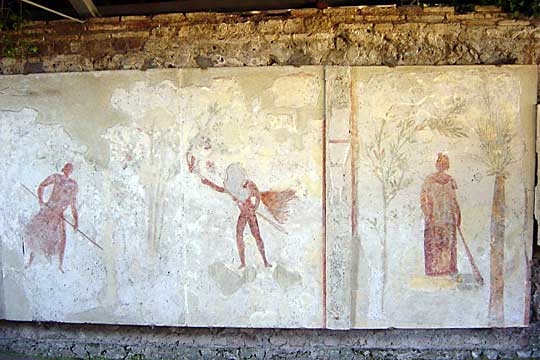
The frescoes depict several figures dressed in different garments associated with the Mithraic degrees.

The existence of a mithraeum in the "tana del lupo", a natural cave in the castle of Angera, has been assumed since the 19th century, following the discovery of two mithraic inscriptions in the town.

Margaux Bekas, commissaire de l’exposition ’Le mystère Mitrha. Plongée au cœur d’un culte romain’, présente dans cette vidéo les origines du dieu Mithra.
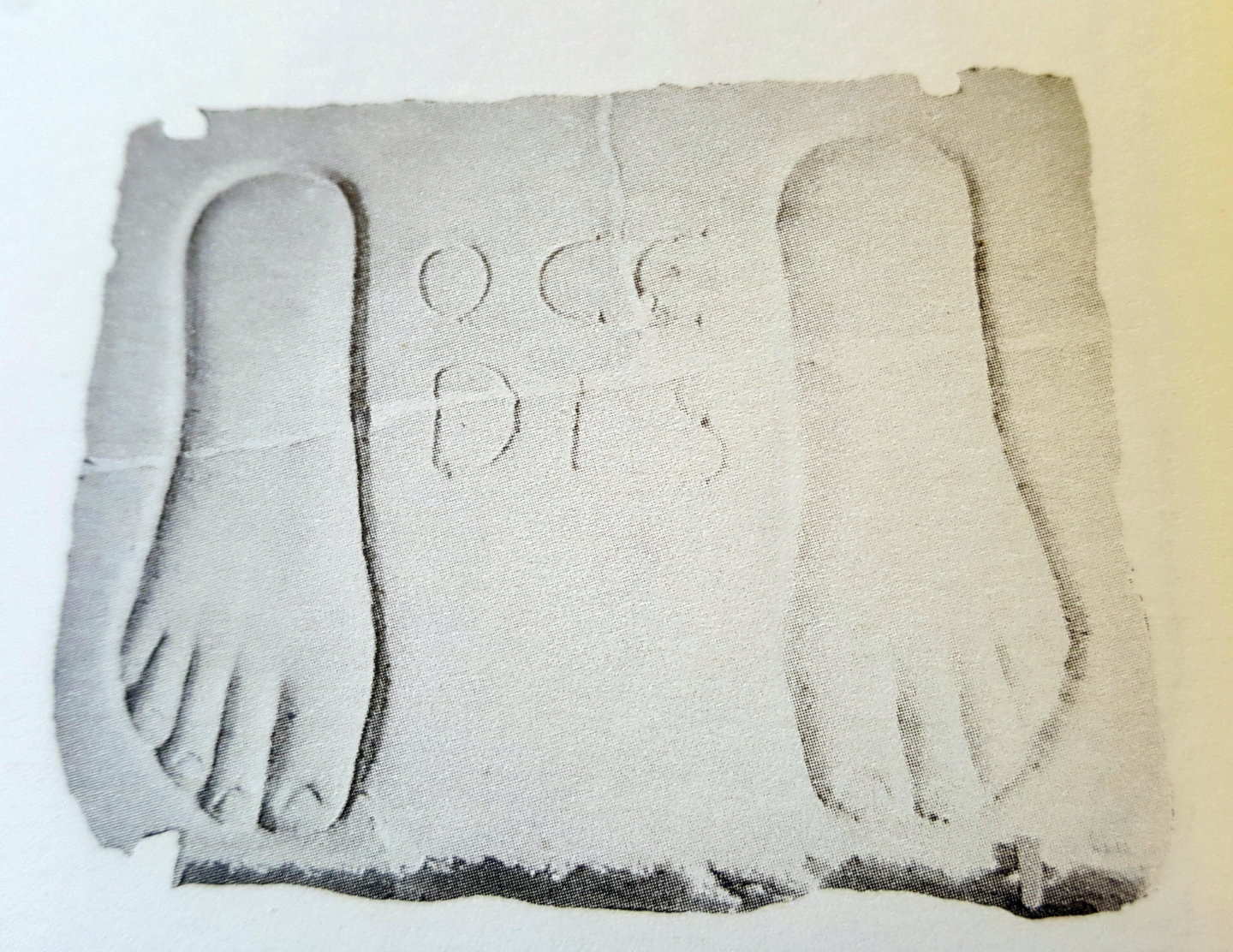
Recent interpretations link this marble inscription to the cult of the goddess Nemesis.
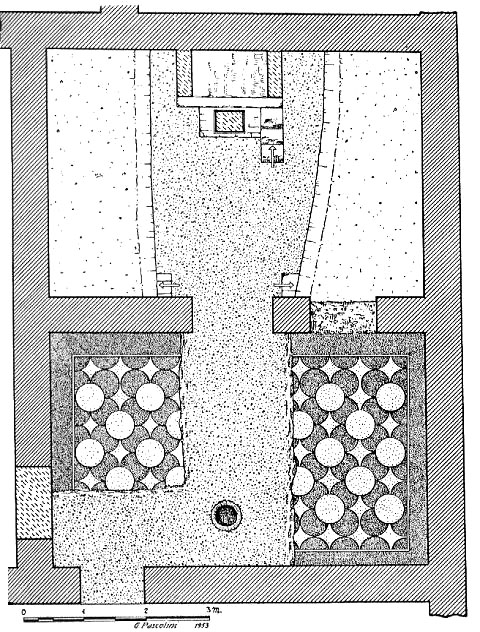
The Mithraeum of the House of Diana was installed in two Antonine halls, northeast corner of the House of Diana, in the late 2nd or early 3rd century.

In the cult niche of the Mitreo del Caseggiato di Diana there is a list of words that could indicate names and measurements.

Several fragmentary Mithraic remains dedicated by a certain Agatho in the Caelius suggest that a Mithraeum existed in the area.
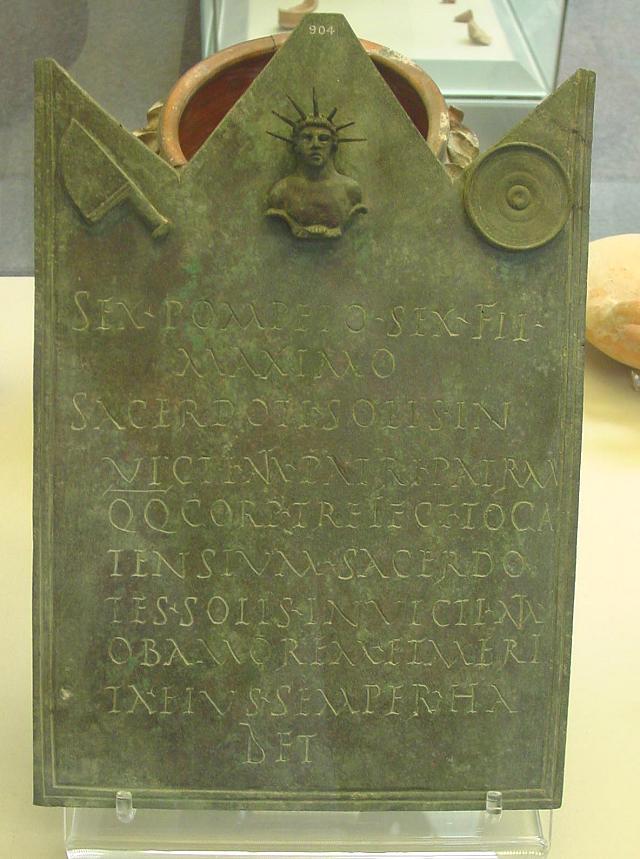
This plaque, now on display in the British Museum, may have come from the Aldobrandini Mithraeum in Ostia.
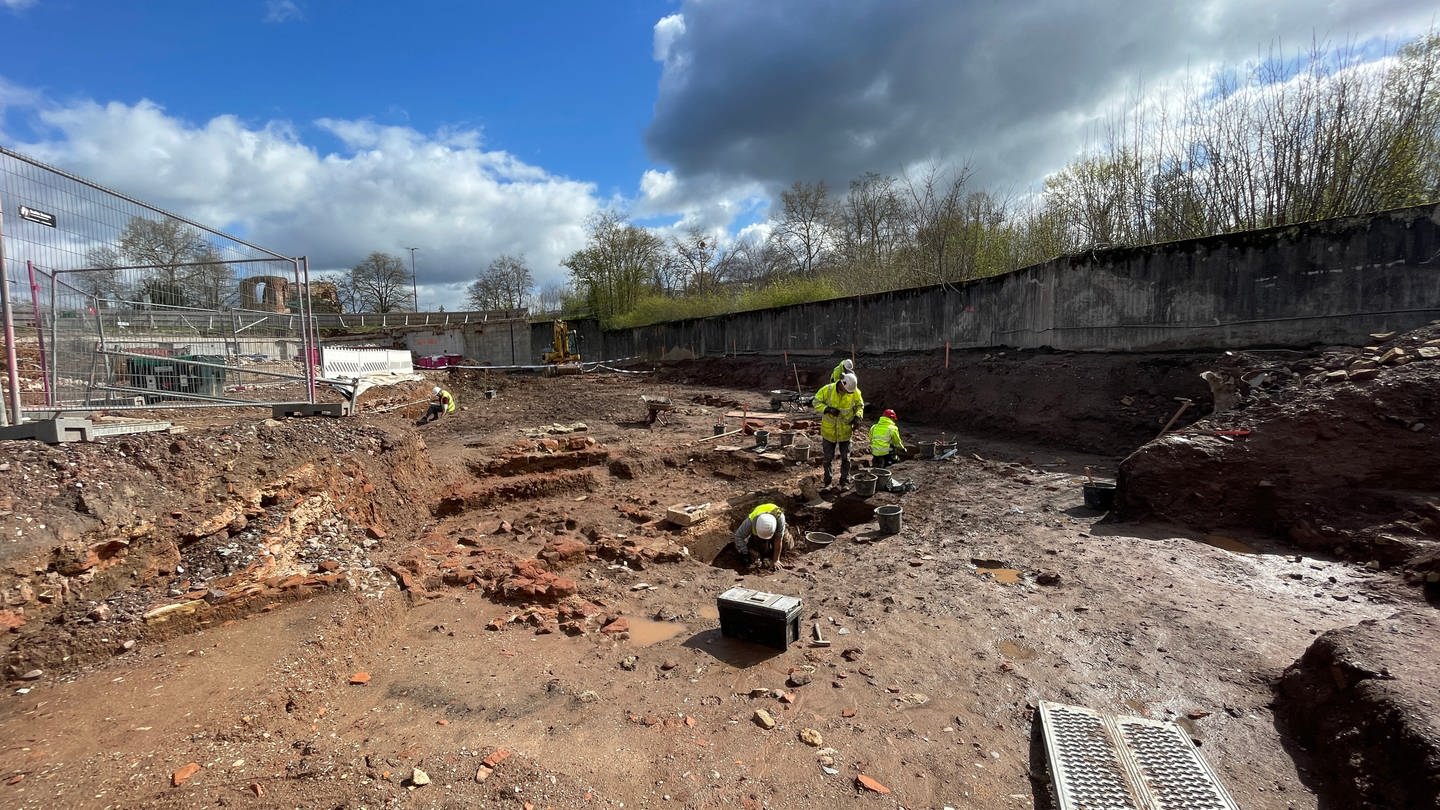
A place of worship for the Roman god of light Mithras was discovered during archaeological excavations in Trier. This includes a larger relief.
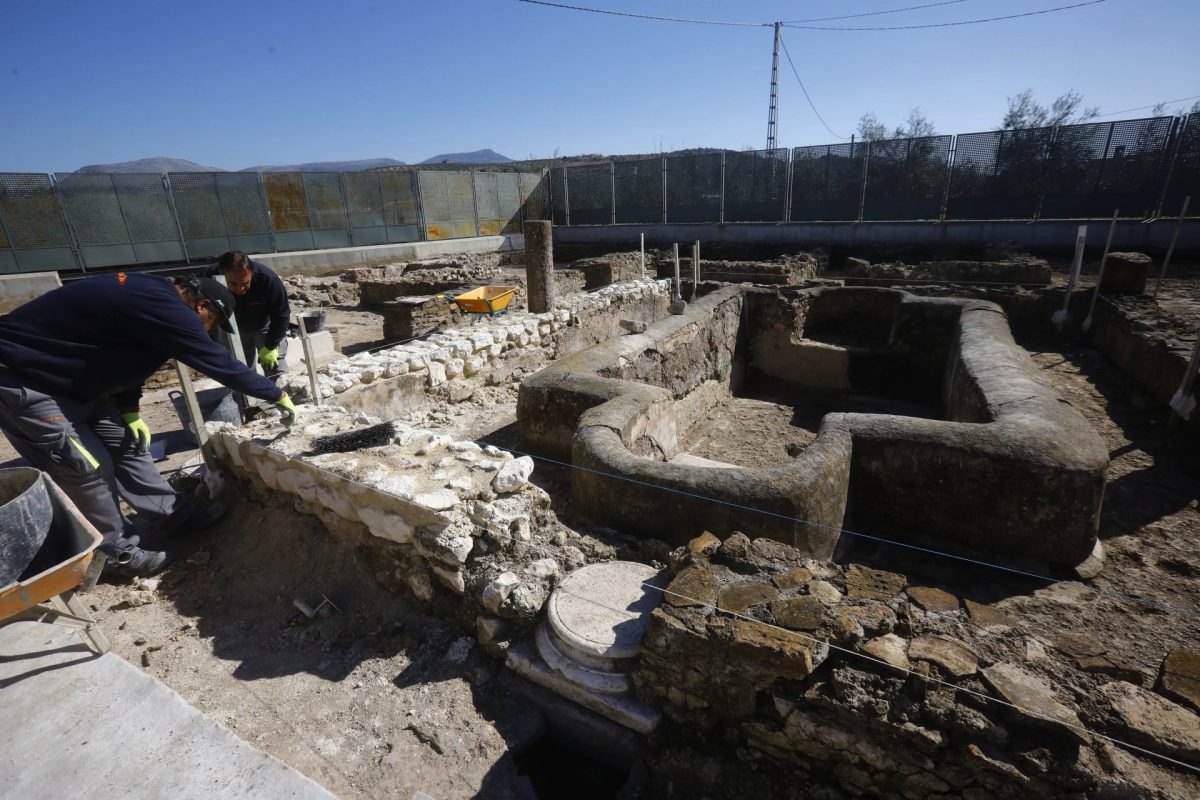
Las excavaciones llevadas a cabo en el yacimiento arqueológico romano de la villa de Mithra, en Cabra (Córdoba), han deparado el excepcional hallazgo de un mitreo, o zona destinada al culto al dios Mithra, cuya estatua fue descubierta hace unos 70 años…
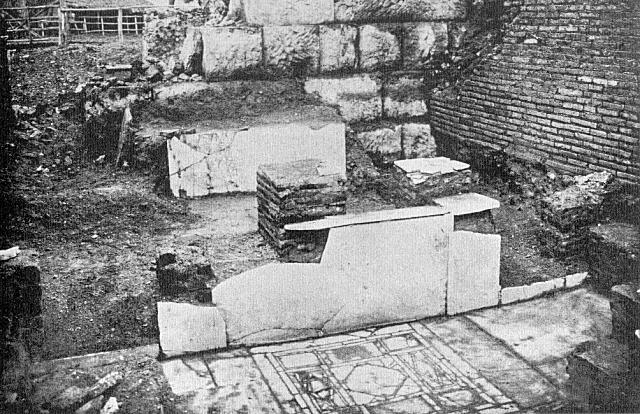
The Mithraeum of Aldobrandini was excavated in 1924 by G. Calza on the premises belonging to the Aldobrandini family.
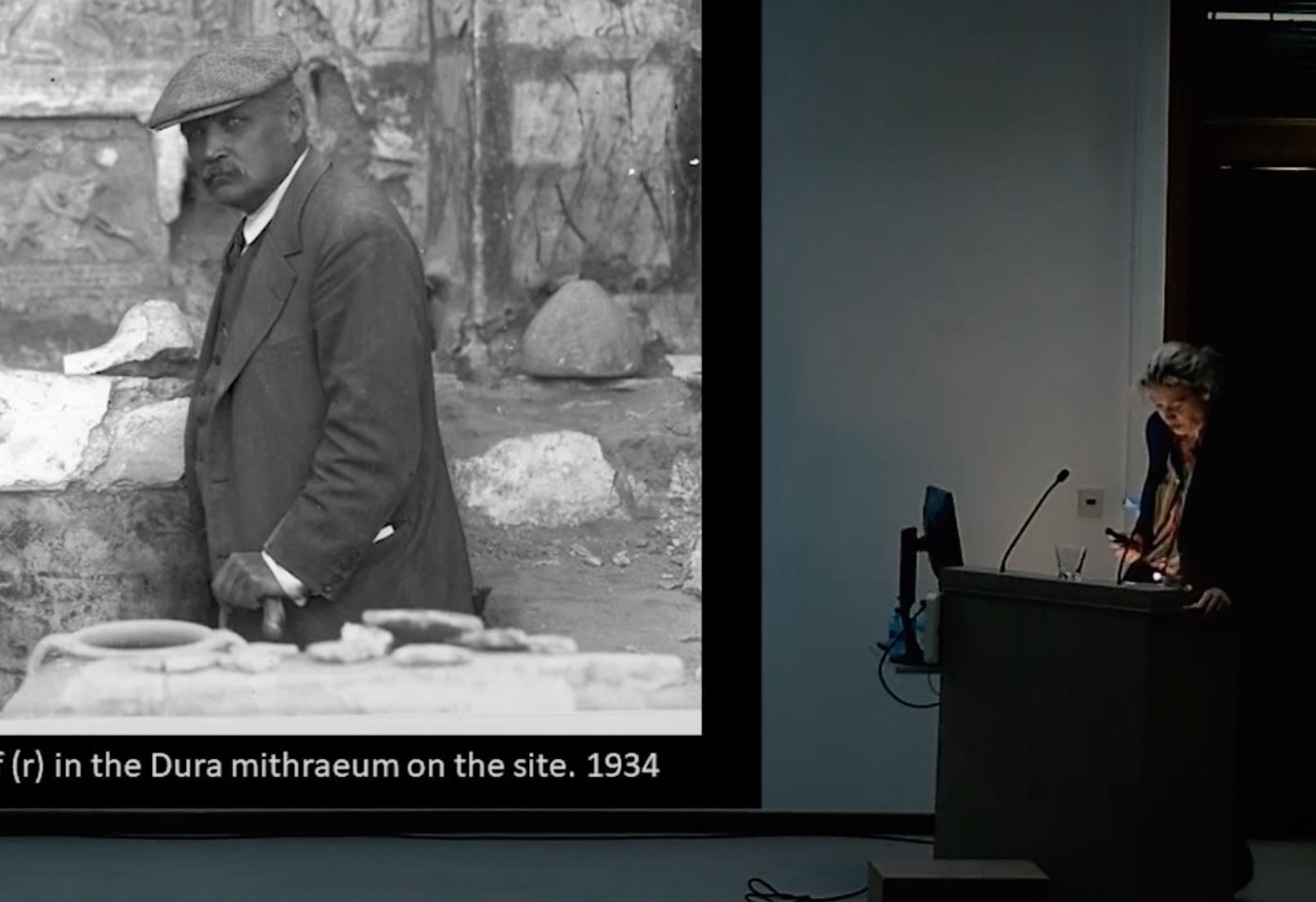
Intervention de Lucinda Dirven, Universiteit van Amsterdam.
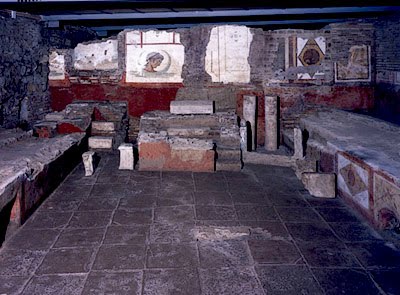
The Mitreo dei Castra Peregrinorum was discovered under the church of Santo Stefano Rotondo in Rome.
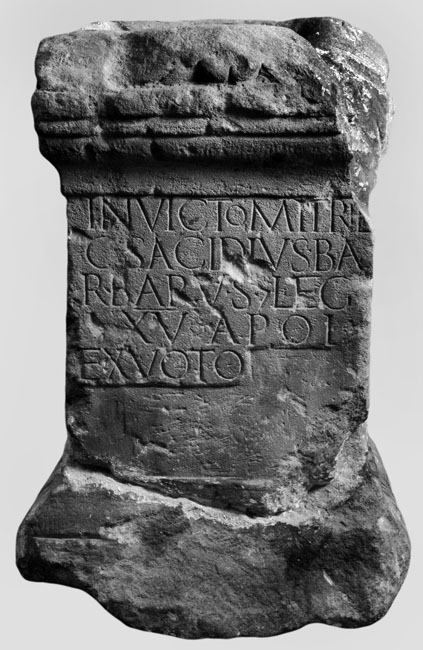
This altar bears the oldest known Latin inscription to the god Mithras, written Mitrhe.
This marble slab found near the Casa de Diana in Ostia bears two inscription with several names of brothers of a same community

The image of the god Arimanius to which this monument refers has not yet been found.

Seminario de Investigación Cultos orientales e Iconografía Máster en Arqueología del Mediterráneo en la Antigüedad Clásica.
