Your search Frankfurt am Main gave 1171 results.
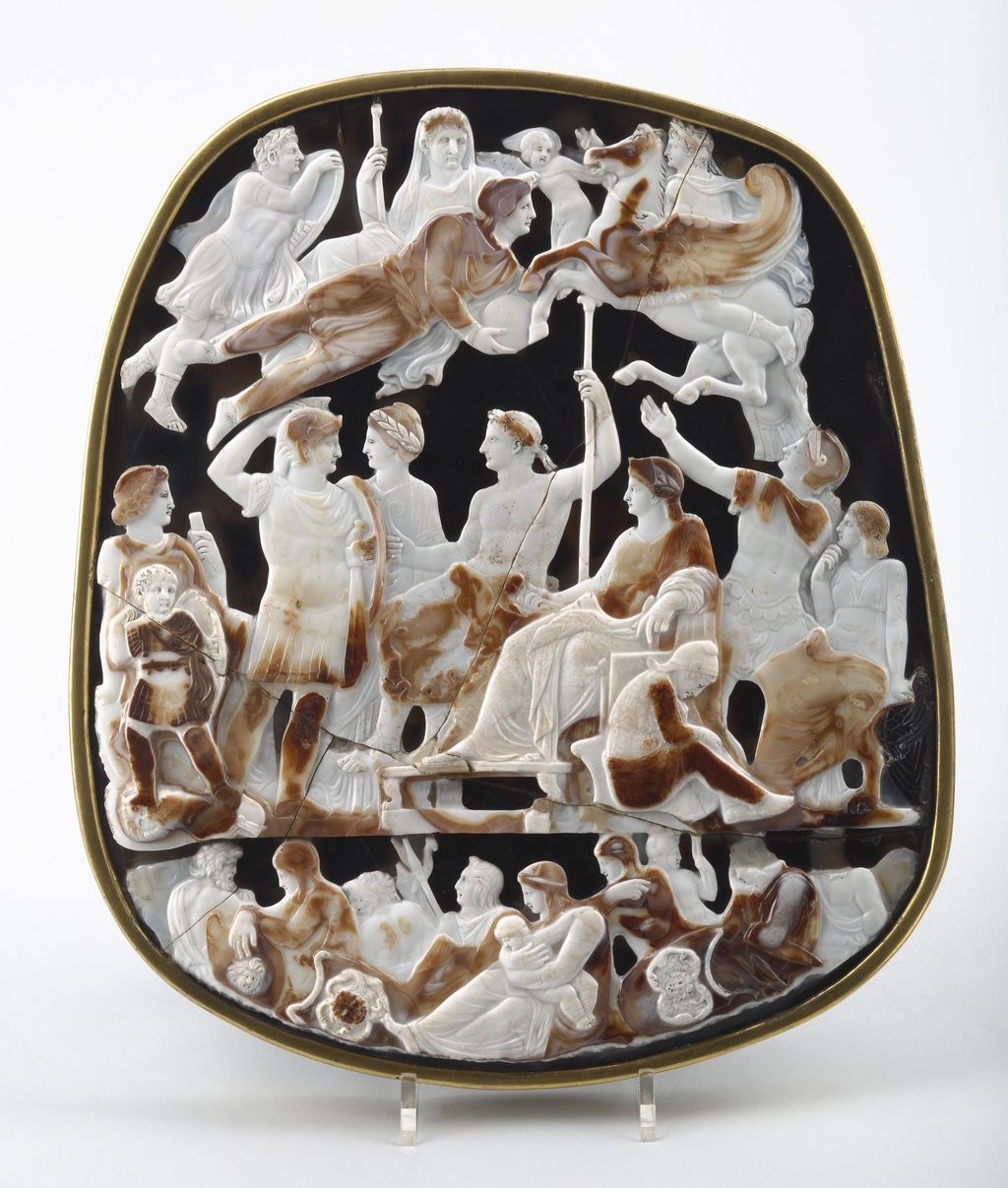
Some authors have speculated that the flying figure dressed in oriental style and holding a globe could be Mithras.
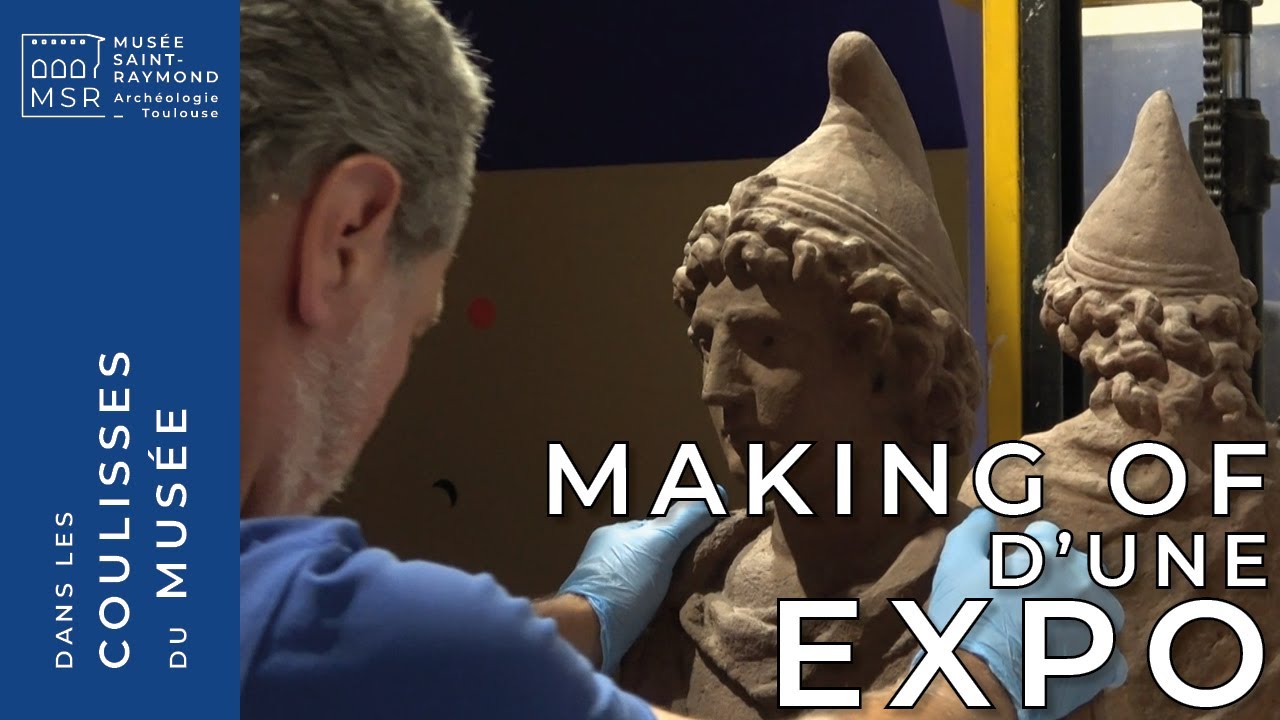
Découvrez les coulisses de la réalisation et du montage de l’exposition « Le mystère Mithra. Plongée au cœur d’un culte romain ».

Des rituels mystérieux, une hiérarchie gradée au sein d’un culte énigmatique, une société considérée pendant longtemps comme secrète au sein de l’Empire Romain…

Presentation on the Dionysian-themed frescoes of the Villa of the Mysteries by Peter Mark Adams on the occasion of the presentation of his book.
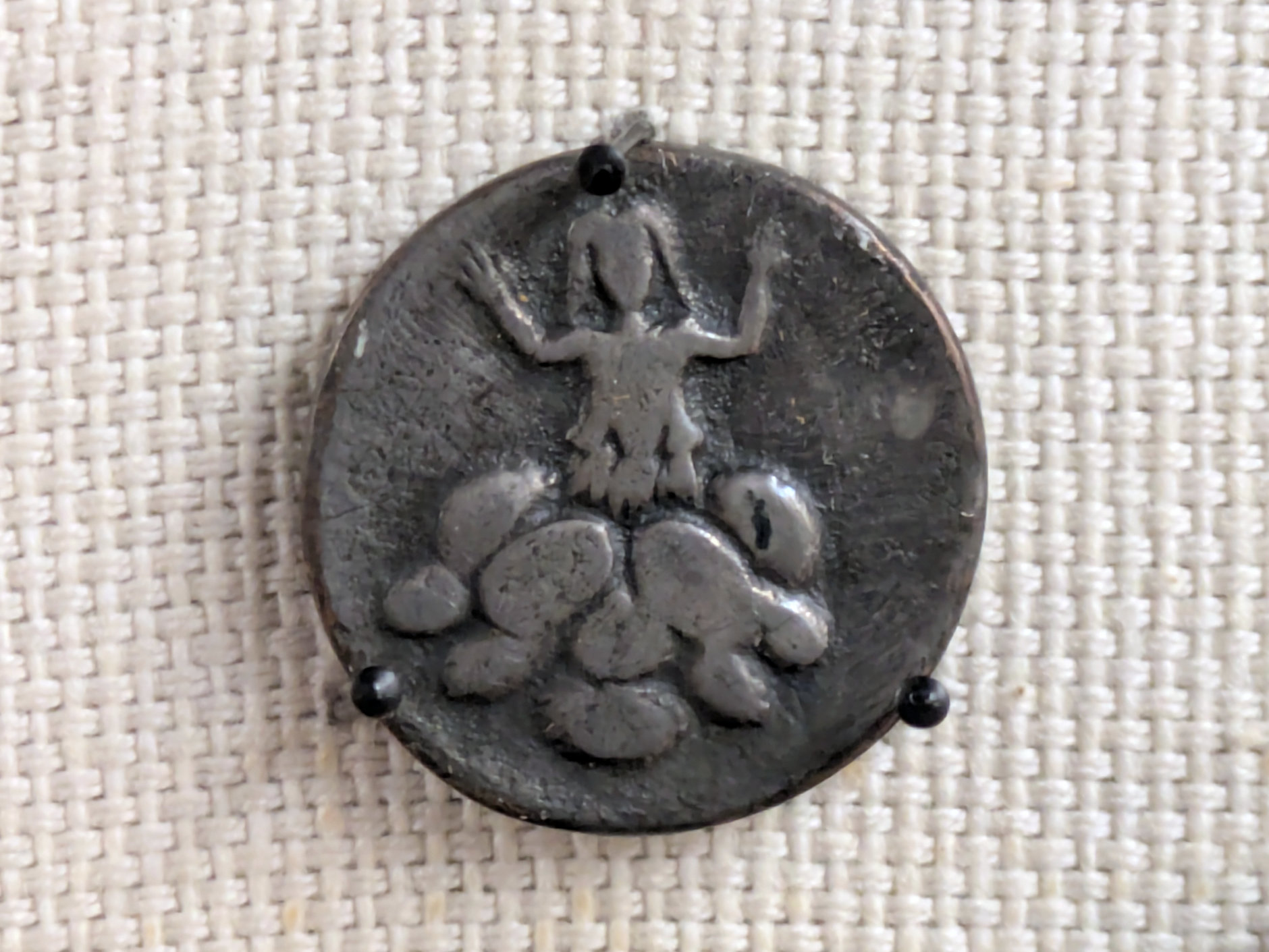
The mithraic denarius of St. Albans dates from the 2nd century.

Possible Mithras sanctuary at a grotto entrance in the Kavag-Dağ, Lycia; the identification remains purely hypothetical according to Cumont.
Triple-part sanctuary at Saalburg whose Mithraic interpretation remains uncertain despite serpent-vases and possible Aion fragments.
Assemblage of lamps, serpent-vases and painted ritual pottery from the sanctuary complex.
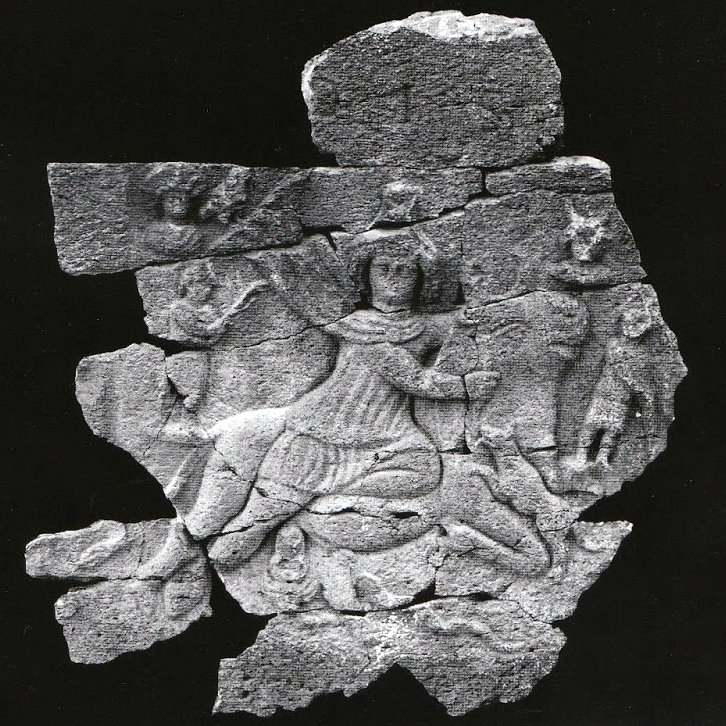
The second tauroctony of Jabal al-Druze seems to have be made by the same sculptor.

This plaque, located on the western staircase of the Palace of Darius, mentions the god Mithra together with Ahura Mazda as protectors of King Artaxerxes III Ochus.
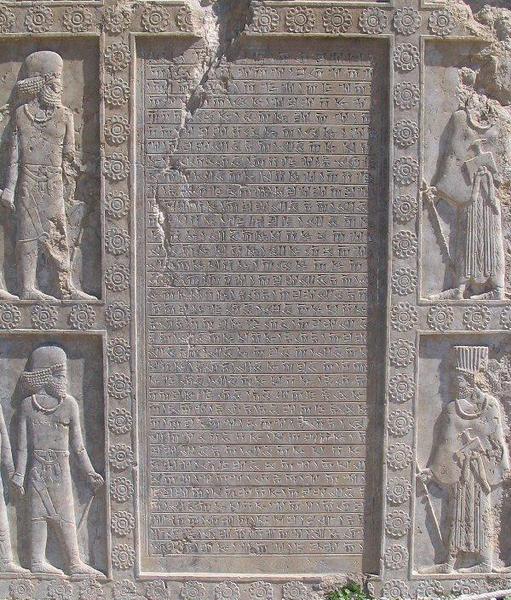
Located at the western entrance to the Palace of Darius in Persepolis, this tablet bears an inscription mentioning Ahuramazda and Mithra.
Red sandstone altar from Stockstadt, featuring a square cavity in the front that contained a fragment of crystal and a small lamp.
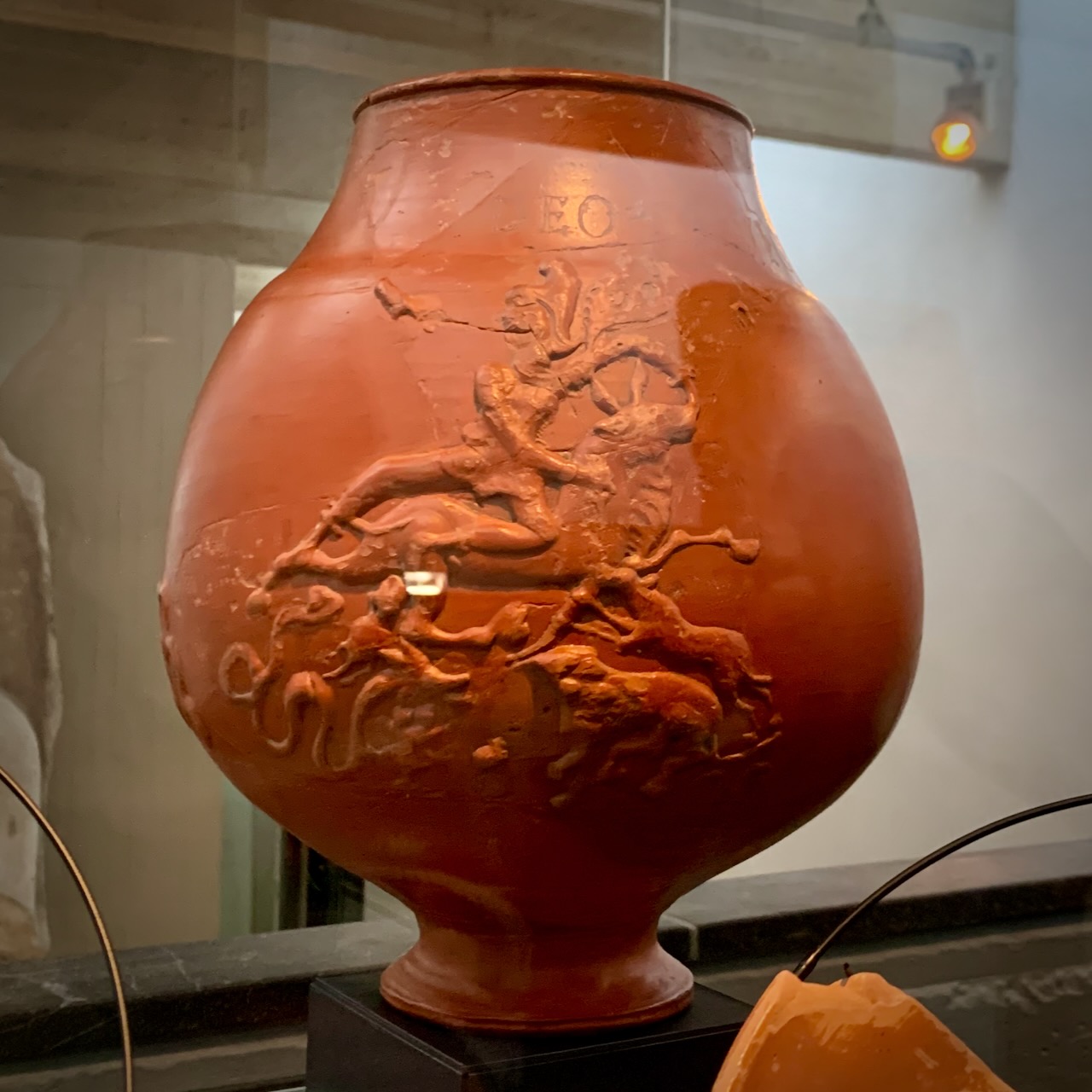
The Mühltal Mithraic crater was discovered among the artefacts of a mithraeum found in Pfaffenhoffen am Inn, Bavaria.
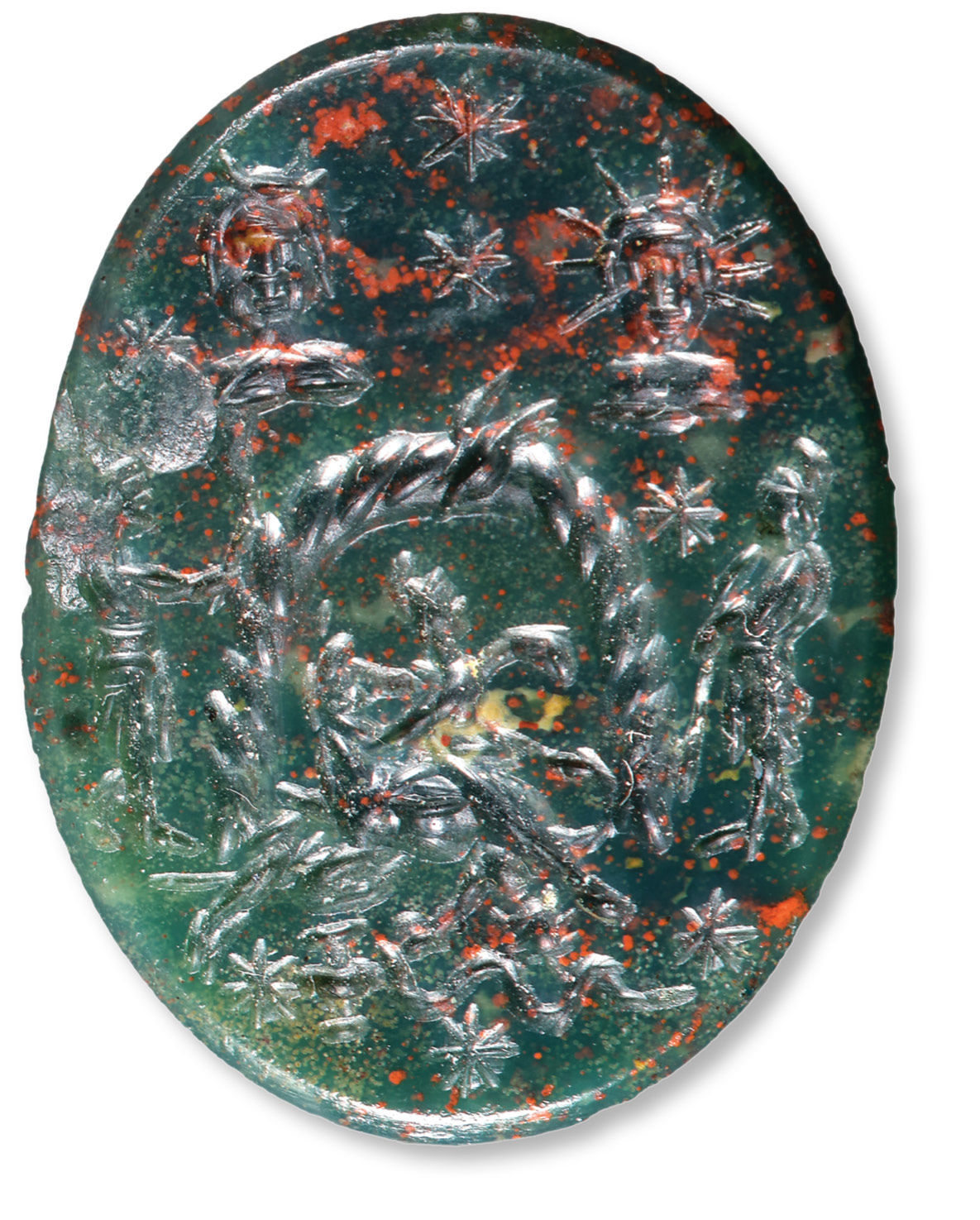
This heliotrope gem, depicting Mithras slaying the bull, dates from the 2nd-3rd century, but was reused as an amulet in the 13th century.
This small monument without inscription was found in Bingem, Germany.
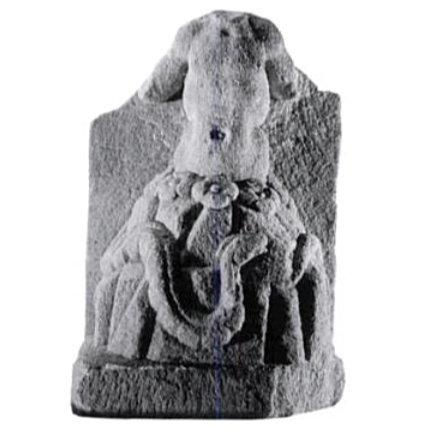
This sculpture of Mithras born from a rock was found in 1922 together with two altars in what was probably a mithraeum.
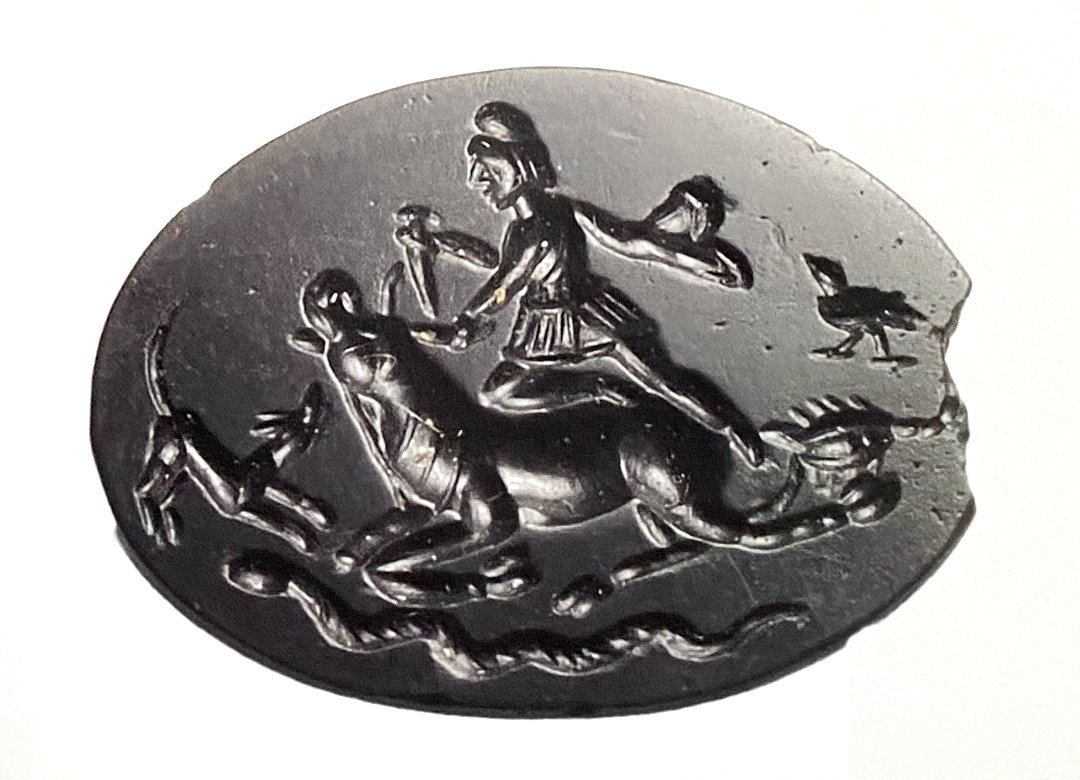
This intaglio with Mithras killing the bull on one side and Kabiros on the other was probably used as a magical amulet.
A possible Mithraeum II was found in Bingen, but the few remains are not sufficient to prove it.
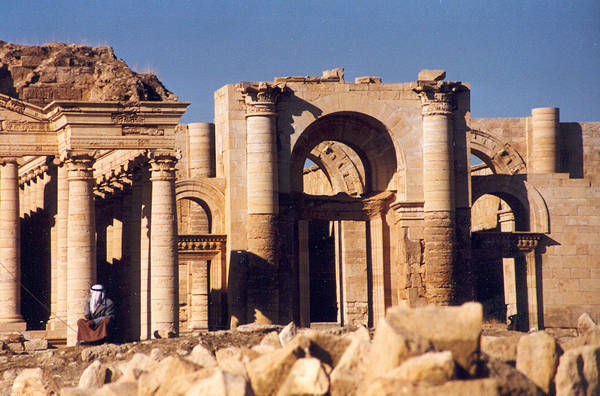
The city of Hatra was famed for its fusion of several civilization cults, which several temples devoted to gods from all Indo-European world.
