Your search Han Potoci gave 881 results.
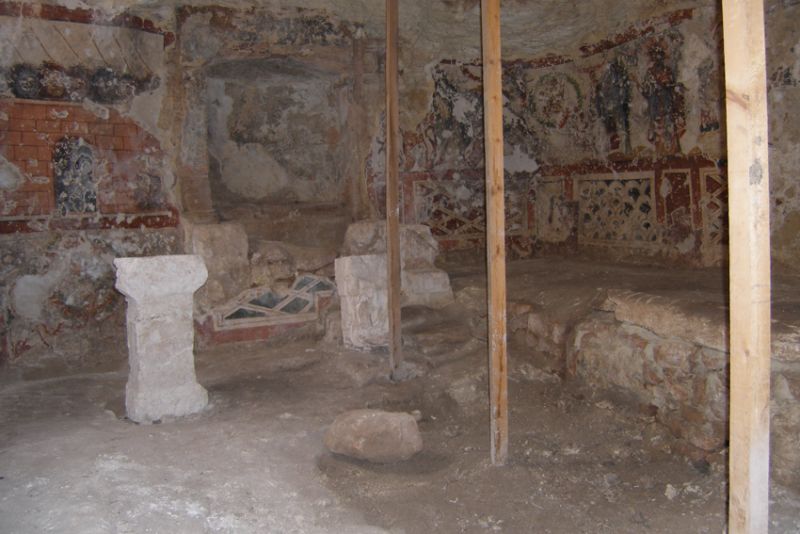
The Mithraeum of Hauarte or Hawarte, which preserves colourful frescoes, it’s the latest know and used.
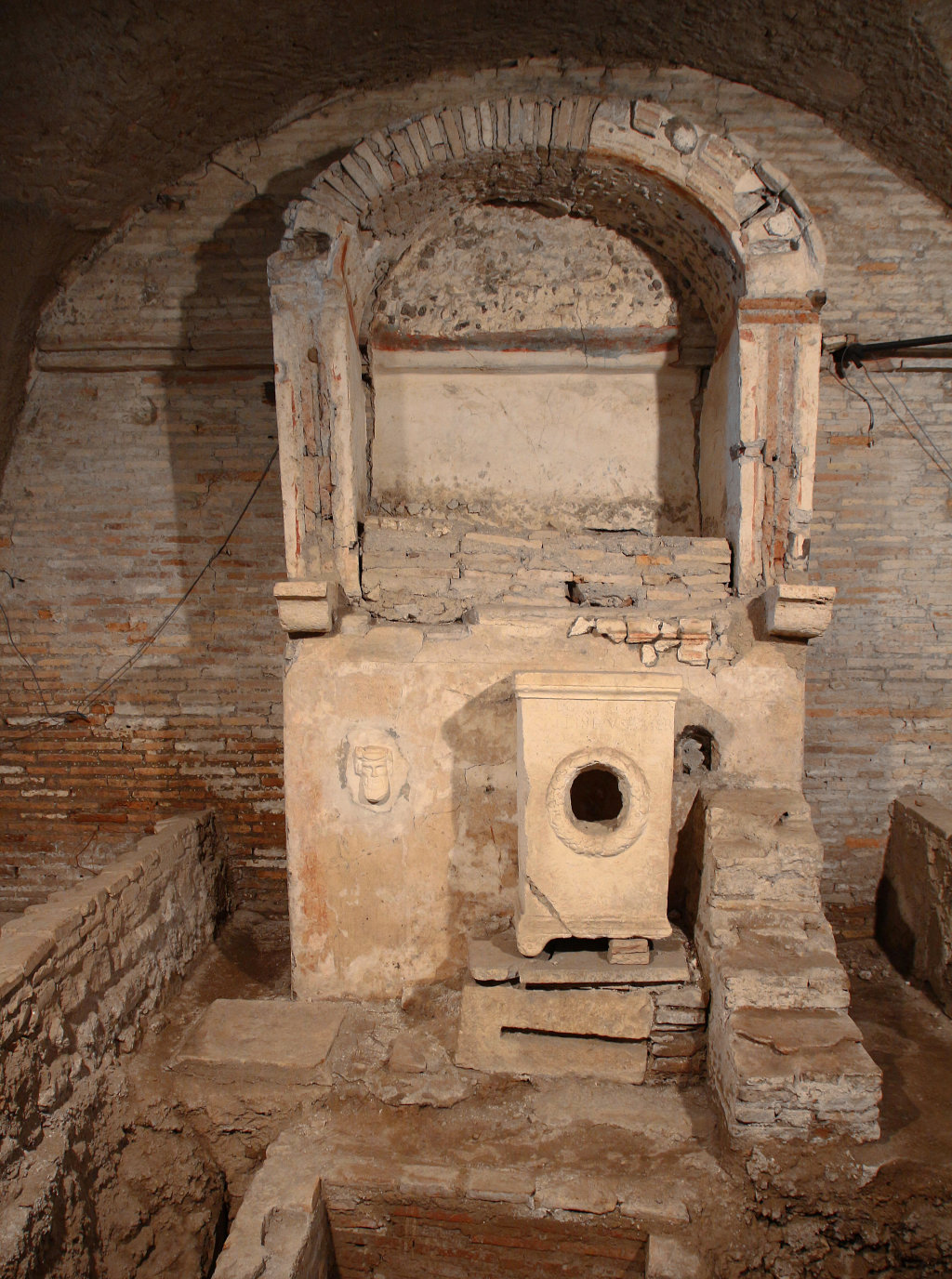
This altar was originally consecrated to Hercules and was rededicated to Mithras by Callinicus in the Mithraeum of the House of Diana.
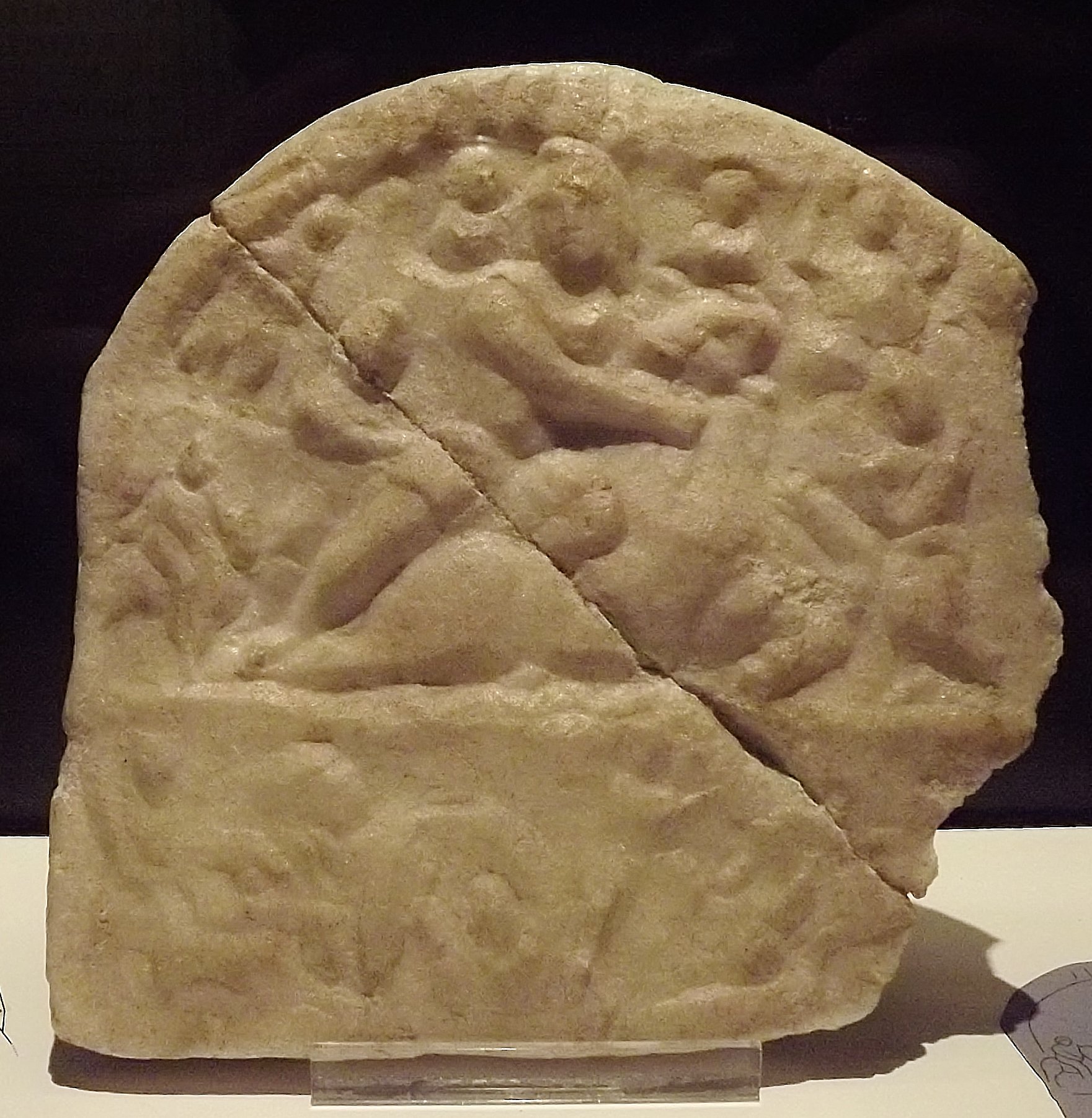
This small white marble relief of Mithras as a bullkiller was found in the Botanical Gardens of Vienna in 1950.
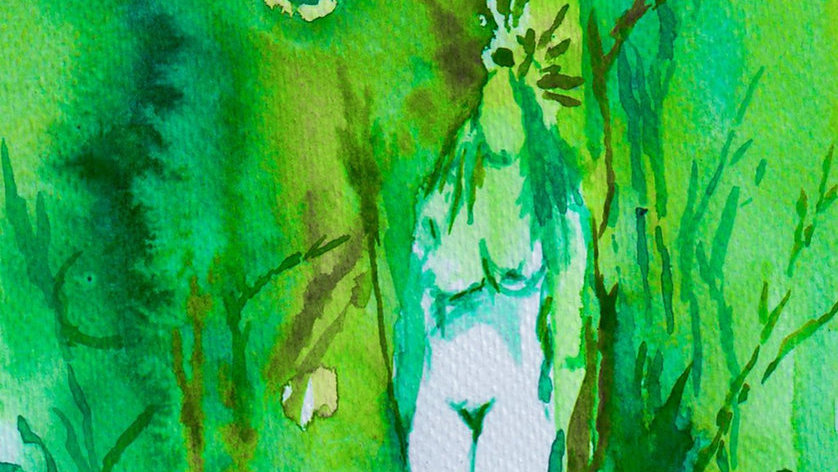
Lenni George on Hekate’s development across ancient traditions, from mystery cults to magical practice and philosophical thought.
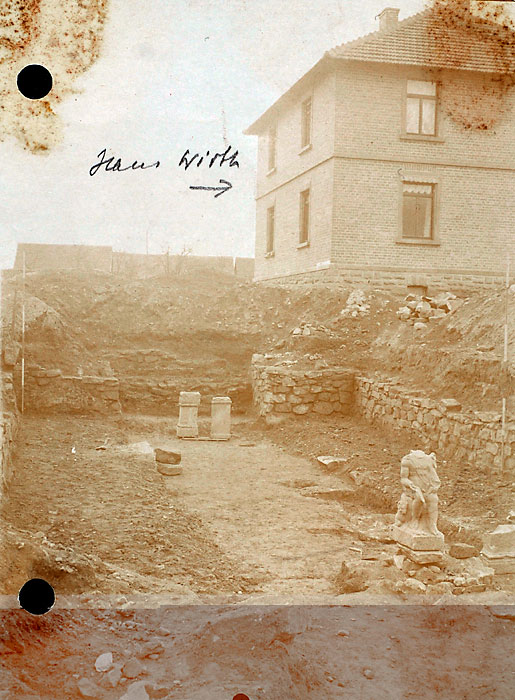
The Mithraeum I in Stockstadt contained images of Mithras but also of Mercury, Hercules, Diana and Epona, among others.

A fragmentary red sandstone relief preserves the upper part of three-headed Hekate holding a long object in her left hand.
This altar dedicated to Sol Invictus Mithras by a certain Septimius Zosimus was found in the Basilica of San Martino ai Monti in Rome.

Limestone altar from the Trier baths, carved on four sides with a lion and serpent, flanked by Sol and Luna, and likely linked to a Mithraic context involving Hekate.

This marble relief, found in Sisak, Croatia, shows Mithras killing the bull in a circle of corn ears, gods and some scenes from the Mithras myth.
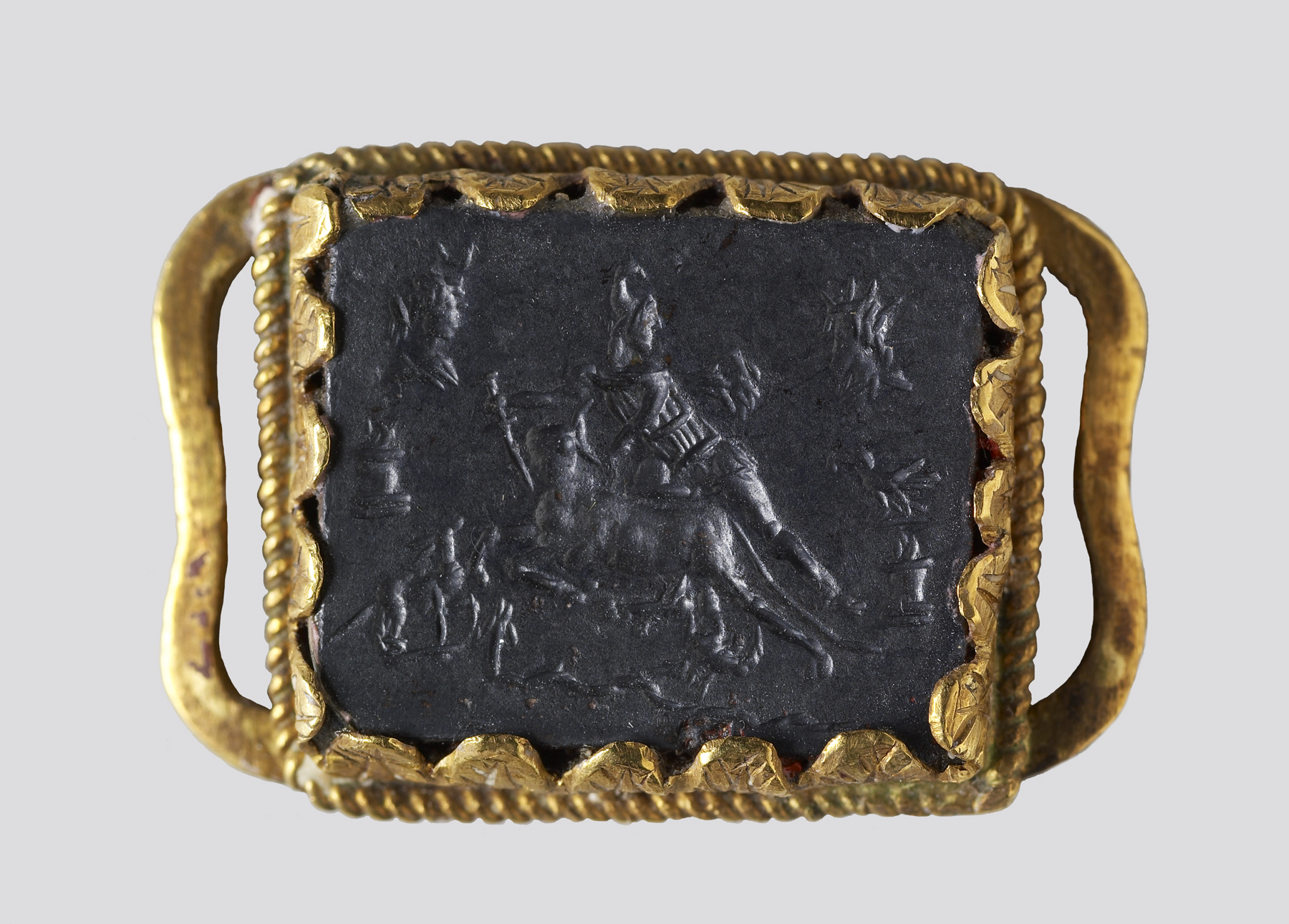
This unusual piece depicts Mithras slaying the bull on one side and the Gnostic god Abraxas on the other.
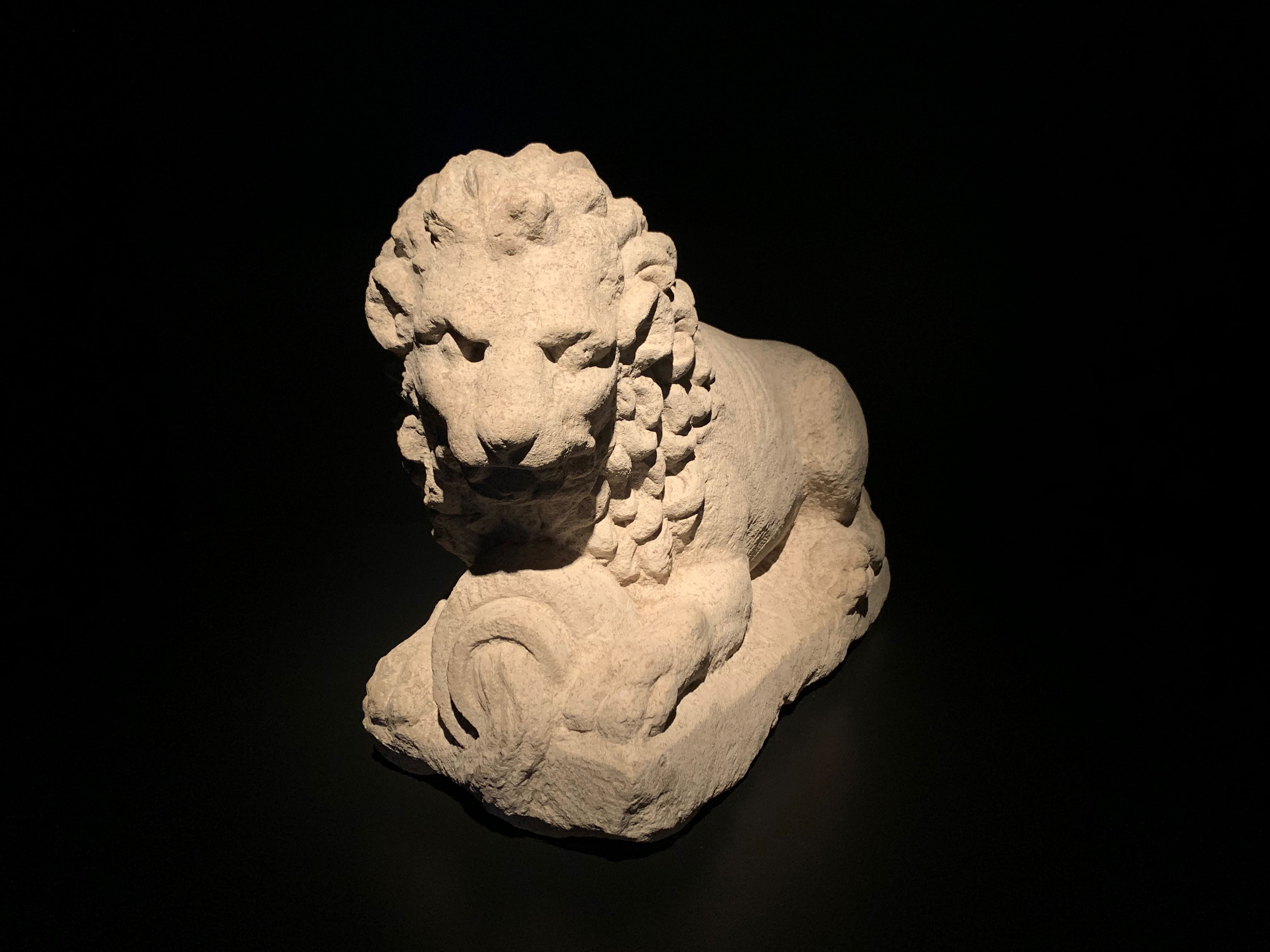
A limestone lion holding a flowing urn, discovered at the entrance of the Mithraeum of Les Bolards, reflects the ritual significance of water within the cult of Mithras.

Dominique Persoons proposes a reconstruction of Mithraic ritual based on archaeological remains, frescoes, and zodiacal symbolism. He interprets the mithraeum as a liturgical microcosm governing the descent, purification, and ascent of souls.

A selection of texts gathered by Ernesto Milá that reinterprets Mithraism as an initiatory, solar, and heroic cult. It includes the so-called Great Magical Papyrus of Paris, translated and commented by Julius Evola and the Ur Group.
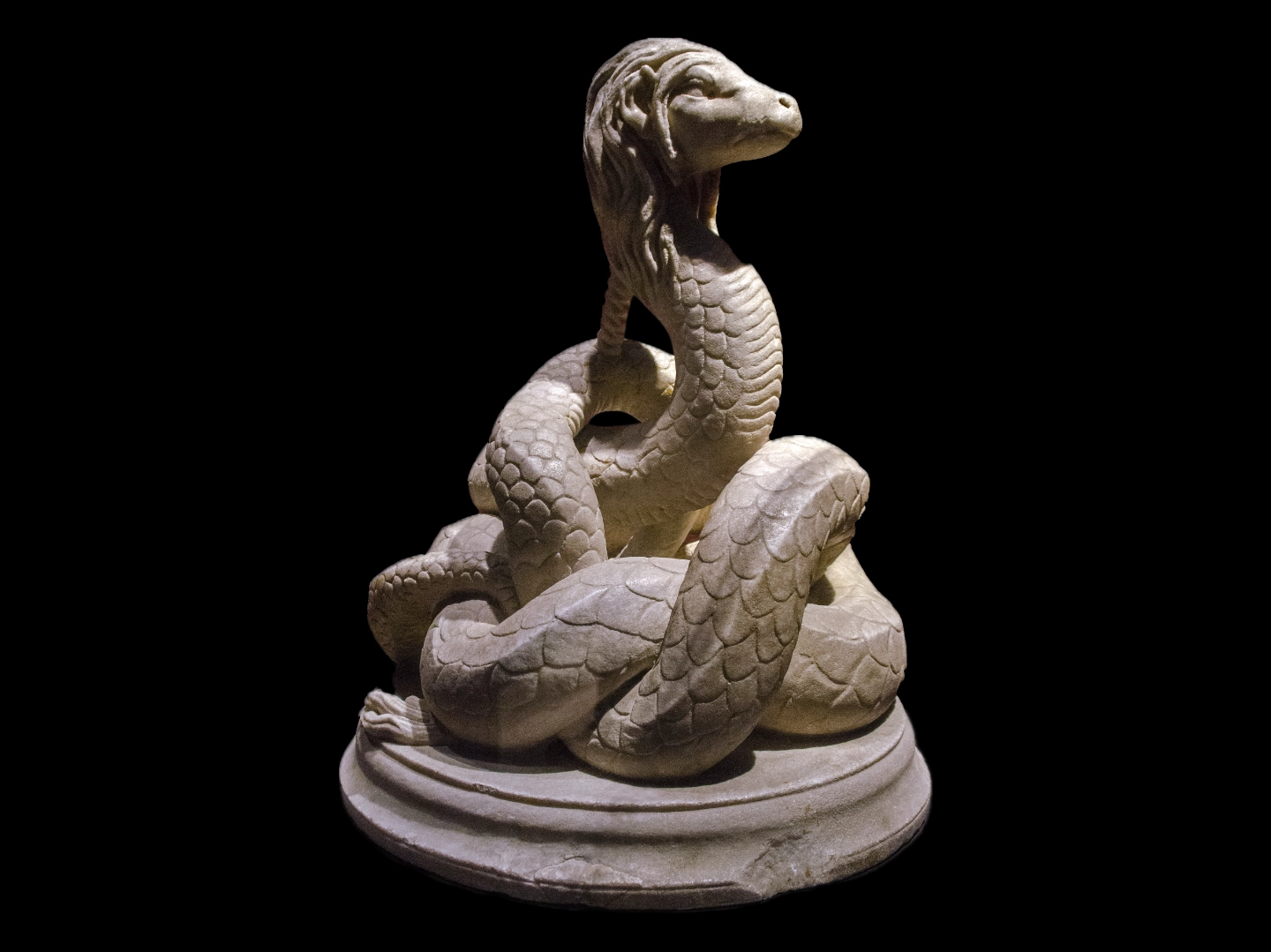
At Rome’s twilight, amid political upheaval and Christian ascendancy, Vettius Agorius Praetextatus embodied pagan intellect, virtue, and authority across senatorial, military, and mystical spheres.

From the late first century CE, Mithras spread across the Roman Empire, leaving more than 130 sanctuaries and nearly 1,000 inscriptions. This volume offers a rigorous synthesis that renews our understanding of this enigmatic cult.
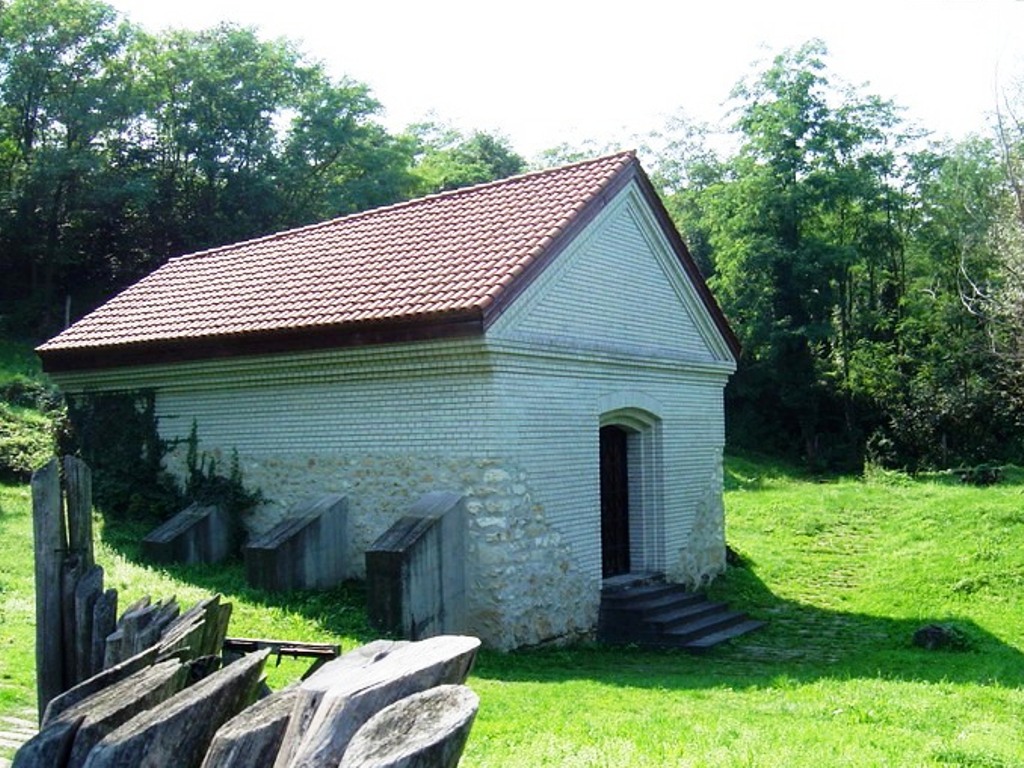
The temple of Mithras in Fertorakos was constructed by soldiers from the Carnuntum legion at the beginning of the 3rd century AD.
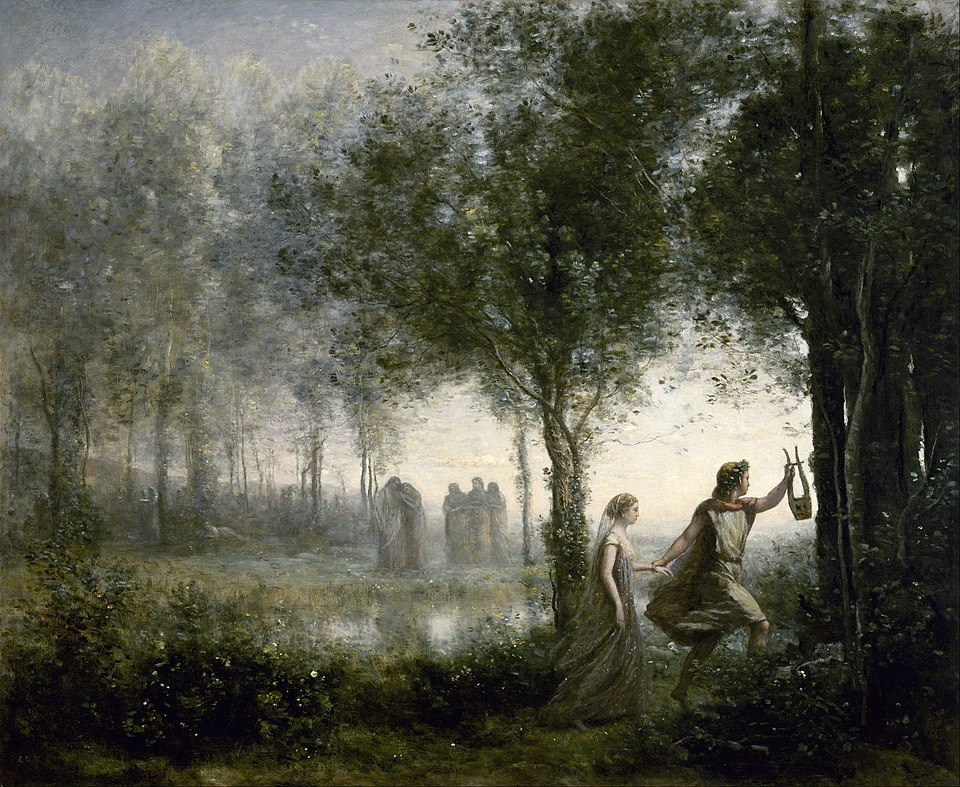
By reading Orphic theology together with Eleusinian ritual practice, the mysteries emerge as a structured mystagogy of transformation: a disciplined passage from forgetfulness (Lethe) to knowledge (aletheia), from mortality to participation in the divine.
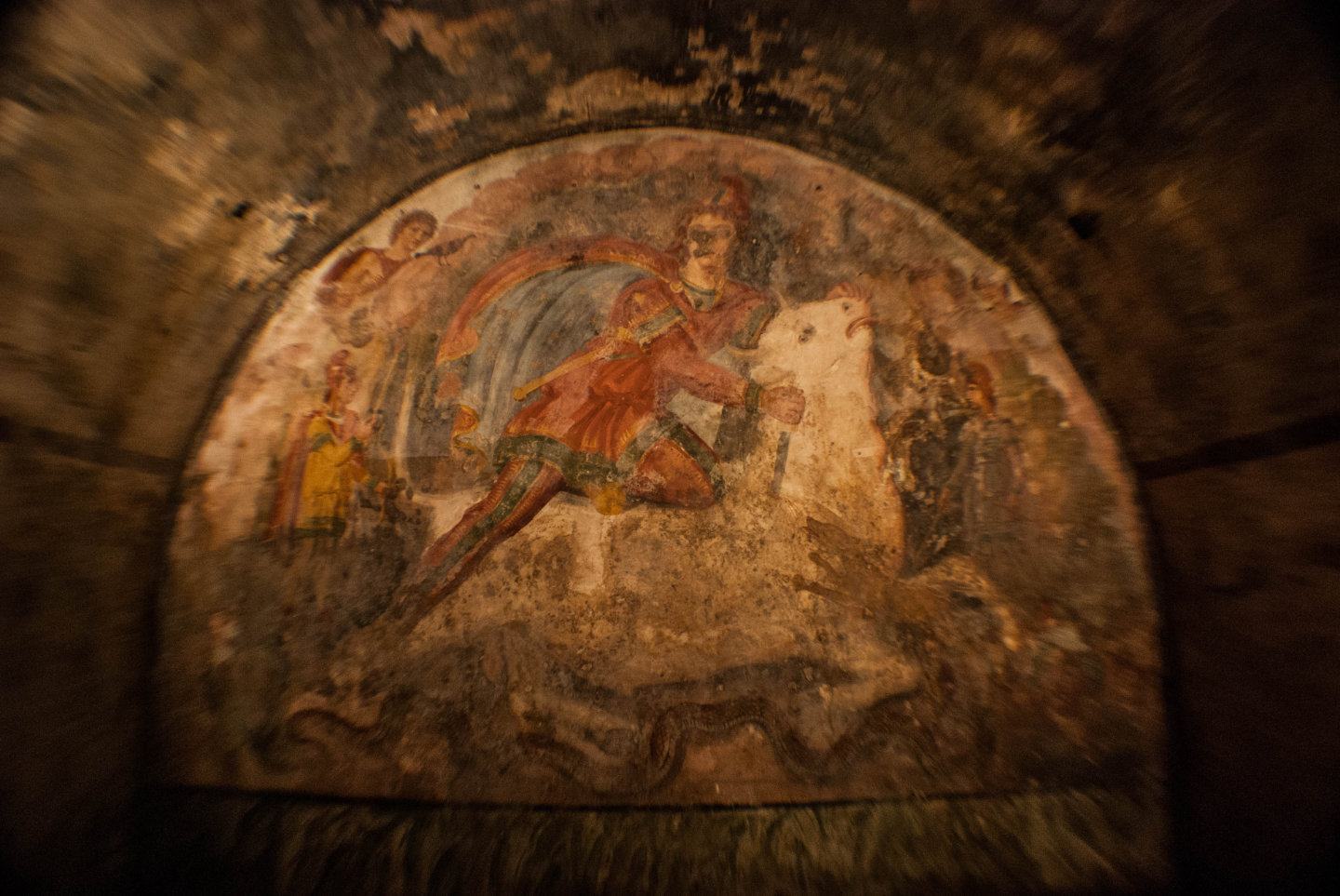
This article revisits the Mithraeum of S. Maria Capua Vetere, one of the most complete and artistically refined Mithraic sanctuaries in the Campanian region, situating it within its archaeological, iconographic, and ritual-historical contexts.

The Mithraeum of London, also known as the Walbrook Mithraeum, was contextualised and relocated to its original site in 2016.
A study that re-examines Roman Mithraism through epigraphic evidence and comparative analysis, exploring its links with Orphism, Platonism, and Iranian traditions, and presenting the cult of Mithras as a solar path of individual spiritual awakening between East and West…
