Your search Han Potoci gave 881 results.
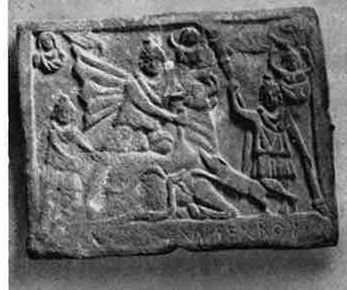
White marble tauroctony relief from Stix-Neusiedl, Pannonia Superior, depicting Mithras killing the bull with the raven perched on the rim of the god's flying cloak — an unusual detail placing the raven on the cloak rather than on the grotto border…
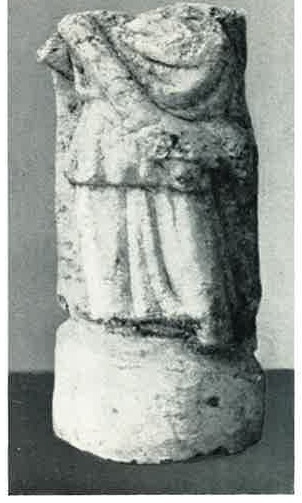
Marble statuette from Mithraeum II at Ptuj, ancient Poetovio, depicting Cautes raising the torch with both hands; head, right hand, and lower legs are lost.

Marble left hand holding a torch from Mithraeum II at Ptuj, ancient Poetovio, belonging to a statue of Cautes.
Marble right hand holding a dagger from Mithraeum II at Ptuj, ancient Poetovio — a fragment of a tauroctony statue or relief.
Foremost portion of a marble tauroctony relief from Mithraeum II at Ptuj, ancient Poetovio, preserving the bull's forepart, the serpent's head, the turning dog, and Cautes raising the torch with both hands.
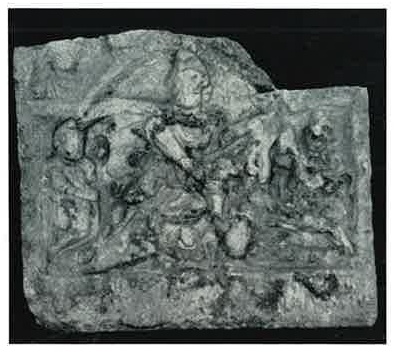
Marble tauroctony relief from Mithraeum II at Ptuj, ancient Poetovio, distinguished by the bull represented with fully stretched legs; Cautopates is shown resting his head on his hand in a pensive posture.
Right portion of a marble relief from Mithraeum II at Ptuj, ancient Poetovio, preserving Cautes holding the upraised torch with both hands; not cross-legged; head, feet, right hand, and torch top are lost.
Conglomerate statue from a layer of fire debris in the Mithraeum at Schachadorf, Noricum, depicting a naked Mithras without Phrygian cap being born from the rock with upraised hands; a coiling serpent is visible below.
Statue of Cautopates from Neuenheim, holding a downward torch with both hands, now in the Kurpfälzisches Museum at Heidelberg
Large circular iron pan with handle from Mithraeum I at Heddernheim, ancient Nida, likely used in Mithraic ritual feasting
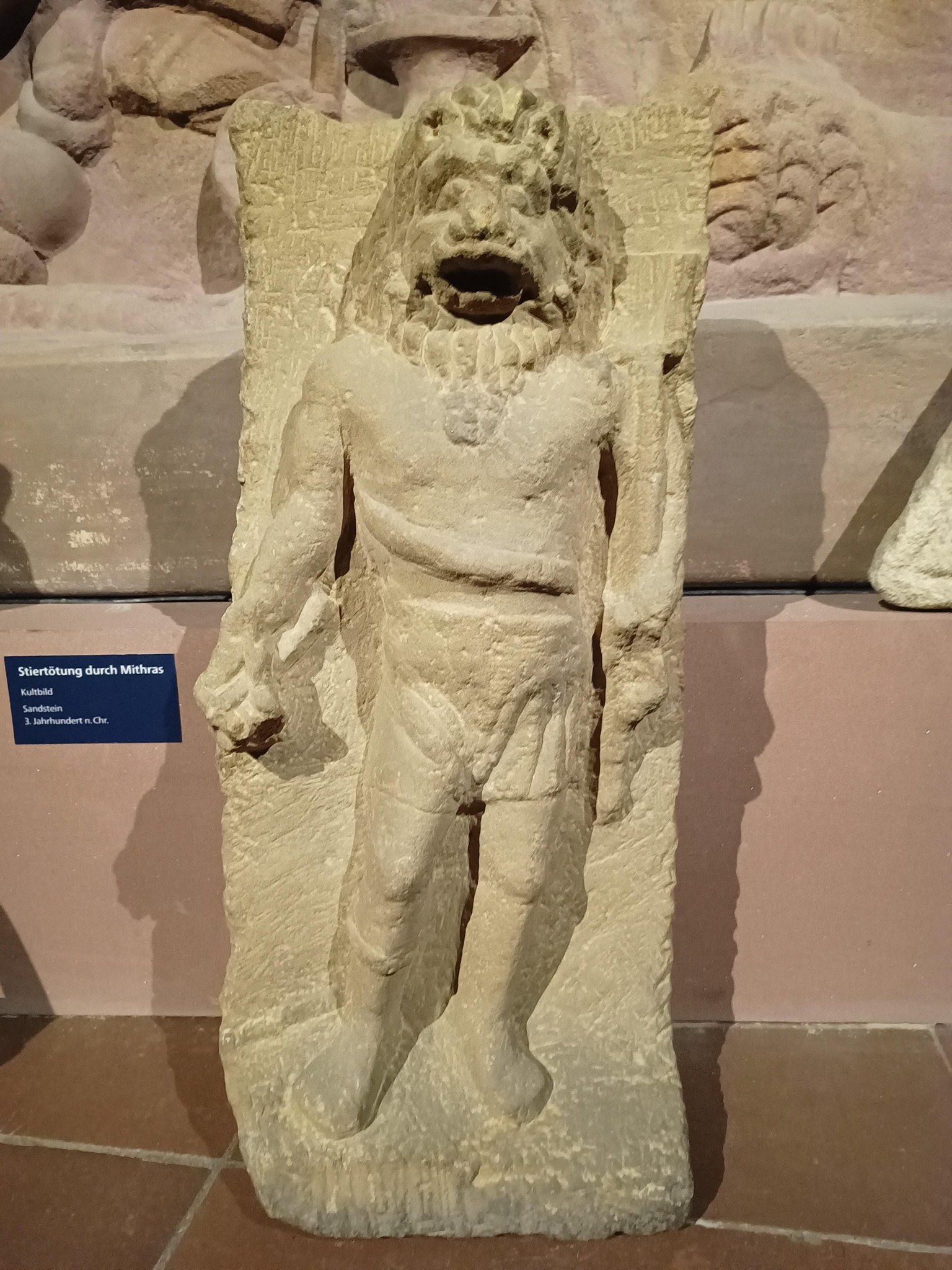
This lion-headed figure from Nida, present-day Frankfurt-Heddernheim, holds a key and a shovel in his hands.
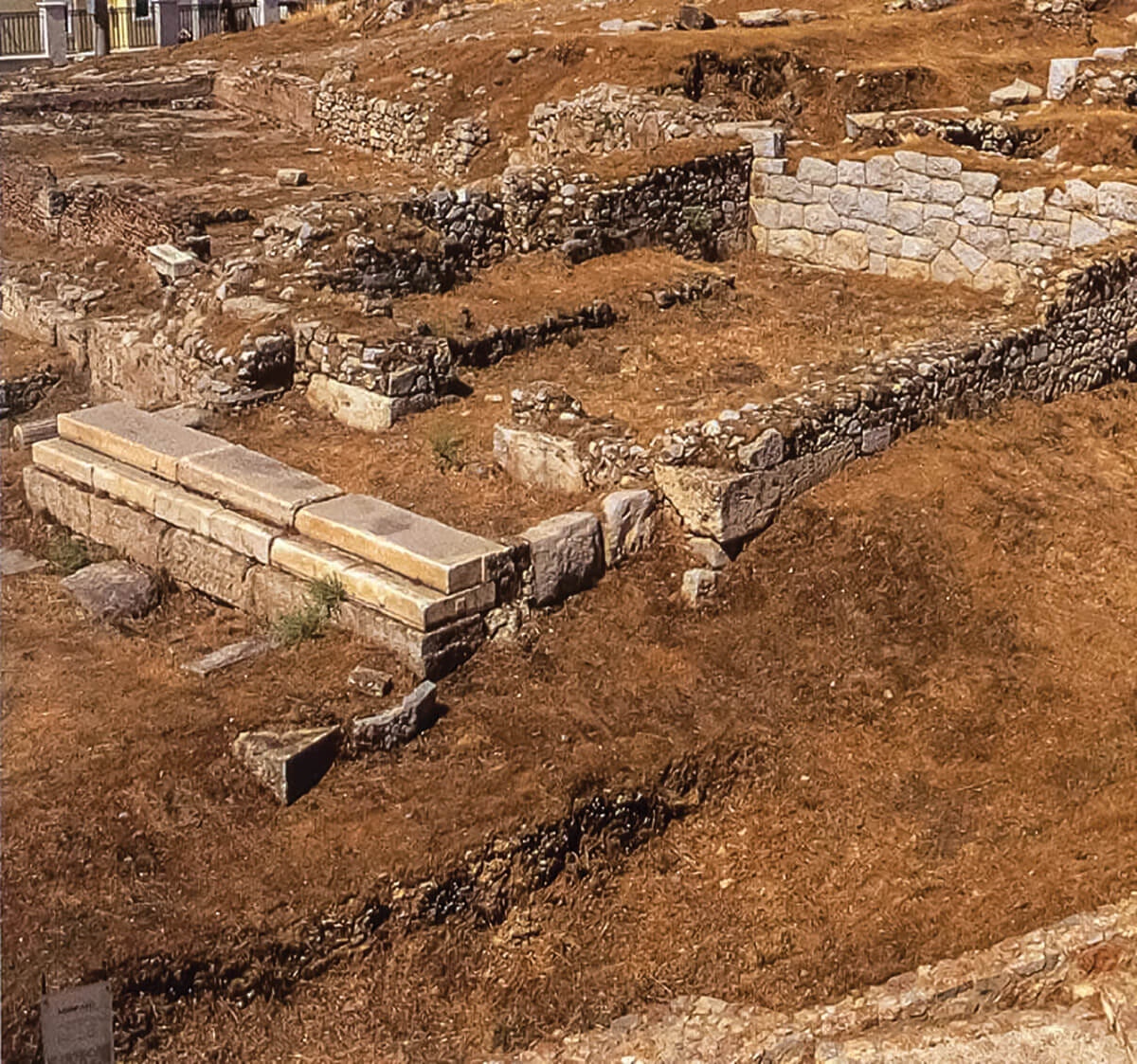
A Mithraeum has been identified in Eleusis where the last Hierophant form thespia had the rank of Father in the Mithraic Mysteries.
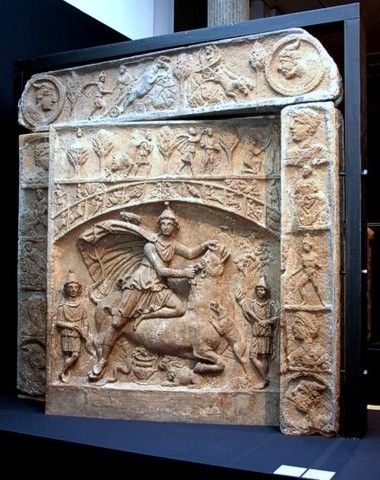
This relief is so well-known that it has been reproduced in nearly every handbook of archaeology and of history of religions.
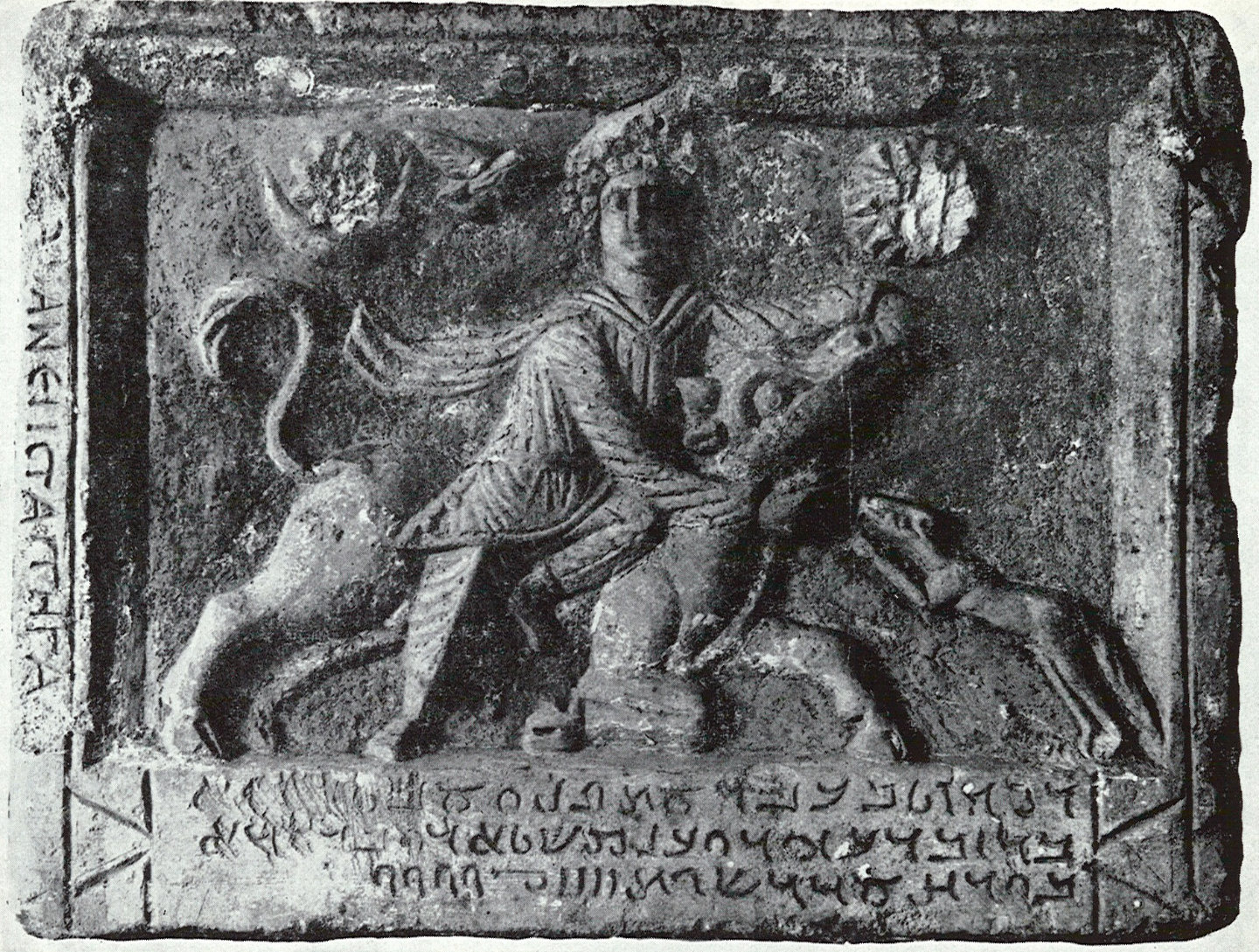
One of the reliefs of the Dura Europos tauroctonies includes several characters with their respective names.

Garlic merchant, probably from Lusitania, who dedicated an altar to Cautes in Tarraconensis.

This plaque, located on the western staircase of the Palace of Darius, mentions the god Mithra together with Ahura Mazda as protectors of King Artaxerxes III Ochus.
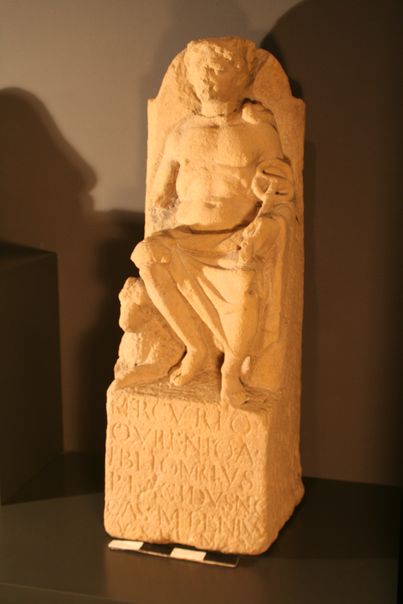
The statue was dedicated to Mercury Quillenius, an epithet used to refer to a Celtic god or the Greek Kulúvios.
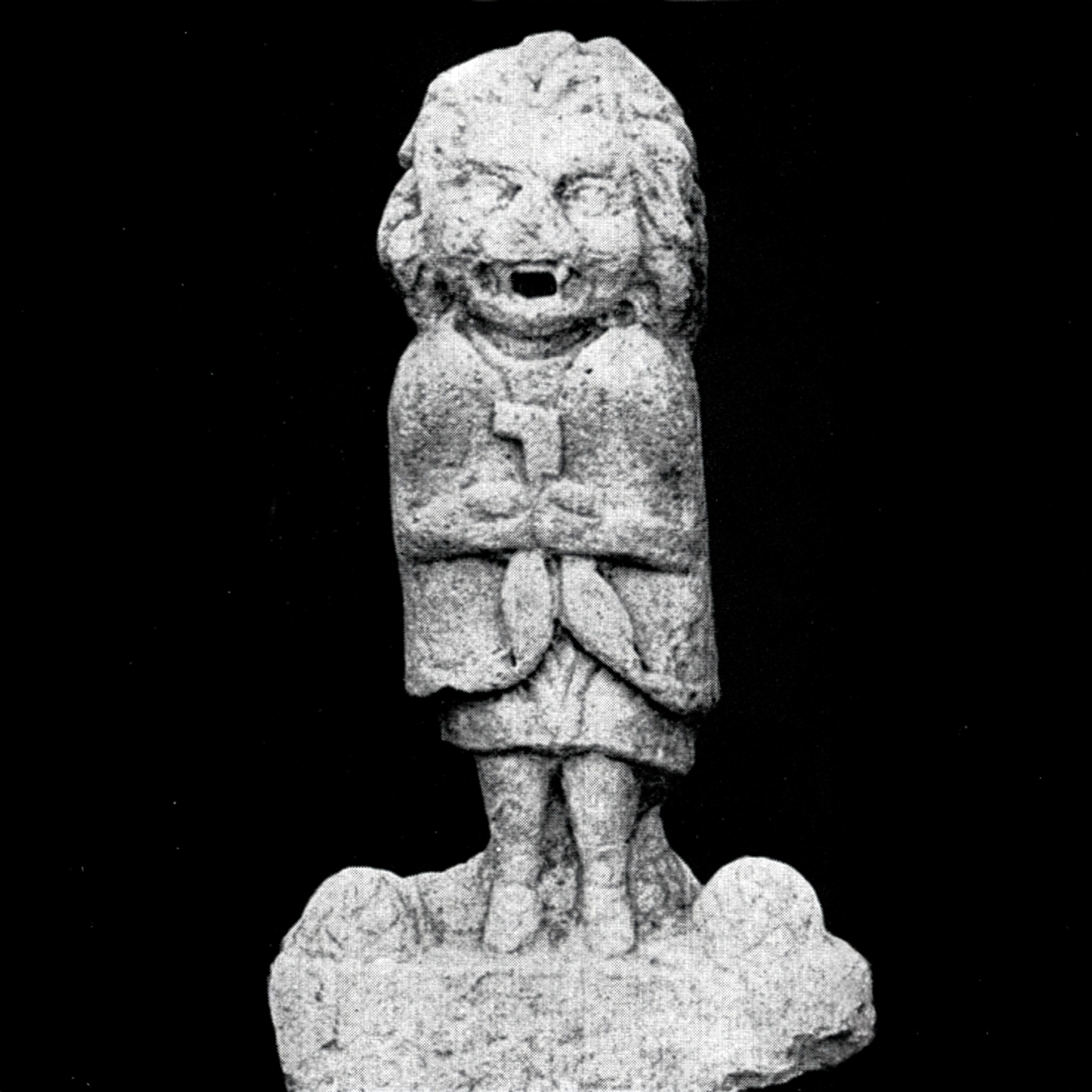
The lion-headed figure from Rusicade, now Skikda, holds a key in both hands and features a pine cone beside his feet.
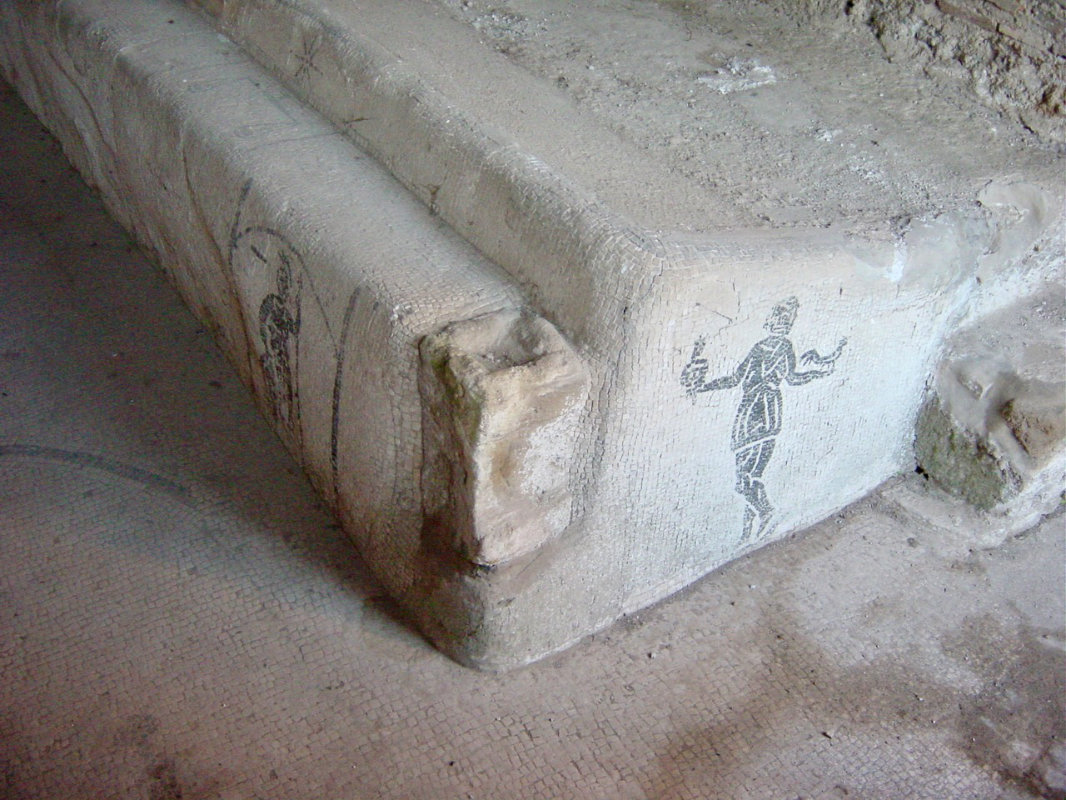
At the entrance to the Mithraeum of the Seven Sferes, Cautopates holds the torch with both hands and Cautes holds the torch in his right hand and a cock in his left.
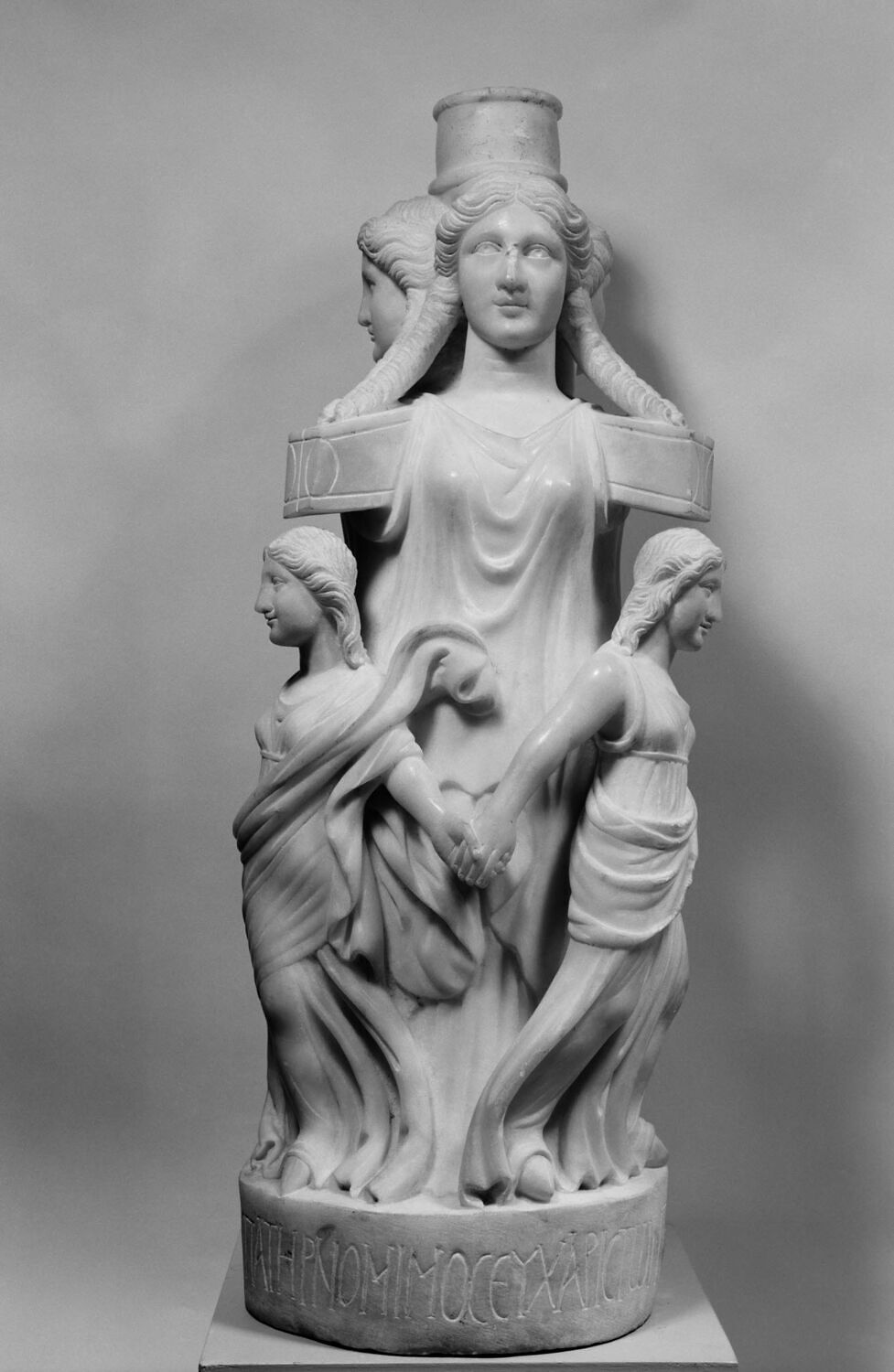
The Hekataion of Sidon, which depicts Hekate in her trimorphic form surrounded by three dancing girls, is the only example found to date in connection with the Mithraic cult.
