Your search Hermes Trismegistes gave 16 results.
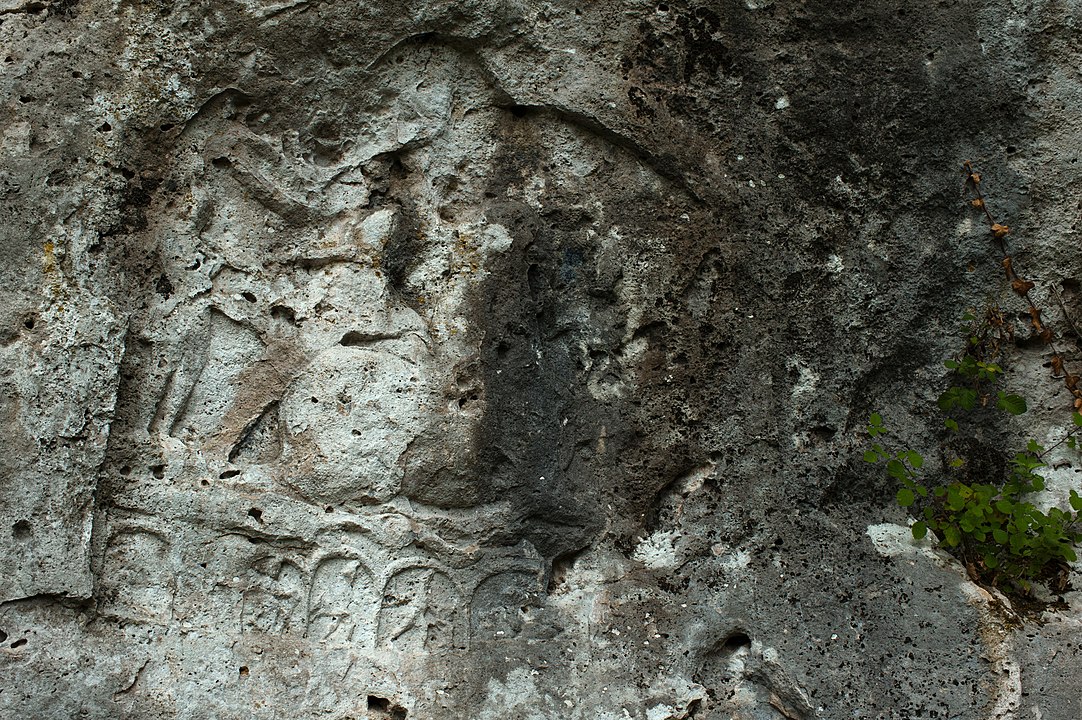
The Mithraeum of Thermes in Greece was discovered in 1915 by Bogdan Filov.

This inscription, found in the Mitreo della Planta Pedis, among some other monuments in Ostia, suggests a link between Mithras and Silvanus.


The dedicator of this altar was a slave in the service of a high official, the prefect Gaius Antonius Rufus, known from other inscriptions.

Slave of a certain Macus Iulius Eunicus, Hermes dedicated a monument to Silvanus found in the Mitreo della Planta Pedis.
Small altar preserved in the castle of Freudenberg at St. Thomas am Zeiselberg, Noricum, recording a dedication to Hermes invicto Mitrae — an unusual conflation of Hermes and the invincible Mithras.
Greek inscription from Apulum, Dacia, dedicated to Helios aneuketos — the invincible Sun — by Hermes, son of Gorgios.
Inscription from Mithraeum III at Ptuj, ancient Poetovio, recording that Sextus Vibius Hermes, Augustalis of the Colonia Ulpia Traiana Poetovionis, donated a silver signum with its base to Soli invicto Mithrae, with Lucius Vernasius Heraclida presiding as pater…

Estate manager and slave of Caius Antonius Rufus, prefect of roads and customs collector.
Altar from Intercisa, Pannonia Inferior, dedicated to Deo Soli invicto for the welfare of Emperor Commodus.

He commissioned the main cult relief found in the Mithraeum of Circo Massimo.

This remarkable marble relief from the end of the 3rd century was discovered in the most remote room of the Mithraeum in the Circo Massimo.
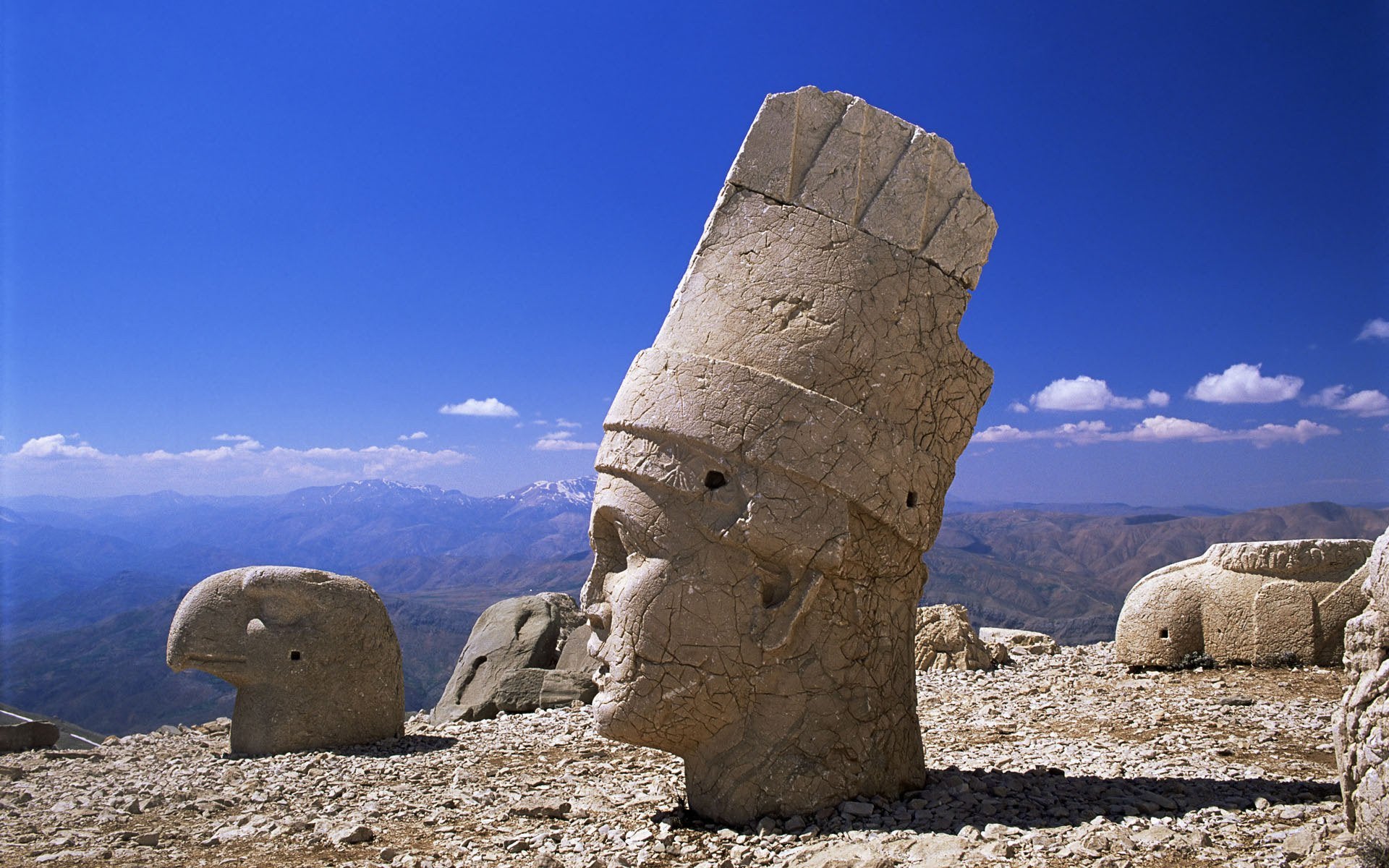
The colossal head has been identified as a solar god, Apollo-Mihr-Mithras-Helios-Hermes.

Hermopolis, the city of Hermes, was an important city located between Lower and Upper Egypt. A provincial capital since the Old Kingdom of Egypt, Hermopolis developed into a major city of Roman Egypt.
A bearded Bacchus and another hermes as a woman, both crowned with vine tendrils, were walled into the base of a niche.

