Your search Ines Siemers-Klenner gave 221 results.

Tracing the links between the cult of Mithras and the Proud Boys’ quest for identity, power, and belonging. How ancient rituals and brotherhood ideals resurface in radical modern movements.
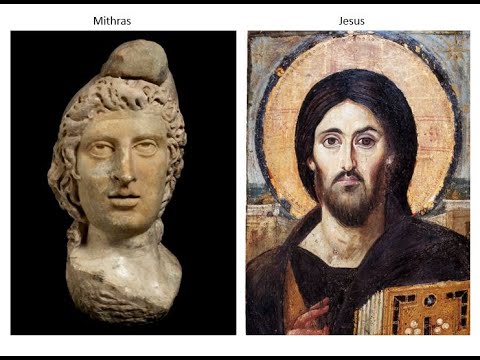
Mithraic Influence on Early Christian Symbolism and Church – Architecture

This is the first known inscription that includes Phanes alongside Mithras found in a Mithraic context.
Conference by Freemason Chris Ruli on the parallels between the cult of Mithras, Freemasonry and other initiatic orders.
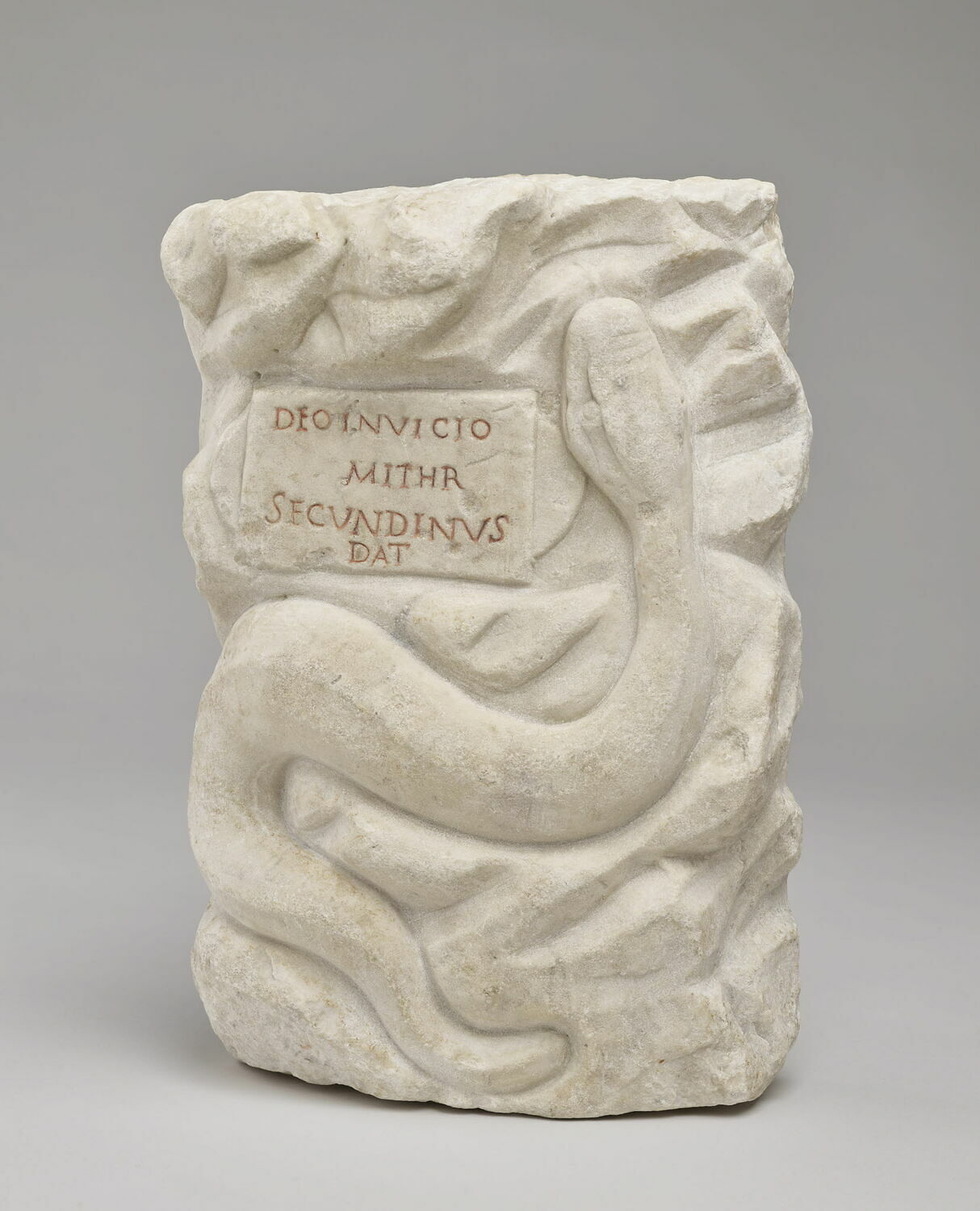
There is no consensus on the authenticity of this monument erected by a certain Secundinus in Lugdunum, Gallia.
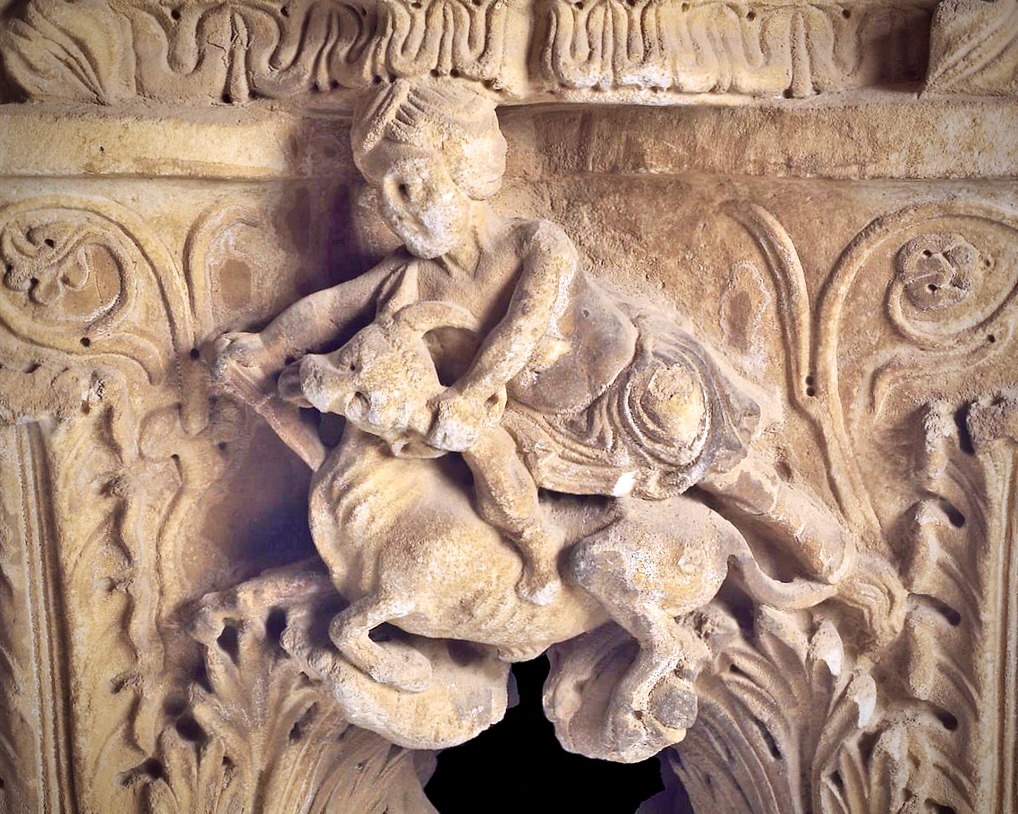
On one of the capitals of the cathedral of Santa Maria Nuova in Monreale, Sicily, an unusual turbaned bull-slaying Mithras has been recorded.
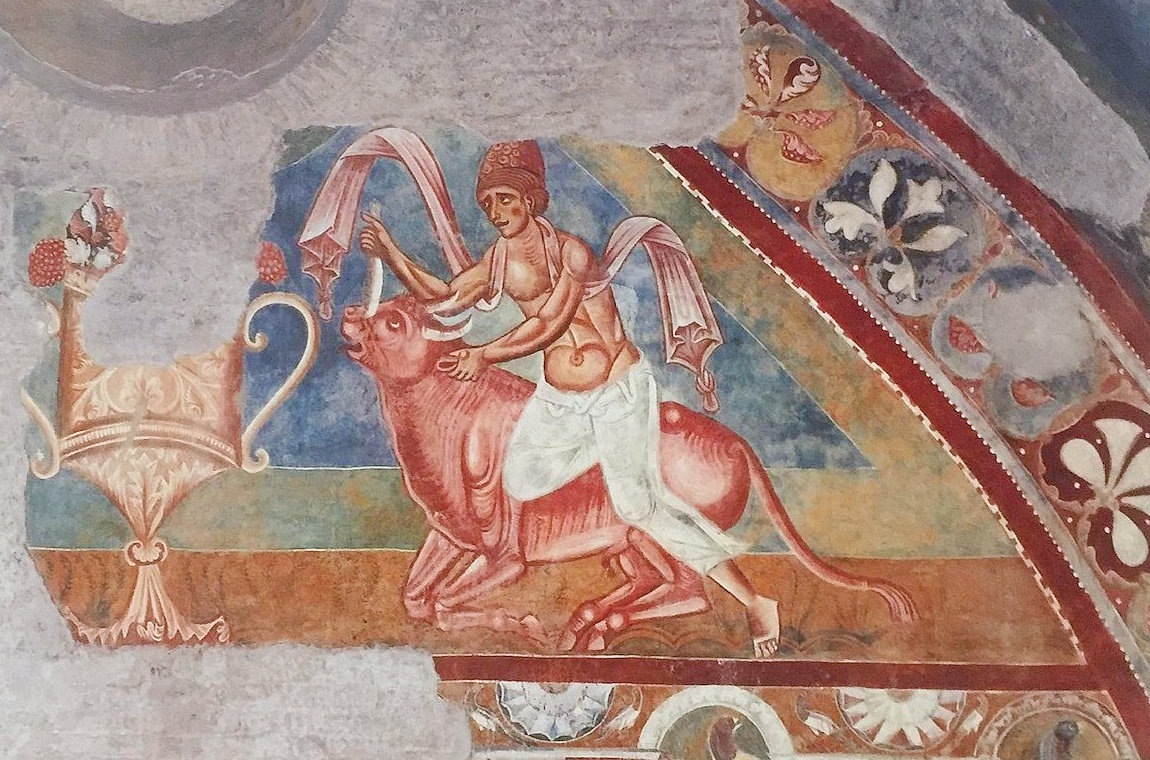
What appears to be a representation of Mithras killing the bull appears in the 12th century frescoes of the Basilica dei Santi Quattro Coronati in Rome.

Ernest Renan suggested that without the rise of Christianity, we might all have embraced the cult of Mithras. Nevertheless, it has had a lasting influence on secret societies, religious movements and popular culture.

Translation and Introductory Essay by Robert Lamberton. Station Hill Press Barrytown, New York 1983.
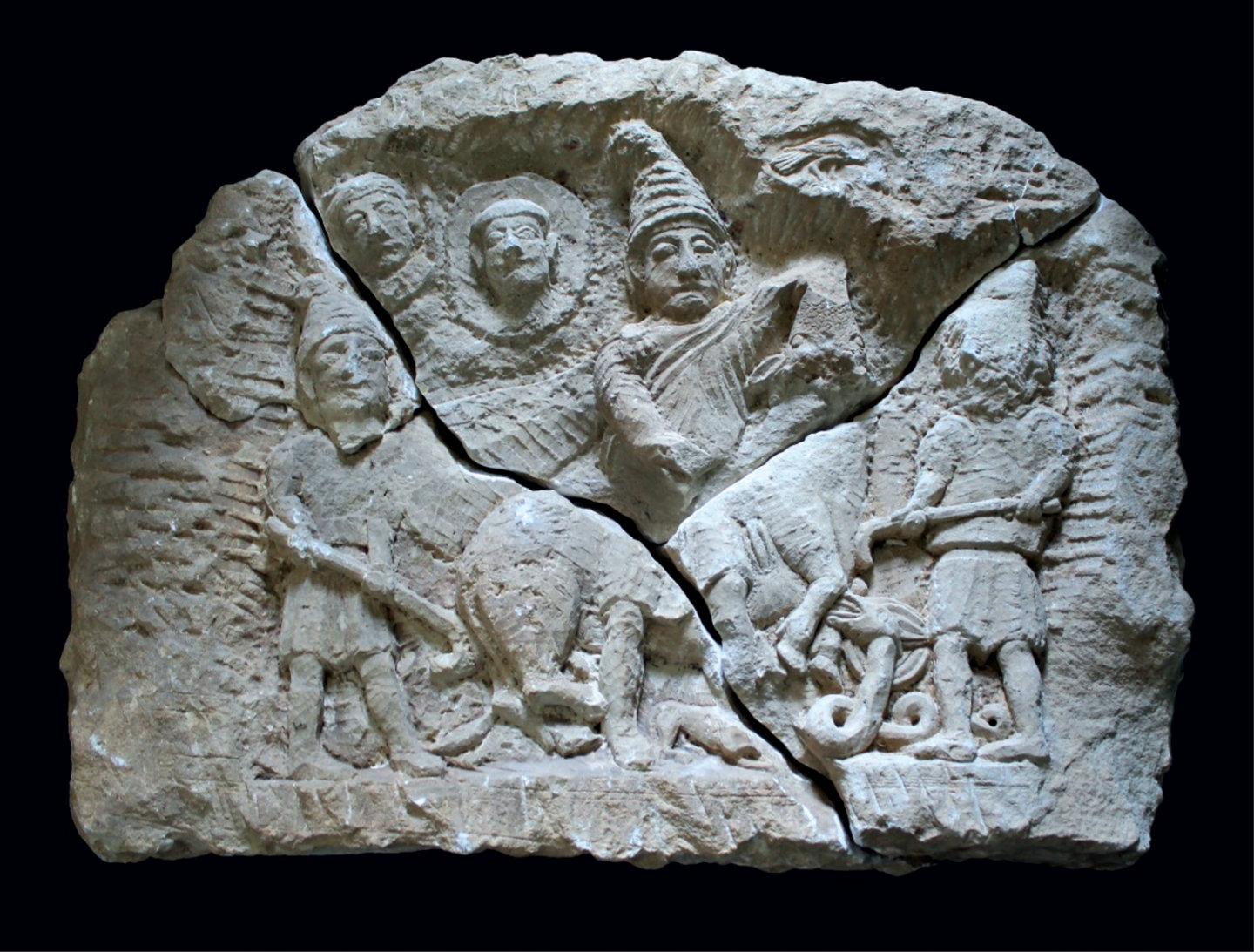
The relief of Mithras killing the bull, found near Zvornik in Bosnia and Herzegovina, features some variations on the usual scene.
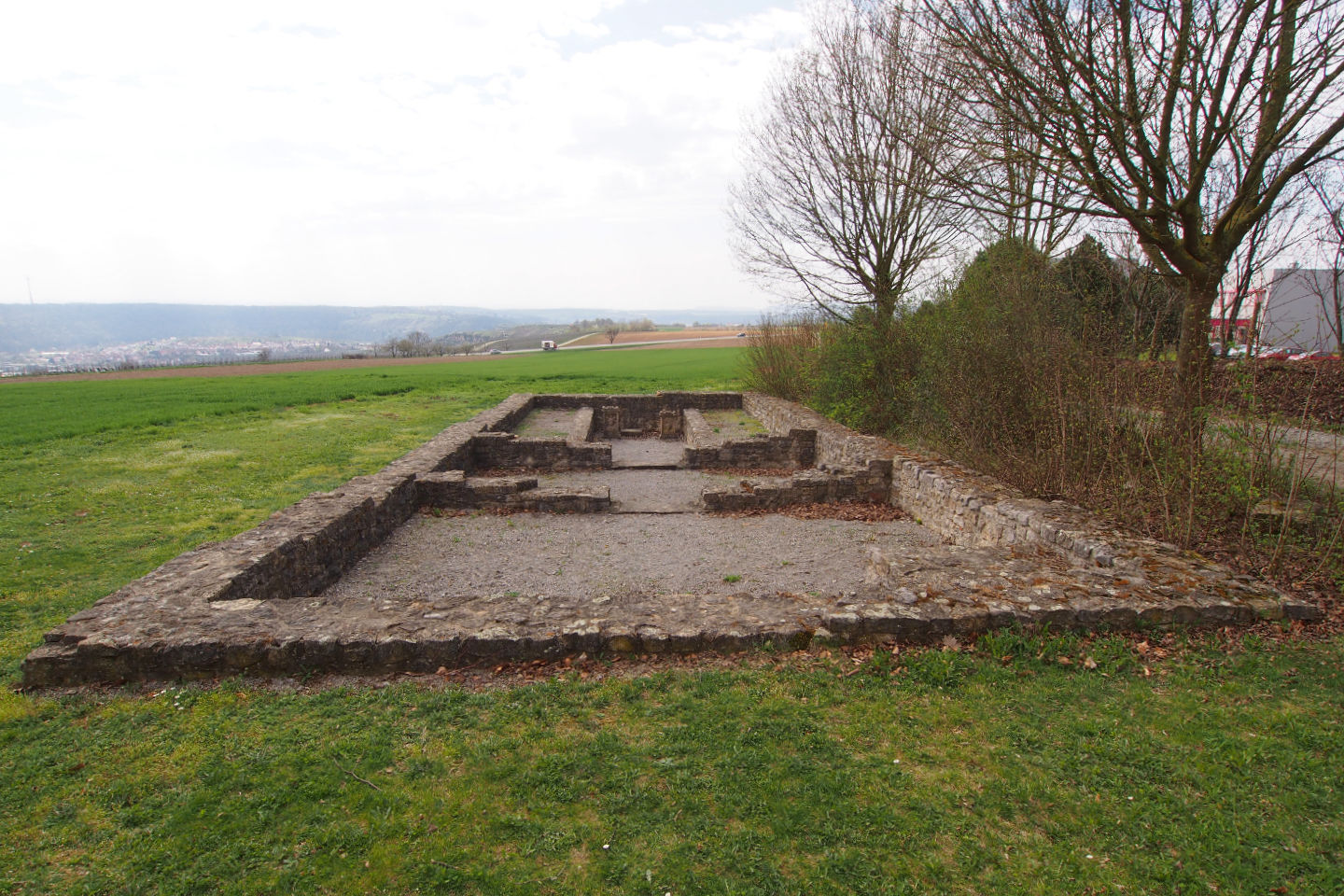
The two altars found in the Mithraeum of Mundelsheim one of Sol and the other of Luna, are exposed in situ.

Laurent Bricault has revolutionised Mithraic studies with the exhibition The Mystery of Mithras. Meet this professor in Toulouse for a fascinating look at the latest discoveries and what lies ahead.
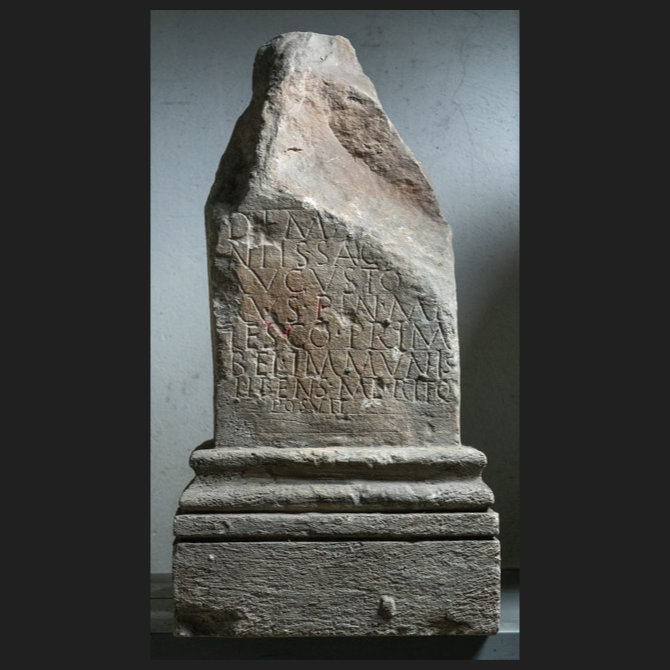
This altar, discovered in Grude, near Tihaljina, Bosnia and Herzegovina, bears an inscription by Pinnes, a soldier of the Cohors Prima Belgica.
In this 4th-century Roman altar, the senator Rufius Caeionius Sabinus defines himself as Pater of the sacred rites of the unconquered Mithras, having undergone the taurobolium.
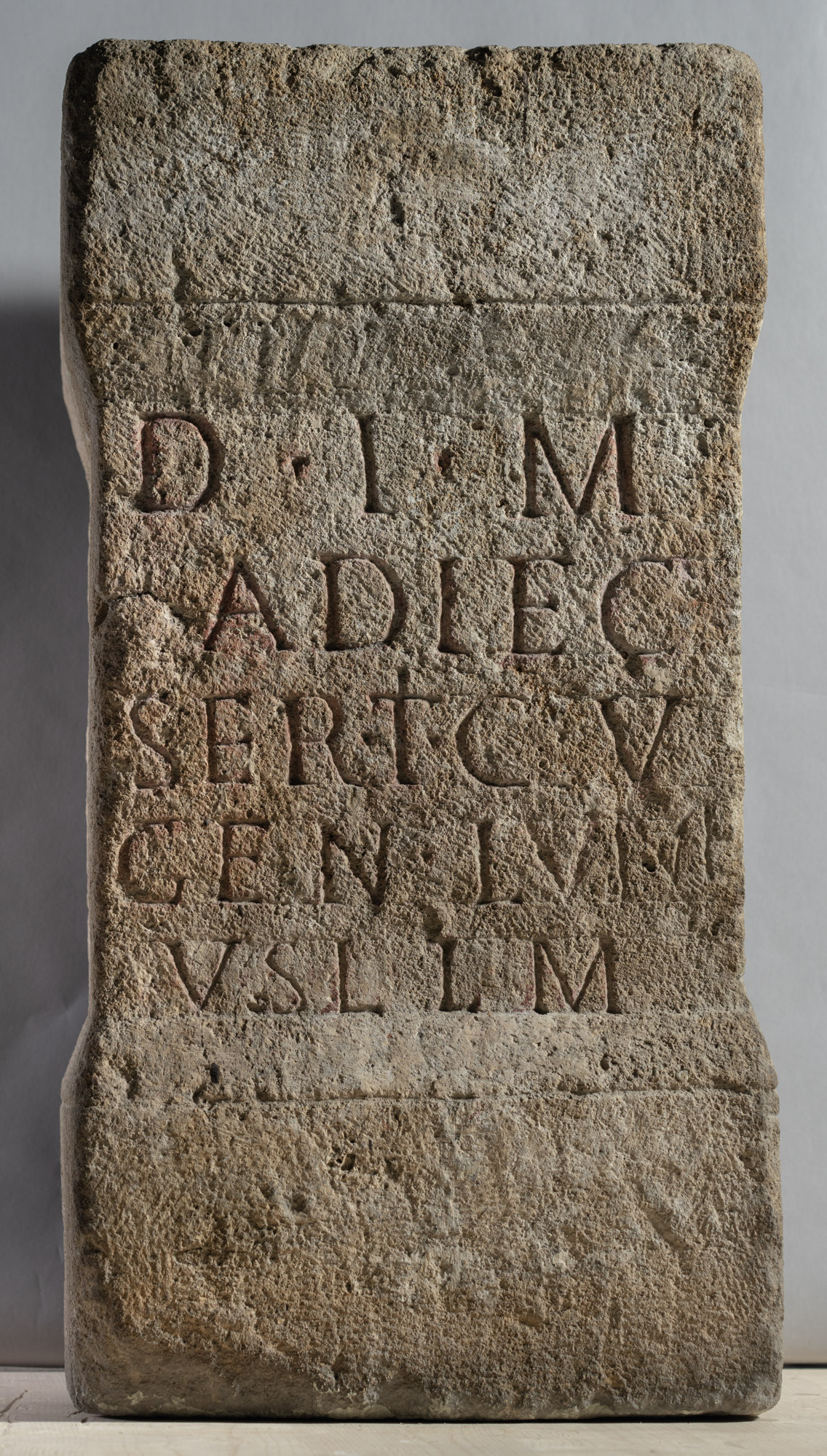
There is no consensus as to whether the altar of the slave Adiectus from Carnuntum is dedicated to a Mithras genitor of light.
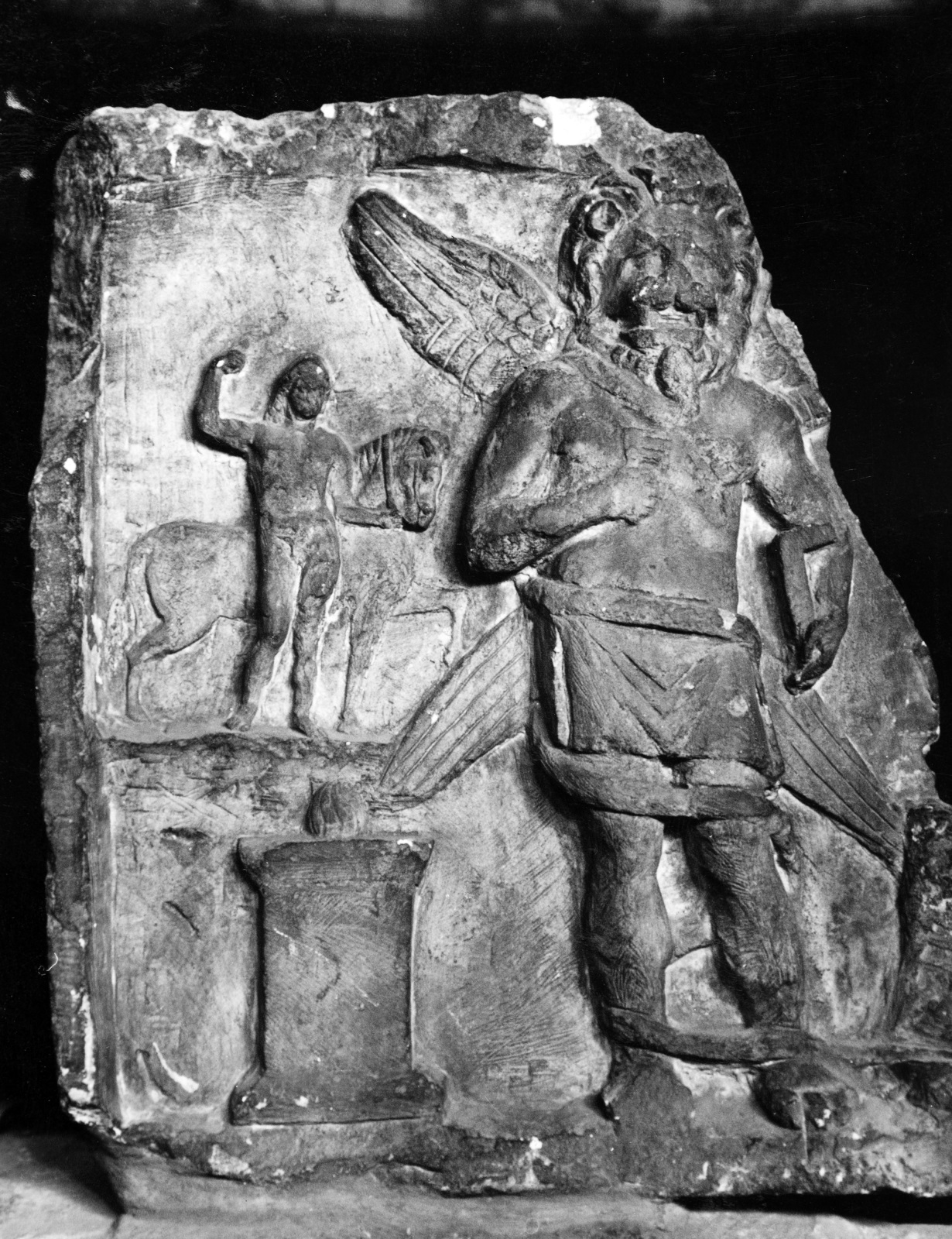
The relief of Aion from Vienne includes a naked youth in Phrygian cap holding the reins of a horse.
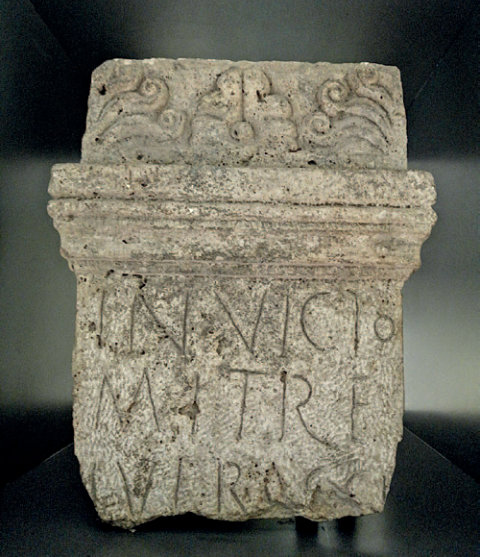
This Mithraic altar of a certain Iulius Rasci or Racci was found in 1979 in a field in Borovo, Croatia, in the area of the Roman fort of Teutoburgium.
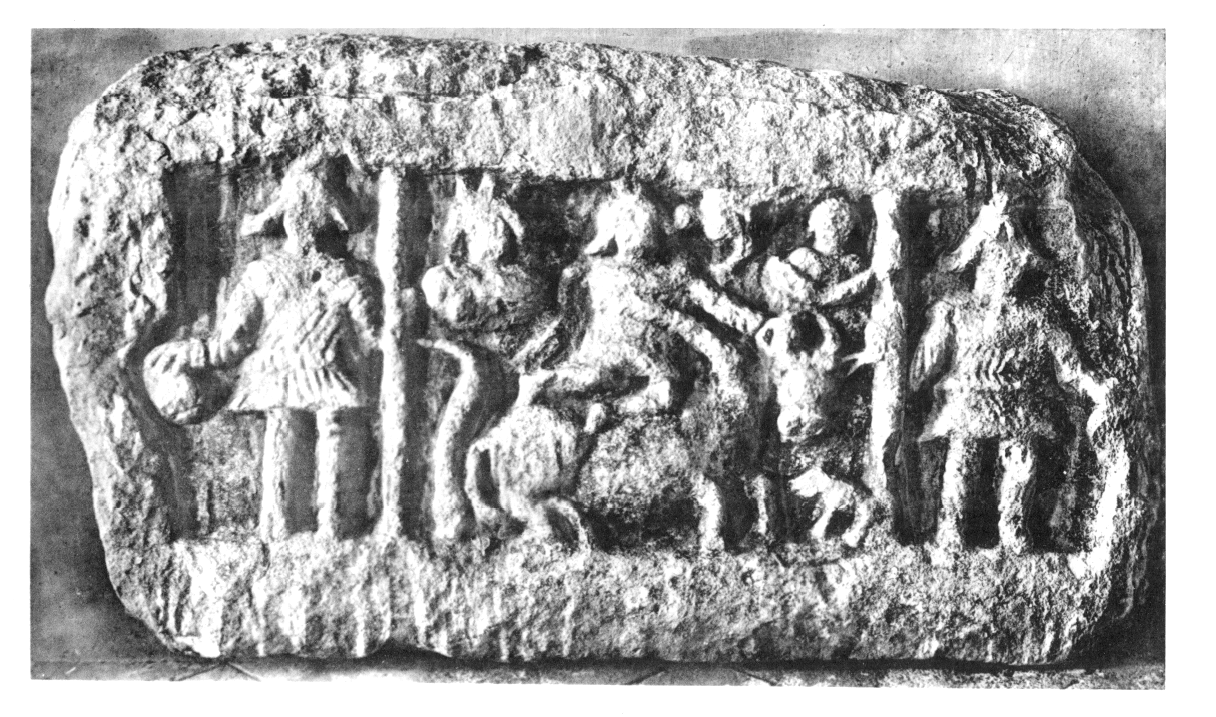
This relief of Mithras as bull slayer is surrounded by Cautes and Cautopates with their usual torch plus an oval object.
According to the scarcely detailed design of von Sacken, the lay-out of the temple must have been nearly semi-circular.
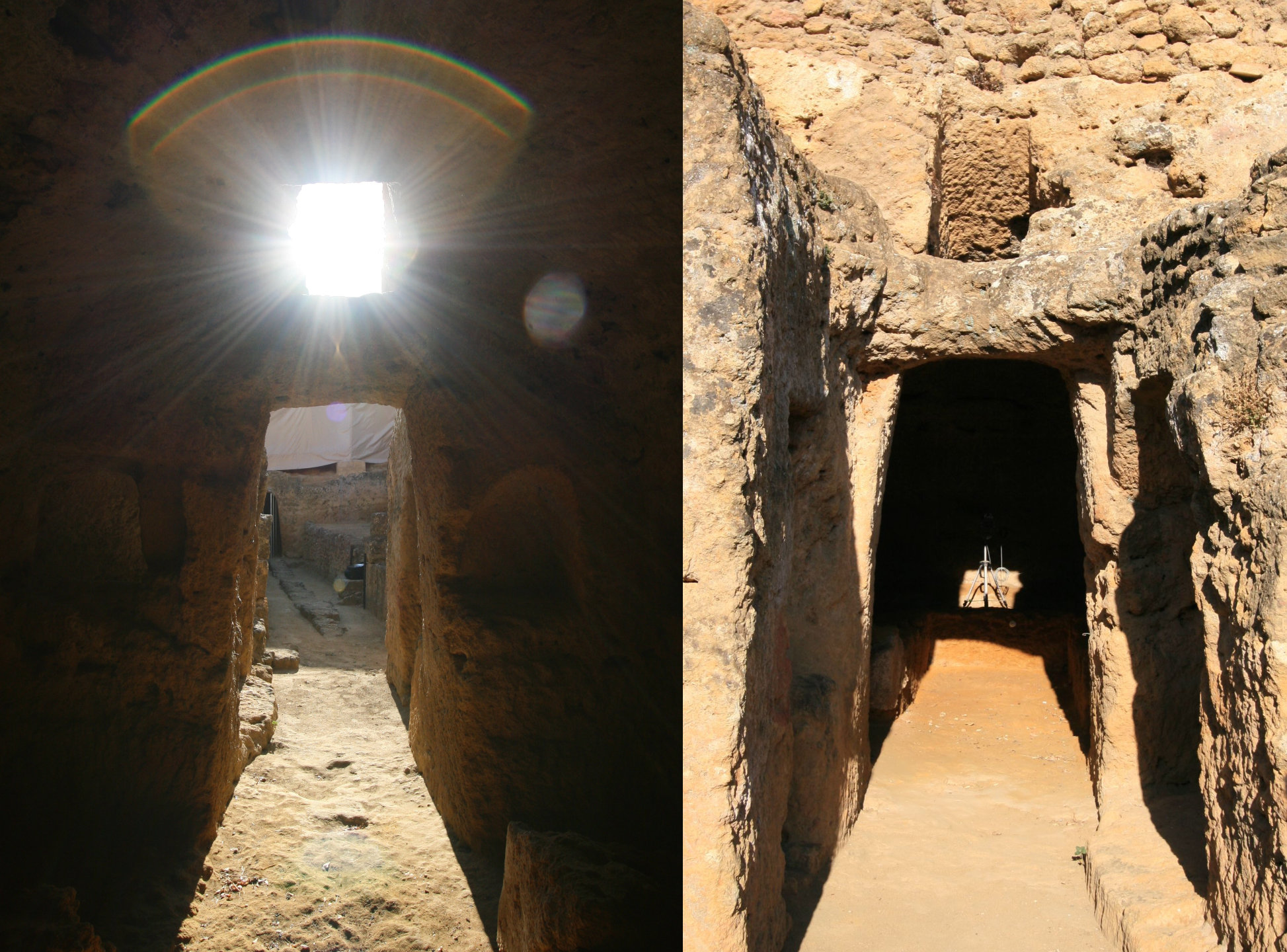
Set in a Roman necropolis, the so-called Mithraeum of the Elephant takes its name from an elephant statue found in one of the tombs.
