Your search Monteu da Po gave 2934 results.
.jpg)
This limestone statue of Cautes is now exposed at Great North Museum of Newcastle.
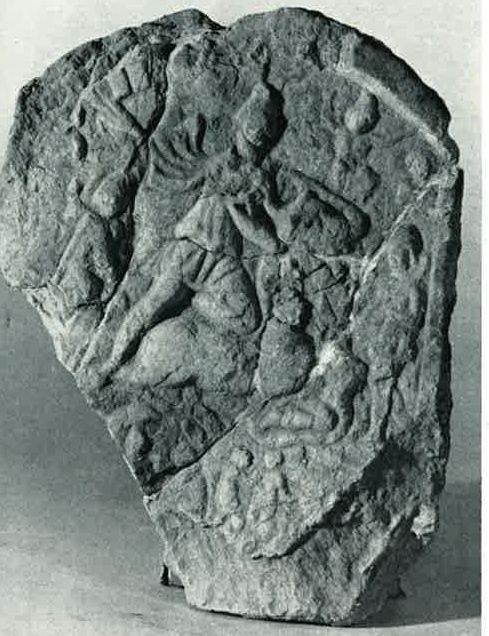
Marble tauroctony relief from the Roman camp at Sucidava, Dacia, found near tower C, depicting the standard bull-slaying with the full iconographic programme.

Tauroctony relief carved directly into the rock of the Mithraeum on the Colle S. Giorgio near Cavtat, ancient Epidaurum in Dalmatia; the composition includes Sol, Luna, Cautes, and Cautopates flanking the central scene.

The tauroctonic relief from Dragus includes a naked flying figure that Vermaseren has identified as Phosporus or Lucifer.
Limestone altar from Cluj, ancient Napoca in Dacia, dedicated to Soli invicto Mithrae for the welfare of the ordo Augustalis.
Many of the inscriptions and sculptures of the site were kept in a museum which has been destroyed.

This relief of Mithras slaying the bull incorporates the scene of the god carrying the bull and its birth from a rock.
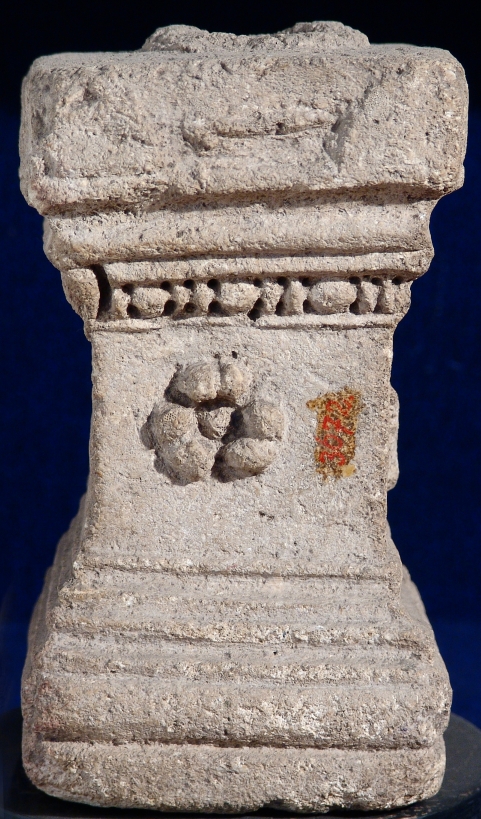
This limestone altar from Roman Dacia preserves a dedication to Mithras by a commander of the Ala II Pannoniorum.

These six marble fragments from the Second Mithraeum of Poetovio preserve parts of tauroctonies together with figures of Sol, Cautes, and Cautopates.
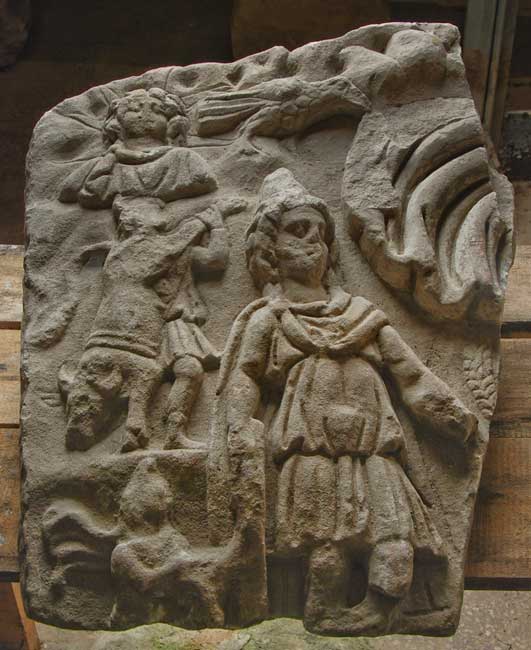
This marble fragment from Roman Dacia preserves part of a tauroctony with Sol, the raven, and Mithras dragging the bull.
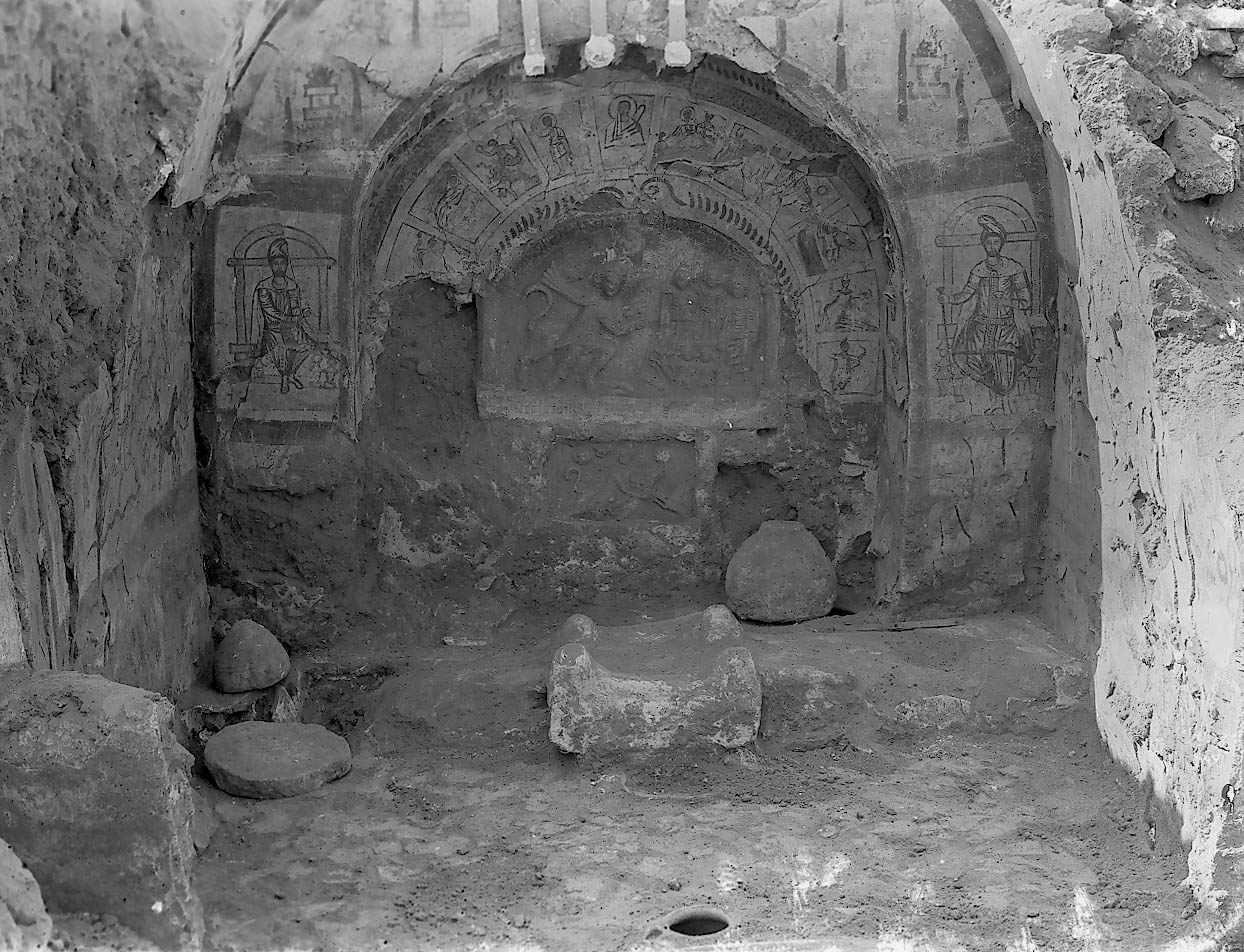
Three plaster altars within the main altar of the Mithraeum of Dura Europos, two of them with traces of fire and cinders.
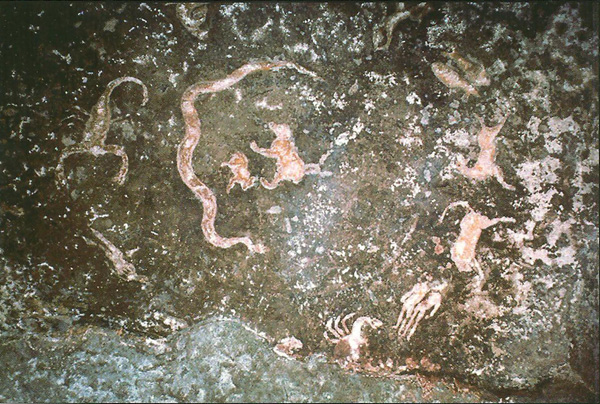
Solis invicti Mithrae studiosus astrologiae who was at the same time ’caelo devotus et astris’.
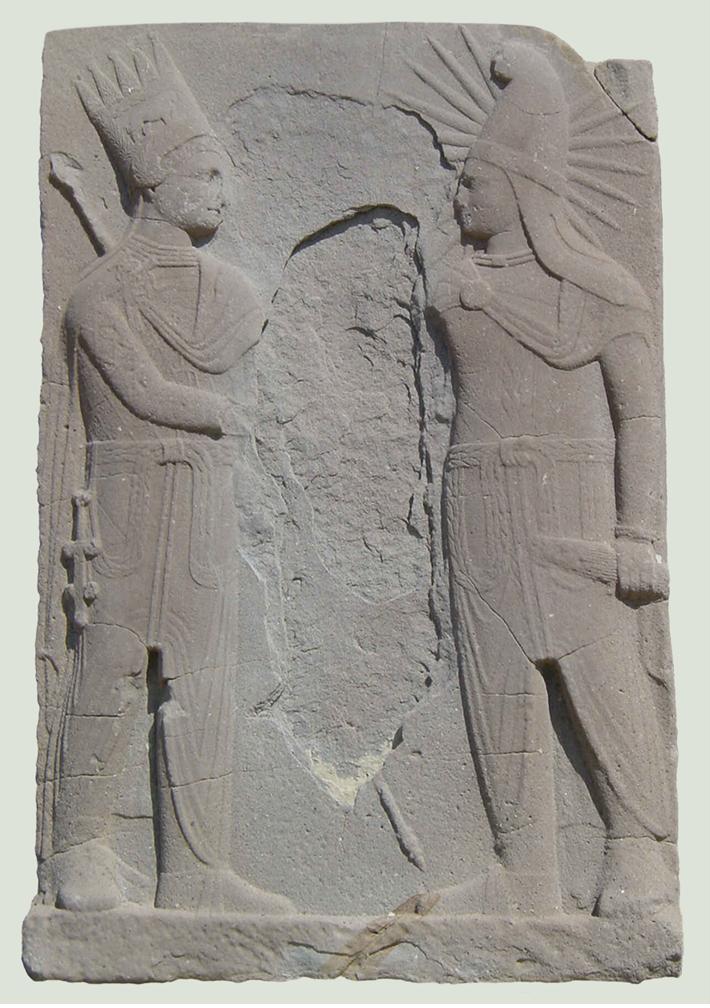
Antiochus I of Commagene shakes Mithras hands in this relief from the Nemrut Dagi temple.
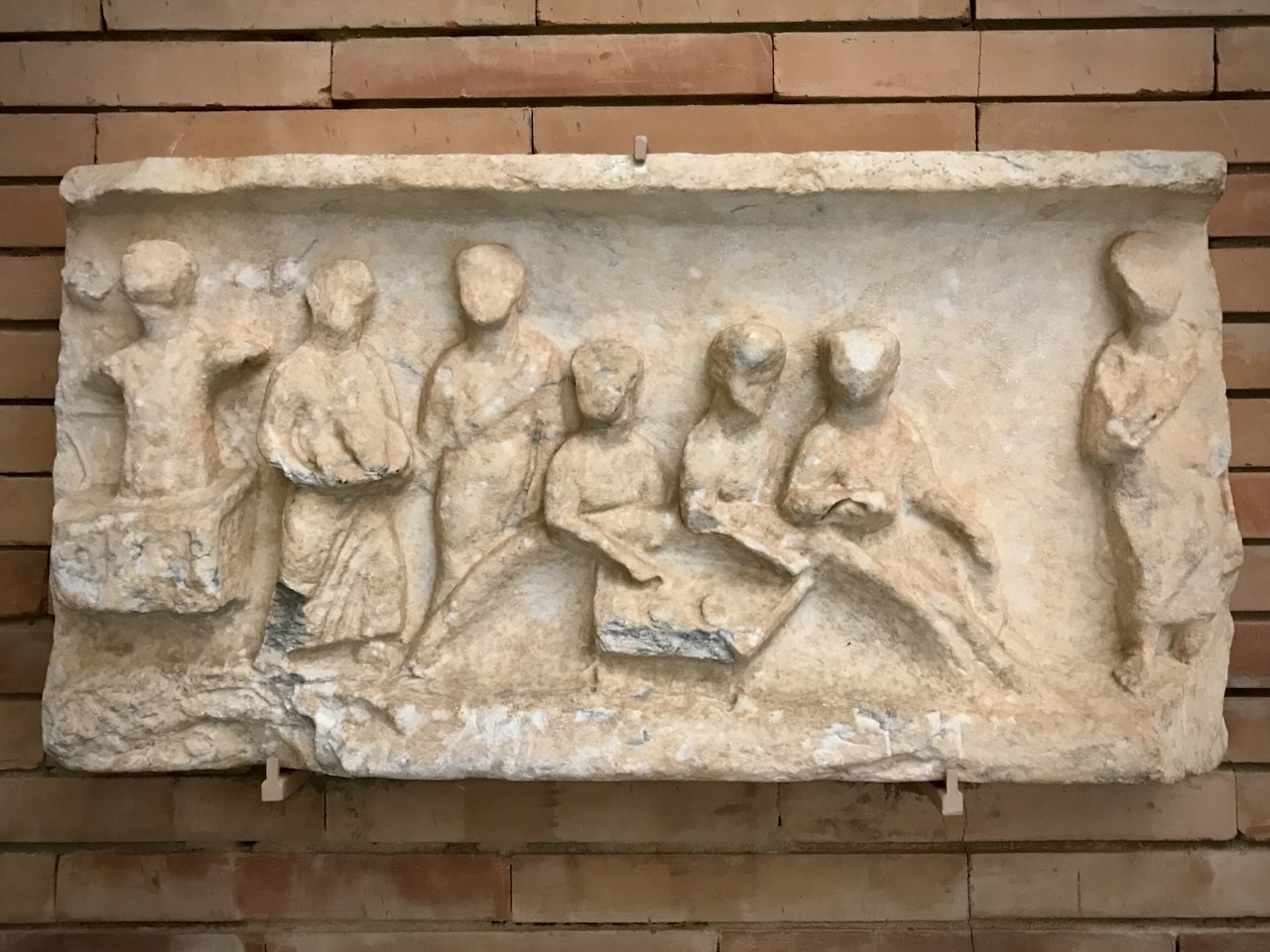
This scene of a feast from Mérida shows three persons at a table with other people standing beside them, one holding a bull’s head on a plate.
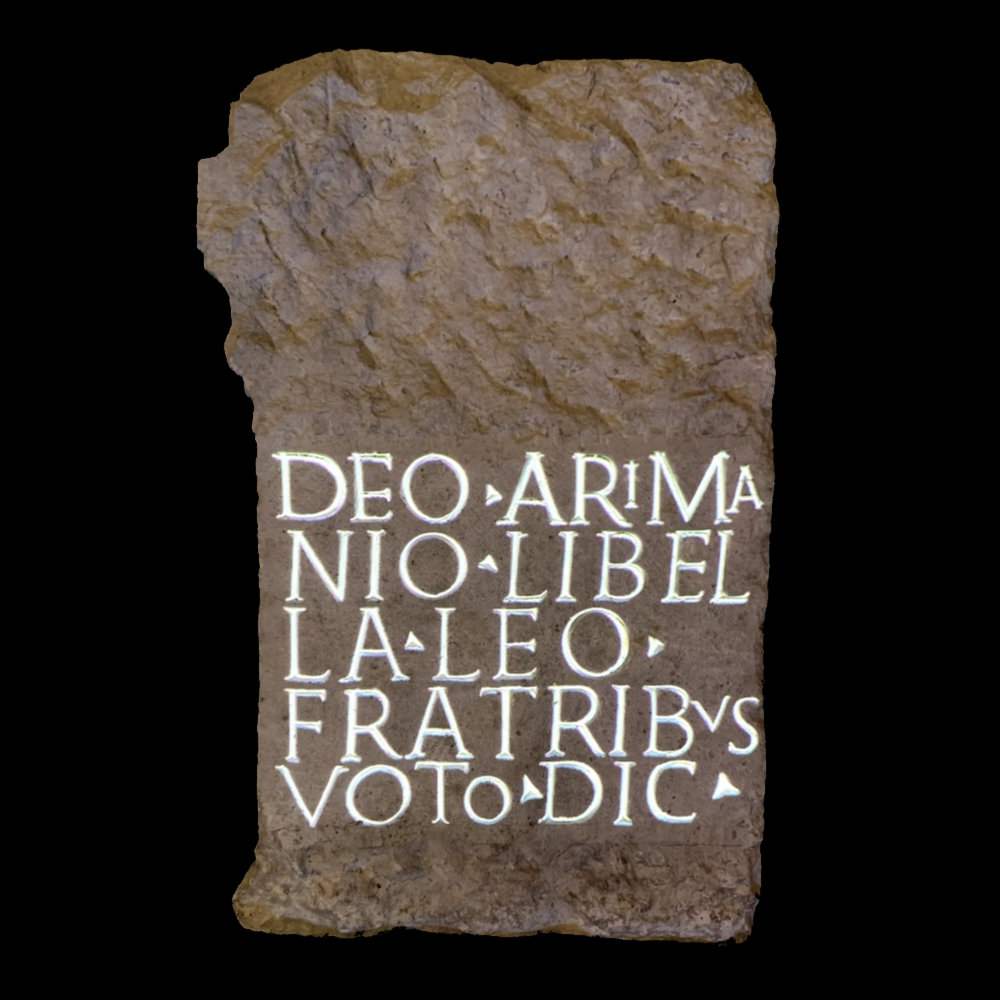
The dedicant of this altar to the god Arimanius was probably a slave who held the grade of Leo.
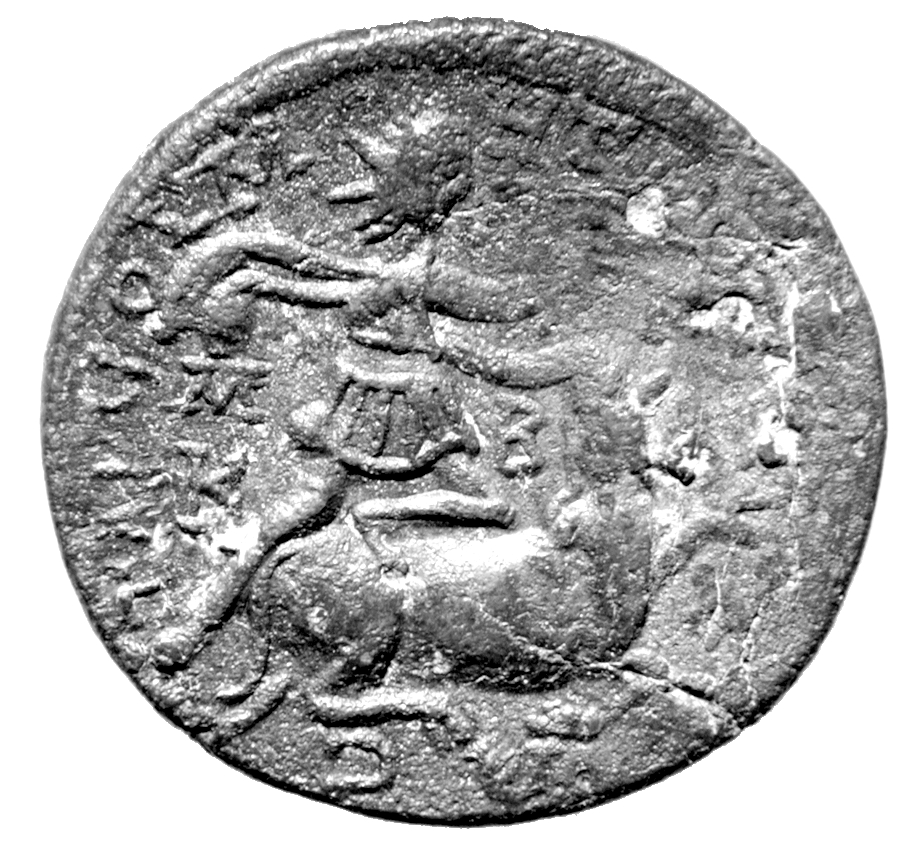
The bronze medallion, from Cilicia, shows Mithras Tauroctonus on the revers.
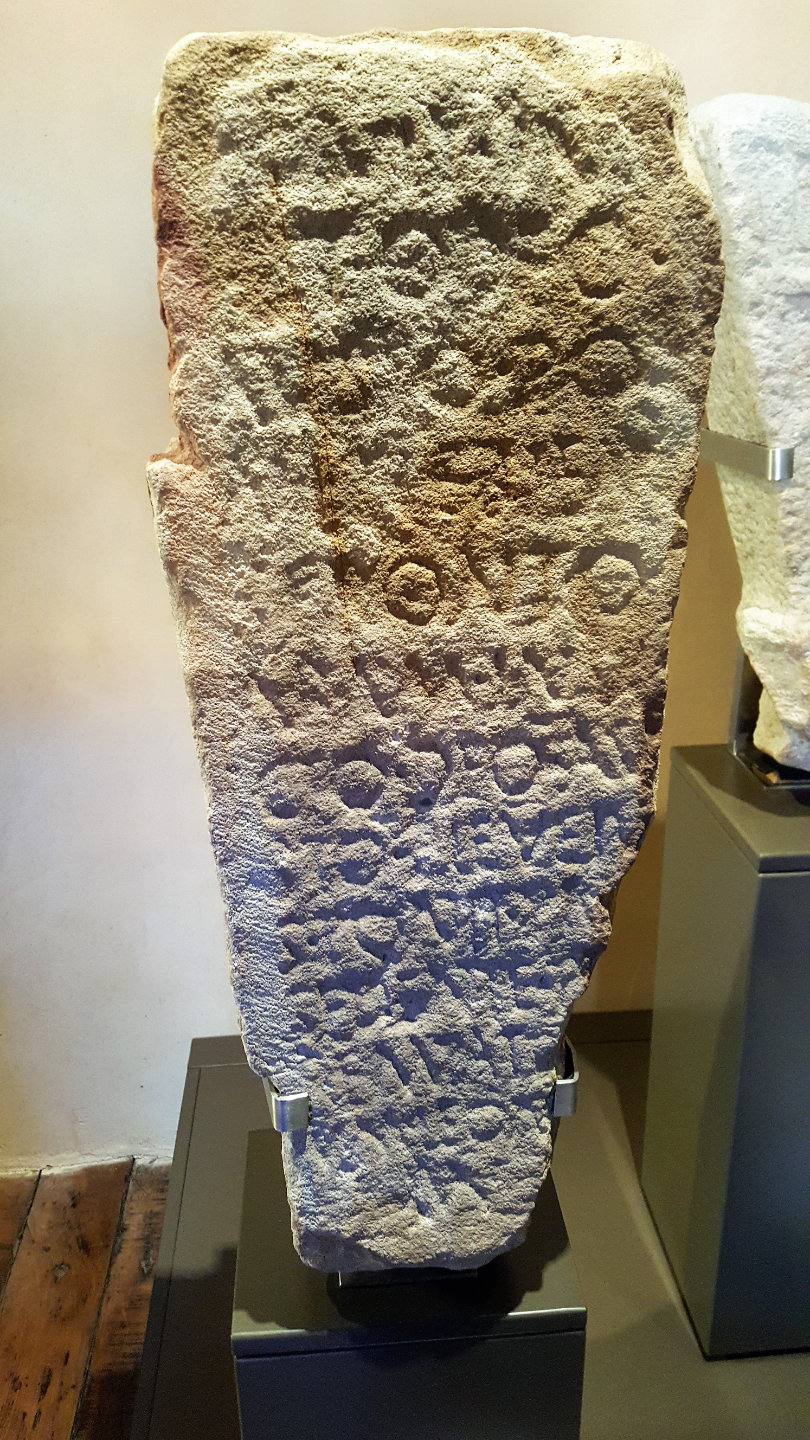
The monument of San Juan de la Isla (Asturias) devoted to Mithras was preserved in the portico of the main church until 1843.
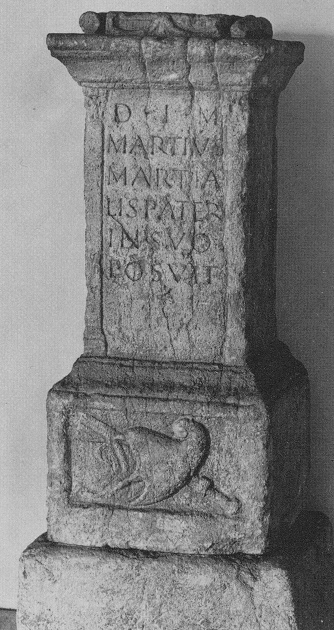
The altar with a Phrygian cap and a dagger from Trier was erected by a Pater called Martius Martialis.
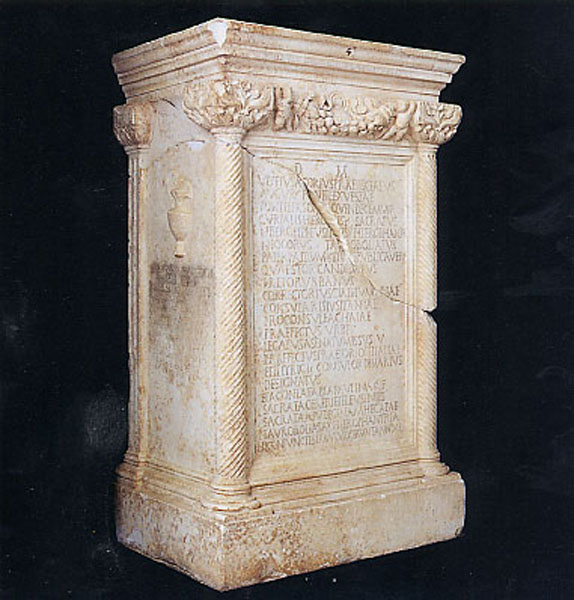
The marble altar mentions Vettius Agrorius Praetextatus as Pater Sacrorum and Patrum and his wife Aconia Fabia Paulina.
Large marble slab found in 1648 near S. Silvestro in Capite, inscribed with a Latin dedicatory poem forming a cypher-acrostic for TAMESIUS and AUGENTIUS, with records of leontica and chrysos initiations, dated to 362 A.D.
