Your search Ostia Antica gave 178 results.
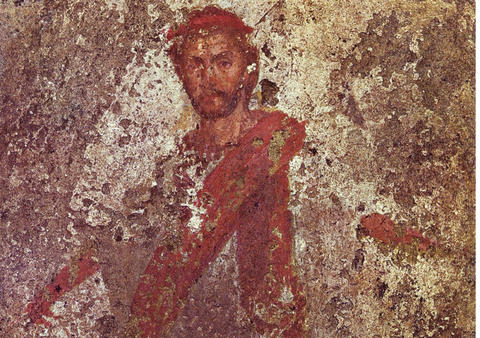
Figures in procession, each representing a different grade of Mithraic initiation, labeled with their respective titles.

Dominique Persoons proposes a reconstruction of Mithraic ritual based on archaeological remains, frescoes, and zodiacal symbolism. He interprets the mithraeum as a liturgical microcosm governing the descent, purification, and ascent of souls.
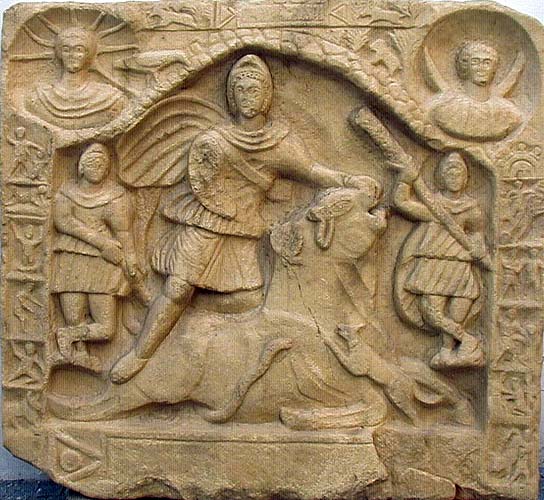
The relief of Mithras slaying the bull at Mauls in Gallia cisalpina is a paradigmatic example of the so-called Rhine-type Tauroctony.
Proceedings of the International Seminar on the 'Religio-Historical Character of Roman Mithraism, with Particular Reference to Roman and Ostian Sources'. Rome and Ostia 28-31 March 1978




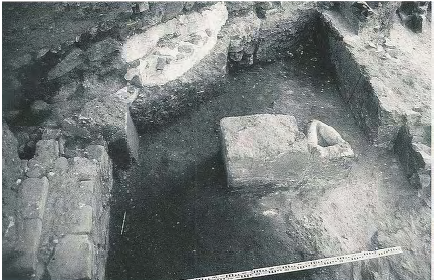
The Mithraeum at Espronceda Street, in Merida, was discovered in 2000. It is a semi-subterranean temple.
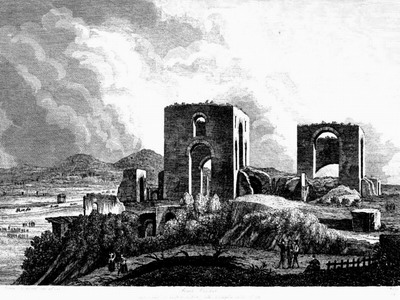
Mithras and other oriental gods were worshipped in the shrine of Zeus near the Villa of the Quintilians in Rome.

The large number of monuments found at the Mithraeum of Sarmizegetusa and the sheer size of the temple are unusual.
Porphyry states that the Mithraists “perfect their initiate by inducting him into a mystery of the descent of souls and their exit back out again, calling the place a ‘cave’.”.
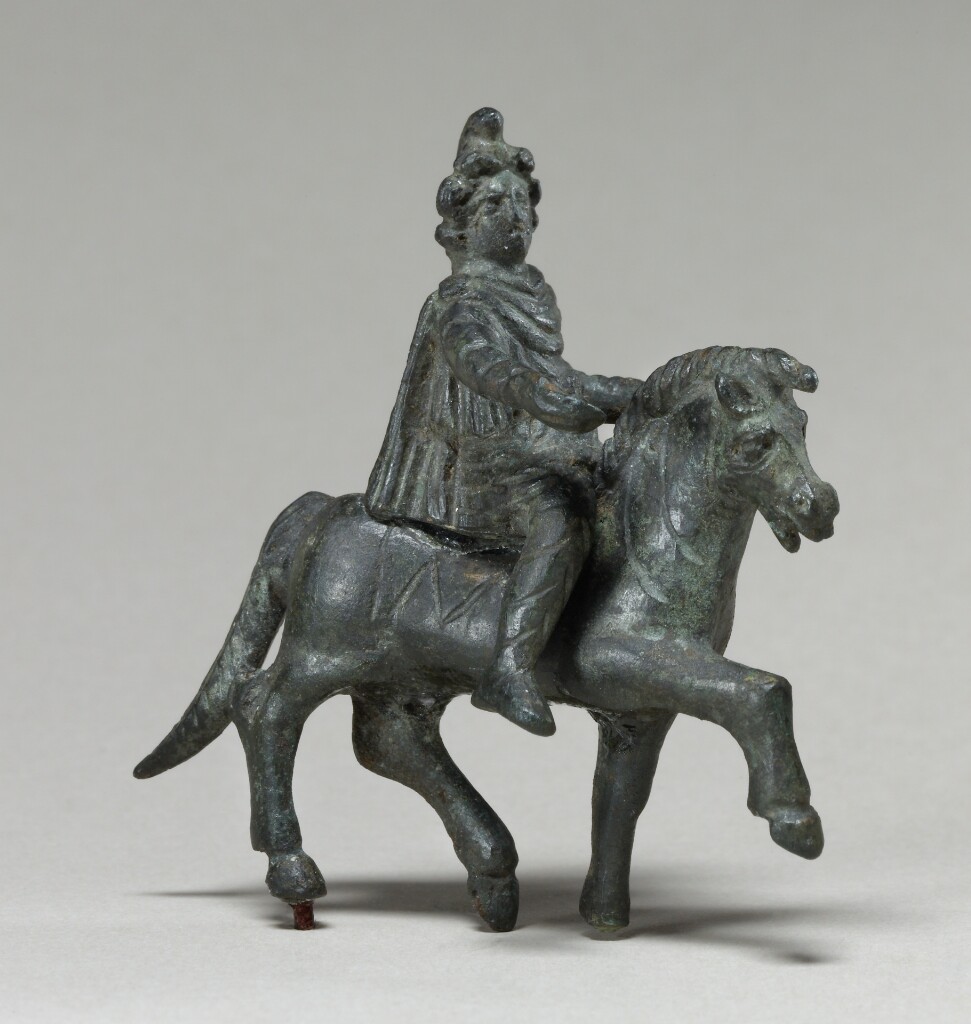
This small bronze statuette of Mithras riding a horse is composed of two pieces.

Ernest Renan suggested that without the rise of Christianity, we might all have embraced the cult of Mithras. Nevertheless, it has had a lasting influence on secret societies, religious movements and popular culture.

Excerpted from Mushroom, Myth and Mithras, this passage elaborates on the Mithraic ritual and the degree of Nymphus.