Your search Philippe Roy gave 258 results.
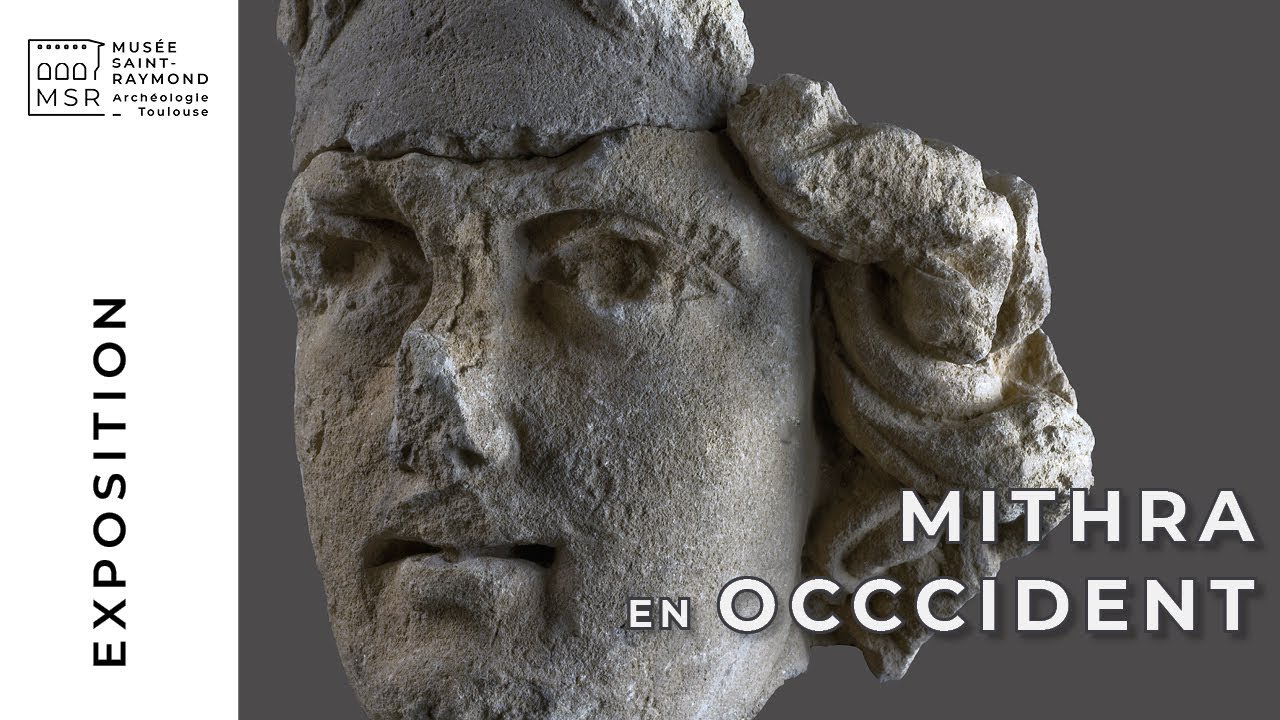
Philippe Roy, docteur en Sciences de l’Antiquité, présente dans cette vidéo la réception du culte de Mithra dans les provinces occidentales de l’Empire romain.

From the late first century CE, Mithras spread across the Roman Empire, leaving more than 130 sanctuaries and nearly 1,000 inscriptions. This volume offers a rigorous synthesis that renews our understanding of this enigmatic cult.

Laurent Bricault has revolutionised Mithraic studies with the exhibition The Mystery of Mithras. Meet this professor in Toulouse for a fascinating look at the latest discoveries and what lies ahead.

Many of the inscriptions and sculptures of the site were kept in a museum which has been destroyed.

A collection of 284 coins, spanning from 254 to 395 AD and mostly of the fourth century, found in the Mithraeum at Pons Saravi (modern Saarburg) in Belgica, indicating that the sanctuary was founded under the Severan dynasty and destroyed in the fourth century…
Ceramic finds from both excavations of the Mithraeum at Borcovicium (modern Housesteads), comprising red and thin black-glazed pottery fragments together with a silver coin of Faustina Minor, indicating the sanctuary was in use before 253 A.D. and was most likely destroyed by fire…
Circular Mithraic relief from Oescus, Moesia Inferior, mentioned by LeRoy Campbell; no further details are available to the author.

First Mithraic sanctuary in the potter's quarter of Aquincum, Pannonia Inferior; destroyed during the Marcoman wars; the rectangular building is known only from the four altars found side by side.
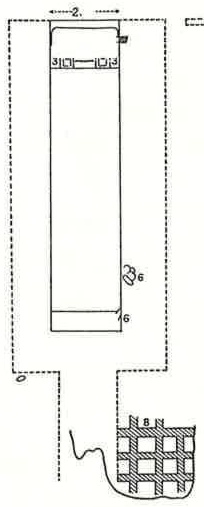
Mithraic sanctuary discovered behind the west part of a Roman cemetery near the camp at Gross-Krotzenburg in 1881, finds destroyed in World War II
Large red sandstone tauroctony relief from Mithraeum I at Stockstadt, mostly thrown into the river Main when the sanctuary was destroyed
Commagenean sanctuary preserving relief fragments of Mithras greeting royal figures at the hierothesion of Mithridates Kallinikos.
This eulogy of Saint Eugene of Trapezos tells how, in the time of Diocletian, he and two other Christian fellows destroyed a statue of Mithras.
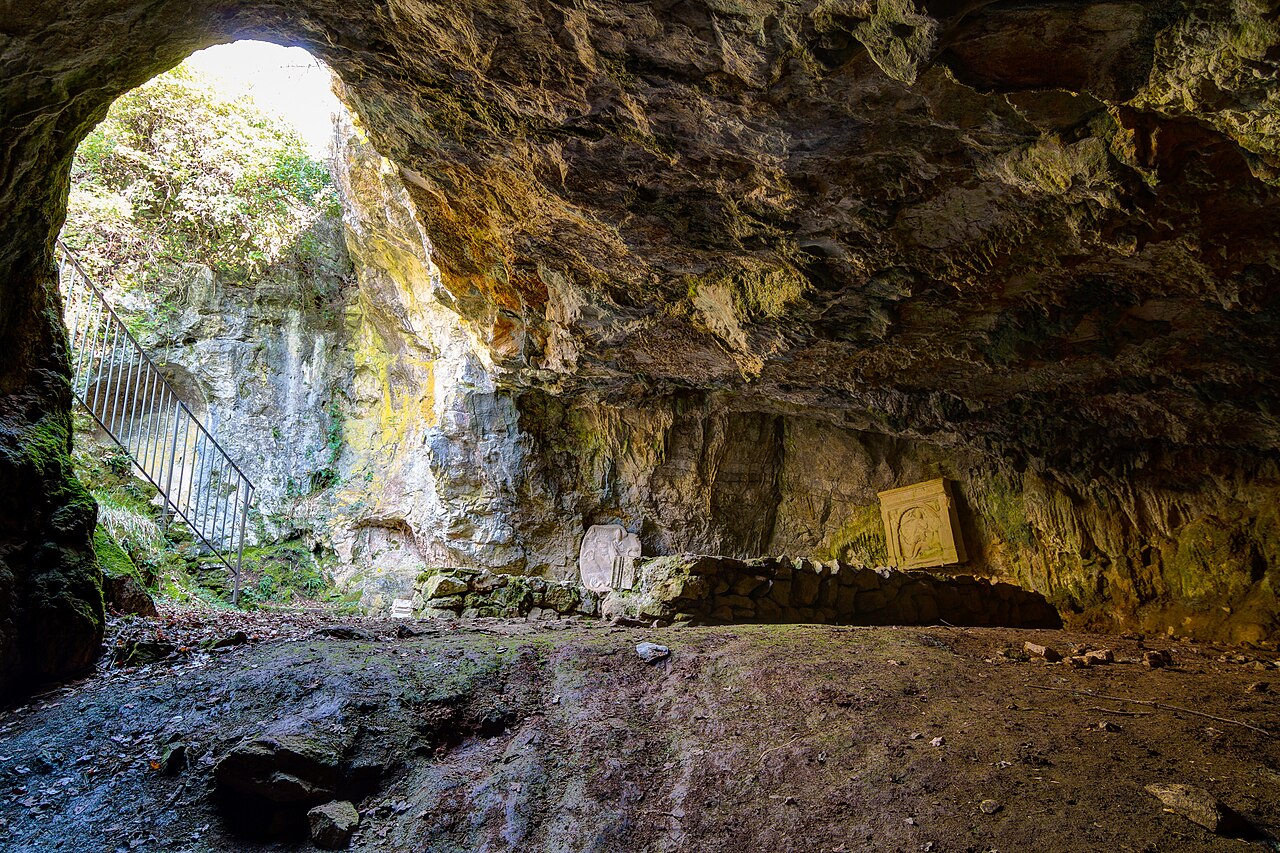
The site was destroyed in the 5th century but some elements, including the benches, can still been seen.
The Mithraeum II in Stockstadt was in fact the first one known built in the vicus. It was destroyed by fire around 210.

Followers of a revived version of Mithraism in contemporary Italy threaten to overthrow the government and destroy the Vatican. Rome is in chaos. Earthquakes shake the city. The Pope is in a coma.


